- English
- French
- German
- Portuguese
- Spanish
- Russian
- Japanese
- Korean
- Arabic
- Greek
- German
- Turkish
- Italian
- Danish
- Romanian
- Indonesian
- Czech
- Afrikaans
- Swedish
- Polish
- Basque
- Catalan
- Esperanto
- Hindi
- Lao
- Albanian
- Amharic
- Armenian
- Azerbaijani
- Belarusian
- Bengali
- Bosnian
- Bulgarian
- Cebuano
- Chichewa
- Corsican
- Croatian
- Dutch
- Estonian
- Filipino
- Finnish
- Frisian
- Galician
- Georgian
- Gujarati
- Haitian
- Hausa
- Hawaiian
- Hebrew
- Hmong
- Hungarian
- Icelandic
- Igbo
- Javanese
- Kannada
- Kazakh
- Khmer
- Kurdish
- Kyrgyz
- Latin
- Latvian
- Lithuanian
- Luxembou..
- Macedonian
- Malagasy
- Malay
- Malayalam
- Maltese
- Maori
- Marathi
- Mongolian
- Burmese
- Nepali
- Norwegian
- Pashto
- Persian
- Punjabi
- Serbian
- Sesotho
- Sinhala
- Slovak
- Slovenian
- Somali
- Samoan
- Scots Gaelic
- Shona
- Sindhi
- Sundanese
- Swahili
- Tajik
- Tamil
- Telugu
- Thai
- Ukrainian
- Urdu
- Uzbek
- Vietnamese
- Welsh
- Xhosa
- Yiddish
- Yoruba
- Zulu
The correct installation method of 6 inch swing check valve
Installing a 6 inch swing check valve correctly is essential for preventing backflow, protecting pumps, and maintaining system integrity across water supply, petrochemical, and HVAC applications. These valves feature a pivoting disc mounted on a hinge pin that opens under forward flow pressure and closes automatically when flow reverses, preventing potentially destructive backward movement that can damage pumps and other equipment. Proper installation ensures optimal performance, minimises maintenance costs, and extends the valve's operational lifespan beyond 50,000 cycles when combined with quality manufacturing standards such as API 594 and ISO compliance.
Understanding the 6 Inch Swing Check Valve
Working Principle and Core Components
A simple but efficient device makes a swing check valve work. When the fluid moves in the right direction, the pressure pulls the disc away from the seat, which opens it up on its hinge pin so that the fluid can flow freely. Gravity and reverse pressure push the disc back against the seat when the flow stops or turns around. This makes a seal that stops backflow. Because the full-bore stays open while the valve is working, this design has less pressure drop than lift-style check valves.
The body of the valve is usually made of stainless steel 304 or 316, which is very resistant to rust and can be used with water, oil, gas and other toxic substances. The disc, hinge pin, seat ring, and hood assembly are all internal parts. These valves are made by ZTVK and have flanged fittings that range from DN15 to DN500. They can handle pressures of up to 1.6MPa and temperatures of -20°C to 150°C.
Industrial Applications and Benefits
When the pump stops, these valves keep dirty water from flowing back into clean supply lines, which is very important for municipal water systems. In petroleum plants, they keep dangerous leaks from getting into compressors and pumps and breaking them down or putting people in danger. They are put on the output lines of cooling towers by HVAC workers to keep the system primed and stop the water column from separating.
Swing check valves are essential in many fields because they can be used in many ways. Because they are strong, they can handle slurries and solids in suspension better than other types of check valves. This makes them less likely to get clogged in wastewater uses. The simple design also makes debugging and repairs easier, which is helpful for trade and wholesaler businesses that serve a variety of regional markets.
Material Selection and Pressure Ratings
Whether you choose 304 or 316 stainless steel depends on where you will be using it. Grade 304 is good for general water and light chemical uses, while 316 is better at withstanding chlorides and marine conditions. This difference is important when choosing valves for sites near the coast or that work with acidic materials.
Pressure ratings must match what the machine needs. The 1.6MPa grade of ZTVK works well for most industrial and local uses 6 inch swing check valve, ensuring safe operation without spending too much on engineering. The temperature range is from -20°C to 150°C, which means it can handle cold water systems and mild steam uses. However, for higher temperatures, special sealing materials are needed.
Step-by-Step Guide to Installing a 6 Inch Swing Check Valve
Pre-Installation Inspection and Preparation
Before you start installing the valve, make sure it wasn't damaged during shipping by looking closely at the flange sides, the movement of the disc, and the body's strength. Make sure that the valve's pressure class, material grade, and end connection type all meet the needs of your system. Thoroughly clean the pipeline, getting rid of any welding slag, scale, or other debris that could hurt the seating surfaces or stop the disc from working.
Carefully check the orientation of the pipeline. Flanges that aren't lined up right can cause stress to be distributed unevenly, which can crack valve bodies or cause gaskets to fail before they should. A DN150 flanged swing check valve can weigh anywhere from 50 to 100 kilograms, based on the material and pressure class. Make sure you have the right tools for moving it.
Correct Orientation and Flow Direction
The most important thing about fitting is that it is oriented correctly. A direction arrow on the valve body shows the direction of flow. This arrow must point in the direction of normal flow. If you put the valve in backwards, it won't work at all because the disc will stay closed under forward pressure. In straight pipes, put the hinge pin at the very top so that when the flow stops, gravity can help close the disc.
When installing vertically, you need to take extra care. Swing check valves only work right when the flow is going up and up, because the disc stays open because of fluid pressure and closes because of gravity. Gravity keeps the disc open all the time because of downward vertical flow, so the valve can't stop backflow. If your system needs to be installed from the top down, choose a model with a spring help or look at other types of check valves, such as dual plate or lift types.
Flange Connection and Torque Specifications
With the right seals, place the valve between the main ends. Choose the seal material based on the temperature and type of fluid you will be using. For example, EPDM rubber works well with cold water, while graphite or PTFE are better for higher temperatures and chemical service. Carefully line up the bolt holes and tighten all of the bolts with your finger before adding force.
To spread the load equally across the seal, tighten the flange bolts in a star shape. As a result, the seal doesn't shift, and the pressure stays the same. When connecting 6-inch flanges, the torque ranges from 70 to 150 foot-pounds, but this depends on the size and type of bolt. For accurate numbers, look at the ASME B16.5 standards or the manufacturer's instructions. To account for gasket tension, re-torque the bolts in the same way after the first tightening.
Support and Stress Management
The weight of large valves can put stress on the supports of the pipeline. Install the right pipe supports upstream and downstream of the valve to keep the pipes from sliding and causing the disc to move out of place on its seat. Pipeline building rules say that supports should be spaced out every 3 to 4 meters for steel pipes.
In cases where the placement is too big or too flat, the valve may need to be supported on its own 6 inch swing check valve. Support frames should touch the valve body without making it hard for the disc to move or putting too much stress on the pipeline. Do not use the valve as a structural support point, as this could cause the body casting to crack or damage parts inside the valve.
Testing and Verification After Installation
After the work is done, a hydraulic test at 1.5 times the maximum pressure should be done to make sure the joints are solid and to find any leaks. Slowly add pressure to the system while keeping an eye on all of its links. Pay special attention to the flange gaskets and hood seals. Check the torque values or replace any broken seals right away if there is a leak.
To make sure the disc works, either turn it by hand if the shape of the bonnet lets you, or cycle the flow through the valve. The disc shouldn't be able to stick or rub against anything too much. Listen for strange sounds when the valve is first turned on. A valve that is working properly will be quiet, but rattling or banging sounds can mean that the disc is chattering because the flow rate is too slow or the valve is the wrong size.
Common Installation Mistakes and How to Avoid Them
Misalignment and Incorrect Flow Direction
Installing the valve backwards remains surprisingly common, particularly when multiple contractors work on complex pipeline systems. Always verify the flow arrow against system flow diagrams before welding or bolting flanges. Some engineers mark the arrow with bright paint during pre-installation inspection to make it visible even after the valve is positioned.
Angular misalignment between flanges forces the valve body out of parallel with the pipeline, creating shear stress on bolts and uneven gasket compression. This leads to leaks and premature failure. Use alignment tools and laser levels for critical installations, ensuring flange faces remain parallel within industry tolerances.
Inadequate Structural Support
Undersupported valves experience accelerated wear due to vibration and weight stress on internal components. The hinge pin bore elongates over time, allowing the disc to misalign with the seat and causing leakage. Pipeline sagging pulls flanges apart at the bottom while compressing them at the top, crushing gaskets unevenly and creating leak paths.
Combat these issues by designing support systems during the planning phase rather than addressing problems reactively. Calculate valve weight including fluid content, and verify that pipe hangers and supports meet load requirements. Independent valve stands work well for horizontal installations where pipe supports alone prove insufficient.
Accessibility and Maintenance Considerations
Valves installed in cramped spaces or against walls become maintenance nightmares. Technicians need clearance to remove bonnets, inspect discs, and replace worn components without dismantling surrounding piping. Plan for at least 300mm clearance around the valve body for routine inspection access.
Consider future needs when positioning isolation valves upstream and downstream of the check valve. These allow system depressurisation and drainage for maintenance without shutting down entire process lines. Documentation is equally important—maintain as-built drawings showing valve locations, specifications, and installation dates to support lifecycle management.
Comparing Installation Needs of Different 6 Inch Check Valve Types
Swing Check vs. Lift Check Valves
Lift check valves use a guided disc or piston that rises vertically off the seat under flow pressure. They require horizontal installation for proper operation and need more headroom than swing designs due to the lift mechanism. Installation complexity increases because lift valves are more sensitive to debris and require cleaner service conditions.
Swing check valves offer greater installation flexibility and tolerate dirty fluids better, making them preferred for wastewater and slurry applications. Their larger flow passage reduces pressure drop, benefiting energy efficiency in pumping systems. Installation costs typically run lower because swing valves require less precise positioning and fewer specialised tools.
Wafer and Dual Plate Check Valves
Wafer-style check valves fit between flanges without requiring separate bolting, reducing installation time and space requirements. They suit applications where face-to-face dimensions are constrained. Dual plate check valves use two spring-loaded semicircular discs that close at the centerline, allowing installation in any orientation, including vertical downward flow.
These alternatives demand different installation approaches. Wafer valves need careful bolt length calculation since bolts pass through both flanges and the valve body. Dual plate models require consideration of spring tension settings during commissioning. While compact, these designs often cost more initially and may have higher maintenance complexity than traditional swing check valves.
Material Impact on Installation Practices
Stainless steel valves resist corrosion but weigh more than equivalent cast iron models, affecting support requirements and handling procedures. The increased weight necessitates stronger mounting brackets and more robust pipe supports. During installation, use appropriate rigging to prevent dropping, as stainless steel valves represent significant capital investments.
Cast iron versions offer cost advantages for non-corrosive applications, but require protective coatings in outdoor or humid environments 6 inch swing check valve. Installation procedures remain similar, though technicians must exercise greater care to avoid impact damage to the more brittle cast iron bodies. ZTVK's stainless steel 304/316 construction eliminates coating concerns while providing decades of reliable service.
Maintenance Tips for 6 Inch Swing Check Valves After Installation
Routine Inspection Protocols
Establish a quarterly inspection schedule that includes visual examination for external leakage, unusual noise during operation, and signs of vibration or movement at mounting points. Annual internal inspections allow assessment of disc and seat wear, hinge pin condition, and internal corrosion. Document findings with photographs and measurements to track degradation trends over time.
Pressure testing after maintenance verifies seal integrity before returning the valve to service. Test at operating pressure while monitoring for leakage at the seat and bonnet joints. This practice catches problems before they cause system failures or safety incidents.
Cleaning and Lubrication Best Practices
Swing check valves generally require minimal lubrication since the disc and hinge pin operate in the process fluid. When lubrication is necessary, use products compatible with your operating medium to avoid contamination. Food-grade or oxygen service applications demand specific lubricants that meet regulatory standards.
Cleaning focuses on removing scale, deposits, or biological growth from internal surfaces. Disassemble the bonnet and remove the disc assembly for thorough cleaning with appropriate solvents or mechanical methods. Inspect the seat ring for pitting or erosion, and lap or replace it as needed to restore sealing capability. Avoid abrasive cleaning methods that damage precision-machined surfaces.
Replacement Criteria and Supplier Support
Replace the valve when repair costs approach 60% of the new valve cost, or when body damage compromises structural integrity. Hinge pin wear beyond manufacturer tolerances, severe seat erosion, or disc cracking justify replacement rather than repair. Modern valves from quality manufacturers like ZTVK often outlast older designs, making replacement a performance upgrade opportunity.
Maintaining relationships with reliable suppliers ensures spare parts availability and technical support when problems arise. ZTVK provides 18-month warranties and maintains a stock of common replacement parts for quick turnaround. Our technical team offers installation guidance videos and troubleshooting assistance, helping distributors serve their customers effectively while building long-term partnerships.
Conclusion
Correct installation of 6-inch swing check valves protects critical infrastructure by preventing damaging backflow, water hammer, and pump damage across industrial applications. Success depends on careful attention to flow direction, proper flange alignment, adequate structural support, and thorough post-installation testing. Avoiding common mistakes like backward installation, insufficient support, and poor maintenance access extends valve life and reduces the total cost of ownership. Material selection between stainless steel grades influences corrosion resistance and durability in challenging environments. Regular maintenance following manufacturer guidelines maximises performance and reliability over decades of service.
FAQ
1. How do I verify the correct flow direction before starting the system?
Check the directional arrow cast or stamped on the valve body, which must point in the direction of normal flow. Cross-reference this with your piping and instrumentation diagram. You can also verify by observing the disc position—it should swing away from the inlet side when opened. If documentation is unclear, consult with the valve supplier or system designer before pressurising the pipeline to avoid costly reinstallation.
2. What causes premature valve failure after installation?
The most frequent causes include incorrect installation orientation, inadequate flow velocity causing disc chatter, oversizing that prevents full disc opening, and insufficient pipeline support, creating mechanical stress. Contaminated fluids with abrasive particles accelerate seat wear, while water hammer from rapid flow changes damages internal components. Selecting the proper valve size for actual flow conditions and maintaining clean service fluids significantly extends operational life.
3. Can swing check valves be installed in vertical pipelines?
Yes, but only with upward flow direction. The fluid pressure must overcome gravity to hold the disc open during operation, and gravity assists closure when flow stops. Vertical downward installations keep the disc permanently open, eliminating backflow prevention. For downward vertical applications, specify spring-assisted swing check valves or alternative designs like dual plate check valves that function in any orientation.
Partner with ZTVK for Reliable Swing Check Valve Solutions
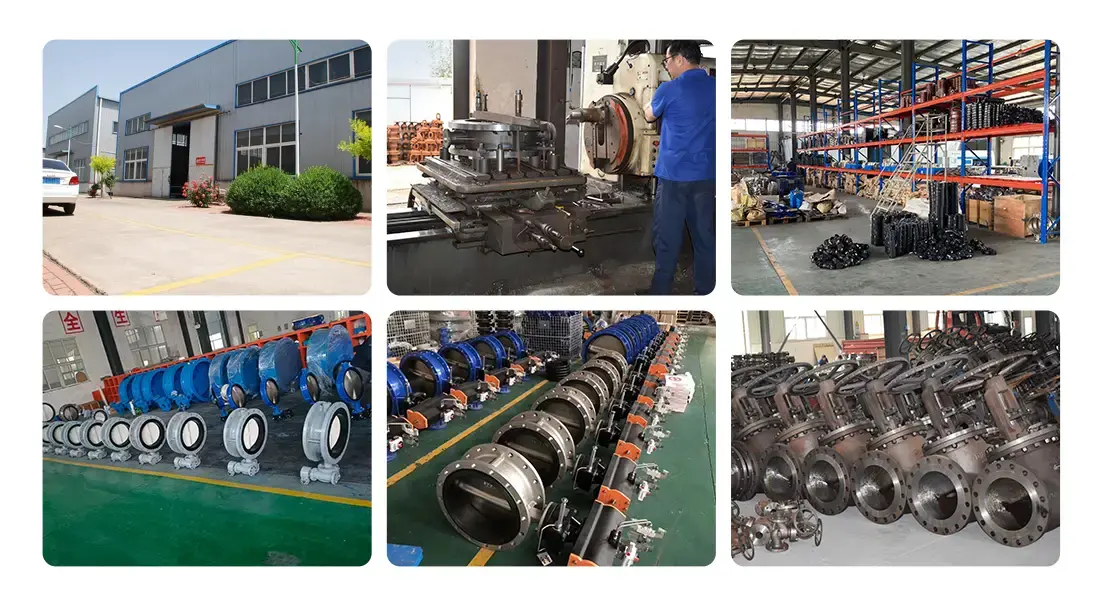
ZTVK delivers precision-engineered 6 inch swing check valve solutions that meet the demanding requirements of industrial valve distributors and engineering contractors. Our manufacturing facility in Tianjin's Beichen District produces flanged check valves from DN15 to DN500 with stainless steel 304/316 construction, rated for 1.6MPa nominal pressure across temperature ranges from -20°C to 150°C. We maintain over 2,000 standard units in stock for delivery within 3-7 days, with custom OEM manufacturing completed in 15-25 days.
ISO9001, ISO14001, and OHSAS18001 certifications underscore our commitment to quality, environmental responsibility, and safety. Our proximity to Tianjin Port enables efficient global shipping, while partnerships with major carriers provide competitive FOB and CIF pricing. Contact our team at ktec86961886@163.com to discuss your specific requirements, request technical drawings, or obtain quotations for bulk orders. As your trusted 6 inch swing check valve supplier, we support your success with reliable products, responsive service, and engineering expertise.

References
1. American Petroleum Institute, "API Standard 594: Check Valves: Flanged, Lug, Wafer and Butt-welding," Fifth Edition, 2017.
2. Schweitzer, Philip A., "Valve Selection Handbook: Engineering Fundamentals for Selecting the Right Valve Design for Every Industrial Flow Application," Industrial Press Inc., 2019.
3. ASME B16.34, "Valves – Flanged, Threaded, and Welding End," American Society of Mechanical Engineers, 2020.
4. Skousen, Philip L., "Valve Handbook," Third Edition, McGraw-Hill Education, 2011.
5. Lyons, Jerry L., "The Valve Primer: A Guide to Valve Selection, Installation, and Maintenance," Van Nostrand Reinhold, 2006.
6. British Standards Institution, "BS 1868: Specification for Steel Check Valves for the Petroleum, Petrochemical and Allied Industries," BSI Standards Publication, 2015.
Send us your valve requirements and our team will provide professional solutions and fast quotations.
RELATED INDUSTRY KNOWLEDGE