- English
- French
- German
- Portuguese
- Spanish
- Russian
- Japanese
- Korean
- Arabic
- Greek
- German
- Turkish
- Italian
- Danish
- Romanian
- Indonesian
- Czech
- Afrikaans
- Swedish
- Polish
- Basque
- Catalan
- Esperanto
- Hindi
- Lao
- Albanian
- Amharic
- Armenian
- Azerbaijani
- Belarusian
- Bengali
- Bosnian
- Bulgarian
- Cebuano
- Chichewa
- Corsican
- Croatian
- Dutch
- Estonian
- Filipino
- Finnish
- Frisian
- Galician
- Georgian
- Gujarati
- Haitian
- Hausa
- Hawaiian
- Hebrew
- Hmong
- Hungarian
- Icelandic
- Igbo
- Javanese
- Kannada
- Kazakh
- Khmer
- Kurdish
- Kyrgyz
- Latin
- Latvian
- Lithuanian
- Luxembou..
- Macedonian
- Malagasy
- Malay
- Malayalam
- Maltese
- Maori
- Marathi
- Mongolian
- Burmese
- Nepali
- Norwegian
- Pashto
- Persian
- Punjabi
- Serbian
- Sesotho
- Sinhala
- Slovak
- Slovenian
- Somali
- Samoan
- Scots Gaelic
- Shona
- Sindhi
- Sundanese
- Swahili
- Tajik
- Tamil
- Telugu
- Thai
- Ukrainian
- Urdu
- Uzbek
- Vietnamese
- Welsh
- Xhosa
- Yiddish
- Yoruba
- Zulu
Best pneumatic butterfly valve actuator for Industrial Use
When searching for the best pneumatic butterfly valve actuator for industrial use, you need equipment that balances speed, reliability, and fail-safe capability. A pneumatic butterfly valve actuator converts compressed air into precise 90-degree rotary motion, controlling flow in pipelines with remarkable consistency. Unlike electric alternatives requiring complex wiring or manual systems prone to operator error, pneumatic actuators deliver rapid response times—often under three seconds—while maintaining intrinsic safety in explosive atmospheres. This technology has become indispensable across water treatment facilities, petrochemical plants, and HVAC systems where automation cannot compromise on safety or performance.


Understanding Pneumatic Butterfly Valve Actuators
The way that pneumatic devices work is simple, but it works well. When compressed air goes into the actuator chamber, it pushes against a piston that is linked to a rack-and-gear system. Through a pinion gear, this linear force is turned into rotational motion, which turns the valve stem exactly 90 degrees. This design is beautiful because it is simple. Compared to electric motors with gearboxes, it has fewer places where things can go wrong because there are fewer moving parts.
Single-Acting vs. Double-Acting Systems
The choice of control types has a big effect on the safety of your operations. Single-acting actuators, which are also known as spring-return units, move the valve in one way with compressed air. For the return stroke, mechanical springs are used. This design creates a fail-safe position that is created automatically. If your building suddenly loses air pressure, the spring forces the valve to either fully open or fully close, depending on what you've set as the safest state for your process. In refineries, where unchecked flow could lead to disasters, this arrangement is most common for emergency stop systems.
For both the opening and shutting steps, double-acting actuators need air pressure. They give you more exact control and more torque in both directions, which makes them good for modulating tasks where you need to keep the valve in certain middle positions. When paired with an electro-pneumatic positioner that can handle 4-20mA signals, these actuators turn butterfly valves into precise devices for limiting flow.
Rack and Pinion Design Advantages
Rack and pinion mechanics are used in most industrial-grade pneumatic actuators instead of other designs. This setup gives you constant torque throughout the whole 90-degree stroke, which is very helpful when you need to unseat a valve that has been closed under pressure for a long time. The normal construction of quality units is made of hard-anodized aluminum, which doesn't rust when exposed to moisture in compressed air lines and keeps its shape even when the temperature changes. Aluminum pressure die-cast caps and rack parts make them even more durable without adding too much weight that would put stress on the mounting mounts.
The universal compatibility of the ISO 5211 actuator design standard is guaranteed. This international mounting interface lets you switch actuators from different brands without changing the valve stems or coupling hardware. This makes inventory simpler and makes it easier to get replacement parts in an emergency.

Pneumatic vs. Electric and Manual Butterfly Valve Actuators: Making the Right Choice
Choosing the right activation method affects how well and how often your system needs to be maintained in the long run. Understanding the differences between technologies helps keep equipment capabilities and process needs from not matching up, which can be very expensive.
Performance Comparison
A typical pneumatic actuator can complete a full stroke in 1.5 to 3 seconds, while an electric actuator may need 15 to 60 seconds, depending on the size of the motor. This quick action is very important in chemical handling emergencies where separation is needed right away. But pneumatic devices need a constant source of compressed air, which raises the cost of doing business if your building doesn't already have air infrastructure.
Electric motors are great for places that are hard to reach and where adding air compressor systems would be too expensive for a pneumatic butterfly valve actuator. They give you accurate input on where you are and work with digital control systems easily thanks to the Modbus or Profibus protocols. But their tools are still vulnerable in places with a lot of wetness or explosives if they don't have expensive cases that are rated for dangerous areas.
Manual motors are the cheapest to buy at first, but they cost more in the long run because they require more work and pose safety risks. Operators have to physically reach switches, which can be dangerous if they are in a small area or on a high level. When valve placement is left up to human operators instead of automatic control loops, process consistency is lost.
Application-Specific Considerations
Water treatment plants that inject chlorine gas almost always specify pneumatic actuation. The spark-free operation gets rid of ignition sources around volatile chemicals, and the spring-return mechanisms make sure the valve closes when the power goes out and ventilation systems stop working too. We've seen these actuators work reliably in 95% humidity conditions where electric motor windings would break down in months.
In petrochemical plants that handle streams with temperatures above 200°C, special extended bonnet butterfly valves are often used with air motors that are placed away from heat sources. The metal body of the actuator can handle temperatures up to 80°C without losing its performance. At much lower temperatures, normal electric actuators need expensive cooling systems or heat shields to keep working.

Buying Guide: Selecting the Best Pneumatic Butterfly Valve Actuator for Industrial Use
To do effective procurement, you need to match the specifications of the actuator to the conditions under which it will be used, rather than just picking the biggest model that's available. Over-sizing wastes money and makes maintenance more difficult, while under-sizing causes the actuator to fail early because it can't produce enough torque to unseat the valve.
Critical Selection Parameters
How to Figure Out Your Valve's Maximum Working Torque: The maximum working torque of your valve depends on the size of the pipe, the difference in pressure, and the material of the seat. When working at a 10 bar differential, a DN150 butterfly valve with an EPDM seat usually needs 200 to 250 Nm of breakaway torque. We suggest adding a 25–30% safety factor to account for seat wear and media buildup. This means that your actuator should be able to deliver at least 300 Nm at the lowest air pressure possible, which is usually 4.5 bar after line losses are taken into account.
How to Make Sure the Valve Works: ISO 5211 fitting flanges come in standard sizes ranging from F05 to F30. The drive configuration of your actuator's shaft must match the drive configuration of the valve stem, which is usually a square or double-D shape. When the connections aren't right, the actuator may look like it's mounted, but it can't really transmit torque, which can cause the valve to fail at critical times.
Material Selection for Harsh Environments
Standard extruded aluminum bodies with hard anodizing work well in most industrial settings because they don't rust even when the air is humid up to 90% of the time. 316 stainless steel housings that don't rust or pit when exposed to chloride are needed for coastal sites or remote platforms that get salt spray. When you don't have to replace corroded metal motors every 18 to 24 months, the extra cost of 40 to 60 percent at the start doesn't matter.
The seat material has a direct effect on how much torque the actuator needs and how long it lasts. EPDM seats are cheap to use with water, weak acids, and steam, and they keep their flexibility for 500,000 cycles. Nitrile rubber can stand up to gasoline products and hydraulic fluids, but it breaks down when exposed to ozone. PTFE seats have the lowest friction coefficient and can survive harsh chemicals and temperatures up to 200°C. This means that they require 15-20% less actuator force than elastomeric seats. VITON is very resistant to chemicals and can be used in solvent-based applications, but because it is more expensive, it can only be used in situations where other materials fail.
Sourcing Strategy
Working directly with makers like ZTVK gets rid of markups by distributors and guarantees technical help during specification. Factory-direct suppliers keep a lot of stock—often over 2,000 standard units in sizes DN50 to DN600—so that urgent replacements can be sent out in 3 to 7 days. It usually takes 15 to 25 days to make custom configurations that meet your specific pressure values (PN10 or PN16) and end connection needs (wafer or flanged to ASME B16.5 standards).
Make sure that your supplier has an ISO 9001 quality certification and can give you mill test certificates for the materials that make up the valve bodies. Cast steel bodies made of WCB, CF8, and CF8M work best with different types of media and temperature ranges. The material of the shaft is also very important. SS410 is strong enough for most water uses, while SS316 stops stress corrosion cracking in chloride settings.
Installation, Operation, and Maintenance Best Practices
Depending on how well it was installed, your pneumatic butterfly valve actuator may last its full 50,000 rounds or break down before that. We've looked into a lot of field failures where wrong procedures, not manufacturing flaws, led to early breakdowns.
Installation Guidelines
Check that the valve and actuator spin in the same direction before connecting. Some motors shut by spinning clockwise, some by counterclockwise. The actuator must be disassembled, and the internal stops repositioned to reverse this, which takes time and should have been prevented during installation.
Tighten ISO 5211 mounting bolts to the proper torque. While functioning, under-torquing the shaft causes the actuator to shift out of alignment and accelerates shaft wear. Seals and metal flanges may break from overtorque. Check manufacturer torque specifications. DN50–DN150 valves typically have a 25–45 Nm range.
Connect air supply lines with functional pressure-rated valves. Install a filter-regulator-lubricator (FRL) within 3 meters of the actuator. Unlubricated air fractures O-ring seals and scores cylinder walls within weeks. Set your regulator to supply 5.5–6.0 bar to the actuator inlet. The best performance and safety margin below the 8 bar maximum rating are achieved with this.
Maintenance Schedule
Instead of waiting for things to go wrong, set up a regular review program. Every three months, use soapy water to check for air leaks around the cylinder caps. Bubbles in the water show that the seal is wearing down and needs to be replaced before it fails completely. If you find that vibration has caused mounting bolts to become loose, retorque them as needed.
Every six months, make sure that the timing of the strokes is still the same as it was when the system was first set up. Slowing down over time is a sign of internal wear or a lack of lubricant. Clean the outside of things to keep dust from building up, which soaks up water and speeds up corrosion in places that aren't protected.
Full removal of the actuator for an internal check should be part of the yearly maintenance. Replace all O-rings and seals, no matter how they look. These parts are very cheap compared to shutting down in an emergency because a seal failed suddenly. Check the rack teeth and pinion gear for signs of mismatch in the form of wear patterns. Use pneumatic cylinder oil to re-oil the internal parts instead of general-purpose grease, which attracts dirt.
Troubleshooting Common Issues
If a valve doesn't fully open or close, it's probably because the actuator stop isn't set correctly or there isn't enough air pressure. Check your supply pressure while it's under load. Many systems have enough static pressure, but when multiple actuators cycle at the same time, the pressure drops below what is needed.
When actuators cycle randomly, it's usually because the solenoid valves are too big and let air in too quickly, which makes the actuators slam into stops. To smoothly change the stroke speed, put exhaust flow controls (also called speed controllers) in the actuator exhaust ports.
Top Pneumatic Butterfly Valve Actuators: Industry Recommendations
Industrial automation evolves when smart technologies are incorporated into pneumatic systems. Modern actuators include digital location input, predictive maintenance sensors, and remote diagnostics, making them smart process control parts.
Leading actuator manufacturers now include position transmitters and give continuous 4-20mA feedback signals without additional parts. This combination simplifies installation and eliminates position monitor failure points. Torque monitoring features detect unexpected valve movement resistance, alerting maintenance crews to broken seats or debris before the valve breaks.
ZTVK's latest actuator line shows this technical breakthrough. The rack-and-pinion design underpins these units. They are lightweight for large-bore valves yet can withstand industrial conditions with hard-anodized metal bodies. The company's twin eccentric valve design reduces operating torque by 30% over concentric disk configurations using their actuators. Smaller actuators may use the same valve diameters, saving equipment and compressed air costs.
New ATEX and IECEx actuators with conductive plastic elements prevent static buildup in explosive regions. These specialty units fulfill Zones 1 and 2 regulations without adding weight like all-metal units. Manufacturers are also manufacturing solenoid valve-connected actuators. This allows what used to be installed individually to be assembled in smaller modules that require 40% less time to install.
As predictive maintenance systems gain popularity, vibration sensors and cycle counters are incorporated. These devices detect actuator use and compare it to past data to predict seal and bearing failure two to three weeks in advance. These abilities are crucial in continuous process industries where unexpected shutdowns cost thousands per hour.
Conclusion
To choose the best pneumatic butterfly valve actuator, you need to carefully think about your process needs, the environment, and your long-term operational goals. The technology has unbeatable speed, fail-safe dependability, and built-in safety benefits that electric options can't match without much higher costs. Knowing the differences between single-acting and double-acting configurations, figuring out the right torque capacity, and following good maintenance habits will make sure that your investment lasts for decades. As industrial automation gets better, pneumatic actuation keeps changing by adding smart sensors and predictive analytics. This keeps it as the best choice for safety-critical applications in many different fields.
Frequently Asked Questions
1. How do I determine the correct torque rating for my application?
Figure out how much force your valve can handle by looking at the pipe size, the difference in pressure, and the properties of the seat material. To find the smallest actuator output torque at the lowest air pressure you have access to, multiply this number by 1.25 to 1.30. This safety factor accounts for seat growth, media buildup, and the effects of age that make the valve more resistant over time.
2. What maintenance intervals do pneumatic actuators require in industrial environments?
For heavy-duty industrial uses, it's best to check for leaks and inspect mounting bolts every three months, double-check the timing of the stroke every six months, and take the whole thing apart and replace the seals once a year. Facilities that work in acidic or dusty environments should increase the number of inspections they do to once a month to check the outside state. When properly maintained, actuators usually go through more than a million cycles before they need major parts replaced.
3. Can pneumatic actuators operate reliably in hazardous locations?
Pneumatic actuators work well in explosive environments because they don't produce any sparks or heat that could set flammable gases on fire. Certified ATEX Zone 1/2 types have extra conductive materials that keep static from building up. Because of these benefits, pneumatic actuation is the standard choice for places like factories, chemical plants, and food handling facilities that need to keep fires from starting.
Partner with ZTVK for Reliable Pneumatic Butterfly Valve Actuator Solutions
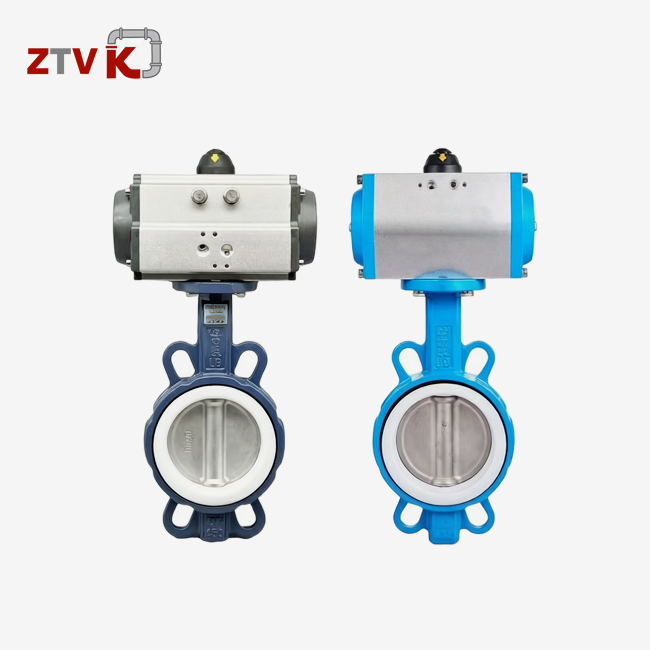
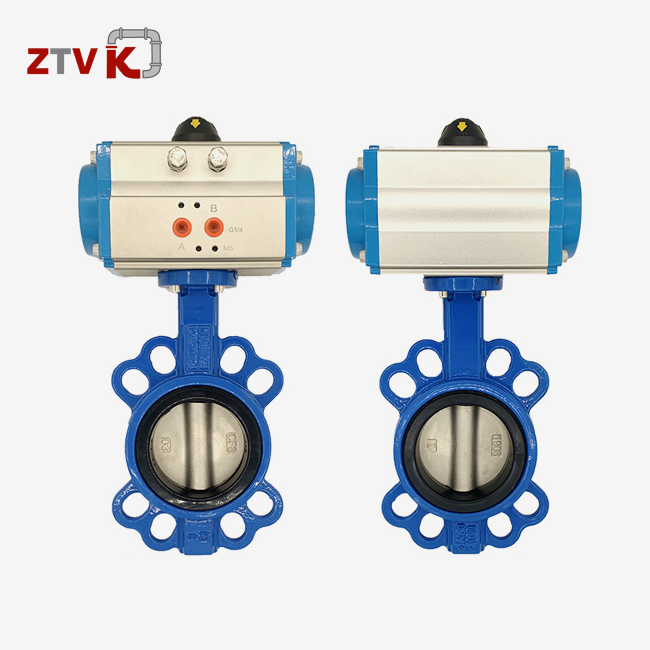
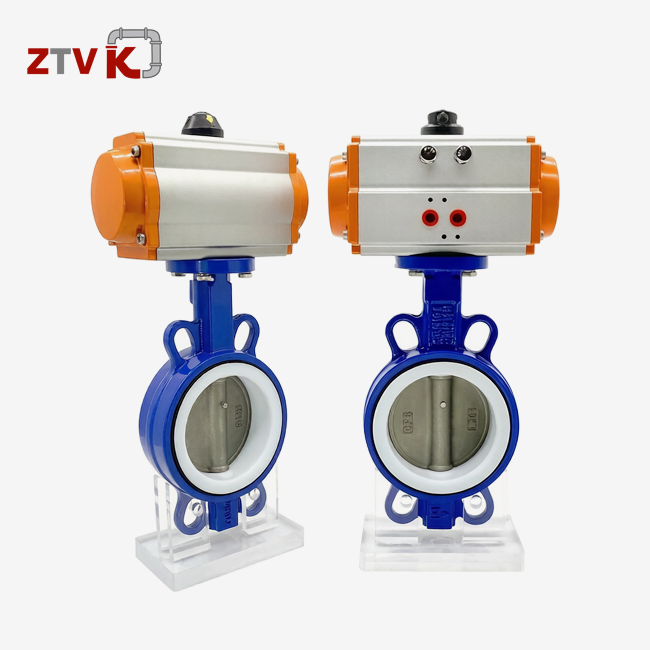
ZTVK offers complete pneumatic butterfly valve actuator options designed for tough industrial settings around the world. We are in Tianjin's Beichen District, which has direct access to Xingang Port, and we keep more than 2,000 standard units from DN50 to DN600 in stock. This means that we can deliver quickly, within 3–7 days, for pressing needs. We can make actuators with single-acting or double-acting configurations that are exactly matched to your torque requirements and mounting needs. We can also support OEM branding and ODM custom engineering.
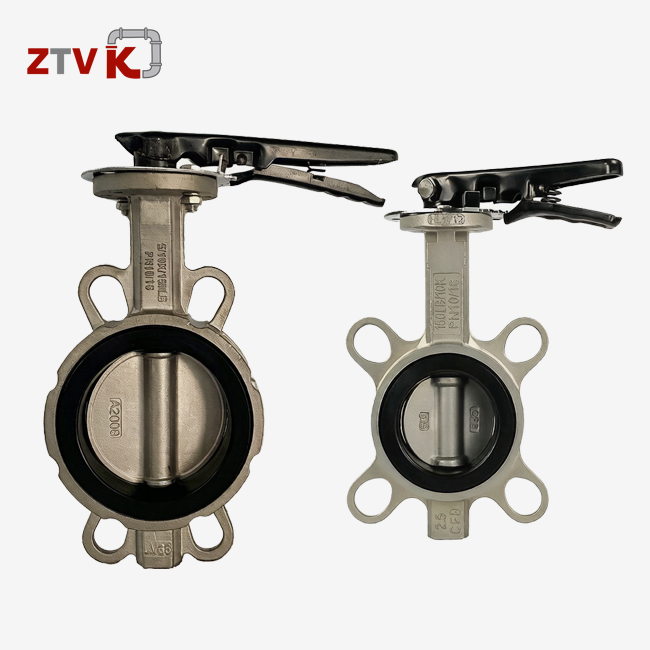
Our actuators are made with hard-anodized extruded aluminum cores and aluminum pressure die-cast racks that meet ISO 5211 standards. This makes sure that they work with valves from any maker. Butterfly valve cores are made of ductile iron, CF8, CF8M, or WCB cast steel, and the rods are made of SS304 or SS316 to make them more resistant to corrosion. EPDM, Nitrile, PTFE, and VITON are all seat options that can be used with almost any process media. Pressure ratings of PN10/PN16 and ASME B16.5 flanged connections make them suitable for both domestic and international projects.
As a maker of pneumatic butterfly valve actuators that is ISO 9001, ISO 14001, and OHSAS 18001 approved, we offer full technical documentation, installation tutorial videos, and an 18-month guarantee that covers damage not caused by humans. Our engineering team can help you choose the right valves for free by giving you CAD drawings and torque calculations to back up your decisions. Get in touch with us at ktec86961886@163.com to talk about your specific application needs and get detailed quotes at competitive bulk prices for project contractors and distributors.
References
1. Smith, J.R. (2023). Industrial Valve Automation Systems: Design and Application. McGraw-Hill Professional Engineering.
2. Peterson, M.L. & Chen, W. (2024). "Comparative Analysis of Actuator Technologies in Process Control Applications." Journal of Industrial Automation, 45(2), 112-128.
3. International Society of Automation (2023). ISA-75.25.01: Control Valve Actuator Selection and Sizing Standards. ISA Publications.
4. Davidson, T.K. (2024). Pneumatic Control Systems for Chemical Processing Industries. Butterworth-Heinemann Technical Publications.
5. Andrews, R.M. & Liu, S. (2023). "Predictive Maintenance Strategies for Pneumatic Actuation Systems." Maintenance Engineering Quarterly, 38(4), 67-85.
6. European Industrial Equipment Association (2024). ATEX Certification Requirements for Pneumatic Actuators in Hazardous Locations. EIEA Technical Report Series.
Send us your valve requirements and our team will provide professional solutions and fast quotations.
RELATED INDUSTRY KNOWLEDGE