- English
- French
- German
- Portuguese
- Spanish
- Russian
- Japanese
- Korean
- Arabic
- Greek
- German
- Turkish
- Italian
- Danish
- Romanian
- Indonesian
- Czech
- Afrikaans
- Swedish
- Polish
- Basque
- Catalan
- Esperanto
- Hindi
- Lao
- Albanian
- Amharic
- Armenian
- Azerbaijani
- Belarusian
- Bengali
- Bosnian
- Bulgarian
- Cebuano
- Chichewa
- Corsican
- Croatian
- Dutch
- Estonian
- Filipino
- Finnish
- Frisian
- Galician
- Georgian
- Gujarati
- Haitian
- Hausa
- Hawaiian
- Hebrew
- Hmong
- Hungarian
- Icelandic
- Igbo
- Javanese
- Kannada
- Kazakh
- Khmer
- Kurdish
- Kyrgyz
- Latin
- Latvian
- Lithuanian
- Luxembou..
- Macedonian
- Malagasy
- Malay
- Malayalam
- Maltese
- Maori
- Marathi
- Mongolian
- Burmese
- Nepali
- Norwegian
- Pashto
- Persian
- Punjabi
- Serbian
- Sesotho
- Sinhala
- Slovak
- Slovenian
- Somali
- Samoan
- Scots Gaelic
- Shona
- Sindhi
- Sundanese
- Swahili
- Tajik
- Tamil
- Telugu
- Thai
- Ukrainian
- Urdu
- Uzbek
- Vietnamese
- Welsh
- Xhosa
- Yiddish
- Yoruba
- Zulu
How Does a Butterfly Valve Actuator Work?
A butterfly valve actuator is a mechanical device that automates the operation of a butterfly valve by converting energy—whether pneumatic air pressure, electric power, or manual force—into precise rotational motion, typically a 90-degree quarter-turn. This rotary movement directly drives the valve shaft, rotating the disc inside the valve body from fully open to fully closed positions, thereby controlling fluid flow in pipelines. The actuator eliminates the need for constant manual intervention, providing consistent, rapid, and accurate flow regulation critical in industrial environments where human error, safety risks, or inaccessible locations make manual operation impractical or hazardous.
Understanding Butterfly Valve Actuators: Working Principle and Types
Knowing how automatic flow control equipment works is the first step in making smart choices about what to buy. Butterfly valve actuators are the brains of modern valve systems. They take simple mechanical parts and turn them into responsive, remotely controllable parts of complicated industrial processes.
The Core Working Principle
A butterfly valve actuator's main job is to change the energy that is put into it into spinning force. An actuator's internal processes that make torque are turned on when it gets a control signal, which could be an electrical impulse, compressed air, or physical force. The torque is sent to the circular disk inside the valve body through a drive coupling that is directly connected to the valve stem. The valve fully opens when the disk lines up with the flow direction. By turning it so that it's not going with the flow, you can close the valve and make a seal against the valve seat. How precisely workers can change flow rates depends on the actuator they choose, which is very important for tasks that need precise process control.
Pneumatic Actuators
Pneumatic actuators rotate using compressed air. These devices come in single- and double-acting types. They operate well in tough environments. Single-acting valves use pressurized air to move one way. They are ideal for emergency shutdown systems because a spring mechanism restores the valve to its fail-safe position when air pressure decreases. Air-powered double-acting kinds move in both directions. Their shorter cycle durations and higher torque make them excellent for high-pressure situations.
Molded aluminum with strong anodizing makes the actuator body light and rust-resistant. Aluminum pressure die-cast caps and rack sections maintain the structure's sturdiness even when used often. Petroleum companies and oil refineries employ pneumatic valves because they perform effectively in explosive conditions where electrical sparks might cause harm.
Electric Actuators (Motorized)
Electric actuators use an electric motor and a reduction gearbox to provide the torque that the valve needs to work. Modern control systems can send messages to these devices from PLCs, SCADA platforms, or human control stations, and they will work with them without any problems. The motor turns a worm gear or planetary gear system that changes the output of a high-speed, low-torque motor into a low-speed, high-torque spinning force.
Electric types are very accurate at placing and can support modulating control, which keeps certain flow rates constant when a valve is only partially opened. Control systems can get accurate information about where valves are by using built-in feedback devices like potentiometers or encoders. This is called closed-loop automation. Because of this, electric actuators are the best choice for HVAC systems, water treatment plants, and chemical processing plants where accurate flow modulation is needed to keep the process stable.
Manual Actuators
In manual actuators, the valve stem is turned by people using actual handles, levers, or handwheels. Even though they can't be automated, these simple systems provide solid backup control when the power or air supply goes out. Gear-driven manual actuators increase the operator's force, which lets them turn bigger valves without putting in too much effort.
ISO 5211 Mounting Standard
Modern actuators are made according to ISO 5211 standards, which set standard ways for actuators and valves to connect and be mounted. This one-size-fits-all standard lets you quickly replace or upgrade actuators without having to change valve assemblies. This cuts down on maintenance time and inventory complexity. ISO 5211 specifies the sizes of the drive shaft, mounting bolt patterns, and interfaces so that products from different makers can work together. This gives buying teams more options when they're choosing where to buy things.
Key Benefits and Industrial Applications of Butterfly Valve Actuators
Automated butterfly valve actuator systems provide real operational benefits that have a direct effect on the long-term performance and profitability of a project. Understanding these benefits helps make the initial investment costs worth it by giving you a way to measure your profits.
Enhanced Operational Efficiency
With automated actuators, people don't have to spend time physically working valves, which is especially helpful in places with a lot of control points. One person can handle multiple valves from a central control room thanks to remote operation. This cuts down on labor costs and speeds up response times when process changes need to be made. Emergency shutdown sequences work in seconds instead of minutes, which keeps people safe and prevents damage to equipment.
Precision Flow Control
Electric actuators that can change the flow rate keep it within very small limits. This is very important for processes where the quality of the product depends on exact ingredient amounts or temperature control. Valve positions can be changed anywhere between fully open and fully closed. This lets pumping systems use less energy and stops water hammer effects that damage pipe infrastructure.
Reduced Maintenance Requirements
High-quality motors made from long-lasting materials work reliably for years with little maintenance. When you mix the double eccentric design with oblique sealing, the running force is about 30% lower than with concentric designs. This means that actuator parts wear less and service times are longer. Systems that are made to work more than 50,000 times reliably complete projects over long periods of time.
Critical Industrial Applications
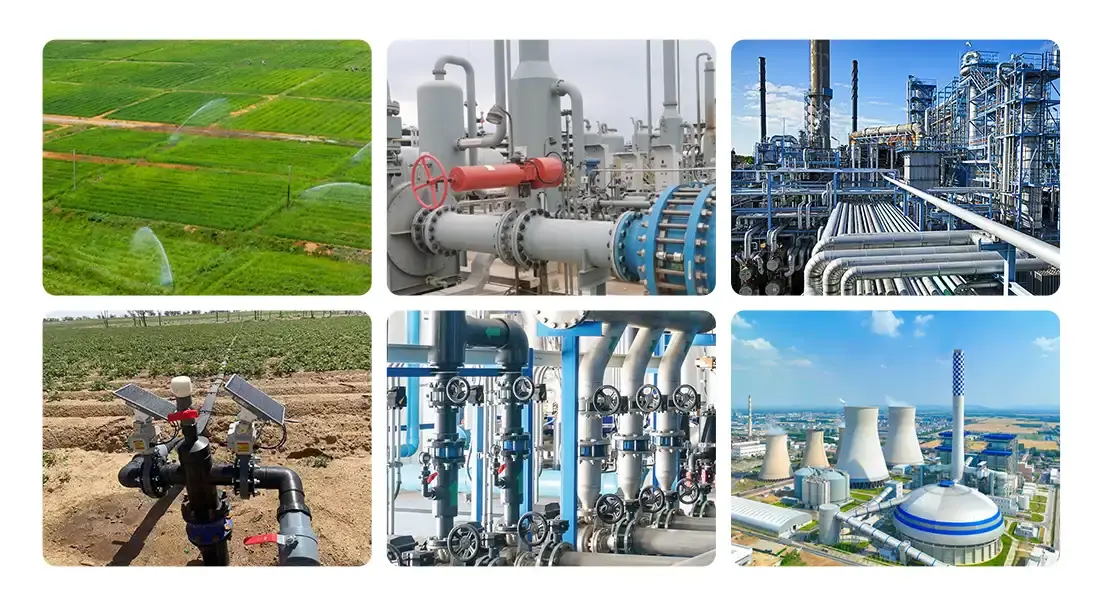
Automated butterfly valves manage water and wastewater flow via filtration systems, chemical dosing lines, and wastewater dumps. When sealed and coated properly, actuated valves can tolerate corrosive substances and perform dependably in humid environments.
Petrochemical and processing complexes with flammable atmospheres employ pneumatic valves instead of electrical equipment. Spring-return emergency shut-off valves instantly isolate hazardous chemicals to prevent catastrophic breaches.
HVAC systems in commercial and industrial buildings employ electric actuators to accurately manage cold water and heating loop temperatures. In cramped machinery rooms, the low-profile butterfly valve controls flow reliably while taking up less space.
Chemical processing industries use corrosion-resistant valves to manage severe chemicals. Stainless steel bodies with PTFE or Viton seats can safely handle acids, bases, and solvents. Automatic control protects personnel from harmful materials during typical flow changes.
How to Select the Right Butterfly Valve Actuator: Decision-Making Guide
When you match the powers of an actuator to the needs of an application, you avoid premature breakdowns and get the best performance throughout the lifecycle of the equipment. Technical requirements, environmental factors, and practical goals are all taken into account by a structured selection method.
Assessing Torque Requirements
To determine the proper actuator size, calculate how much torque is required to move the valve at maximum differential pressure. Valve manufacturers provide torque graphs showing operating and breakaway torque throughout the pressures. Choose an actuator with a safety factor of 1.3 to 1.5 times the maximum predicted force to allow for seal pressure and friction spikes.
Valve bodies constructed of ductile iron, CF8, CF8M, or WCB and disks made of aluminum bronze, stainless steel, or CF8 have variable friction qualities that affect torque demands. Contact varies by seat material: EPDM, Nitrile, PTFE, Viton. To calculate torque accurately, you must explain the valve arrangement.
Pneumatic Versus Electric Selection
The location and operation determine whether to utilize pneumatic or electric control. Pneumatic valves stroke swiftly and don't burst, making them ideal for compressed air systems. Because pneumatic control is simpler to operate, initial expenses are lower, but operating an air compressor all the time uses more energy.
Electric motors don't require air infrastructure and provide superior position input for process control. For sites without compressed air systems, decreased ongoing expenses more than offset higher startup expenditures. Battery backup valves maintain the valve in place when the power goes off, while spring-return pneumatic types are simpler and safer.
Environmental Considerations
Operating conditions greatly affect actuator lifespan. Outdoor installations need weatherproof shelters with adequate intrusion protection. Chemical businesses and coastal areas require non-rusting materials. Sealed actuators prevent dust from entering gear systems in dusty environments.
Extreme heat may compromise actuator performance. Ambient temperatures are typically -20 to +70 degrees Celsius. Working components must stay in this range. Specialized oils prevent temperature-induced viscosity fluctuations that hinder work.
Actuation Speed and Control Requirements
Fast-acting pneumatic valves with big air supply ports are useful for situations where the system needs to be shut down quickly in an emergency. For processes that need to change the flow slowly, electric actuators with speed sets that can be changed are used to avoid peak pressures. For maintaining precise setpoints, modulating applications need to be able to respond to analog input signals with proportional control.
Installation, Maintenance, and Troubleshooting Guide for Butterfly Valve Actuators
The best way to get the most out of your equipment investment is to install it correctly and keep it in good shape with regular maintenance. Following a set of steps in a planned way guarantees reliable long-term performance.
Installation Best Practices
Before installing a butterfly valve actuator, check that the valve mounting pad and actuator driving shaft meet ISO 5211 criteria. Cleaning mounting surfaces removes debris that might impede seating. Put the actuator's driving shaft parallel to the valve stem to avoid jamming. The connection is stiff without damaging the cast pieces by tightening the mounting bolts to the appropriate torque levels.
Clean, dry compressed air without oil is needed for pneumatic systems unless the valves require oil. Filter-regulator units before actuators maintain operating pressure and protect internal parts from moisture and particulates. NAMUR-standard solenoid valves simplify wiring and maintenance.
Install an electric actuator with the power supply's voltage and phase matching its needs. Grounding reduces electromagnetic interference with control signals and electrical hazards. Programming limit switches and torque cutoffs prevents overtravel and mechanical damage during testing.
Routine Maintenance Protocols
Planned inspections catch issues before they become significant. Check for corrosion, oil leaks, loose fasteners, and damaged seals visually. Strange sounds while the machine is operating may indicate worn bearings or gears. By evaluating stroke times, performance loss may be identified and investigated.
When to lubricate an actuator depends on its design and function. Continuous-duty gearboxes require oil changes annually. Grease-lubricated parts must be changed at intervals determined by cycle count and exposure. Choosing the correct lubricants maintains viscosity and prevents compatibility issues.
Maintaining a pneumatic system may include draining air filters, replacing filter components, and checking regulator output pressure. Test the solenoid valve to ensure control signal execution. Checking air line couplings helps eliminate leaks that limit actuator power.
Common Troubleshooting Scenarios
Systematic diagnosis swiftly identifies valve failure reasons. If pneumatic actuators don't operate, examine air supply pressure, solenoid valve performance, and actuator seal quality. Air leaks from worn seals or faulty connections reduce torque output. If the machine is sluggish, it may be lacking air or grease.
Electric actuators that won't move should be checked for power supply, motor windings, and control signal integrity. Position input variations indicate potentiometer deterioration or coupling part slippage. Thermal overload trips indicate too much power, which might be triggered by a valve seizure or an offset limit switch.
Fixing these issues immediately restores functionality and prevents additional harm. Keeping extra parts for critical parts reduces maintenance time. This is crucial for continuous operations where valve failures interrupt output.
Leading Butterfly Valve Actuator Brands and Procurement Tips
To find your way around the global actuator market, you need to know what manufacturers can do, what the quality standards are, and how to use strategic buying to find the best mix between performance and budget.
Established Global Manufacturers
Rotork is known for developing innovative electric actuators for modulating control applications that need precise placement. Their product ranges have several torques and global repair networks. Control solutions from Emerson include actuators, enhanced diagnostics, and predictive maintenance. These benefit uptime-focused facilities.
HVAC units from Belimo function well with building control systems. SMC and Festo dominate the pneumatic actuator industry with tiny designs and vast product lists for many sectors. These famous brands charge high fees since they have many technical tools and a good reputation.
Evaluating Cost Versus Performance
Longer service lifetimes, extensive technical support, and a large selection of accessories make premium actuators valuable. High-uptime projects may tolerate greater starting costs since they save money on maintenance and are more dependable.
Money-conscious procurement techniques may utilize skilled, affordable producers with excellent performance. These providers usually sell foreign-standard items. They also offer lower wait periods and may modify things. Looking at the overall cost of ownership instead of simply the purchase price shows the economic impact of purchasing decisions.
Strategic Procurement Approaches
For multi-location projects, buying in bulk from well-known suppliers may save money and simplify management. Building relationships with responsive suppliers that provide technical support during specification development is worth more than the product price.
Ask for material certifications, pressure test results, and dimensional inspection records to verify quality. For new suppliers, third-party factory audits verify production and quality control.
Negotiating favorable payment terms, stockpiling replacement parts, and guaranty extensions may safeguard purchasing funds and assure long-term supply continuity. Technical connections and immediate assistance foster collaboration beyond transactional interactions.
Conclusion
Butterfly valve actuators turn simple devices for isolating one thing from another into smart flow control parts that are needed for modern industrial automation. Knowing how things work, knowing what they need for a certain job, and following the right steps for installation and maintenance will make equipment last longer and work better. Choosing the right actuator for the job, whether it's an electric model for exact modulating control or a pneumatic model for dangerous environments, ensures that it works well for a long time. Strategic methods for buying things that balance quality, cost, and the skills of the suppliers put engineering teams and distributors in a good position to complete projects successfully and keep customers happy.
Frequently Asked Questions
1. What factors determine butterfly valve actuator lifespan?
How long an actuator lasts relies mostly on how often it is used, its surroundings, and how well it is maintained. Units that are constantly used in corrosive environments have shorter service lives than units that are kept inside and only used occasionally. Proper cleaning, replacing seals before they fail, and keeping them away from high temperatures all make them last a lot longer. When maintained according to the manufacturer's instructions, quality actuators that are made to last 50,000 cycles or more will give you years of reliable service.
2. Can existing manual butterfly valves accept automated actuators?
Most current butterfly valves have ISO 5211 mounting connections that make it easy to add an actuator. To make sure they work together, check the valve mounting pad configuration, shaft size, and required torque capacity. Many facilities change manual valves to automatic ones without changing the valve bodies. This lowers the cost of the project and adds the ability to control it from a distance. Checking the valve's paperwork or the manufacturer's website shows that the retrofit is possible for certain setups.
3. How do I calculate the required actuator torque accurately?
To get an accurate torque estimate, you need data from the valve maker that shows the breakaway and running torques across the range of working pressures. When you multiply the maximum torque by a safety factor between 1.3 and 1.5, you account for things like seal wear and unexpected situations. Torque needs are affected by valve size, pressure grade, seat material, and disk design, among other things. Professional engineering support makes sure that the right size is chosen for important uses where undersized actuators could fail to do their job.
Partner with ZTVK for Reliable Butterfly Valve Actuator Solutions
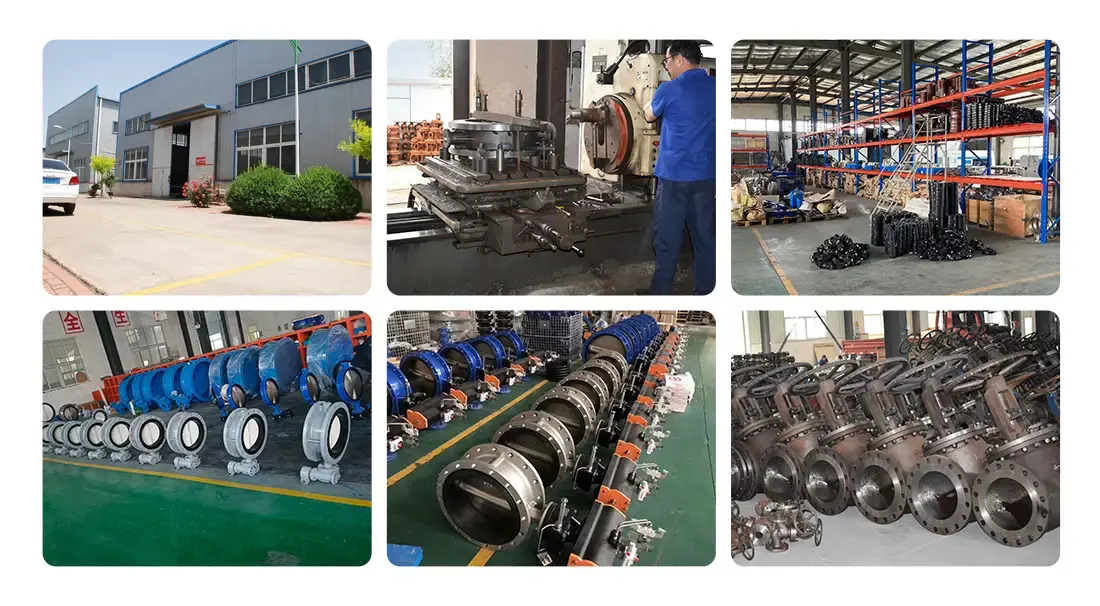
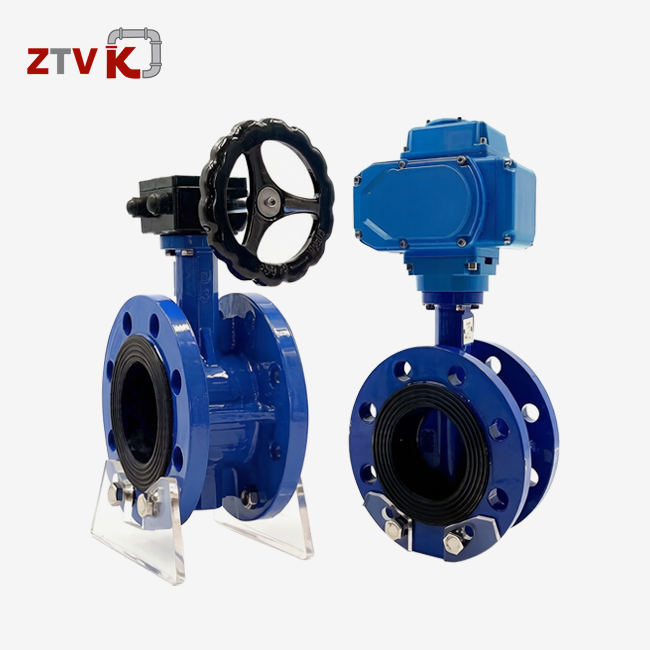
ZTVK offers complete automated valve solutions made just for industrial sellers and project workers who need reliable performance and quick supply chain support. Our factory in Tianjin's Beichen District keeps a large stock of butterfly valves that can be operated by both gas and electric means. This lets us meet tight project deadlines quickly. We offer both single-acting and double-acting pneumatic configurations with bodies made of extruded aluminum that have been hard-anodized to resist corrosion and last a long time. Our valve sets come with bodies made of ductile iron, CF8, CF8M, and WCB, as well as stainless steel shafts and seat materials like EPDM, Nitrile, PTFE, and Viton to meet the needs of your unique media.
As a well-known supplier of butterfly valve actuators with ISO9001, ISO14001, and OHSAS18001 certifications, we offer full OEM and ODM services that include custom branding, special materials, and different configurations. Because we are close to Tianjin Port, we can offer competitive FOB and CIF terms for international shipping. Procurement experts can trust long-term supply relationships when they get technical help during the specification creation process, full product documentation, and a warranty that covers the product for 18 months. You can talk to our engineering team about your project needs and get quotes for butterfly valve actuator kits that are exactly what you need by emailing ktec86961886@163.com.
References
1. Hutchison, J. W. (2017). Industrial Valves: Selection, Installation, and Maintenance Handbook. Professional Engineering Publishers.
2. Stewart, M. & Arnold, K. (2019). Flow Control Equipment: Design Principles and Operational Guidelines. Gulf Professional Publishing.
3. American Water Works Association. (2020). Manual of Water Supply Practices M49: Butterfly Valves: Torque, Head Loss, and Cavitation Analysis. AWWA Publications.
4. International Society of Automation. (2018). Control Valve Primer: A User's Guide, Fourth Edition. ISA Publications.
5. Nesbitt, B. (2021). Handbook of Valves and Actuators: Valves Manual International. Professional Engineering Publishing.
6. Liptak, B. G. (ed.). (2020). Instrument Engineers' Handbook, Volume Two: Process Control and Optimization, Fifth Edition. CRC Press.
Send us your valve requirements and our team will provide professional solutions and fast quotations.
RELATED INDUSTRY KNOWLEDGE