- English
- French
- German
- Portuguese
- Spanish
- Russian
- Japanese
- Korean
- Arabic
- Greek
- German
- Turkish
- Italian
- Danish
- Romanian
- Indonesian
- Czech
- Afrikaans
- Swedish
- Polish
- Basque
- Catalan
- Esperanto
- Hindi
- Lao
- Albanian
- Amharic
- Armenian
- Azerbaijani
- Belarusian
- Bengali
- Bosnian
- Bulgarian
- Cebuano
- Chichewa
- Corsican
- Croatian
- Dutch
- Estonian
- Filipino
- Finnish
- Frisian
- Galician
- Georgian
- Gujarati
- Haitian
- Hausa
- Hawaiian
- Hebrew
- Hmong
- Hungarian
- Icelandic
- Igbo
- Javanese
- Kannada
- Kazakh
- Khmer
- Kurdish
- Kyrgyz
- Latin
- Latvian
- Lithuanian
- Luxembou..
- Macedonian
- Malagasy
- Malay
- Malayalam
- Maltese
- Maori
- Marathi
- Mongolian
- Burmese
- Nepali
- Norwegian
- Pashto
- Persian
- Punjabi
- Serbian
- Sesotho
- Sinhala
- Slovak
- Slovenian
- Somali
- Samoan
- Scots Gaelic
- Shona
- Sindhi
- Sundanese
- Swahili
- Tajik
- Tamil
- Telugu
- Thai
- Ukrainian
- Urdu
- Uzbek
- Vietnamese
- Welsh
- Xhosa
- Yiddish
- Yoruba
- Zulu
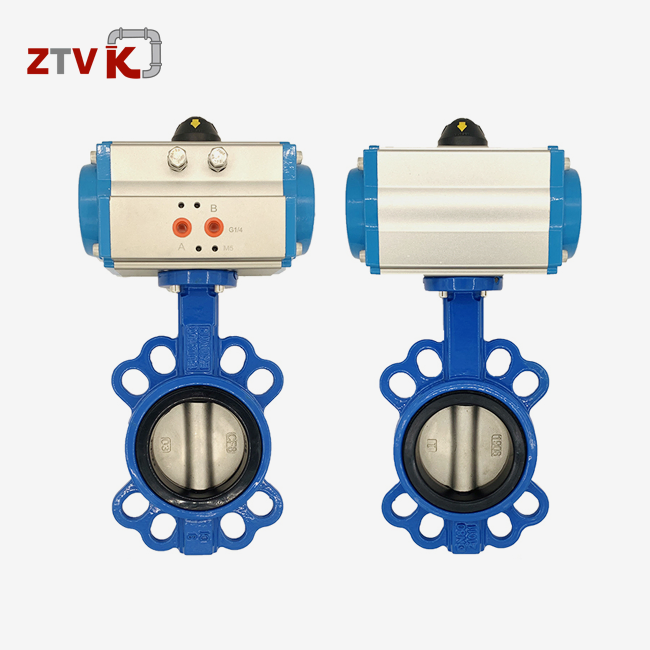
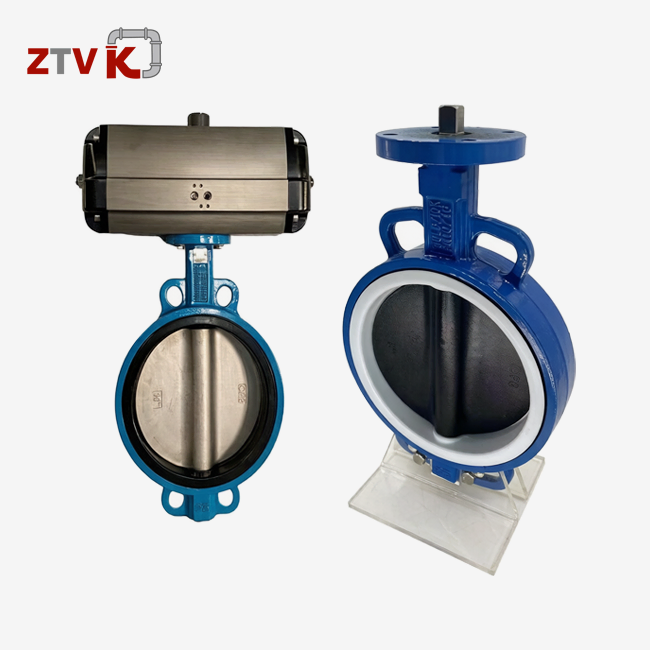
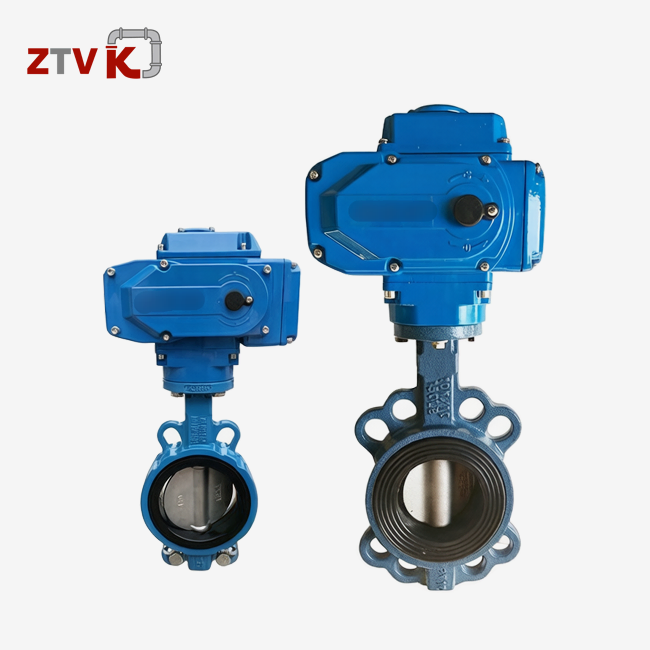
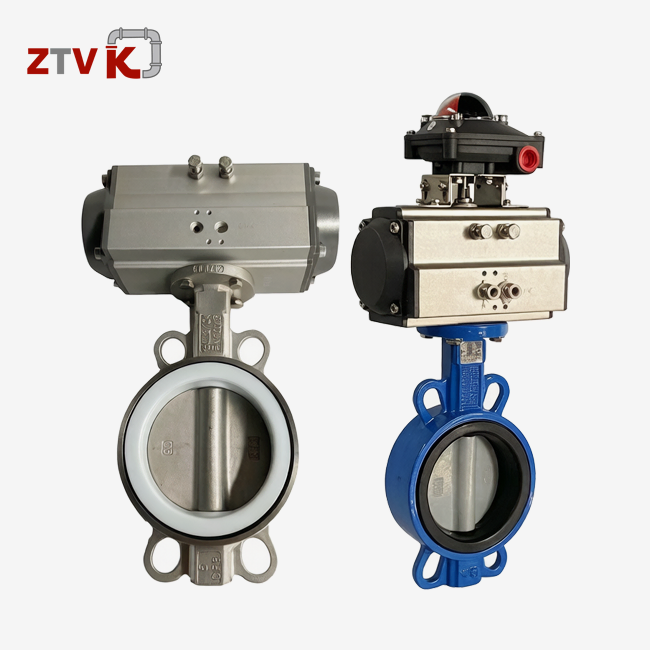
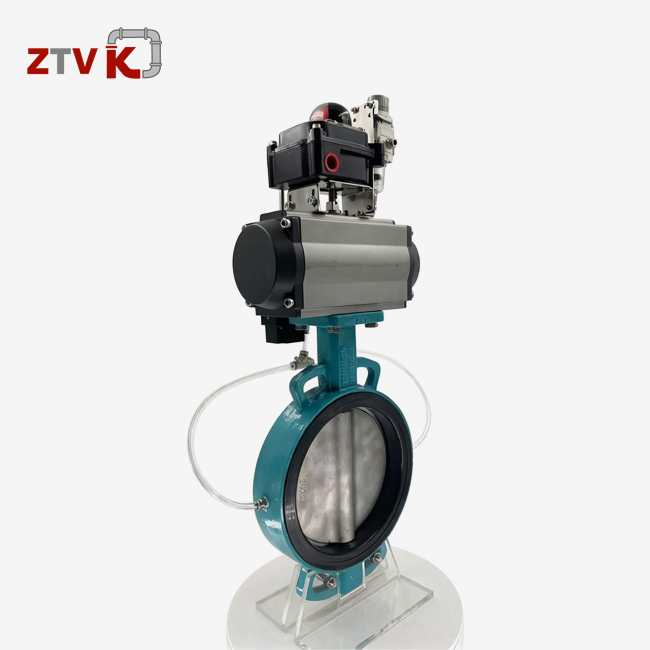
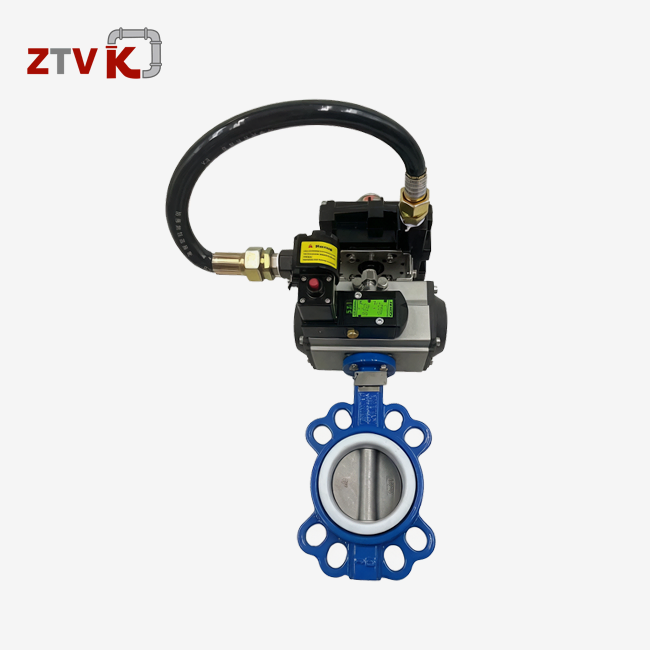
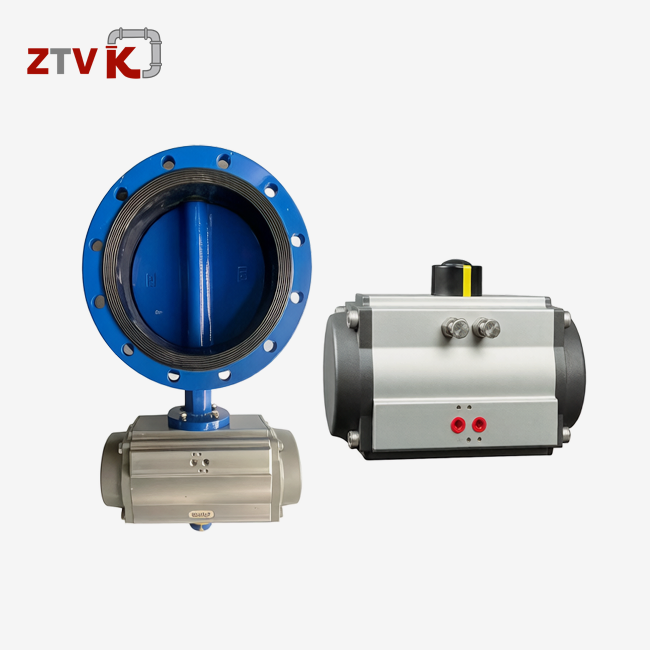
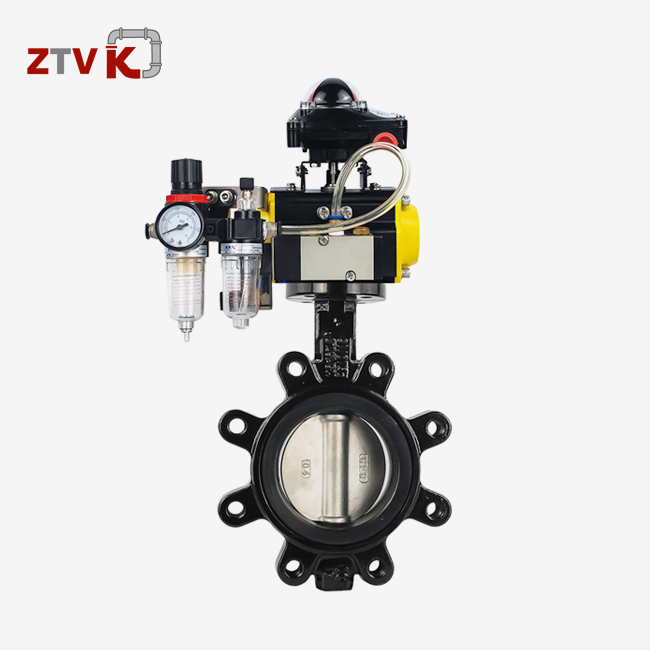
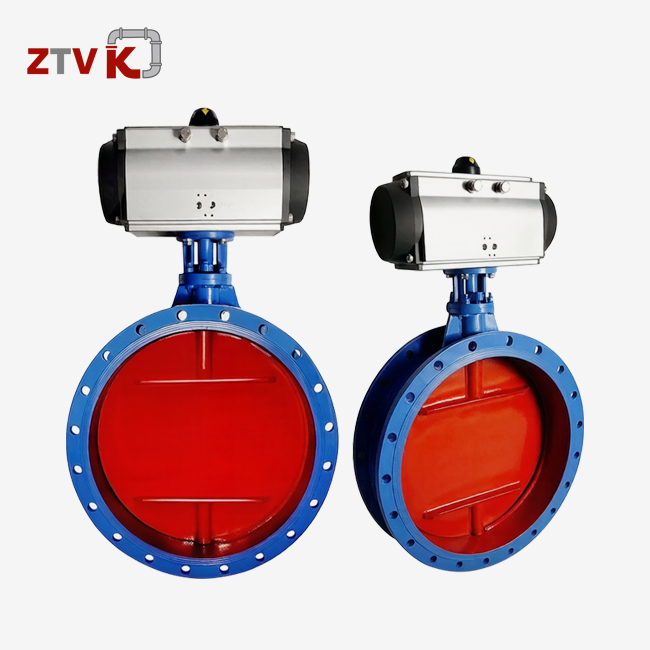
Pneumatic Actuated Wafer Butterfly Valve
Disc: Stainless Steel CF3M,CF3,CF8M, Nylon Coated Ductile Iron, Aluminum Bronze, Double Stainless Steel,2507,1.4529
Stem: Stainless Steel
Seats: NBR,EPDM,PTFE,VITON, FKM* Polyurethane
Size: 1″ – 40″ (25mm – 1000mm)
Flange accommodation:
EN 1092 PN 6/PN10/PN16
ASME Class 150
AS 4087 PN 10/ PN 16
JIS 5K/10K
Pneumatic Actuated Wafer Butterfly Valve – Automated Flow Control for Industrial Pipelines
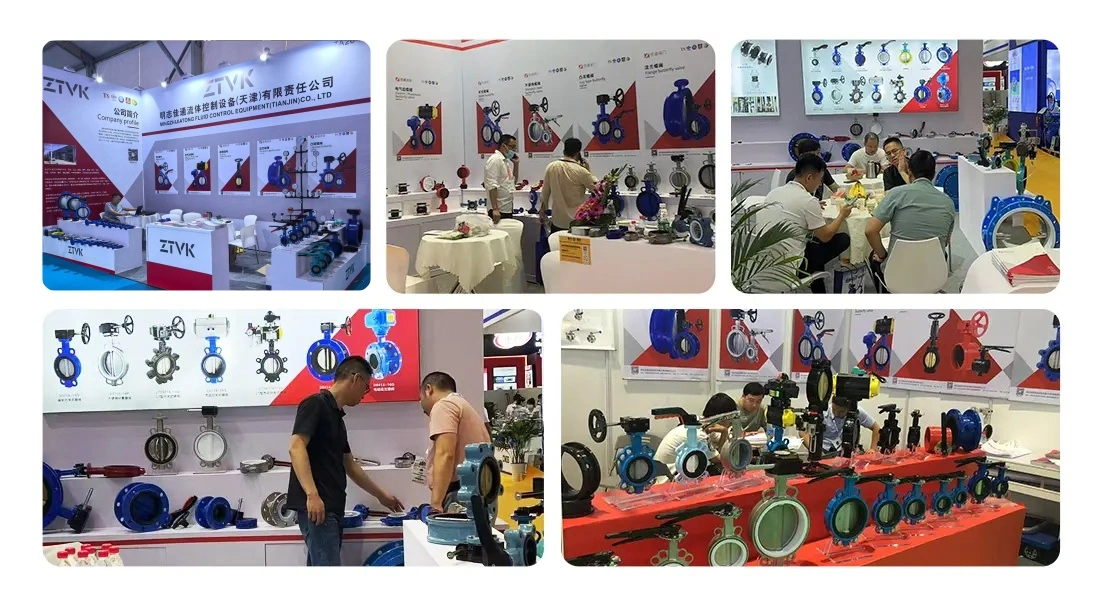
The Pneumatic Actuated Wafer Butterfly Valve from ZTVK FLUID CONTROL EQUIPMENT (TIANJIN) CO., LTD. is a quarter-turn rotary valve built for automated flow control in industrial pipelines. The range includes diameters 1″ – 40″ (DN25 – DN1000) with operating pressures PN10/PN16. The actuator is driven by compressed air of 4-8 bar. The disk may be turned from 0° to 90° for rapid opening or shutting or for flow adjustment. Body materials include cast iron, ductile iron, stainless steel CF8/CF8M/CF3M and aluminum, suited to water, gas, oil and chemical service.
What Is a Pneumatic Actuated Wafer Butterfly Valve?
The wafer shape body is sandwiched between two pipe flanges and is fastened by through-bolts passing through both flanges. This keeps the installation footprint small, which is important when axial space along the pipeline is limited.
The pneumatic actuator will convert the pressurized air into a rotational motion via a rack and pinion or a scotch yoke and will turn the disk from completely closed to fully open in a matter of seconds.
There are two actuator configurations. Double-acting air pressure is used for both the opening and closing strokes . Single-acting (spring return) employs air in one direction, and mechanical springs to return the disk to a fail-safe state – either fully open or completely closed – when air supply is stopped.
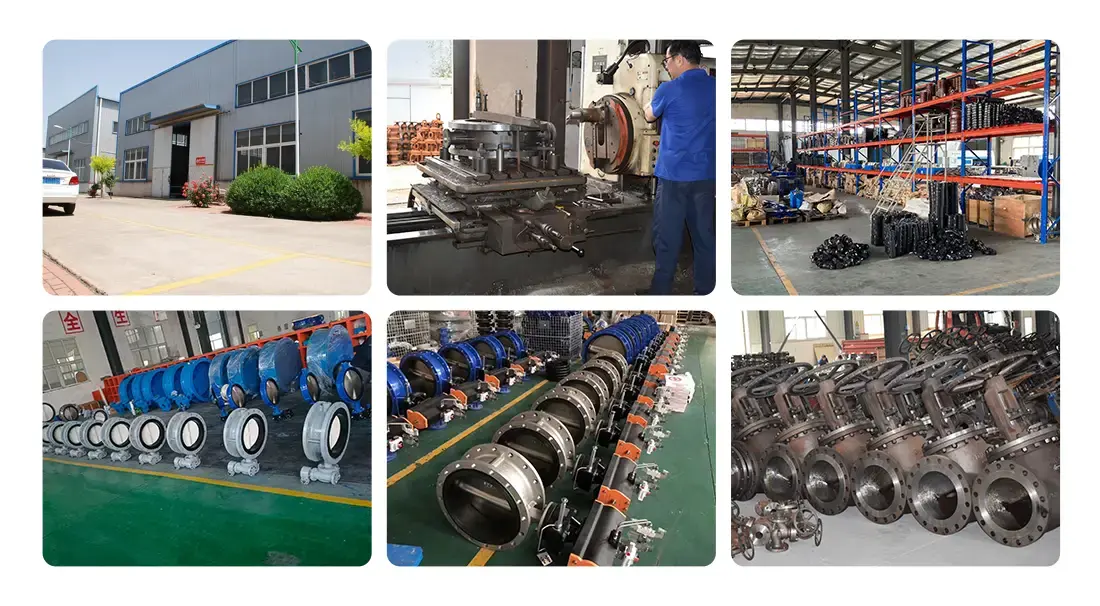
Key Technical Specifications
|
Parameter |
Details |
|
Size Range |
1″ – 40″ (DN25 – DN1000) |
|
Working Pressure |
PN10 / PN16 |
|
Temperature Range |
0°C – 80°C |
|
Suitable Media |
Water, gas, oil, and compatible fluids |
|
Body Materials |
Cast Iron, Ductile Iron, Aluminum, Stainless Steel CF8 / CF8M / CF3M |
|
Disc Materials |
CF3M, CF3, CF8M, Nylon Coated Ductile Iron, Aluminum Bronze, Duplex 2507, 1.4529 |
|
Stem Material |
Stainless Steel |
|
Seat Materials |
NBR, EPDM, PTFE, VITON/FKM, Polyurethane |
|
Actuator Air Supply |
4 – 8 bar (compressed air) |
|
Actuator Types |
Double Acting / Single Acting (Spring Return) |
|
Flange Standards |
EN 1092 PN6/PN10/PN16, ASME Class 150, AS 4087 PN10/PN16, JIS 5K/10K |
|
Design Standards |
API 609, MSS SP-67, EN 558 |
|
Testing Standard |
API 598 |
|
Actuator Mounting |
ISO 5211 Direct Mounting |
Core Functions
Cut-off: The Pneumatic Actuated Wafer Butterfly Valve opens or closes the fluid passage completely, isolating a pipeline section without manual effort. This is the most common use.
Flow control: The valve with positioner may maintain any intermediate position between 0° and 90° for real time control of flow rate, pressure or liquid level.
Automated process control: When coupled to a NAMUR solenoid valve and limit switch box, the actuator accepts inputs from a PLC and provides open/close position confirmation for ongoing automated sequences with less human involvement.
Selecting Seat and Disc Materials
The choice of seat material influences the sealing life and chemical compatibility directly.
· EPDM is good for chlorinated water, glycol and mild acids from -20° to 120°C, making it a popular option for water treatment systems.
· NBR is utilized with oils, fuels and hydrocarbon media.
· PTFE resists strong chemicals and temperatures up to 180°C.
· For high temperature duty with solvent or fuel exposure, VITON/FKM is chosen.
Disk matter follows a similar reasoning. Stainless steel CF8M, for general corrosive usage. For more harsh chemical conditions, duplex grades 2507 and 1.4529 are required.
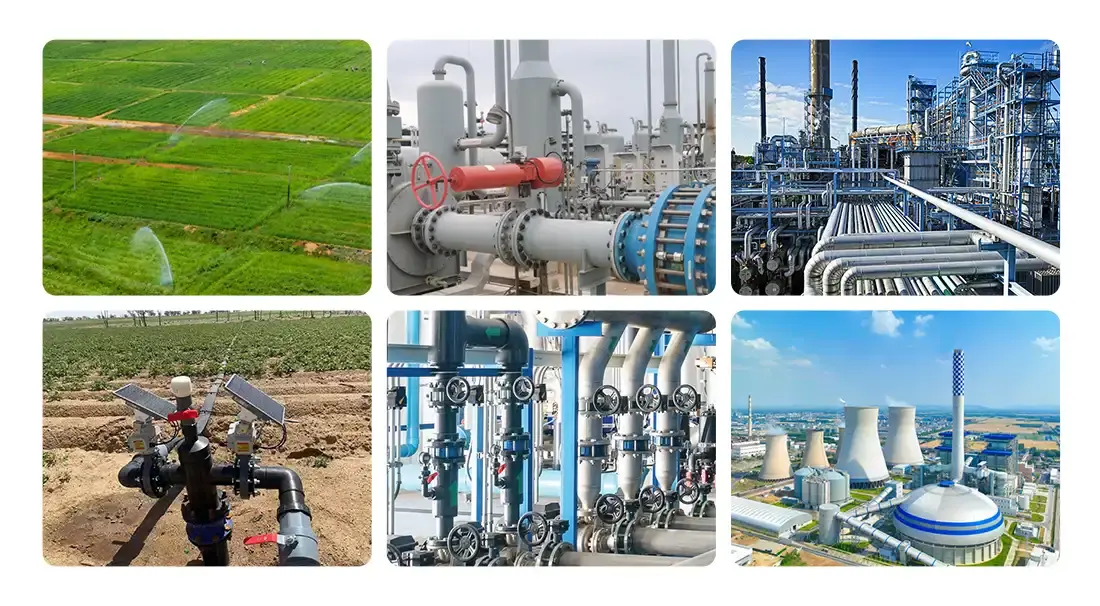
Typical Application Areas
Water treatment and desalination: Large bore wafer butterfly valves are utilized on filtration skids and reverse osmosis systems. EPDM seats are compatible with chlorinated water and pneumatic actuation enables backwashing cycles to be coordinated.
Chemical processing : PTFE seating with stainless steel disks is a workable arrangement for acidic or alkaline fluids. In an emergency shutdown, the valve will be moved to its fail-safe position by a spring return actuator without the need to receive a power signal.
District cooling and HVAC: Chilled water systems provide quick actuator response enabling tight temperature control loops. The wafer profile is well suited for use in tight mechanical rooms.
Petrochemical and gas distribution The pneumatic actuator does not produce electrical sparks and may be used in ATEX designated hazardous zones where electric solutions need extra protective measures.
Quality Control
Each Pneumatic Actuated Wafer Butterfly Valve is inspected before shipment according to the following steps.
Hydrostatic shell test (API 598) The valve body is pressed to 1.5x rated pressure – 24 bar for a PN16 valve – to prove the integrity of the castings with no porosity.
Seat leakage test: 1.1 times rated pressure bidirectional sealing. Zero Leakage (Rate A) is necessary for soft seated valves.
Actuator torque and cycle testing: The actuator torque output is validated to be 20–30% over the valve breakout torque. The automated cycling tests are done for 50 to 100 cycles to prove that the rack and pinion system does not seize.
Dimensional and material verification: Face to face measurements are verified in accordance to API 609 or EN 558. XRF testing verifies the alloy composition, for example, SS316 includes more than 2% molybdenum. The epoxy coating thickness should be specified by DFT gage, minimum 250 microns.
OEM, ODM, and Order Options
ZTVK accepts OEM & ODM orders. OEM services available, including client branding, logo engraving, bespoke nameplates and retail packaging.
The ODM services include the body structure re-design, selection of the sealing material and adjustment of the connection configuration (wafer, flanged or lug type) to suit your pressure, temperature and media requirements.
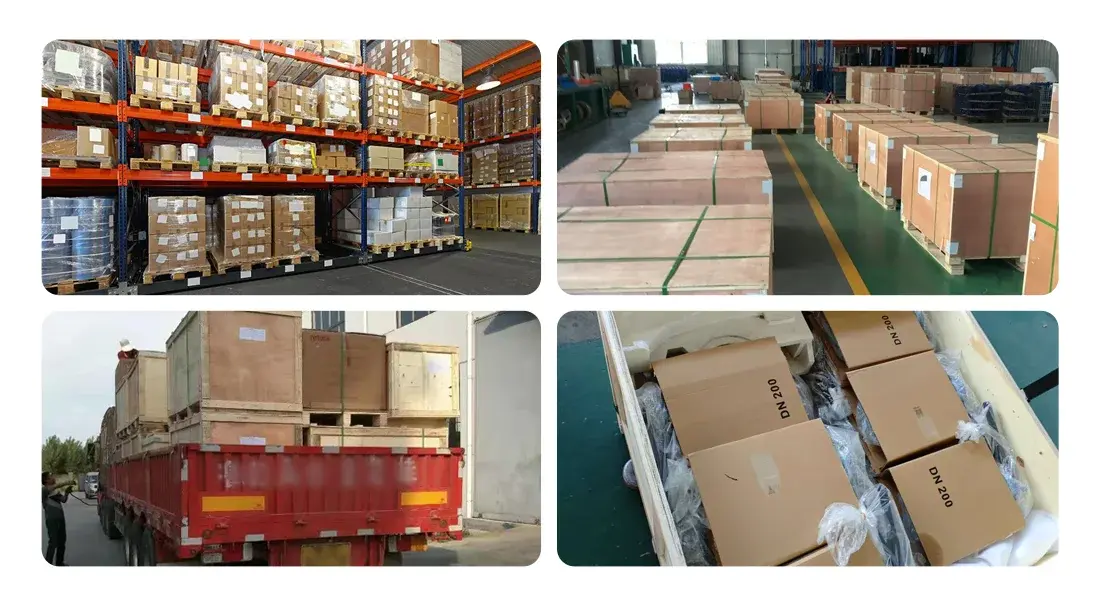
Standard diameters DN50–DN600 are available from stock, with usual delivery 3-7 days. Custom orders typically take between 15 and 25 days to complete. We may provide faster manufacturing according on the details of the request. The plant is around 50 km from Tianjin Port and FOB Tianjin Xingang and CIF destination-port prices are available. Packaging: Wooden cartons, moisture-proof film and fastening brackets according to ISPM 15.
Frequently Asked Questions
Q1. What is the difference between double acting and single acting actuators?
A: Double-acting employs compressed air for the open and close strokes. Single action (spring return). Has air on one side only. If air pressure is reduced, the springs automatically adjust the valve to a pre-specified fail-safe position, either open or closed.
Q2. Can you provide dead end service on a wafer butterfly valve?
A: Not usually. The wafer body is physically supported by the upstream and downstream flanges. If you remove the pipe downstream of the valve, the valve is no longer fastened. Lug type body is the ideal solution for dead end service.
Q3. What is the finest material for the seat?
A: EPDM for water, glycol and mild acids (-20°C to 120°C). Select NBR for oil, gasoline and hydrocarbons. PTFE is suitable for severe chemicals and temperatures up to 180 degrees C. High temperature service employ VITON/FKM with solvents or fuels.
Q4. What are the common accessories for the automated valve assembly?
A: The standard automation package includes a NAMUR solenoid valve to control the air flow to the actuator, a limit switch box for position feedback to the PLC and an air filter regulator to keep the supplied air clean and at the proper pressure.
Q5. Valve is leaking after installation. Why?
A: Common causes are: the wafer body is not centered between the flanges, the air supply pressure is too low to shut entirely, or the seat has been twisted by improper flange spacing during installation. Check that the actuator limit stop setting and the flange bolt torque are as per the installation specification.
Q6. What are the standards and certifications for these valves?
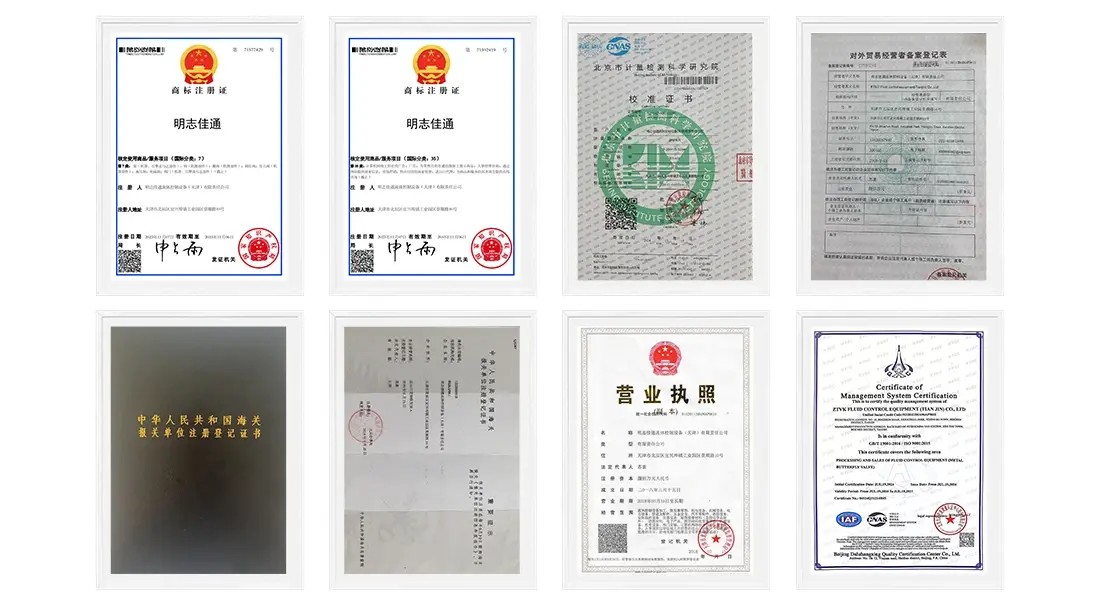
A: Products are created to API, ANSI, JIS, BS, DIN and ISO standards and manufactured under ISO 9001, ISO 14001, OHSAS 18001 quality management systems. All relevant documentation is available for inspection or for third party verification if required.
Contact Us
Have a Pneumatic Actuated Wafer Butterfly Valve requirement or need a technical drawing? Send your pipe size, media type, and pressure details to ktec86961886@163.com and our team will follow up with pricing and specifications.
Send us your valve requirements and our team will provide professional solutions and fast quotations.