- English
- French
- German
- Portuguese
- Spanish
- Russian
- Japanese
- Korean
- Arabic
- Greek
- German
- Turkish
- Italian
- Danish
- Romanian
- Indonesian
- Czech
- Afrikaans
- Swedish
- Polish
- Basque
- Catalan
- Esperanto
- Hindi
- Lao
- Albanian
- Amharic
- Armenian
- Azerbaijani
- Belarusian
- Bengali
- Bosnian
- Bulgarian
- Cebuano
- Chichewa
- Corsican
- Croatian
- Dutch
- Estonian
- Filipino
- Finnish
- Frisian
- Galician
- Georgian
- Gujarati
- Haitian
- Hausa
- Hawaiian
- Hebrew
- Hmong
- Hungarian
- Icelandic
- Igbo
- Javanese
- Kannada
- Kazakh
- Khmer
- Kurdish
- Kyrgyz
- Latin
- Latvian
- Lithuanian
- Luxembou..
- Macedonian
- Malagasy
- Malay
- Malayalam
- Maltese
- Maori
- Marathi
- Mongolian
- Burmese
- Nepali
- Norwegian
- Pashto
- Persian
- Punjabi
- Serbian
- Sesotho
- Sinhala
- Slovak
- Slovenian
- Somali
- Samoan
- Scots Gaelic
- Shona
- Sindhi
- Sundanese
- Swahili
- Tajik
- Tamil
- Telugu
- Thai
- Ukrainian
- Urdu
- Uzbek
- Vietnamese
- Welsh
- Xhosa
- Yiddish
- Yoruba
- Zulu
Iron Butterfly Valve: everything you need to know
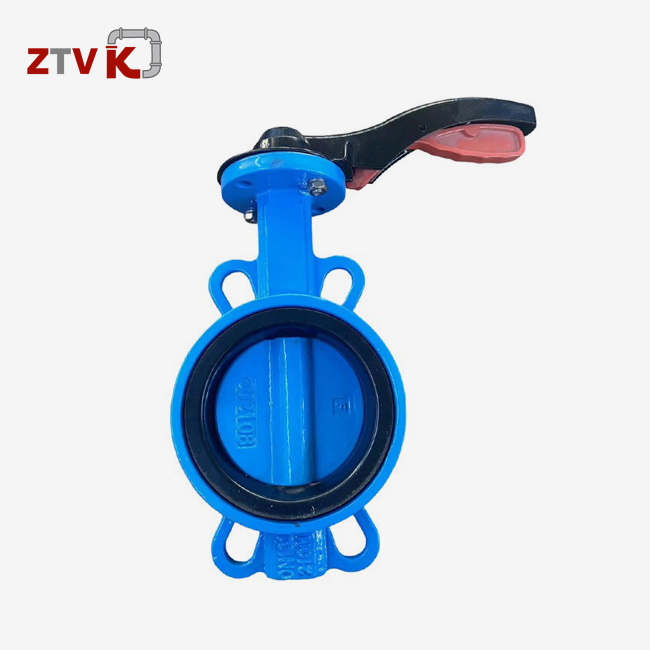
An iron butterfly valve is a quarter-turn rotary control device made mostly of ductile or grey cast iron. It has a disc in the middle that rotates perpendicular to the flow stream to control or stop fluid movement. This special valve has strong metal qualities and is easy to use mechanically. It is essential for businesses that need cost-effective and space-efficient options in large-diameter pipelines (DN50–DN2400). The small size is about 40% lighter than gate or globe valves, and the quarter-turn operation makes the shutoff quick. This is a very important benefit when managing municipal water systems, HVAC networks, or chemical processing lines where response time affects safety and efficiency.
Understanding Iron Butterfly Valves: Design, Operation, and Applications
Core Construction and Material Properties
Due to its irregular graphite structure, ductile iron (GGG40) is used as the main body material. It has a tensile strength of over 60,000 psi. This metal's makeup makes it more resistant to contact than brittle cast iron. This is especially helpful in systems that are subject to water hammer or thermal cycles. A fusion-bonded epoxy covering (minimum 250 microns) is put on the valve body to stop galvanic rusting in salty water or media that is harsh on chemicals.
The disc assembly is made of epoxy-coated ductile iron or upgraded alloys like SS304, SS316, duplex stainless steel, bronze, or copper, depending on how much corrosion it will be exposed to. SS316 is used for marine environments, while SS420 is used for high-torque situations. For sealing, resilient seats made of NBR (for oil products), EPDM (for potable water), Viton (for high-temperature chemicals), or silicone rubber (for pharmaceutical processes) are used. When the disc is closed, these elastomeric seats press against the disc's edge, making a bubble-tight seal that meets EN 12266-1 leakage class A standards.
Operational Mechanisms and Connection Types
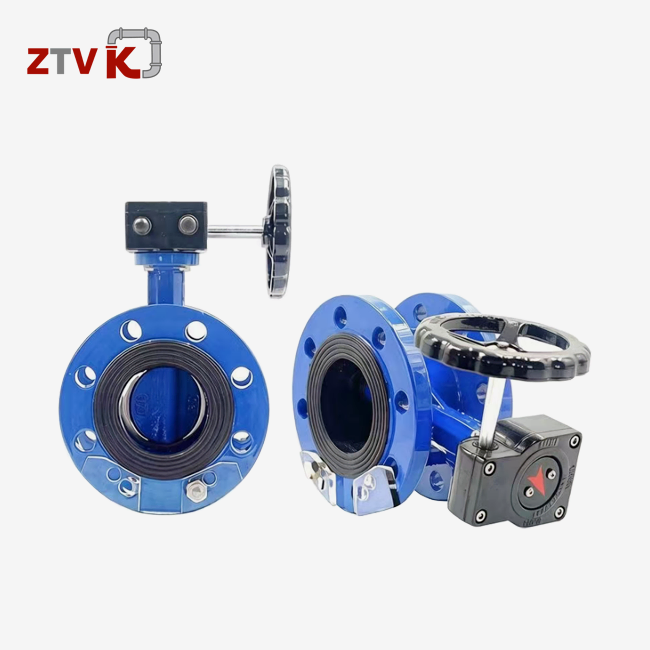
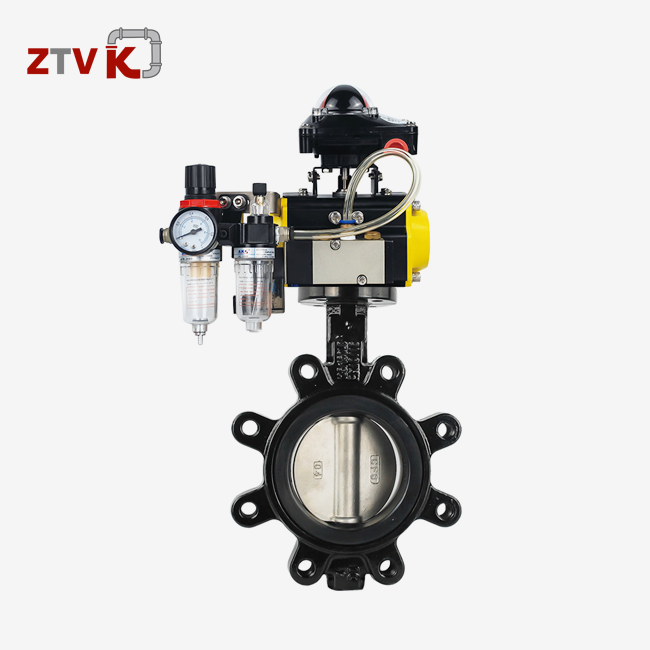
The stem of the valve turns 90 degrees to move from a fully open to a fully closed position. Wafer-style designs are held between flanges using through-bolts, making them perfect for setups that need to be light. Lug-type designs have threaded inserts that let the flange be removed separately for maintenance further down the line, which is necessary for fire protection systems with dead-end service. Flanged links give bigger diameters (DN600–DN2400) and pressure levels up to PN16 or Class 150 more structural support.
The disc is offset from both the centreline and the seat plane in modern designs, which use double-eccentric geometry. Compared to concentric patterns, this configuration lowers breakaway torque by 30%. This makes the operational lifetime longer than 50,000 cycles and allows smaller actuator sizes for automated systems.
Industrial Application Scenarios
These valves are used in filter backwash lines and clearwell isolation points at municipal water treatment plants. They have WRAS-certified EPDM seats that make sure the drinking water is safe. For balancing chilled water in commercial buildings, HVAC systems use ductile iron butterfly valves, which can handle high-speed flows (up to 5 m/s) without cavitation damage. They are useful in power plants for cooling tower circuits and condenser water systems because they can handle temperatures from -29°C to +120°C.
Using the low cost of mass installations, petrochemical companies put these valves in process pipes for services that aren't important. Desalination plants use models with Viton seats to handle brine because the high chloride levels need better elastomer resistance. For clean applications in food processing areas, choose versions with silicone seats that meet FDA CFR 21 requirements.
Iron Butterfly Valve vs. Other Valve Types: Making Informed Choices
Comparing Core Valve Technologies
Ball valves have spherical closures that stop leakage in both directions, but they need three times as much space to be installed as butterfly valves. When it works, the floating ball system uses more power, which means that the actuator costs more. Gate valves let all the flow through, but the stem needs a lot of vertical space to move, which makes them impractical for underground tunnels or sites with little headroom. Their wedge-based sealing wears out faster when the engine is slowed down, but butterfly disc seats can handle some modulation without breaking down too quickly.
Steel butterfly valves can handle higher temperatures and pressures (+400°C), but they cost 60–80% more than iron butterfly valve options that do the same job. Due to their copper-based corrosion protection, bronze butterfly valves work great in seawater situations. However, their lower tensile strength means they can only be used for DN150 and smaller sizes. Butterfly valves with plastic bodies (PVC, CPVC) can handle acid without harming them, but they can't go over 95°C or PN10 ratings.
Cast Iron vs. Ductile Iron Analysis
Cast iron (ASTM A126 Class B) has flake graphite that makes the fracture planes brittle. This means that it can only be used in low-pressure situations (PN6 maximum). The spheroidal graphite structure of ductile iron absorbs impact energy, which makes it good for systems that are likely to experience water hammer and high pressures (PN10–PN16). The ductility factor (usually greater than 12%) lets the material stretch when it's under stress instead of breaking completely. This is an important safety margin for city infrastructure.
Weight comparison shows minor differences (3-5%), but ductile iron's better machinability allows tighter dimensional tolerances during production, improving seal integrity. The longer service life of ductile iron (20–25 years vs. 12–15 years for cast iron in similar conditions) helps procurement teams that handle repeat orders, even though the initial investment is 15-20% higher. This lowers the total cost of ownership.
High-Pressure Application Selection
When the pressure needs to be close to Class 150 limits, you should specify lug-type configurations with metal seat inserts that act as a second seal. Check the seat testing at a 1.1x rating and the hydrostatic shell testing at a 1.5x rating according to the MSS SP-67 guidelines. To keep the disc from deflecting under differential pressure, its width should go up by 10 to 15 per cent for sizes bigger than DN600. The width of the stem needs to be big enough to account for the runaway torque multiplication (usually 1.25 to 1.3x running torque) that happens when the valve is closed for a long time and the seat sets.
Procurement Guide: How to Source Quality Iron Butterfly Valves?
Evaluating Manufacturer Credentials
Reputable suppliers maintain ISO9001 quality management certification alongside ISO14001 environmental compliance. Check that it meets API 609 standards for interchangeable dimensions and that it meets AWWA C504 standards for contact with potable water. European buyers should make sure that the materials they buy have CE marking and can be tracked according to EN 593. Mill test reports (MTRs) that show the chemical makeup and mechanical qualities of a material give confidence in its grades. This is especially important when the amount of carbon in the material affects its ability to be welded or the amount of silicon in the material affects its soundness when cast.
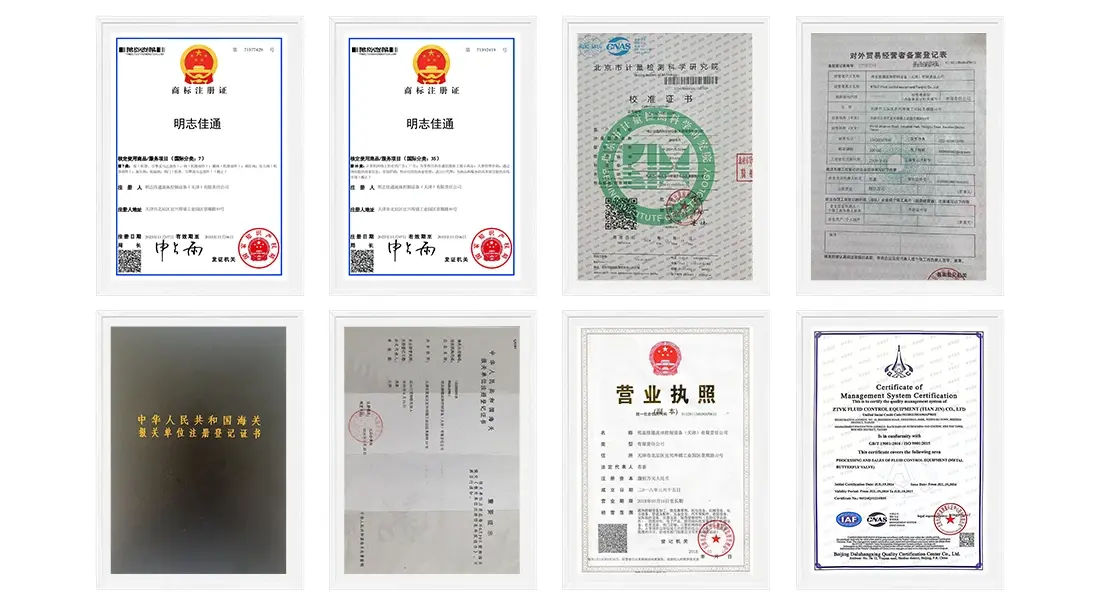
Warranty terms show how confident the company is in the product's durability. Standard coverage lasts between 12 and 18 months, but top providers cover mistakes that were not caused by people for up to 24 months. Review warranty exclusions regarding media compatibility and operating parameter adherence to avoid coverage disputes during service failures.
Pricing Structures and Lead Time Optimisation
When you buy in bulk (500 or more units per year), you can save 18 to 25 per cent compared to buying one item at a time. Standard sizes (DN50–DN600) can be delivered 3–7 days after the order is placed because they are in stock. Production cycles for non-standard configurations take 15 to 25 days, but you can pay an extra 20% for faster manufacturing (7 to 10 days).
FOB Tianjin Xingang quotes are good for buyers who want to handle their own freight forwarding for iron butterfly valve shipments, while CIF destination port terms make logistics easier for smaller importers. Being only 50 km from Tianjin Port cuts down on the cost of shipping goods within China and speeds up the filling of containers. Established shipping relationships with COSCO and Maersk make it easy to book a ship during busy times.
Custom Manufacturing and OEM Capabilities
ODM services can adapt to different working conditions by creating custom disc profiles, changing the shape of the seats, or using their own coating systems. Buyers send CAD files that show the measurements of the face-to-face parts, the flange cutting patterns (ANSI B16.5, DIN 2501), and any material upgrades that are needed. OEM branding includes personalised nameplates, image engraving, and private-label packing that meets the needs of distributors who will resell the goods.
Technical advice during the creation of specifications keeps expensive mistakes from happening when valve capabilities don't match system needs. 3D modelling suppliers let you check the fit virtually before making a prototype, which cuts down on the number of revisions needed. Post-delivery support that includes installation videos and troubleshooting guides speeds up commissioning and cuts down on calls back to the field.
Maintenance and Troubleshooting for Iron Butterfly Valves
Preventive Maintenance Protocols
Visual checks every three months look for signs of external coating wear, stem seal weeping, or an actuator fitting that isn't tight. Operating the pedals (10 full strokes) every six months keeps the seat from seizing and checks that the discs can rotate smoothly. When you take it apart once every 8 to 12 months, you can check the elastomer seat for signs of compression set, cracking, or media-induced swelling. If you find any of these, you need to replace the seat right away to stop the leak from getting worse.
NLGI Grade 2 multipurpose grease is used to lubricate stem bearings. This lowers friction and rust. Keep oil-based lubricants away from EPDM seats because the hydrocarbons will cause them to swell. When putting things back together, threaded stem connections need to be checked for locktite, and split-pin retention devices need to be replaced every time they are taken apart. For warranty compliance, keep lubrication logs that record when the service was done and what kind of lubricant was used.
Common Issues and Diagnostic Solutions
If there is external leaking around the stem packing, it means that the glands are losing their ability to compress. To fix this, tighten the packing nuts by 1/4 turn at a time while rotating the valve to spread the packing material out evenly. If there is persistent leaking, the packing needs to be replaced with braided PTFE or graphite-impregnated versions that can handle the process temperatures.
If the operating torque goes up, it means that there is more debris in the disc pivot areas or that the seat surface is scoring. Horizontal shaft orientation keeps sedimentation to a minimum in slurry services. Take the part apart and clean the insides with chemicals that are compatible with the process. Look closely at the seat areas to see if there are any embedded particles. When a seat is rotated 180 degrees, the contact stress is spread out again, and minor scoring (depth <0.5 mm) usually goes away.
If the flow is limited even though the iron butterfly valve disc is fully open, it could be because of disc binding caused by differences in thermal expansion or actuator calibration drift. Using angle indicators, make sure that the stops on the actuator stroke match the limits on the mechanical disc travel. When designing something, it's important to leave enough space for thermal growth between metals that are not the same, like a stainless steel disc and a ductile iron body. Usually, 0.2-0.3% of the disc's diameter should be left over for every 100°C of temperature difference.
Conclusion
To choose the right butterfly valve, you have to weigh the needs of the application against the material's properties, how it works, and its lifecycle costs. Ductile iron building works well in business, industrial, and city settings as long as the right seat material is used and the right pressure rating is set. Understanding differences in design, like wafer versus lug and concentric versus eccentric, helps procurement teams make installations go more smoothly and make maintenance easier. Partnering with manufacturers that show full certification compliance, flexible customisation options, and clear warranty terms builds supply chain reliability, which is important for project success and long-term business continuity.
FAQ
1. What distinguishes ductile iron from cast iron in valve applications?
Ductile iron has spheroidal graphite in it, which gives it a tensile strength of more than 60,000 psi and resistance to impact up to PN10–PN16 pressures. The flake graphite in cast iron makes it weak, so it can only be used in PN6 low-pressure systems. In municipal settings, ductile versions last 40 to 60 per cent longer because they can handle water hammer stresses better.
2. Can wafer-style valves serve dead-end pipeline configurations?
Because wafer designs need through-bolts to compress both flanges at the same time, they can't be used in dead-end service. Lug-type designs with separate threaded plugs allow for single-flange bolting, which lets equipment be removed downstream without isolating the system upstream. This is important for fire protection and final pipeline uses.
3. Which seat material performs best in hydrocarbon environments?
Buna-N (NBR) elastomers don't swell when they come in contact with petroleum products, so they can keep their seals in place in oil, fuel, and grease situations. When hydrocarbons touch EPDM seats, they break down quickly. Viton upgrades raise the temperature range to 120°C while keeping chemical resistance, making them perfect for hot oil circuits in thermal processing systems.
Partner with ZTVK: Your Trusted Butterfly Valve Manufacturer
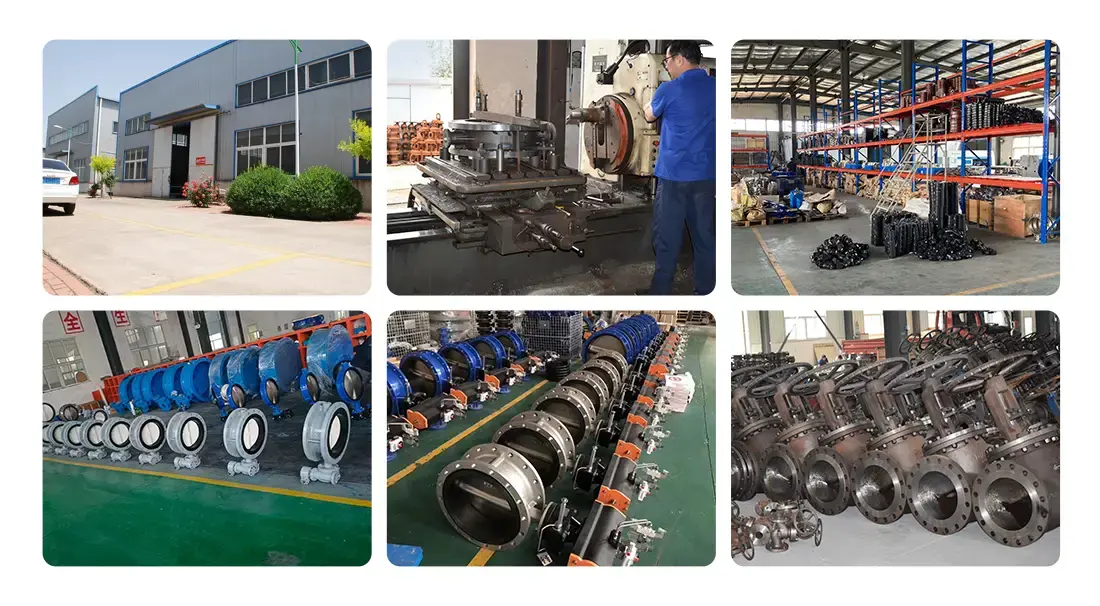
ZTVK makes industrial-grade ductile iron butterfly valves in Tianjin's Beichen Industrial Zone. These valves are designed for tough B2B uses and are ISO9001-certified. Our more than 2,000-unit inventory of standard DN50–DN600 sizes allows for delivery in 3–7 days, and non-standard customisation meets the needs of specific projects within 15–25 days. Take advantage of double-eccentric designs that cut power by 30% and make them last longer than 50,000 rounds. We provide full OEM/ODM services, which include custom branding, material upgrades (SS316, duplex steel, bronze), and preparation of the actuator interface. Each valve is tested for hydrostatic pressure according to MSS SP-67 and comes with a warranty that lasts for 18 months. Get in touch with our engineering team at ktec86961886@163.com to talk about your needs, ask for CAD models, or get low wholesale prices that are based on how much you want to buy. Because we are close to Tianjin Port, we can offer efficient FOB/CIF services through our partnerships with COSCO. This means that we can safely meet your supply chain deadlines.
References
1. American Water Works Association, "AWWA C504 Standard for Rubber-Seated Butterfly Valves," 2018 Edition.
2. Manufacturers Standardization Society, "MSS SP-67: Butterfly Valves," 2011 Revision.
3. European Committee for Standardization, "EN 593: Industrial Valves—Metallic Butterfly Valves for General Purposes," 2009.
4. American Petroleum Institute, "API 609: Butterfly Valves: Double-Flanged, Lug- and Wafer-Type," 11th Edition, 2020.
5. International Organization for Standardization, "ISO 5208: Industrial Valves—Pressure Testing of Metallic Valves," 2015.
6. ASTM International, "ASTM A536: Standard Specification for Ductile Iron Castings," 2019 Revision.
Send us your valve requirements and our team will provide professional solutions and fast quotations.
RELATED INDUSTRY KNOWLEDGE