- English
- French
- German
- Portuguese
- Spanish
- Russian
- Japanese
- Korean
- Arabic
- Greek
- German
- Turkish
- Italian
- Danish
- Romanian
- Indonesian
- Czech
- Afrikaans
- Swedish
- Polish
- Basque
- Catalan
- Esperanto
- Hindi
- Lao
- Albanian
- Amharic
- Armenian
- Azerbaijani
- Belarusian
- Bengali
- Bosnian
- Bulgarian
- Cebuano
- Chichewa
- Corsican
- Croatian
- Dutch
- Estonian
- Filipino
- Finnish
- Frisian
- Galician
- Georgian
- Gujarati
- Haitian
- Hausa
- Hawaiian
- Hebrew
- Hmong
- Hungarian
- Icelandic
- Igbo
- Javanese
- Kannada
- Kazakh
- Khmer
- Kurdish
- Kyrgyz
- Latin
- Latvian
- Lithuanian
- Luxembou..
- Macedonian
- Malagasy
- Malay
- Malayalam
- Maltese
- Maori
- Marathi
- Mongolian
- Burmese
- Nepali
- Norwegian
- Pashto
- Persian
- Punjabi
- Serbian
- Sesotho
- Sinhala
- Slovak
- Slovenian
- Somali
- Samoan
- Scots Gaelic
- Shona
- Sindhi
- Sundanese
- Swahili
- Tajik
- Tamil
- Telugu
- Thai
- Ukrainian
- Urdu
- Uzbek
- Vietnamese
- Welsh
- Xhosa
- Yiddish
- Yoruba
- Zulu
Butterfly Valves Boost Efficiency in HVAC & Water Systems
When people talk about flow control in modern networks for climate management and water distribution, they naturally talk about parts that are reliable without being too expensive. The 3-inch PVC butterfly valve stands out among these important factors as a practical choice for medium-diameter pipe systems where corrosion resistance, light weight, and exact flow control are all important factors. More and more, engineers in charge of city water projects and HVAC workers who work with businesses depend on these valves to keep system pressure at the right level while cutting down on installation work and long-term maintenance needs.
Understanding 3 Inch PVC Butterfly Valves and Their Role in HVAC & Water Systems
What Makes PVC Butterfly Valves Different?
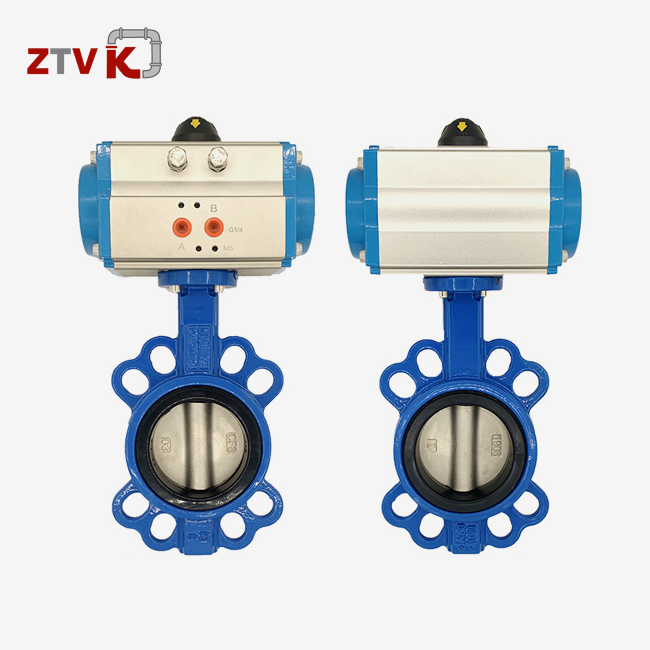
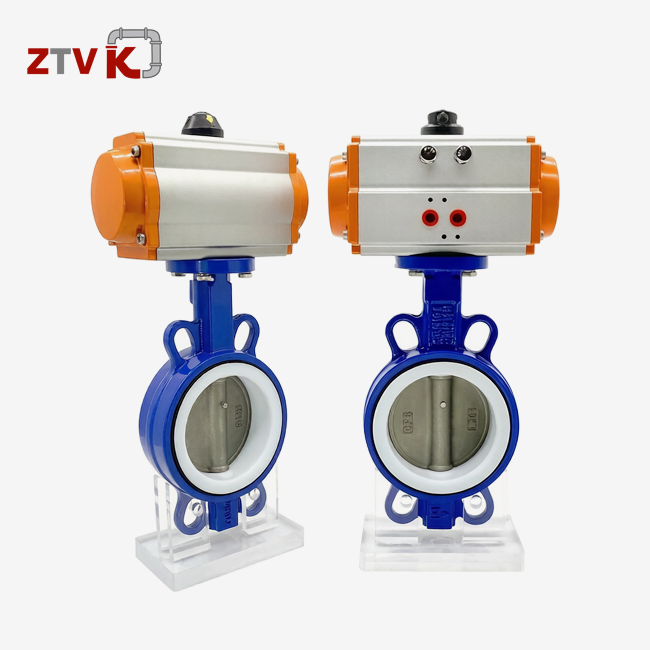
When you turn a butterfly valve three-quarters of the way around, a disc on a central shaft turns ninety degrees to open or stop the flow line. A DN80 (nominal diameter 80mm) unit made of Unplasticized Polyvinyl Chloride is what the 3-inch PVC butterfly valve really means. This choice of material gets rid of the problems with galvanic rust that come with brass or cast iron in harsh chemical conditions.
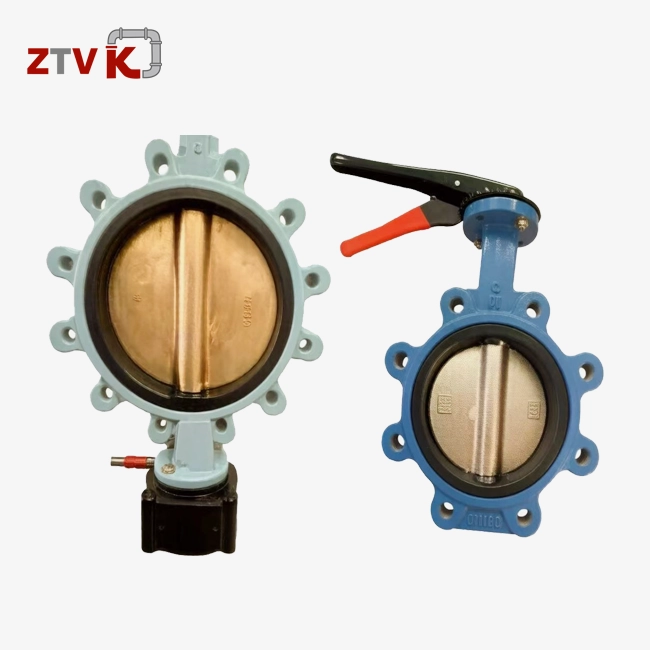
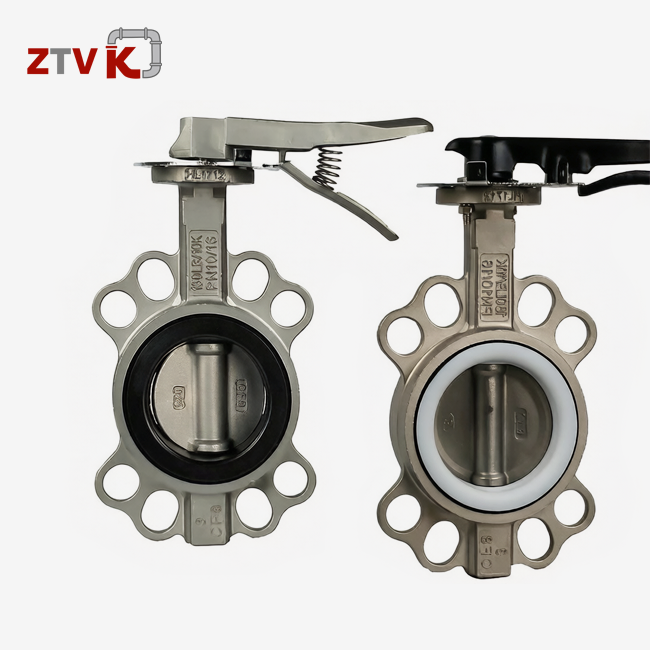
The wafer body design we're talking about here fits snugly between two flanges and doesn't need any extra nuts besides the ones that hold the flange link in place. With a weight of only 4 pounds, this arrangement makes pipe hangars much less likely to break than metal ones of the same design. The lever movement makes human control easy, so it can be used in situations where the system complexity doesn't justify automated actuators.
Material Properties and Performance Boundaries
The PVC-U material meets the standards set by ASTM D1784 Cell Class 12454. It has a tensile strength of over 7,000 PSI and is very resistant to acids, bases, and salt solutions. It can handle 150 PSI of pressure at 73°F, which means it can be used in normal city water systems and HVAC chilled water loops. Temperature sensitivity is still the biggest problem: when the temperature gets close to 140°F, the pressure capacity drops a lot, which means it can't be used in steam or hot water return lines.
The ANSI 125 flange connection makes sure that it works with most pipe standards used in building projects in North America. Meeting the standards for NSF/ANSI 61 approval, EPDM seats seal well against air bubbles for use with potable water. Even when the valve body touches different types of pipe materials, the stainless steel stem doesn't rust.
Why HVAC and Water Systems Prefer This Design
When it comes to HVAC workers, the simplified disc shape keeps pump efficiency high in cooling tower circuits and air handler makeup water lines by reducing pressure drop across the valve. Contractors who work on municipal water systems like the non-toxic mix because it keeps contaminants from getting into drinking water networks. The quick quarter-turn action lets workers react quickly to pressure surges when the system is starting up or when it needs to be shut down quickly.
We've seen a lot of use from a china butterfly valve manufacturer in irrigation control districts, where the lightweight design and resistance to chemicals make field installations easier across large farm networks. The lower price compared to bronze or stainless steel valves lets projects have bigger ranges while staying within budget, which is something that procurement managers think about when they want to increase the size of infrastructure investments.
Optimizing System Performance: Maintenance and Installation Best Practices
Installation Procedures That Prevent Failures
Checking the position of the flange is the first step in a proper fitting. When the parts aren't lined up right, they put uneven stress on the PVC body, which can cause it to crack when the pressure is cycled. Before putting the wafer valve in, you should run a straightedge across both sides to make sure the surfaces are aligned to within 0.02 inches.
The most common fitting mistake is not using enough bolt force. Forged steel valves can handle being over-tightened, but PVC lips break when they are put under too much compression load. The standard says that 20 to 30 ft-lbs of torque should be applied across the bolt circle in the shape of a star. Flat screws spread out the binding force and stop stress from building up in one place. Using anti-seize powder to grease nuts makes sure that torque values stay the same while they are being tightened.
Before putting pressure on the line, look through the flange gap to see where the disc is located. When the disc is open, it should line up properly with the pipe hole and cause little to no resistance to flow. Any imbalance means the seats aren't set up right, which will lead to turbulence and early seat wear.
Routine Maintenance Protocols
Metal valves need to be taken apart and oiled every so often, but PVC butterfly valves don't need any upkeep when they're working properly. The smooth insides don't let bacteria build up as easily as pitted cast iron, so chemicals aren't needed to clean them when they are used with drinkable water. A visual check every six months is enough to find seat wear or stem play that means the seat needs to be replaced.
When maintenance is needed, the lightweight design makes removal easier. One worker can work on a 3-inch valve without having to lift heavy tools, which cuts down on the cost of upkeep labor. Replacement seats fit into body grooves without glue, so they can be fixed in the field without special tools. This design is very different from metal valves, where the seat needs to be replaced by a machine shop.
Because they don't produce corrosion products, PVC valves keep the same working force over their whole life. Metal valves often seize after being inactive for a long time because the stem threads oxidize. To remove them, damaging methods are needed that damage the pipes nearby.
Comparing Valve Options: Making the Right Choice for Your HVAC and Water Systems
PVC Versus Metal Construction
The working setting affects the choice of material. Metal butterfly valves work great in situations with high temperatures and pressures over 200 PSI. PVC building is most common in situations where chemical exposure, weight, or cost are important factors. For sizes that are the same in normal pressure classes, the price difference usually falls between 40 and 60% in favor of PVC.
Corrosion resistance is PVC's main benefit in places like water treatment plants that deal with chlorinated wastewater or industrial plants that deal with acidic vapor return lines. Alternatives made of stainless steel offer similar chemical protection but cost three times as much, making them hard to justify economically outside of critical process uses.
Manual Lever Versus Automated Actuation
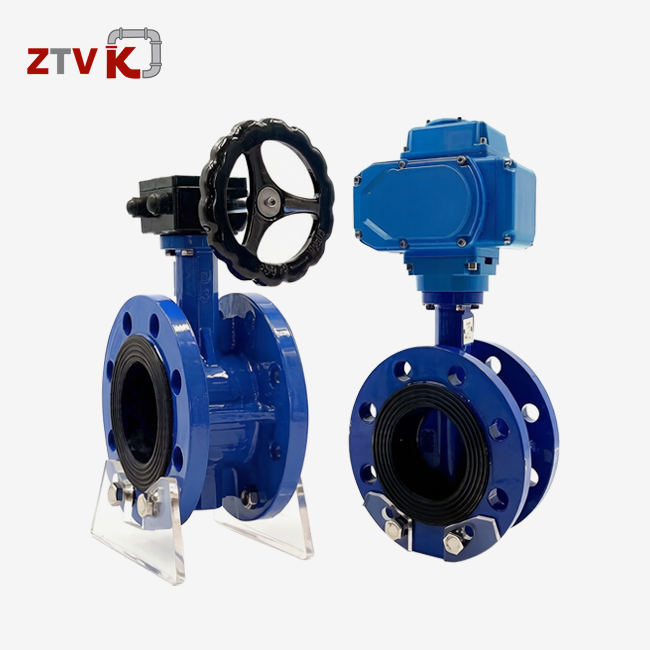
Lever-operated valves are good for situations where the user will be there all the time or where changes won't be made very often. The manual system gets rid of the costs and problems that come with electricity equipment and actuators. Electric actuators let facilities that manage faraway pump stations or set up monitoring control systems change the flow of electricity without having to go to the site.
Before switching from manual to automatic operation, you need to make sure that the valve has an ISO 5211 fixing pad. The minimum size of the actuator is based on the breakout torque standard. Usually, a 20–30% safety margin is needed above estimated values to make sure reliable operation in bad circumstances.
Wafer Versus Lug Body Styles
The wafer design we're talking about here lowers the cost of fitting by getting rid of the need for special valve nuts. If you use this building method, you have to take care of the pipes downstream while you service the valves, because taking out one set of flange bolts reduces the pressure in the system. Lug-style bodies have threaded plugs that let the flange be removed separately. This makes dead-end work easier without having to drain the whole system.
Wafer valves are better for new buildings where full system drainage won't affect operations because they reduce the weight and cost of materials that need to be placed. Lug designs are used for retrofitting and important systems that need to keep running all the time, which makes the extra cost worth it.
Procuring 3 Inch PVC Butterfly Valves: What B2B Buyers Need to Know
Supplier Selection and Quality Verification
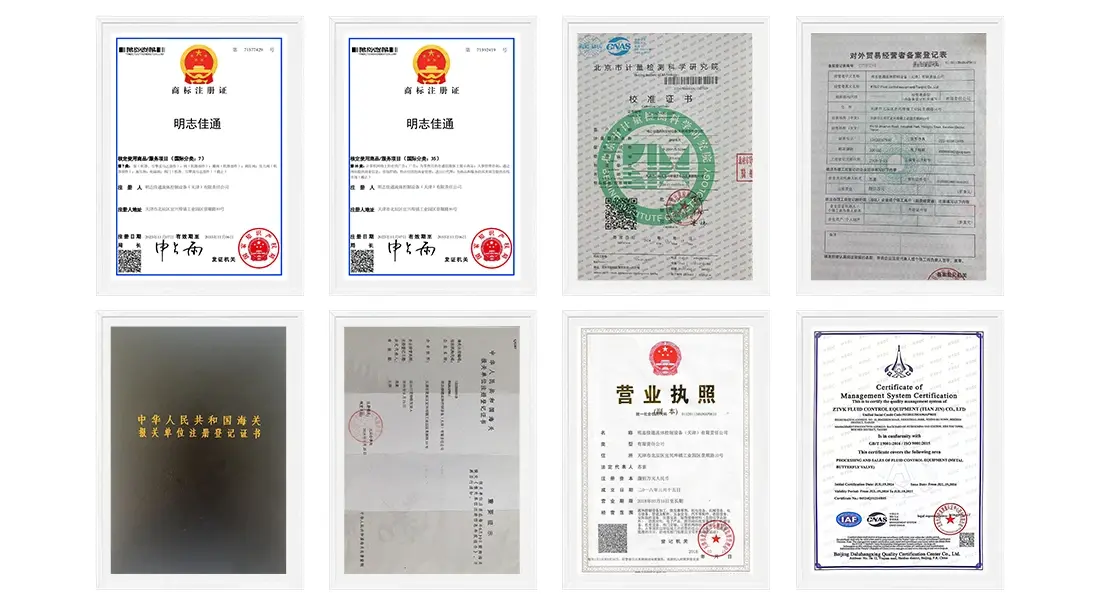
Companies that can show they have ISO 9001 quality management certification and ANSI/AWWA compliance paperwork should be given priority in global procurement teams looking for trusted 3-inch PVC butterfly valve suppliers. Testing records from a third party that prove the material's specifications and pressure ratings give more confidence than what the seller says.
We've observed that makers who keep a lot of stock can deliver basic configurations within a week, which is very important for contractors who are under a lot of time pressure to finish projects on time. Lead times can go up to 15 to 25 days if you need custom seat materials or non-standard bolt drillings. This depends on how deep the production queue is.
Unit economics is greatly affected by buying power in bulk. When distributors buy 50 or more units, they can often get savings of 15 to 20 percent compared to single-piece prices. This makes them more competitive in bid situations. When the number of units in a container load gets close to 500, factory-direct buying can be justified, which gets rid of all distributor profits.
Certification and Standards Compliance
Parts that come into contact with potable water must be NSF/ANSI 61 certified for municipal work. Verifying this approval with paperwork from a separate lab keeps projects from being held up during expensive regulatory reviews. For fire safety reasons, valves placed in sprinkler systems need to be UL/FM approved. This adds another level of compliance checking.
The ANSI 125 flange standard makes sure that products from different makers can be used together. This keeps buyers from being locked into buying only certain brands. Because of this standardization, different valve types can be used in the same system depending on supply or price, without worrying about whether the valves will work together.
OEM Customization and Private Labeling
OEM deals are good for distributors that serve regional markets because makers can use their own branding, unique packaging, and market-specific paperwork. Customized branding usually has a minimum order quantity of 100 units, which is based on the cost of setup and the value of standing out in the market.
Technical customization helps with problems that only happen in certain applications, like using non-standard flange bolt designs to connect to older systems or special seat materials to work with harsh chemicals. When standard catalog goods don't exactly meet project needs, manufacturers who can change designs based on customer-supplied plans are strategically advantageous.
Case Studies & Future Outlook: Improving Efficiency with 3 Inch PVC Butterfly Valves
Documented Performance Improvements
A water district in the southwestern United States replaced 120 old metal gate valves with PVC butterfly valves all over their network of distribution points. The project had measured results, such as cutting by 35% the time it takes to open and close valves during system balancing processes and getting rid of $18,000 in yearly upkeep costs related to corrosion. Because it was so light, installations that used to need four people and lifting tools could be done by two-person teams.
For the water lines that feed cooling towers, an HVAC provider that works with data centers always uses PVC butterfly valves. The chemical resistance stopped early failures that were caused by water treatment chemicals that wore down metal parts in earlier systems. Over the course of three years of testing, the time between valve replacements went from 18 months to more than 60 months. This directly increased customer happiness and decreased the number of emergency service calls.
Innovation Trends Shaping Future Adoption
Material science progress keeps making PVC more temperature-tolerant by changing the polymers. This could allow it to be used in systems that aren't too hot right now, where metal valves are usually used. Smart valve technology with built-in flowmeters and wireless position monitors is likely to work with PVC bodies. This will allow real-time system tracking without giving up cost savings.
PVC from a china butterfly valve manufacturer is becoming more popular because it is more environmentally friendly, uses less energy during production, and can be recycled completely when it's done. As rules about the environment get stricter and keeping track of carbon emissions becomes common, polymer valves will be able to compete better in green building ratings and studies of the sustainability of infrastructure.
Conclusion
Chemical resistance, lighter weight, and cost-effectiveness are some of the real benefits of using PVC butterfly valves in temperature control and water distribution systems. Specifications that match the 3-inch PVC butterfly valve shape we looked at provide solid flow control for pressures up to 150 PSI as long as the temperature stays within the right range. The fact that they are easy to install and don't need much upkeep fixes problems that procurement managers and facility workers keep having with traditional metal valves. These parts will play a bigger part in both city infrastructure and business mechanical systems as new materials improve their performance and smart technology is better integrated.
FAQ
Q1: Can I use a 3 inch PVC butterfly valve in compressed air systems?
According to industry standards, PVC valves are not allowed to be used with compressed gas. When there is catastrophic failure under gas pressure, the material breaks up into dangerous missiles instead of cracking in a predictable way as it does with liquid media. No matter what the pressure is, metal valves must be used for compressed air service.
Q2: What temperature derating applies to the 150 PSI pressure rating?
At 73°F, the 150 PSI grade stays the same. As the temperature rises by 10°F, the pressure capacity drops by about 5% until it reaches 20–25% of its rated pressure near the 140°F upper temperature limit. To avoid over-pressurization failures, applications that use heated water should look to the manufacturer's derating curves for specific working conditions.
Q3: How do I determine proper bolt torque for installation?
Standard advice says to apply 20 to 30 ft-lbs in a star design across the bolt circle. Over-torquing is the main reason why PVC joints fail to install properly. Putting flat washers under each bolt head and using a measured torque wrench on each one spreads the clamping force out equally and stops cracking.
Partner with ZTVK for Reliable 3 Inch PVC Butterfly Valve Supply
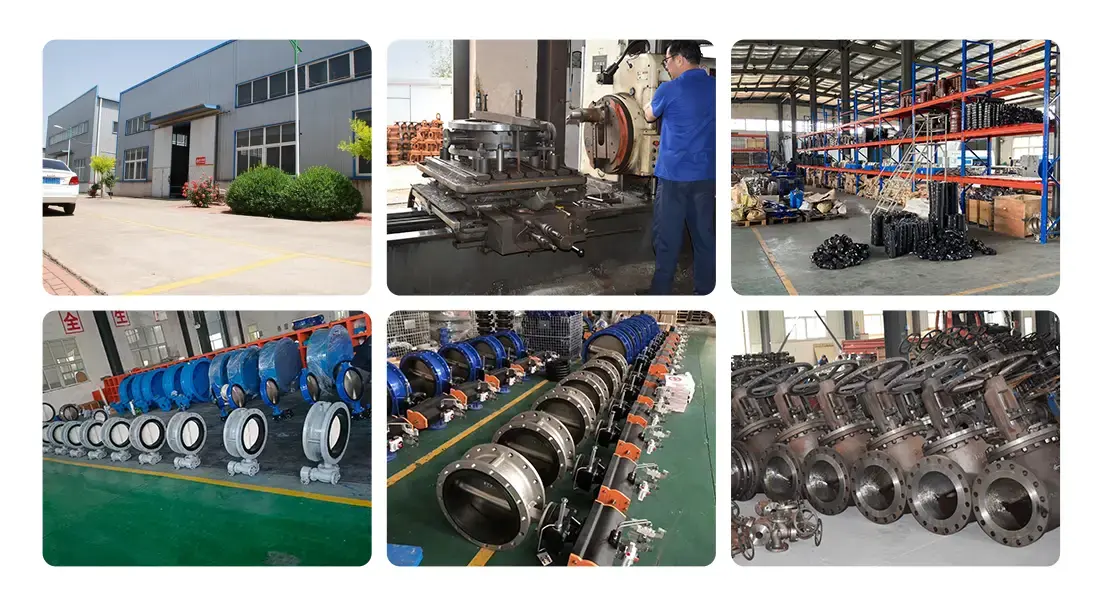
Our factory in Tianjin's Beichen District keeps more than 2,000 standard butterfly valves in stock in sizes ranging from DN50 to DN600. This means that we can deliver your order within 3–7 days of receiving it. The company you choose to make your 3-inch PVC butterfly valve has a direct effect on how long the project takes and how reliable the system is in the long run. ZTVK's production methods are ISO 9001 approved and follow ANSI standards, so the quality of every shipment is the same.
We are only 50 kilometers from Tianjin Port and work with known freight partners like COSCO and Maersk to make sure that containers are loaded quickly and easily. As part of our OEM services, we can do private labeling and custom packing that meets the ISPM 15 standards for wooden crates used for foreign shipping. The 18-month warranty that covers damage to things other than people shows that we trust the quality of the product and gives buying teams peace of mind about lowering risk.
You can email our technical sales team at ktec86961886@163.com to talk about your specific application needs, ask for CAD models, or get prices for your next project in bulk. We can make both standard setups and custom changes, such as using different seat materials and drilling patterns that aren't standard. Production times range from 15 to 25 days, based on how complicated the change is.
References
1. American Water Works Association. (2021). Manual of Water Supply Practices M49: Butterfly Valves: Torque, Head Loss, and Cavitation Analysis. Denver: AWWA Publications.
2. ASHRAE. (2020). ASHRAE Handbook—HVAC Systems and Equipment. Atlanta: American Society of Heating, Refrigerating and Air-Conditioning Engineers.
3. ASTM International. (2019). ASTM D1784-20: Standard Specification for Rigid Poly(Vinyl Chloride) (PVC) Compounds and Chlorinated Poly(Vinyl Chloride) (CPVC) Compounds. West Conshohocken: ASTM.
4. NSF International. (2022). NSF/ANSI 61: Drinking Water System Components—Health Effects. Ann Arbor: NSF International Standards.
5. Valve Manufacturers Association. (2018). VMA Technical Paper 15: Butterfly Valve Selection and Application Guide. Washington: VMA Publications.
6. Zappe, R.W. (2019). Valve Selection Handbook: Engineering Fundamentals for Selecting the Right Valve Design for Every Industrial Flow Application (6th ed.). Houston: Gulf Professional Publishing.
Send us your valve requirements and our team will provide professional solutions and fast quotations.
RELATED INDUSTRY KNOWLEDGE