- English
- French
- German
- Portuguese
- Spanish
- Russian
- Japanese
- Korean
- Arabic
- Greek
- German
- Turkish
- Italian
- Danish
- Romanian
- Indonesian
- Czech
- Afrikaans
- Swedish
- Polish
- Basque
- Catalan
- Esperanto
- Hindi
- Lao
- Albanian
- Amharic
- Armenian
- Azerbaijani
- Belarusian
- Bengali
- Bosnian
- Bulgarian
- Cebuano
- Chichewa
- Corsican
- Croatian
- Dutch
- Estonian
- Filipino
- Finnish
- Frisian
- Galician
- Georgian
- Gujarati
- Haitian
- Hausa
- Hawaiian
- Hebrew
- Hmong
- Hungarian
- Icelandic
- Igbo
- Javanese
- Kannada
- Kazakh
- Khmer
- Kurdish
- Kyrgyz
- Latin
- Latvian
- Lithuanian
- Luxembou..
- Macedonian
- Malagasy
- Malay
- Malayalam
- Maltese
- Maori
- Marathi
- Mongolian
- Burmese
- Nepali
- Norwegian
- Pashto
- Persian
- Punjabi
- Serbian
- Sesotho
- Sinhala
- Slovak
- Slovenian
- Somali
- Samoan
- Scots Gaelic
- Shona
- Sindhi
- Sundanese
- Swahili
- Tajik
- Tamil
- Telugu
- Thai
- Ukrainian
- Urdu
- Uzbek
- Vietnamese
- Welsh
- Xhosa
- Yiddish
- Yoruba
- Zulu
A Complete Guide to Understanding Industrial Butterfly Valves
Modern flow control systems use butterfly valves because they make it simple to manage the flow of gases and liquids in many scenarios. I think the 12" butterfly valve (DN300) is the best choice for medium- to large-scale operations. It is a quarter-turn device with a disc that rotates perpendicular to the flow stream. This lets the valve shut off quickly with little pressure drop. This guide talks about the technical basics, comparative advantages, and practical factors that are most important when picking these key parts for industrial infrastructure projects.
What Are Industrial Butterfly Valves?
A quarter-turn turns an industrial butterfly valve's central shaft, on which a round disc pivots, to change the flow rate or stop it completely. The valve has three main parts: the body that fits into the pipe, the disc assembly that changes the flow rate, and the stem mechanism that sends rotational force from the actuator to the disc.
Core Components and Operating Mechanism
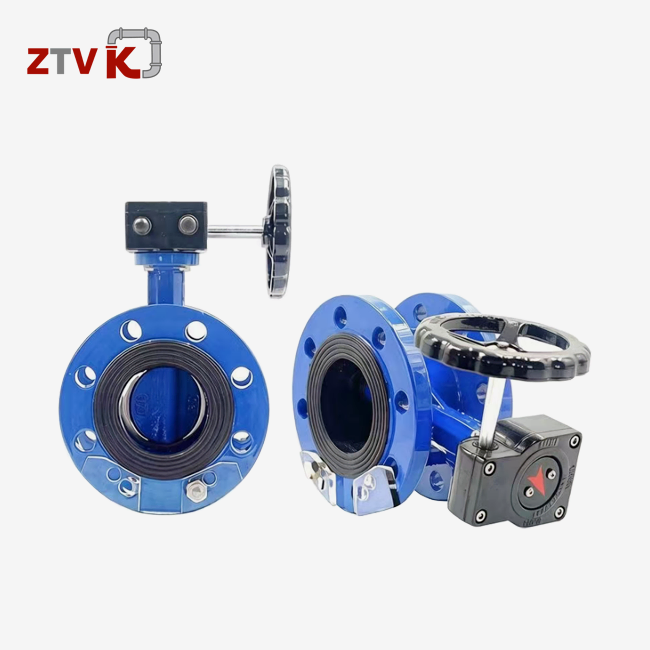
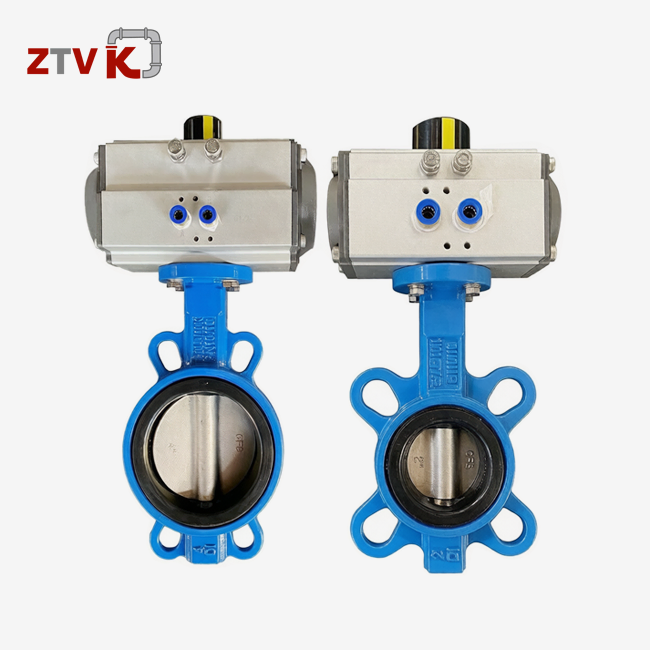
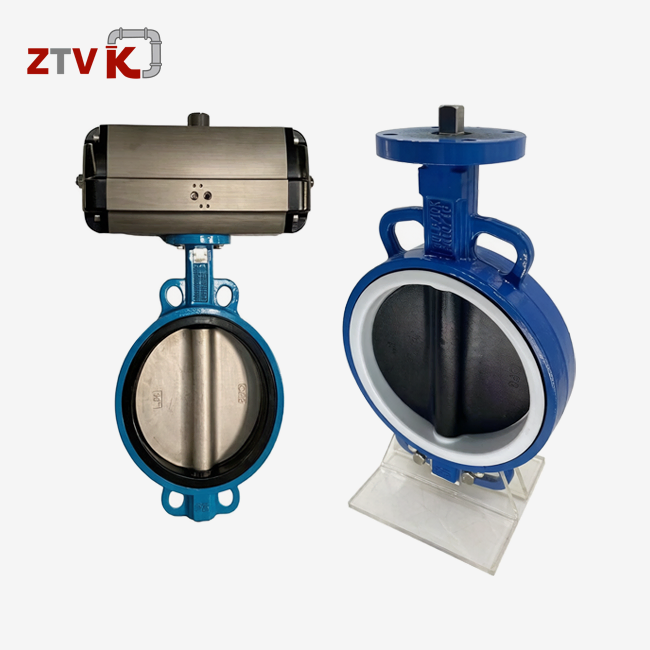
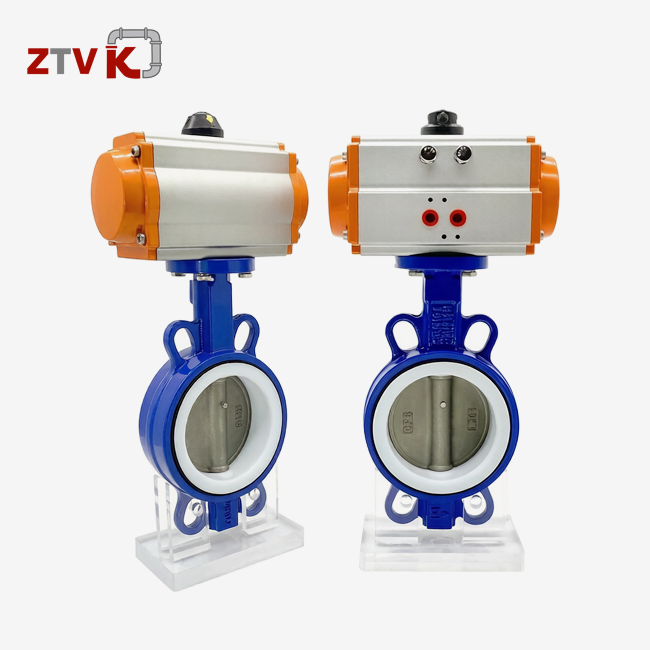
The valve's body is usually either wafer-style, which attaches to pipe flanges with through-bolts, or lug-style, which has threaded inserts that let the flange be removed separately. The disc, which is connected to a stem that goes through its diameter, can turn 90 degrees from fully open to fully closed. When the valve is lined up perpendicular to the flow direction, it provides positive shutoff, and when it's lined up parallel to it, it offers minimal obstruction. The seat material creates the sealing interface. Resilient options like EPDM and NBR offer bubble-tight closure for lower-pressure applications, while PTFE and VITON offer chemical resistance for aggressive media.
Classification by Design and Material
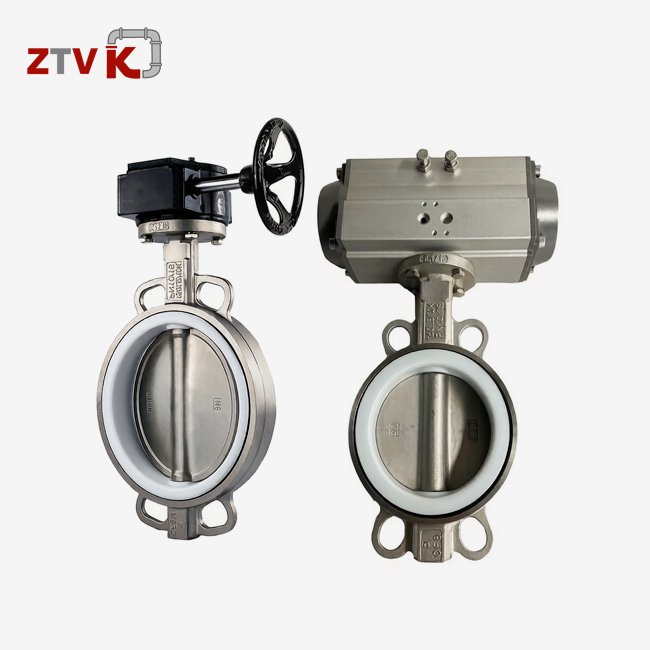
There are two types of butterfly valves: metal-seated and resilient-seated. Resilient-seated valves have elastomeric liners that press against the disc edge, making the seal better and cheaper. Metal-seated valves, on the other hand, have hardened alloys for both the disc and the seat, so they can handle high temperatures and rough conditions. Body materials range from ductile iron (DI/QT450) for general water service to stainless steel grades CF8 and CF8M for corrosive environments, and aluminum bronze discs for situations that need better corrosion resistance and non-sparking properties.
Comparing Butterfly Valves to Other Valve Types
When people buy things, it helps to know how butterfly valves stack up against other choices. Gate valves let flow through when they're fully open, but the stem has to be rotated several times, and the installation length has to be much longer. Ball valves have great shutoff and low torque operation, but they cost more to make and need a bigger actuator for sizes above 8 inches.
Structural and Operational Distinctions
A small pressure drop is caused by the disc staying in the flow stream when the valve is fully open. This is different from gate valves, where the wedge moves out of the way of the flow. The quarter-turn operation allows for quick response; a full stroke can be completed in less than five seconds with the right actuation. Multi-turn valves, on the other hand, may need 30–60 seconds to make the same movement.
Manual Versus Actuated Operation
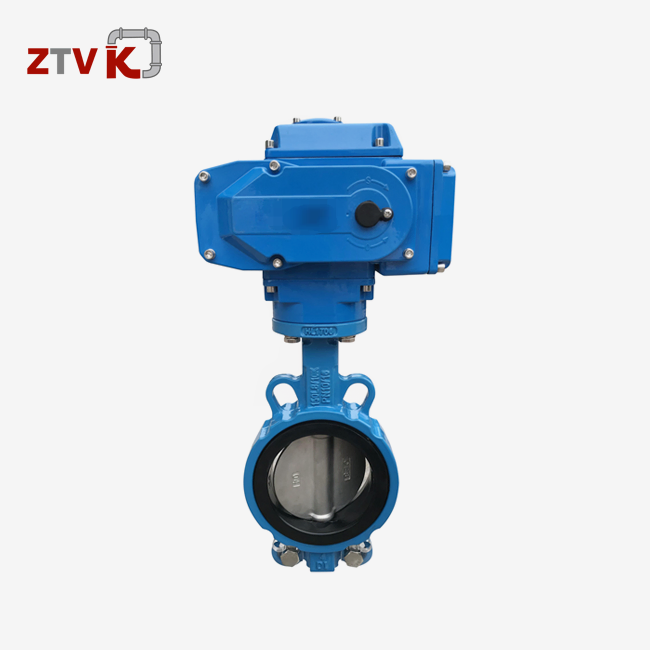
Hand levers are usually used for butterfly valves up to 8 inches in diameter. But for valves 12" butterfly valve or bigger, torque loads are too high, and gear operators are needed. The DN300 disc's large surface area creates strong hydraulic forces, especially when closing against the flow direction. Gearbox operation turns operator input into a mechanical advantage, usually 40:1 or 60:1 ratios, which allows manual operation while keeping safe closing speeds. Electric actuators eliminate manual effort, providing precise modulating control through 4-20mA signals and allowing integration with distributed control systems for remote operation and automated process management.
Butterfly Valve Selection Criteria for Procurement Managers and Engineers
It's important to know the specs, but you should also think about how they will be used. The pressure rating is the most important safety factor. Ratings of PN10 and PN16, or 150 PSI and 232 PSI, are good for most water, HVAC, and light chemical applications. Higher ratings, like PN25 or Class 300, are used for steam service and petrochemical processing, where high pressures happen all the time.
Critical Technical Parameters
It's important to make sure that the materials you choose for wet parts can handle the right media. For example, water systems need ductile iron bodies with EPDM seats, while chemical processing may need CF8M stainless construction with PTFE or VITON seals. Temperature ranges are also very important. Standard elastomers can handle temperatures between -20°C and 120°C, while PTFE can handle temperatures up to 200°C for steam and thermal fluid applications. The nominal pipe diameter is 12" butterfly valve (DN300), and the right valve size takes flow velocity into account to keep the disc from fluttering while avoiding oversizing, which raises costs. Different countries have different connection standards. In some places, ISO 5211 mounting pads can fit actuators, while in others, PN, ANSI, or JIS specifications must be followed for flange drilling patterns.
Supplier Evaluation and Procurement Strategy
Some of the biggest international brands, like Emerson, Metso, and Parker, charge more. However, OEM manufacturers offer cheaper options, especially for large orders where private labeling and customization can be very helpful. We've seen that manufacturers with ISO 9001 certification and clear quality control protocols always make reliable products. Being close to major shipping ports lowers freight costs and leads times. For example, a manufacturer near Tianjin Port can access global shipping lanes within an hour, which speeds up project turnaround and lowers the cost of keeping inventory.
Installation, Maintenance, and Troubleshooting of Butterfly Valves
Butterfly valves should have the stem installed in a certain way for certain media. For example, when the valve is used in slurry, the stem should be installed horizontally so that solids don't build up in the bottom bearings and wear them out too fast.
Step-by-Step Installation Protocol
Before installing the valve, make sure it wasn't damaged during shipping and that the pressure ratings are correct for the system. Clean the pipe ends of any weld spatter, scale, or other debris that could damage the seats during the first operation. Place the valve between the flanges and make sure it's in the right place. Then, insert the bolts through the holes in the flanges without tightening them. Cross-tighten the bolts gradually in a star pattern to meet the torque requirements, which are usually 50–70 ft-lbs for 12" butterfly valve Class 150 flanges. This will keep the seats from distorting. Run the valve through several open-close operations before pressing it to make sure it moves smoothly and that the disc-to-seat alignment is correct.
Preventive Maintenance Best Practices
Check the packing gland for small stem leaks about every six months and tighten the adjustment nuts by a quarter turn if you see any. When the machine is off, look at the seat surfaces for scoring, chemical attack, or compression set that weakens the sealing. Grease the stem bearings once a year with the manufacturer's recommended grease; don't use petroleum-based products that damage elastomeric seats. For important applications, keep torque records that show break-to-open and seating values; big increases mean that the bearings or seats need to be replaced.
Common Issues and Remedial Actions
If you tighten them too much, it can increase the operating torque and speed up bearing wear. Seat leakage shows up as downstream pressure bleed when the valve is closed. This means that either the seat is broken or the disc has warped from thermal cycling. In automated units, an actuator malfunction could be caused by an actuator being out of alignment, not enough air pressure in pneumatic models, or electrical connection problems in motorized models. These problems need to be carefully figured out.
Applications and Advantages of Butterfly Valves in Industry
These work best when they need to be used a lot, there isn't much room for them, and the flow rate is medium to high. They're made in a way that makes them safe and effective.
Water Treatment and Municipal Infrastructure
In city water systems, butterfly valves are often used to separate main lines, stop pump discharge, and control filter backwash. Because they're small, have corrosion-resistant coatings, and resilient seats, they can be installed in buried vaults where bigger valve types can't go because they're too hard to get to. In high-purity water service, desalination plants use lug-style configurations because the dead-end feature lets maintenance be done downstream without draining the whole system.
HVAC and District Energy Systems
In mechanical rooms, businesses use butterfly valves to control boiler feed, separate chilled water, and avoid cooling towers. They can quickly shut off in case of an emergency and can slow flows in complicated distribution networks to keep things in balance. 12" butterfly valve lines serving central plant equipment benefit from the reduced installation weight compared to gate valves, simplifying pipe support design and reducing structural loading on equipment rooms.
Chemical Processing and Industrial Manufacturing
Metal-seated butterfly valves are better than resilient seats in harsh chemical environments because the disc and seat parts can be made of rare alloys like aluminum bronze, Hastelloy, and duplex stainless grades. They can handle harsh chemicals and still do their basic job. The smooth flow path is better for handling slurry in mining, pulp and paper, and wastewater treatment, because globe valves with twisted internal passages get clogged more easily.
Key Advantages Driving Adoption
Butterfly valves are 30–50% less expensive than equivalent ball valves in sizes above 6 inches, and the difference gets bigger as the size goes up. They are also lighter—a 12" butterfly valve weighs about 150 pounds compared to 450 pounds for a similar gate valve—which cuts down on the need for installation labor and equipment. The fast-acting operation makes them safer in emergency shutoff situations, and the simple mechanical design cuts down on the need for maintenance and spare parts. In the future, smart positioners with diagnostic capabilities will be added to butterfly valves, which will make them more reliable through predictive maintenance protocols.
Conclusion
When reliable flow control is needed but money is tight, industrial butterfly valves are a great choice. The 12" butterfly valve size works especially well for medium- to large-scale operations that need a lot of flow capacity without the space and weight problems that come with other valve technologies. To be successful in procurement, you need to balance technical requirements like pressure ratings, material compatibility, and actuation requirements against commercial factors like supplier reliability, customization capabilities, and lifecycle support. We've talked about the basic rules for choosing valves, installation techniques that ensure long-term performance, and use cases where butterfly valves shine. With this information, procurement managers and engineers can specify valve solutions that meet both short-term project needs and long-term operational goals.
FAQ
Q1: What distinguishes wafer from lug butterfly valves in practical applications?
Wafer-style butterfly valves use long through-bolts to fit between pipe flanges and press the valve body directly against gaskets. This design works well for permanent installations, but both flanges need to be supported when removing downstream piping. Lug-type valves, on the other hand, have threaded inserts in the valve body that let bolts secure each flange separately. This design allows for dead-end service, which means removing downstream piping while keeping upstream pressure, which makes lug valves essential for regular maintenance that needs to be done without shutting down the whole system.
Q2: How should I properly size a butterfly valve for my application flow requirements?
To choose the right size, you need to know the top and bottom speeds, the flow rate, and the acceptable pressure drop. For discs, the best speeds are between 5 and 15 feet per second. For a 12" butterfly valve (DN300), the top flow range is usually between 3,000 and 5,000 GPM, but this depends on the material being used. Check the manufacturer's Cv charts, which show how the position of the valve affects the flow coefficient, to make sure the valve can deliver the needed flow at an acceptable pressure loss. For isolation service, this is usually less than 5 PSI.
Q3: Can existing manual butterfly valves be retrofitted with electric actuators?
If the valve has standard ISO 5211 mounting pads, you can switch from manual to electric actuators. Just make sure that the input coupling specifications match the output shaft specifications of the existing gearbox. The torque needs to be within the actuator's output capacity; for a 12" butterfly valve, this is usually 500 to 800 ft-lbs, depending on the pressure class. To do the retrofit, you need to take off the handwheel assembly, install the actuator mounting bracket, and connect the actuator to the valve stem using the right couplings. Electrical integration needs a power supply and control signals that match the actuator's specifications.
Partner with ZTVK for Reliable Butterfly Valve Solutions
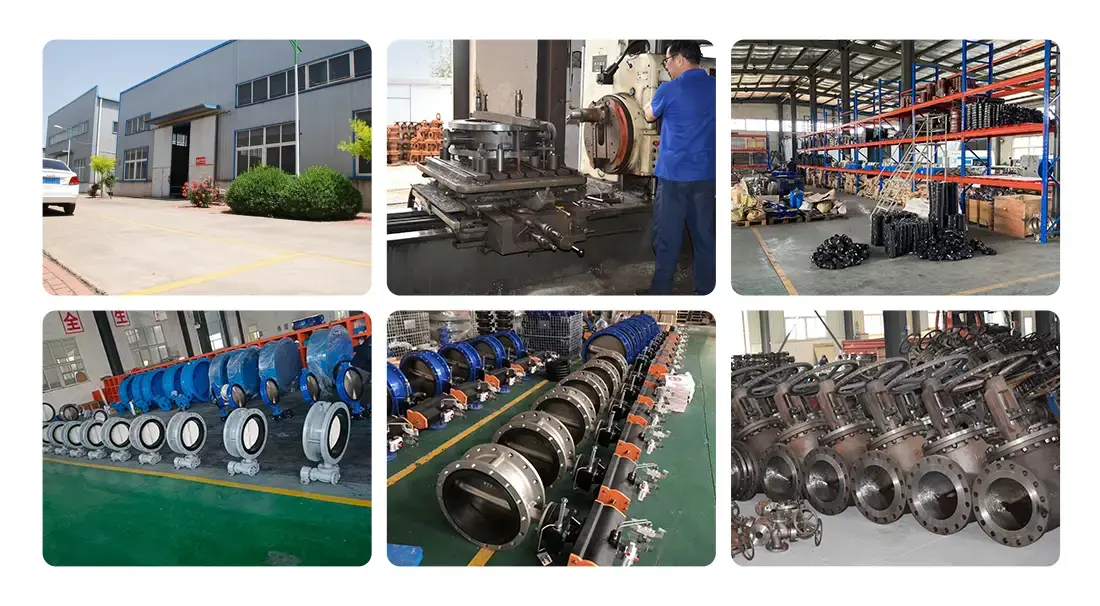
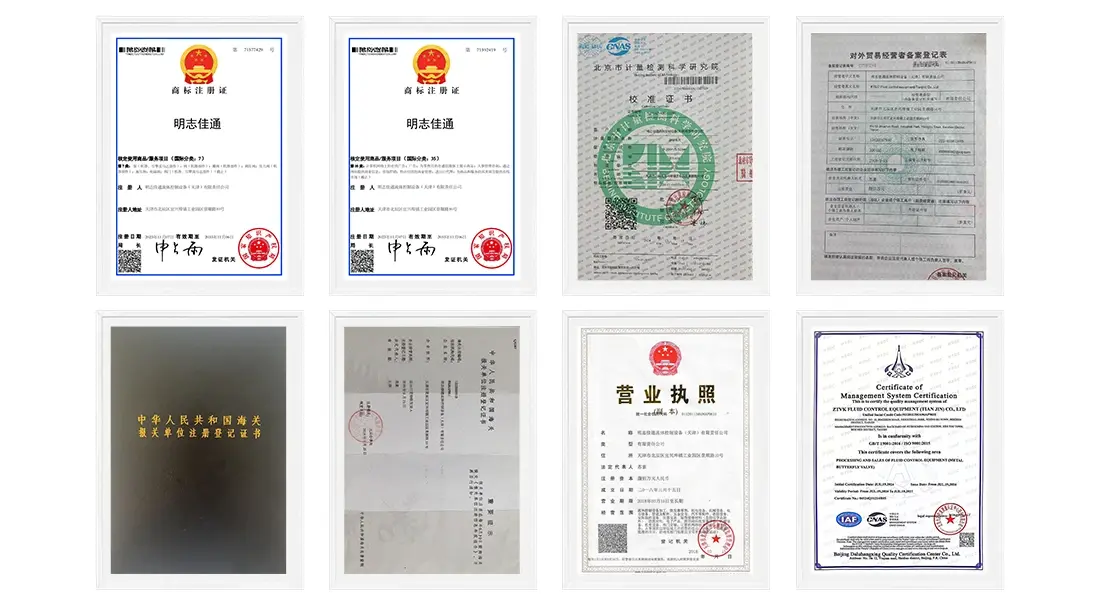
ZTVK, a well-known maker of 12" butterfly valves, has made flow control parts that you can rely on for your activities. Our lug-type DN300 (12-inch) butterfly valves are made of ductile iron and come with different seat materials to meet a variety of uses. In Tianjin's Beichen District, our companies keep a big stock of more than 2,000 standard units that can be sent out within 3–7 days. With 15–25-day production processes, we can also meet your unique needs. We can quickly send goods to other countries because we can get to Tianjin Port. The techs at our store can help you pick out the right stuff, figure out how to hook it up to your computer, and make it do different things. Send us an email at ktec86961886@163.com to tell us about your project and get custom technical specs.
References
1. American Water Works Association (AWWA). Manual M49: Butterfly Valves: Torque, Head Loss, and Cavitation Analysis. Denver: AWWA, 2012.
2. Hutchison, John W., ed. ISA Handbook of Control Valves, 2nd Edition. Research Triangle Park: International Society of Automation, 1976.
3. Lyons, Jerry L. The Valve Designer's Handbook. New York: Van Nostrand Reinhold, 1982.
4. Nesbitt, Brian. Handbook of Valves and Actuators: Valves Manual International. Oxford: Elsevier Science, 2007.
5. Skousen, Philip L. Valve Handbook, 3rd Edition. New York: McGraw-Hill Education, 2011.
6. Zappe, R.W. Valve Selection Handbook: Engineering Fundamentals for Selecting the Right Valve Design for Every Industrial Flow Application, 5th Edition. Burlington: Gulf Professional Publishing, 2004.
Send us your valve requirements and our team will provide professional solutions and fast quotations.
RELATED INDUSTRY KNOWLEDGE