- English
- French
- German
- Portuguese
- Spanish
- Russian
- Japanese
- Korean
- Arabic
- Greek
- German
- Turkish
- Italian
- Danish
- Romanian
- Indonesian
- Czech
- Afrikaans
- Swedish
- Polish
- Basque
- Catalan
- Esperanto
- Hindi
- Lao
- Albanian
- Amharic
- Armenian
- Azerbaijani
- Belarusian
- Bengali
- Bosnian
- Bulgarian
- Cebuano
- Chichewa
- Corsican
- Croatian
- Dutch
- Estonian
- Filipino
- Finnish
- Frisian
- Galician
- Georgian
- Gujarati
- Haitian
- Hausa
- Hawaiian
- Hebrew
- Hmong
- Hungarian
- Icelandic
- Igbo
- Javanese
- Kannada
- Kazakh
- Khmer
- Kurdish
- Kyrgyz
- Latin
- Latvian
- Lithuanian
- Luxembou..
- Macedonian
- Malagasy
- Malay
- Malayalam
- Maltese
- Maori
- Marathi
- Mongolian
- Burmese
- Nepali
- Norwegian
- Pashto
- Persian
- Punjabi
- Serbian
- Sesotho
- Sinhala
- Slovak
- Slovenian
- Somali
- Samoan
- Scots Gaelic
- Shona
- Sindhi
- Sundanese
- Swahili
- Tajik
- Tamil
- Telugu
- Thai
- Ukrainian
- Urdu
- Uzbek
- Vietnamese
- Welsh
- Xhosa
- Yiddish
- Yoruba
- Zulu
Carbon Steel Butterfly Valve vs Stainless Steel Valve
Which one to choose between a carbon steel butterfly valve and a stainless steel valve relies on the environment, income, and performance needs. Carbon steel butterfly valves are very strong and don't cost a lot of money. This makes them perfect for businesses that work with oil, steam, natural gas, and other non-corrosive fluids under high pressure. On the other hand, stainless steel valves are very good at resisting rust and keeping things clean, making them perfect for use in chemical processing, food production, and pharmaceuticals. You can choose the best valve that matches long-term value with operating dependability if you know the specific properties, performance standards, and real-world suitability of each material.
Understanding Butterfly Valves: Carbon Steel vs Stainless Steel
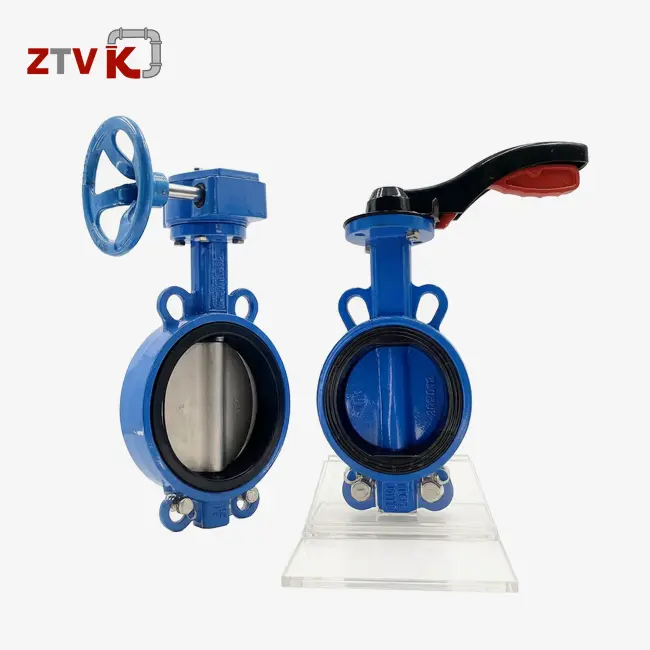
Butterfly valves are rotating devices that turn a quarter of the way around. They are used to control, stop, or slow the flow of fluid in industrial pipe systems. Because the disc moves perpendicular to the flow line, there is little pressure drop, and the installation is small. Valve longevity, chemical compatibility, and upkeep needs are all directly affected by the material choice.
Construction and Material Composition
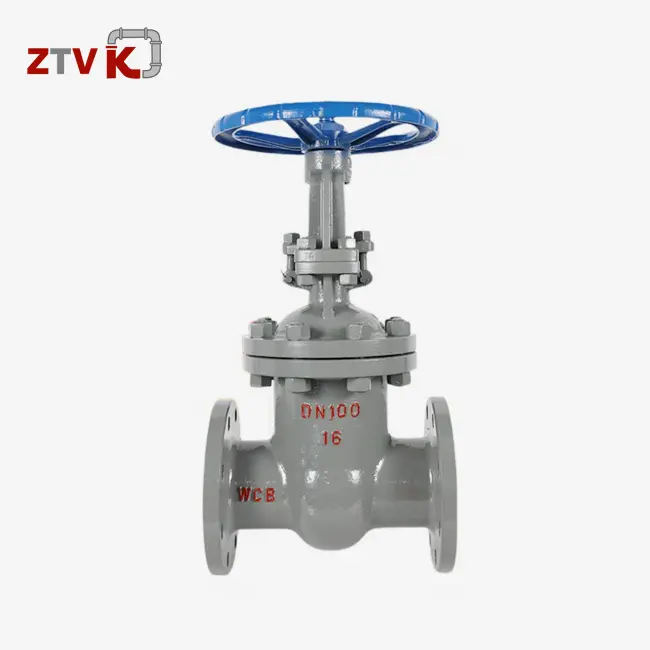
Most carbon steel butterfly valves are made from ASTM A216 WCB or cast ASTM A105 grades, which have a tensile strength of more than 485 MPa and great resistance to impact. The fixed amount of carbon and manganese in the material makes it flexible and easy to weld, so it can be used for butt-weld or flanged joints. Most of the time, these valves have protective linings or epoxy resin coatings that make the surface last longer in fairly harsh settings.
Different types of stainless steel use grades like 304 or 316, which are made up of chromium and nickel alloys that create inactive oxide layers that are hard for chemicals and rust to damage. The austenitic structure keeps its dynamic qualities over a wider range of temperatures, from very cold to very hot. Stainless steel valves don't need much surface cleaning, which cuts down on the time needed to get them ready for fitting.
Working Principles and Operational Differences
Both types of valves work by rotating discs that are controlled by handles, gears, or automatic actuators. Because they are hard, carbon steel types can handle high-velocity flows and abrasive particles well. In factories, they are often used as emergency shutdown devices. The thermal expansion rate of the material is the same as that of popular pipe materials. This means that flange stress is kept to a minimum when temperatures change.
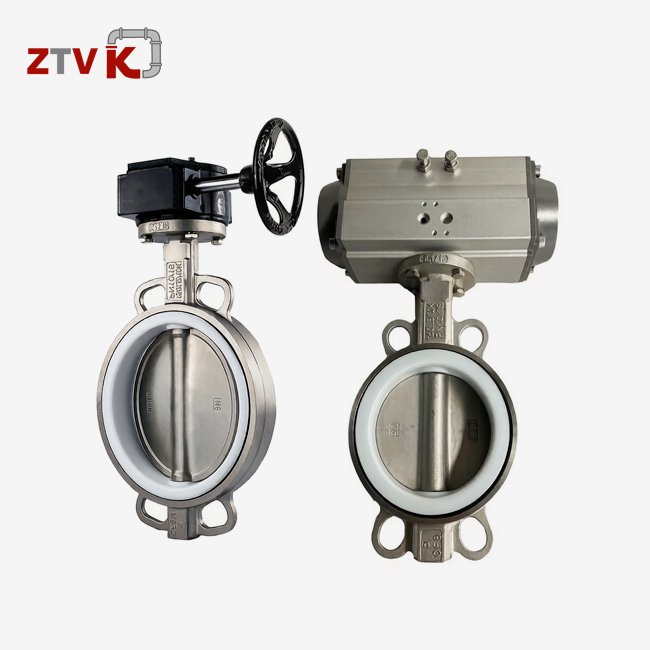
Stainless steel valves keep their shape in acidic environments, which stops leaks caused by erosion over long periods of service. Because they have lower friction coefficients, they have lower actuation force, which lets automatic systems use smaller actuators. The non-reactive surface of the material keeps it clean in sanitary settings, and it meets FDA and 3-A guidelines for clean handling.
Typical Industrial Applications by Material
Most midstream oil and gas transport, power generation steam systems, and local water delivery networks use carbon steel butterfly valves. Their ability to stay structurally sound under repeated loads and their fire-safe qualities meet API 607 standards, which is very important for refineries and industrial plants that work with hydrocarbons.
Stainless steel valves are used in ultrapure water systems for semiconductors, pharmaceutical manufacturing, and cheese processing, where the material must be clean and not corrode. Chemical plants that work with acids, salts, or reactive agents depend on these valves to keep fluids clean and systems from stopping working because of rust.
Key Technical Specifications and Performance Comparison
Comparing technical factors helps buying teams match the capabilities of valves to the needs of the system. This makes sure that regulations are followed and that operations are safe.
Pressure and Temperature Ratings
Carbon steel butterfly valves can handle pressures from PN10/16 to ASME Class 150–300, and some heavy-duty models can even handle Class 600. Depending on the seat material, the operating temperature goes from -29°C to 425°C. Metal-seated designs can handle higher temperatures than elastomer-sealed units, which usually can only be used up to 135°C to keep the gasket from breaking down.
Stainless steel valves can handle the same pressure levels, but they can handle temperatures up to 538°C in high-alloy setups or -196°C for cold LNG service. The material's ability to stay strong at high temperatures lowers the chance of disc bending or stem seizure, which can happen when carbon steel valves are working close to their thermal limits.
Corrosion Resistance and Durability
Carbon steel doesn't stand up well to fluids that are acidic, alkaline, or contain salt. Without protective layers, rust forms faster in wet or salty places, which causes pitting and seat leaks. Following the rules in NACE MR0175 is important for sour gas service because it needs special heat treatment to stop sulfur stress cracking.
The chromium oxide layer on stainless steel self-heals in places with lots of air. It also keeps the surface intact in saltwater, weak acids, and chemicals that oxidize metals. When molybdenum is added to Grade 316, it fights chloride-induced pitting better than Grade 304. This is important for sites near the coast or chemical plants that work with chlorinated compounds. The material's even corrosion rate makes planning its duration easier and lessens the need for unplanned upkeep.
Compliance Standards and Certifications
International design rules are followed by both elements. In API 609, the face-to-face measurements and pressure-temperature ratings are spelled out. In ASME B16.34, the material grades and body thickness estimates are spelled out. Fire-safe testing according to API 607 makes sure that valves can still close during petroleum fires, which is very important for sites further down the line.
The ISO 5211 actuator mounting pads allow for standard automation integration, which means that changes to pneumatic or electric actuators can be made without having to replace the valve body. For sites in Europe, CE marking and PED compliance are required, and pressure tools must be certified by a third party. Before starting a job, buyers should check that the material certificates and hydrostatic test results match the specifications.
Benefits and Limitations: Making the Right Choice
When choosing materials, practical goals and budgets are taken into account by weighing the pros and cons of each option.
Advantages of Carbon Steel Butterfly Valves
Cost-effectiveness is very important, as carbon steel butterfly valves are 30–50% cheaper than stainless steel valves of the same size. The material can be easily machined, which shortens production processes and helps get urgent jobs done quickly. Standard sizes from DN50 to DN600 keep a lot of stock on hand, so you can buy something right away with a 3–7 day wait time.
When compared to ductile iron, high mechanical strength allows body walls to be smaller. This makes valves lighter and easier to install. Weldability makes it easier to make changes and fixes in the field, which cuts down on downtime during maintenance. Fire-resistant qualities meet safety standards for handling flammable fluids and allow for emergency separation during thermal events.
Advantages of Stainless Steel Butterfly Valves
When used in harsh media, corrosion protection makes the service life longer; it can often go over 20 years without major repairs. The material has a clean surface finish that works with clean-in-place (CIP) processes in food and drug systems. This stops germs from hiding and makes cleaning easier. Less roughness on the surface lowers pressure drop and turbulence, which makes large-diameter pipes move more efficiently.
Aesthetic longevity keeps the look in building settings where valve visibility is important. The material can be recycled, which helps the earth and recovers its value at the end of its life. In corrosive service situations, the lower total cost of ownership more than makes up for the higher starting costs because maintenance is done less often.
Material Limitations and Trade-Offs
Because carbon steel is easily corroded, it needs to be inspected and re-coated often in wet or chemically active places. Protective steps like cathodic protection or interior lining raise the initial cost, making the price benefit over stainless steel less clear. Mismatched thermal expansion with rare metals used in pipes can cause flange stress, which needs expansion joints or flexible links.
The higher cost of stainless steel materials keeps projects with limited funds from using it for fluids that are safe, like air or freshwater, where carbon steel works well. Because the material doesn't have a high yield strength, thicker parts are needed for high-pressure uses. This makes the valve heavier and the actuator bigger. Because of the chance of galling during assembly, anti-seize additives and torque control are needed, which makes the installation process more difficult.
Practical Applications and Industry Suitability
Real-life examples of how materials are used show how their qualities can lead to practical success in a wide range of fields.
Carbon Steel Valves in Energy and Industrial Sectors
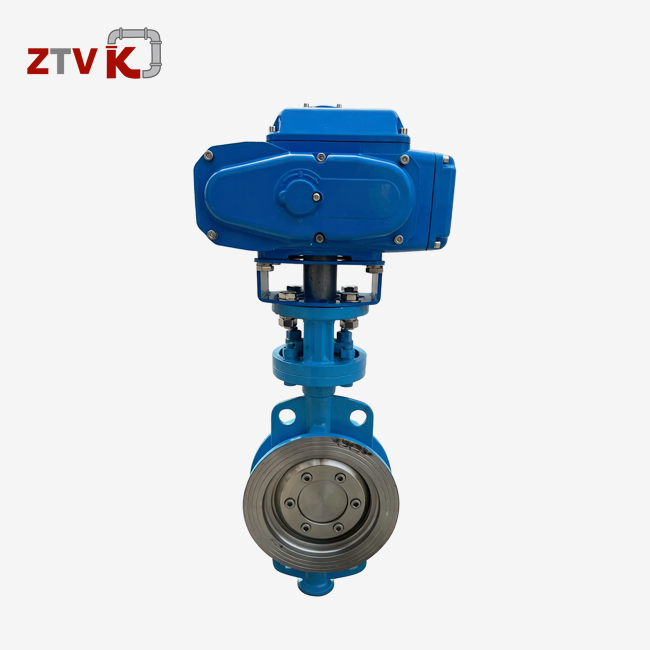
In power plants, carbon steel butterfly valves are used in feedwater systems, cooling tower circuits, and condensate return lines. The valves can handle changes in temperature and wear from solids in the fluid, and they can keep shutting off tightly after more than 50,000 rounds of use. Triple-offset designs get rid of disc-seat friction while they're working, which makes seals last longer in service that involves a lot of variation.
These valves are put in place by oil and gas pipeline workers in natural gas compression stations and systems that collect crude oil. Because the material is flexible, it can handle pipeline vibration and ground settlement without breaking. This is especially important for rural sites where repair access is limited. Certified fire safety makes sure that there is emergency separation during wellhead blowouts or equipment failures further downstream.
For large-diameter transmission mains and pumping stations, municipal water companies require valves made of carbon steel. The valves can seal in both directions and have low headloss, so they can handle changing demand. Epoxy linings keep tuberculation from happening in drinkable water service. Operators like that the valves can be fixed because the seats and seals can be changed without taking the body out of the pipeline.
Stainless Steel Valves in Specialized Industries
For safe process control, pharmaceutical companies use butterfly valves made of stainless steel. This keeps the material clean and stops batch contamination. Electropolished surfaces get finishes with a Ra of 0.4 microns, which gets rid of cracks that germs or cleaning leftovers can hide in. Automated position input works with batch control systems to make filling and managing recipes more accurate.
These valves are used in food preparation plants to pasteurize milk, carbonate drinks, and refine edible oils. The FDA 21 CFR compliance and 3-A sanitary approval of the material make sure that the product is safe, and quick-disassembly patterns make daily cleaning easier. Because stainless steel doesn't react with acidic fruit juices or alkaline cleaning products, it can keep working well even when production plans change.
Chemical companies that work with acids, solvents, and oxidizers need valves made of stainless steel to keep materials from breaking down and getting contaminated. Because the valves can handle aggressive media, expensive, rare metals are not needed in many situations. This strikes a good balance between cost and performance. Leak-tight stop keeps people from being exposed to dangerous chemicals, which is what OSHA and the EPA require for chemical process safety.
Purchasing Guide: How to Choose Between Carbon Steel and Stainless Steel Butterfly Valves?
Strategic procurement combines technical needs, supplier skills, and lifecycle costs to secure optimal valve solutions.
Assessing Project-Specific Requirements
First, describe the qualities of the fluid, such as its pH, temperature range, percentage of suspended solids, and chemical make-up. Media compatibility charts from valve makers show what materials are good, showing how fast they corrode and how long they should be used for. The highest working conditions for pressure and temperature must be higher than the safety margins set out in ASME B31.3 piping rules.
Things in the environment, like oxygen levels, temperature changes, and salt spray contact, affect the choice of material. Carbon steel doesn't need much protection in climate-controlled indoor setups, but ocean platforms or coastal plants need stainless steel or heavy-duty coatings. The way the seat is installed affects how it wears, and for uses with two-way flow, horizontal mounting is best.
Comparative Cost Analysis and Supplier Selection
Price range for DN50 to DN600 carbon steel butterfly valves is $150 to $2,000. Prices vary on the pressure class and the materials used for the trim. Similar items made of stainless steel cost 40 to 60 percent more and range in price from $250 to $4,000. Orders of 50 or more units qualify for discounts of 15 to 25 percent, which is good for wholesalers and EPC companies buying for projects that will be completed in more than one step.
When evaluating a supplier, ISO 9001 approval, in-house testing facilities, and written quality control methods should be given the most weight. For normal stock items, lead times are 7 days. For special designs with non-standard flanges or actuator mounts, they are 25 days. Having close access to major ports lowers the cost of shipping and the chance of damage during transport. This is especially important for big valves that need special handling.
Customization Options and After-Sale Support
Distributors can private-label valves with their own marks and packages through OEM branding services. This helps brands stand out in regional markets. As an ODM company, we can make designed changes like longer stems for underground service, jacketed bodies for thick fluids, or unusual trim materials for specific chemistry. Project planning and review processes go faster when they have technical help, such as CAD drawings, finite element analysis, and valve sizing formulas.
The warranty usually lasts for 18 months from the date of shipment and covers problems with the way it was made and early wear and tear under certain conditions of use. Local service networks help with installation, control, commissioning, and troubleshooting. This cuts down on starting times and improves system performance. Digital documentation platforms let you access test certificates, repair instructions, and listings of spare parts with QR codes. This makes managing assets and following rules easier.
Conclusion
If you want to choose between carbon steel butterfly valves and stainless steel versions, you have to weigh the performance needs against the cost. Carbon steel is great for high-pressure uses that need to be cost-effective and use non-corrosive media because it is strong and doesn't catch fire at reasonable prices. When corrosion is a problem, and long service life and little upkeep are needed, stainless steel is worth the extra money. When distributors and contractors work with manufacturers that have a large inventory, allow for customization, and offer expert support, they can be sure that valve solutions will meet project deadlines and performance standards across a wide range of industries.
FAQ
Q1: What maintenance differences exist between carbon steel and stainless steel butterfly valves?
Carbon steel butterfly valves require periodic coating inspection and renewal every 3-5 years in outdoor installations to prevent rust formation. Internal surfaces may need abrasive cleaning to remove scale deposits in the water service. Stainless steel valves don't need much maintenance other than having their seals replaced every 5 to 7 years. They also don't need any covering care. Stems and actuators made of both materials should be oiled every three months to keep them running smoothly.
Q2: Can carbon steel butterfly valves handle corrosive chemical environments?
When carbon steel butterfly valves have PTFE seats and epoxy linings, they can handle weak acids and alkaline solutions. However, they corrode more quickly in strong acids, chlorides, or oxidizers. If the material loss rate is more than 0.5 mm/year, it means that the working conditions are not right. If the pH is below 4 or above 11, you should use stainless steel or an exotic alloy. This will ensure effective long-term performance without having to change parts often.
Q3: Which certifications should buyers verify before purchasing industrial butterfly valves?
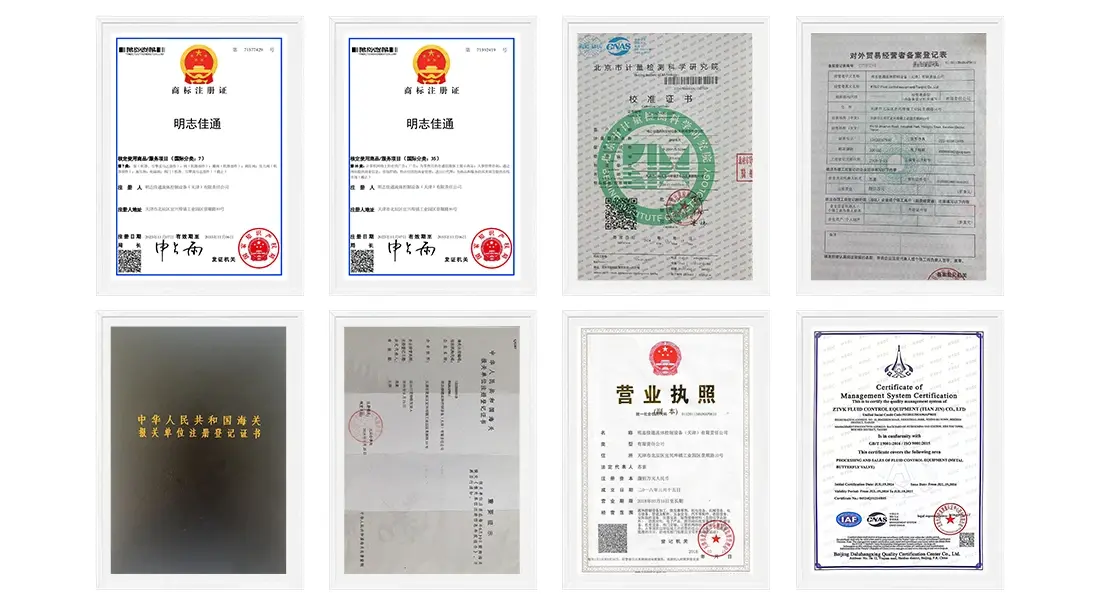
Some important licenses are ISO 9001 for quality management, API 609 for design compliance, and API 607 for fire safety tests for hydrocarbon service. Pressure equipment guidelines like PED for European markets and material tracking according to EN 10204 3.1 make sure that regulations are followed. Witnessing hydrostatic tests and measurement checks by a third party adds to the confidence in high-stakes projects.
Partner with ZTVK for Reliable Carbon Steel Butterfly Valve Solutions
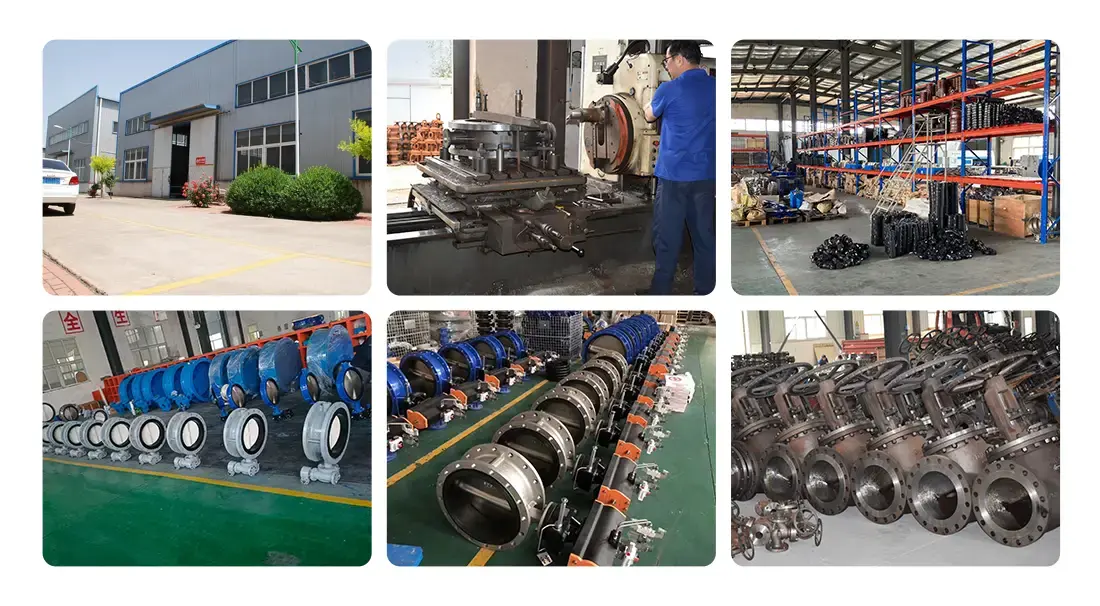
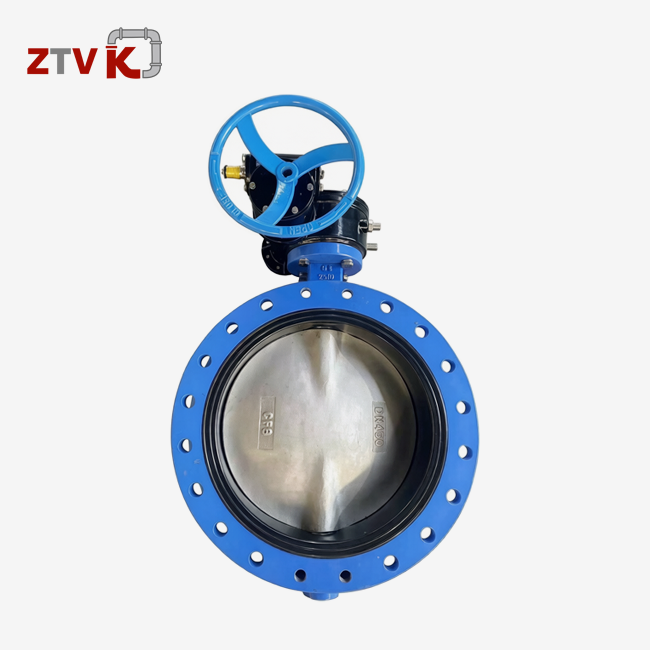
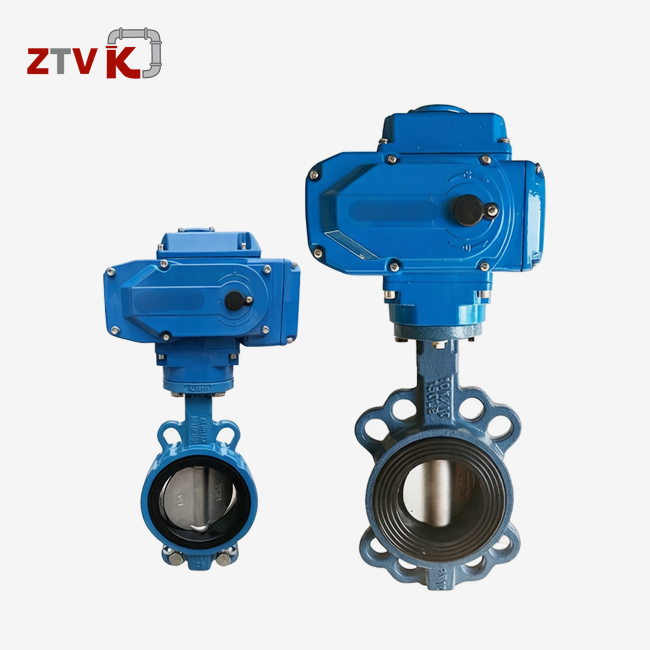
ZTVK operates as a trusted carbon steel butterfly valve manufacturer located in Tianjin Beichen District, combining over 15 years of valve engineering expertise with modern CNC machining capabilities. Our inventory includes 2,000+ standard units spanning DN50-DN1200 sizes with PN10/16 and 150-300LB pressure ratings, enabling 3-7 day delivery for urgent projects. We provide comprehensive OEM/ODM customization, supporting private-label branding and engineered modifications tailored to your operational requirements. ISO 9001, API, and CE certifications ensure compliance with international standards, while our proximity to Tianjin Port guarantees efficient FOB and CIF logistics. Contact our team at ktec86961886@163.com to discuss your procurement needs and receive competitive quotations backed by 18-month warranty protection and dedicated technical support.
References
1. American Petroleum Institute. API Standard 609: Butterfly Valves – Double Flanged, Lug- and Wafer-Type. Tenth Edition, 2020.
2. ASME International. ASME B16.34: Valves – Flanged, Threaded, and Welding End. 2021 Edition.
3. Zappe, R.W. Valve Selection Handbook: Engineering Fundamentals for Selecting the Right Valve Design for Every Industrial Flow Application. Fifth Edition, Gulf Professional Publishing, 2004.
4. Smith, Philip L. The Fundamentals of Piping Design: Drafting and Design Methods for Process Applications. Second Edition, Gulf Publishing Company, 2007.
5. Nayyar, Mohinder L. Piping Handbook. Eighth Edition, McGraw-Hill Education, 2017.
6. Skousen, Philip L. Valve Handbook. Third Edition, McGraw-Hill Professional, 2011.
Send us your valve requirements and our team will provide professional solutions and fast quotations.
RELATED INDUSTRY KNOWLEDGE