- English
- French
- German
- Portuguese
- Spanish
- Russian
- Japanese
- Korean
- Arabic
- Greek
- German
- Turkish
- Italian
- Danish
- Romanian
- Indonesian
- Czech
- Afrikaans
- Swedish
- Polish
- Basque
- Catalan
- Esperanto
- Hindi
- Lao
- Albanian
- Amharic
- Armenian
- Azerbaijani
- Belarusian
- Bengali
- Bosnian
- Bulgarian
- Cebuano
- Chichewa
- Corsican
- Croatian
- Dutch
- Estonian
- Filipino
- Finnish
- Frisian
- Galician
- Georgian
- Gujarati
- Haitian
- Hausa
- Hawaiian
- Hebrew
- Hmong
- Hungarian
- Icelandic
- Igbo
- Javanese
- Kannada
- Kazakh
- Khmer
- Kurdish
- Kyrgyz
- Latin
- Latvian
- Lithuanian
- Luxembou..
- Macedonian
- Malagasy
- Malay
- Malayalam
- Maltese
- Maori
- Marathi
- Mongolian
- Burmese
- Nepali
- Norwegian
- Pashto
- Persian
- Punjabi
- Serbian
- Sesotho
- Sinhala
- Slovak
- Slovenian
- Somali
- Samoan
- Scots Gaelic
- Shona
- Sindhi
- Sundanese
- Swahili
- Tajik
- Tamil
- Telugu
- Thai
- Ukrainian
- Urdu
- Uzbek
- Vietnamese
- Welsh
- Xhosa
- Yiddish
- Yoruba
- Zulu
Single Flange Butterfly Valve vs Wafer Type: Key Differences
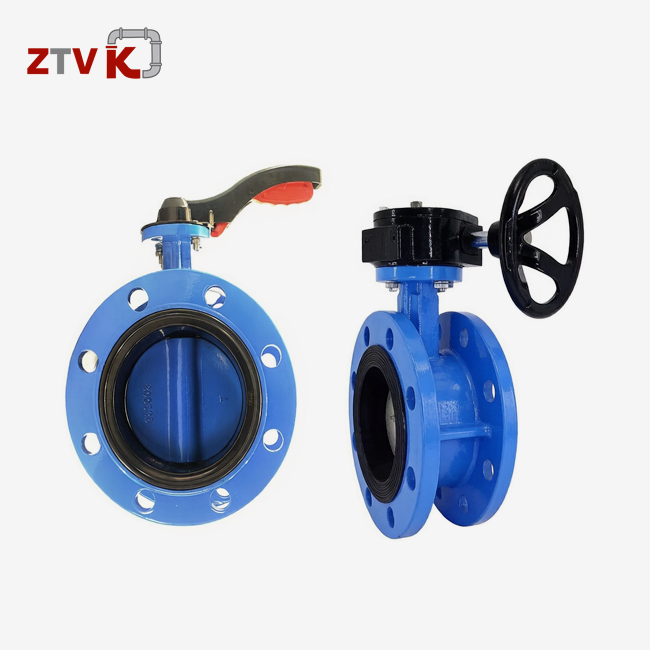
It is important to know the structural and functional differences between single flange butterfly valves and wafer-style designs when looking at flow control options for industrial pipelines. A single flange butterfly valve has a bolted connection on one face, which lets it be used in dead-end repair situations where the pressure upstream stays separate while work is done downstream. Wafer designs, on the other hand, are clamped between two flanges using long bolts. This allows for small installs but doesn't offer end-of-line separation. Different types of media can be played on these speakers because they are made of materials like stainless steel, aluminum bronze, and seats made of EPDM or PTFE. These differences have a direct effect on the buying choices of distributors who handle large orders, contractors who work on water projects for cities, and OEM clients who need special integration.
Understanding Single Flange and Wafer Butterfly Valves
Both types of valves are very important for controlling the flow of media in chemical processing plants, HVAC systems, and water treatment plants. Getting to know their design ideas helps procurement teams match technical requirements with business needs.
Design Architecture of Single Flange Configurations
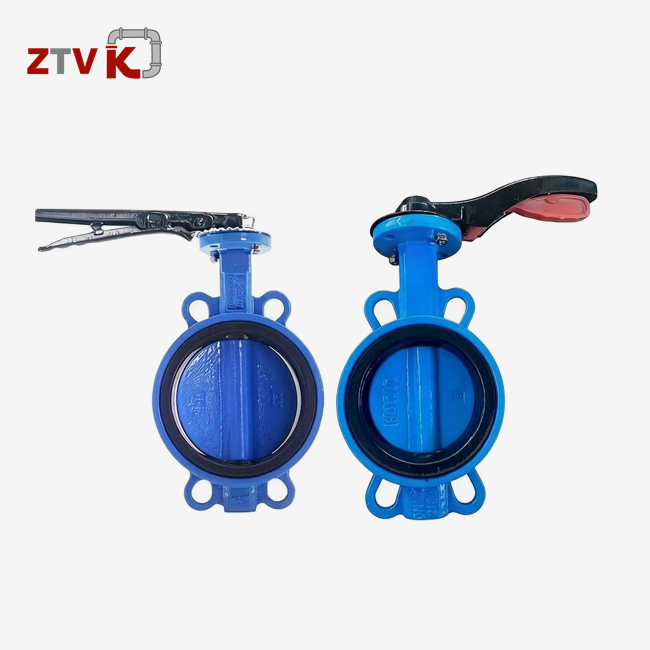
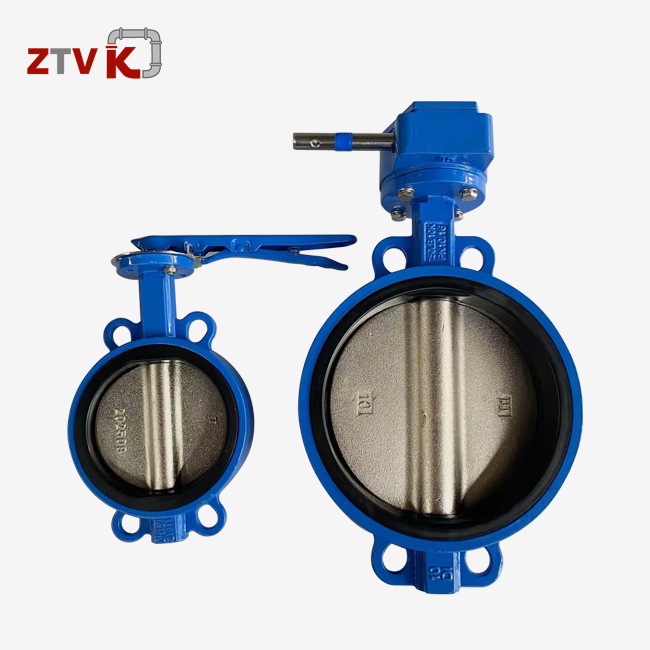
A single flange butterfly valve has drilled lugs or a single flange face that attaches directly to pipe flanges. They wouldn't need downstream pipelines for support, making them ideal for ultimate scenarios. Body materials are mainly ASTM A536 Ductile Iron or SS304 and SS316 stainless steel, which don't rust in severe conditions. Ductile Iron, CF8M stainless steel, or Aluminium Bronze discs work in salt water. The tip is generally designed to prevent accidental blowouts, preventing fluid loss under pressure. Water systems employ EPDM, oil products use NBR, chemical protection uses PTFE, and high-temperature services use Viton from -20°C to +200°C. Seat coverings can be bonded or changed.
Structural Characteristics of Wafer Butterfly Valves
Smaller, lighter wafer butterfly valves feature two through-bolted plates around their bodies. This design is excellent for retrofits in pipe-filled regions since it requires less installation space and lighter equipment. Discs can spin on the center or offset axes. Movement is smoother with double-eccentric designs. The materials are comparable to those of a single flange butterfly valve; they prioritise simplicity above terminal isolation. Wafer valves operate best when the pipeline source and downstream remain compressed. Wholesalers who handle extended cycles of buying many products like their simpler design and reduced unit prices.
Typical Applications Across Industrial Sectors
A single flange butterfly valve is utilised when end-of-line control is required. Naval shipbuilders separate cooling systems and ballast tanks to remove equipment later without harming the hull. Municipal personnel trusts them to connect pump station discharge lines and fire hydrants. Petrochemical facilities employ these valves at reactor vessel ends to prevent harmful leaks during line repairs. In HVAC cooling loops, wafer butterfly valves manage flow rate without taking up much space. They cleanly manage material in food processing industries and adjust filter flow in water treatment plants.
Key Structural and Functional Differences Between Single Flange and Wafer Butterfly Valves
When purchasing these valve types, procurement experts have to think about how easy they are to install, how well they work, and how long the materials will last, all while keeping project-specific requirements in mind. The differences below make it clear how each plan solves different engineering problems.
Installation Methods and Space Requirements
Because the bolts link the valve's lug or flange directly to the pipe flange when installing a single flange butterfly valve, you only need to use short fasteners. The valve body needs axial space, although fitting at the pipeline ends is easy. Wafer designs equally distribute gripping force by using longer studs between two flanges. This approach allows additional pipes to be placed close together on offshore platforms or urban utility tubes by reducing axial dimension by 30% compared to flanged versions. Accessibility for maintenance varies. Single-flange butterfly valves may be removed without disturbing the valve, whereas wafer valves must be disassembled to replace the disc or seat.
Flow Efficiency and Pressure Drop Characteristics
Both valves can spin a disc 90 degrees from open to closed with a quarter-turn. Wafer butterfly valves with circular disc designs limit flow even when completely open, creating 1–3 PSI pressure decreases in typical water circumstances. Offset disc designs, especially those with two or three eccentric points, minimise turbulence and increase Cv by 15–20%. For single flange butterfly valve types, these design options are also available, although they often have reinforced disc hubs to handle dead-end thrust stresses, which increases internal flow resistance. Wafer valves may continue longer without inspection for high-speed activities like cooling tower blowdown or slurry conveyance because their smooth forms reduce erosion.
Material Durability and Corrosion Resistance
In chloride-rich environments like ocean treatment facilities, SS304 or SS316 stainless steel bodies resist rust better. Thicker walls make single-flange butterfly valves more stable when crude oil pipe pressure varies. Discs made of CF8M (316 stainless steel) can tolerate acidic media, whereas Aluminium Bronze is ideal for salty water systems that rust galvanically. Seat materials impact seal life. PTFE can handle strong chemicals and steam up to 200°C, EPDM can handle drinking water up to 80°C, and Viton doesn't break down in industrial hydrocarbon environments. Wafer valves are cheaper to buy in bulk and operate similarly since they utilise less material.
Practical Considerations for Procurement and Application
The best lifecycle value is achieved by matching the choice of valves with practical goals. To meet customer needs, distributors and contractors must look at cost structures, shipping schedules, and upkeep procedures.
Cost Implications and Bulk Ordering Advantages
Single flange butterfly valves typically cost 20–30% more per unit than wafer-based variants because they consume more material and are more difficult to produce. ZTVK offers tiered pricing for orders above 100 units to allow for economies of scale. This is where volume savings excel. Because wafer valves are easier to fabricate, production runs more quickly. Non-standard sizes take 15–25 days, whereas flanged shapes take 25–35. Chip designs are lighter, which reduces shipping costs from Tianjin Port to Middle Eastern and Southeast Asian marketing hubs. OEM branding options like personalised nameplates and packaging boost base pricing by 5–10% but help dealers distinguish themselves in regional marketplaces.
Maintenance Protocols and Longevity Expectations
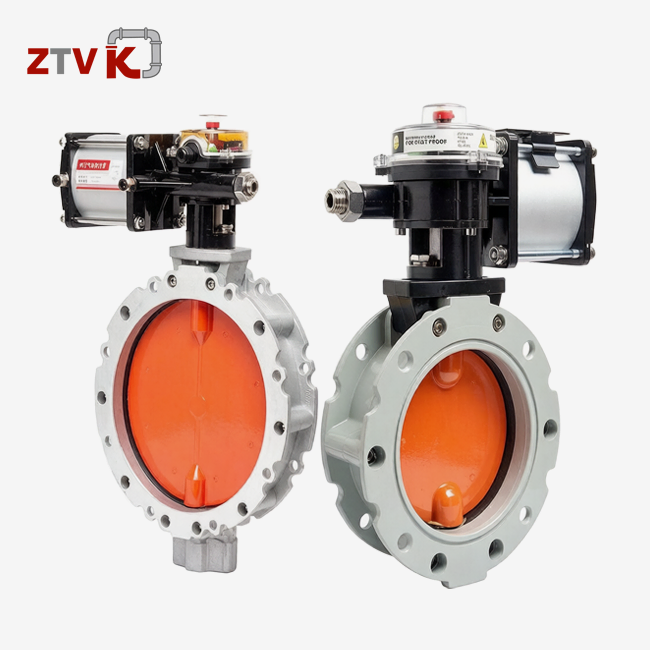
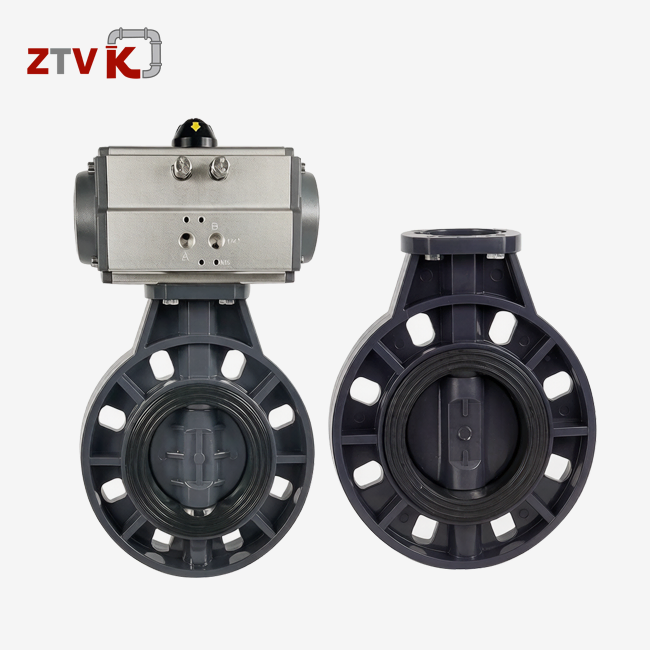
Single-flange butterfly valves may be serviced in the field without removing the valve, allowing seat replacement or actuator upgrades. The reduction of public water network downtime is significant since service failures might cut off household supply. Wafer valves must be disassembled for internal repair, requiring temporary workarounds or system depressurisation. Double-eccentric disc designs have 50,000 wear cycles against 30,000 for concentric configurations. This reduces maintenance in high-cycle usage like automated blending systems. Actuator type affects the total cost of ownership. Hand switches are utilised for manual control, worm gears for high torque, pneumatic actuators for rapid response, and electric actuators for remote automation. Running pneumatic systems requires compressed air infrastructure, which costs more. However, electric actuators function well with SCADA platforms, enhancing process control and justifying a larger initial investment.
Supplier Flexibility and Delivery Reliability
Working with stock-rich producers avoids project delays. ZTVK has around 2,000 standard units (DN50–DN600) in store, so city contractors can meet urgent demands in 3–7 days after ordering. Changing flange drilling patterns to satisfy JIS5K/JIS10K requirements or seat materials for particular media requires 15–25 days of manufacture. Exporting is easy from Tianjin Port, 50 km from the industries. Working with COSCO Shipping and Maersk reduces transport risks by providing competitive FOB Tianjin Xingang or CIF target port prices. ISPM 15-compliant hardwood box packing prevents items from being held up at foreign ports, protecting valves during ocean shipment.
How to Choose Between Single Flange and Wafer Butterfly Valves?
Structured review models help procurement experts understand the technical, practical, and financial aspects of a deal. Mismatches and project rework are avoided by matching the valve's features to the needs of the application.
Evaluating Operational Environments and Performance Metrics
Process conditions dictate valve selection. The sturdy single flange butterfly valve prevents fasteners from loosening when vibrated in high-pressure PN16 (232 PSI) petrochemical streams. Wafer valves work for PN10 (145 PSI) HVAC systems that prioritise size over pressure. Media type matters. Abrasive slurries wear down circular discs, making offset designs better. To prevent elastomer breakdown, volatile organic compounds need PTFE seats. Temperature affects material choice. Viton is utilised because NBR chairs crack over 100°C. Too-small valves produce cavitation at water speeds over 15 feet per second, requiring Cv-matched standards. Purchasing teams should request API 609 Category A or MSS SP-67-approved test results. These reports should assess pressure and seat tightness using ANSI B16.104 Class VI leakage standards.
Assessing Supplier Credentials and Warranty Coverage
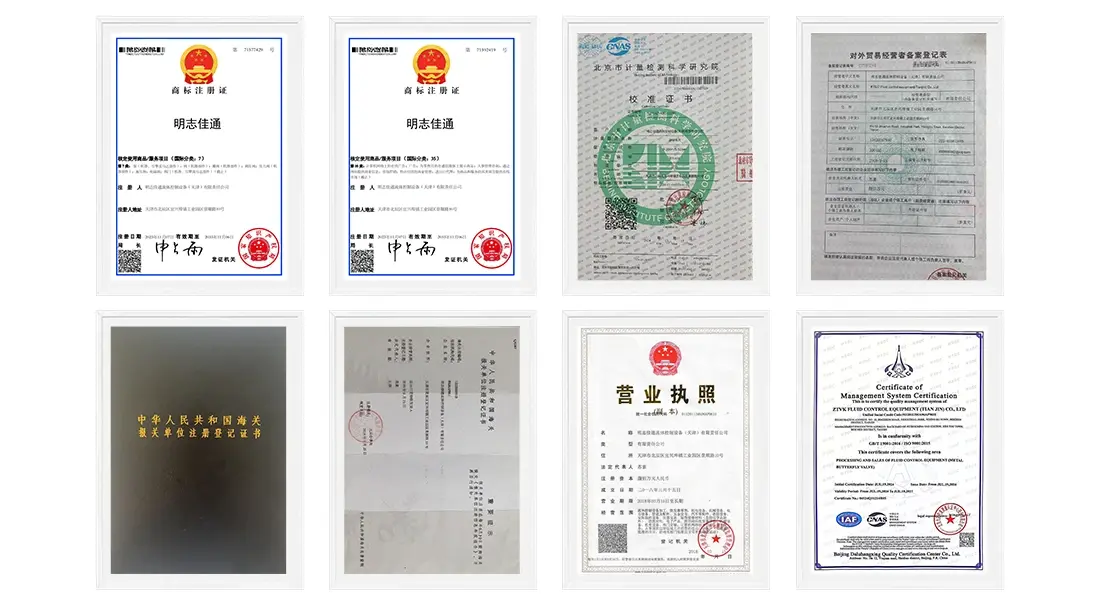
Supplier reliability is crucial to long-term buying. ISO9001 and ISO14001 environmental compliance show planned manufacturing. In the industry, ZTVK's 18-month warranty is unusual. It covers non-human damage and free part replacement. Installation guidelines, videos, and troubleshooting instructions in different languages reduce on-site commissioning errors. This benefits international wholesalers dealing with local contractors. Field expert service partners provide after-sales assistance to reduce downtime. QR codes link test records and maintenance histories to digital traceability, making it easy to monitor items for repeat consumers. A third party can audit the facility to verify manufacturing abilities and material certifications with authorization. Clear communication channels like ktec86961886@163.com help answer issues swiftly during hectic procurement procedures.
Matching Industry-Specific Needs to Valve Characteristics
Water treatment firms must employ EPDM-seated wafer valves with wet stainless steel parts to fulfil NSF/ANSI 61 drinking water requirements. A PTFE-lined single flange butterfly valve with aluminium bronze rings protects petrochemical companies from sulphuric acid. Shipbuilders prefer compact wafer ballast systems, and offshore oil rigs require a single flange butterfly valve for underwater separation. HVAC equipment manufacturers choose wafer valves for packaged chiller units because they take up less space. Due to budget constraints, choices are made. For frequent infrastructure improvements, the public sector uses affordable wafer valves. For guaranteed clean processing, pharmaceutical cleanroom systems require high-end single-flange butterfly valve devices.
Trusted Brands, Suppliers, and Buying Tips
To find trusted valve sources, you need to look closely at the qualifications of manufacturers, distribution networks, and sites for buying valves. Strategic relationships lead to uniform quality and service that is quick to respond.
Reputable Manufacturers and Authorized Distributors
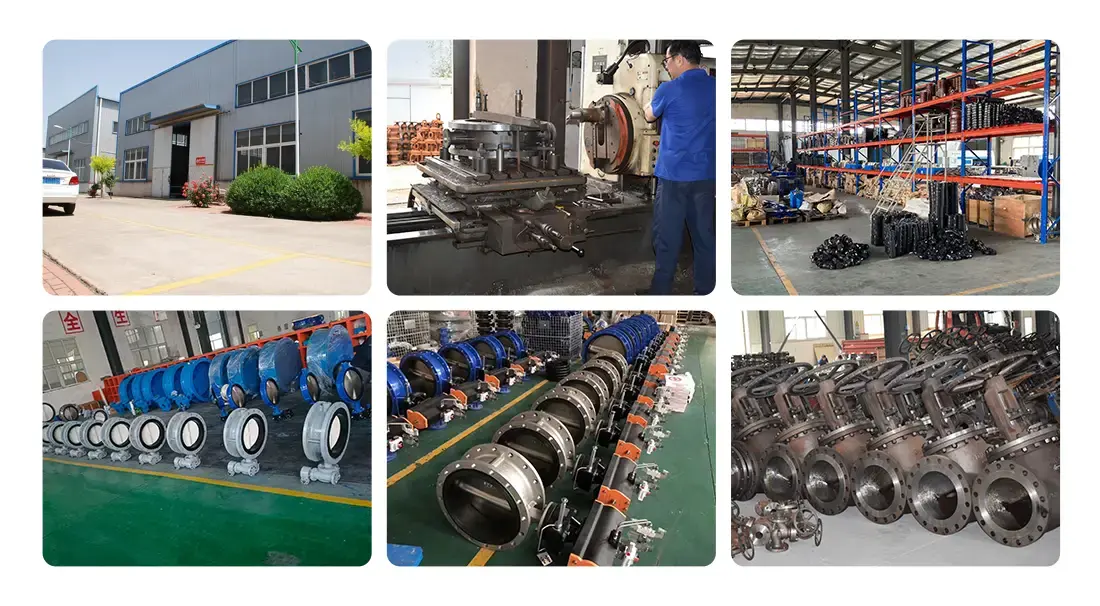
Companies that follow ISO, API, ANSI, and DIN guidelines are known around the world for making excellent industrial valves. ZTVK is a company in Tianjin's Beichen District that has been making specialized butterfly valves for 15 years and has ISO9001, ISO14001, and OHSAS18001 certifications. Modern CNC machining centers and chemical analysis labs make it possible to track down materials, and production lines set aside for pressing orders from foreign clients give priority to those lines. Being close to Tianjin Port speeds up export operations, which helps sellers meet tight project deadlines. Authorized wholesalers in Europe, the Middle East, and Southeast Asia offer regional stock, which cuts down on shipping delays across borders. Check the legitimacy of the wholesaler through the manufacturer's website to avoid buying fake goods that are unsafe and don't follow the rules.
Procurement Channels and Customization Options
Online business-to-business (B2B) sites make buying in bulk easier by letting you compare specifications side by side and giving you instant quotes. You can get customized solutions by contacting the maker directly through request forms or email addresses like ktec86961886@163.com. OEM services let resellers add their own labels, make their own packages, and change the designs on the nameplates, which raises awareness of the brand. With ODM, valve bodies can be redesigned, flange drilling patterns can be changed to meet regional standards like JIS10K, and special finishes for tough regions can be added. As part of the pre-sales help, CAD sketches and 3D models are provided to make the product easier to integrate into engineering designs. Standard 25-day lead times can be cut down to 7–10 days with rush order choices, which cost an extra 20%. This can be used for urgent projects. Clear price structures, like bulk discounts and FOB/CIF terms, make it easier for procurement managers to plan their budgets.
Warranty, After-Sales Support, and Long-Term Partnerships
Comprehensive warranty coverage guards against production flaws, and ZTVK's 18-month terms are longer than the usual 12-month terms in the industry. Total cost of ownership goes down when failures aren't caused by people, which is very important for apps that need a lot of upkeep. Commissioning mistakes are less likely to happen when there is multilingual technical literature and video installation guides. This is especially helpful for workers who work in markets with a lot of different languages. Regional service partners fix problems on-site, so whole parts don't have to be shipped out for small fixes, which can be expensive. Long-term supply deals guarantee stable prices, protecting buyers from changes in the cost of raw materials. Digital platforms that track performance by reading QR codes for maintenance logs improve the management of spare parts inventories and keep important systems from going down without warning.
Conclusion
The choice between wafer configurations and a single flange butterfly valve depends on the needs of the operation, the limitations of the installation, and a study of the total costs. Single flange designs are great for isolating the end of a line because they are strong enough to handle dead-end service and make upkeep easier further down the line. Wafer valves are designed to be easy to install and save money. They are good for continuous pipeline parts that don't have a lot of room. The media can be used in water treatment, petroleum, and HVAC systems because the bodies are made of stainless steel, the seats are made of PTFE, and the discs are made of aluminum bronze. To be successful at procurement, you need to work with certified makers who offer a wide range of products, the ability to customize them, and quick help after the sale. Checking pressure rates, flow coefficients, and compliance certifications makes sure that the product meets the needs of the project. Clear communication routes help answer questions quickly during busy buying cycles.
FAQ
Q1: What distinguishes single flange butterfly valves from wafer types in installation?
A single flange butterfly valve uses short clips to connect directly to a pipe flange. They can be used at the end of a line, where equipment further downstream can be disconnected for repair. With through-bolts, wafer butterfly valves are compressed between two flanges. They need both flanges for safe mounting and take up less axial room.
Q2: Which applications benefit most from single flange designs?
Single flange butterfly valves are used to isolate dead ends in marine ballast systems, city fire hydrant ports, and industrial plant outlets. These places require keeping the pressure upstream while disconnecting the pipes downstream. This stops the whole system from draining while fixes are being made.
Q3: How do material choices impact valve performance?
Bodies made of stainless steel (SS304/SS316) don't rust in acidic or polluted water. Aluminum bronze discs work great in the ocean because they don't rust or cause galvanic rusting. PTFE seats can handle poisons and temperatures up to 200°C, while EPDM seats are safe for potable water systems below 80°C and meet NSF/ANSI 61 guidelines.
Partner with ZTVK for Reliable Single Flange Butterfly Valve Solutions
Industrial valve options from ZTVK are made for wholesalers, contractors, and OEM clients who need reliable single flange butterfly valve manufacturers. Over 2,000 standard units (DN50–DN600) are kept in stock at our Tianjin plant, so we can send them in 3–7 days for urgent jobs. Our customization services include OEM branding, ODM structure redesigns, and a range of actuator integration choices, such as hand levers, worm gears, pneumatic actuators, and electric actuators, to meet a wide range of operational needs. Quality management that is ISO9001-certified and follows API, ANSI, and DIN standards ensures that materials can be tracked and that performance stays the same. Being close to Tianjin Port makes FOB/CIF shipping easy, and relationships with COSCO and Maersk help too. Email us at ktec86961886@163.com to talk about your needs for large purchases, technical details, and shipping times.
References
1. American Petroleum Institute. API 609: Butterfly Valves – Double Flanged, Lug- and Wafer-Type. 11th Edition, 2019.
2. Manufacturers Standardization Society. MSS SP-67: Butterfly Valves – Standard Practice. 2017.
3. International Organization for Standardization. ISO 5752: Metal Valves for Use in Flanged Pipe Systems – Face-to-Face and Centre-to-Face Dimensions. 2021.
4. American Society of Mechanical Engineers. ASME B16.104: Control Valve Seat Leakage – Classification and Measurement Methods. 2019.
5. National Science Foundation International. NSF/ANSI 61: Drinking Water System Components – Health Effects. 2020 Edition.
6. Lyons, Jerry L., and Plisga, Gary J. Valve Selection Handbook: Engineering Fundamentals for Selecting the Right Valve Design for Every Industrial Flow Application. 6th Edition, Gulf Professional Publishing, 2022.
Send us your valve requirements and our team will provide professional solutions and fast quotations.
RELATED INDUSTRY KNOWLEDGE