- English
- French
- German
- Portuguese
- Spanish
- Russian
- Japanese
- Korean
- Arabic
- Greek
- German
- Turkish
- Italian
- Danish
- Romanian
- Indonesian
- Czech
- Afrikaans
- Swedish
- Polish
- Basque
- Catalan
- Esperanto
- Hindi
- Lao
- Albanian
- Amharic
- Armenian
- Azerbaijani
- Belarusian
- Bengali
- Bosnian
- Bulgarian
- Cebuano
- Chichewa
- Corsican
- Croatian
- Dutch
- Estonian
- Filipino
- Finnish
- Frisian
- Galician
- Georgian
- Gujarati
- Haitian
- Hausa
- Hawaiian
- Hebrew
- Hmong
- Hungarian
- Icelandic
- Igbo
- Javanese
- Kannada
- Kazakh
- Khmer
- Kurdish
- Kyrgyz
- Latin
- Latvian
- Lithuanian
- Luxembou..
- Macedonian
- Malagasy
- Malay
- Malayalam
- Maltese
- Maori
- Marathi
- Mongolian
- Burmese
- Nepali
- Norwegian
- Pashto
- Persian
- Punjabi
- Serbian
- Sesotho
- Sinhala
- Slovak
- Slovenian
- Somali
- Samoan
- Scots Gaelic
- Shona
- Sindhi
- Sundanese
- Swahili
- Tajik
- Tamil
- Telugu
- Thai
- Ukrainian
- Urdu
- Uzbek
- Vietnamese
- Welsh
- Xhosa
- Yiddish
- Yoruba
- Zulu
How to Choose the Right 4 Inch Gate Valve for Your Needs?
Understanding application needs, material qualities, and supplier reliability helps choose a 4 inch brass gate valve. This full-port valve for DN100 nominal pipe sizes reduces pressure drop and friction loss in high-volume water supply, HVAC, and industrial applications. These brass valves are corrosion-resistant and suited for many circumstances. This document gives procurement managers, engineers, and distributors practical criteria to match valve specifications to operational needs for cost-effective and reliable pipeline systems.
Understanding 4 Inch Brass Gate Valves – Fundamentals You Need to Know
When fully open, gate valves have a wedge-shaped disc that glides perpendicular to fluid flow, creating a straight route. For applications requiring unobstructed channels, the 4-inch dimension handles high flow volumes with little turbulence. Water hammer threats from quick-action valves in large piping networks are reduced by the multi-turn stem mechanism's gradual opening and closure.
Material Advantages of Brass Construction
Municipal water systems, HVAC installations, and light industrial applications benefit from brass alloy HPb 57-3's corrosion resistance. For most commercial and residential applications, the material can tolerate temperatures from -10°C to +120°C (14°F to 248°F). Dezincification is less likely in this brass alloy, extending its lifespan in chlorinated water. Brass has natural antibacterial characteristics that reduce biofilm in potable water systems compared to polymers.
Technical Specifications That Matter
Municipal and commercial installations can handle 16 bar (232 psi) working pressure. International plumbing systems like DIN 259 and BS2779 are compatible with ISO228 female-to-female threading. PTFE filler prevents stem leaks during temperature changes. Stainless steel nuts prevent thread corrosion, preserving valve operation. The steel handle provides enough leverage for manual operation without tools.
Connection Types and Configurations
Threaded connections dominate 4-inch valves for periodic disassembly. This connecting approach facilitates existing system installation without welding. Standard pipe nipples fit in the female-to-female configuration, allowing system design freedom. Proper torque prevents thread damage during installation, but thread sealant or PTFE tape provides leak-proof connections.
Criteria for Choosing the Right 4 Inch Gate Valve – A Decision Support Framework
Valve properties must match the application needs to determine procurement. This paradigm addresses purchasers' systematic evaluation of large-bore isolation valves.
Application-Specific Requirements
For a 4 inch brass gate valve, pressure and temperature determine valve compatibility. Safety margins and regular inspections are needed for systems near 16 bar. Outdoor installations require PTFE filler material because seasonal temperature extremes challenge seal integrity. Flow volume estimates evaluate if a full-port design is worth the cost versus reduced-port options. Bi-directional flow suits fire suppression and irrigation networks with changing flow patterns.
Material Selection Impact
Brass exceeds cast iron in corrosion resistance and costs less than stainless steel. HPb 57-3 alloy supports high-volume manufacturing without sacrificing quality by balancing machinability and structural strength. Stainless steel alternatives are suitable for corrosive conditions but cost 40-60% more. Bronze is preferable for seawater but useless for freshwater. Material certifications verify alloy composition, safeguarding purchasers from inferior substitutes.
Supplier Evaluation Criteria
ISO9001 certification reduces valve performance fluctuation by ensuring systematic quality management. Suppliers with stock inventory deliver within 3-7 days, while special orders take 15-25 days. Distributors need OEM capabilities for branded packaging and tailored specs. Location near major ports lowers shipment costs and transportation damage. The 18-month warranty shows the manufacturer's confidence in product durability.
Maintenance and Lifecycle Considerations
When properly maintained, gate valves require little maintenance—fully open or closed positions prevent erosion. Half-opening throttles expose the wedge to high-velocity fluid erosion, accelerating wear. Stem lubrication depends on working frequency; dormant valves need annual service to prevent seizure. Replaceable parts provide long-term operation, especially for non-standard combinations.
Comparing 4 Inch Brass Gate Valves with Alternative Valve Options
Valve type and material performance trade-offs help choose the best valve for an application.
Brass Versus Stainless Steel and Bronze
Brass valves offer corrosion resistance for municipal water, HVAC, and irrigation systems at low prices. Handling acidic fluids, high chloride conditions, or temperatures over brass tolerances requires stainless steel. Bronze is saltwater-resistant and ideal for marine applications, but expensive for freshwater systems. Brass costs 50% less than stainless but needs replacement sooner in an aggressive medium.
Gate Valves Versus Ball Valves
Ball valves operate quarter-turn, saving time and effort over multi-turn gates. Rapid closure causes pressure surges that damage large-diameter piping. Gate valves protect high-volume systems with a gentle flow transition. Full-port gate valves equal ball valve flow capacity and seal better in unclean fluid applications where particles damage ball valve seats.
Threaded Versus Flanged Connections
When valves such as a 4 inch brass gate valve must be removed for servicing, threaded connections facilitate installation. For permanent installations, flanged designs distribute stress across bolt patterns rather than thread engagement. Threaded connections are near practical limits at sizes around 4 inches because torque requirements increase exponentially with diameter, causing thread damage during installation. Flanged options dominate industrial applications; however, threaded solutions can work in commercial and light industrial settings with correct installation.
These comparisons enable procurement teams to align valve selection with operational priorities, balancing upfront costs against lifecycle performance and maintenance demands.
Practical Guidance: Installation, Use, and Maintenance of 4 Inch Brass Gate Valves
Valve longevity and system reliability are maximized by proper installation and maintenance.
Installation Best Practices
Connection integrity depends on thread preparation. Remove debris and old sealant from threads. Avoid gaps by overlaying PTFE tape by 50% in the thread rotation direction. Thread engagement must be 4-5 complete rotations for structural integrity. To avoid cross-threading, tighten connections slowly and gradually increase torque. Support heavy valves separately; avoid stressing threaded joints with coupled pipes.
Operational Guidelines
To prevent stem thread wear, progressively turn gate valves full. Never throttle valves—partial opening accelerates wedge erosion and generates vibration. Bi-directional flow allows flexible installation orientation, although vertical stem arrangement prevents bonnet cavity sedimentation. High-flow conditions should be closed slowly over 10-15 seconds to avoid pressure transients.
Maintenance Protocols
Inspections detect early wear annually. Stem leakage near packing glands indicates PTFE filler deterioration. Quarterly valve cycling reduces seizure in rarely utilized lines. Grease exposed stem threads without petroleum compounds, which damage PTFE seals. Increased operating torque indicates internal wear or silt buildup necessitating disassembly and cleaning. With regular maintenance, stems, wedges, and packing sets increase valve life beyond 15 years.
Case Study Application
A municipal contractor establishing a water distribution network used 4-inch brass gate valves for residential supply line isolation. Fast installation without welding was possible with the threaded design. To protect against pressure transients, the 12-bar operating pressure was well within the 16-bar rating. Routine checks after five years showed minimal wear, justifying material selection for moderate corrosivity and temperature.
Purchasing and Procurement: How to Source Quality 4 Inch Brass Gate Valves with Confidence
Cost, quality, and supply chain reliability are balanced for valve procurement through strategic sourcing.
Sourcing Strategies for B2B Buyers
Direct manufacturer partnerships eliminate distributor markups and allow customisation. Online platforms provide price transparency but limited technical selection advice. Local wholesalers stock emergency replacements, although stocking varies by region. Over 50-unit bulk purchases usually provide 10-15% discounts. OEM arrangements fit wholesalers creating private-label product lines with 100-200-unit minimum orders.
Pricing Dynamics and Lead Times
Standard 4-inch brass gate valves cost $85–150 per unit, depending on specification and order volume. Custom setups cost 20-30% more and delay delivery. Custom valves take 15-25 days to make, but stock products ship in one week. International procurement requires careful inventory planning to avoid project delays due to ocean freight shipment times of 20–35 days. Rush orders cut lead times by 40% but cost 20% more.
Verifying Supplier Quality
ISO9001 certification shows process controls keeping failure rates at 0.5%. Request material test reports confirming HPb 57-3 brass composition. Working pressure levels are verified by pressure test certifications to prevent failure. Independent factory audits verify manufacturing capability and quality systems. Supplier recommendations from existing customers show delivery and after-sales service.
Warranty and After-Sales Support
Standard warranties for products, such as a 4 inch brass gate valve, cover material and manufacturing problems for 18 months from delivery. Extended warranties cost more but show the manufacturer's confidence. Reputable suppliers offer installation, troubleshooting, and maintenance manuals. Replacement parts programs enable long-term serviceability, especially for unique installations with non-standard specifications.
Comprehensive supplier evaluation protects buyers from quality hazards and secures advantageous commercial conditions that improve procurement efficiency and lower TCO.
Conclusion
A systematic study of application requirements, material qualities, and supplier capabilities determines the best 4 inch brass gate valve. Brass structure resists corrosion in municipal water, HVAC, and light industrial applications from -10°C to +120°C and 16 bar pressure. Installation with periodic removal is easier with threaded connectors. Maintaining fully open or closed positions reduces premature wear, and periodic maintenance extends service life beyond 15 years. Successful procurement entails validating supplier certifications, understanding lead time consequences, and getting complete warranty coverage to preserve long-term operating investments.
FAQ
Q1: What distinguishes brass from stainless steel gate valves in performance?
Brass offers adequate corrosion resistance for freshwater applications at a lower cost, while stainless steel handles highly corrosive media and extreme temperatures. Brass suits municipal water, HVAC, and irrigation systems where operating conditions remain moderate. Stainless steel becomes necessary for chemical processing, high-chloride environments, or temperatures exceeding 120°C.
Q2: How often should I perform maintenance on brass gate valves?
Annual inspections suffice for infrequently operated valves, checking stem leakage, and operating torque. Quarterly cycling prevents seizure in dormant lines. Active systems require semi-annual servicing, including stem lubrication and packing gland inspection. Maintenance frequency increases in dirty fluid services where sediment accelerates wear.
Q3: Can brass gate valves handle high-pressure irrigation systems?
The 16-bar (232-psi) working pressure accommodates most agricultural and landscape irrigation applications. Municipal supply pressures typically range from 4 to 8 bar, providing substantial safety margins. Higher-pressure industrial irrigation may require stainless steel alternatives rated for 25+ bar.
Partner with ZTVK for Reliable 4 Inch Brass Gate Valve Solutions
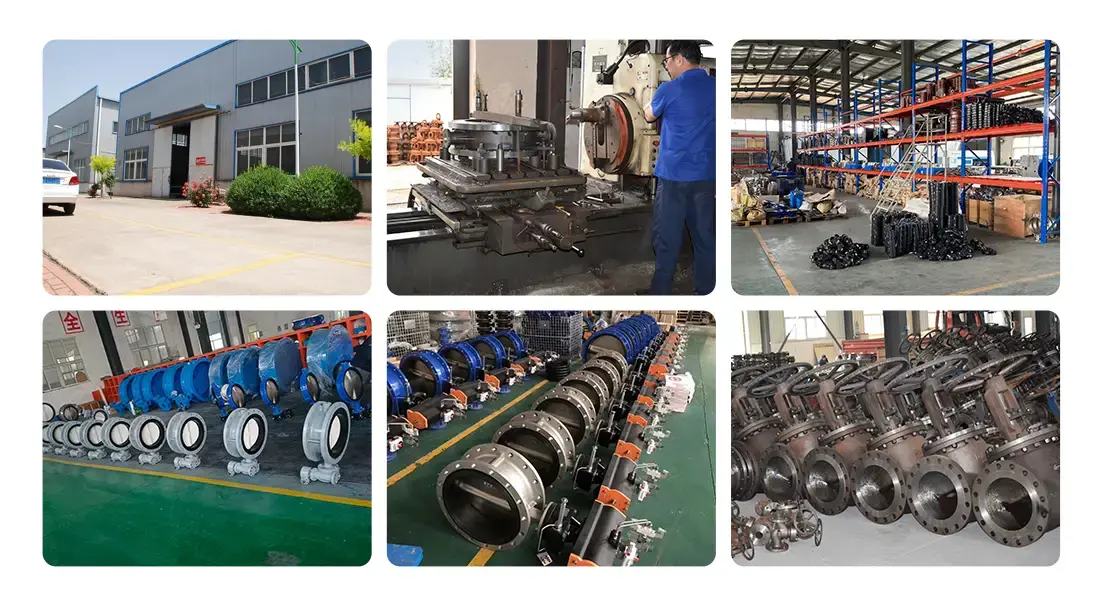
ZTVK has delivered industrial valve solutions from Tianjin's Beichen District for over 15 years, combining ISO9001-certified quality management with responsive supply chain capabilities. Our 4 inch brass gate valve inventory features HPb 57-3 brass construction, ISO228 threading, and 16-bar pressure ratings suitable for diverse applications. Stock availability ensures 3-7 day delivery for standard configurations, while OEM capabilities support custom branding and specifications with 15-25 day production cycles. Located 50 kilometers from Tianjin Port, we streamline international shipping through established partnerships with major carriers. Our 18-month warranty and technical support services protect your procurement investment. Contact our team at ktec86961886@163.com to discuss your project requirements with experienced engineers who understand the demands facing 4 inch brass gate valve suppliers serving global markets.

References
1. American Water Works Association. (2017). Manual of Water Supply Practices M11: Steel Pipe—A Guide for Design and Installation. Denver: AWWA Publications.
2. British Standards Institution. (2019). BS EN 13789: Gate Valves for Industrial Applications—Performance Testing and Marking. London: BSI Standards.
3. Hydraulic Institute. (2020). Valve Selection and Application Guidelines for Industrial Fluid Systems. Parsippany: Hydraulic Institute Press.
4. International Organization for Standardization. (2018). ISO 5208: Industrial Valves—Pressure Testing of Metallic Valves. Geneva: ISO Central Secretariat.
5. Lyons, J.L. & Askeland, D.R. (2016). The Science and Engineering of Materials for Valve Manufacturing. Boston: Cengage Learning.
6. Zappe, R.W. (2021). Valve Selection Handbook: Engineering Fundamentals for Selecting the Right Valve Design. Burlington: Gulf Professional Publishing.
Send us your valve requirements and our team will provide professional solutions and fast quotations.
RELATED INDUSTRY KNOWLEDGE