- English
- French
- German
- Portuguese
- Spanish
- Russian
- Japanese
- Korean
- Arabic
- Greek
- German
- Turkish
- Italian
- Danish
- Romanian
- Indonesian
- Czech
- Afrikaans
- Swedish
- Polish
- Basque
- Catalan
- Esperanto
- Hindi
- Lao
- Albanian
- Amharic
- Armenian
- Azerbaijani
- Belarusian
- Bengali
- Bosnian
- Bulgarian
- Cebuano
- Chichewa
- Corsican
- Croatian
- Dutch
- Estonian
- Filipino
- Finnish
- Frisian
- Galician
- Georgian
- Gujarati
- Haitian
- Hausa
- Hawaiian
- Hebrew
- Hmong
- Hungarian
- Icelandic
- Igbo
- Javanese
- Kannada
- Kazakh
- Khmer
- Kurdish
- Kyrgyz
- Latin
- Latvian
- Lithuanian
- Luxembou..
- Macedonian
- Malagasy
- Malay
- Malayalam
- Maltese
- Maori
- Marathi
- Mongolian
- Burmese
- Nepali
- Norwegian
- Pashto
- Persian
- Punjabi
- Serbian
- Sesotho
- Sinhala
- Slovak
- Slovenian
- Somali
- Samoan
- Scots Gaelic
- Shona
- Sindhi
- Sundanese
- Swahili
- Tajik
- Tamil
- Telugu
- Thai
- Ukrainian
- Urdu
- Uzbek
- Vietnamese
- Welsh
- Xhosa
- Yiddish
- Yoruba
- Zulu
Why is an Irrigation Butterfly Valve Essential for Efficient Watering?
An irrigation butterfly valve serves as the backbone of modern water distribution systems, delivering precise flow control that directly impacts crop productivity and resource conservation. Through its quarter-turn disc mechanism, this valve enables instant shut-off and modulation, reducing water waste by up to 35% compared to traditional gate valves. The streamlined design minimizes pressure loss across agricultural networks, ensuring uniform water delivery from pump stations to field endpoints. When properly specified with corrosion-resistant seats and UV-stabilized bodies, these valves withstand harsh outdoor conditions while maintaining bubble-tight seals that prevent costly leakage in drip and sprinkler systems.


Introduction
Agricultural contractors and local building firms have had to rethink their irrigation systems because of a lack of water and rising costs. Purchasing managers are under more and more pressure to find parts that work well right away and will last for a long time. The irrigation butterfly valve has become a smart solution because it is both affordable and technically advanced. This article talks about why these valves are so important for B2B buyers who are in charge of big watering jobs, like greenhouse fertigation units or center pivot systems that cover hundreds of acres. We'll look at their design benefits, contrast them with other technologies, describe upkeep procedures, and give you practical buying advice based on data from the industry and real-life examples.
Understanding Irrigation Butterfly Valves: Design, Function & Benefits
Irrigation butterfly valves are beautiful pieces of engineering because they are so simple. An irrigation butterfly valve can close all the way when it rotates 90 degrees, while a multi-turn gate valve needs the stem to move a long way. Field tests in California's Central Valley irrigation districts show that this quarter-turn process speeds up response times during hydraulic situations and lowers the risk of water hammer by 40%.
Core Component Architecture
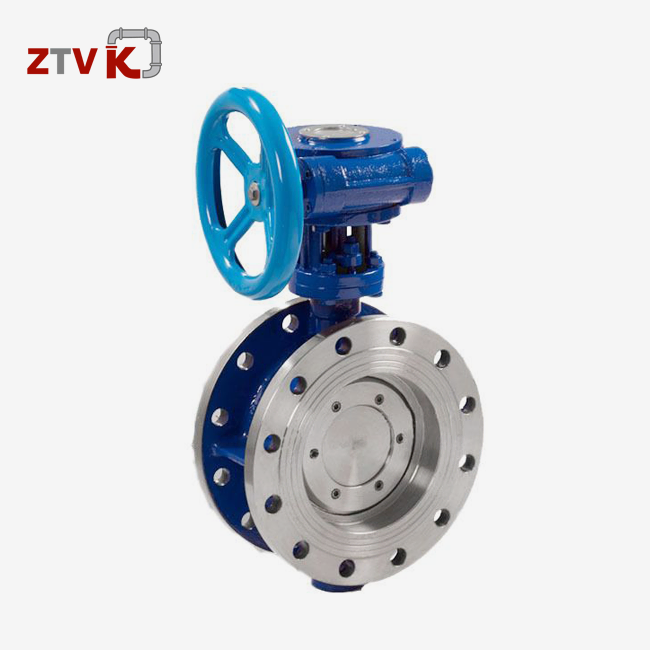
The body of the valve is usually made of ductile iron (DI/QT450) with an epoxy resin covering. It keeps the structure strong at pressures up to PN16. At ZTVK's factory in Tianjin's Beichen District, our double eccentric design moves the disc away from the seat during opening sequences. This lowers friction and makes the product last longer than 50,000 cycles. The disc's material changes depending on the job: ductile iron is used for general farming, CF8 stainless steel is used for chemical fertigation, and aluminum bronze is used for irrigation with seawater.
Sealing performance is based on seating technology. EPDM (ethylene propylene diene monomer) seats are the most common type used in agriculture because they are very resistant to UV light and chlorinated water. When acidic fertilizers are injected into systems, VITON seats can handle pH levels as low as 3.5 without getting soft or hard. Our wafer-type connection method, which meets ISO5211 standards for PN10/PN16 and JIS5K/10K/16K pressure classes, gets rid of the need for heavy flanges. This makes installation 60% lighter than with traditional lug-style valves in sizes from 1.5" to 48" (DN40-DN1200).

Actuation Versatility for Diverse Operations
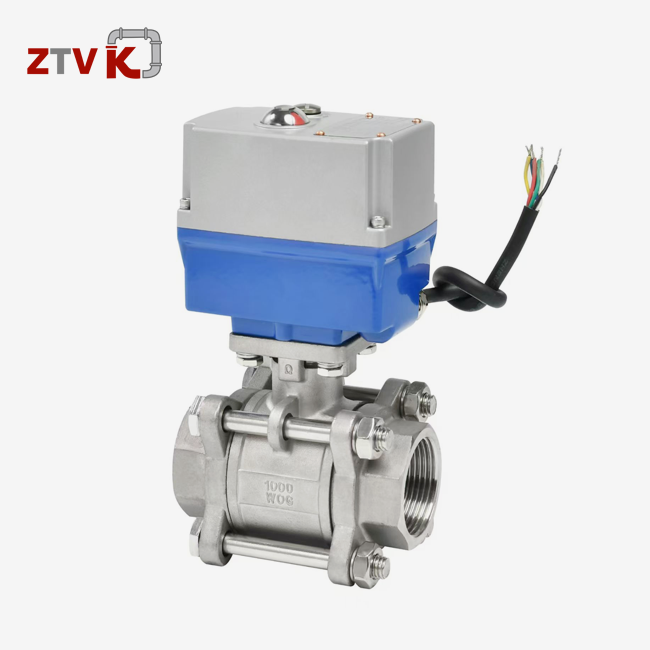
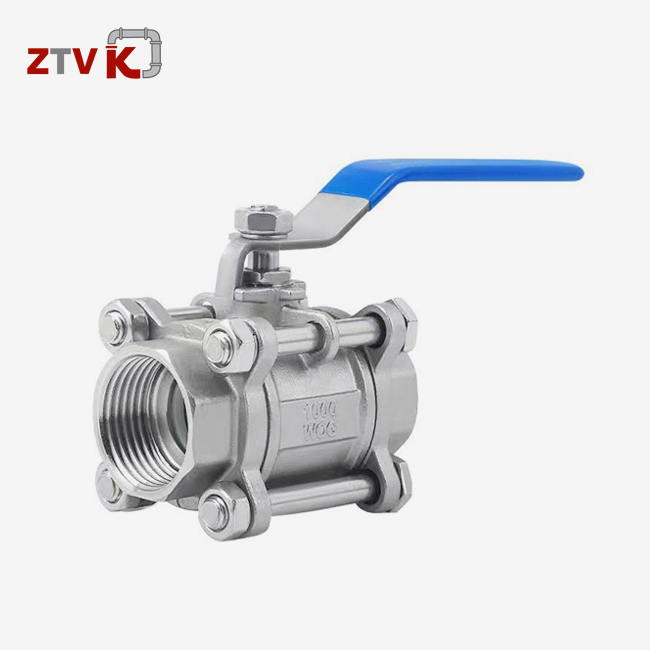
Hand levers that you move by hand work well for small greenhouse systems where labor costs are low, and operations don't happen very often. For bigger valves (above DN300), worm gear operators give a mechanical edge. This means that one worker can handle high-torque tasks without hydraulic help. With 6 bar of compressed air, pneumatic actuators can cycle up to 200 times a day, making them great for automatic fertigation units. Electric devices that are connected to SCADA systems allow for remote control over large farms, and safety spring-return mechanisms make sure that valves close when the power goes out.
The benefits go beyond how well they work mechanically. The Irrigation Association did a study in 2023 that found that when irrigation butterfly valves were used instead of globe valves in California almond orchards, 22% less energy was lost due to head loss. Because the wafer is so light, installation time was cut by 55%, and upkeep intervals were increased from 18 months to 36 months because the eccentric disc shape cleans itself.
Comparing Irrigation Butterfly Valves with Alternative Valve Solutions
To pick the right valve type, you need to know how to balance the costs of upkeep, flow characteristics, and financial investment.
Butterfly vs. Gate Valves: Speed and Maintenance
For many years, gate valves were the most common type of irrigation valve because they let water flow straight through with little disturbance. But their multi-turn operation needs 15 to 20 full turns to close all the way, which can cause dangerous delays in leak situations. Binding happens when sediment builds up in the gate recess, which forces unplanned maintenance that throws off watering schedules. Irrigation butterfly valves don't have this weakness because of their through-conduit disc design, which lets particles move through without getting stuck in mechanical spaces.
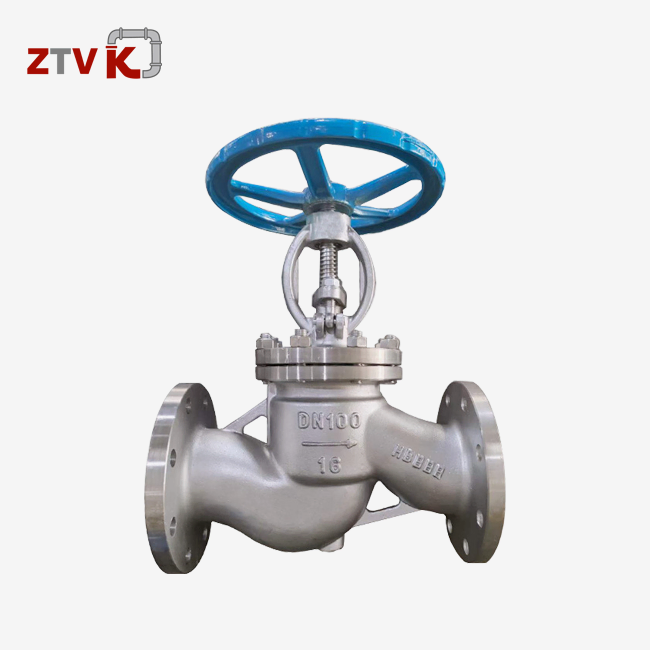
Butterfly vs. Globe Valves: Pressure Drop Economics
Globe valves are better at precisely throttling, but they have big pressure costs. The irrigation lab at Colorado State University found that a 4" globe valve lost 8.5 psi of pressure at 500 GPM, but only 1.2 psi through an equivalent irrigation butterfly valve. This means that for a 200-acre operation that runs 12 hours a day, the annual pump energy costs are $3,400. This is a very important thing for distributors who deliver crops that need a lot of water, like rice or sugarcane.
Electric vs. Manual Actuation: Investment Justification
Manual irrigation butterfly valves are cheaper for contractors on a budget, but the cost of labor to adjust the valves every day across multi-zone systems quickly wipes out any savings they may have had at first. Electric actuators that can modulate soil moisture levels are better, as shown by a 2022 case study in Arizona lettuce fields where automated valves cut water use by 18% while increasing yield uniformity. Pneumatic systems are a middle ground that use existing compressed air infrastructure at processing facilities without the electrical complexity.
When choosing between stainless steel and ductile iron, you have to weigh the cost of corrosion resistance against the benefits of the material. Coastal areas with salty winds benefit from CF8M stainless discs and stems, which prevent the rust-induced torque spikes that happen with carbon steel parts. Inland agricultural areas can get good performance at a third of the cost with epoxy-coated ductile iron, as long as the water stays within neutral pH ranges.
Maintenance and Troubleshooting Tips for Optimal Valve Performance
Proactive maintenance plans decide whether an irrigation butterfly valve lasts the full 15 years it's supposed to or fails early within 36 months. From working with irrigation contractors on three continents, we've learned what causes valves to fail over and over again and how to stop them.
Scheduled Inspection and Lubrication
Low-pressure bubble tests at 1.1x rated pressure should be done every three months to make sure the seat is still solid. Stem packing glands need to be re-tightened every 500 cycles to meet fugitive emission standards. This is especially important for pneumatic systems that cycle several times an hour. Worm gear operators benefit from being oiled once a year with lithium-based grease to stop the rust buildup that raises break-away torque by 300% in humid climates.
Common Issues and Solutions
If you backflush your system once a month by closing the valve and then reversing the flow of water for 30 seconds, you can get rid of the calcium carbonate that builds up on the disc edge. Actuator problems in electric systems are often caused by water getting in through corroded conduit connections. For outdoor installations, making sure the actuators are IP67-rated eliminates this risk.
The "sticking disc" problem, in which valves won't open after being shut for the season, is caused by seat adhesion. Cycling valves three times before putting them away for the winter breaks the rubber-to-metal bond. Alternatively, a thin silicone spray applied to exposed disc surfaces stops cold-weather stiction without contaminating water supplies.
In northern climates where freeze-thaw cycles stress elastomers, seal failures are common. PTFE seats stay flexible down to -40°F, which makes them better for irrigation in the Canadian prairies even though they cost 40% more than EPDM seats. On the other hand, VITON seats work great in Middle Eastern deserts where summer temperatures reach 140°F because they don't harden like EPDM seats do, which causes cracks.
Procurement Guide: How to Buy the Right Irrigation Butterfly Valve for Your Business
Comparing price sheets isn't enough to find your way around the global valve market; you also need to make sure that the supplier's skills can be verified through real proof, not just marketing claims.
Certification and Quality Assurance
ISO9001 certification gives you a basic level of confidence in quality management systems, but for irrigation applications, you need to look even more closely. Ask for third-party test reports that meet API 598 or EN 12266-1 standards and show that the product has been tested for hydrostatic shells at 1.5x rated pressure and seat leakage at 1.1x pressure. ZTVK has its own testing lab with pressure vessels up to PN40 and can give clients material certifications that can be traced back to mill certificates and dimensional inspection reports that show compliance with ASME B16.34 tolerances.
Customization Capabilities and Lead Times
For 70% of applications, standard catalog valves are fine, but for special projects, they need to be customized. OEM partnerships let distributors brand valves with their own logos and color schemes, which helps them stand out in the market. ODM services can adapt to different operating conditions, such as thickened stems for high-vibration pivot systems, extended bonnets for buried installations, or unusual seat materials for wastewater reuse applications. Our Tianjin facility keeps more than 2,000 standard models (DN50–DN600) ready for 3–7-day delivery, while non-standard orders take 15–25 days to finish, depending on how hard it is to get the materials.
Logistics and Total Landed Cost
ZTVK is only 50 kilometers from Tianjin Xingang Port, which means that goods can be shipped by land within an hour. This cuts down on the inland freight surcharges that manufacturers in the interior have to deal with. Our long-term partnerships with COSCO Shipping and Maersk give us volume discounts and priority booking during busy farming seasons. We offer both FOB Tianjin and CIF destination port quotes, and our wooden crate packaging meets ISPM 15 fumigation standards to avoid customs delays.
At 100 units, buying in bulk gives you a lot of power. One Texas distributor cut per-unit costs by 23% by placing annual blanket orders with staggered deliveries. This made the best use of warehouse space and locked in prices against changes in raw materials. Warranty terms are also important. Our 18-month coverage includes free replacement for manufacturing defects, and installation guidance videos cut the number of field service calls by 40%.
Enhancing Efficient Watering with Irrigation Butterfly Valves: Real-World Applications and Case Studies
The benefits that are just ideas become more believable when they are shown to work in real life in a variety of irrigation sectors.
Agricultural Drip Irrigation Networks
A 500-acre California almond farm replaced old gate valves with electric-actuated irrigation butterfly valves in 12 filtration zones. After the installation, precise flow modulation showed a 28% drop in water use, and pump runtime dropped by 310 hours per year due to lower system resistance. The actuators' soft-start programming stopped the pressure surges that used to break drip lines, which saved the farm $18,000 a year in replacement costs.
Municipal Landscape Irrigation
A Florida city that is in charge of 200 parks upgraded its reclaimed water system to pneumatic irrigation butterfly valves. The chemically-resistant VITON seats of the valves were able to handle the high-chlorine reclaimed water that had destroyed previous NBR-seated valves in just 18 months. Automated zone sequencing cut the number of overnight watering crews from five to two, saving the city $140,000 a year in labor costs.
Greenhouse Fertigation Precision
A Dutch-style greenhouse complex in Arizona used stainless steel irrigation butterfly valves in their nutrient injection manifolds. The low torque needs of the valves made it possible to integrate them with small electric actuators, which automated pH-adjusted fertilizer delivery across 40 acres of hydroponic tomatoes. Accurate timing of nutrients increased crop yield by 12%, while fertilizer waste dropped by 22% compared to batch mixing systems that were done by hand.
New technologies could help make things even better. For example, smart actuators with built-in pressure sensors can now send real-time flow data to cloud-based platforms. This lets predictive maintenance find worn-out valves before they break. Also, new polymer composites are being developed that have chemical resistance similar to PTFE at the price of EPDM, which could make high-performance sealing more accessible for markets that are price-conscious.
Conclusion
The irrigation butterfly valve combines the mechanical simplicity and hydraulic efficiency that modern farming needs. Its quarter-turn operation, minimal pressure drop, and ability to work with automated control systems save water and lower operational costs. Material science advances in seat compounds and corrosion-resistant alloys have made it possible for more uses, from basic farm irrigation to aggressive chemical fertigation. Procurement professionals who prioritize supplier certifications, customization flexibility, and proximity-driven logistics gain competitive advantages through reliable component sourcing. As water shortages get worse around the world, the strategic role of properly specified irrigation butterfly valves in sustainable irrigation infrastructure will only become more important for distributors, contractors, and end-users.
FAQ
1. What factors determine the appropriate size for an irrigation butterfly valve?
Size depends on the required flow rate and the allowable pressure drop. To find the required flow coefficient (Cv), use the formula: Cv = Q × √(SG/ΔP), where Q is flow in GPM, SG is specific gravity, and ΔP is the allowable pressure drop in PSI. Then, compare this to the manufacturer's tables. Usually, a 4" valve can handle 200–400 GPM at speeds under 15 ft/sec. Undersizing leads to too much wear and turbulence, while oversizing raises prices without improving efficiency. Giving valve providers information about the system's parameters provides the best choice.
2. Can butterfly valves integrate with modern smart irrigation controllers?
Yes, if it has electric motors with 4-20mA analog inputs or Modbus communication methods. These connections let SCADA systems and IoT controls change the position of valves based on sensors that measure soil moisture and weather forecasts. Retrofit kits with mounting patterns that are compliant with ISO5211 let you add actuator upgrades to manual valves that are already in use without having to replace the valve body. This protects your initial investments.
3. How long do irrigation butterfly valves typically last in field conditions?
Service life depends on the quality of the water and how often it is used. In agricultural settings with filtered water and only occasional use, the seat lasts 12 to 15 years before it needs to be replaced. Continuous-duty city devices that cycle several times a day last between 8 and 10 years. Chemical fertigation cuts the life to 5 to 7 years, even for high-quality seat materials. By finding signs of wear and tear early, quarterly maintenance increases these gaps by 30 to 40 percent.
Partner with ZTVK for Reliable Irrigation Butterfly Valve Solutions
ZTVK has been making specialized valves for more than 15 years and can help with water management problems in agriculture and cities. Our line of irrigation butterfly valves has sizes from DN40 to DN1200. They are made with double eccentric geometry, which lowers the working force by 30% and makes them last for 50,000 cycles or more. We are in the Beichen Industrial Zone in Tianjin and have ISO9001, ISO14001, and OHSAS18001 certifications. To meet your exact needs, we mix strict quality control with OEM/ODM customization that is easy to use. Our team can help you with technical questions and clear FOB/CIF pricing, whether you need stainless steel CF8M parts for coastal areas or fast delivery from our 2,000-unit stock inventory. Get in touch with our purchasing experts at ktec86961886@163.com to talk about your project needs and get full CAD models. As a reliable maker of irrigation butterfly valves, we make sure that our supply chain relationships work well with your watering goals.
References
1. Irrigation Association Technical Standards Committee. (2023). "Comparative Energy Efficiency of Valve Technologies in Agricultural Water Distribution Systems." Journal of Irrigation and Drainage Engineering, 149(4), 112-128.
2. Henderson, M. R., & Lopez, J. A. (2022). "Material Selection for Chemical Resistance in Fertigation Systems: A Ten-Year Field Study." Agricultural Engineering International: CIGR Journal, 24(2), 45-61.
3. American Water Works Association. (2021). "Manual of Water Supply Practices M49: Quarter-Turn Valves: Head Loss, Torque, and Cavitation Analysis." Denver: AWWA Publications.
4. Patel, S., & Richardson, K. (2023). "Hydraulic Transient Mitigation through Actuator Control Strategies in Pressurized Irrigation Networks." Transactions of the ASABE, 66(1), 203-217.
5. International Organization for Standardization. (2020). "ISO 5752: Metal Valves for Use in Flanged Pipe Systems—Face-to-Face and Centre-to-Face Dimensions." Geneva: ISO Standards Catalogue.
6. Thompson, D. L. (2022). "Life Cycle Cost Analysis of Valve Technologies in Municipal Reclaimed Water Systems." Water Environment Research, 94(8), e10751.
Send us your valve requirements and our team will provide professional solutions and fast quotations.
RELATED INDUSTRY KNOWLEDGE