- English
- French
- German
- Portuguese
- Spanish
- Russian
- Japanese
- Korean
- Arabic
- Greek
- German
- Turkish
- Italian
- Danish
- Romanian
- Indonesian
- Czech
- Afrikaans
- Swedish
- Polish
- Basque
- Catalan
- Esperanto
- Hindi
- Lao
- Albanian
- Amharic
- Armenian
- Azerbaijani
- Belarusian
- Bengali
- Bosnian
- Bulgarian
- Cebuano
- Chichewa
- Corsican
- Croatian
- Dutch
- Estonian
- Filipino
- Finnish
- Frisian
- Galician
- Georgian
- Gujarati
- Haitian
- Hausa
- Hawaiian
- Hebrew
- Hmong
- Hungarian
- Icelandic
- Igbo
- Javanese
- Kannada
- Kazakh
- Khmer
- Kurdish
- Kyrgyz
- Latin
- Latvian
- Lithuanian
- Luxembou..
- Macedonian
- Malagasy
- Malay
- Malayalam
- Maltese
- Maori
- Marathi
- Mongolian
- Burmese
- Nepali
- Norwegian
- Pashto
- Persian
- Punjabi
- Serbian
- Sesotho
- Sinhala
- Slovak
- Slovenian
- Somali
- Samoan
- Scots Gaelic
- Shona
- Sindhi
- Sundanese
- Swahili
- Tajik
- Tamil
- Telugu
- Thai
- Ukrainian
- Urdu
- Uzbek
- Vietnamese
- Welsh
- Xhosa
- Yiddish
- Yoruba
- Zulu
Flanged vs Ordinary Gate Valves: Choosing the Right Valve Connection
When sourcing industrial valves for critical piping systems, one question consistently surfaces: should you invest in flanged gate valves or opt for ordinary (threaded or welded) gate valves? The answer directly impacts installation efficiency, operational safety, and long-term maintenance costs. Gate valves remain indispensable for on-off control in water, oil, gas, and chemical applications, but the connection method determines how well they perform under real-world conditions. Beyond traditional gate valves, modern alternatives like metal-to-metal seated butterfly valves are gaining traction in harsh environments due to their triple-eccentric design and superior sealing under extreme temperatures. Understanding these differences empowers procurement managers, engineering contractors, and distributors to match valve specifications with project demands, compliance standards, and budget constraints. This guide explores technical characteristics, performance metrics, procurement considerations, and practical recommendations to help you make informed valve connection decisions that optimize system reliability and total cost of ownership.
Understanding Flanged and Ordinary Gate Valves
Before you can pick the right gate valve link, you need to know what flanged and standard gate valves are used for and how they are put together.
Flanged Gate Valves: Built for Heavy-Duty Industrial Demands
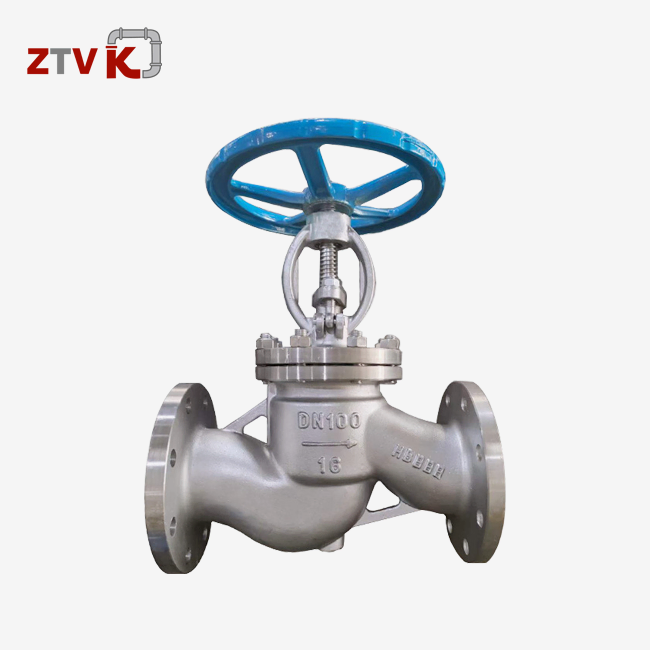
The two ends of a flanged gate valve are fixed with flange links. This lets them be securely attached to pipeline flanges with stud bolts and gaskets. When pressures are higher than PN16 (150LB) and pipe sizes are between DN50 and DN3000, like in industrial plants, local water treatment, and power production, this design is most often used. It is easy to fix or replace because the parts are bolted together. No lines need to be cut. This cuts down on the time that systems are down for repair. It's strong and won't rust when using ductile iron (GGG40/50), carbon steel (WCB A216), and stainless steel (SS304/SS316). They also follow ISO, API, and ANSI rules, which procurement teams find important.
Ordinary Gate Valves: Compact Solutions for Space-Constrained Installations
There is no need for flange gear in most gate valves because the links are either threaded (screwed) or bonded. When the pipe size is small (DN50 to DN100), and the pressure is low, like in home plumbing or light business lines, threaded valves work best. This type of gate valve has fixed joints that won't leak. They work great for places that are buried or underwater, where the structure needs to be very strong to handle vibrations and heat expansion. At first, these designs save money on materials and installation space. But they are harder to maintain in the future because they need to be cut and re-welded to be taken down.
Metal-to-Metal Seated Butterfly Valves: A High-Performance Alternative
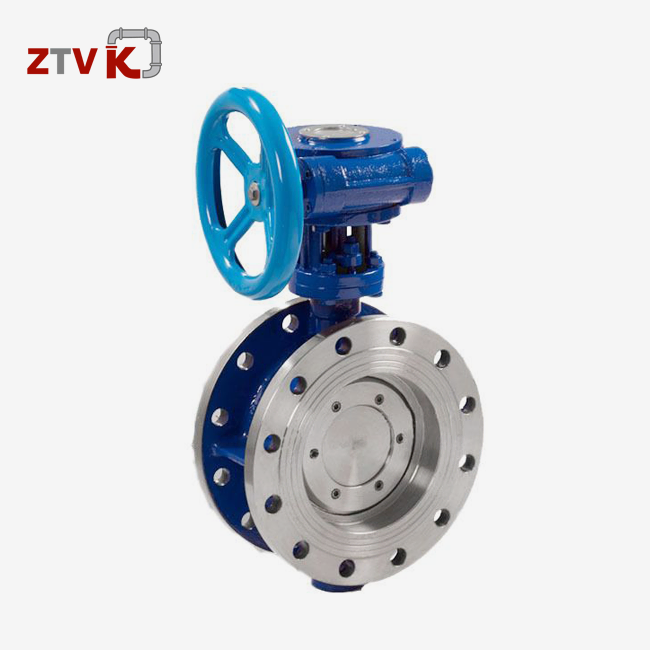
If soft-seated designs aren't possible because of high temperatures, rough media, or fire safety concerns, you might want to look into metal-to-metal seated butterfly valves. It has a triple-offset shape, which means that the disc and body seat fit together through hardened metal surfaces that are generally covered in Tungsten Carbide or Stellite. This gets rid of friction while the machine is running. API 598 Class VI standards say that this design allows for a bubble-tight stop. It can handle temperatures as hot as 815 °C, and it doesn't break down in slurry or coke-filled waters. These valves can handle pressures from PN6 to PN16 (150LB) and come in sizes DN50 to DN3000. You can get them in malleable iron, carbon steel, or duplex stainless steel (2205/2507). The seats are made of metal and flexible graphite. Worm gear, electric, and pneumatic actuators are all options. Because of these choices, they are easier to add to automatic systems, which makes OEM clients and EPC companies more interested in them.
Key Comparison Metrics Between Flanged and Ordinary Gate Valves
To pick between flanged and regular gate valves, you need to look at a number of performance factors that affect both how well they work and how much they cost.
Installation Speed and Flexibility
It's easy to put in and take out flanged gate valves. The sides of the flanges are lined up, the seals are put in, and the nuts are tightened. You can do this with simple hand tools and without having to know much about welding. This way cuts down on the time it takes to finish a job, which is great for city workers who need to get things done quickly. Other than that, it's easy to use normal gate valves with threaded links in lines with a small diameter. Just make sure that the threads match up perfectly to avoid leaks. Welded gate valves, on the other hand, need to be welded by certified welders and are sometimes treated with heat afterward, which makes the work more expensive and takes longer.
Pressure and Temperature Handling
No matter how hot or cold it is, flanged joints work great. Stress is spread out equally by the gasket-and-bolt design, so the seal stays in place even when temperatures change, and pressures reach PN16 or 150LB. Because of the chance of thread wear, normal threaded valves close at PN10 and mild temperatures. Parts that are welded can handle more pressure, but they are less flexible when things change in the future. There are gaps in their performance that are filled by metal-to-metal seated butterfly valves. Because they are hardened, they can handle temperatures close to 600°C in superheated steam service and pressures up to ASME 2500 in petrochemical plants. This is better than rubber seals, which melt or break at high temperatures.
Maintenance and Lifecycle Costs
Because the seat and disc can be changed quickly without having to shut down the system, flanged gate valves have lower long-term repair costs. It doesn't take long for maintenance teams to take the valve apart, swap out parts, and put it back together again. Because welded valves have to be cut and re-welded, they cost more than threaded valves because they need to be taken apart and re-threaded. Metal-to-metal seated butterfly valves are easier to keep up. They need less force over time because they don't rub against each other when they rotate, and they don't need to be changed as often because they don't have any soft seals. In other words, businesses that buy the valve more than once will save money over the course of its life.
Impact on Procurement Decisions—Matching Valve Connections with Business Needs
There are more than just technology specs that go into decisions about buying. They also include cost patterns, the reliability of the source, and the ability to make changes.
Cost Analysis and Bulk Pricing Strategies
Because of the extra hardware needed for machining and bolting the flanges, flanged gate valves cost more at first. But because the valves are easier to keep up, the total cost of ownership is often lower in places where a lot of assets are used. Threaded valves are a cheap way to do low-pressure work around the house or in a small business. Welded valves are in the middle. They don't cost much to install at first, but they stay there forever. When you buy in bulk, you save even more money. Many times, when distributors buy 500 units or more, they get prices of 15-20%. This helps their profit margins compete in nearby used goods markets. Metal-to-metal seated butterfly valves are more expensive than soft-seated versions because they have a longer lifespan (50,000+ cycles vs. 10,000 cycles for soft-seated models). This is because they need to be hardfaced and machined in a triple offset way.
Supplier Evaluation Criteria: Certifications and Quality Assurance
Suppliers you can trust will show that they follow standards around the world, such as ISO 9001, API 609, and ASME B16.34. They also give you test results from a third party that confirm the material makeup, leakage classes, and pressure ratings. A Coordinate Measuring Machine (CMM) checks for geometrical limits, and Positive Material Identification (PMI) testing helps purchasing managers make decisions. They also look at nitrogen-based leak testing to find tiny paths in metal-to-metal seals. Even more value is added by OEM partnerships. Manufacturers that offer branded packaging, custom nameplates, and specialised production lines make sure that the quality of all orders is the same. This is very important for valve wholesalers and industrial equipment trade companies that deal with a lot of different customers.
Customization and Lead Time Flexibility
Customisation choices set skilled sellers apart from average buyers. When OEM clients change things like seat materials, link sizes, and actuator interfaces, valves can be used in their own machines because they can be made to fit specific plans. When you order more than 2,000 standard types (DN50–DN600), you can get them in 3–7 days, which is quick enough for jobs that need to be done right away. Most non-standard configurations take 15 to 25 days to make. For an extra 20% fee, rush orders can cut that time to 7 to 10 days. It's faster to move goods by sea when you're close to major shipping hubs like Tianjin Port in northern China. Getting FOB Xingang or CIF destination port quotes is now possible for wholesalers in Europe, the Middle East, and Southeast Asia. This makes the process of importing easier.
Case Studies and Practical Recommendations for Valve Selection
There are times when flanged, standard, or other types of valves work best and are the best value.
Scenario One: Municipal Water Systems Favor Flanged Gate Valves
One company in Texas helps towns with water needs isolate valves for a DN600 line that is under PN16 pressure. Chlorinated water didn't rust the flanged gate valves, which were made of ductile iron (GGG50) and covered in epoxy resin. They also let annual maintenance checks be done without moving the pipeline. Crews could fix worn-out seats in less than four hours thanks to the bolted flange design, using metal-to-metal seated butterfly valves for similar applications where high cycle life and zero leakage are critical. This meant that home users had as few service breaks as possible. In this case, flanged valves work well for building projects that need to be stable, follow AWWA C515 standards, and have low running costs.
Scenario Two: Offshore Oil Platforms Choose Welded Gate Valves
A company that does drilling in the ocean asked for welded gate valves to connect two underwater pipes because threaded joints couldn't handle the shaking and changes in temperature caused by moving crude oil. There were full-penetration welds on these valves that stopped leaks. They were made of carbon steel (WCB A216). They were also able to handle PN25 rates. Since it was fixed, bolts were less likely to come loose, but underwater welding teams would be needed to take it down. This was a trade-off that was gladly made because the sea is so rough. This case shows that welded valves work better when structural strength is more important than how easy they are to maintain.
Scenario Three: Petrochemical Refineries Adopt Metal-to-Metal Seated Butterfly Valves
In Louisiana, a plant had soft-seated butterfly valves that kept breaking in a coker unit that dealt with hydrocarbon vapours at 450°C that were full of coke particles. Thermal degradation and erosion were stopped when metal-to-metal seated butterfly valves were replaced with seats with Stellite inserts (DN800, PN16). Because it had three offsets, the disc and seat didn't rub against each other while it was working. This reduced the torque of the actuator by 30% and made it last more than 50,000 cycles. Making sure it met the needs of API 609 Category B and getting fire safety approval according to API 607 made it even safer. If you want to solve real problems like machine failure risks, strict industry rules, and long-term reliability in a cost-effective way, you can't use traditional gate valves. This example shows how new solutions for valves can be useful.
Maintenance and Troubleshooting Best Practices
Maintenance on both flanged and regular gate valves extends their useful lives and prevents costly shutdowns that aren't planned.
Routine Inspection Protocols
Every three months, it's a good idea to look at flanged gate valves visually to see if the flange bolt force has decreased, the gasket compression set, or there is external rust. Infrared thermography finds changes in body temperature that show there are leaks inside the seats. Every year, thread gauges are used to check the threads of regularly threaded valves for damage like wear or cross-threading. Ultrasonic waves (UT) are used to check welded valves to see if the weld is weakening. Extra care needs to be taken with metal-to-metal seated butterfly valves. Small cracks can be seen in the hardfacing layers when dye penetrant testing (PT) is done on the seating surfaces. Torque measurements show that the forces used to seat and unseat are within the design limits, which stops the actuator from getting too hot.
Common Issues and Corrective Actions
Leaks are the most common issue with gate valves. When a seal fails, or a pin comes loose, a flanged valve will leak on the outside. If you replace the gasket and torque it back up to the manufacturer's specs, this will be fixed. Most of the time, leaks inside the seat are caused by dirt getting stuck or the seat being scored. To fix this, either lap the disc or replace the seat ring. Because the threads wear down over time, threaded valves can leak where they join. If the damage is too bad, the valve needs to be replaced. Putting on PTFE tape or thread glue can fix the issue for a short time. Most welded valves don't leak at the joints, but heat failure can cause body cracks that need to be fixed by welding or replaced. When metal-to-metal seated butterfly valves leak, they normally need diamond abrasives to be used to re-lap the disc seats so that they can close to Class VI. To do this job well, you will need trained workers and precise drilling tools.
Preventive Maintenance Scheduling
Condition-based tracking makes it less likely that something will fail without warning. Every six months, flanged gate valves that are used for important tasks (like stopping a fire or an emergency shutdown) should be checked. They can be checked every two years for jobs that aren't very important. Low-pressure line threaded valves are looked at visually once a year. Wedged valves are put through UT tests every three years. When metal-to-metal seated butterfly valves are used in harsh or hot situations, the seat areas should be checked every year. They won't need to be fully fixed up for another 10 to 15 years because they are so strong.
Conclusion
To pick between flanged and standard gate valves, think about how flexible the installation is, how easy it is to keep up, and how much it costs to own everything. Most flanged gate valves are used in high-pressure industries and cities. Their higher initial cost is because they are easier to maintain. When you don't need something very expensive and the pressure is low, threaded valves work well. Our welded valves, on the other hand, don't move and are better for tough environments because they are fixed. Metal-to-metal seated butterfly valves are better when soft-seated versions can't be used because of rough materials, high temperatures, or fire safety rules. People who are buying things should look at how strict the suppliers' certifications are, how much they can change the products, how fast they can deliver them, and how well they help customers throughout the whole lifecycle. By keeping these things in mind, you can be sure that the valves you choose will work with your operations, follow the law, and help you manage costs in a variety of industries.
Frequently Asked Questions
1. What makes flanged gate valves more reliable than threaded connections?
When the temperature or pressure changes, flanged gate valves spread the stress across the bolted flange faces and gaskets. This helps the seal stay together. When you connect things with threads, the thread roots take most of the stress. This means that they may become free or crack over time, especially in setups that are likely to shake.
2. How do metal-to-metal seated butterfly valves differ from soft-seated models?
Soft metal surfaces (Stellite, Tungsten Carbide) are used in metal-to-metal seated butterfly valves so they can close without any leaks or flexible seals. When used with slurry, they get worse and break below 250°C, but these valves can handle temperatures up to 815°C and don't wear out quickly.
3. Can valve manufacturers accommodate custom specifications for OEM projects?
Manufacturers that you can trust offer ODM services, which change the valve bodies, seat materials, and connection methods based on the client's models. Production times for non-standard setups are usually between 15 and 25 days, but you can choose to get your order faster.
Partner with ZTVK for Reliable Valve Solutions
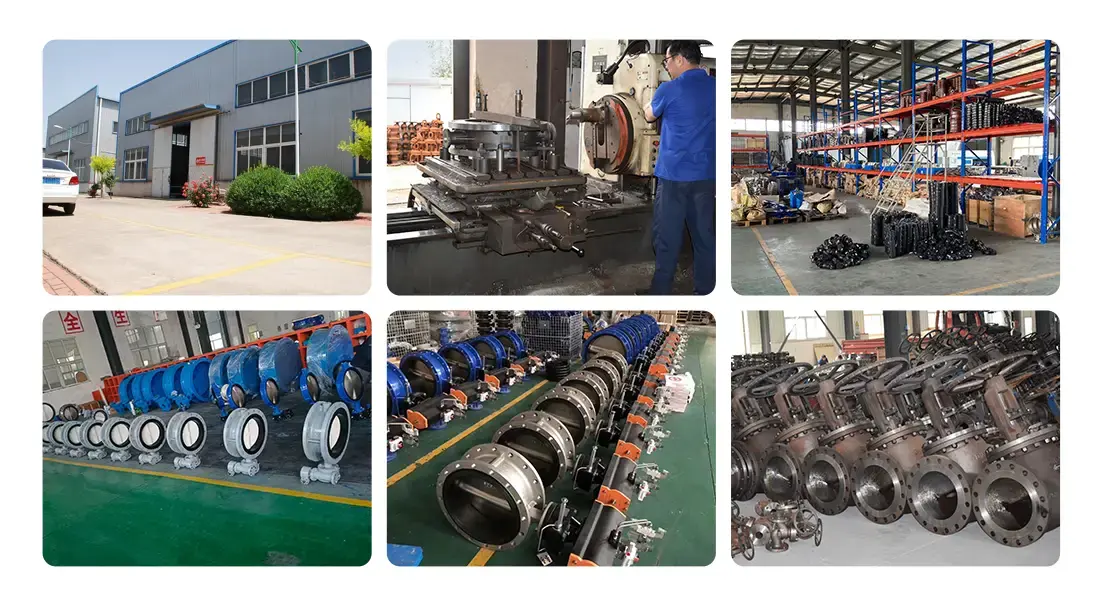
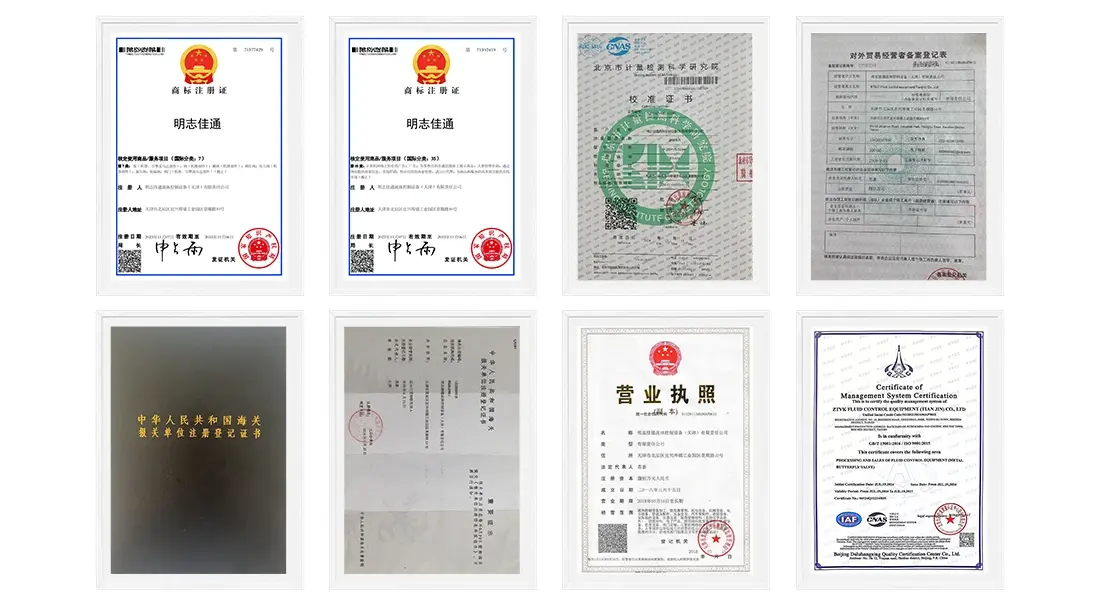
ZTVK delivers industrial-grade flanged gate valves and metal-to-metal seated butterfly valves tailored to your operational demands. Located in Tianjin's Beichen District with ISO 9001, API, and ANSI certifications, we maintain 2,000+ units in stock (DN50-DN600), ensuring 3-7 day delivery for standard models. Our manufacturing capabilities span DN50 to DN3000, pressure ratings PN6 to PN16 (150LB), and materials including ductile iron, carbon steel, and duplex stainless steel (2205/2507). Whether you require OEM branding for distribution, bulk pricing for EPC projects, or rush production for urgent shutdowns, our team provides CAD drawings, test reports, and 18-month warranties. Contact us at ktec86961886@163.com to request samples and quotations from a trusted metal-to-metal seated butterfly valves manufacturer committed to quality and delivery excellence.
References
1. American Petroleum Institute. (2020). API Standard 609: Butterfly Valves—Double Flanged, Lug- and Wafer-Type. Washington, DC: API Publishing Services.
2. American Society of Mechanical Engineers. (2017). ASME B16.34: Valves—Flanged, Threaded, and Welding End. New York: ASME Press.
3. International Organization for Standardization. (2018). ISO 10497: Testing of Valves—Fire Type-Testing Requirements. Geneva: ISO Central Secretariat.
4. Fluid Controls Institute. (2019). FCI 70-2: Control Valve Seat Leakage. Cleveland, OH: FCI Publications.
5. Zappe, R. W. (2021). Valve Selection Handbook: Engineering Fundamentals for Selecting the Right Valve Design for Every Industrial Flow Application (6th ed.). Burlington, MA: Gulf Professional Publishing.
6. Smith, P. R., & Zappe, R. W. (2016). Valve and Actuator Technology. New York: McGraw-Hill Education.
Send us your valve requirements and our team will provide professional solutions and fast quotations.
RELATED INDUSTRY KNOWLEDGE