- English
- French
- German
- Portuguese
- Spanish
- Russian
- Japanese
- Korean
- Arabic
- Greek
- German
- Turkish
- Italian
- Danish
- Romanian
- Indonesian
- Czech
- Afrikaans
- Swedish
- Polish
- Basque
- Catalan
- Esperanto
- Hindi
- Lao
- Albanian
- Amharic
- Armenian
- Azerbaijani
- Belarusian
- Bengali
- Bosnian
- Bulgarian
- Cebuano
- Chichewa
- Corsican
- Croatian
- Dutch
- Estonian
- Filipino
- Finnish
- Frisian
- Galician
- Georgian
- Gujarati
- Haitian
- Hausa
- Hawaiian
- Hebrew
- Hmong
- Hungarian
- Icelandic
- Igbo
- Javanese
- Kannada
- Kazakh
- Khmer
- Kurdish
- Kyrgyz
- Latin
- Latvian
- Lithuanian
- Luxembou..
- Macedonian
- Malagasy
- Malay
- Malayalam
- Maltese
- Maori
- Marathi
- Mongolian
- Burmese
- Nepali
- Norwegian
- Pashto
- Persian
- Punjabi
- Serbian
- Sesotho
- Sinhala
- Slovak
- Slovenian
- Somali
- Samoan
- Scots Gaelic
- Shona
- Sindhi
- Sundanese
- Swahili
- Tajik
- Tamil
- Telugu
- Thai
- Ukrainian
- Urdu
- Uzbek
- Vietnamese
- Welsh
- Xhosa
- Yiddish
- Yoruba
- Zulu
How to Choose a High Temperature Gate Valve for Steam Lines
To pick the best high temperature gate valve for a steam line, you need to know how the system will be used, what materials will work with it, and how reliable it needs to be in the long term. When temperatures and pressures are very high, usually above 425°C, these special valves handle steam in ways that regular valves can't. You have to make sure that the pressure class ratings, temperature limits, material metallurgy, and design features like rising stems and bolted bonnets are all right for the steam application you have, whether it's for power generation, petroleum processing, or industrial manufacturing.
Understanding High Temperature Gate Valves for Steam Lines
Valves for steam lines need to be able to handle not only heat but also the special problems that come up when temperatures change. When builders ask me to help them choose tools for superheated steam or boiler feedwater systems, the first thing we always talk about is how these high temperature gate valves are different from regular isolation valves.
What Makes Steam Service Different
Normal gate valves can't manage steam's three main loads. When heat expands, valve sections grow at different rates, which could trap the wedge between the seats. Continuous heat exposure accelerates material creep, which weakens the structure. Repeated heating and cooling can stress seals and packing materials, causing rogue emissions if the valve design is improper.
Well-designed steam valves use metals and mechanics to tackle these issues. Valves are made of chrome-molybdenum alloys or austenitic stainless steels. These steels don't decarburize or crack like carbon steel in high-temperature hydrogen or steam environments and stay robust over time.
Core Design Features That Matter
When the plant starts up or shuts down, workers need to know if the valve is isolated, and the rising stem and Outside Screw and Yoke (OS&Y) design makes it easy to notice. This design keeps the threaded stem out of the flow channel. This protects the threads from harmful steam and helps the graphite packing seal against thermal expansion.
Bolted cap structure helps maintenance technicians reach the valve without removing it from the pipeline, unlike threaded or welded types. Fixing seats or changing packing after years of thermal cycling is easier with this. The design supports Class 900 and higher pressure seal bonnets. Line pressure improves the body-bonnet seal when internal pressure rises.
Material Selection and Temperature Ratings
ZTVK can produce steam at -40°C to 500°C (-40°F to 932°F), which is sufficient for most industrial steam needs. The type of steam and condensate rust determines whether carbon steel (WCB), stainless steel (304/316), or duplex steel is utilized. Stainless steel resists rust at high temperatures and can handle steam condensate. In clean steam service, carbon steel alloys resist creep better and cost less.
From low-pressure heating to supercritical power production, pressure classes 150–2500 can handle it. End connections—raised face, flat face, or Ring Type Joint (RTJ) flanged—must match your pipe. Due to metal-to-metal contact, RTJ seals leaks even at low temperatures, making it ideal for high-pressure applications.
Key Criteria for Selecting the Right High Temperature Gate Valve
When you buy steam line valves, the choices you make have big effects. A broken high temperature gate valve in a superheated steam line can cause unexpected shutdowns that cost tens of thousands of dollars per hour, safety issues, or violations of environmental laws. During the choosing process, you have to pay attention to a number of technical factors that are all related.
Pressure and Temperature Operating Windows
Record your peak pressure and temperature, then add safety gaps. Steam systems increase pressure and temperature when valves close quickly (called "water hammer") and start up. Your valve's pressure class number should be 20% greater than its normal operating pressure, and its temperature rating should allow for superheat.
Steam lines that regularly operate at 180°C may spike to 220°C after abrupt incidents. If you choose a valve that is only rated to 200°C, the packing could fail early, and the seat could leak. In outdoor situations where weather can make material less flexible, the valve must be able to withstand the coldest shutdown temperatures.
Flow Characteristics and Sizing
Gate valves let flow through and have a low pressure drop when fully open. Isolating rather than slowing the flow is ideal for them. Make sure the hole size matches the pipeline diameter to avoid flow restrictions that accelerate erosion and pressure loss. DN15 to DN900 are our 1/2" to 36" items.
Small valves create vibrations that accelerate the wear in the sitting area and can cause premature failure. Large valves add unnecessary weight and cost to the pipe system. You need to know the maximum flow rate, accepted pressure drop, and whether the valve must be fully open or partially open in certain process conditions to find the right size.
Sealing Technology and Leakage Rates
Whether the wedge is solid, flexible, or divided affects how well the valve closes when temperature changes. Flexible wedges can accommodate tiny misalignments without losing seat contact because pipes expand and contract. To protect seating surfaces from steam and flashing condensate particles, cobalt-chromium alloys (Stellite 6) are usually utilized.
Stem sealing uses flexible die-formed graphite packing that complies with stray emission regulations even when temperatures change. For organizations with EPA or environmental permits with tight leak detection procedures, low-emission packing installations must fulfill ISO 15848 standards.
Maintenance Accessibility and Lifecycle Costs
Dependability goes beyond valve pricing. Consider how easy it is to change the packing, reach the hood bolts, and reuse the seat rings without a hot work permit. Some chemical or refinery steam usage prohibits welding during turnarounds. Bolted construction with changeable trim is the only option.
How easily you can receive stems, packing kits, and seat rings from the maker determines how you repair. Custom items with extended wait times are expensive to supply and might prolong downtime. Our 18-month guarantee and installation tutorial videos lessen these concerns, but the valve should use parts that have been used in comparable situations and last.
Comparing High Temperature Gate Valves with Alternative Valve Types
Even though high temperature gate valves are the most common type of isolation valve, knowing when a different design might work better for your steam line is important to avoid misapplication and the problems that come with it.
Gate vs. Globe Valves in Steam Service
Globe valves control slowness better but have bigger pressure losses due to their convoluted flow route. In steam lines that vary flow rates often, like bypass lines around control valves or desuperheater spray water systems, the globe valve's precision compensates for its lower efficiency. Gate valves are suitable for on-off service and low pressure loss. Example: main steam separation or blowdown lines.
Picking affects maintenance times. Globe valves for slowing in erosive steam service wear down trim faster, requiring replacement seat rings and plugs. The correct gate valve for the device's pressure and temperature can last for years without an overhaul.
Manual vs. Automated Actuation Options
Many steam applications use remote-controlled electric or pneumatic actuators with spread control systems. You may install an actuator on our valve bodies without replacing them. You can start with manual operation and enhance as your automation needs develop. This lets you secure your cash investment and adjust to business needs.
To account for packing friction under thermal load and control signal compatibility with present plant instruments, automated valve fail-safe placement (fail-open, fail-closed, or fail-in-place) and actuator torque limitations must be carefully specified. Manual valves are straightforward to use and don't require maintenance for infrequent separation locations.
Material Trade-offs: Stainless Steel vs. Carbon Steel Alloys
Grades of stainless steel like 316 don't rust in acidic condensate and survive longer in cycle operations, where temperature variations promote oxidation. Carbon steel alloys (WCB) are cheaper and function well in clean, continuous hot steam without condensation. How you handle your water, how often the line changes temperature, and whether chlorides speed up stress corrosion fractures in stainless steel will determine your option.
Duplex steels are intermediate in corrosion protection. They are stronger than carbon steel, which helps in high-pressure steam applications where wall thickness and weight matter. Your material should match your pipes' metals to prevent galvanic corrosion at flanged joints.
Procurement Tips and How to Source Quality High Temperature Gate Valves
When looking for high temperature gate valves for important steam service, you need to think about more than just the price per unit. You also need to think about the total cost of ownership, the total supplier's ability, and the quality assurance methods that protect against breakdowns in the field.
Lead Times and Inventory Strategy
Standard valve sizes (DN50 to DN600, Class 150 to 600) ship within 3 to 7 days from manufacturers with large inventories. Non-standard pressure classes, unusual materials, and large diameters (>DN600) might increase lead times by 15–25 days. This relies on manufacturing complexity. Shipping to global markets is faster because we're near Tianjin Port. FOB Tianjin Xingang or CIF destination port prices simplify operations.
Bulk purchase agreements give distributors and sellers predictable rates and priority manufacturing slots during heavy demand. Frameworks prevent supply disruptions, allow just-in-time delivery, and keep working capital out of valve inventories by defining specs, testing requirements, and delivery timetables.
Certification and Compliance Verification
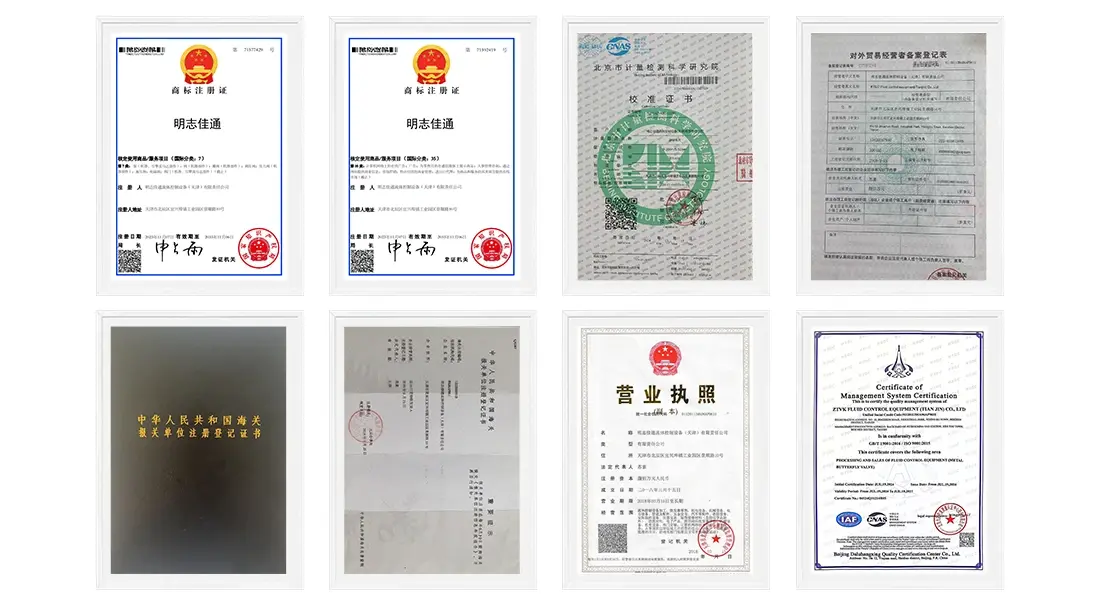
ISO 9001 certification shows quality management is planned, but steam valve applications require further proof. Find ISO 14001 and OHSAS 18001 companies. The business is operationally mature; thus, product quality will be consistent. EPC contractors and end users trust our certifications and third-party factory tests for mission-critical service apps.
Hydrostatic shell, seat leakage, and rear API 598 or ISO 5208 valve pressure tests shall accompany every package. Following ASME B31.1 Power Piping or B31.3 Process Piping codes requires material certifications (MTRs) that trace heat numbers to destructive test results to ensure the metal meets design specifications.
When to Pursue Customization or OEM Collaboration
Off-the-shelf valves usually operate fine, but unique conditions may require engineering. Changing the hood design may be necessary due to large temperature swings, corrosive steam chemistry, or specialized equipment. This may require non-standard control interfaces or hardfacing metals. As an ODM service, we may modify valve body constructions, seal materials, and connection methods (jaw, flange, or lug-style) to meet your needs.
OEM branding solutions enable wholesalers to enter regional markets by applying your logo, nameplate, and packaging during production. Using our production capacity and quality systems to make your product stand out speeds up product launch compared to beginning your own manufacturing.
Case Studies and Practical Recommendations for Steam Line Valve Selection
Real-life examples show how choosing the right high temperature gate valve can stop expensive breakdowns and improve system performance in a variety of steam service settings.
Power Generation Boiler Feedwater System
As part of an upgrade to its feedwater system, a local power plant needed isolation valves that could handle 18 MPa of pressure at 360°C. Due to temperature cycles during load-following operation, the stem packing on the first carbon steel gate valves broke every 18 months. By switching to Class 1500 valves with longer bonnets, low-emission graphite packing, and flexible wedge designs, service intervals were increased to more than 5 years, and rogue emissions that caused environmental reporting requirements were removed.
The most important thing to remember is that extended hood designs get rid of heat before it gets to the packing areas, which makes seals last a lot longer in bicycle service. The higher cost up front—about 25% more than normal bonnets—was paid for by the first repair interval, when there was no more downtime and lower costs for environmental compliance.
Chemical Processing Steam Distribution Header
The steam distribution system at a petroleum plant that serves several process units needed to make sure that the isolation valves worked the same way, even when the load changed. In the past, procurement was only concerned with finding the lowest starting cost. This led to a mix of valve names and specs, which made it harder to keep track of spare parts and upkeep. By using only one brand of Class 300 stainless steel gate valves (DN100–DN300) with common trim parts, the number of extra parts needed was cut by 40%, and repair workers were able to become experts with a single valve platform.
This method shows how useful it is for repeat buyers to have more than one source. Besides lowering the unit price, uniformity also lowers the need for training, the cost of keeping inventory, and the chance of installing the wrong parts during emergency fixes.
Common Pitfalls to Avoid
Getting steam valves is hard because people keep making the same mistakes. If you don't give enough pressure class gaps, gaskets will fail early when systems experience short-lived overpressure events. Not checking the types of end-connection facings (raised face vs. flat face) leads to installation delays and extra costs for cutting. If you choose valves for outdoor setups without thinking about how the temperature will affect them, they will break easily when it gets cold.
A useful selection list should have the following items: the highest operating pressure plus 20%, the highest temperature including superheat, the lowest temperature needed for the material to be flexible, the chance of corrosion from condensation or process contaminants, the required leakage class according to ANSI/FCI 70-2, and the fail-safe requirements for actuators in automated installations. Writing down these factors before getting quotes from suppliers ensures that the quotes are correct and stops misunderstandings about the specifications that slow down projects.
Conclusion
Choosing the right high temperature gate valve for steam lines can keep your business from having to deal with unexpected downtime, safety issues, and high repair costs. As part of the decision-making process, pressure and temperature ratings, material compatibility, design features such as rising stems and bolted bonnets, and lifecycle factors such as the availability of spare parts and expert help from the provider are all taken into account. If you match valve specs to the real working conditions—not just the stated design parameters—then the valve will work reliably for years, even if the process or temperature changes. This is true whether you're making electricity, processing chemicals, or distributing steam in an industrial setting. Choosing the right valves is an investment that pays off in longer service intervals, lower fugitive emissions, and the operating trust that key isolation points will work when they're needed the most.
FAQ
Q1: What temperature range does "high temperature" mean for gate valves?
High-temperature valves are made to work at temperatures above 425°C (800°F). They need special materials like chrome-molybdenum metals and design features like longer bonnets to handle thermal creep and expansion. In power plants and petroleum plants, steam lines usually work between 450°C and 550°C, which means that valves need to have special seals and metalworking skills that aren't available in most industrial valves.
Q2: How does the grade of the pressure class affect the choice of valves for steam lines?
According to ASME B16.34 standards, the pressure class (150, 300, 600, 900, 1500, 2500) sets the highest working pressure that can be used at certain temperatures. For steam systems to work, the pressure rating needs to be higher than the regular working pressure by a certain amount to allow for temporary surge conditions. Higher-pressure classes have bigger walls and stronger bolting, which raises the cost of the valve but keeps the structure strong in tough working conditions.
Q3: Can the same valve handle both superheated steam and condensate service?
Above its maximum temperature, superheated steam stays a gas, while condensate causes problems with rusting in the liquid phase. Stainless steel construction works well in both situations because it doesn't rust when dry steam hits it and doesn't corrode when acidic condensate hits it. Carbon steel valves work fine when they are constantly overheated, but they rust quickly when they come into contact with condensation when the system is shut down or when the steam quality is bad.
Partner with a Reliable High Temperature Gate Valve Manufacturer
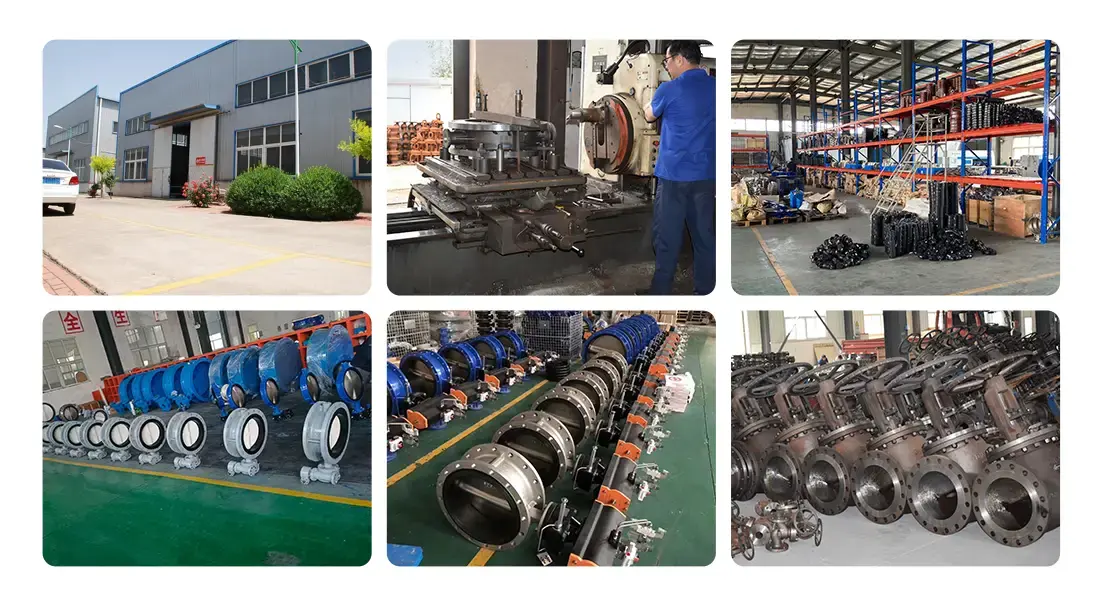
ZTVK offers industrial-grade steam isolation options backed by ISO 9001/14001/OHSAS 18001 standards, as well as over 15 years of experience making high temperature gate valves in Tianjin's Beichen Industrial Zone. Our high temperature gate valves can handle temperatures up to 500°C and are available in Class 150 to 2500, DN15 to DN900, and rising stem OS&Y designs. They are made of carbon steel, stainless steel 304/316, and duplex metals, and the head is bolted together. We keep more than 2,000 standard units in stock and can deliver them in 3-7 days. We also offer custom manufacturing rounds that last between 15 and 25 days, and we work with distributors who need branded goods or OEM/ODM collaboration. Our position 50 km from Tianjin Port makes foreign shipping quick and easy, and we offer both FOB and CIF pricing. Email our engineering team at ktec86961886@163.com to talk about your steam line valve needs and get CAD drawings, technical specs, and quotes that are special to your business.
References
1. American Petroleum Institute. API Standard 600: Steel Gate Valves—Flanged and Butt-welding Ends, Bolted and Pressure Seal Bonnets. Washington: API Publishing Services, 2021.
2. American Society of Mechanical Engineers. ASME B16.34: Valves—Flanged, Threaded, and Welding End. New York: ASME Standards Technology, 2020.
3.Skousen, Philip L. Valve Handbook, Third Edition. New York: McGraw-Hill Professional, 2011.
4. Zappe, R.W. Valve Selection Handbook: Engineering Fundamentals for Selecting the Right Valve Design for Every Industrial Flow Application, Fifth Edition. Houston: Gulf Professional Publishing, 2004.
5. International Organization for Standardization. ISO 15848-1: Industrial Valves—Measurement, Test and Qualification Procedures for Fugitive Emissions—Part 1: Classification System and Qualification Procedures for Type Testing of Valves. Geneva: ISO Central Secretariat, 2015.
6. Smith, Peter. The Fundamentals of Piping Design: Drafting and Design Methods for Process Applications. Houston: Gulf Publishing Company, 2007.
Send us your valve requirements and our team will provide professional solutions and fast quotations.
RELATED INDUSTRY KNOWLEDGE