- English
- French
- German
- Portuguese
- Spanish
- Russian
- Japanese
- Korean
- Arabic
- Greek
- German
- Turkish
- Italian
- Danish
- Romanian
- Indonesian
- Czech
- Afrikaans
- Swedish
- Polish
- Basque
- Catalan
- Esperanto
- Hindi
- Lao
- Albanian
- Amharic
- Armenian
- Azerbaijani
- Belarusian
- Bengali
- Bosnian
- Bulgarian
- Cebuano
- Chichewa
- Corsican
- Croatian
- Dutch
- Estonian
- Filipino
- Finnish
- Frisian
- Galician
- Georgian
- Gujarati
- Haitian
- Hausa
- Hawaiian
- Hebrew
- Hmong
- Hungarian
- Icelandic
- Igbo
- Javanese
- Kannada
- Kazakh
- Khmer
- Kurdish
- Kyrgyz
- Latin
- Latvian
- Lithuanian
- Luxembou..
- Macedonian
- Malagasy
- Malay
- Malayalam
- Maltese
- Maori
- Marathi
- Mongolian
- Burmese
- Nepali
- Norwegian
- Pashto
- Persian
- Punjabi
- Serbian
- Sesotho
- Sinhala
- Slovak
- Slovenian
- Somali
- Samoan
- Scots Gaelic
- Shona
- Sindhi
- Sundanese
- Swahili
- Tajik
- Tamil
- Telugu
- Thai
- Ukrainian
- Urdu
- Uzbek
- Vietnamese
- Welsh
- Xhosa
- Yiddish
- Yoruba
- Zulu
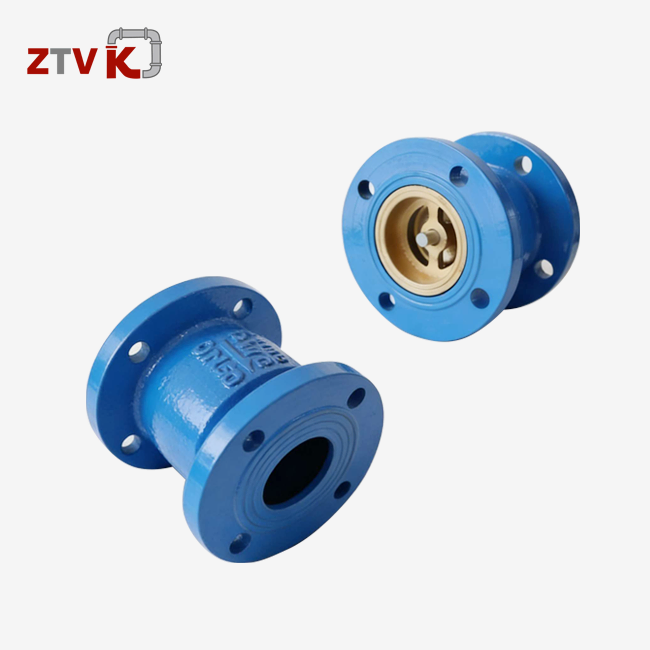
Can 6 inch swing check valve be installed vertically?
A 6 inch swing check valve can be put in vertically, but only when the flow is going up. When fluid moves up through the valve, pressure opens the disc and lets the fluid flow. When the flow stops, gravity helps close the disc, which successfully stops backflow. Vertical downhill installs, on the other hand, are not a good idea because gravity keeps the disc open all the time, which defeats the valve's purpose of stopping backflow. Industry standards like API 594 and ANSI/ASME B16.34 allow installations that go from vertical to upward. However, manufacturers often recommend adding spring-assist or counterweight mechanisms to overcome gravitational resistance. This will make sure that the disc closes reliably when flow rates are low and stop chattering in systems that are changing.
Understanding the Working Principle and Specifications of 6 Inch Swing Check Valves
There is a simple engineering theory behind how 6-inch swing check valves work. The disc, which is attached to a hinge pin, moves away from the seat when there is enough forward flow. When the flow stops or changes direction, gravity and reverse pressure work together to push the disc back onto the seat. This makes a tight seal that stops backflow. Compared to lift-style check valves, this design doesn't block flow as much, which makes swing types perfect for situations where low head loss is needed.
Core Specifications Critical to Installation Decisions
There are a few technical details that you need to pay attention to when looking at 6-inch swing check valves for vertical placement. As a general rule, ASME B16.34 says that pressure ratings for normal industry uses should be between Class 150 and Class 600. At ZTVK, our DN150 models have a nominal pressure value of 1.6 MPa, which makes them good for most city water systems and light industry tasks. Values of the flow coefficient (Cv) show how efficient the hydraulic system is; a higher Cv number means less energy loss. A 6-inch valve of the right size should keep speeds between 1.5 and 3 meters per second to keep the disc from chattering and make sure it is fully open.
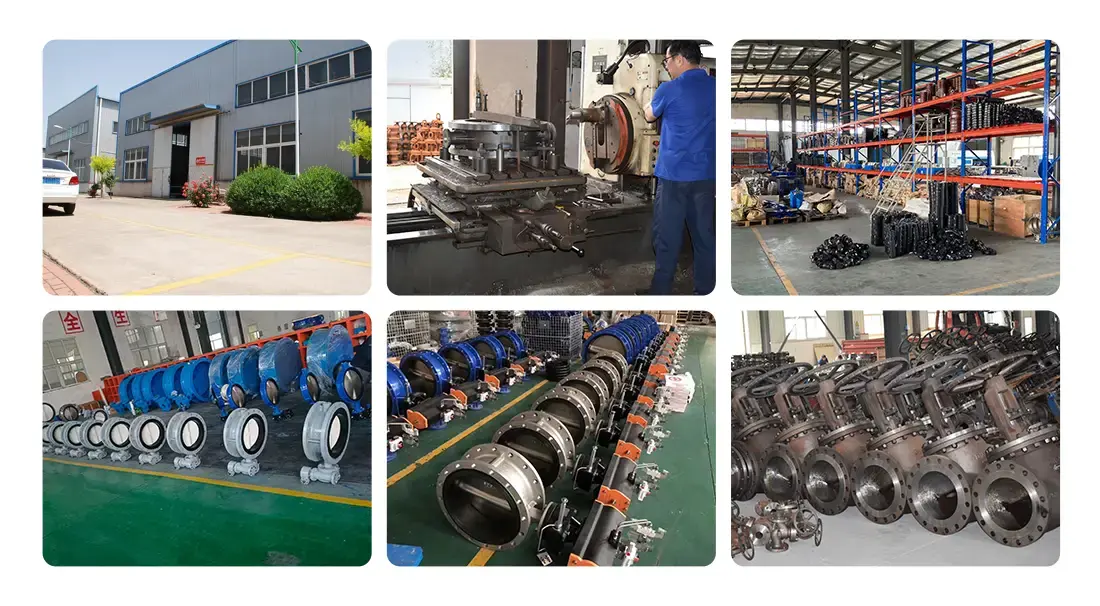
The choice of material has a direct effect on how long it lasts and how well it works with system media. The 304 and 316 types of stainless steel are very good at resisting corrosion in water, oil, gas, and some slightly aggressive chemicals. They work effectively in temperatures ranging from -20°C to 150°C. Carbon steel options, such as WCB, are cheaper in places where corrosion doesn't happen, but they need protective coats in damp places. At our Tianjin plant, we use epoxy resin finishes that are made for Southeast Asian areas where humidity makes corrosion happen faster.
Connection Types and System Compatibility
Large-bore swing check setups usually use flanged connections because they make it easy to take parts apart for repair and provide strong, leak-tight seals. Our DN150 flanged models are compatible with standard pipe parts because they follow the drilling designs in ANSI B16.5. Wafer-style choices work well in setups with limited room, like between pipeline flanges, but they make it harder to do upkeep. Lug-style valves are a good balance because they let you remove downstream pipes without affecting the links upstream, which is useful when you need to change the system.
By knowing these specs, buying teams can correctly match the features of valves to the needs of a project. When wholesalers buy valves to sell again, standard alignment keeps clients happy and saves money on changes that need to be made in the field. When engineering firms put together bid papers, they can speed up the procurement process by knowing specifics more in depth.
Can a 6-inch swing check valve be installed vertically? Technical Analysis and Practical Guidance
Standards in the industry make it clear how to place things vertically. API 594 says that 6-inch swing check valves can be placed vertically with the flow going up, but installing them horizontally is still best for closing by gravity. ANSI guidelines support this advice and stress how important it is to talk to the maker about specific product models. These guidelines strike a balance between safety, operational efficiency, and the long-term usefulness of tools.
How Gravity Influences Disc Dynamics in Vertical Orientation?
When the disc of a 6 inch swing check valve is installed vertically upward, it has to fight gravitational pressure in order to open. If the disc is installed horizontally, the weight helps it close. If it is installed vertically, the weight resists opening. This means that the difference in pressure needs to be greater to get the valve fully open. The speed of the fluid is very important. If the speed isn't fast enough, the disc will flap open partly, which causes turbulence and speeds up the wear on the hinge pins and seats. Based on Bernoulli's principle, calculations show that for safe operation, vertical systems usually need 15-20% higher minimum flow rates than horizontal ones.
The qualities of fluids make vertical placements even harder. Liquids with a higher viscosity, like heavy oils, make it harder for the disc to move. In this case, spring-loaded designs account for gravity and viscous forces, making sure that the valve closes quickly when the flow changes direction. In gas uses, the problem is the opposite: lower density means less closing force, which means that external lever-and-weight systems are sometimes needed to make sure sealing happens when back pressure is low.
Real-World Case Studies: Vertical Installation Success and Failure
In urban wastewater systems, straight upward placements on pump discharge lines are common. In a recent job involving a 6-inch DN150 valve at a water treatment plant in the Midwest, engineers chose a model with a spring to handle changing flow conditions during peak and off-peak hours. The installation worked reliably for two years, and the seats showed little wear during yearly checks. The right size led to this success—flow speeds always went above 2 m/s, which stopped the disc from oscillating.
In order to save room, a petrochemical company tried installing something vertically downward on a condensate return line. Within three months, workers saw pollution from backflow in vessels further upstream. After looking into it, it was found that the disc stayed open because of gravity, which let backwards flow happen when the pump stopped. The problem was fixed right away when the valve was turned horizontally. This case shows how important it is to follow the rules for flow direction in high systems.
Such construction problems are often talked over by engineers at ZTVK. Our technical team gives customers CAD drawings and 3D models that show the best ways to set up their products. This helps them avoid mistakes that will cost a lot of money during the planning phase. Because we help them before they ask, we have long-term relationships with EPC companies in Southeast Asia and North America.
Comparing Vertical Installation with Other Valve Types and Orientations
When installed vertically, different types of check valves work in different ways. When a lift check valve is in a vertical position, it's better than a swing type because the lifting motion is less affected by gravity. This is because the piston or disc moves perpendicular to the flow. But lift checks have higher pressure drops—20–30% more than swing types—which makes them use more energy and cost more to run. When there is vertical upward flow, ball check valves with a spherical closing element work well. However, they are usually smaller and can't handle as much pressure as swing types.
Maintenance Demands Across Valve Types and Orientations
Because hinge pins wear out faster in vertical swing check setups, maintenance needs to be done more often. When installed horizontally, lubricants can spread evenly across the bearing surfaces. When installed vertically, lubricants move downward, leaving the upper hinge parts without enough oil. When valves work vertically, the time between inspections should drop from 12 months to 6 to 8 months. On the other hand, dual-plate wafer check valves that are fixed vertically spread wear more evenly across two hinge points. This means that service intervals are longer, but the original cost is higher.
The choice of material has a big effect on how often repair needs to be done in vertical uses. Stainless steel 316 is better at not galling when there is boundary lubrication, which is typical in vertical setups. Carbon steel doors need to be oiled and checked more often. Our factory in Beichen District keeps both types of material in stock, so distributors can choose the best cost-performance mix for their clients' maintenance needs.
Material Suitability for Vertical Mounting Applications
Operational dependability changes depending on the direction for a 6 inch swing check valve. Horizontal swing checks have the largest repair intervals without any problems. In fact, lab tests have shown that they can last over 50,000 cycles. Vertical upward installations usually last between 35,000 and 40,000 rounds before they need to be fixed. On the other hand, vertical downward installations don't work at all and should be avoided at all costs. Total cost of ownership is a big worry for procurement experts who are in charge of large valve stocks, and these differences in performance have a direct effect on it.
In vertical systems, where fluid can pool around internal parts during shutdown times, corrosion protection is very important. When this happens, stainless steel 304 and 316 metals are much better at stopping pitting and crevice rust than carbon steel. Duplex stainless steels are stronger and less likely to react with chlorides when they come into contact with particularly harsh media, like seawater or acidic industrial waste. Through our ODM service, ZTVK can support custom material specs and redesign internal trim materials to meet the unique environmental issues our customers experience.
Changing the temperature also changes how well an object works. -20°C to 150°C is the temperature range that our normal valves work in, which makes them suitable for most HVAC, municipal water, and light commercial uses. Extreme-temperature projects, like cryogenic LNG plants or high-temperature steam systems, need materials that aren't in our normal collection. Our 15-year supply chain relationships help us speed up custom sourcing, and we work with our clients to find and combine the right metals.
Maintenance, Troubleshooting, and Avoiding Common Problems in Vertical Installations
Preventative maintenance plans made for vertical setups make valves last longer and cut down on unplanned downtime. Visual checks should be done every three months to make sure the disc is moving through the inspection port or by keeping an eye on the system pressure differentials. When you take your car apart once a year, you can directly check the state of the hinge pins, the seat surface, and the gaskets. During these checks, techs should measure the disc swing angles and compare them to the manufacturer's specs. Deviations show that problems are starting to show up.
Addressing Disc Sticking and Uneven Wear
Disc sticking in vertical setups is often caused by grit building up on the valve seat. Particles in the fluid fall to the bottom when the flow slows down, holding the disc firmly to the seat. Light layers can be removed during flushing processes, which quickly change the system pressure. If a valve keeps sticking, it needs to be taken apart and cleaned mechanically. Adding upstream strainers lowers the amount of particles that get in. This is a change that ZTVK engineers suggest during design review meetings.
When hinge pins wear unevenly, the disc gets out of line, which stops it from closing all the way and lets leaks keep happening. In vertical setups, this problem is made worse by gravity, which loads hinge bearings unevenly. Replacement hinge pins should be made to tighter limits than OEM specs. Our machine shop uses CNC tools to do this work. Upgrading to hardened metal pins increases the time between replacements, which balances out the higher cost of the materials by lowering the regularity of upkeep.
Diagnostic Tips and Preventative Measures
Strategies for lubrication need to change for vertical positioning. Traditional grease fittings at the tops of hinges let the lube move downward, but they need to be used twice as often as horizontal setups. When you repair a valve, solid lubricant layers like molybdenum disulphide or PTFE films are used to keep it oiled for a long time without any problems with migration. These coatings are especially helpful in rural sites where repair workers don't get to them very often.
Monitoring vibrations can help you catch disc flutter early, which is a typical sign of a severe hinge failure. Accelerometers on the valve bodies pick up high-frequency fluctuations that happen when the disc is partly open. Trending vibration data over time shows that performance is slowly getting worse, which lets planned repairs be made before emergency fails stop production. This method for predicting the future fits with the current asset management ideas used by smart business owners.
Thermal photography can find leaks inside vertical check valves. If there are differences in temperature between the upstream and downstream sides, it means that flow is going backwards through worn seats. Regular thermal surveys—done every three months in critical situations—find leaking rates below the level of eye detection, which lets seats be fixed before they break. ZTVK puts troubleshooting guides and installation movies on valve nameplates that can be accessed through QR codes. This gives maintenance teams instant technical help.
Cleaning methods should be matched to the properties of the media of a 6 inch swing check valve. Simple water washing is fine for systems that are made of water, but chemical cleaning is needed for fluids that contain oil to get rid of polymerized deposits. To keep technicians safe and stop more material degradation, corrosive media need to be neutralized before valves can be taken apart. Our after-sales team offers maintenance methods that are tailored to each application, changing general rules to fit the specific needs of distributors working with a wide range of end-user businesses.
Conclusion
When installing 6-inch swing check valves vertically, you need to think carefully about the direction of flow, the qualities of the fluid, and the mechanical design features. Upward flow directions are possible with the right valve choice, but downward installs make it much harder to stop backflow. Long-term dependability depends on the choice of material, the type of spring assist, and the repair schedules that are tailored to the difficulties of vertical work. When distributors and contractors work with makers who offer technical support, unique changes, and documented vertical installation capabilities, everyone wins. When you know about these things, you can make smart buying decisions that balance initial cost, operational performance, and lifecycle maintenance. These are important goals for industrial valve buyers who are in charge of managing complicated supply chains in places like manufacturing operations, petrochemical plants, and public infrastructure.
FAQ
1. What minimum flow velocity ensures reliable operation in vertical upward installations?
For vertically placed swing check valves with upward flow, the minimum speed needed to beat gravitational resistance and open the disc all the way is usually between 1.8 and 2.5 m/s. Lower speeds make the disc wobble, which speeds up wear. System designers should figure out speeds by using predicted flow rates and pipe sizes, and then make sure that the speeds are higher than the manufacturer's minimums in all possible working situations.
2. Do spring-assisted swing check valves eliminate all vertical installation concerns?
By reducing the force of gravity, spring aids make vertical systems more reliable for closing, but they also require more opening pressure. Systems with only a small difference in differential pressure may have trouble reaching full flow. Engineers should look at pump curves and system pressure profiles to make sure there is enough driving force throughout the working range, especially when the system is first starting up.
3. How does material choice affect vertical installation performance?
304 and 316 stainless steel are very resistant to rust, which is very important for vertical installations where fluid pools during shutdowns. Hardness changes how quickly hinges wear out. In vertical situations where bearing loads are concentrated unevenly, through-hardened alloy pins last 40–60% longer than normal carbon steel pins. Because of the rough flow patterns that only happen in vertical positions, seat materials must be able to fight wear. In demanding services, hard-faced stellite overlays are better than soft elastomer seats.
Partner with ZTVK for Reliable Swing Check Valve Solutions
ZTVK has a history of vertical installation skills that industrial wholesalers and contractors looking for reliable swing check valve makers can rely on. Our DN150 flanged types, 6 inch swing check valve, are made of corrosion-resistant stainless steel 304/316 and can handle temperatures ranging from -20°C to 150°C for water, oil, gas, and other acidic substances. We are 50 kilometers from Tianjin Port and keep more than 2,000 standard units in stock for quick shipping. Custom spring-assisted versions can be made in 15 to 20 days. Your vertical installation projects will be successful if you use quality systems that are ISO-certified and get full technical help, such as CAD drawings, installation videos, and application consults. Email our engineering team at ktec86961886@163.com to get custom quotes and OEM branding choices that will help you stand out as a reliable valve provider in the market.

References
1. American Petroleum Institute. API Standard 594: Check Valves - Flanged, Lug, Wafer, and Butt-welding. Washington: API Publishing Services, 2017.
2. ASME International. ASME B16.34: Valves - Flanged, Threaded, and Welding End. New York: American Society of Mechanical Engineers, 2020.
3. British Standards Institution. BS 1868: Specification for Steel Check Valves for the Petroleum, Petrochemical and Allied Industries. London: BSI Standards Publication, 2016.
4. Lyons, Jerry L. and Askeland, Donald R. Piping Handbook, 7th Edition. New York: McGraw-Hill Professional, 2019.
5. Smith, Peter and Zappe, R. W. Valve Selection Handbook: Engineering Fundamentals for Selecting the Right Valve Design for Every Industrial Flow Application, 5th Edition. Oxford: Gulf Professional Publishing, 2014.
6. Skousen, Philip L. Valve Handbook, 3rd Edition. New York: McGraw-Hill Education, 2011.
Send us your valve requirements and our team will provide professional solutions and fast quotations.
RELATED INDUSTRY KNOWLEDGE