- English
- French
- German
- Portuguese
- Spanish
- Russian
- Japanese
- Korean
- Arabic
- Greek
- German
- Turkish
- Italian
- Danish
- Romanian
- Indonesian
- Czech
- Afrikaans
- Swedish
- Polish
- Basque
- Catalan
- Esperanto
- Hindi
- Lao
- Albanian
- Amharic
- Armenian
- Azerbaijani
- Belarusian
- Bengali
- Bosnian
- Bulgarian
- Cebuano
- Chichewa
- Corsican
- Croatian
- Dutch
- Estonian
- Filipino
- Finnish
- Frisian
- Galician
- Georgian
- Gujarati
- Haitian
- Hausa
- Hawaiian
- Hebrew
- Hmong
- Hungarian
- Icelandic
- Igbo
- Javanese
- Kannada
- Kazakh
- Khmer
- Kurdish
- Kyrgyz
- Latin
- Latvian
- Lithuanian
- Luxembou..
- Macedonian
- Malagasy
- Malay
- Malayalam
- Maltese
- Maori
- Marathi
- Mongolian
- Burmese
- Nepali
- Norwegian
- Pashto
- Persian
- Punjabi
- Serbian
- Sesotho
- Sinhala
- Slovak
- Slovenian
- Somali
- Samoan
- Scots Gaelic
- Shona
- Sindhi
- Sundanese
- Swahili
- Tajik
- Tamil
- Telugu
- Thai
- Ukrainian
- Urdu
- Uzbek
- Vietnamese
- Welsh
- Xhosa
- Yiddish
- Yoruba
- Zulu
What are the characteristics of a Pneumatic Control Butterfly Valve?
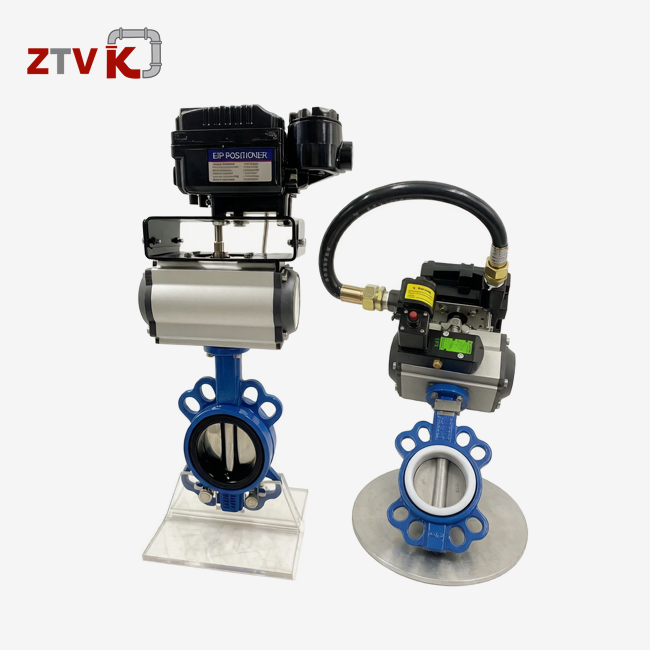
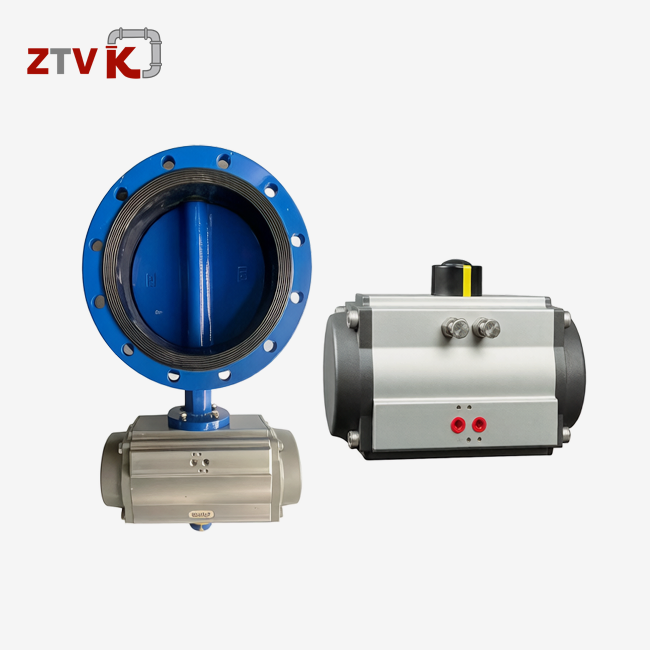
Compressed air powers an actuator in a pneumatic control butterfly valve that turns a center disc. This allows precise flow control in pipes. This type of valve has a quick response time and is small and light, so it uses little energy and works reliably even if something goes wrong. Its simple design includes ISO 5211-standard mounting pads that make it easy to switch out actuators, a high flow coefficient (Cv) that keeps pressure drop to a minimum, and a range of sealing options, such as metal-to-metal configurations for harsh environments and soft elastomers for tight shutoff. These features make it a cost-effective and flexible solution that can be used in many different industrial sectors.
Understanding Pneumatic Control Butterfly Valves: Working Principles and Key Features
A simple but effective system makes pneumatic control butterfly valves work. When compressed air enters the actuator chamber, it puts force on a piston or diaphragm, which changes motion in a straight line into torque in a circle. This torque turns the valve stem, which in turn turns the disc inside the valve body to either stop or let fluid flow. The whole open-close cycle takes only seconds, which lets process changes happen quickly.
Structural Components and Operation
The disc is fixed on a center shaft inside the valve body. The valve is fully open when the disc is lined up with the flow direction. When you turn it straight, it turns off completely. The actuator is attached using fixing pads that are in line with ISO 5211, which means that it can be used with all solenoid valves, limit switches, and positioners. This modular design makes improvements and upkeep easier, and it cuts down on downtime when parts need to be replaced.
Actuation Modes and Fail-Safe Mechanisms
There are two main types of actuation: single-acting and double-acting. Double-acting valves use air pressure to open and close, so they can be precisely controlled in both ways. For single-acting types, there are return springs that move the valve to a safe position—either fully open or fully closed—if the air flow stops. In places like water treatment plants, chemical plants, and city fire safety systems where unexpected shutdowns could lead to dangerous situations, this fail-safe trait is very important for process safety.
Core Performance Characteristics
In industrial settings, pneumatic control butterfly valves are different in a number of ways. Unlike gate or globe valves, they don't take up as much room when they're installed. The quarter-turn operation needs less power than multi-turn operations, which makes the actuator last longer. The small amount of compressed air used each cycle—usually between 0.3 and 0.8 cubic meters at 6 bar of pressure—makes it energy efficient. The torque safety factor, which is 25–30% higher than what was calculated to be needed, keeps the actuator from stopping working when fluid loads or deposits on the disc change.
In modern versions, the stem axis is set apart from both the disc centerline and the seat sealing line, making a double eccentric setup. This shape lowers friction while opening, makes the seal last longer (over 50,000 cycles), and lowers the working force by about 30% compared to designs that are more concentric. ZTVK uses this structure improvement in all of our products, which makes them last longer in heavy-duty situations.
Exploring Different Types of Pneumatic Control Butterfly Valves
The right building materials, sealing technology, and offset geometry must be matched to the working conditions in order to choose the right pneumatic control butterfly valve. When distributors and builders know about these differences, they can choose parts that combine function and cost.
Soft-Seated Versus Metal-Seated Constructions
Elastomeric plates made of EPDM, NBR, Viton, or silicone rubber are bonded or manually held in the body of soft-seated butterfly valves. Based on API 598 Class VI leakage standards, these materials achieve bubble-tight shutdown. This makes them perfect for uses where contamination must be avoided, such as drinkable water, food processing, and pharmaceuticals. Temperature limits are usually between -29°C and +120°C, but this depends on the type of rubber used. Viton can handle harsh poisons and high temperatures, while NBR is good for general water service.
In metal-seated versions, rings made of precision-machined stainless steel or hard alloys touch the edge of the disc instead of elastomers, as commonly found in a pneumatic control butterfly valve. This building can handle temperatures higher than 400°C and pressures higher than PN40. It is used in petroleum factories, steam systems, and power plants. The trade-off is a little higher leaking rates (usually Class IV) and higher costs. Maintenance times are much longer because metal seals don't wear down as easily as soft seats would when they come into contact with fluids that are full of particles.
Double Offset and Triple Offset Designs
With double offset valves, the stem axis is set apart from the disc's midline and sitting surface. When the disc turns, this cam motion pulls it off the seat, which reduces friction and wear. It can be used in industrial cooling circuits, HVAC chilled water loops, and city wastewater systems where pressures are modest (PN6–PN16) and cycling happens often.
Triple-offset geometry adds a cone-shaped seating area that only touches the disc at the very end of its closing. This metal-to-metal seal, which is often coated with graphite or PTFE, can handle big changes in temperature and pressure. Clients in the energy sector, like oil pipelines, gas processing centers, and thermal power plants, ask for triple offset designs for critical isolation duty, which means that fugitive emissions must stay below 100 ppm.
Actuation Method Comparisons
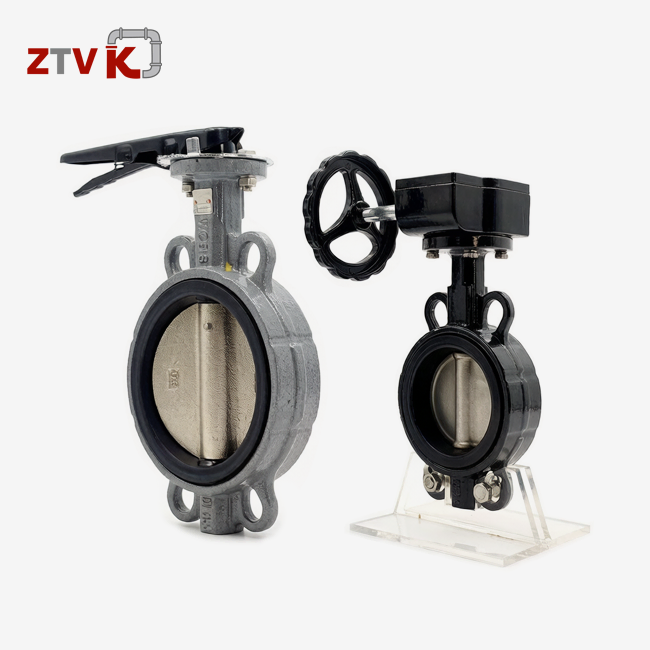
When there is infrastructure for compressed air and fast stroke speeds are needed, pneumatic control is the most common method. Electric actuators can place things more accurately (0.1° vs. 0.5° for pneumatic positioners) and work well in rural areas without air pumps. Manual gears have secure backups, but they need to be used for longer periods of time. A comparison view helps buying teams match up control strategies with automation plans and resources for upkeep.
The disc and body's rust protection and durability are affected by the materials used. Ductile iron bodies (GGG40) with epoxy coats are a cheap and useful choice for general water and air uses. Different types of stainless steel, like SS304 for slightly corrosive settings, SS316 for chloride-rich seawater, and duplex steel for fluids that contain H₂S, are designed to be compatible with different chemicals. ZTVK offers a wide range of materials, including carbon steel, stainless metals, and duplex compositions. These can be used in places with different climates, from Southeast Asia's high humidity to the Middle East's dusty environments.
Practical Applications and Performance: Why Are Pneumatic Control Butterfly Valves Preferred?
For their balance of control accuracy, mechanical simplicity, and cost-effectiveness, pneumatic control butterfly valves are used in a wide range of fields, from heavy petrochemicals to local infrastructure. They are used on filter backwash lines in water treatment plants where fast sequencing keeps the media from getting too tight. They are built into HVAC systems to change the temperature in different zones, and their low pressure drop helps fans use less energy. Chemical companies put them on the feed lines to batch reactors and use fail-closed spring return motors to stop the flow of ingredients when the power goes out.
Integration with Automation Systems
Electro-pneumatic positioners connect pneumatic motors to analog control signals (4–20 mA), which lets you precisely slow down the motor. These gadgets check the real stem angle, which is recorded by a feedback potentiometer, against the desired valve position that comes from a distributed control system. If the situation changes in any way, equivalent air venting or pressurization is used to fix it. This closed-loop control is linear within ±1% of span, making it good for flow loops that need to keep track of their set points.
Limit buttons on the actuator joint let SCADA systems know when the position is open or closed. With solenoid valves, you can turn them on and off from a distance, instead of having to do it by hand in dangerous or hard-to-reach places. Because ISO 5211 connections are modular, these devices can be added without disturbing the pipework. This is a big benefit during building improvements. As production grows, ZTVK designs include reserved actuator connections that make it easy to switch from human to automated control.
Maintenance Strategies and Troubleshooting
Every six months, preventive maintenance plans for a pneumatic control butterfly valve usually call for eye checks to see if there are any air leaks at the breather holes and corrosion in the actuator housing. Under normal conditions, internal lubrication—often grease tanks that are sealed for life—works for one million rounds. High temperatures or acidic air in the room can speed up the seal's breakdown, so it needs to be taken apart and the O-ring replaced every year.
A common problem is an actuator that stops moving because of too many disc filings. Large particles are caught by inline strainers upstream, and accumulations are flushed out every so often during times of low demand. When a valve closes quickly, you can hear it hitting, which is called water hammer. Putting speed control mufflers or quick exhaust valves on actuator ports lets you change the rate at which the valves close. This lowers pressure spikes that damage pipes and shorten the life of the valves. These useful steps cut down on unplanned breaks, keeping production going for EPC workers who are working on tight project schedules.
Procurement and Selection Guide for Pneumatic Control Butterfly Valves
For efficient buying, you need to know what your suppliers can do, what the certification standards are, and what the logistical factors are. Distributors that serve regional markets look for providers that offer stable quality, flexible order amounts, and quick technical support for every pneumatic control butterfly valve sourced.
Lead Times and Inventory Strategies
Standard port sizes, from DN50 to DN600, can usually be shipped from stock within 3 to 7 days, which lets projects with urgent needs get what they need quickly. Non-standard versions that use custom materials or higher pressure levels have 15–25 day lead times before they can be made. When buyers in bulk negotiate annual contracts, they may ask for vendor-managed inventory programs. In these programs, sellers keep consignment stock at wholesaler stores, which frees up capital and makes sure that goods are available right away.
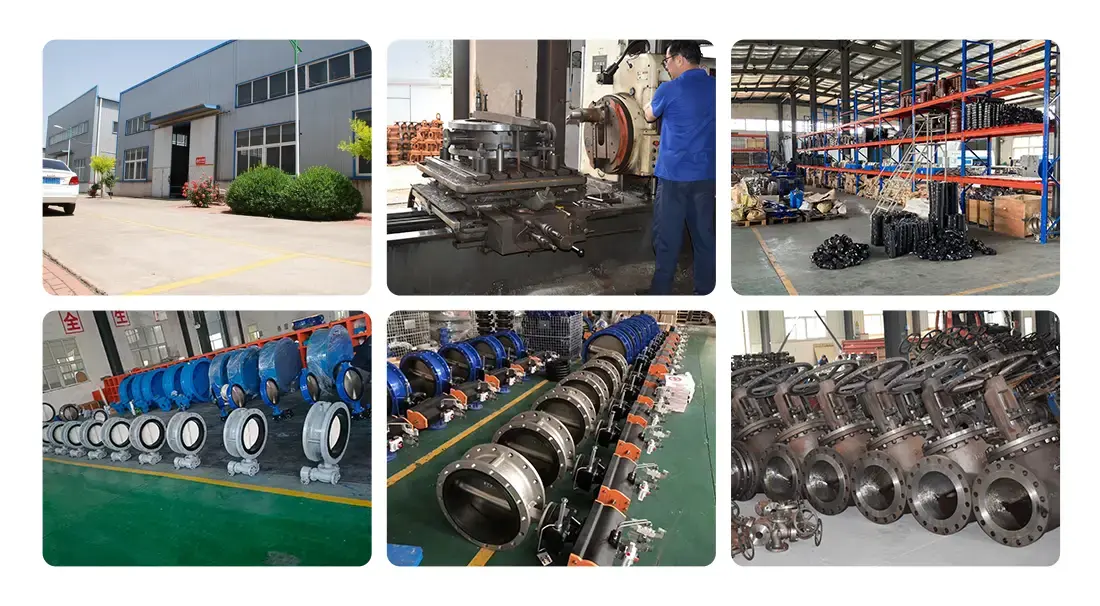
In our Tianjin plant, ZTVK takes care of more than 2,000 standard butterfly valves with wafer, lug, and flanged fittings ranging from DN32 to DN2400. We are only 50 kilometers from Tianjin Xingang Port, which makes it easy to book fast ocean freight with big companies like COSCO and Maersk. We offer both FOB Tianjin Xingang and CIF target port terms, which makes it easier for buyers from other countries to coordinate their operations.
Certification Standards and Quality Assurance
Following well-known rules makes sure that the product is honest and that the government will accept it. Specifications like API, ASME, DIN, ANSI, and ISO control things like sizes, materials, and how to test them. Shipments need to have certification papers like mill test results, pressure test records, and material traceability in order to get through customs and meet project quality goals. Inspections by outside groups like Bureau Veritas or TUV make sure that manufacturing processes are safe, especially for orders going to controlled industries like oil and gas.
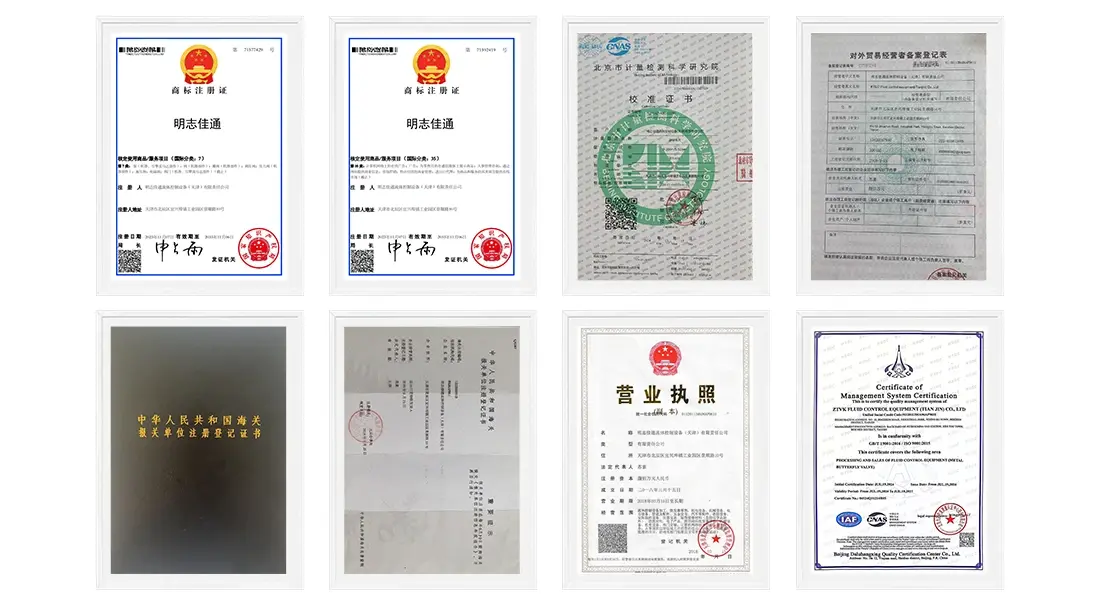
Our ISO 9001, ISO 14001, and OHSAS 18001 certifications show that we take care of quality control, the environment, and worker safety in a planned way. Hydrostatic tests on the shell according to EN 12266-1 confirm that the body is strong, and pneumatic seat tests show that leaking rates are below certain limits. Positive Material Identification (PMI) checks the make-up of alloys so that fake materials don't get into important uses. ZTVK's thorough quality control, which includes analyzing raw materials and checking finished dimensions, helps make audits clear, which is a very important thing for EPC companies and municipal contractors.
Customization Options and OEM Services
OEM partnerships that provide engraved nameplates, custom packing, and personalized paperwork are good for distributors who brand valves with their own labels. ODM arrangements include redesigning body shapes, offering different connection types (such as jaw-style quick clamps and U-type flanges), and providing custom finishes. A valve supplier that works with saltwater desalination plants that use corrosive water might ask for duplex stainless steel discs with marine-grade nickel-aluminum-bronze stems. They might also put them in branded retail packages so that the end user can easily recognize them.
When a customer gives ZTVK CAD models and performance specs, they can make valves, including pneumatic control butterfly valve solutions, that are very closely tailored to their needs. Our machining centers can handle complicated shapes, and our foundry partnerships can find rare metals that can handle heavy use. Pre-sales engineering offers free help with choosing, 3D models, and torque estimates, which speeds up the acceptance of specifications. This adaptability is liked by equipment OEMs that put valves in pumps, compressors, and process skids, where it's important that the dimensions match and the performance can be predicted.
Conclusion
In the energy, chemical processing, water treatment, and HVAC industries, pneumatic control butterfly valves offer a great mix of cost-effectiveness, ease of installation, and high operating efficiency. The strict needs of current industrial robotics are met by their quarter-turn operation, small size, and fail-safe features. When choosing the right valve, you need to make sure that the closing technology, material composition, and activation mode are all compatible with the process conditions. You should also think about how much the valve will cost to maintain over its lifetime. As infrastructure projects around the world get bigger and more people use automation, knowing these traits helps dealers, contractors, and OEM clients choose parts that make systems more reliable and projects more profitable.
FAQ
1. What is the fail-safe function in a pneumatic butterfly valve?
When something goes wrong, the fail-safe function means that the single-acting actuator has mechanical return springs built in. When the air supply or power goes out, these springs move the valve to a safe position that has already been set. The valve will then stay in this position, which is either fully open (fail-open) or fully closed (fail-closed), keeping downstream equipment and processes safe. This trait is very important for fire safety systems in cities, chemical feed lines, and cooling water circuits.
2. Can pneumatic butterfly valves be used for throttling applications?
When used with electro-pneumatic positioners, which turn control signals into exact disc positions, pneumatic butterfly valves can change the flow. Between 30° and 70° open is usually where slowing works best. Below 30°, there is a greater chance of turbulence and cavitation. Above 70°, there aren't many changes in the flow. Positioning accuracy is within ±1% of span when positioners with feedback systems are installed. This is good for many process control loops.
3. How do I prevent water hammer during valve closure?
Water hammer happens when the flow stops quickly, causing pressure spikes. Putting speed control mufflers or quick exhaust valves on actuator ports lets you change the speed at which the actuator closes, which slowly releases kinetic energy. You can also slow down stroke rates by choosing motors with built-in cushioning cams or bigger-bore hydraulic tubes. Slamming can also be avoided by making sure that the actuator force is the right size for the valve's needs and not too powerful.
Partner with ZTVK for Reliable Pneumatic Butterfly Valve Supply
ZTVK is a reliable company that makes pneumatic control butterfly valves for distributors, builders, and industry clients all over the world. We are a manufacturing company in Tianjin's Beichen District that has been around for more than 15 years. We offer advanced machining and strict quality systems that are approved to ISO 9001, ISO 14001, and OHSAS 18001 standards. Our product line includes ports from DN32 to DN2400, pressure rates from PN6 to Class 150, and temperature ranges from -29°C to +120°C. It has ductile iron bodies, different elastomer seats, and stainless steel internals that meet API, DIN, ASME, ANSI, and AWWA standards. We keep over 2,000 standard units in stock so that we can send them quickly (3–7 days), and we offer full OEM/ODM customization, including branded packing and engineering changes. Get in touch with our team at ktec86961886@163.com to talk about your purchasing needs, get help with technical selection, and get access to cheap bulk prices backed by our 18-month insurance and global shipping experience from Tianjin Port.
References
1. American Petroleum Institute. API Standard 609: Butterfly Valves – Double Flanged, Lug- and Wafer-Type. Washington, D.C.: API Publishing Services, 2020.
2. International Organization for Standardization. ISO 5211: Industrial Valves – Part-Turn Actuator Attachments. Geneva: ISO Central Secretariat, 2018.
3. American Water Works Association. AWWA C504: Standard for Rubber-Seated Butterfly Valves. Denver: AWWA Publications, 2021.
4. European Committee for Standardization. EN 12266-1: Industrial Valves – Testing of Metallic Valves – Part 1: Pressure Tests, Test Procedures and Acceptance Criteria. Brussels: CEN-CENELEC Management Centre, 2019.
5. Smith, P. R., and Zappe, R. W. Valve Selection Handbook: Engineering Fundamentals for Selecting the Right Valve Design for Every Industrial Flow Application. 5th ed. Oxford: Gulf Professional Publishing, 2018.
6. Hutchison, J. W. ISA Handbook of Control Valves: Practical Guides for Measurement and Control. 2nd ed. Research Triangle Park: International Society of Automation, 2017.
Send us your valve requirements and our team will provide professional solutions and fast quotations.
RELATED INDUSTRY KNOWLEDGE