- English
- French
- German
- Portuguese
- Spanish
- Russian
- Japanese
- Korean
- Arabic
- Greek
- German
- Turkish
- Italian
- Danish
- Romanian
- Indonesian
- Czech
- Afrikaans
- Swedish
- Polish
- Basque
- Catalan
- Esperanto
- Hindi
- Lao
- Albanian
- Amharic
- Armenian
- Azerbaijani
- Belarusian
- Bengali
- Bosnian
- Bulgarian
- Cebuano
- Chichewa
- Corsican
- Croatian
- Dutch
- Estonian
- Filipino
- Finnish
- Frisian
- Galician
- Georgian
- Gujarati
- Haitian
- Hausa
- Hawaiian
- Hebrew
- Hmong
- Hungarian
- Icelandic
- Igbo
- Javanese
- Kannada
- Kazakh
- Khmer
- Kurdish
- Kyrgyz
- Latin
- Latvian
- Lithuanian
- Luxembou..
- Macedonian
- Malagasy
- Malay
- Malayalam
- Maltese
- Maori
- Marathi
- Mongolian
- Burmese
- Nepali
- Norwegian
- Pashto
- Persian
- Punjabi
- Serbian
- Sesotho
- Sinhala
- Slovak
- Slovenian
- Somali
- Samoan
- Scots Gaelic
- Shona
- Sindhi
- Sundanese
- Swahili
- Tajik
- Tamil
- Telugu
- Thai
- Ukrainian
- Urdu
- Uzbek
- Vietnamese
- Welsh
- Xhosa
- Yiddish
- Yoruba
- Zulu
Under what circumstances should carbon steel butterfly valves be chosen
Choosing the right valve material has a direct effect on operating safety, maintenance costs, and project timelines when you are in charge of buying industrial valves or creating fluid control systems. Carbon steel butterfly valves are the best choice when you need strong mechanical strength at low temperatures, when you need to handle non-highly corrosive media like water or oil, and when you need to save money without sacrificing reliability. These valves work great in petrochemical pipes, HVAC installations, and city water systems with pressures between PN10 and PN16 (or 150 to 300 LB) and temperatures between -15°C and 135°C. Because they are strong against hydraulic shock and thermal cycling, dealers who need stable goods and builders who have to finish projects quickly can't do without them.
Understanding Carbon Steel Butterfly Valves: Key Features and Applications
What Makes Carbon Steel Butterfly Valves Stand Out
These carbon steel butterfly valves have a quarter-turn rotary system, which means that a disc turns perpendicular to the flow line to control the flow of fluid. The material has a tensile strength of more than 485 MPa and is made from ASTM A216 WCB or cast ASTM A105 grades. Because of this mechanical benefit, it doesn't crack when hydraulic pressure rises, which can happen with cast iron options. Many newer versions have a three-dimensional eccentric design that makes sure the disc only touches the seat when it closes all the way. This keeps the disc from wearing out and increases the service life to over 50,000 rounds.
Industrial Sectors Relying on These Valves
These parts are used in trunk distribution networks by municipal water treatment plants to keep pressure from rising. Consistent flow control keeps this from happening. Contractors in the HVAC industry use them in heating and cold water loops because they are small and easy to automate. In hydrocarbon processing units, petrochemical companies use fire-safe carbon steel butterfly valve types because the material's flexibility can handle thermal growth better than rigid plastics. Plants that make electricity use them in systems that return vapor because they can handle steam at high temperatures without deforming.
Typical Specifications Matching Real-World Needs
Different pipeline sizes can be accommodated by carbon steel butterfly valve sizes ranging from DN50 to DN1200, whether you're setting up a small business or a big industrial complex. PN10/16 nominal pressures and 150-300LB ratings are the same as the normal pipe classes used on building projects around the world. The temperature range from -15°C to 135°C is wide enough for most uses that don't involve extreme cold or heat. Media that can be used are chemicals, air, water, steam, oil, acids, and salts. However, in some corrosive situations, protective coats or better closing materials may be needed.
Comparing Carbon Steel Butterfly Valves with Other Materials
Carbon Steel Versus Cast Iron
Because they are cheap, cast-iron valves are most often used in low-pressure situations. However, their brittleness makes them dangerous in systems that have water hammer or ground movement. Carbon steel butterfly valve's flexibility lets it absorb impact energy, which keeps pipes from breaking in terrible ways when pressure changes quickly. Even though the original costs are about 20–30% higher, the longer replacement intervals and less downtime make the investment worth it in most commercial settings. Distributors who work with markets that have strict safety rules say that carbon steel's better mechanical qualities make it easier to meet those rules.
Carbon Steel Versus Stainless Steel
304 and 316 types of stainless steel are the best at resisting corrosion in places that are very acidic or high in chlorides, like seaside desalination plants or food processing. But they usually cost two to three times more than carbon steel butterfly valve versions. Carbon steel fills in the gaps when working with slightly corrosive materials or when safety linings are enough to keep things safe. When engineering teams look at lifetime economics, they usually choose carbon steel for underground pipes or indoor installations where corrosion from the air is less of a problem. Stainless steel is then used for parts that will be seen or that will be in harsh conditions.
Carbon Steel Versus Plastic Composites
Because they are naturally resistant to acids and bases, plastic butterfly valves are useful for some chemical handling situations. But because of their pressure and temperature limits, they can only be used in low-energy devices. When pressures hit 300LB class and temperatures get close to the steam threshold, the carbon steel butterfly valve keeps its shape. In these conditions, plastics would soften or break. Industrial equipment makers who put valves in machines that need to be activated many times prefer carbon steel's wear strength to plastics, which can creep bend.
Key Decision Criteria for Choosing Carbon Steel Butterfly Valves
Pressure and Temperature Operating Windows
A carbon steel butterfly valve is stable at high temperatures, which makes it useful for systems that move steam, hot water, or compressed air. The material keeps its yield strength from -15°C to 135°C, which stops seat leaking that happens with softer materials when temperatures change. Pressure levels that meet ASME Class 150 and 300 standards can be used for both 10–16 bar city water networks and high-pressure industrial process lines. Because of this, there is no need for different types of valves in systems that are linked to each other.
Corrosion Resistance and Protective Enhancements
Mild steel naturally forms a rust layer that protects it in neutral pH water, which makes it last long enough for use in drinkable water systems. A change that Southeast Asian builders often ask for is epoxy resin coats that make things much more resistant to damage in damp places or brackish water. For moving oil and gas, a carbon steel butterfly valve doesn't grow like some elastomers do because it is compatible with petroleum media. When working with weak acids or salts, linings like PTFE or rubber protect against chemicals while keeping the structural benefits of the steel body.
Economic Lifecycle Considerations
The disc-to-seat contact wears less quickly with a carbon steel butterfly valve, so maintenance times are longer. This is especially true for triple-offset designs. Replacement parts are still easy to get through global supply lines, so you don't have to wait for weeks to get them when you need them, made of exotic metals. When distributors buy in bulk standard sizes (DN50 to DN600) from makers with big stockpiles, they can meet customer shipping windows of 3 to 7 days. Total cost of ownership profiles that are appealing to project managers on a budget include long-lasting building, easy maintenance, and low unit prices.
Actuator Integration and Automation Readiness
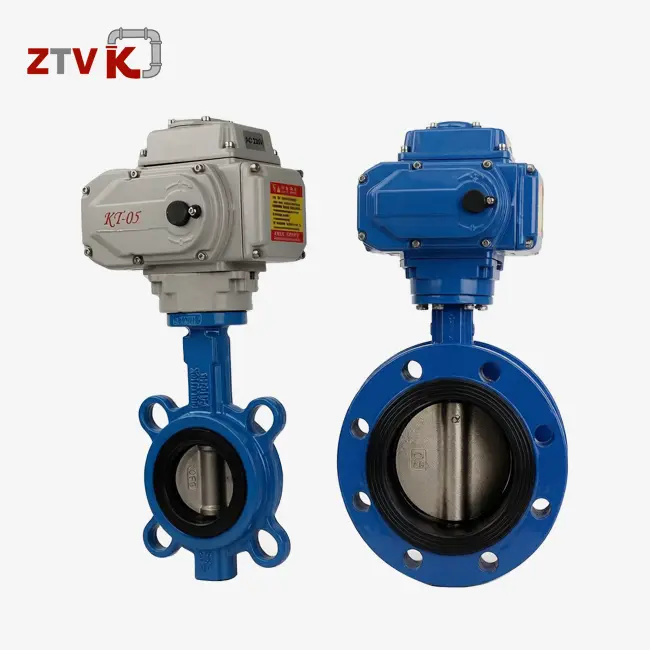
Today's carbon steel butterfly valve units have mounting holes that work with electric, gas, and hydraulic motors. This adaptability allows facilities that are switching from manual operation to remote control systems to make automated improvements in stages. Valve bodies made with strengthened brackets keep stress from building up during actuator cycles, so the alignment stays accurate over thousands of operations. System designers like that they can choose carbon steel valves early on in the design process, knowing that when automation grows, they won't have to change all of the valves.
Procurement Insights: Buying Carbon Steel Butterfly Valves in the Global B2B Market
Identifying Qualified Manufacturers and Certification Standards
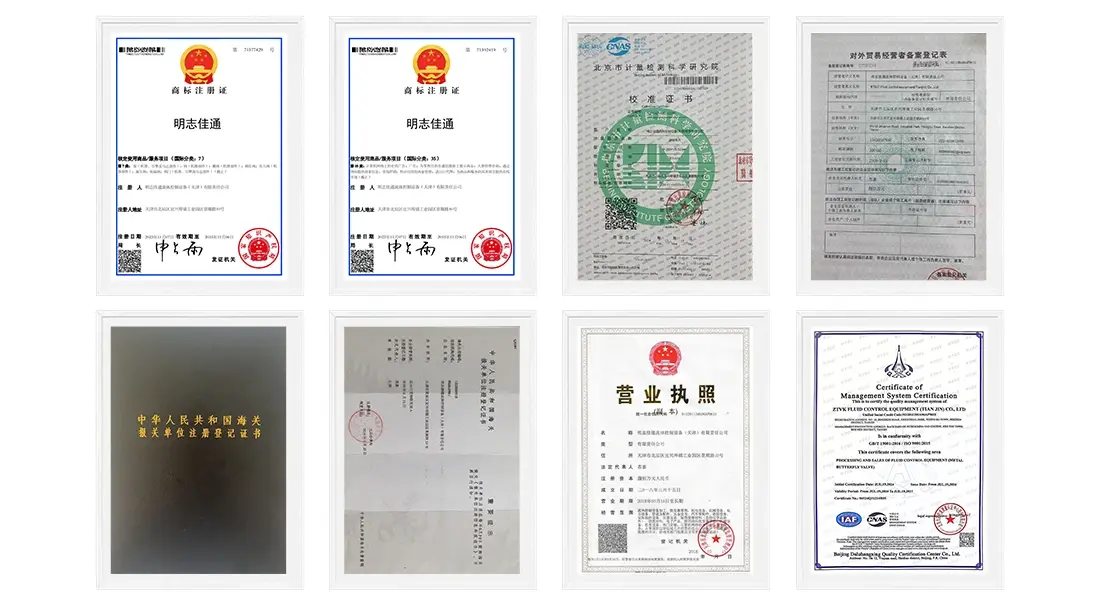
Reliable sellers have ISO9001 quality certifications and follow API 609 or ASME B16.34 design standards, which makes sure that each batch of carbon steel butterfly valve products is the same. Reviewing mill test results, which confirm the material's makeup, and pressure testing records helps prevent replacements that don't meet standards. Valve bodies should have clear sign marks that show the size, pressure class, and material grade. This makes it easier to find parts when they are being installed or serviced. Third-party inspection services can check how a plant works, which is especially helpful when finding a new provider for a big job.
Navigating Lead Times and Inventory Strategies
Standard configurations from DN50 to DN600 usually ship within a week from makers who keep stock on hand. This is very important for workers who might have carbon steel butterfly valve problems during the job. For non-standard sizes like DN800 or DN1200 or special trim materials, production processes may last between 15 and 25 days. Distributors who serve a wide range of markets often store common-sized items in regional warehouses ahead of time, weighing the costs of doing so against the advantage of being able to get the goods right away. Even though they cost 20% more, rush production services keep projects from being late when planning for buying falls short.
Evaluating OEM and Customization Capabilities
Manufacturers of industrial equipment often need valves with unique flange patterns or closing configurations. When a supplier offers ODM services, they can change the shapes of the discs, the materials used for the seats, or the way the actuators connect to match other parts of the system. Distributors can add their own names and packaging to carbon steel butterfly valve products through branding programs. This helps build brand recognition in target markets without having to spend a lot of money on manufacturing infrastructure. Detailed engineering sketches and 3D CAD models make integration reviews easier, which means there are fewer mistakes when the system is installed in the field.
After-Sales Support and Long-Term Partnership Value
18-month guarantees cover manufacturing flaws, but the terms should make it clear what is and isn't covered when it comes to installation mistakes or wrong media usage. Getting replacement seals, bearings, and stem packing from the original maker makes planning upkeep easier and makes sure that all the parts work together. Videos that show you how to install something and debugging guides are examples of technical support tools that can help you avoid expensive field service calls. Building ties with makers that have local service partners in the areas where you do business speeds up response times when urgent repairs can't wait for foreign shipping.
Real-World Case Studies: Successful Use of Carbon Steel Butterfly Valves
High-Pressure Municipal Water Distribution Network
A large water authority in the Midwest was having trouble with cast-iron valves breaking all the time in 14-bar trunk mains. Rapid pump shutdowns caused hydraulic transients that broke bones easily, which required emergency fixes and service interruptions. Over a three-year tracking period, cracks stopped happening when carbon steel butterfly valves with resilient-seated designs were installed. The flexible material could handle sudden changes in pressure without permanently changing shape, and the streamlined disc shape reduced head loss compared to gate valves that came before it. The maintenance teams liked the quarter-turn process because it cut down on work hours by 40% compared to multi-turn options.
Chemical Processing Plant with Mildly Corrosive Media
A factory that makes fertilizer needs valves to handle ammonia solutions with amounts below 10% and temperatures close to 80°C. Options made of stainless steel were too expensive, and during pilot tests, exposed carbon steel butterfly valve bodies showed surface pitting. The answer was to use carbon steel bodies with PTFE seat inserts and wet areas that were treated with epoxy. This combined method provided 99.8% sealing effectiveness over 8,000 operational rounds spanning two years, with coating checks showing little wear and tear. The cost of procurement stayed 55% lower than stainless steel alternatives, showing that the choice of material is appropriate for fairly aggressive settings when set up correctly.
HVAC System in High-Rise Business Building
An HVAC company that was in charge of a 40-story office building needed 120 valves in sizes ranging from DN65 to DN300 for both the chilled water and heating loops. To meet delivery deadlines, shipments had to be spread out over eight months and timed to match building stages. Working with a supplier that kept more than 2,000 units in regional stock made it possible for just-in-time supplies to meet the plans for finishing the floor. Standardized carbon steel butterfly valve specifications made it easier for facility managers to plan their spare parts inventory, and actuator-ready bodies helped with the integration of the building automation system. Five years after the building was moved into, valve performance data show that there were no leaks and the valves changed smoothly across the 10–90% flow range.
Conclusion
When your practical needs match their technical strengths and cost-effective benefits, choosing carbon steel butterfly valves is a good idea. This material works best in situations with mild temperatures, media that don't corrode too much, and pressures up to 300 LB. Distributors who are watching their inventory investments and builders who are sticking to project budgets, like the mix between initial costs and long-term sturdiness. When engineering and purchasing teams know how to compare materials, make decisions, and buy things, they can definitely define what they need. Validation in water systems, chemical plants, and HVAC setups in the real world shows that it works reliably. The most important part of designing a good fluid control system is still making sure that the valves can do what they're supposed to do.
FAQ
Q1: Can carbon steel butterfly valves handle acidic environments?
When the pH level stays above 5, slightly acidic conditions are fine for carbon steel butterfly valve units, and protective coats or linings keep it safe. When acids or chemicals that oxidize quickly are present, they need to be made of stainless steel or a rare metal. Talking to suppliers about specific media compatibility and coating choices will help you choose the right materials for your science.
Q2: How do the upkeep needs of carbon steel and stainless steel valves compare?
Both materials need to have their seals and actuators oiled and inspected on a regular basis, but the carbon steel butterfly valve needs more care because it can rust when it is exposed to damp or salty air. Protective paint systems or setups inside keep upkeep differences to a minimum. Stainless steel doesn't rust, so it doesn't need as much maintenance on the outside. However, it costs a lot more at first, so carbon steel is better in places where outdoor exposure is limited.
Q3: What factors influence lead times when ordering these valves?
Standard sizes in stock can be shipped within days, but custom versions take 15–25 days to make, based on how complicated they are. Total wait time is affected by the number of orders, the current production plan, and the distance of the shipping. Getting in touch with suppliers early and providing standard sizes whenever possible can speed up the procurement process for projects that need to be done quickly.
Get Your Reliable Carbon Steel Butterfly Valve Solution from ZTVK
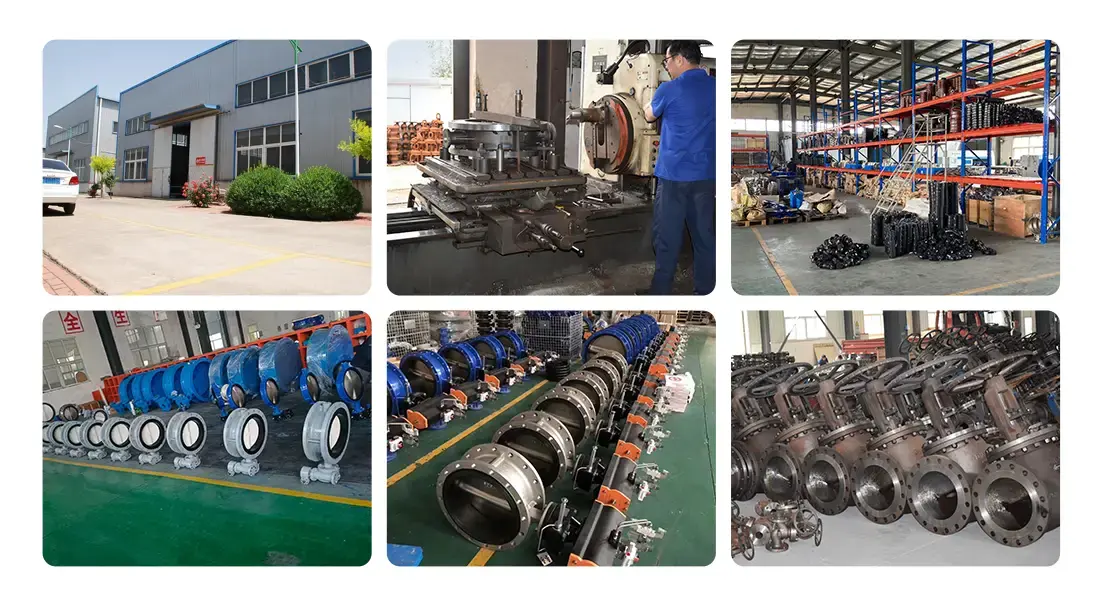
How well your projects go depends on how well you choose the industrial valve provider. If you don't, you could face costly delays and quality problems. ZTVK is a carbon steel butterfly valve maker in Tianjin that has ISO9001, ISO14001, and OHSAS18001 certifications. They make carbon steel butterfly valves from DN50 to DN1200 that meet foreign standards like DIN, ANSI, and API. Our inventory of more than 2,000 units in standard sizes means that pressing needs can be met in 3–7 days, and OEM/ODM skills allow for unique designs with a 15–25-day turnaround. We are conveniently located only 50 km from Tianjin Port and can easily handle both FOB and CIF exports thanks to our partnerships with major companies. Our double eccentric design cuts down on working torque by 30% and increases service life to over 50,000 cycles, directly answering distributors' worries about the reliability of the product. You can email our technical team at ktec86961886@163.com to talk about your specific application needs, ask for CAD drawings, or get low bulk prices from a carbon steel butterfly valve manufacturer you can trust to be prompt and committed to quality.
References
1. American Petroleum Institute. (2018). API Standard 609: Butterfly Valves: Double-Flanged, Lug- and Wafer-Type. API Publishing Services, Washington, DC.
2. ASME International. (2021). ASME B16.34: Valves - Flanged, Threaded, and Welding End. American Society of Mechanical Engineers, New York, NY.
3. Smith, J.R. & Thompson, L.M. (2019). Industrial Valve Selection and Specification Guide for Process Applications. McGraw-Hill Professional, New York.
4. National Association of Corrosion Engineers. (2020). NACE MR0175/ISO 15156: Petroleum and Natural Gas Industries - Materials for Use in H2S-Containing Environments. NACE International, Houston, TX.
5. Chen, W. & Rodriguez, M. (2022). "Comparative Analysis of Valve Body Materials in Municipal Water Distribution Systems." Journal of Infrastructure Engineering, 48(3), 215-234.
6. International Organization for Standardization. (2017). ISO 5752: Metal Valves for Use in Flanged Pipe Systems - Face-to-Face and Centre-to-Face Dimensions. ISO Central Secretariat, Geneva, Switzerland.
Send us your valve requirements and our team will provide professional solutions and fast quotations.
RELATED INDUSTRY KNOWLEDGE