- English
- French
- German
- Portuguese
- Spanish
- Russian
- Japanese
- Korean
- Arabic
- Greek
- German
- Turkish
- Italian
- Danish
- Romanian
- Indonesian
- Czech
- Afrikaans
- Swedish
- Polish
- Basque
- Catalan
- Esperanto
- Hindi
- Lao
- Albanian
- Amharic
- Armenian
- Azerbaijani
- Belarusian
- Bengali
- Bosnian
- Bulgarian
- Cebuano
- Chichewa
- Corsican
- Croatian
- Dutch
- Estonian
- Filipino
- Finnish
- Frisian
- Galician
- Georgian
- Gujarati
- Haitian
- Hausa
- Hawaiian
- Hebrew
- Hmong
- Hungarian
- Icelandic
- Igbo
- Javanese
- Kannada
- Kazakh
- Khmer
- Kurdish
- Kyrgyz
- Latin
- Latvian
- Lithuanian
- Luxembou..
- Macedonian
- Malagasy
- Malay
- Malayalam
- Maltese
- Maori
- Marathi
- Mongolian
- Burmese
- Nepali
- Norwegian
- Pashto
- Persian
- Punjabi
- Serbian
- Sesotho
- Sinhala
- Slovak
- Slovenian
- Somali
- Samoan
- Scots Gaelic
- Shona
- Sindhi
- Sundanese
- Swahili
- Tajik
- Tamil
- Telugu
- Thai
- Ukrainian
- Urdu
- Uzbek
- Vietnamese
- Welsh
- Xhosa
- Yiddish
- Yoruba
- Zulu
What Is a 2 Inch Brass Curb Stop Valve Used for in Water Systems?
A 2 inch brass curb stop valve is a high-capacity underground isolation valve that is put on water service lines to control the flow of water between a city main and big homes, businesses, or schools. This valve is designed to handle flow rates of more than 100 to 160 GPM. It lets utility workers turn off the water supply from the curb box or path without going inside the building. Its strong brass construction makes it last in hard soil conditions, stopping valve seizure and galvanic corrosion that happen with less durable materials. This part specifically solves important infrastructure problems by keeping the seal's integrity under changing pressures and after being buried for decades in acid soils.
Understanding the 2 Inch Brass Curb Stop Valve
In water systems, curb stop valves do a lot more than just turn water on and off. These devices are the last line of defense before water gets into a building's pipes, so both utility companies and property managers put a lot of stock in how reliable they are.
What Defines a Curb Stop Valve
Curb stop valves are different from regular shut-off valves because they are made to be installed underground. Curb stops are different from indoor gate valves or ball valves that can be opened directly by hand. To open them, you have to put a long-reach key through a curb box from the street. The valve body is hidden a few feet below the ground, out of the way of normal traffic, but still easy to get to in case of an emergency. This placement chooses material very important—brass alloys are strong enough to withstand earth pressure and prevent corrosion better than cast iron or bronze options.
Material Composition and Standards Compliance
Modern curb stop valves use lead-free brass like UNS C89833 or C87850. They are NSF/ANSI 61 and 372 certified and Safe Drinking Water Act compliant. These metals have low weighted average lead content (less than 0.25%) and good dezincification resistance. The technical criteria match AWWA C800 subterranean service line valve recommendations. This allows all local water systems to use the valves. Most working pressures are at least 300 PSIG, and burst tests are done at 600 PSI to ensure hydraulic surge safety.
Two-Piece Construction Advantages
Two pieces separate the valve body and bonnet assembly. This simplifies maintenance and allows field repairs without replacing the whole device. Because industrial water demand varies throughout the day, this setup's complete port design doesn't limit flow, which helps maintain pressure. The PTFE-coated ball mechanism reduces operating force, so it performs smoothly after years of storage. Double O-ring stem seals prevent groundwater seepage and interior leaks, a major issue with single-seal systems.
Benefits and Advantages of 2 Inch Brass Curb Stop Valves
The total cost of ownership over a 30–50-year working life is directly affected by the choice of valve material and building type. 2 inch brass curb stop valves always work better than other options in tough underground conditions where repair costs are much higher than the original purchase price.
Superior Durability in Harsh Conditions
Brass is very resistant to soil-induced rust, which breaks down less durable materials very quickly. In coastal areas where salty soil speeds up oxidation or in industrial areas with acidic waste, brass metals keep their structure when plastic breaks, and cast iron develops pitting corrosion. The crystal structure of lead-free brass stops dezincification, a type of selective rust that leaves behind spongy copper that is easily broken. This means that it will work reliably in temperatures ranging from -29°C to 120°C. It can handle freeze-thaw cycles without cracking and keep its seal during summer heat expansion.
Low Maintenance and Operational Reliability
The ease of their design and the fact that they are made of a stable material make 2 inch brass curb stop valves very useful. Compression valves need to be adjusted every so often because the seals wear down, but the ball-type system remains able to shut off throughout its service life. In normal situations, maintenance times are 10–15 years, while for bronze gate valves in the same situations, they are 3–5 years. When it's time for repair, the manual drive method takes away the worry of a motor breaking down or a control signal going out. Property managers like how reliable the performance is—there aren't any sudden failures during busy times that cause emergency calls and renter complaints.
Cost-Benefit Analysis Over Service Life
Brass valves are 20–30% more expensive to buy at first than plastic ones, but the total costs of ownership are lower. When you add up the cost of new parts, system downtime, and water damage that could happen from broken valves, brass is the most cost-effective choice for business use. If put correctly, a brass curb stop can last for more than 50 years without needing to be replaced. On the other hand, plastic valves usually need to be replaced every 15 to 20 years. The economic benefit is clear when you multiply the cost of installation by three repair rounds. This includes the cost of digging, controlling traffic, and shutting down the system. When purchasing managers look at large orders, they should think about these lifecycle issues when choosing a provider and making a budget.
How to Choose the Right 2 Inch Brass Curb Stop Valve for Your Project?
When choosing a valve, you have to weigh technical specs against project-specific factors like the chemistry of the soil, the pressure levels, the fitting methods, and the ability to do long-term upkeep. When buying, teams know about these factors, they can choose parts that work reliably without being over-engineered.
Critical Selection Criteria
The main thing to think about is the makeup of the material, especially when it comes to lead-free compliance for drinking water systems. Instead of believing vague promises that something is "lead-free," make sure that the supplier's paperwork clearly states that it is NSF/ANSI 61 & 372 certified. Whether you use a compression or threaded valve depends on the equipment you already have and the rules set by your local water company. When installing, compression valves give you more freedom and can handle small misalignments. Threaded connections, on the other hand, have higher burst strength values for high-pressure uses. The ability to change the fitting size from 4 inches to 2 inches makes it possible to use it with different types of service lines without having to make a lot of changes to the pipes.
Brand Reputation and Vendor Evaluation
Well-known companies like Mueller, Ford, Apollo, Sheffield, and A.Y. McDonald's have a strong place in the market thanks to their steady quality and full warranty support. Mueller's brass curb stops are the most popular choice for cities because they work well in the field, and new parts are easy to find. Ford valves maintain high-quality standards while offering low prices for big purchases. When looking at different suppliers, it's important to pay close attention to the guarantee terms. Top makers usually offer 18–24 months of support against defects, while cheap vendors may only offer 90 days. Metrics for measuring customer happiness and certificates from third-party testing provide more proof than marketing claims.
Environmental Compatibility Assessment
Material choices for long-term installs should be based on a soil chemistry study. Standard brass metals, such as those used in a 2 inch brass curb stop valve, can be used in neutral pH settings, but acidic soils (pH below 6.0) may need better coatings that prevent corrosion. The useful temperature range is from -29°C to 120°C, which covers most of North America. However, sites in the very north may need more protection. Think about the conditions of the groundwater. High water tables put more hydrostatic pressure on external covers and speed up corrosion in areas that aren't covered. The working medium standard for non-corrosive gases and liquids doesn't cover all potable water systems, but it does cover some industrial ones.
Installation and Maintenance Guide for 2 Inch Brass Curb Stop Valves
Whether a quality valve lasts as long as it's supposed to or breaks early because of fitting stress depends on how it was installed. These rules are based on best practices that have been formed over many years of experience in the field.
Installation Process and Tool Requirements
To start, dig to the required depth, which is usually 3 to 5 feet below grade based on the frost line standards in your area. Clean the ends of the pipes well and look for damage that could affect the seal's durability. For the switch-type control method to work, the working stem needs to be placed so that it is perpendicular to the service line. This makes it easy to get to the key through the curb box. With compression fittings, slide the compression nut and ferrule onto the pipe before sliding it into the valve body. Then, slowly tighten the fittings in quarter-turn steps to make sure the seal is compressed evenly. For threaded connections, use the right thread sealer. Instead of petroleum-based products that damage rubber seals, use PTFE tape or pipe dope that is rated for drinking water. Before backfilling, make sure the working key can reach from street level to the valve stem. If it can't, raise or lower the curb box as required.
Routine Maintenance and Troubleshooting
As part of the valve's annual check, it should be run through a full open-close cycle to keep the stem from seizing up from mineral deposits. If you hear odd resistance or grinding sounds, it means that rust or debris is building up inside. Tightening the packing gland nut a quarter turn usually fixes leaks at the stem packing. Be careful not to over-tighten, as this hurts the packing material and raises the working torque. If there is corrosion on the outside, the coating should be checked and maybe re-coated with epoxy-based protection materials. Calcium buildup can sometimes cause valve seizure, which can be fixed by partly cycling the valve several times and applying penetrating oil. However, in serious cases, the valve needs to be replaced to avoid a catastrophic failure in an emergency.
Maximizing Service Life
Strategic planning for replacements makes infrastructure budgets last longer by giving priority to valves that are showing early signs of wear and tear. Keep thorough installation records that include the date, manufacturer, soil conditions, and history of care to find trends that can help you predict failure. Because of vibration stress, valves in loading areas with a lot of foot traffic may need to be replaced more often than valves in planted sections. To keep excavation costs as low as possible, schedule repair jobs with street rebuilding or utility relocations. Build ties with dependable providers who keep extra parts on hand in case of emergencies. If you have to wait weeks for a valve to be delivered during a water main break, the damage and inconvenience to your customers will be even worse.
Procurement Insights: Where to Buy and How to Get the Best Deals
When looking for industrial valves, strategic buying is more than just comparing unit prices. It also looks at how reliable the provider is, how well they can help with technical issues, and how strong the supply chain is. B2B buying teams can do their jobs better if they understand how markets work and how to evaluate vendors.
Identifying Reliable Wholesale Suppliers
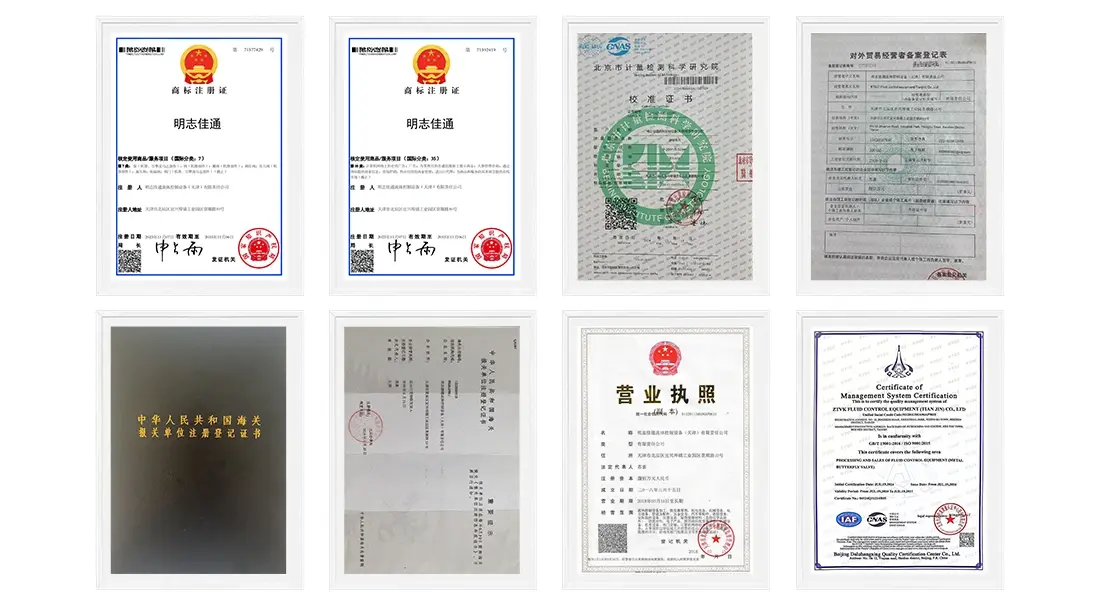
Authorized wholesalers for major names offer guarantees that the products are real and help for maker warranties that can't be found from gray-market sources. Wholesalers in the area that specialize in parts for city infrastructure usually keep a lot of stock on hand, so they can respond quickly to pressing projects. For buyers who buy a lot, having a direct relationship with the maker can be helpful because they can customize the branding, offer longer payment terms, and give buyers priority when supplies are low. Check how the seller controls quality. Reliable suppliers do 100% hydrostatic testing and give mill test results that show what the alloy is made of. Verification of ISO 9001 approval shows a dedication to regular ways of making things.
Pricing Strategies and Volume Negotiations
2 inch brass curb stop valves cost between $85 and $150 each on the market right now, based on the name, the specifications, and the number of units ordered. Volume discounts usually start at orders of 50 units, and savings keep going up until they hit 15-20% for orders over 500 units. Talk about payment terms that work with the project's cash flow. Net terms of 30 to 60 days are common, but big contracts may get you 90-day terms or payments based on milestones. Fast shipping costs 20 to 30 percent more than regular shipping, but it may be worth it if the job is delayed. Container-load orders from companies like ZTVK get better shipping rates and lower costs per unit because of economies of scale.
Custom Orders and OEM Solutions
For complicated jobs, valve specs that go beyond what's in a catalog are often needed. OEM production support lets you make your own end connections, change the pressure grades, or add special coatings for tough conditions. The engineering team at ZTVK works with the buying managers to come up with solutions that meet all the requirements of the project and are in line with all the relevant standards. Custom valve making can take anywhere from 15 to 25 days, but if you need it quickly, you can choose fast production, which cuts the time down to 7 to 10 days. ZTVK's Tianjin facilities are close to major shipping ports, which makes international operations easier. The trip from plant to port only takes an hour, which makes it easy to schedule ocean freight.
Conclusion
The 2 inch brass curb stop valve is an important part of water infrastructure in businesses and institutions because it balances strong performance with long-term economic concerns. Its high resistance to corrosion, reliable mechanical design, and low upkeep needs make the original investment worth it over many years of reliable service. Instead of just looking at unit price, procurement workers should look at suppliers' quality certifications, expert help skills, and how reliable their supply chains are. Correct construction methods and planned upkeep extend the life of assets while lowering the costs of replacing them in an emergency. Water systems are under more stress than ever because of old infrastructure and changing demand trends. Choosing tried-and-true parts from reputable makers helps keep operations running smoothly and keeps budgets stable.
FAQ
Q1: What distinguishes solid brass from brass-plated curb stop valves?
Solid brass valves are made of the same material all the way through the body and all of its parts. This means that they won't rust even if scratches get through the protective coats. Brass-plated options use cheaper base metals that are covered with thin layers of brass that wear away quickly when they are rubbed against each other or corroded. Plated valves may be 30–40% cheaper at first, but they rarely last more than 10–15 years in underground settings.
QQ2: How long do brass curb stop valves last in outdoor installations?
When placed correctly, brass curb stop valves in mild soil conditions can last more than 50 years with little upkeep. Lifespan may be cut to 30 to 40 years in harsh settings with acidic soils, high groundwater salt, or extreme temperature changes. Regular spinning during yearly maintenance and quick attention to small leaks greatly increase the operating life of valves compared to valves that are not taken care of.
Q3: Can brass valves replace plastic ones without system modifications?
Brass and plastic curb stop valves are both the same size for 2-inch service lines, so they can be used interchangeably in most situations. Make sure that the types of connections are suitable. Compression fittings can be used with other types of connections, but threaded connections need to use compatible thread standards. Brass valves are a lot heavier than plastic ones, but systems that are properly laid out can handle the extra weight without any problems.
Partner with ZTVK for Reliable Brass Curb Stop Valve Solutions
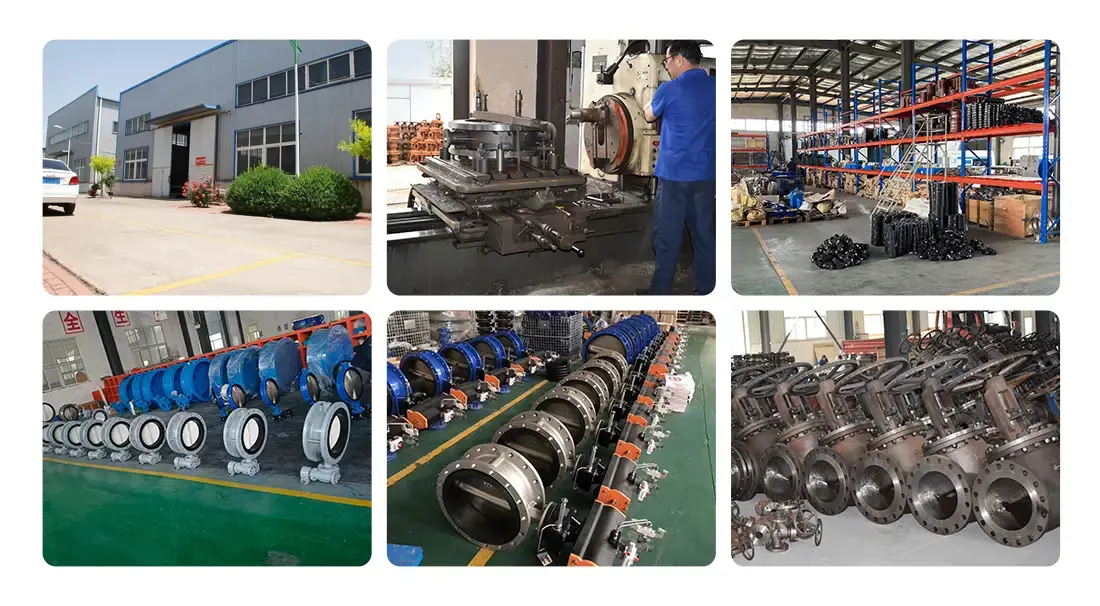
ZTVK sells 2 inch brass curb stop valves made for industrial use that are designed to work in tough water systems where failure is not an option. Our factory in Tianjin has modern CNC machining and quality control that is ISO 9001 approved. They can make valves that meet AWWA standards and NSF/ANSI certifications. As a well-known company that makes 2 inch brass curb stop valves, we keep more than 2,000 standard units in stock so that we can send them quickly, within 3 to 7 days. We also offer customized OEM solutions with 15 to 25-day production processes.
Our expert team offers full support, from reviewing the specifications to helping with installation. All of our goods come with an 18-month warranty. Our sites in the Beichen District have direct access to the port, which lets us offer competitive FOB Tianjin Xingang prices and make moving containers to North America and other countries easier.
Contact our procurement specialists at ktec86961886@163.com to discuss your project requirements, request technical drawings, or obtain volume pricing for bulk orders.
References
1. American Water Works Association. (2021). AWWA C800 Standard for Underground Service Line Valves and Fittings. Denver: AWWA Publications.
2. National Sanitation Foundation International. (2020). NSF/ANSI 61: Drinking Water System Components – Health Effects. Ann Arbor: NSF International Standards.
3. Davis, M.L. (2019). Water and Wastewater Engineering: Design Principles and Practice. New York: McGraw-Hill Education.
4. Mueller Co. Technical Division. (2022). Service Brass Installation and Maintenance Manual. Chattanooga: Mueller Co. Publishing.
5. Sanks, R.L., Tchobanoglous, G., Bosserman, B.E., and Jones, G.M. (2018). Pumping Station Design (4th ed.). Oxford: Butterworth-Heinemann.
6. American Society of Mechanical Engineers. (2021). ASME B16.18: Cast Copper Alloy Solder Joint Pressure Fittings. New York: ASME Standards Publications.
Send us your valve requirements and our team will provide professional solutions and fast quotations.
RELATED INDUSTRY KNOWLEDGE