- English
- French
- German
- Portuguese
- Spanish
- Russian
- Japanese
- Korean
- Arabic
- Greek
- German
- Turkish
- Italian
- Danish
- Romanian
- Indonesian
- Czech
- Afrikaans
- Swedish
- Polish
- Basque
- Catalan
- Esperanto
- Hindi
- Lao
- Albanian
- Amharic
- Armenian
- Azerbaijani
- Belarusian
- Bengali
- Bosnian
- Bulgarian
- Cebuano
- Chichewa
- Corsican
- Croatian
- Dutch
- Estonian
- Filipino
- Finnish
- Frisian
- Galician
- Georgian
- Gujarati
- Haitian
- Hausa
- Hawaiian
- Hebrew
- Hmong
- Hungarian
- Icelandic
- Igbo
- Javanese
- Kannada
- Kazakh
- Khmer
- Kurdish
- Kyrgyz
- Latin
- Latvian
- Lithuanian
- Luxembou..
- Macedonian
- Malagasy
- Malay
- Malayalam
- Maltese
- Maori
- Marathi
- Mongolian
- Burmese
- Nepali
- Norwegian
- Pashto
- Persian
- Punjabi
- Serbian
- Sesotho
- Sinhala
- Slovak
- Slovenian
- Somali
- Samoan
- Scots Gaelic
- Shona
- Sindhi
- Sundanese
- Swahili
- Tajik
- Tamil
- Telugu
- Thai
- Ukrainian
- Urdu
- Uzbek
- Vietnamese
- Welsh
- Xhosa
- Yiddish
- Yoruba
- Zulu
How to replace a broken brass gate valve?
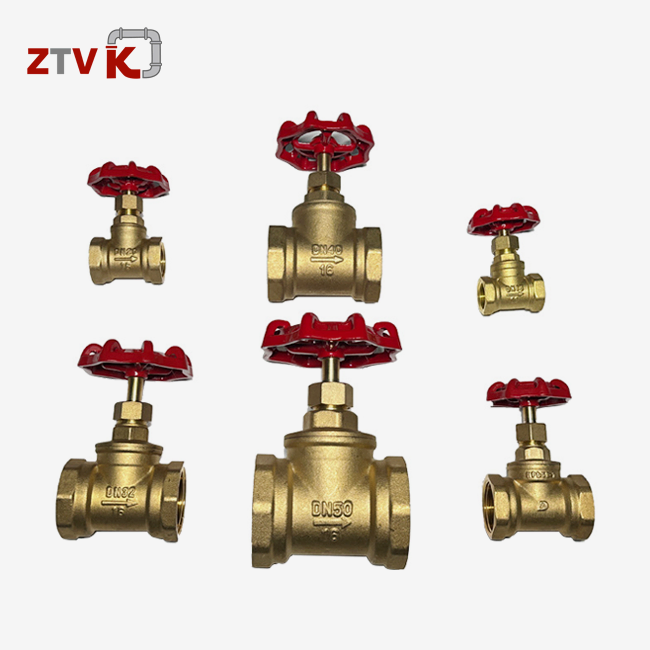
A broken brass gate valve can be easily replaced. Safety and technical principles apply to 4 inch brass gate valves and smaller ones. This tutorial helps you recognise failure indicators, prepare the replacement site, perform the swap correctly, and choose the right valve to prevent future breakdowns. Maintenance teams, procurement specialists, and contractors can reduce downtime and ensure system reliability with our aid.
Understanding the 4 Inch Brass Gate Valve and Its Common Issues
Brass gate valves isolate industrial piping systems from municipal water distribution to HVAC networks. In commercial and industrial applications, the 4-inch nominal size balances flow capacity with easy installation.
Why Brass Material Matters in Gate Valve Construction
Brass's corrosion resistance, machinability, and mechanical strength are appealing. Quality gate valves employ HPb 57-3 brass, which contains 57% copper and resists dezincification, a common failure mode where zinc leaches from the alloy in hostile water chemistry. Brass is more resistant to biofouling in raw water and pH fluctuations than cast iron. Brass has temperature and pressure limits that must be considered when specifying and operating.
Common Failure Modes That Demand Replacement
Several mechanisms cause gate valve failure. As internal corrosion erodes the wedge-shaped gate and seating surfaces, shutdown is prevented. External corrosion damages the valve body, especially at threaded connections where dissimilar metals form galvanic cells. Throttling valves instead of full on-off service produces "wire drawing" where high-velocity fluid scratches grooves into the gate and seats, causing mechanical wear.
Operational factors accelerate failures. Rapid valve actuation causes water hammer that cracks valve bodies or loosens threads. Slurry from agricultural or industrial process water is abrasive. Seals and packaging materials are stressed by steam condensate or solar heating temperature cycling.
Recognising When Replacement Becomes Necessary
Leakage around a 4 inch brass gate valve body or bonnet suggests a seal or body cracking. Even with maximal handwheel force, valve closure is incomplete, indicating gate or seat erosion. A seized valve that won't open causes scale or stem corrosion. External corrosion patterns, especially green patina and weeping, indicate failure. When repair costs reach 60% of the replacement valve cost, or the valve has exceeded its 15-20 year service life in difficult conditions, replacement is wise.
Step-by-Step Process to Replace a Broken 4 Inch Brass Gate Valve
Safe valve replacement involves planning and execution. Speeding up causes injury and system damage.
Essential Preparation and Safety Protocols
Before using tools, isolate the pipeline part with the failed valve. Close upstream and downstream isolation valves, then try to crack open the cracked valve to check zero flow. Fully depressurise the system—a 4-inch line holds a lot of energy. Drain the isolated section with low-point drains or cautious union loosening.
No negotiation on PPE. Debris and fluid spray are blocked by safety eyewear. Heating system workers wear heavy gloves to protect against sharp pipe threads and heated surfaces. Steel boots protect feet from fallen valves—a 4-inch brass gate valve weighs 15-25 pounds, depending on construction.
Tools and Materials Checklist
Get these before starting. Four-inch threaded connections require two pipe wrenches (18-inch and 24-inch). A penetrating lubricant breaks rusted threads. For leak-free reassembly, use PTFE or pipe dope for your medium (water, steam, chemicals). Pipe threads are cleaned of old sealant and rust with a wire brush.
The replacement valve must match the old one. Check thread type—NPT tapers differ from parallel ISO228 threads. 16 bar (232 psi) handles most commercial applications, but check against system design pressure. Our valves are rated from -10°C to +120°C for HVAC and potable water systems.
Detailed Removal and Installation Procedure
Catch remaining fluid using a drain pan under the work area. Apply a consistent counterclockwise force to break the connection using your larger pipe wrench on the pipe and a smaller wrench on the valve inlet. Work methodically—forced threads harm pipe ends. Hand-spin valve off after threads release.
Check exposed pipe threads. A clean pipe requires thread die chasing or cutting back damaged threads. Remove old sealant and rust from both male threads by wire-brushing. Cracked or eroded pipe ends require cutting back and rethreading.
Apply thread sealant per the manufacturer's instructions. Wrap PTFE tape clockwise (thread end-on) to avoid unwrapping when tightened. Two threads from the pipe end should overlap each wrap by half. For 4-inch threads, wrap three to four times.
Smoothly hand-thread the new valve onto the pipe without cross-threading. Wrenches should be used on the flat surfaces at each connection point to avoid twisting the valve body as resistance rises. To make a secure NPT thread connection, tighten 1.5-2 full turns past hand-tight. Overtorquing misshapens valve bodies and internal seating.
Post-Installation Testing Protocol
Remove downstream caps or open the downstream isolation valve after securing both connections. Pressurise the new valve by slowly opening the upstream isolation valve. Check all connections for leakage. Minor weeping that ceases as sealant expands is fine; persistent weeping requires tightening or resealing.
Open and close the replacement valve numerous times to ensure smooth stem motion and complete shutdown. Grinding sounds like valve body debris or a manufacturing flaw. The handwheel should rotate freely without binding. Maintenance documents should include valve specifications and the installation date.
Selecting the Right 4 Inch Brass Gate Valve for Your Application
Purchase selections go beyond pipe size. Understanding technical standards prevents costly mistakes and failures.
Critical Technical Parameters to Evaluate
The valve's maximum service pressure is the working pressure. Our 16 bar (232 psi) rating exceeds municipal water pressure (4-6 bar) and commercial HVAC systems (8-12 bar), assuring safety. Industrial process systems may need PN25 or PN40 valves.
Seal materials and body stress vary with temperature. Freeze prevention in unheated rooms and low-temperature hot water heating systems is possible from -10°C to +120°C. Steam above 120°C requires graphite packing and higher-grade brass alloy valves.
Types of connections limit installation flexibility. Female-by-female threaded ends make valve replacement easy—unscrew the old valve and thread in the new one. For longer lines, flanged connections need gaskets, bolts, and installation time, but simplify maintenance.
Material Construction Details That Matter
HPb 57-3 brass valve bodies combine strength and corrosion resistance. Cleaning the leaded brass during manufacturing ensures perfect thread tolerances and seating surfaces. The regulated lead content (usually 2-3%) increases machinability without compromising structural integrity or health in non-potable applications.
Internal parts need repair, too. Polytetrafluoroethylene (PTFE) packing surrounding the stem seals with little friction at all temperatures. Steel handwheels are more durable and grippier than plastic ones that fracture outside. In humid situations, stainless steel nuts resist corrosion and retain adjustment for years after installation.
Comparing Valve Types for Optimal Application Fit
A 4 inch brass gate valve isolates well but manages flow poorly. Its straight-through design minimises pressure loss when fully open, which is important in systems where head pressure impacts pump sizing and energy usage. Partial opening causes turbulent flow that erodes internal components.
Ball valves can throttle flow mildly and operate quarter-turn, but their higher cost and less robust construction at bigger sizes make them uneconomical for basic isolation applications. Globe valves give great throttling control but have high pressure drop even when fully open, making them unsuitable for 4-inch applications.
Strategic Bulk Procurement Considerations
Volume buyers benefit greatly. ZTVK's direct manufacturer ties reduce distributor markups and ensure quality through single-source production. Bulk orders are prioritised, decreasing usual configuration lead times from 15-25 days to 7-10 days.
Quality certifications are crucial in global buying. ISO9001 certifies production consistency. Brass alloy material test certifications confirm specifications. Hydrostatic tests show each valve reached the rated pressure without leakage. Reliable manufacturers offer these documents without hesitation.
Maintenance Best Practices to Extend the Lifespan of Your Brass Gate Valve
Proactive maintenance greatly improves valve service life and prevents unexpected failures.
Establishing Routine Inspection Schedules
Quarterly visual checks are needed for critical system valves. In particular, check the body-bonnet junction and threaded connectors for external corrosion. Make sure packing nuts are tight—a quarter-turn can fix stem leakage. Check that the handwheel turns easily without force; stiffness indicates internal corrosion or scale accumulation.
Annual full-cycle testing checks readiness. Check for internal wear by closing and opening each valve entirely and counting turns. To prevent seizing, close and reopen normally open valves to maintain stem threads active and scale from locking the gate.
Lubrication and Cleaning Protocols
Over-greasing brass gate valves accumulates detritus. Annually coat exposed stem threads with PTFE-based lubricant. Avoid PTFE-degrading petroleum greases.
External washing avoids rust. To remove moisture and salt deposits from valve bodies in humid or coastal areas, clean quarterly with a dry cloth. A thin lanolin-based corrosion inhibitor layer can protect against severe air contamination.
Troubleshooting Common Operational Problems
Stem leaks imply packing compression loss. Hold the valve under pressure and tighten the packing nut in quarter-turn increments, testing between adjustments. If leakage persists after 1-1.5 rotations, replace the packing.
A partially closed valve, despite full handwheel movement, shows gate or seat wear. Schedule replacement during the next maintenance window, as field repair is unreliable.
Valve seizure requires careful intervention. Liberally apply penetrating oil to the stem-packing interface and wait 24 hours. To operate, gradually increase force and switch between opening and closing. If the valve won't move, replace it to avoid a stem fracture.
Case Studies: Successful Replacements of 4 Inch Brass Gate Valves in Industrial Settings
Case studies demonstrate the practical benefits of valve selection and installation.
Manufacturing Plant Water Supply Upgrade
A food processing plant has frequent process water shutoff issues. Investigation revealed that 18-year-old valves had extensive dezincification from chlorinated municipal water with pH variations between 6.2 and 8.4.
A scheduled stoppage saw maintenance repair of six 4-inch gate valves. They ordered DZR brass valves with ISO228 threads to match the pipework. The 12-hour project included system drainage, valve replacement, and pressure testing. Over 18 months, post-installation monitoring found no leaks. The update ended monthly production hiccups that cost $3,000 in downtime and product loss.
Bulk Procurement for HVAC Contractor
The HVAC contractor bidding on a commercial development project needed 40 2-inch to 4-inch brass gate valves. Their prior supplier had 45-day lead times that conflicted with building.
ZTVK provided the contractor with a precise quote for a standard 4 inch brass gate valve from inventory within 24 hours. Third-party test certificates and contractor-branded OEM packaging were provided by the manufacturer. Delivery to the project site took 14 days after purchase confirmation. The contractor said the valves' uniform quality made installation easier—threads engaged smoothly, and no units failed pressure testing. The developer gave them a performance bonus and made them the chosen mechanical contractor for two more projects due to their reliability.
These stories demonstrate how supplier selection affects projects. Reliable manufacturers with enough inventory, good communication, and good quality control become partners, not vendors.
Conclusion
Broken brass gate valve replacement requires simple mechanical work and appropriate safety considerations. Maintenance personnel can identify replacement needs by understanding typical failure modes. Proper removal and installation protect pipe systems and prevent leaks. Valve pressure ratings, temperature ranges, and material construction should match application requirements to avoid premature failures. Valve maintenance greatly extends service life and lowers TCO.
Building connections with manufacturers who provide consistent quality, fast delivery, and technical assistance gives you a competitive edge when managing several projects or a single site. Efficiency from trustworthy components and supply chains reduces downtime, maintenance costs, and operational reliability.
FAQ
Q1: How long should a brass gate valve last in typical service?
Service life depends heavily on application conditions. In benign environments like temperature-controlled building HVAC systems with stable water chemistry, quality brass gate valves often exceed 20-25 years. Harsh conditions—high chloride water, temperature cycling, or sediment-laden fluids—may reduce lifespan to 10-15 years. Regular maintenance extends service life regardless of the environment.
Q2: Can I use a brass gate valve with steam systems?
Standard brass gate valves rated to 120°C handle low-pressure steam condensate and hot water heating systems adequately. High-pressure steam exceeding 120°C or 16 bar requires specialised valves with higher temperature ratings and graphite packing materials. Always verify that temperature and pressure ratings match your specific application.
Q3: What lead time should I expect for bulk valve orders?
Lead times vary by quantity and customisation requirements. Standard valve configurations from manufacturers maintaining inventory typically ship within 3-7 days. Custom specifications—special materials, OEM branding, or non-standard dimensions—extend delivery to 15-25 days depending on complexity. Establishing relationships with manufacturers offering priority production for established customers can reduce urgent order timelines significantly.
Partner with a Reliable Brass Gate Valve Manufacturer
ZTVK stands ready to support your brass gate valve requirements with over 15 years of manufacturing expertise. Our Tianjin facility maintains an extensive inventory of standard sizes from 1/2-inch through 4-inch, enabling rapid delivery that keeps your projects on schedule. We manufacture using quality HPb 57-3 brass with PTFE seals and stainless steel components, ensuring reliable performance across demanding applications.
Our ISO9001/ISO14001/OHSAS18001 certifications demonstrate a commitment to consistent quality and environmental responsibility. We provide complete documentation, including material test certificates, hydrostatic test reports, and dimensional inspection records—essential for meeting project specifications and regulatory requirements. OEM and ODM services allow distributors and contractors to build their brands while leveraging our manufacturing capabilities.

Whether you need a single replacement valve or bulk quantities for major projects, our team provides responsive technical support and transparent communication throughout the procurement process. Contact our specialists at ktec86961886@163.com to discuss your specific requirements. We offer detailed quotations, technical drawings, and application guidance to ensure optimal valve selection. Discover why industrial clients across North America, Europe, and Asia trust ZTVK as their preferred 4 inch brass gate valve supplier.
References
1. American Water Works Association (AWWA). Manual M11: Steel Pipe—A Guide for Design and Installation, Sixth Edition. Denver: AWWA, 2017.
2. Skousen, Philip L. Valve Handbook, Third Edition. New York: McGraw-Hill Education, 2011.
3. Zappe, R. W. Valve Selection Handbook: Engineering Fundamentals for Selecting the Right Valve Design for Every Industrial Flow Application, Fifth Edition. Houston: Gulf Publishing Company, 2004.
4. British Standards Institution. BS EN 13789:2018 - Industrial valves. Gate valves of thermoplastics materials. London: BSI Standards Publication, 2018.
5. Lyons, Jerry L., and Phillip M. Askeland. Standard Handbook of Petroleum and Natural Gas Engineering, Third Edition. Houston: Gulf Professional Publishing, 2015.
6. American Society of Mechanical Engineers (ASME). ASME B16.34-2020: Valves — Flanged, Threaded, and Welding End. New York: ASME, 2020.
Send us your valve requirements and our team will provide professional solutions and fast quotations.
RELATED INDUSTRY KNOWLEDGE