- English
- French
- German
- Portuguese
- Spanish
- Russian
- Japanese
- Korean
- Arabic
- Greek
- German
- Turkish
- Italian
- Danish
- Romanian
- Indonesian
- Czech
- Afrikaans
- Swedish
- Polish
- Basque
- Catalan
- Esperanto
- Hindi
- Lao
- Albanian
- Amharic
- Armenian
- Azerbaijani
- Belarusian
- Bengali
- Bosnian
- Bulgarian
- Cebuano
- Chichewa
- Corsican
- Croatian
- Dutch
- Estonian
- Filipino
- Finnish
- Frisian
- Galician
- Georgian
- Gujarati
- Haitian
- Hausa
- Hawaiian
- Hebrew
- Hmong
- Hungarian
- Icelandic
- Igbo
- Javanese
- Kannada
- Kazakh
- Khmer
- Kurdish
- Kyrgyz
- Latin
- Latvian
- Lithuanian
- Luxembou..
- Macedonian
- Malagasy
- Malay
- Malayalam
- Maltese
- Maori
- Marathi
- Mongolian
- Burmese
- Nepali
- Norwegian
- Pashto
- Persian
- Punjabi
- Serbian
- Sesotho
- Sinhala
- Slovak
- Slovenian
- Somali
- Samoan
- Scots Gaelic
- Shona
- Sindhi
- Sundanese
- Swahili
- Tajik
- Tamil
- Telugu
- Thai
- Ukrainian
- Urdu
- Uzbek
- Vietnamese
- Welsh
- Xhosa
- Yiddish
- Yoruba
- Zulu
Design and use of 6 inch swing check valve
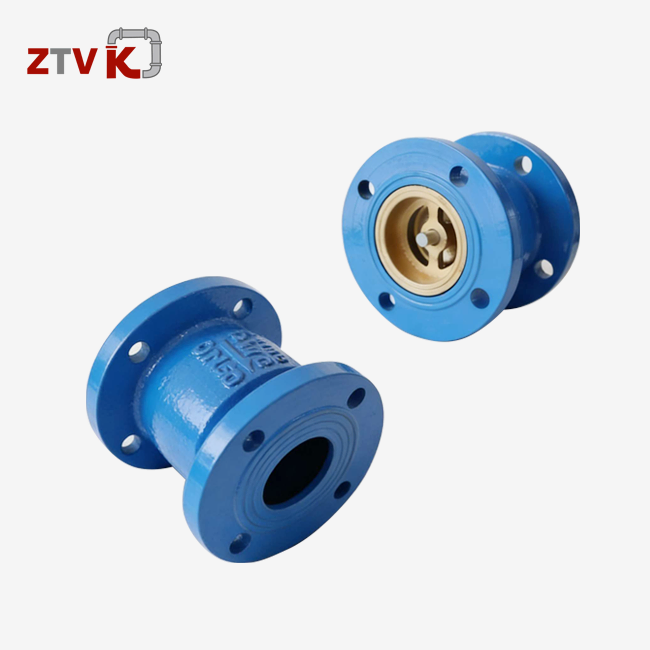
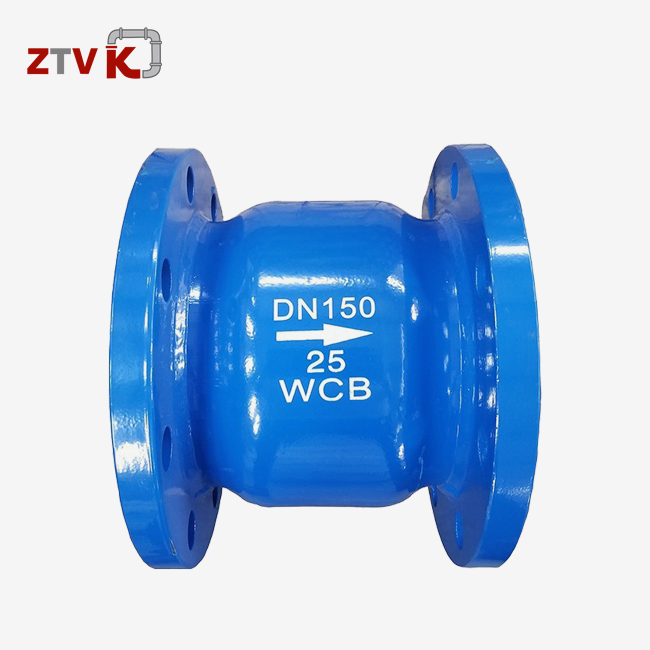
A 6-inch swing check valve (DN150) is a one-way flow control device made for pipes with a standard bore of six inches. It lets fluid run in one direction but stops it from flowing backwards automatically. Unlike lift check valves, this one has a disc on a hinge that swings away from the seat during forward flow. This means that there is almost no pressure drop because the full-port construction is almost completely open. This makes it perfect for high-volume industrial systems that need to be efficient. It keeps pumps from damaging backspin when the system shuts down and keeps critical fluid systems from getting contaminated.
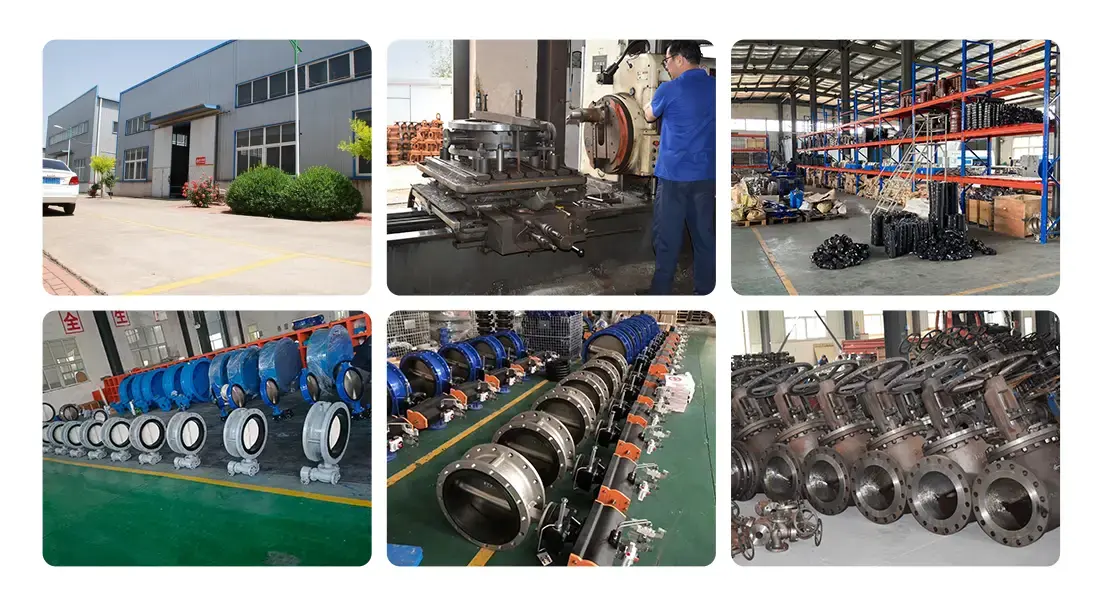
Understanding the Design and Working Principle of a 6-Inch Swing Check Valve
The structure of this type of 6-inch swing check valve depends on a number of important parts working together without any problems. In the middle is a round disc that is attached to a hinge pin system. This lets it turn. Pressure pushes the disc open against a built-in stop when fluid moves in the right direction. This makes a clear path. When the flow stops or tries to go backwards, gravity and backpressure push the disc back onto the seat, making a tight seal.
Key Components and Material Construction
As per ANSI B16.5 standards, the valve body usually comes in flanged forms and is offered in sizes DN15 to DN500. Our 304 and 316 stainless steel choices are very resistant to rust and work well in tough situations. The disc and seat ring usually have sides that are precisely polished to make sure that clean liquids don't leak out. The hinge mechanism is the most important part that wears out, so it needs to be built strong so it can handle repeated cycles without breaking down.
Operating Mechanism and Flow Dynamics
During use, the valve reacts quietly to flow conditions and doesn't need any power or control messages from outside sources. Forward flow speeds of 1.5 to 3 meters per second usually provide enough force to keep the disc fully open against its stop, which reduces the amount of turbulent flow. When compared to vertical-lift designs, the swing motion causes less resistance. This means that there are smaller pressure drops across the valve, which is an important factor for energy efficiency in big pipe networks. When the flow stops, the speed at which the disc closes relies on how the system is working. If you don't use dashpot accessories properly, fast reversals could cause water hammer.
Design Parameters Affecting Performance
With a nominal pressure value of 1.6 MPa, these valves can be used in most small commercial and municipal settings. Temperature ranges from -20°C to 150°C can handle water, oil, gas, and other toxic materials that are typical in processing plants. The seat angle and disc shape affect both how well the seal works and how quickly the door opens. Better designs lower the minimum flow speed needed to stop disc flutter, which is a common reason why hinges wear out too quickly.
Applications and Advantages of a 6-Inch Swing Check Valve in Industrial Environments
We have seen these 6-inch swing check valves used in a wide range of industries, and each one has benefited from the way they work. The full-port design makes them flexible because it can handle fluids with different viscosities and solids in suspension without getting clogged.
Primary Industrial Applications
These valves (6-inch swing check valves) are very important in pump discharge lines at municipal water treatment plants because they stop backflow and protect expensive equipment from damage caused by reverse spinning. When circulation pumps turn off in HVAC systems that serve business buildings, they keep the system prime in vertical shafts. This keeps lines from having to be refilled, which wastes energy. Chemical processing plants use different types of stainless steel to deal with toxic media because it can handle both acidic and basic solutions. In oil and gas operations, they are used in compressor stations to keep low-pressure upstream vessels from becoming too pressurized, which can be dangerous.
Comparative Advantages Over Alternative Designs
There are a number of practical advantages to swing check valves over lift or spring-loaded versions. The horizontal disc action takes up less vertical installation room, so it can be used in tight spaces where lift checks wouldn't work. The fixed cap design makes maintenance easier because it lets the valve be serviced in-line without taking the whole thing out of the pipeline. This cuts down on downtime by a large amount. Because there aren't any springs or complicated internals, there are fewer places where things can go wrong, so it's been longer since the last check. Because there is less pressure drop, less energy is used, which can save a lot of money over the years on pumping power.
Performance in Demanding Conditions
When properly defined, these valves show that they are reliable across a wide range of temperatures. The building is made of stainless steel, which doesn't expand or contract like mixed-material designs do. In sewer uses with grit and debris, the full-port design keeps things from building up that would cause other valve types to get clogged. The strong hinge assembly can handle the cyclic wear that comes with systems where the pump starts and stops a lot. If it is properly kept, it can usually handle more than 50,000 cycles.
How to Choose the Best 6-Inch Swing Check Valve for Your Needs?
To choose the right 6-inch swing check valve, you have to weigh a lot of technical and business factors. When you buy something, your choices affect not only the initial cost but also how well it works and how much it costs to maintain.
Material Selection Criteria
At a modest price, stainless steel 304 is popular for city projects because it is resistant to corrosion well enough for most water and mild chemicals. When working with chlorides, marine settings, or more aggressive chemicals that can cause pitting and rust, you need to switch to 316-grade material. Compared to welded options, the flanged connection method makes installation and repair easier. This is especially helpful when working with maintenance windows in operating rooms.
Pressure and Temperature Specifications
As long as the working pressure is less than 232 psi, the 1.6 MPa nominal pressure rating is good for most business and light industry needs. Systems that are under more pressure need higher class grades, but this only applies to a small number of six-inch uses. When working with hot fluids or in harsh conditions, temperature is important to think about. The temperature range of -20°C to 150°C covers most situations, but steam service needs special high-temperature trim materials that aren't available in most stores.
Certification and Compliance Standards
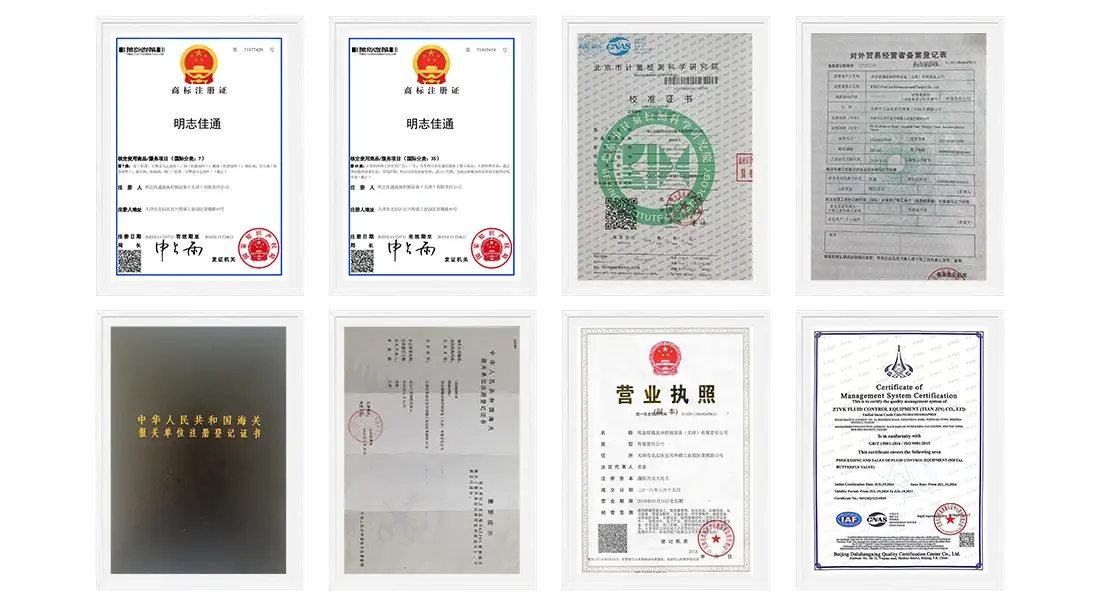
Compliance with international norms separates trustworthy makers from less-than-reliable suppliers. Getting ISO 9001 approval shows that you handle quality in a planned way throughout the whole production process. Conformance to API 594 and BS 1868 makes sure that goods from different sources, such as 6-inch swing check valves, can be used together and have the same dimensions and performance. These licenses aren't just pieces of paper; they stand for strict testing procedures and material tracking that keep things from going wrong in the field.
Evaluating Supplier Capabilities
Reliable sellers keep a lot of standard sizes in stock, which lets them deliver quickly when project deadlines get tight. When wholesalers are trying to make a name for themselves in the market, being able to offer OEM logos and custom packaging is important. The availability of technical support, such as help with choosing a product and fixing, adds value to the product itself. Manufacturers who offer warranties for 18 to 36 months show that they are confident in the quality of their building.
Installation, Maintenance, and Troubleshooting of 6-Inch Swing Check Valves
Installing 6-inch swing check valves correctly sets them up to work without problems for years to come, and regular maintenance stops most problems before they cause system disruptions.
Installation Best Practices
It's very important to place these valves so that the flow direction lines up with the arrow that's cast into the body. Installations that are horizontal work best, but vertical upward flow is still fine as long as the disc weights are balanced correctly. By leaving enough space around the head, the inside can be inspected in the future without upsetting the pipes next to it. Tightening flange bolts should be done in a cross-pattern order to make sure that the torque is always the same. This will keep the gasket from deforming and block possible leak paths.
Scheduled Maintenance Protocols
Internal checks done once a year through the hole in the bonnet show problems as they start to happen before they get worse. By looking at the hinge pin for wear, you can tell if it needs to be replaced soon, and by checking the position of the disc to the seat, you can be sure that the seal will stay strong. Cleaning off any buildup on the disc face and seat ring keeps the binding contact in good shape. Using the manufacturer-recommended substances to lubricate moving parts lowers friction and increases the life of the parts. Recording each check makes a repair history that can be used to guess what services will be needed in the future.
Common Issues and Solutions
A fast banging sound called "valve chatter" means that the flow speed isn't fast enough to keep the disc fully open. This problem is usually fixed by making sure that the valves are the right size for the real flow rates. Visible leaking past the seat is usually caused by scoring or foreign matter that keeps the disc from closing all the way, which needs to be cleaned inside, or the seat needs resurfacing. If the hinges don't close or respond slowly, it's likely because of rust or buildup of dirt. This can be fixed by taking the hinges apart and cleaning them thoroughly. Too much pressure drop could mean that there is a partial blockage or that the disc is not aligned properly. This needs to be inspected to find the reason.
Procurement Guide: Buying 6 Inch Swing Check Valves for Global B2B Clients
To make sure that a foreign 6-inch swing check valve purchase goes smoothly, you need to know both the technical specs and the business logistics.
Sourcing Strategy Development
Online business-to-business (B2B) sites give you access to many sellers, but it's still important to check their credentials. Asking for ISO certification papers, material test records, and hydrostatic test results can help you tell the difference between qualified makers and resellers who don't know much about technology. Talking to the factory's technical teams directly shows how good their engineers are and how quickly they can respond, which are both very important when special needs come up. By getting several quotes, you can compare prices and see what each seller includes as standard and what things are available as extras.
Logistics and Delivery Considerations
Standard types that are kept in stock by the maker usually ship 3–7 days after an order is confirmed. They are good for small jobs and routine repairs. Custom specs need 15–25 days to produce, depending on how complicated they are. For project-critical uses, buying early is important. Being close to major shipping ports cuts down on the time and cost of sending goods within the country. Suppliers located near container hubs can process exports more quickly. Transport damage can be avoided by using wooden boxes with moisture shields and safe bracing. This is especially important for the finely machined seating surfaces.
Negotiating Commercial Terms
Discounts are available for large purchases, and prices usually go down after 50, 100, or 500 units. FOB price from the manufacturer's nearest port makes it easier to fill out import paperwork, while CIF terms include freight and insurance to the final port. For new customers, payment terms usually start with a 30% fee, and the rest is due before the shipment. As trust grows through return business, better terms are offered. It should be clear in the warranty what flaws are covered and what regular wear and tear is. This way, there won't be any arguments about who is responsible for failures.
Conclusion
The 6-inch swing check valve has been used successfully in public, industrial, and business settings to control flow in only one direction. It is reliable because the mechanics are simple, and the full-port design keeps energy loss to a minimum in big pipe systems. Choosing the right materials for the job and keeping up with routine upkeep will ensure years of reliable use. When engineers and procurement workers know the basics of technology, they can choose valves that meet both the needs of the current project and the performance goals for the long term. This protects the stability of the system and keeps costs down over its lifetime.
FAQ
1. How often should you check the upkeep on a swing check valve?
Most situations only need to be inspected once a year, but harsh service conditions may call for checks every six months. When the plant is shut down on a regular basis, the hinge system and seat surfaces are checked for wear before it leads to failure. Systems that cycle a lot of times should be checked on more often to avoid unplanned downtime.
2. Can this type of valve take steam that is very hot?
Standard types that can handle up to 150°C can be used with hot water and low-pressure steam. When steam is superheated above this temperature, it needs better materials, like high-temperature seals and special seat materials. Making sure the right specification is met means talking to makers about unique steam conditions.
3. What makes swing-style check valves better than lift-style check valves?
When the pipes are bigger, swing designs work best because they have less pressure drop, which lowers running costs by a lot. They work better with fluids that have solids in them than lift types, which can get stuck. Lift checks work better in situations where there needs to be very little backflow leak or where there isn't enough room for the swing disc to clear.
Partner With ZTVK for Reliable Swing Check Valve Solutions
ZTVK makes industrial-grade 6 inch swing check valves in our Tianjin factory, which has quality management that is ISO 9001 approved and over 15 years of experience in valve engineering. Our 304/316 stainless steel construction comes in flanged sizes ranging from DN15 to DN500, and it can handle a wide range of media, including water, oil, gas, and harmful substances. Standard models can be delivered in 3–7 days because we keep a lot of stock on hand. For special OEM models, branding and specification changes can be made in 15–25 days. Being only 50 kilometers from Tianjin Port makes international shipping operations easy for project contractors and wholesalers from around the world. If you email our expert team at ktec86961886@163.com, they can give you full product datasheets, offer you low bulk prices as a 6 inch swing check valve manufacturer, and help you find valves that are exactly what your system needs. All of this comes with an 18-month warranty.
References
1. Smith, R. & Johnson, M. (2021). Industrial Valve Selection and Application Guide. Mechanical Engineering Press.
2. American Petroleum Institute (2020). API Standard 594: Check Valves - Flanged, Lug, Wafer and Butt-welding. API Publishing Services.
3. Zhang, L. (2019). Flow Control Devices in Municipal Water Systems: Design and Maintenance. Water Infrastructure Journal, 45(3), 112-128.
4. British Standards Institution (2018). BS 1868: Steel Check Valves for the Petroleum, Petrochemical and Allied Industries. BSI Standards Publication.
5. Chen, W. & Kumar, P. (2022). Corrosion Resistance of Stainless Steel Valve Materials in Industrial Applications. Materials Science and Engineering Review, 38(2), 215-234.
6. International Organization for Standardization (2021). ISO 5208: Industrial Valves - Pressure Testing of Valves. ISO Central Secretariat.
Send us your valve requirements and our team will provide professional solutions and fast quotations.
RELATED INDUSTRY KNOWLEDGE