- English
- French
- German
- Portuguese
- Spanish
- Russian
- Japanese
- Korean
- Arabic
- Greek
- German
- Turkish
- Italian
- Danish
- Romanian
- Indonesian
- Czech
- Afrikaans
- Swedish
- Polish
- Basque
- Catalan
- Esperanto
- Hindi
- Lao
- Albanian
- Amharic
- Armenian
- Azerbaijani
- Belarusian
- Bengali
- Bosnian
- Bulgarian
- Cebuano
- Chichewa
- Corsican
- Croatian
- Dutch
- Estonian
- Filipino
- Finnish
- Frisian
- Galician
- Georgian
- Gujarati
- Haitian
- Hausa
- Hawaiian
- Hebrew
- Hmong
- Hungarian
- Icelandic
- Igbo
- Javanese
- Kannada
- Kazakh
- Khmer
- Kurdish
- Kyrgyz
- Latin
- Latvian
- Lithuanian
- Luxembou..
- Macedonian
- Malagasy
- Malay
- Malayalam
- Maltese
- Maori
- Marathi
- Mongolian
- Burmese
- Nepali
- Norwegian
- Pashto
- Persian
- Punjabi
- Serbian
- Sesotho
- Sinhala
- Slovak
- Slovenian
- Somali
- Samoan
- Scots Gaelic
- Shona
- Sindhi
- Sundanese
- Swahili
- Tajik
- Tamil
- Telugu
- Thai
- Ukrainian
- Urdu
- Uzbek
- Vietnamese
- Welsh
- Xhosa
- Yiddish
- Yoruba
- Zulu
What Is a Cast Iron Wafer Type Butterfly Valve Used For?
If you are in charge of big transportation systems, picking the right valve can make or break your operations, costing a lot of money. A cast iron wafer type butterfly valve is a flow control device that is put between two flanges in a pipeline. Its main job is to control or stop the flow of water, air, and other suitable media in industrial processing plants, local water systems, and HVAC installations. These valves are small and have a spinning disc that closes them. This lets them shut off quickly and with little pressure loss across the system. They are great for places where installation space is limited and upkeep needs to be done often because they are light and take up little space.
Introduction
Over the last few decades, the choices for industrial valves have changed a lot. Cast iron wafer type butterfly valves have become the standard in many areas. However, ductile iron bodies—which are sometimes wrongly called "cast iron" in everyday speech—are a better choice for procurement managers around the world because they offer a great mix of strength, resistance to corrosion, and low cost.
The main thing we want to do today is make it clear what these valves do in real life. Whether you're a wholesaler looking at a supplier's skills, a contractor planning a water project for the city, or an OEM maker looking for reliable parts, knowing how cast iron wafer-type butterfly valves work and what they're used for will have a direct effect on your bottom line. We'll talk about the basics of design, compare different types of materials, look at how things are installed, and give you buying tips that you can use to make decisions based on facts and not just marketing talk.
Understanding Cast Iron Wafer Type Butterfly Valves
Design Fundamentals and Wafer Configuration
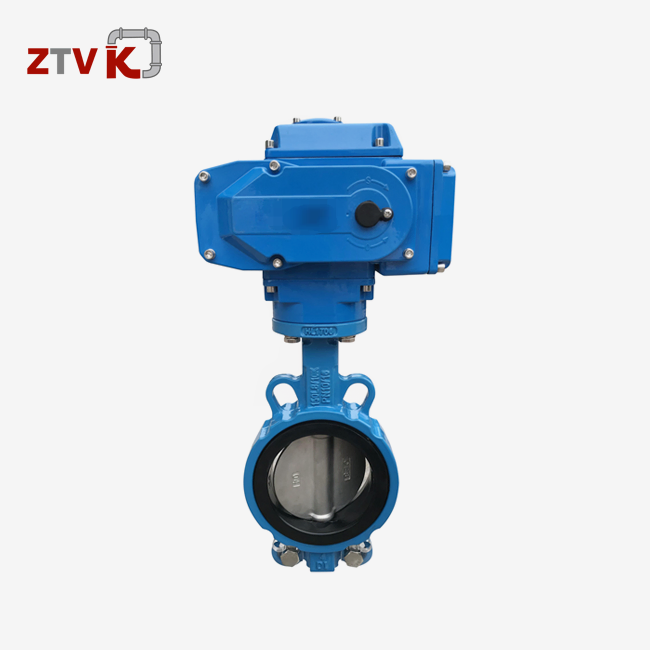
There is a unique way of designing the cast iron wafer-type butterfly valve that makes it stand out. When compared to lug-style valves, which have threaded plugs around the outside of the valve body, wafer designs rely only on the force of compression between two pipeline flanges to hold the valve in place. This makes the product lighter, which lowers the cost of shipping and the amount of work needed to put it together. No matter what line size it is, the valve body is usually only 1.5 to 2 inches long from face to face. This makes it possible for it to fit into tight areas where traditional gate or globe valves would not work.
A round disc placed on a center stem makes up the main mechanism. The disc can be moved from fully open to fully closed by turning the stem 90 degrees. When the disc is open, it lines up parallel to the flow direction, so there isn't much resistance and pressure loss. When the lid is closed, the disc presses against a flexible lining made of NBR, EPDM, Viton, or silicone rubber. This creates a seal that meets the standards for bubble-tight shutdown in API 598 or EN 12266-1 Class A.
Material Properties of Ductile Iron Bodies
The word "cast iron" is still used in the business world, but current cast-iron wafer-type butterfly valve bodies are made of ductile iron (GGG40 in Europe, which is the same as Grade 60-40-18 in ASTM A536). The choice of material is very important. Grey cast iron has flake-like graphite in it, which creates stress points inside the metal that make it break easily when hit or heated quickly. Ductile iron goes through a metallurgical process that turns the graphite into cylindrical lumps. This makes the tensile strength, elongation, and resistance to breaking much better.
The tensile strength of GGG40 ductile iron is 400 MPa (58,000 psi), and it can stretch by 18%. This means that the valve body can handle the vibrations and sudden changes in pressure that happen in water networks and industrial cooling systems. From -29°C to +120°C, the material works consistently, but the real temperature limit is generally set by the elastomer seat material instead of the metal body. Putting an epoxy covering on the inside and outside of the parts protects them from rust and makes them last longer in wet or chemically aggressive places.
Technical Specifications and Performance Parameters
ZTVK makes cast iron wafer type butterfly valves in sizes DN50 to DN2400, which is 1.25 inches to 96 inches in nominal diameter. These valves can handle pressures of PN6, PN10, and PN16, which are the same as ANSI Class 150. The disc and internal trim parts come in a number of different types: epoxy-coated ductile iron for normal water use, SS304 or SS316 stainless steel for food-grade or corrosive media, duplex stainless steel for high-chloride environments, and bronze for certain marine or desalination uses.
Stem materials include SS416 for easy movement by hand, SS420 for more strength, and SS304/SS316 for the best resistance to rust. All stems are carefully machined and treated on the outside to reduce working torque and make sure they work smoothly and consistently for tens of thousands of rounds. Design standards compliance includes API, DIN, ASME, ISO, ANSI, GB/T, BS EN, and AWWA, which makes it easy to work with projects that follow a number of different foreign rules.
Applications and Benefits of Cast Iron Wafer Butterfly Valves
Industrial Applications Across Multiple Sectors
There are a lot of cast iron wafer-type butterfly valves with ductile iron bodies used in city water systems to control flow at pump stations, treatment plants, and transmission mains. Because they are small and light, they are easier to place in underground tunnels and small machinery rooms. HVAC workers choose these valves for heating loops, chilled water, and condenser water because they like the low-pressure drop that saves money on pumping energy and the quick quarter-turn operation that makes system balance and maintenance go more quickly.
These valves are used in cooling water lines and other systems at power plants where they need to shut off reliably and with little care. For use with drinkable water, CIP (clean-in-place) systems, and non-aggressive process fluids, food and beverage processing plants use valves with stainless steel plates and FDA-compliant EPDM seats. When working with brackish or seawater streams, desalination plants benefit from epoxy coats and available duplex steel trim that doesn't rust.
Economic and Operational Advantages
Several things make the business case for cast iron wafer-type butterfly valves strong. The design is often 60–70% lighter than a similar gate valve, which lowers freight costs, especially for foreign shipments where price is based on volumetric weight. Technicians can handle smaller valves without having to lift heavy tools, which cuts down on installation time. The short face-to-face measurement also reduces the length of the pipeline needed, which lowers the total cost of materials.
One operational benefit is that it can be activated quickly; when the lever is operated by hand, it only takes 90 degrees of stem movement to go from fully closed to fully open. This quick reaction comes in handy when there are sudden shutdowns or changes to the process. Because the valve naturally has low force, smaller, cheaper electric or pneumatic devices can be used when automation is needed. Maintenance is kept to a minimum because the simple design has fewer moving parts than multi-turn valves. If the right steps are taken to disassemble the valve, most seal changes can be done without taking the valve body off the line.
Real-World Implementation Examples
A local water authority in the southeast of the United States recently replaced 47 old gate valves with PN16 cast iron wafer-type butterfly valves in sizes ranging from DN150 to DN600. These valves are better at isolating water from one source to another. The project cut the total weight of the valves by 18 metric tonnes, got rid of the need to rent a crane for installation, and sped up the process by three weeks. Performance tests showed that there was no leaking at a test pressure of 16 bar, and practical comments said that the lower torque made it possible to override manually when the power went out.
For all chilled water uses above DN80, a Mid-Atlantic HVAC provider that works with business buildings is stuck to cast iron wafer type butterfly valves. The choice was made because of repeated good experiences with how quickly it could be installed, how well it sealed, and how easy it was to find same-brand buttons for aftermarket automation. The builder said that over the course of 24 months, valve-related callbacks and warranty claims were 22% lower than when they used a mixed-brand method before.
Comparing Cast Iron Wafer Butterfly Valves With Other Valve Types
Wafer vs. Lug Butterfly Valves
The difference between wafer and lug setups impacts both the freedom of fitting and the overall cost. Because the body casting is easier and needs less cutting, cast iron wafer type butterfly valves cost 15–25% less than lug valves of the same type. But cast iron wafer-type butterfly valves need through-bolts that go through both the flanges and the valve body. This means they can't really be used as end-of-line isolation devices. If you take out the pipes that are further downstream, the valve will split apart from the flange that is further upstream.
Lug-style valves have threaded plugs on both sides of the body, which lets each flange be bolted to the body separately. Because of this design, the downstream pipe can be removed while the valve stays attached to the upstream flange. This makes lug valves suitable for dead-end service, meter installs, and pump separation tasks that require disassembly from one side. For fixed systems that need midline isolation, cast iron wafer-type butterfly valves work just as well but cost less and are lighter.
Material Comparison: Ductile Iron vs. Carbon Steel vs. Stainless Steel
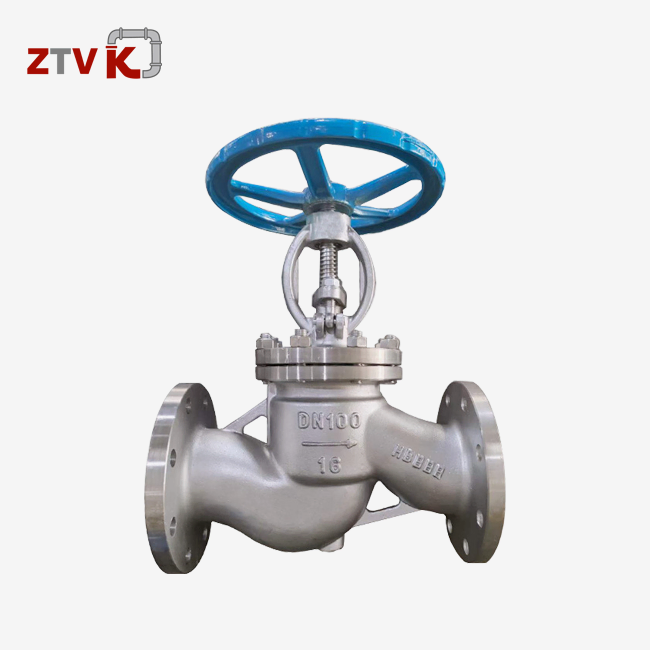
Material choices can be hard for buyers who are watching their budgets. Ductile iron bodies (GGG40) are strong enough for pressures up to PN16 (Class 150), and if they are treated properly, they are very resistant to rust. Carbon steel (WCB) bodies can handle higher temperatures and pressures (up to and beyond PN40). This makes them good for use in steam service and high-pressure process uses. Although they are more expensive, stainless steel (CF8M/316) bodies are better at resisting corrosion even without protective coats. This is why they are used in harsh settings or when failure of an internal covering could contaminate the process.
When it comes to water, HVAC, and general industry use up to PN16 pressure, ductile iron has the best price-to-performance ratio. The material is much more resistant to impact than grey iron, which lowers the chance of catastrophic failure from water hammer or outside mechanical impact. In city water systems, ductile iron valves usually last 20 to 25 years if they are covered by a fusion-bonded epoxy coating that has a dry film thickness of 250 microns or more.
Butterfly vs. Ball Valves and Gate Valves
When exact zero-leakage shutdown and bidirectional sealing are needed, ball valves work great. But their flow path causes more pressure drop, and the spherical close element raises both the cost of the valve and the working torque. Cast iron wafer type butterfly valves have much lower starting costs, less weight, and faster operation in exchange for slightly less strict closing (though they still meet Class A bubble-tight standards).
When fully open, gate valves let flow through without any problems, but they need to be operated by turning the stem several times, which takes a long time. Their length is usually 200 to 300 percent longer than cast iron wafer type butterfly valves, which makes fitting harder in places with limited room. For maintenance, most full valves need to be taken out of the line, but cast iron wafer-type butterfly valves can often be put back in place. Based on estimates of the total cost of ownership, cast iron wafer-type butterfly valves have mostly replaced gate valves for isolation service in water lines with a width of 200 mm or more.
Conclusion
Cast iron wafer type butterfly valves with malleable iron bodies are an old technology that has been used successfully in many industrial settings to control flow. They are small, light, have low working torque, and are cheap, which makes them very appealing for use in water systems, HVAC installs, and general industrial service with reasonable pressure ratings. Knowing the differences between wafer and lug styles, knowing why ductile iron is better than grey iron in terms of performance, and picking the right seat materials for the job will help you choose valves that work as expected for the duration of their service life. You should carefully look at a supplier's manufacturing skills, quality certifications, and after-sales help to make sure you work with companies that can meet your needs for delivery, customisation, and expert support.
FAQ
1. Can wafer butterfly valves be used for end-of-line applications?
Because they depend on compression between two plates to stay in place, cast-iron wafer-type butterfly valves aren't usually good for true dead-end work. Under system pressure, if you take out the downstream pipes, the valve will split from the upstream flange, which is unsafe. Lug-style butterfly valves with separate flange bolting provide the necessary mechanical hold for end-of-line separation, tank hookups, or any other use where one-sided disassembly could happen. Some workers try to use cast iron wafer-type butterfly valves with blind flanges for end-of-line service, but this is dangerous and usually against the rules for insurance or local plumbing codes.
2. How do I select between NBR and EPDM seat materials?
The working temperature and media compatibility are the main factors that affect the choice of seat material. EPDM (ethylene propylene diene monomer) works well in water, glycol solutions, weak acids, and steam. It can work safely from -10°C to 120°C. Due to its strength against ozone and weathering, it can be used in outdoor structures. NBR (nitrile butadiene rubber), which is also known as Buna-N, works well with petroleum products, oils, fuels, and hydrocarbon gases, but it can only handle temperatures up to about 80°C. When NBR seats are used in hot water systems, they harden too quickly, and the seals break. When the properties of the media don't clearly favor one material over another, EPDM usually works better with more systems and lasts longer in water-based ones.
3. What quality certifications should I require from valve suppliers?
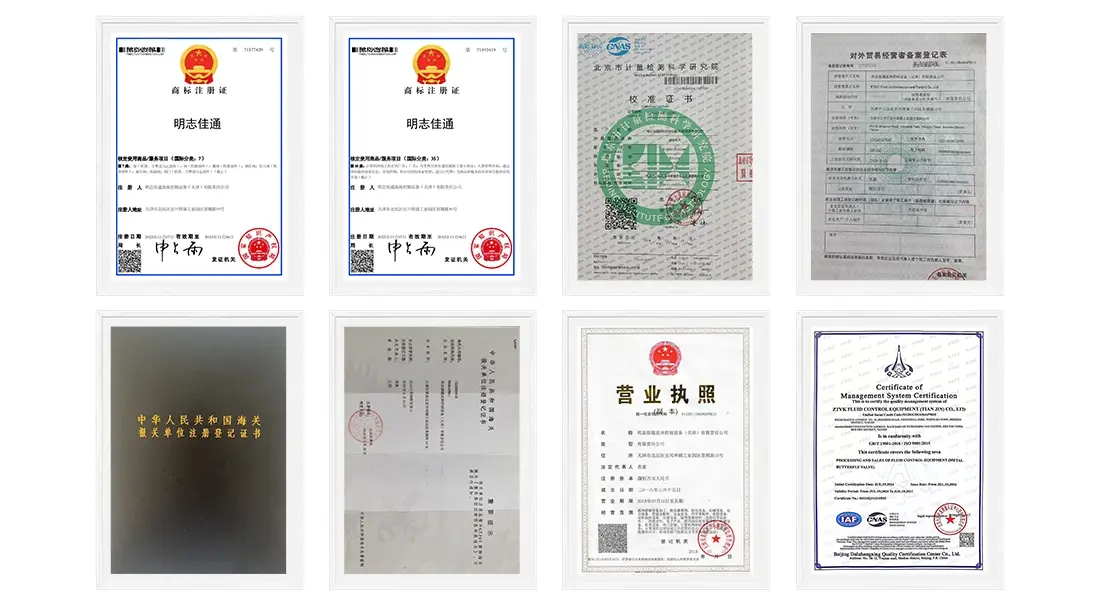
Valve suppliers should at least keep their ISO 9001 quality management system approval, which shows that they have documented process controls and are committed to ongoing growth. Organizations that care about the environment and safety should look for ISO 14001, OHSAS 18001, or the later ISO 45001 standards. These show that the management systems go beyond just product quality. The paperwork for a product should have material test reports according to EN 10204 3.1 that show the real chemical makeup and mechanical properties; hydrostatic test certificates that show pressure testing according to API 598 or EN 12266-1 standards; and declarations of conformity for standards like AWWA C504 or EN 593. Suppliers who are ready to let third parties inspect their factories show that they are honest and trusting in the way they make things.
Partner With ZTVK for Reliable Butterfly Valve Solutions
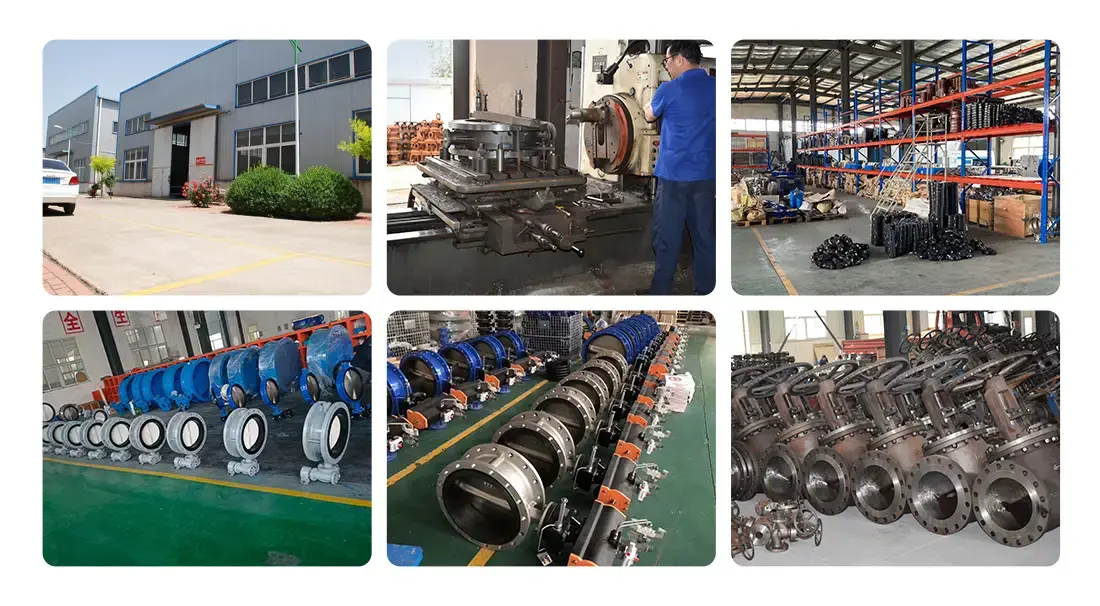
ZTVK is the cast iron wafer type butterfly valve provider that distributors and contractors all over the world choose because we offer the consistency and responsiveness that keeps your projects on schedule and your customers happy. Just 50 kilometers from Tianjin Port is our factory in Tianjin, which keeps more than 2,000 standard-size cast iron wafer-type butterfly valves in stock. This means that we can send them in 3–7 days for pressing needs. If your needs require unique configurations, our in-house engineering team can use your plans to make OEM/ODM valves within 15 to 25 days, complete with your brand, packing, and exact technical needs.
As part of our thorough quality control system, we check the chemical make-up, make sure the dimensions are correct, test the hydraulic pressure at 1.5 times the rated pressure, and test the seat leaks to Class A bubble-tight standards. Each valve comes with all the paperwork it needs to be installed, such as MTRs, test certificates, and installation directions. Our 18-month guarantee and helpful technical support team (contact us at ktec86961886@163.com) make sure you can get help whenever you need it. ZTVK blends the efficiency of Chinese production with quality standards that meet the needs of foreign buyers, whether you need 50 valves for a regional stock or 500 pieces for a big infrastructure project. Get in touch with us right away to talk about your unique needs and get a full quote for your next valve order.
References
1. American Water Works Association. AWWA Manual M49: Butterfly Valves: Torque, Head Loss, and Cavitation Analysis. Denver: AWWA, 2012.
2. British Standards Institution. BS EN 593:2009+A1:2011 - Industrial Valves. Metallic Butterfly Valves. London: BSI, 2011.
3. Lyons, Jerry L., and Clarence Askland. Lyons' Encyclopedia of Valves. New York: Van Nostrand Reinhold, 1975.
4. Nesbitt, Brian. Handbook of Valves and Actuators: Valves Manual International. Oxford: Elsevier Science, 2007.
5. Smith, Peter, and R. W. Zappe. Valve Selection Handbook: Engineering Fundamentals for Selecting the Right Valve Design for Every Industrial Flow Application. 5th ed. Burlington: Gulf Professional Publishing, 2004.
6. Zappe, R. W. Valve Designer's Handbook. New York: Van Nostrand Reinhold Company, 1981.
Send us your valve requirements and our team will provide professional solutions and fast quotations.
RELATED INDUSTRY KNOWLEDGE