- English
- French
- German
- Portuguese
- Spanish
- Russian
- Japanese
- Korean
- Arabic
- Greek
- German
- Turkish
- Italian
- Danish
- Romanian
- Indonesian
- Czech
- Afrikaans
- Swedish
- Polish
- Basque
- Catalan
- Esperanto
- Hindi
- Lao
- Albanian
- Amharic
- Armenian
- Azerbaijani
- Belarusian
- Bengali
- Bosnian
- Bulgarian
- Cebuano
- Chichewa
- Corsican
- Croatian
- Dutch
- Estonian
- Filipino
- Finnish
- Frisian
- Galician
- Georgian
- Gujarati
- Haitian
- Hausa
- Hawaiian
- Hebrew
- Hmong
- Hungarian
- Icelandic
- Igbo
- Javanese
- Kannada
- Kazakh
- Khmer
- Kurdish
- Kyrgyz
- Latin
- Latvian
- Lithuanian
- Luxembou..
- Macedonian
- Malagasy
- Malay
- Malayalam
- Maltese
- Maori
- Marathi
- Mongolian
- Burmese
- Nepali
- Norwegian
- Pashto
- Persian
- Punjabi
- Serbian
- Sesotho
- Sinhala
- Slovak
- Slovenian
- Somali
- Samoan
- Scots Gaelic
- Shona
- Sindhi
- Sundanese
- Swahili
- Tajik
- Tamil
- Telugu
- Thai
- Ukrainian
- Urdu
- Uzbek
- Vietnamese
- Welsh
- Xhosa
- Yiddish
- Yoruba
- Zulu
The best choice for Triple Offset Metal-Seated Butterfly Valve industry application
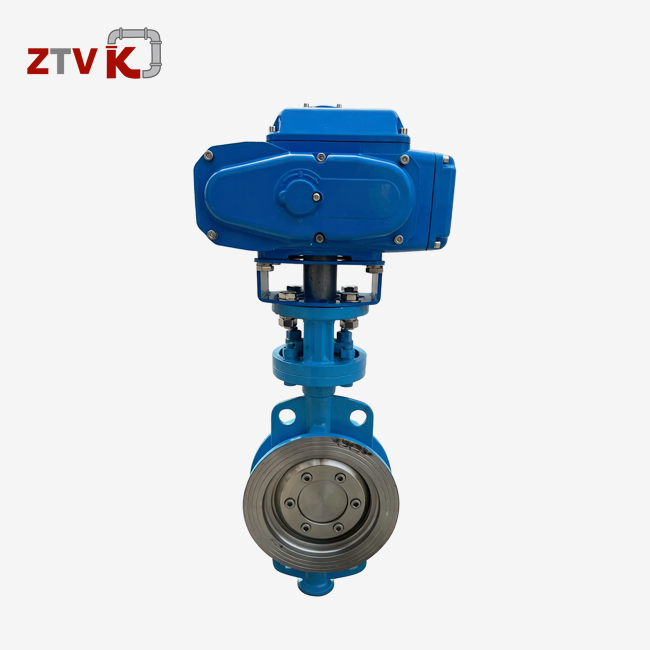
When industrial procurement teams face demanding flow control challenges in high-pressure, high-temperature environments, the triple offset metal-seated butterfly valve emerges as the optimal solution. This advanced valve design incorporates three distinct geometric offsets that create a cam-action sealing mechanism, eliminating friction during operation while delivering zero-leakage performance. Unlike conventional soft-seated alternatives, these valves excel in petrochemical refineries, power generation facilities, and LNG terminals where operational reliability directly impacts safety and profitability. Their ability to handle temperatures from cryogenic conditions to 815°C, combined with bi-directional sealing integrity, makes them indispensable for global distributors and engineering contractors seeking long-term value.
Understanding Triple Offset Metal-Seated Butterfly Valves
The triple eccentric design of this valve technology is what makes it so smart. The shaft is set apart from both the axis of the disc and the seating plane. The shape of the conical seat adds a third important offset. This exact arrangement makes sure that the metal sealing ring only touches the valve seat in the last few degrees of closing. This creates a smooth rotation that makes the part last longer than 50,000 cycles.
The Science Behind Zero-Friction Operation
When the disc is turned 90 degrees, it moves away from the seating surface completely. This stops the wear patterns that happen with traditional designs. This action that doesn't rub lowers the actuator force needed by 30% compared to double-offset types. This means that less energy is used and the actuator is smaller. The metal-to-metal contact at closing relies on mechanical interference instead of elastic distortion. This means that the seal stays strong even after thousands of thermal cycles.
Material Selection for Extreme Conditions
We make valve bodies at ZTVK out of ductile iron (GGG40/50), carbon steel (WCB A216), and stainless steel grades like SS304, SS316, and duplex alloys like 2507. The disc's design is the same for these material choices, and there are also nickel-lined ductile iron possibilities for media that are corrosive. Our seat design has metal surfaces and flexible graphite layers layered on top of each other. This makes a multilayer structure that can handle temperature expansion without galling. This compatibility of materials meets the needs of chemical processing plants for corrosion protection and high-pressure gas transportation systems for mechanical strength.
Pressure and Temperature Capabilities
The sizes of our products run from DN50 to DN3000, and the pressure grades are PN6, PN10, PN16, and 150LB. Because of this, distributors can keep a wide range of products in stock to meet the needs of a wide range of clients, from water systems that need PN10 valves to petrochemical applications that need ASME 2500 ratings. The temperature range is from -196°C for LNG storage to 815°C for superheated steam lines. This is made possible by extended bonnet designs that protect the stem packing from extreme temperatures.
Advantages and Applications of Triple Offset Metal-Seated Butterfly Valves
Industrial contractors and equipment makers are having a hard time with certain problems, but this valve technology has found solutions. Procurement managers always point out three important benefits of the triple offset metal-seated butterfly valve that make the original investment premium over soft-seated options worth it.
Fire-Safe Certification and Zero-Leakage Performance
Our valves are fire-safe according to API 607 and ISO 10497 standards. The seals stay intact even when soft parts break down in a fire. This feature is very important for chemical and oil companies that have to follow ISO 15848, which is a standard for controlling fugitive pollution. The metal-seated design keeps working during steam blowdowns and process upsets, while resilient-seated valves stop working above 260°C. This keeps expensive shutdowns and safety incidents from happening.
Industry-Specific Applications
In ports for liquefied natural gas, these valves can handle high thermal contraction without sticking because they have long bonnets that keep the actuators from reaching cryogenic temperatures. In extraction steam lines, power plants swap big gate valves with our small ones. This makes stroke times faster during emergency shutdowns. When petrochemical plants deal with sour service that contains high levels of H2S, the rust resistance of duplex stainless steel construction helps them avoid the fast breakdown that happens with soft-seat assemblies in streams that are full of catalysts. In water treatment plants, the sealing can go in both directions, so they don't have to do any specific installation when setting up the pipe system.
Maintenance Advantages and Lifecycle Costs
When compared to position-seated designs, the torque-seated sealing mechanism requires less maintenance. Facility managers say that inspections happen more often than once every 24 months in clean service applications, and the seal ring can be changed without taking the valve out of the pipeline. This serviceability benefit is especially useful for EPC companies working on projects that last more than one year, since downtime has a direct effect on deadlines and penalties.
How to Choose the Right Triple Offset Metal-Seated Butterfly Valve
To do a good job of procurement, you need to match the valve's specifications to its operational parameters and think about the total cost of ownership. Before choosing a provider, engineering teams should look at a number of technical and business aspects.
Evaluating Operational Requirements
Pressure drop estimates help figure out the right size valve, weighing the original cost against the amount of energy used for pumping over the life of the installation. Media compatibility research helps choose the right material. For example, carbon steel is fine for water and steam uses, but chloride-rich environments need duplex stainless steel. The frequency of temperature changes affects the choice of seat material. For uses that experience daily temperature changes of more than 200°C, pure metal chairs are best.
Comparing Material Options and Certifications
In marine environments, stainless steel 316L is more resistant to pitting than 304, which is why it costs 20% more for coastal installations. Duplex grade 2507 has twice the yield strength of regular austenitic stainless steels. This means that offshore platforms can have thinner walls and less weight. By checking material test reports (MTRs) and making sure they meet ASME B16.34 standards, you can avoid using alloys that aren't up to par and will not last.
Supplier Capability Assessment
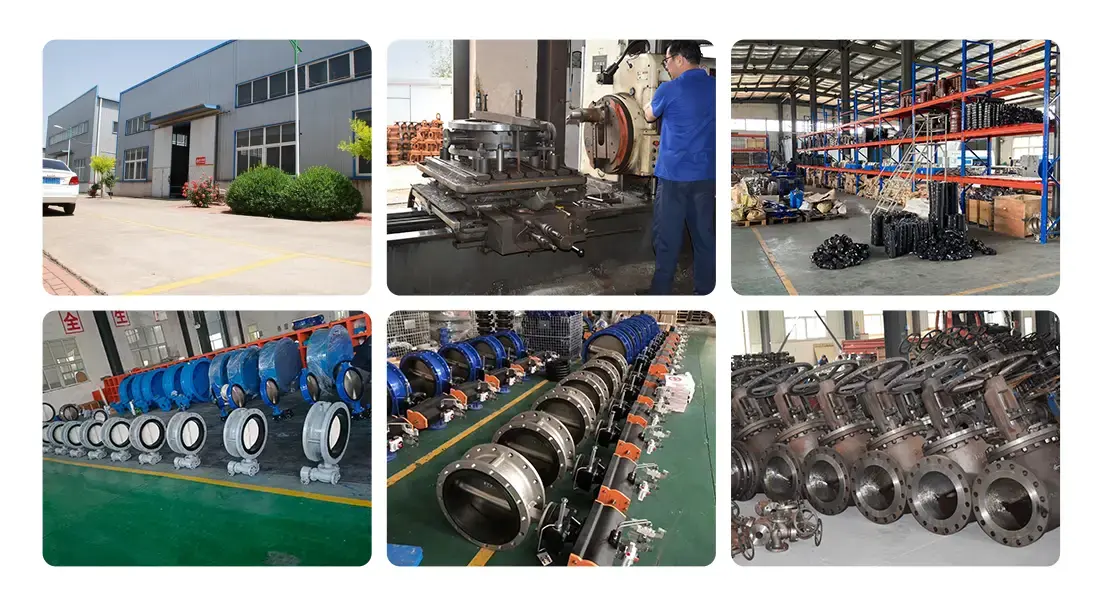
OEM partners must show that they can make products with unique flange drillings, longer stem lengths, and different finishes. At ZTVK, our Tianjin plant keeps more than 2,000 basic units (DN50–DN600) ready to be sent out within 3–7 days. Custom configurations, on the other hand, take 15–25 days to make. We are only 50 kilometres from Tianjin Port, which makes it easy to load containers and handle paperwork quickly. This cuts down on the total time it takes for foreign clients to get their goods. We only require a minimum order of one set, so sellers trying new market niches don't have to worry about keeping a lot of inventory on hand.
Actuator Integration Considerations
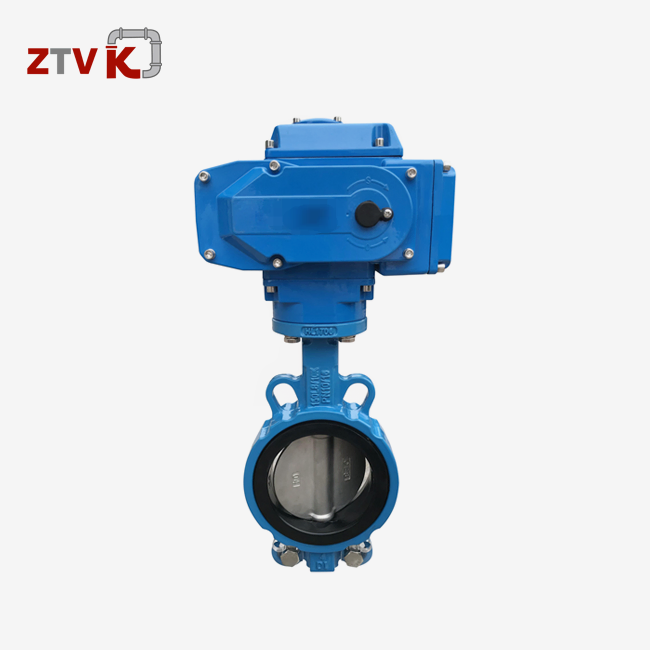
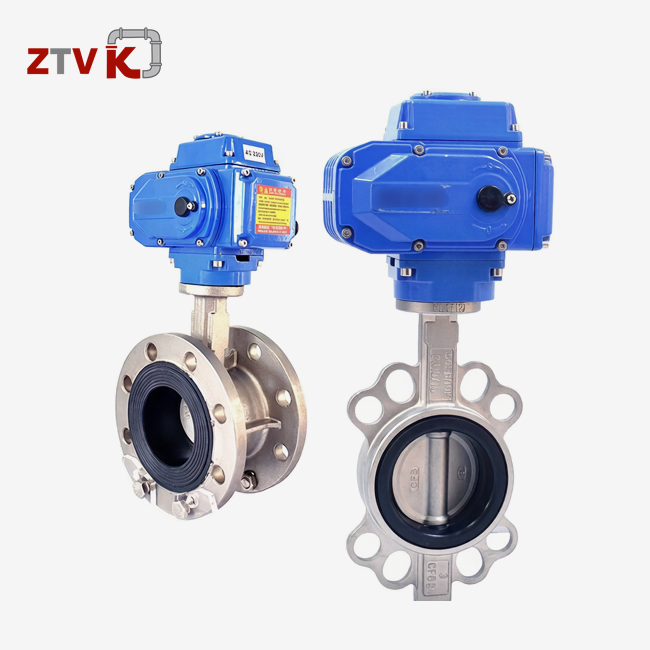
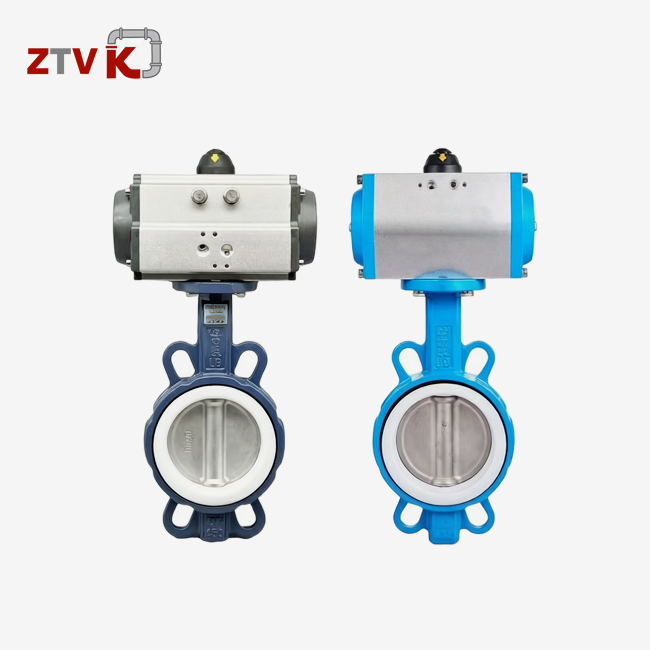
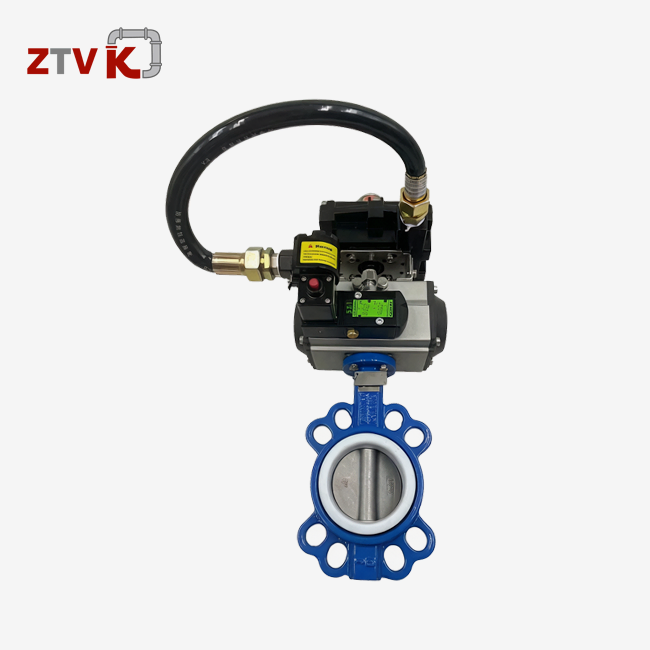
When choosing a valve, you should think about how it will be automated. For example, manual worm gear operators are good for making small changes that don't happen very often, but electric actuators are needed for remote control integration. For emergency separation, pneumatic action has the fastest stroke speeds; it takes less than three seconds to go from 0 to 90 degrees. Our valve designs come with pre-machined ISO 5211 fixing pads that let manual operation be switched to automatic operation in the field without having to replace the valve body. This saves money, which is something that plant modernisation teams really like.
Maintenance and Troubleshooting Guide for Triple Offset Metal-Seated Butterfly Valves
Proactive maintenance plans extend the life of the triple offset metal-seated butterfly valve and stop it from breaking down without warning. Our work supporting installations around the world has taught us important inspection times and troubleshooting methods that facility managers should use.
Routine Inspection Protocols
Visual checks should be done every three months to look for stem packing leaks, body coating wear, and actuator mounting bolt pressure. Every year, the seat is taken apart so that the surface can be checked with magnetic particle testing to find stress cracks before they get worse. Using high-temperature grease to grease bearings makes shaft rotation smoother for longer. Relubrication times range from six months for constant cycling service to two years for isolation uses.
Common Issues and Solutions
Most of the time, seat leaks are caused by foreign objects getting stuck in the sealing zone, not by worn parts. Our valve bodies have flushing links built in so they can be cleaned online without taking them apart. If the working force goes up, it usually means that the disc and seat are not lined up correctly. This can be fixed by adjusting the actuator mounting brackets. Leaking stem seals can be fixed by tightening the packing gland bolts again. We have new packing sets that can be shipped quickly from our warehouse in Tianjin.
Documentation and Support Services
ZTVK offers installation guides and troubleshooting manuals that can be accessed through QR codes on valve nameplates. This makes it easy for maintenance technicians to look up steps while they are working in the field. Our 18-month warranty covers problems caused by manufacturing errors, and failures that aren't caused by people are covered for free. We keep technical service partnerships in key markets so that we can help commission large projects with more than 50 valves on-site.
Cost, Procurement, and Supplier Selection Insights
When buying teams understand how prices work and how the supply chain works, they can negotiate better terms while still upholding quality standards.
Pricing Factors and Budget Planning
40 to 50 percent of the price of a valve comes from the cost of the materials. Duplex stainless steel costs more than carbon steel. Certification costs for fire safety tests and pressure vessel code compliance raise the basic cost of making something by 8 to 12 percent. Distributors should expect price differences of 15 to 20 percent between catalogue items and specific changes that need to change the pattern or get special heat treatment.
Supplier Evaluation Criteria
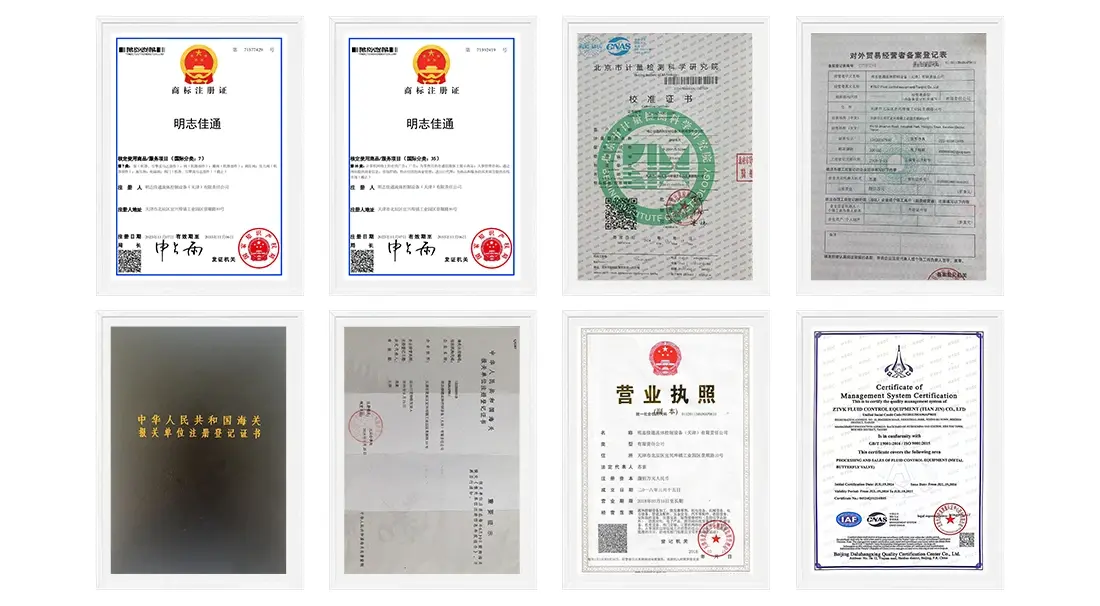
ISO9001 recognition shows that a quality management system is mature, and API 6D monograms show that a design meets the standards of the petroleum business. Factory auditing is what sets serious manufacturers apart from trading companies. ZTVK welcomes third-party reviews of our site in the Beichen District, where guests can see our CNC machining centers, pressure test stations, and material spectroscopy equipment. Our ISO14001 license for environmental management gives clients peace of mind that the ways we make things meet standards for sustainability.
Logistics and Lead Time Management
Standard items are shipped within a week of confirmation of an order, thanks to the way our inventory is strategically placed. Depending on how complicated the order is, making a custom valve takes 15 to 25 days. For 7 to 10 days delivery, rush orders can be accommodated through dedicated production lines for an extra 20%. We have agreements with big shipping companies like COSCO and Maersk so we can offer you competitive FOB Tianjin Xingang and CIF destination port quotes. Packaging meets the guidelines for ISPM 15 heat-treated wood, which keeps customs delays from quarantine checks.
OEM and Customization Services
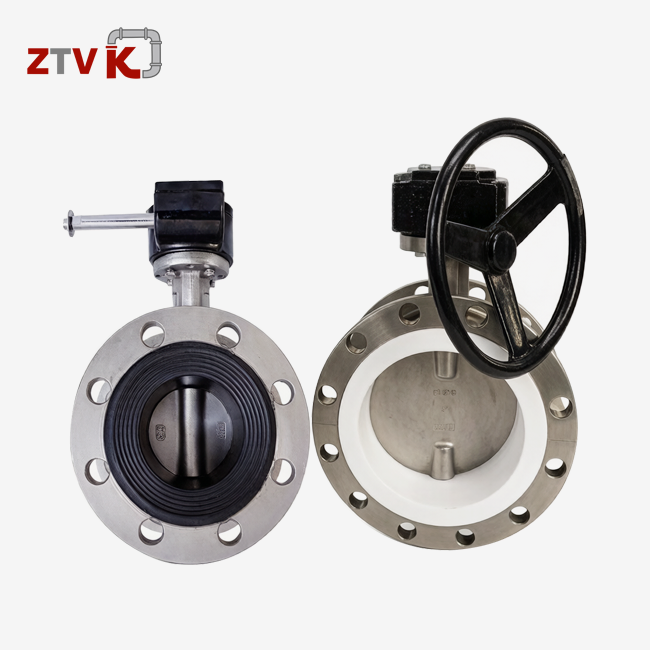
In addition to the normal catalogue options, ZTVK allows for a lot of customisation, such as private labelling with customer branding, changed connection types (wafer, lug, and flanged), and finishes that are made for specific uses. Our engineering team redesigns the inside of valves based on flow data and pressure drop limits. They then provide ODM solutions that work perfectly with customers' own equipment. This adaptability is helpful for companies that make machinery and need valve parts that fit existing bolt patterns and envelope dimensions.
Conclusion
To choose the best valve technology for tough industrial uses, you have to weigh technical performance, lifecycle costs, and supplier dependability. Triple offset metal-seated butterfly valves are the most durable valves on the market. They work best in high-pressure, high-temperature environments where they can't be compromised. With its metal-to-metal sealing and fire-safe certifications, the zero-friction design meets important needs in the petrochemical, power generation, and municipal infrastructure sectors. To be successful at buying, you need to work with makers who can show they know their stuff, follow certification rules, and respond quickly to changes in the supply chain. ZTVK has a wide range of products, from DN50 to DN3000, and our manufacturing is ISO-certified. We also have strategic logistics advantages that make us a trusted partner for global distributors and engineering contractors who want long-term value and technical support.
Frequently Asked Questions
1. Which industries benefit most from triple offset metal-seated butterfly valves?
Because they have to work in harsh conditions, petrochemical factories, LNG ports, power plants, and chemical processing facilities are the main places where they are used. Municipalities use these valves for water treatment and HVAC systems when they need to be fire-safe and have longer upkeep gaps that make the extra cost worth it compared to soft-seated valves.
2. How do triple offset valves differ from double offset designs?
The third geometric offset makes a conical seating surface that doesn't have any friction while the disc is turning, but designs with two offsets keep sliding contact throughout the stroke. This difference in engineering makes the service life 200 to 300 percent longer and allows for effective sealing at pressure differences higher than PN40 grades.
3. What certifications should qualified suppliers provide?
API 609 Category B compliance ensures that the face-to-face measurements are correct, and API 607/ISO 10497 fire-safe testing ensures that the system works in an emergency. The pressure-temperature rating is accurate according to ASME B16.34 certification, and the fugitive emissions control meets environmental regulations according to ISO 15848 documentation.
Partner with ZTVK for Reliable Triple Offset Metal-Seated Butterfly Valve Solutions
ZTVK has more than 15 years of experience in specialised manufacturing and strategic benefits that make buying things around the world easier. At our factory in Tianjin, we make valves that meet ISO, API, and CE standards. The sizes range from DN50 to DN3000, and we use carbon steel, duplex stainless alloys, and other materials. We keep more than 2,000 standard units in stock and ready to ship right away. We also offer full OEM customisation, which includes private labelling, changed internals, and coatings that are specific to the environment in each area. As a manufacturer of triple offset metal-seated butterfly valves with direct access to ports and partnerships with major shipping lines, we can offer low prices without sacrificing quality. Our products come with 18-month warranties and are backed by local technical support networks. You can email our team at ktec86961886@163.com to talk about your special application needs, ask for CAD drawings, or set up plant audits. Distributors and engineering firms all over the world depend on ZTVK to provide steady quality and quick service that keeps important projects on schedule.
References
1. American Petroleum Institute (2018). API Standard 609: Butterfly Valves - Double Flanged, Lug- and Wafer-Type, Tenth Edition. Washington, DC: API Publishing Services.
2. Smith, J.M. & Chen, L. (2020). Advanced Valve Technology for Severe Service Applications. Houston: Industrial Press Inc.
3. International Organization for Standardization (2019). ISO 10497: Testing of Valves - Fire Type-Testing Requirements. Geneva: ISO Central Secretariat.
4. Zappe, R.W. (2021). Valve Selection Handbook: Engineering Fundamentals for Selecting the Right Valve Design for Every Industrial Flow Application, Sixth Edition. Cambridge: Gulf Professional Publishing.
5. European Industrial Valve Association (2017). Technical Guidelines for Triple Offset Butterfly Valves in Cryogenic Service. Düsseldorf: EIVA Publications.
6. Thompson, R.K. (2019). "Lifecycle Cost Analysis of Metal-Seated vs. Soft-Seated Butterfly Valves in Petrochemical Applications." Journal of Pipeline Engineering & Maintenance, Volume 12, Issue 3, pp. 145-162.
Send us your valve requirements and our team will provide professional solutions and fast quotations.
RELATED INDUSTRY KNOWLEDGE