- English
- French
- German
- Portuguese
- Spanish
- Russian
- Japanese
- Korean
- Arabic
- Greek
- German
- Turkish
- Italian
- Danish
- Romanian
- Indonesian
- Czech
- Afrikaans
- Swedish
- Polish
- Basque
- Catalan
- Esperanto
- Hindi
- Lao
- Albanian
- Amharic
- Armenian
- Azerbaijani
- Belarusian
- Bengali
- Bosnian
- Bulgarian
- Cebuano
- Chichewa
- Corsican
- Croatian
- Dutch
- Estonian
- Filipino
- Finnish
- Frisian
- Galician
- Georgian
- Gujarati
- Haitian
- Hausa
- Hawaiian
- Hebrew
- Hmong
- Hungarian
- Icelandic
- Igbo
- Javanese
- Kannada
- Kazakh
- Khmer
- Kurdish
- Kyrgyz
- Latin
- Latvian
- Lithuanian
- Luxembou..
- Macedonian
- Malagasy
- Malay
- Malayalam
- Maltese
- Maori
- Marathi
- Mongolian
- Burmese
- Nepali
- Norwegian
- Pashto
- Persian
- Punjabi
- Serbian
- Sesotho
- Sinhala
- Slovak
- Slovenian
- Somali
- Samoan
- Scots Gaelic
- Shona
- Sindhi
- Sundanese
- Swahili
- Tajik
- Tamil
- Telugu
- Thai
- Ukrainian
- Urdu
- Uzbek
- Vietnamese
- Welsh
- Xhosa
- Yiddish
- Yoruba
- Zulu
What types of valves are used in water supply pipelines?
Several types of valves are used in water supply pipelines to control flow, separate sections, and make sure the systems are safe to use. Gate valves let full-bore flow through with little pressure drop, so they can be used to shut down the main line. In smaller diameter uses, ball valves are great for sealing well and shutting off quickly. Check valves stop backflow, which keeps pumps and other equipment from getting damaged. While globe valves let you precisely slow down flow, they also lose more pressure. Out of these choices, the butterfly valve for water line has become the most useful and cost-effective one. It's perfect for municipal water distribution, HVAC systems, and industrial uses where space and cost are important because it's small, light, and doesn't need much maintenance.
Common Types of Valves Used in Water Supply Pipelines
For water infrastructure projects, choosing the right valves is important for balancing cost, performance, and durability. In treatment plants, transmission mains and distribution networks, different valve systems meet different operating needs.
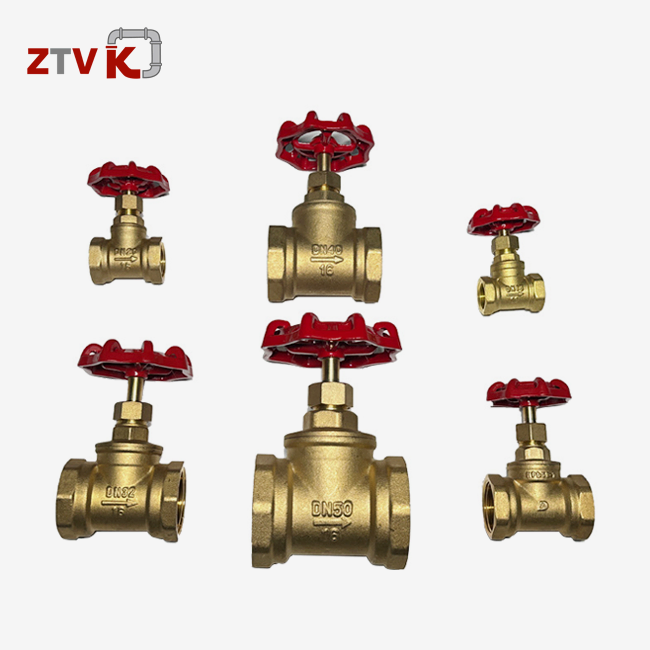
Gate Valves in Water Distribution
Gate valves move a wedge-shaped disc out of the flow direction fully, like a sliding door inside the pipeline. When fully open, this design doesn't create much of a blockage, which is why gate valves are perfect for isolating large gearbox mains from DN150 to DN1200. The main problem with them is that they work more slowly than quarter-turn options, and sediment can build up in the seating area. For better sealing against chlorinated water, municipal contractors often ask for gate valves with resilient seats and EPDM-coated wedges.
Ball Valves for Quick Shutoff
To start or stop the flow right away, ball valves turn a spherical closing part 90 degrees. The full-port design keeps the pipeline moving quickly without making waves. These valves work great in places where they need to be used often, like pump pressure lines and branch links in building water systems. Even though they cost a lot more per unit above DN100, stainless steel ball valves don't rust in harsh water chemicals. Their simple design means that they rarely need new seals every ten years, which is great for maintenance teams.
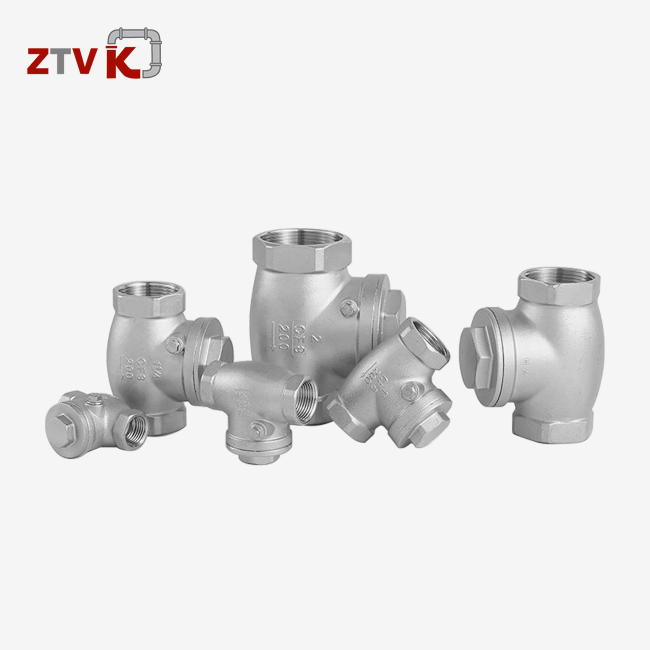
Check Valves Preventing Reverse Flow
Check valves open automatically when there is forward pressure and slam shut when the flow changes directions. This keeps the system pressure steady and protects pumps from water hammer. Swing check valves have a disc that is hinged and can be installed horizontally. Wafer check valves, on the other hand, are spring-loaded and can fit between flanges in any direction. Silent check valves have damping mechanisms that lower the noise made when they close. Check valves are put in place after high-service pumps in water treatment plants to keep the columns from separating and the pumps from breaking down when the power goes out.
Globe Valves for Flow Regulation
Globe valves have a disc that can be moved and seats against a fixed ring. This lets workers precisely control the flow by turning the disc several times. The winding path of the flow causes a big drop in pressure, which turns kinetic energy into heat. Globe valves work well in places where fine control is more important than economy, like pressure-lowering stations and bypass lines. They are not good for isolation service, though. Their internal design traps debris, so in situations with cloudy water, upstream strainers are needed.
Butterfly Valves Balancing Performance and Economy
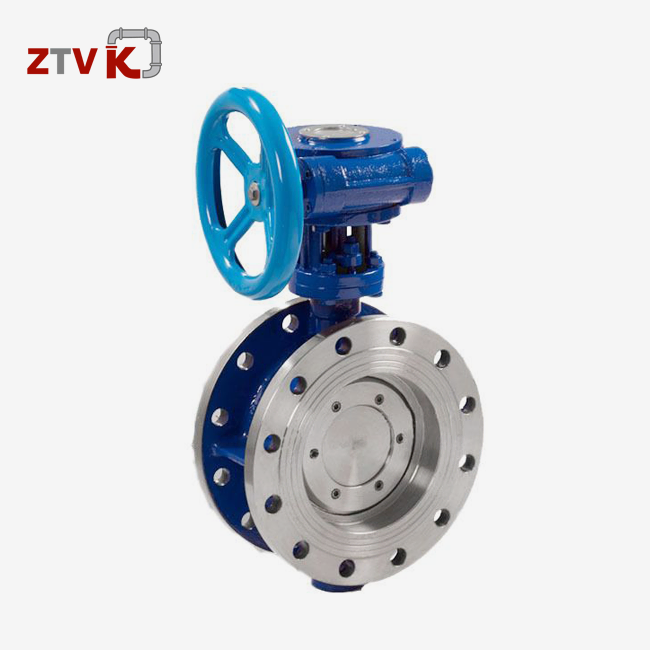
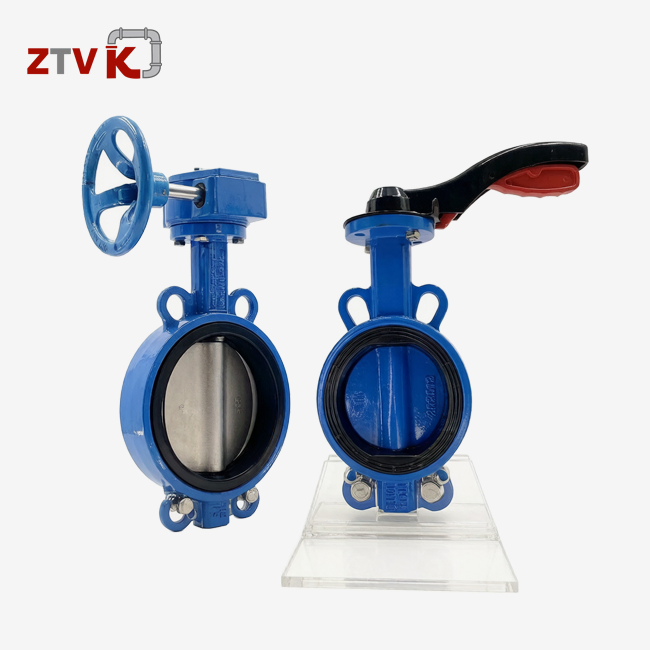
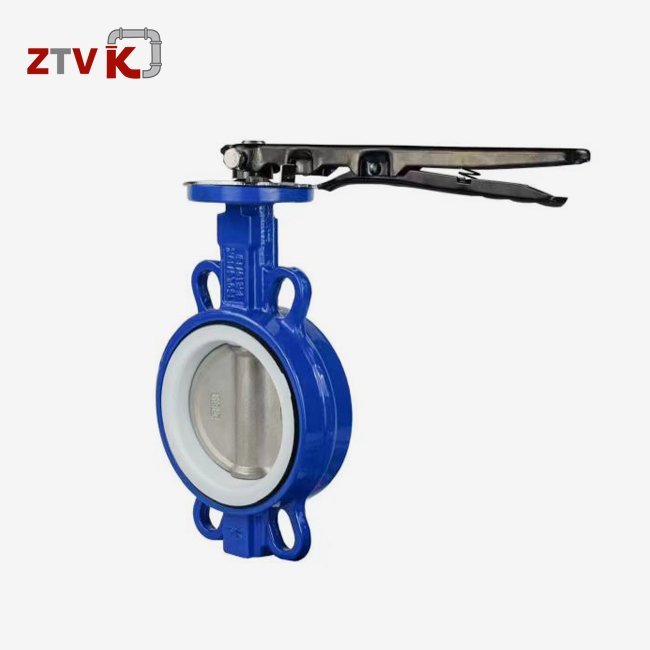
Butterfly valves work by rotating a disc inside the flow stream. They are small and seal well at the same time. When compared to gate valves of the same size, their short face-to-face length makes installation lighter and eliminates the need for flange bolts. Using through-bolts to clamp wafer-style butterfly valves between flanges makes them a cheap solution for water lines with a moderate pressure of PN10 or PN16. Up to DN300 can be moved by hand because of the low working torque. For automatic control, bigger sizes can use worm gears, pneumatic actuators, or electric actuators. The ductile iron bodies and EPDM seats meet NSF/ANSI 61 standards for contact with potable water, and the resilient lining can handle chlorine levels that are common in city water systems.
Modern butterfly valves for water line designs get around the problems that came with older ones by improving the engineering. Double eccentric configurations lower the friction on the seat when it opens, which increases the cycle life to more than 50,000 operations. Aluminium bronze discs don't lose their zinc when they come into contact with high-salinity water sources that serve coastal towns. Sizes ranging from DN40 to DN1200 can be used for almost any type of water infrastructure, from building service lines to reservoir outlet works.
Detailed Exploration of Butterfly Valves for Water Supply
Through progress in material science and computer optimisation of fluid dynamics, butterfly valves have changed from simple dampers to complex flow control devices. When procurement teams know about these differences, they can better match valve specifications to the needs of the project.
Wafer Versus Lug Body Designs
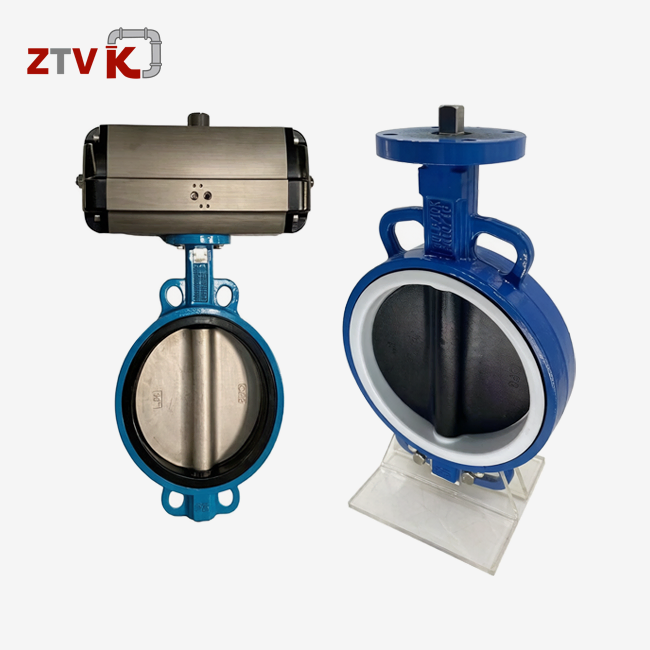
Wafer butterfly valves are placed between pipe flanges and depend on the compression of the flanges to keep the body together. This design is light, which saves money on materials and makes it easier to handle during installation. Lug-style bodies have threaded inserts that can hold one bolt on each flange. This lets you remove the pipes that are further downstream without affecting the installation of the valve. When there is a lot of dead-end service at the pump outlet, maintenance teams like lug valves better. Because of the extra machinery, the unit cost is about 15% higher than for wafer versions.
Manual and Automated Actuation Options
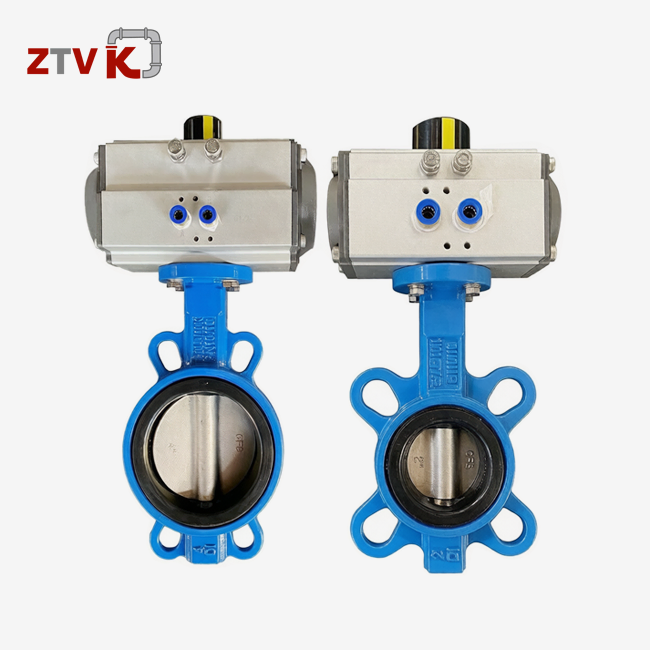
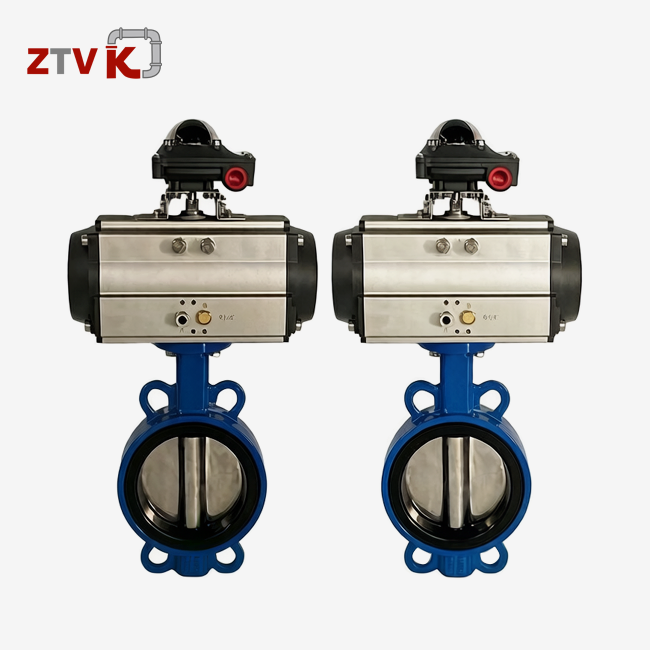
Hand lever operators can be used with butterfly valves up to DN150 in low-pressure situations. They show the position visually and allow for easy reversal. Worm gear actuators allow manual operation up to DN600 by reducing the amount of effort needed to turn the handle. However, the closing time increases by the same amount. Pneumatic actuators can be controlled from a distance and work with process control systems that use positioners to change the level of service. Electric actuators don't need compressed air, which makes them useful in pumping stations that aren't manned. All activation methods can be attached to ISO5211 flanges, which lets improvements be made in the field without having to replace the valve body.
Material Selection for Service Conditions
The material of the valve body decides how well it resists rust and how well it holds up under pressure. Ductile iron has a great strength-to-weight ratio and can be buried underground with fusion-bonded epoxy coatings. The structure of the graphitised grid can handle water hammer impacts better than grey cast iron. The materials used for discs range from ductile iron with a nylon coating to protect against wear and tear to CF8M stainless steel for use in harsh chemical settings. Aluminium bronze plates can be used in brackish water and seawater, where they make patinas that protect the metal and keep it from wearing away. The choice of seat strikes a balance between temperature range, chemical compatibility, and shutdown classification. From -20°C to +120°C, EPDM rubber can handle it, and it doesn't break down when exposed to chlorine or ozone. Even though the temperature range for PTFE seats is smaller, they can still shut off bubble-tight in systems with very pure water.
Addressing Common Operational Challenges
Butterfly valves for water lines sometimes leak past their seats because something gets stuck between the disc and the liner. Adding Y-strainers upstream stops particles from getting to the sealing surfaces. Stem packing glands need to be adjusted every so often to keep the outside from leaking without being overtightened, which speeds up wear. Installing valves with ends that are flat on the ground keeps dirt from building up in the bottom bearings. Cavitation damage happens when the pressure further downstream drops below the vapour pressure, which causes bubbles to collapse in a way that is harmful. This risk can be kept to a minimum by keeping speed at 3 metres per second and not throttling below a 20% opening.
Butterfly Valve Versus Other Valves: Making the Right Choice
In order to choose the right valve technology, you have to look at the initial cost, the difficulty of installation, the cost of upkeep, and the system's operational needs over its entire lifetime. Comparative analysis shows where butterfly valves are the most useful.
Cost-Effectiveness Across Size Ranges
When the size is above DN200, butterfly valves are thirty to fifty per cent less expensive than gate valves. This saves a lot of money on projects with large diameters. The lighter weight lowers the cost of renting a crane and the size of the base needed for installs above ground. In a typical municipal water service, butterfly valves up to DN600 are cheaper to install than other types because they don't need as many fittings, labour, or structural support. When it comes to smaller sizes, gate valves are still a good deal because their zero-restriction flow path makes up for the extra cost.
Installation Speed and System Integration
Wafer butterfly valves are easy to use in retrofit situations where room is limited because their face-to-face diameter is small. Butterfly valves are easier to install than gate valves because they can be put in place and bolted up faster. Being able to accept different types of movement without changing the body gives you options when your system grows. To make manual butterfly valves work automatically, actuators are attached to existing ISO5211 flanges instead of whole systems being replaced.
Maintenance Needs and How Long It Will Work
Butterfly valves have fewer moving parts than multi-turn gate valves, which means they need less upkeep and fewer extra parts. In clean water service, resilient-seated designs usually don't need any maintenance for five years. In wafer installations, you have to take the valve out of the line to replace worn seats. In lug styles, you can service the valve while it's still in place by taking out only the disc and stem assembly. Butterfly valves that are properly sized and used can last twenty years before needing major repairs.
Material Trade-offs Between Metal and Plastic Components
A metal-seated butterfly valve for water line can withstand high temperatures and meet the Class VI shutdown requirements of critical isolation uses. Because of the metal-to-metal touch, the parts have to be carefully machined and finished on the outside, which greatly raises the cost of production. Resilient-seated valves can handle small surface flaws because the polymer liner deforms easily. This lowers the cost of production while keeping Class A shutdown performance good enough for most water systems. When used a lot, plastic seats wear out faster than metal ones, but the cost of replacing is still low compared to the cost of the valve body itself.
Conclusion
The selection of the right valve technology for water supply pipeline systems based on working needs and budget limits is helpful. Gate, ball, globe, and check valves are all different types of flow control devices that do different things. Butterfly valves are one of the most useful parts because they can be used in a lot of different situations and are reasonably priced. They also work well for a long time. They are an important part of modern water infrastructure because they come in sizes ranging from DN40 to DN1200, can be activated in a number of ways, and are made of a variety of materials that can be used for both potable water and industrial purposes. When purchasing, teams know about different types of building, the properties of materials, and how to evaluate suppliers, they can easily choose butterfly valves that improve system performance while keeping costs low over time. When installed correctly and maintained regularly, these valves will work without any problems for decades in important water transport networks.
FAQ
1. What makes butterfly valves suitable for potable water systems?
Butterfly valves made for drinking water use NSF/ANSI 61-certified materials that keep dangerous chemicals from getting into water sources. Epoxy coatings that are free of lead and heavy metals are put on bodies made of ductile iron. EPDM chairs don't break down when exposed to leftover chlorine disinfection, and they stay flexible at a wide range of temperatures. The smooth flow path reduces turbulence that could help bacteria grow, and designs with no cracks make cleaning easier.
2. How often should butterfly valves undergo maintenance in water service?
Operators of water systems should do eye checks every three months to find early signs of damage to the cover or leaks on the outside. Once a year, the valves are put through a full range of operations to make sure they work properly. Low-pressure air tests are used to check the inside of seats every three to five years to find small leaks before they start to affect performance significantly. The manufacturer sets schedules for adjusting the packs and lubricating the actuators, which are usually once a year. If you take good care of your resilient-seated butterfly valves, they can last between ten and twenty years before they need major repairs or replacement.
3. Can butterfly valves replace gate valves in existing water mains?
Due to their smaller size and lighter weight, butterfly valves can often be used instead of gate valves in retrofit situations. The small size makes it easier to handle in small vaults and lowers the need for structural support. When switching between connection standards, adapters handle flange drillings that don't match up. Different types of valves have different flow characteristics, so builders should make sure that the system head loss figures are still correct after the valve is swapped out.
Partner with a Trusted Butterfly Valve for Water Line Manufacturer
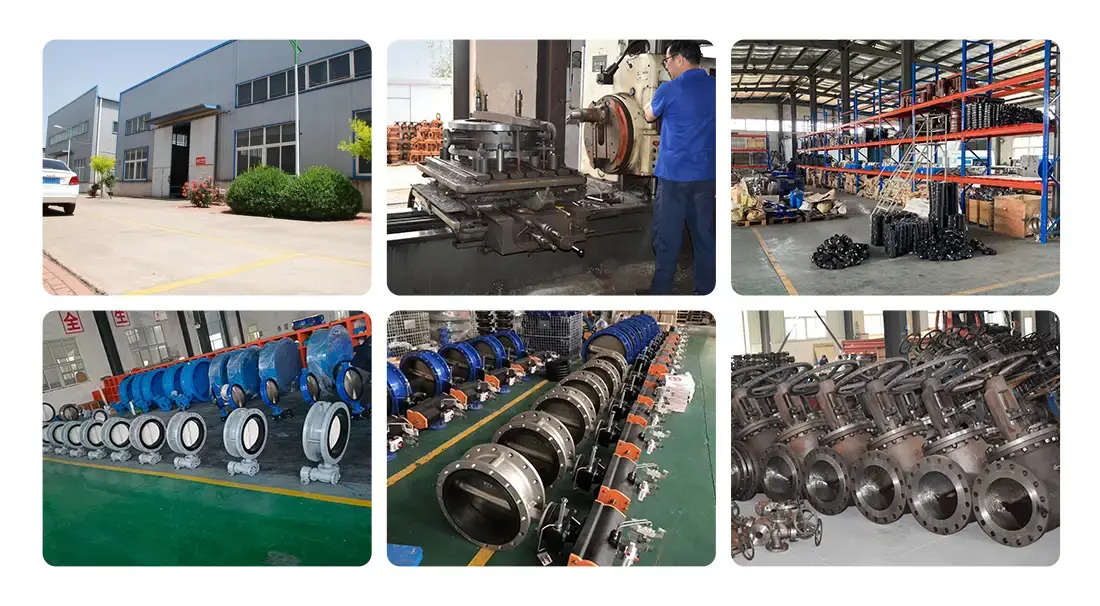
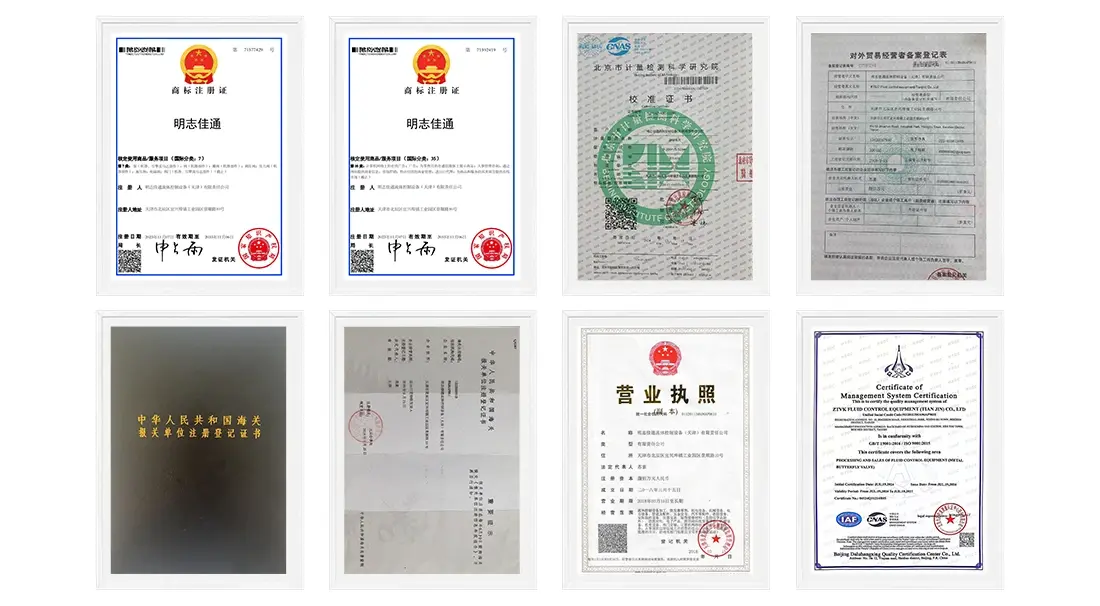
To buy butterfly valves, you need a manufacturer with both technical know-how and flexible supply chain capabilities. ZTVK, which is based in Tianjin's Beichen Industrial Zone, has been specialised in valve engineering for fifteen years and can offer this exact combination. Our factories have quality systems that are ISO9001 approved, and they make butterfly valves from DN40 to DN1200 in wafer shapes that can handle PN10 and PN16 service pressures. When paired with aluminium bronze or stainless steel plates, ductile iron bodies prevent corrosion in a wide range of water chemicals. EPDM, NBR, PTFE, and VITON seat materials can handle the temperature ranges and chemical conditions that are right for your job. We keep standard models in stock, which means they can be delivered in three to seven days. For custom configurations, the production cycle is fifteen to twenty-five days. ISO5211 interfaces make it easy to add more automation features by letting you mount electric, pneumatic, worm gear, and hand lever actuators. Being close to Tianjin Port makes foreign shipping easier, and our 18-month guarantee shows that we trust the quality of our products. We can be reached at ktec86961886@163.com by engineering teams who want to talk about their water infrastructure projects and get personalised expert advice. Our ability to deliver certified products on tight deadlines helps you stay ahead of the competition, whether you work for municipal contractors looking for a reliable butterfly valve for water line supply or distributors looking for an OEM partnership.
References
1. American Water Works Association. (2017). Manual M49: Butterfly Valves: Torque, Head Loss, and Cavitation Analysis. Denver, CO: AWWA.
2. British Standards Institution. (2018). BS EN 593:2017 Industrial Valves – Butterfly Valves of Thermoplastics Materials. London: BSI Standards.
3. Hydraulic Institute. (2019). HI-ANSI/HI 9.6.7 Rotodynamic Pumps – Guideline for Effects of Liquid Viscosity on Performance. Parsippany, NJ: Hydraulic Institute.
4. International Organization for Standardization. (2016). ISO 5752:2021 Metal Valves for Use in Flanged Pipe Systems – Face-to-Face and Centre-to-Face Dimensions. Geneva: ISO.
5. NSF International. (2020). NSF/ANSI Standard 61: Drinking Water System Components – Health Effects. Ann Arbor, MI: NSF International.
6. Valve Manufacturers Association. (2021). VMA Technical Bulletin: Selection and Application of Butterfly Valves in Water and Wastewater Systems. Washington, DC: VMA.
Send us your valve requirements and our team will provide professional solutions and fast quotations.
RELATED INDUSTRY KNOWLEDGE