- English
- French
- German
- Portuguese
- Spanish
- Russian
- Japanese
- Korean
- Arabic
- Greek
- German
- Turkish
- Italian
- Danish
- Romanian
- Indonesian
- Czech
- Afrikaans
- Swedish
- Polish
- Basque
- Catalan
- Esperanto
- Hindi
- Lao
- Albanian
- Amharic
- Armenian
- Azerbaijani
- Belarusian
- Bengali
- Bosnian
- Bulgarian
- Cebuano
- Chichewa
- Corsican
- Croatian
- Dutch
- Estonian
- Filipino
- Finnish
- Frisian
- Galician
- Georgian
- Gujarati
- Haitian
- Hausa
- Hawaiian
- Hebrew
- Hmong
- Hungarian
- Icelandic
- Igbo
- Javanese
- Kannada
- Kazakh
- Khmer
- Kurdish
- Kyrgyz
- Latin
- Latvian
- Lithuanian
- Luxembou..
- Macedonian
- Malagasy
- Malay
- Malayalam
- Maltese
- Maori
- Marathi
- Mongolian
- Burmese
- Nepali
- Norwegian
- Pashto
- Persian
- Punjabi
- Serbian
- Sesotho
- Sinhala
- Slovak
- Slovenian
- Somali
- Samoan
- Scots Gaelic
- Shona
- Sindhi
- Sundanese
- Swahili
- Tajik
- Tamil
- Telugu
- Thai
- Ukrainian
- Urdu
- Uzbek
- Vietnamese
- Welsh
- Xhosa
- Yiddish
- Yoruba
- Zulu
Stainless Steel Butterfly Valve: Types and Applications
When engineers and procurement managers search for reliable flow control solutions, stainless steel butterfly valves consistently emerge as the go-to choice for demanding industrial environments. These quarter-turn rotary valves combine corrosion resistance, compact design, and operational efficiency, making them indispensable across water treatment, chemical processing, HVAC systems, and petrochemical operations. Understanding their types, applications, and selection criteria helps you make informed decisions that balance performance with long-term cost-effectiveness.
Understanding Stainless Steel Butterfly Valves
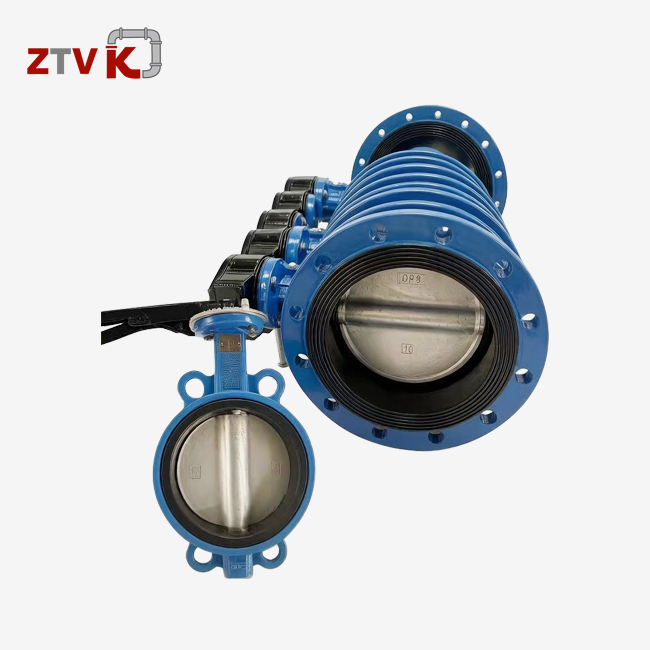
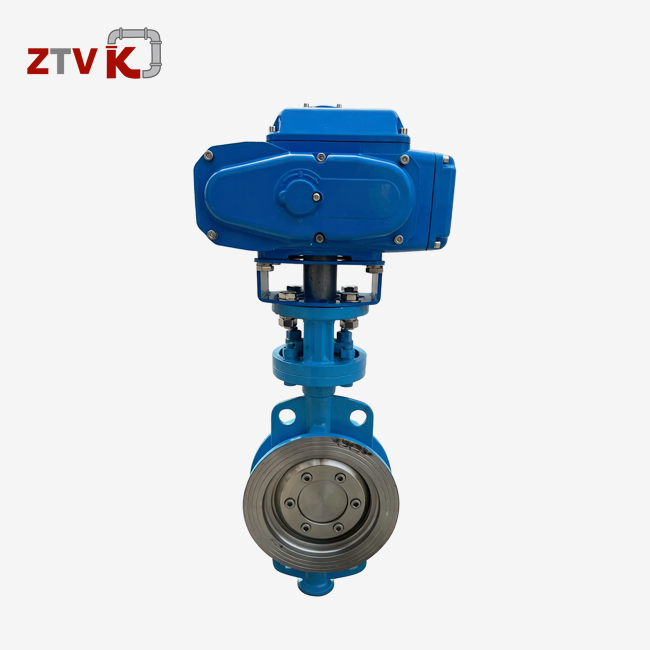
A simple but effective way for stainless steel butterfly valves to work is for a disk to spin 90 degrees around a central shaft to control or stop flow. The main parts are the valve body, the disk (or "butterfly"), the stem, the seats, and an actuator link that can be used for electric, pneumatic, or manual action.
Core Design Principles
When the valve is fully open, the disk sits in the middle of the pipe, parallel to the flow when it is closed. Compared to gate or globe valves, this design causes less pressure drop, which means that less energy is used in pump-driven systems. The stem connects the disk to an outside actuator and sends torque to it so that it can be placed precisely. EPDM, Teflon, ethylene-propylene, and fluorine rubbers are some examples of seat materials that can seal well against a wide range of liquids, from water and seawater to weak acids, oils, and alcohols.
Material Advantages
The bases and disks made of Grade 304 stainless steel are very resistant to corrosion in most situations. The chromium forms an inactive oxide layer that fixes itself when it gets scratched, stopping rust from getting through. This durability is especially useful in public water systems, where chlorine breaks down carbon steel alternatives in just a few years. The non-reactive surface of the material is good for food and drink makers because it keeps surfaces clean and stops contamination.
Operational Benefits
When it comes to installation space, butterfly valves are up to 40% smaller than gate valves of the same size. Because they are made of light materials, they are cheaper to move and easier to handle during upkeep. The quick quarter-turn action lets you respond quickly to changes in the process, which is very important in automated control loops. With the right seat choice and pressure values between PN0.6 and 1.6 MPa (about 150Lb to 300Lb class), these valves can handle a wide range of media and temperatures, from below zero to mild heat.
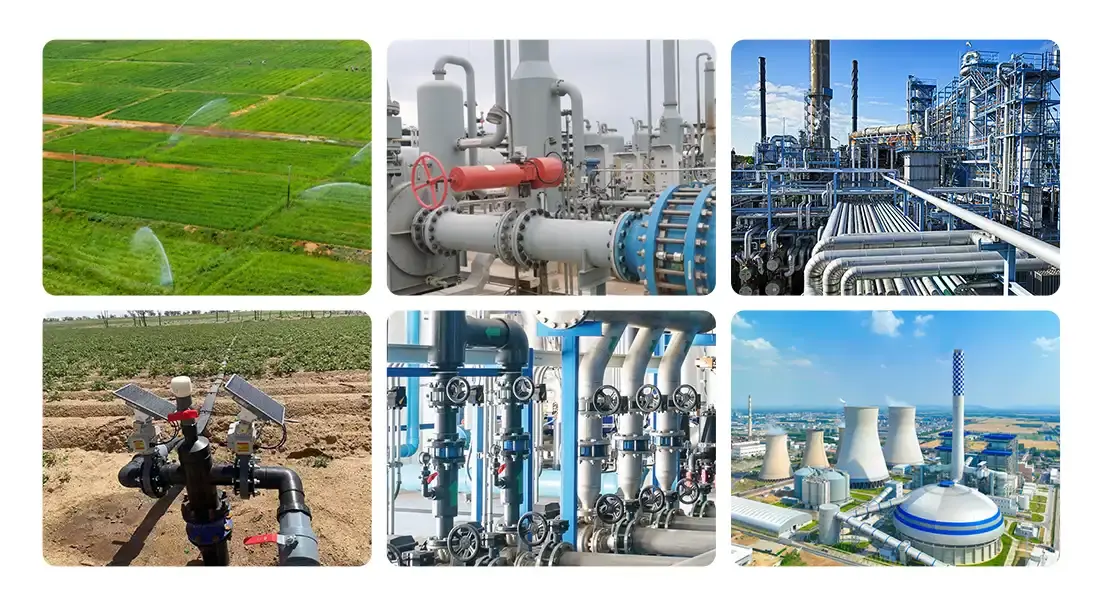
These valves are used in many fields, from oil refineries to pharmaceutical plants, because they shut off completely without any leaks and require little torque. When material integrity and design efficiency work together, they solve two problems that distributors really dislike: suppliers who don't always deliver good quality and parts that break down early and mess up supply chains.
Types of Stainless Steel Butterfly Valves
To choose the right type of valve, you need to know how differences in design affect installation, upkeep, and performance. Manufacturers offer a range of configurations to meet the needs of different businesses and budgets.
Wafer vs. Lug Style Construction
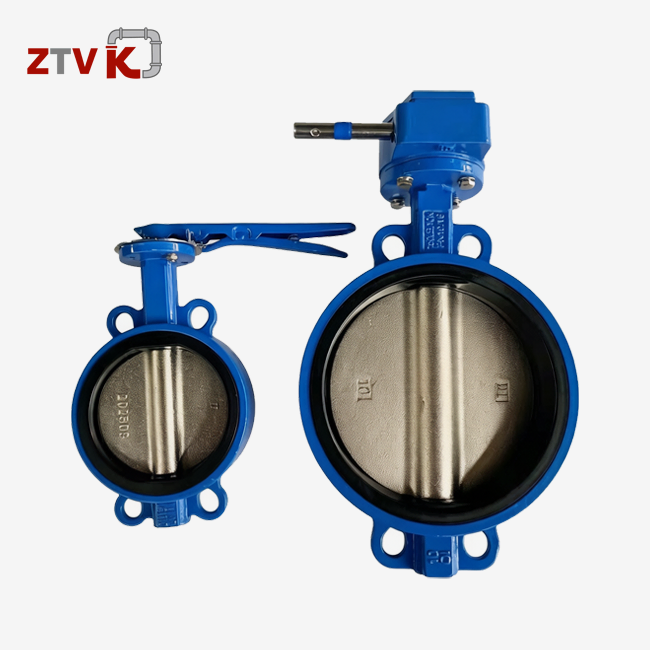
Wafer-style valves are held in place by through-bolts that squeeze the valve body together. They fit between two pipeline flanges. This design is the most cost-effective choice for normal uses and works well in systems where downstream pipes stay connected forever. But to remove the pipes further downstream, the whole system has to be taken apart.
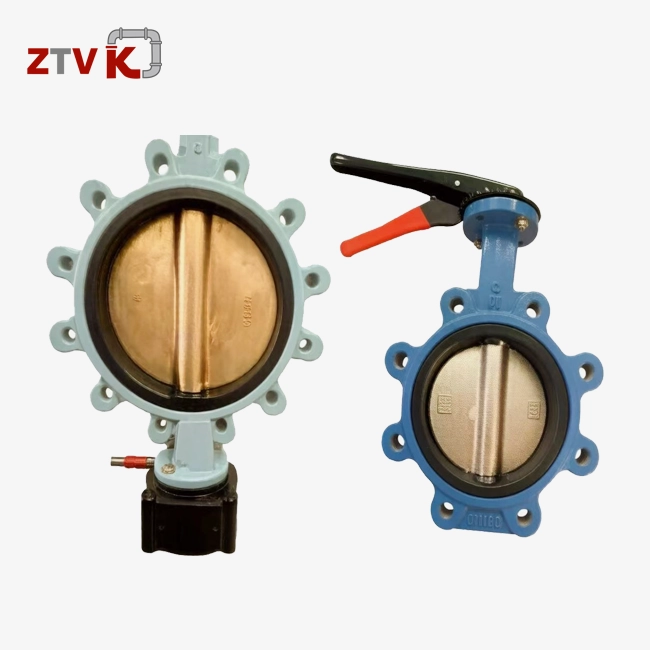
The body of lug-style valves has threaded sections that can hold a bolt from each side. This makes it possible for techs to check downstream pipes without touching the valve itself, which is very helpful for regular system audits. The extra flexibility makes up for the small price increase in applications that need to be accessed often.
Concentric vs. Offset Disc Designs
With concentric stainless steel butterfly valve units, the disc's rotation axis is in the middle, which makes the sealing pressure even. These units work great in HVAC systems and low-pressure water distribution systems where cost-effectiveness is more important than bubble-tight shutdown. During use, the disk rubs against the seat, which leads to slow wear that limits the cycle life to about 30,000 actions.
When the disk is opened, double and triple offset designs move the closing side of the disk away from the seat. This stops friction wear. The disk only touches the seat at the very end of its closure, which makes it last longer than 50,000 cycles. This technology is very important in steam applications and chemical plants, where harsh media and thermal cycling speed up the breakdown of parts.
Material Grade Selection
Grade 304 stainless steel has strong resistance to rust because it has 18% chromium and 8% nickel. It does a good job with municipal water, food, and mild chemicals. Grade 316 has an extra 2% to 3% molybdenum, which makes it much more resistant to chlorides and industrial acids. 316 material is needed for coastal installations, desalination plants, and marine uses to keep saltwater from causing pitting corrosion.
Pressure Rating Categories
Standard butterfly valves can handle pressures between PN0.6 and PN1.6 MPa, which is enough for most business and light industry needs. High-pressure versions have stronger bodies, bigger disks, and metal-to-metal seats to handle tough conditions in upstream oil production and power generation. Knowing the highest pressure that your system can handle keeps it from breaking down completely and makes sure that you're following safety rules.
How to Choose the Right Stainless Steel Butterfly Valve
When making choices about what to buy, you should weigh the technical needs against the total cost of ownership. The right valve performs reliably throughout its lifetime without requiring too much upkeep or causing problems with compatibility.
Matching Pressure and Temperature Ratings
Find your system's highest operating pressure, taking into account surges that happen when the pump starts up or a valve closes. To be safe, choose a valve with a pressure class that is at least 20% higher than this maximum. Temperature has a bigger impact on the choice of seat material than on the integrity of the body. EPDM seats can work in water systems up to 120°C, while Teflon seats can handle steam and hot oil up to 200°C.
Sizing for Flow Requirements
The width of the valve should fit the size of the pipe so that the flow speed stays the same and there is less turbulence. When you oversize, low-velocity zones form where particles settle, and when you undersize, pressure drop and pumping costs go up. The flow coefficient (Cv) tells you how much water moves through at a certain pressure drop. This lets you do accurate hydraulic calculations. Engineers usually try to keep disk speeds below 5 meters per second to stop noise and erosion.
Actuator Compatibility
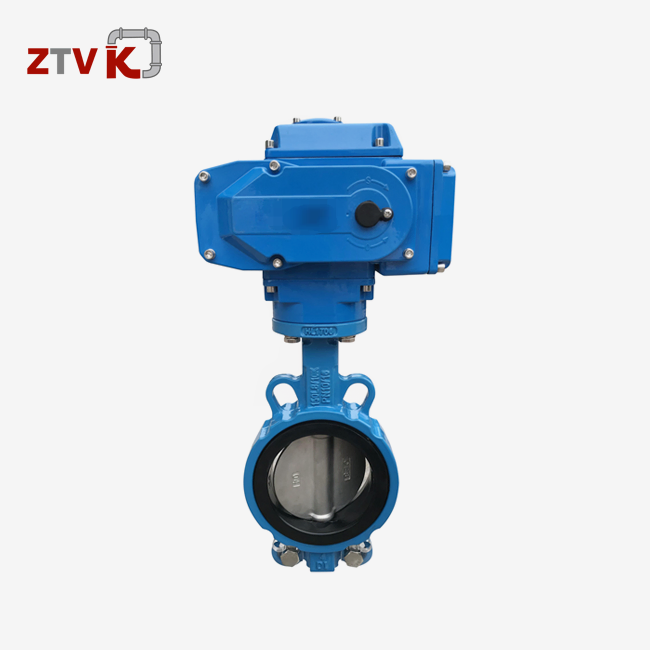
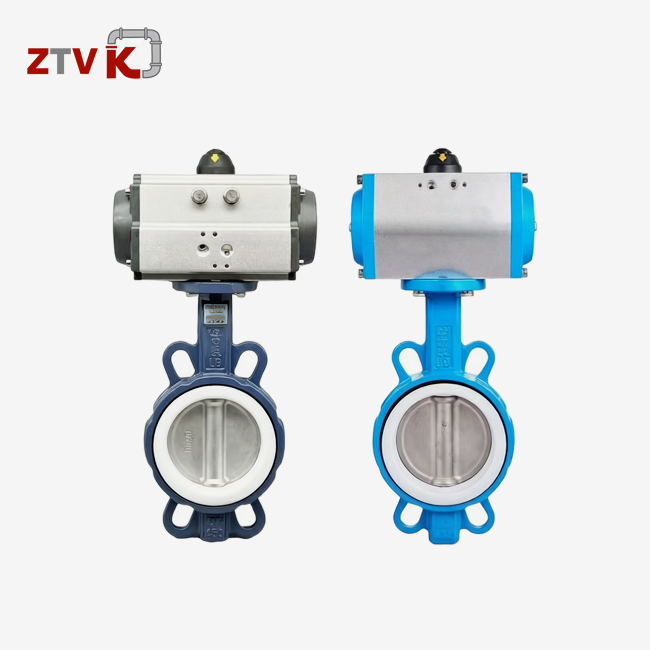
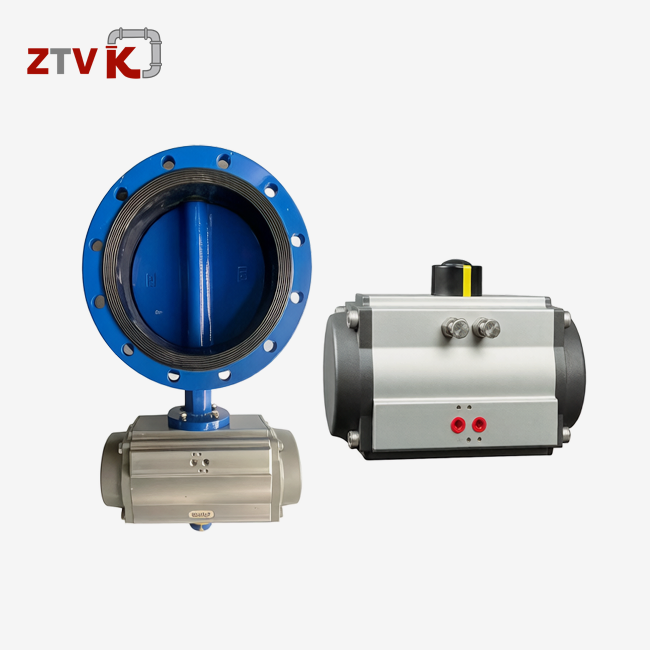
Isolation valves that are only occasionally changed can be operated by hand, which lowers the original cost. Electric actuators are necessary for automated process lines because they allow for remote control and integration with distributed control systems. When it comes to emergency shutoff, pneumatic actuators have the fastest response times. They close within seconds of signal loss. Check that the stem torque needs to match the actuator output across the whole working range, taking into account the breakaway torque needed for reseating after long periods of closing.
Comparing Valve Technologies
Ball valves are better at keeping the stop tight, but they take up more room when they're installed and cause bigger pressure drops when they're only partially open. When fully open, gate valves let flow go straight through, but the stem needs a lot of room to move. Butterfly valves are the best choice for situations where you need to slow things down often, keep the footprint small, and have moderate shutoff performance. Because they are cheaper to buy and set up, they are the best choice for water distribution networks and HVAC zones.
Installation, Maintenance, and Troubleshooting
When you install and take care of stainless steel butterfly valve units properly, they last longer and don't break down when you least expect it. By following the manufacturer's instructions and industry standards, you can keep your investment safe and keep the system running smoothly.
Installation Best Practices
Before installing, clean the ends of the pipes very well so that dirt doesn't damage the seats during the first operation. When you place the valve, make sure there is enough space around it to attach the actuator and get to the service area. For electric actuators, there needs to be room to remove the motor for bearing replacement. Tighten the flange bolts in a star pattern to make the binding force spread out evenly and keep the body from warping. Before pressurizing, cycle the valve a few times to make sure it works smoothly and find any fitting mistakes.
Routine Maintenance Schedules
Every three months, check the packing glands for stem leaks and fix the adjustment nuts if you find any. Once a year, seats are checked for wear before they break completely. This way, replacements can be planned for shutdowns instead of last-minute fixes. Use the right greases on the stems—silicone-based for high temperatures and PTFE-loaded for chemical compatibility. Keep track of the motor's cycling times and torque readings to see if there are signs of slowing performance, such as bearing wear or seal hardening.
Common Issues and Solutions
Leakage past seats usually means that something is stuck between the disk and the seal. This can be fixed by cycling the valve quickly several times to get the stuck stuff out. If the leak keeps happening, the seat needs to be replaced. This is a simple process that can be done on lug-style valves without taking apart any of the pipeline. If the working force goes up, it means that the stem is binding because of corrosion or packing that is too tight. Take the parts apart, clean them, and re-grease them while checking that the packing is properly compressed. Actuator failures are usually caused by rust in the electrical connections or contaminated air supplies. This can be fixed by cleaning the connectors and adding upstream air filters.
Procurement Insights and Supplier Selection
Building relationships with dependable manufacturers guarantees consistent quality, on-time delivery, and technical support that is quick to respond. Smart strategies for buying things lower overall costs and lower the risks in the supply chain.
Evaluating Manufacturer Capabilities
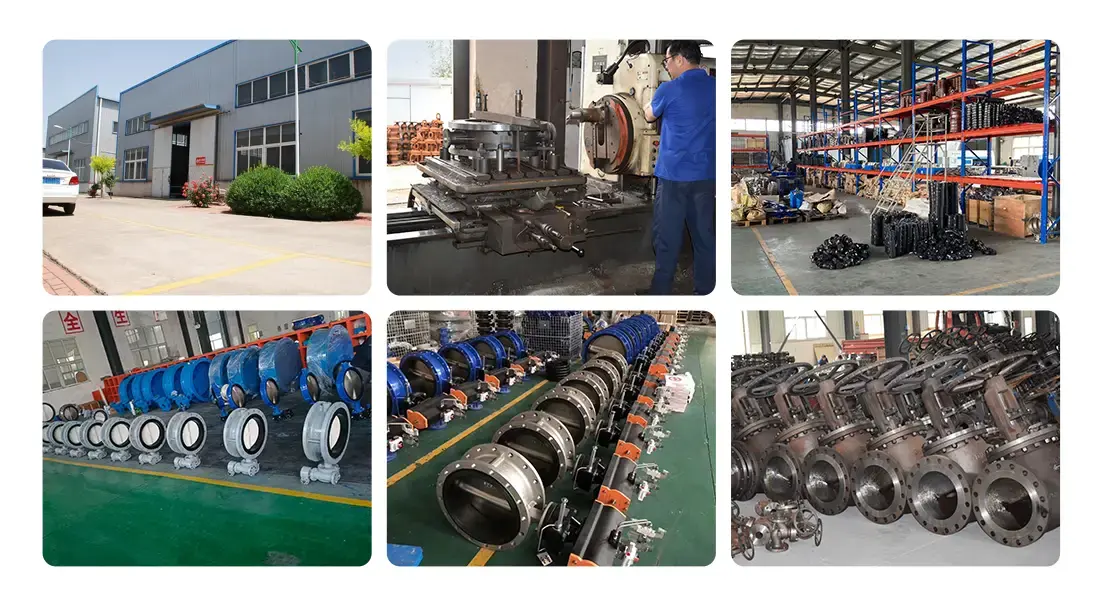
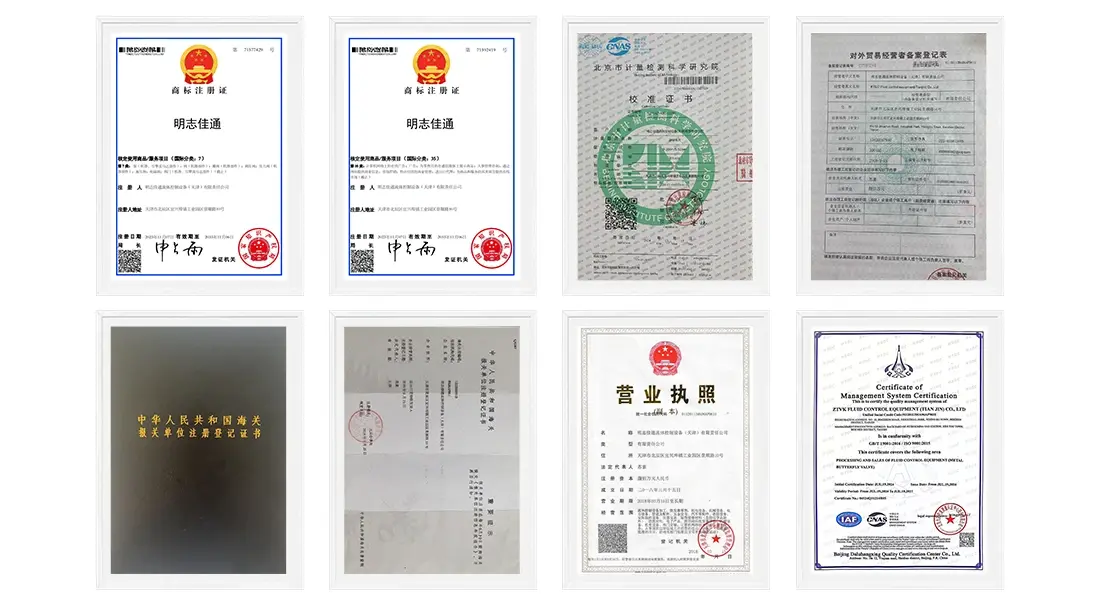
Ask for proof that they follow ISO 9001 quality management, OHSAS 18001 safety standards, and related product standards such as API 609 or AWWA C504. Third-party auditors' reports on factory inspections make sure that output skills match what was said to be possible. Find out how many common sizes are in stock. Companies that keep DN50 to DN600 valves in stock can ship them within days instead of weeks, which is very important when project deadlines are tight.
Customization and OEM Services
When it comes to complex applications, providers who offer technical support to change standard designs are very helpful. Custom seat compounds are resistant to certain chemicals, stems are longer to accommodate thicker insulation, and special coatings can handle abrasive slurries. OEM programs let wholesalers brand valves with their own nameplates and packages, which makes their products stand out while keeping prices low by producing in large quantities.
Lead Time and Logistics Considerations
Standard valve production usually takes 15 to 25 days after an order is confirmed. Faster service is offered for an extra fee. Being close to major shipping ports cuts down on freight time and costs. For example, companies near Tianjin Port can load containers within hours and offer FOB or CIF terms, which make clearing customs easier. To avoid delays at destination ports during quarantine, make sure the packaging fits ISPM 15 guidelines that say the wood must be heat-treated.
Quality Assurance and Testing
Before shipping, reputable companies test the shell's hydrostatic pressure at 1.5 times the rated pressure and the seat closure's API 598 standards. Ask for test certificates that show the real pressures, times, and results for your order. Material test results using X-ray fluorescence show that the real alloy makeup fits the requirements. This stops lower grades from being used instead. These quality controls are meant to ease the worries of distributors who worry that inconsistent product quality will hurt their relationships with customers.
Conclusion
Stainless steel butterfly valves are reliable in a wide range of industrial, chemical processing, and water treatment applications because they don't rust and control flow well. Knowing the differences between wafer and lug designs, concentric and offset shapes, and material grades lets you make smart choices that meet practical needs. Installing things correctly and following industry standards, along with regular upkeep, will make them last longer and cost less to own. Strategic relationships with suppliers that focus on quality standards, the ability to make changes, and quick processes turn buying from a business need into a competitive advantage.
FAQ
1. What size range is available for industrial applications?
From small process lines to big water mains, butterfly valves can fit pipes with diameters from DN15 to DN1200 mm. The wide range of sizes makes it possible to use the same valve technology in many different systems. This makes it easier to keep track of spare parts and train maintenance staff. The small size of a butterfly valve is especially helpful for larger diameters, where gate valves would be too heavy and expensive.
2. Can these valves handle seawater and corrosive chemicals?
When paired with the right seat material, bodies made of Grade 304 stainless steel can handle water, ocean, weak acids, oils, weak alkaline solutions, and alcohols well. The choice of seat is very important. EPDM works well with water, Teflon with acids, and fluorine rubbers with oil. To make sure long-term dependability, always check chemical compatibility charts against your unique media and working conditions.
3. How do I integrate automation into existing manual valves?
Many butterfly valve designs leave mounting holes for electric or pneumatic actuators. This way, upgrades can be made in the future without having to replace the whole valve body. Check that the required stem torque matches the types of available actuators and that the mounting flange patterns are in line with ISO 5211 standards so that parts from different makers can be used together. This upgrade path protects the initial investment and adapts to changing needs for automation.
Partner with ZTVK for Superior Stainless Steel Butterfly Valve Solutions
ZTVK has been making specialized products in Tianjin for more than 15 years and has ISO 9001-certified quality systems and helpful customer service. Standard models from DN50 to DN600 are in stock and ship within 3–7 days. Custom configurations, which include different pressure ratings, seat materials, and actuator interfaces, take 15–25 days to make. We make international operations easier by working with major shipping lines and being only 50 kilometers from Tianjin Port. We offer flexible FOB and CIF terms. Our technical team backs up every valve with CAD models, material certifications, and an 18-month warranty, whether you need OEM branding for distributor programs or engineering support for tough uses. Get in touch with us at ktec86961886@163.com to talk about how our manufacturing skills as a stainless steel butterfly valve manufacturer can help you control the flow of your fluids in a way that is both reliable and affordable.
References
1. American Water Works Association. AWWA Manual M49: Butterfly Valves: Torque, Head Loss, and Cavitation Analysis. Denver: AWWA, 2012.
2. Skousen, Philip L. Valve Handbook, Third Edition. New York: McGraw-Hill Education, 2011.
3. API Standard 609. Butterfly Valves: Double-Flanged, Lug- and Wafer-Type, Eighth Edition. Washington, D.C.: American Petroleum Institute, 2017.
4. Zappe, R. W. Valve Selection Handbook: Engineering Fundamentals for Selecting the Right Valve Design for Every Industrial Flow Application, Fifth Edition. Houston: Gulf Publishing Company, 2004.
5. British Standards Institution. BS EN 593:2009 - Industrial Valves - Metallic Butterfly Valves for General Purposes. London: BSI, 2009.
6. Smith, Peter and Zappe, R. W. Valve Handbook for Engineers, Technicians, and Trades. Houston: Elsevier Science & Technology, 2003.
Send us your valve requirements and our team will provide professional solutions and fast quotations.
RELATED INDUSTRY KNOWLEDGE