- English
- French
- German
- Portuguese
- Spanish
- Russian
- Japanese
- Korean
- Arabic
- Greek
- German
- Turkish
- Italian
- Danish
- Romanian
- Indonesian
- Czech
- Afrikaans
- Swedish
- Polish
- Basque
- Catalan
- Esperanto
- Hindi
- Lao
- Albanian
- Amharic
- Armenian
- Azerbaijani
- Belarusian
- Bengali
- Bosnian
- Bulgarian
- Cebuano
- Chichewa
- Corsican
- Croatian
- Dutch
- Estonian
- Filipino
- Finnish
- Frisian
- Galician
- Georgian
- Gujarati
- Haitian
- Hausa
- Hawaiian
- Hebrew
- Hmong
- Hungarian
- Icelandic
- Igbo
- Javanese
- Kannada
- Kazakh
- Khmer
- Kurdish
- Kyrgyz
- Latin
- Latvian
- Lithuanian
- Luxembou..
- Macedonian
- Malagasy
- Malay
- Malayalam
- Maltese
- Maori
- Marathi
- Mongolian
- Burmese
- Nepali
- Norwegian
- Pashto
- Persian
- Punjabi
- Serbian
- Sesotho
- Sinhala
- Slovak
- Slovenian
- Somali
- Samoan
- Scots Gaelic
- Shona
- Sindhi
- Sundanese
- Swahili
- Tajik
- Tamil
- Telugu
- Thai
- Ukrainian
- Urdu
- Uzbek
- Vietnamese
- Welsh
- Xhosa
- Yiddish
- Yoruba
- Zulu
How Do Stainless Butterfly Valves Improve Flow Control?
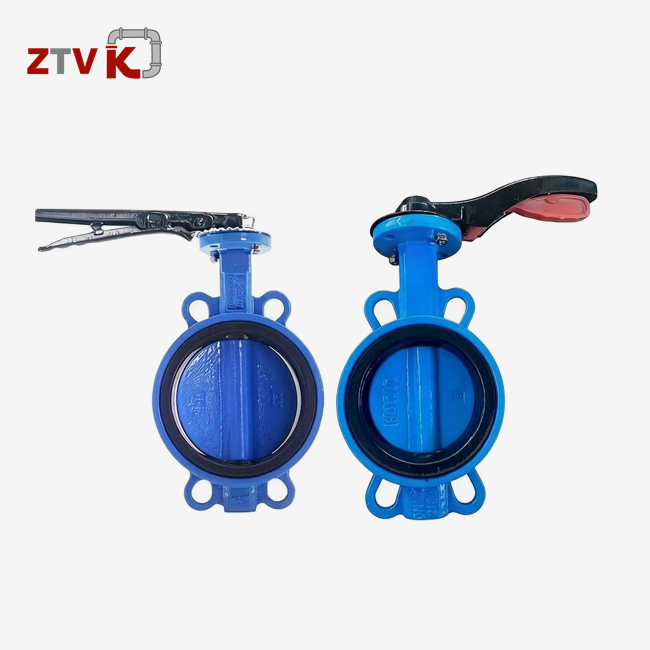
Stainless butterfly valves improve flow control by utilizing a precision-engineered quarter-turn disc mechanism that rotates 90 degrees to regulate or shut off fluid pathways. The streamlined disc design minimizes turbulence and pressure drop, while corrosion-resistant 304 stainless steel construction ensures longevity across aggressive media. Advanced seat materials like EPDM, PTFE, and wear-resistant ethylene-propylene provide bi-directional sealing under pressures up to 1.6 MPa, maintaining zero-leakage shutoff in applications ranging from water treatment to chemical processing. Their compact, lightweight profile reduces installation complexity, making them ideal for space-constrained systems requiring responsive modulation and reliable isolation.
Introduction
Choosing the correct valve technology affects system performance, maintenance costs, and safety. Procurement managers and engineering teams must grasp how stainless butterfly valves improve flow control to overcome global purchasing obstacles, including unequal quality, lengthy lead times, and compatibility concerns. These flexible components' physics, design advantages, and real-world usage are explained in this tutorial. It provides important information to boost performance and feel secure when purchasing. We discuss enhancing performance, comparing valve types, installing them properly, and providing wise purchasing suggestions for resellers, HVAC contractors, petrochemical operators, and OEM manufacturers. This tutorial links technical facts to commercial results, whether you're managing water infrastructure projects or selling bulk valves.
Understanding Stainless Butterfly Valves and Their Role in Flow Control
Quarter-Turn Mechanism for Efficient Regulation
Simple yet effective stainless butterfly valves use a round disk on a shaft that spins in the flow direction. The disk opens when the handle or actuator is spun 90 degrees. Fast reaction times are crucial in emergency shutdown scenarios. A quarter-turn gate valve opens and closes faster and more easily than multi-turn valves, which must be spun thousands of times. Large-diameter installations (DN50 to DN1200) benefit from this.
Corrosion-Resistant Construction for Harsh Environments
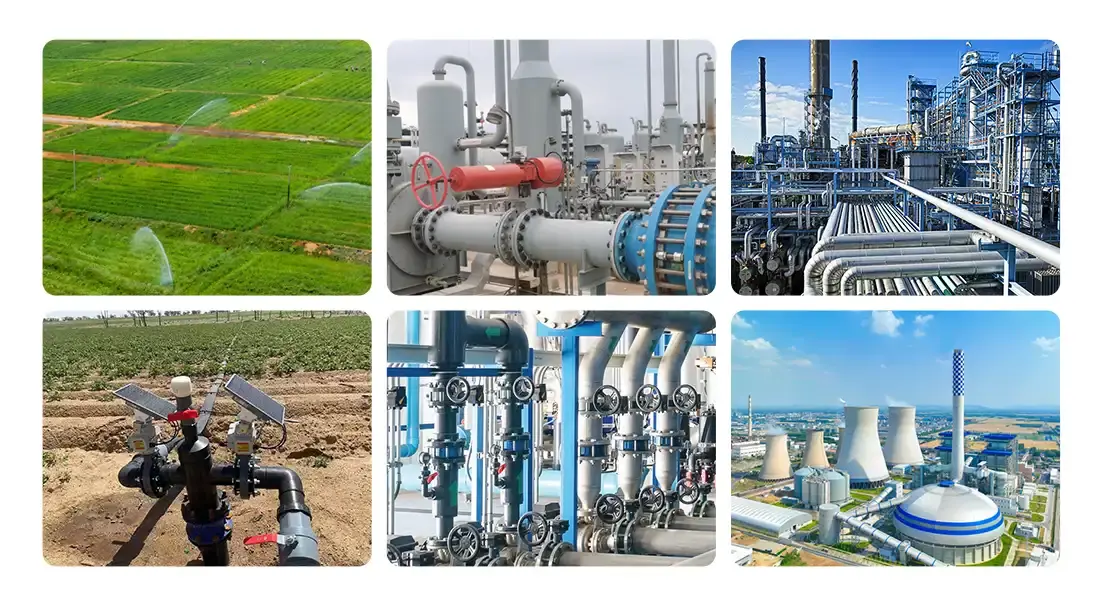
Seawater, chemical processing, and municipal water systems are prone to oxidation, chloride attack, and biofouling, but the valve's 304 stainless steel body and disk withstand these. In aggressive media, valves break too fast. This substance overcomes this issue for distributors and contractors. The chromium-nickel alloy forms an inactive oxide layer that repairs itself when damaged, keeping the structure sturdy over time. Cast iron and carbon steel valves require protective coatings, whereas stainless steel valves endure longer and need fewer replacements.
Minimal Pressure Drop Through Streamlined Design
Modern butterfly valves employ CFD to design the disk to minimize movement limitations. Full-open thin disks have extremely tiny cross-sectional areas. This allows 6-inch variants to have a flow coefficient (Cv) of 1,000–1,800, far greater than that of globe valves of the same size. This reduces pumping energy and system costs, which is crucial for water supply businesses that operate huge pipeline networks on limited budgets.
Versatile Sealing Solutions for Diverse Media
Seat material affects chemical compatibility and temperature tolerance. EPDM seats can tolerate water and mild alkaline solutions up to 120°C, whereas PTFE (Teflon) seats can take severe acids and 200°C. Fluorine rubber (Viton) valves can handle petroleum and solvents. This benefits chemical and oil refineries. Abrasive slurries are handled with wear-resistant ethylene-propylene compounds in mining. This flexibility helps buying teams pick process-appropriate seat materials without rethinking piping systems.
Performance Optimization: Overcoming Flow Control Challenges with Stainless Butterfly Valves
Addressing Turbulence and Cavitation Risks
Industrial systems with rapid fluids typically experience turbulence-caused vibration and cavitation damage downstream of throttling devices. These issues may be solved by double eccentric or triple offset disk stainless butterfly valves. The eccentric design raises the disk off the seat as it opens, eliminating frictional drag and wear. The progressive limitation during partial closure for flow modulation smooths flow patterns and prevents vapor bubbles from popping and wearing metal surfaces. Petrochemical businesses say that offset butterfly valves instead of circular gate valves in crude oil transfer lines have reduced maintenance difficulties by 40%.
Preventing Leakage Under Variable Operating Conditions
Pressure and temperature changes make typical sealing difficult. Modern butterfly valves' durable seat inserts compress uniformly across the disc's edge, accommodating slight misalignments and thermal expansion. The precisely machined 304 stainless steel disk with an Ra 0.8 surface polish creates a metal-elastomer contact that doesn't leak after 50,000 rounds. Municipal water workers enjoy how dependable this is when temperatures vary seasonally. Elastomer chairs don't harden or shatter in -20°C winters or +60°C summers.
Space-Efficient Installation in Constrained Environments
Ship engine rooms, offshore platforms, and city water treatment facilities must function inside tight spaces. Butterfly valves' 30% reduced face-to-face dimensions allow them to be put in compact areas without losing efficiency. The wafer-style body fits between normal ANSI or DIN flanges using existing bolt sets; thus, long-term alterations to the pipes are not required. HVAC contractors commonly propose butterfly valves for chilled water loops in commercial buildings with difficult-to-reach ceiling plenums. With few structural alterations, these valves isolate reliably.
Comparing Stainless Butterfly Valves with Other Valve Types for Informed Procurement
Stainless Butterfly Valves vs. Ball Valves: Flow Control Precision
Ball valves cut off flow well but slow it down poorly. The spherical closure piece generates turbulence upon partial opening, speeding seat wear and causing unsteady flow rates. However, butterfly valve disks gradually alter the flow rate over the rotation arc. The flow rate-changing operations are more precisely controlled. This slow response slope aids chemical dosing and HVAC balance. Ball valves function better in high-pressure gas operation (over 10 MPa) because the ball has a mechanical advantage over seat forces to tighten the seal. Procurement staff must assess these trade-offs against project document operational demands.
Material Comparison: Stainless Steel vs. Cast Iron and Carbon Steel
Cast iron butterfly valves are 30–40% cheaper than stainless steel ones; however, they corrode fast in acidic or chlorine environments and can only be used in neutral water below 80°C. Carbon steel can withstand higher pressure, but its epoxy covers peel off, exposing the base metal to corrosion. Distributors in the Middle East, where dust and high salt levels promote corrosion, say stainless steel doesn't need to be coated and is worth the additional expense. 304 metal doesn't rust or pit; therefore, it doesn't require recoating every few years like carbon steel. Seawater utilization reduces the total cost of ownership by 25% over 15 years.
Wafer vs. Lug Body Designs: Installation Flexibility
Bolts secure and compress wafer-type butterfly valves between flanges. This design saves weight and material costs, making it ideal for non-critical applications where the downstream pipes will remain in place. Threaded sections on lug-type bodies may be bolted on both sides. The downstream pipe may be removed without harming the valve. Maintenance teams like lug designs for dead-end pump release point servicing because they don't deplete systems. Project planning included operating regulations and maintenance access demands, which determined the specification.
Manual vs. Automated Actuation: Aligning with Control Strategies
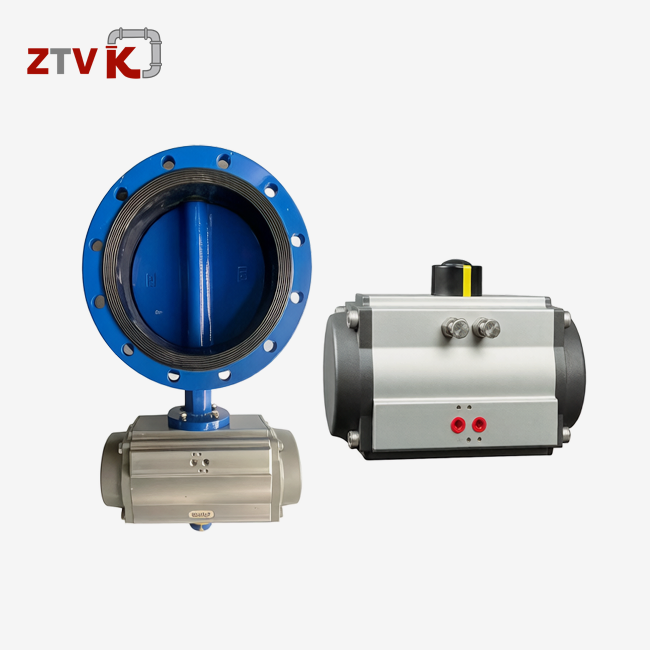
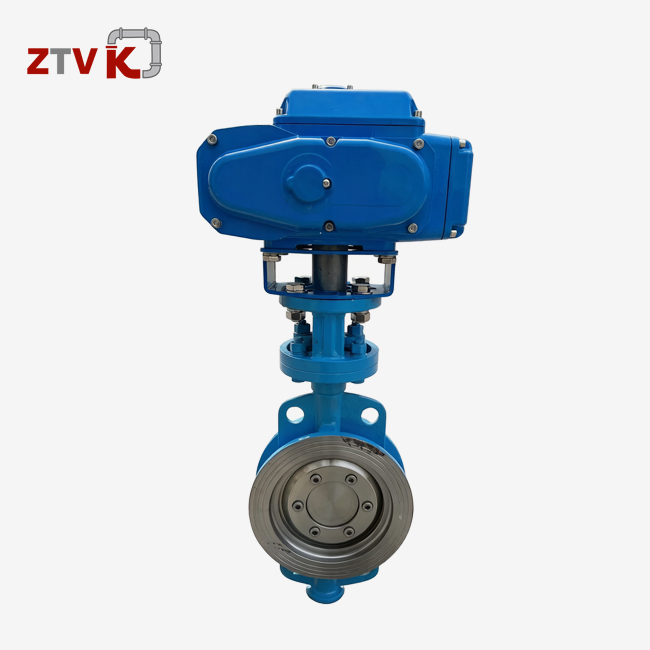
Manual lever operators may be utilized with smaller valves (DN50–DN200) in easy-to-reach positions where adjustments are seldom required. Gear operators allow manual work on larger capacities, but they must be present. SCADA systems control electric motors remotely. Unmanned facilities like desalination plants that operate 24/7 need this. Industrial emergency shutdown systems must have pneumatic motors that seal valves with pressurized air when the power goes off as a fail-safe feature. The actuator-ready interface of ZTVK enables you to add electric and pneumatic changes without replacing the valve body. It safeguards early investments and facilitates progressive automation.
Maintenance and Installation: Ensuring Long-Term Flow Control Stability
Installation Best Practices for Operational Reliability
Seal failure is delayed when stainless butterfly valves are oriented appropriately. Butterfly valve stems should be flat and disks perpendicular to flow. This prevents gravity-induced seat misalignment by equally compressing them. Be sure the flange bolt torque is within ASME B16.5 limits—too little torque might cause the flange to split and leak, while too much can distort the valve body and lock the disk. Align pipes to avoid stress loads via flanges. This is important because outside forces may bend the shaft and increase actuator torque. For DN400 valve manual handles, leave 500 mm surrounding the lever or actuator for safety.
Preventive Maintenance Protocols to Extend Service Life
Check for leaks around the stem packing every three months and patch them with packing gland nuts while the valve is in use. Run the valve all the way through once a year to distribute oil on the seals and check for stiffness that might indicate seat debris or corrosion. Body-mounted flush-clean apertures allow solids-in-suspension valves to be cleaned without disassembly. Water-submerged surfaces develop biofouling. Regular antifouling or cathodic protection prevents barnacle development from immobilizing the disk. EPDM chairs endure 10 years in clean water and 15 years in chemical duty, helping you plan repair inventories.
Operating Within Rated Parameters to Prevent Premature Failure
ZTVK butterfly valves can withstand PN0.6 to PN1.6 (87 to 232 PSI) pressures and -20°C to +200°C temperatures (depending on seat material). They must obey these limits. When pressure ratings exceed limitations, seats extrude, and bodies break. When temperatures rise, rubber seats melt, and metal chairs lose springiness. Throttling accelerates degradation at differential pressures over 50% of the maximum. For consistent throttling, consider control valves with hardened trims. Water hammer events need hydraulic dampers for fast closing. Pressure spikes from butterfly valves closing in less than two seconds may damage couplings and valves in lengthy pipelines.
Procurement Guide: Selecting and Purchasing Stainless Butterfly Valves with Confidence
Critical Selection Criteria for Application Suitability
How two materials operate together affects long-term dependability. Compare your process medium to the manufacturer's chemical resistance charts. While 304 stainless steel can take water, alcohol, and mild acids, it will pit in high-chloride brines above 500 ppm. Dimensional differences make part interchange tougher. North American projects employ ANSI 150 bolt patterns (4 holes at DN50 and 8 holes at DN150), whereas European systems use DIN PN10/PN16 flanges with various hole counts and diameters. Certification requirements vary by industry. FDA, API 609, and WRAS approve food processing, petrochemicals, and potable water in the UK. Instead of self-declared conformity assertions without audit records, search for manufacturer compliance certifications from authorized third-party laboratories.
Evaluating Manufacturers and Lifecycle Value
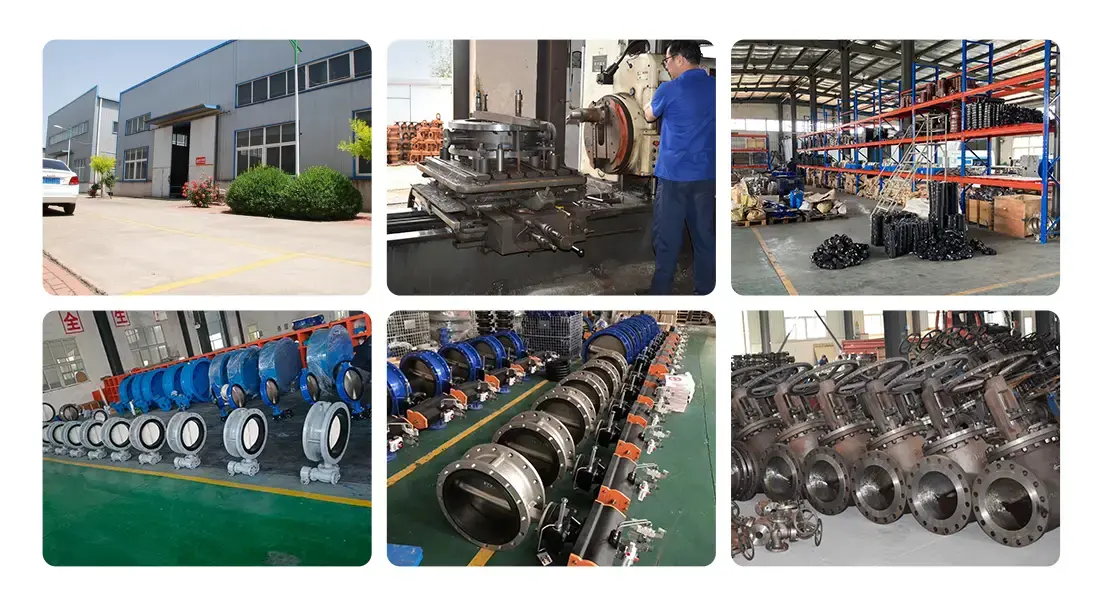
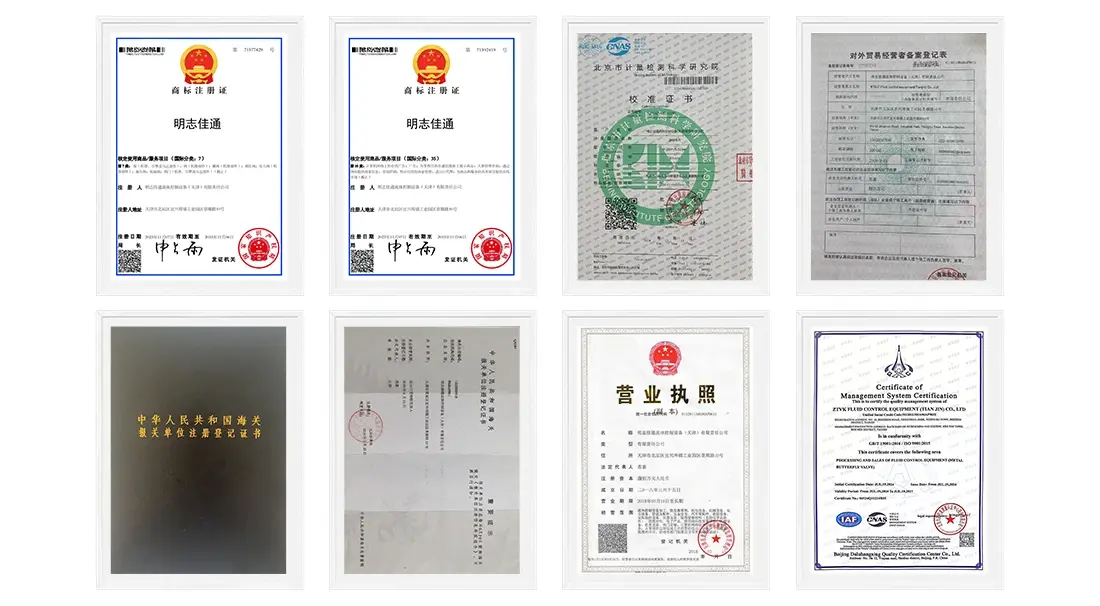
Through ISO 9001, ISO 14001, and ISO 45001, leading stainless butterfly valve manufacturers maintain quality. CNC machining machines for exact disk forms, hydrostatic test benches for 1.5x rated pressure, and metallurgy laboratories for spectroscopic material composition checks should be in production. ZTVK's Tianjin facility has three ISO certifications and export-specific manufacturing lines. Customers get priority scheduling during supply chain issues. Double eccentric shapes reduce opening torque by 30%, allowing smaller actuators and lower initial costs by 15-20% compared to concentric designs, which need larger actuators.
Lifecycle cost study relates purchase price to energy usage and maintenance frequency. A valve that costs 40% less but has its seat changed every year and consumes 20% more pumping energy due to a high pressure drop costs more over 10 years than a quality valve that doesn't need to be repaired. Calculate the entire cost of ownership, including installation labor, spare part inventories, and downtime. Distributors who have regional warehouses valuing producers that store more than 2,000 standard units and can supply them in 3–7 days might avoid project delays caused by made-to-order suppliers' 8–12-week wait periods.
Logistics and Supply Chain Considerations
Because ZTVK is close to Tianjin Port, which is China's fourth-largest container terminal, it only takes an hour for a truck to go from the factory to the ship, which speeds up the export process. With partnerships with COSCO and Maersk, there are weekly sailings to Los Angeles (14 days), Rotterdam (28 days), and Dubai (18 days). The terms of the destination port can be either FOB Tianjin or CIF. Wooden crates that are ISPM 15-compliant, with moisture barriers and set interior frames, keep goods safe during transport and keep customs from holding them. When you pay 20% more for expedited shipping, you can get production in 7–10 days for non-standard configurations, instead of the usual 15–25 days. Distributors who manage just-in-time inventory, like how quick this is, because it keeps capital from getting stuck in too much stock while still meeting contractor deadlines.
OEM Customization for Competitive Differentiation
Companies that trade valves and want to set their brands apart use OEM services. For example, ZTVK laser-engraves customer logos onto valve bodies, makes custom nameplates with unique model numbers, and packs goods in branded boxes. ODM can also make engineering changes, like changing the stem lengths for insulated pipes, choosing duplex stainless steel for sour gas service, or adding limit switches to show the position from afar. Drawing-based manufacturing can handle non-standard port connections (such as NPT threads and custom flanges), making sure that brownfield retrofits work with old equipment. With these customization choices, generic valves can be turned into unique product lines that can command higher prices in competitive markets.
Conclusion
Through intelligent design that balances performance, durability, and cost-effectiveness, stainless butterfly valves provide quantifiable flow control improvements. The quarter-turn mechanism, corrosion-resistant 304 construction, and variety of seat materials solve the main problems that contractors and wholesalers have, which are inconsistent quality, compatibility issues, and high upkeep costs. Procurement teams get reliable parts that lower lifecycle costs and increase system uptime by knowing operating principles, comparing options accurately, and following the right installation procedures. Strategic partnerships with qualified makers that offer strong supply chains, OEM freedom, and technical support change sourcing from a one-time purchase to a partnership that leads to long-term operating excellence.
FAQ
1. What temperature ranges can stainless butterfly valves handle effectively?
Stainless butterfly valves with EPDM seats work reliably from -20°C to +120°C, making them good for most HVAC and water applications. For chemical and steam processing, PTFE (Teflon) seats raise the upper limit to +200°C. Using the right seat material for the temperature of your process stops the material from breaking down too quickly and keeps the sealing strong for the whole life of the valve.
2. How do wafer and lug-type butterfly valves differ in practical use?
With through-bolts, wafer-type valves fit between flanges, making a cheap, light system that is perfect for situations where downstream pipes will stay in place. Lug-type bodies have threaded inserts that let the flange attach independently. This lets the adjacent pipe be removed without disturbing the valve. For pump suction and outlet places that need to be accessed often, maintenance teams like lug designs.
3. What are typical lead times for custom stainless butterfly valve orders?
Standard configurations (DN50–DN600) ship 3–7 days after they are in stock. Depending on how complicated it is, non-standard customizations like special seat materials, longer stems, or unique flange drillings take 15 to 25 days to make. With priority booking and expedited service, this time drops to 7–10 days. Making sure that requirements are clearly communicated during the quotation process speeds up production and avoids delays in revisions.
Partner with ZTVK for Reliable Stainless Butterfly Valve Supply
ZTVK sells industrial-grade stainless butterfly valves that are designed to handle tough flow control tasks in HVAC systems, petroleum processing, and water infrastructure. Our factory in Tianjin has quality systems that are ISO 9001, 14001, and 45001 approved, and it also keeps more than 2,000 units in stock. This means that standard models can be delivered in 3–7 days, and special models can be made in 15–25 days. With a double eccentric design, the actuation torque is cut by 30%, and the service life is increased to more than 50,000 cycles for nominal diameters of DN15 to DN1200 and pressures up to PN1.6. We provide full OEM/ODM services, including custom branding, engineering based on drawings, and material selection (EPDM, PTFE, and Viton seats). Our services are backed by 18-month warranties and installation support. Our operations are streamlined to help global wholesalers and contractors who need reliable stainless butterfly valve suppliers. We are located 50 km from Tianjin Port and have long-standing partnerships with COSCO and Maersk. Email our engineering team at ktec86961886@163.com to talk about your needs, ask for technical drawings, and get competitive quotes that are made just for your project.
References
1. American Water Works Association. (2021). Manual of Water Supply Practices M49: Butterfly Valves: Torque, Head Loss, and Cavitation Analysis. Denver: AWWA Publications.
2. Hutchison, J.W. (2019). ISA Handbook of Control Valves (3rd ed.). Research Triangle Park: International Society of Automation.
3. Nesbitt, B. (2018). Handbook of Valves and Actuators: Valves Manual International. Oxford: Elsevier Science.
4. API Standard 609. (2020). Butterfly Valves: Double-Flanged, Lug- and Wafer-Type (9th ed.). Washington: American Petroleum Institute.
5. Smith, P. & Zappe, R.W. (2020). Valve Selection Handbook: Engineering Fundamentals for Selecting the Right Valve Design for Every Industrial Flow Application (6th ed.). Houston: Gulf Professional Publishing.
6. Lipták, B.G. (2022). Instrument Engineers' Handbook, Volume Two: Process Control and Optimization (5th ed.). Boca Raton: CRC Press.
Send us your valve requirements and our team will provide professional solutions and fast quotations.
RELATED INDUSTRY KNOWLEDGE