- English
- French
- German
- Portuguese
- Spanish
- Russian
- Japanese
- Korean
- Arabic
- Greek
- German
- Turkish
- Italian
- Danish
- Romanian
- Indonesian
- Czech
- Afrikaans
- Swedish
- Polish
- Basque
- Catalan
- Esperanto
- Hindi
- Lao
- Albanian
- Amharic
- Armenian
- Azerbaijani
- Belarusian
- Bengali
- Bosnian
- Bulgarian
- Cebuano
- Chichewa
- Corsican
- Croatian
- Dutch
- Estonian
- Filipino
- Finnish
- Frisian
- Galician
- Georgian
- Gujarati
- Haitian
- Hausa
- Hawaiian
- Hebrew
- Hmong
- Hungarian
- Icelandic
- Igbo
- Javanese
- Kannada
- Kazakh
- Khmer
- Kurdish
- Kyrgyz
- Latin
- Latvian
- Lithuanian
- Luxembou..
- Macedonian
- Malagasy
- Malay
- Malayalam
- Maltese
- Maori
- Marathi
- Mongolian
- Burmese
- Nepali
- Norwegian
- Pashto
- Persian
- Punjabi
- Serbian
- Sesotho
- Sinhala
- Slovak
- Slovenian
- Somali
- Samoan
- Scots Gaelic
- Shona
- Sindhi
- Sundanese
- Swahili
- Tajik
- Tamil
- Telugu
- Thai
- Ukrainian
- Urdu
- Uzbek
- Vietnamese
- Welsh
- Xhosa
- Yiddish
- Yoruba
- Zulu
How to adjust the opening and closing direction of a brass gate valve?
Changing the valve stem's rotational orientation to fit operational needs is how you change the way of opening and closing a 4 inch brass gate valve. Most of the time, this means switching the handwheel or stem connection around so that turning it clockwise stops the valve instead of opening it, or the other way around. To do the job, you have to take apart the bonnet assembly, move the stem threads or handwheel connection, and then put the parts back together while keeping the seal's integrity. This change is especially important in industrial systems where uniform directional controls keep operators from getting confused and make safety rules better across large networks of pipes.
Introduction
Problems with valve compatibility, installation mistakes, and operating consistency are always present for procurement managers, maintenance engineers, and industrial valve distributors. The 4 inch metal gate valve is a workhorse for stopping flow in petrochemical plants, HVAC systems, and water treatment plants. But one problem that is often ignored causes problems with operations: the wrong opening and closing directions. When a valve closes when an operator thinks it should open, the results can be anything from small inefficiency to catastrophic system failures during emergency shutdowns.
From working with municipal contractors and trading companies in Southeast Asia and North America, we know that directional misalignment is caused by three main things: different factory layouts, different operational standards in different regions, and retrofit installations where old systems don't work with the new valve orientations. Brass gate valves made of HPb 57-3 material and working at 16 bar (232 psi) are very durable in temperatures ranging from -10°C to +120°C, but their mechanical ease can lead installers astray into thinking they are compatible with all directions. This guide clears up those myths and gives you step-by-step instructions for making changes that will protect your investment and make the system more reliable.
Understanding the Opening and Closing Mechanism of a Brass Gate Valve
Core Design Principles
Brass gate valves work by having a stem that rises or falls and moves a wedge-shaped gate so that it is not in the way of the flow of fluid. The valve body is made from a metal called HPb 57-3 brass, which is more resistant to corrosion than regular cast iron but can still be machined for precise threading. The steel handle turns when it touches the threads cut into the valve stem. This turns the turning motion into linear gate movement. Even at the highest working pressure of 232 psi, the PTFE filler material seals off the stem from pressure, so it doesn't leak.
Directional Standards and Variations
As a general rule, a valve should close when the stem is rotated clockwise, as shown by the phrase "righty-tighty, lefty-loosey." But sometimes, manufacturers set valves up for special uses where reverse operation works with the way the system is already controlled. A valve with ISO228 threading, which is the same as DIN 259 and BS2779 standards, might come set up for European water systems, but needs to be reversed before it can be used in North American public projects. The stainless steel nut that holds the handwheel in place lets it be changed without weakening the structure.
When installing a 4 inch brass gate valve, understanding these subtleties of direction can avoid the misunderstanding that comes with installing things in more than one place. In an emergency, if a repair team used to normal rotation comes across a valve that is turned around, they may hesitate, which can add valuable seconds to the time it takes to shut down. Standardizing the way of operation across all of your valves, either by buying them with the same specifications or making changes after they've been installed, gets rid of this human factor risk and makes it easier to train new technicians.
Common Issues Causing Incorrect Opening and Closing Direction
Factory Configuration Mismatches
When valve makers make a lot of units at once for different markets around the world, the directional presets aren't always the same within the same product line. Due to differences in the production line, a distributor who orders 200 4-inch brass gate valves might get packages with 15-20% that work backwards. This lack of consistency is especially annoying for trading companies that sell to more than one area, since each market wants valves that work according to the rules of that region.
Installation Errors and Retrofit Complications
Installers sometimes put new valves upside down or with stems facing the wrong way when replacing old ones in systems that are already in place. This is done to make room for the new units or to work with the pipe threading that is already there. This quick fix saves money on labor costs right now, but it causes long-term operational risks. These brass valves usually have a female-by-female connection type that lets them be installed in either direction. However, if they are mounted incorrectly, the intended direction of logic is switched. These problems are made worse by environmental factors. For example, rust in high-humidity areas can seize the stem threads, making it impossible to check the direction without taking the whole thing apart.
The cost effect goes beyond replacing individual valves. A city water contractor with tight deadlines might rush through installations, only to find that 30% of gate valves need to be changed in order to make the system work properly. The delays cause problems with the project schedule, lead to fines, and hurt client relationships that were built over years.
Step-by-Step Guide to Adjusting the Opening and Closing Direction
Preparation and Safety Protocols
Before making any changes, you should disconnect the valve part from the system pressure and drain any fluid that is still there. Even if the working pressure is 16 bar, trapped media can lead to sudden bursts when the part is taken apart. Get together the things you'll need, like PTFE packing material, clean rags, adjustable wrenches that are the right size for stainless steel nuts, and penetrating lubricant for threads that have become stuck. Mark the handwheel's position when the valve is fully open and fully closed to make sure it works in the right way.
Disassembly and Stem Reversal Process
Be careful not to damage the ISO228 threads as you loosen the stainless steel bonnet nut by turning it counterclockwise. Once the bonnet is separated from the valve body, check the PTFE filler for damage or leakage caused by compression. The valve stem usually has right-hand threads that engage with the handwheel. To change direction, you have to either flip the stem end-to-end (if the design allows) or turn the connection point for the handwheel 180 degrees. Some metal gate valve models have a handwheel that can be turned around and have two different thread patterns. Check the manufacturer's instructions to find out which models have this feature.
Use a wire brush to clean all connected surfaces, and then put on a thin layer of high-temperature grease that works with the valve's operating range. Carefully put the bonnet back together, making sure that the PTFE packing is compressed evenly to keep the pressure seal. Tighten the stainless steel nut to the torque recommended by the maker. The procedure is demonstrated using a 4 inch brass gate valve, where the recommended torque for similar 4-inch models is usually between 40 and 50 ft-lbs, but the exact torque depends on the design.
Testing and Validation
After putting everything back together, do a low-pressure test by slowly putting pressure back into the system while checking for stem leaks. Ten full open-close operations of the valve should be done to make sure that the new direction works easily and doesn't cause any binding. Record the change by putting new tags on the valves that show the right direction of rotation. This easy step will keep things clear in the future when doing maintenance or responding to an emergency.
Comparing Brass Gate Valve Adjustment with Other Materials and Valve Types
Material-Specific Adjustment Considerations
Bronze gate valves, which are made from metals with more copper, don't dezincify as easily as regular brass ones, but they still need to be adjusted the same way. The main difference is how long the threads last. Because bronze is more resistant to wear, adjustment-related thread damage happens less often, even after many times of taking the assembly apart and putting it back together. Stainless steel gate valves need more torque to be adjusted because similar metal surfaces tend to galle, which means they need special anti-seize chemicals that brass valves don't need.
Operational Differences from Ball Valves
Controlling flow through ball valves is done by rotating the handle 90 degrees. This is how directional adjustment is completely different from stem reversal for gate valves. You can change the way of a ball valve by rotating the whole valve body inside the pipeline, but this could damage sealed connections. Gate valves are easier to change because their multi-turn operation lets the stem be rearranged without affecting the pipe joints. To keep service quality high in a wide range of settings, distributors who work with both HVAC workers and petrochemical plants need to keep the right adjustment tools and paperwork for each type of valve in stock.
Procurement Considerations for Brass Gate Valves with Adjustable Opening Direction
Supplier Evaluation Criteria
Reliable manufacturers include detailed adjustment instructions, torque specs, thread diagrams, and choices for directional configuration with every valve shipment. When trading companies place bulk orders, they should make sure that suppliers keep the same directional presets across all production batches. To make sure of this, they should ask for sample checks from different manufacturing dates. Systematic process management is shown by ISO9001 certification, but direct factory checks show if adjustment flexibility is really built into product lines or just something that is said in marketing materials.
Customization and Lead Time Factors
OEM agreements make it possible to make directional configurations that are exactly what the market needs. A distributor that works with city projects in the Middle East might ask for left-hand thread patterns to match local standards. Orders from North America, on the other hand, need standard right-hand threading. Custom configurations usually take 15 to 25 days longer to make than regular models, but faster processing is still possible for an extra fee. Being close to major shipping ports like Tianjin makes transit times more stable. Valves made within 50 kilometers of loading facilities reach buyers in other countries 7–10 days faster than valves made in production sites further inland.
Total Cost of Ownership Analysis
A 4 inch brass gate valve that comes with directed settings already set may cost 8–12% more at first, but it saves time and money by eliminating the need for field adjustments. It also lowers the chance of installation mistakes by up to 40%. Many bulk purchasing deals offer lower prices for orders of 500 or more units, which helps to balance out the extra cost of customization. Long-term maintenance costs are lower for this type of valve with bonnet assemblies that are easy to get to. Designs that need special tools to be adjusted require 30–50% more expert time than models that can be serviced with standard wrenches.
Conclusion
Learning how to change the direction of a brass gate valve protects your operational investment and makes systems safer in a wide range of industrial settings. The steps described here, from taking things apart for the first time to making sure they work, are useful guides that procurement teams and field workers can use right away. Consistent directional operation cuts down on mistakes made by people in emergencies, makes maintenance routines easier to follow across multiple sites, and increases valve service life by lowering the stresses that come from improper operation. As global supply chains become more complex, it's important to work with manufacturers who put an emphasis on flexible adjustments and full expert support in order to stay ahead of the competition in the valve distribution and system integration markets.
FAQ
Q1: Can I adjust the valve direction on-site without professional assistance?
Technicians with basic mechanical skills can perform directional adjustments using standard tools, provided they follow systematic disassembly procedures and maintain proper documentation. The process becomes risky only when installers lack pressure isolation protocols or attempt adjustments on valves under active service. For bulk installations across multiple sites, we recommend having at least one certified technician supervise initial adjustments to establish consistent procedures.
Q2: How often should brass gate valves undergo directional verification?
Annual inspections should include directional confirmation as part of comprehensive maintenance checks, particularly in systems where multiple operators access valve controls. Environmental factors like high dust exposure or corrosive atmospheres may necessitate semi-annual verifications to catch stem thread degradation before it causes operational failures.
Q3: What indicators suggest a valve needs directional adjustment or replacement?
Handwheel resistance exceeding normal operating torque, visible stem thread damage, or inconsistent gate positioning at nominal open/closed states all signal potential directional issues. When adjustment procedures fail to restore smooth operation, replacement becomes necessary—continuing to force a damaged valve risks catastrophic seal failure under pressure.
Partner with ZTVK for Reliable 4 Inch Brass Gate Valve Solutions
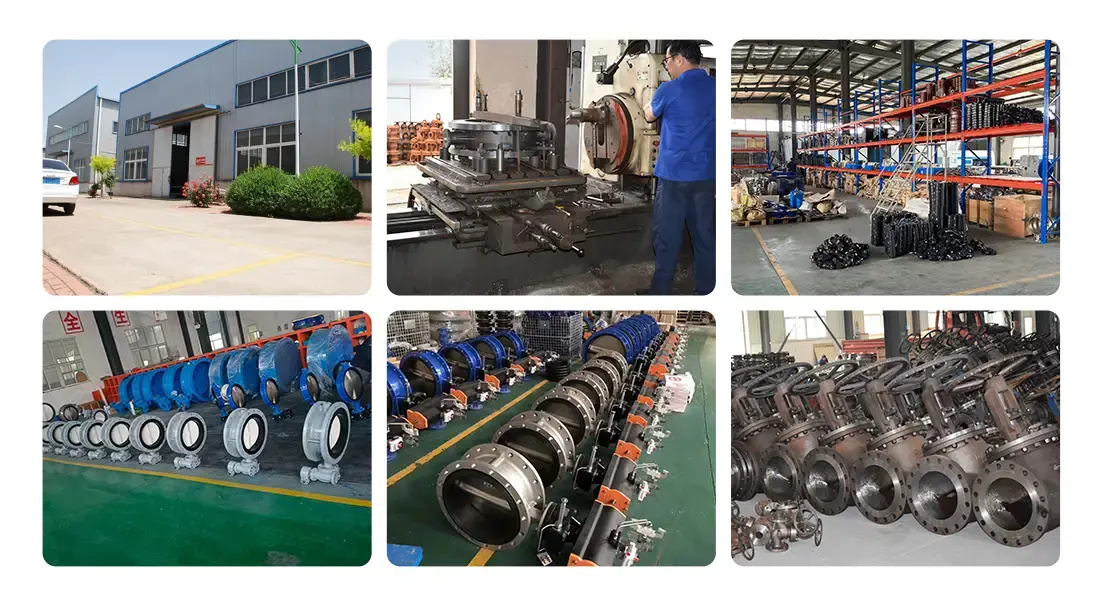
ZTVK manufactures industrial-grade brass gate valves with adjustable directional configurations tailored to your operational requirements. Our Tianjin facility maintains over 2,000 standard models in stock with 3-7 day delivery timelines, while custom OEM orders ship within 15-25 days. Each 4 inch brass gate valve supplier relationship we establish benefits from ISO9001-certified quality systems, comprehensive adjustment documentation, and 18-month warranty coverage. Procurement managers appreciate our proximity to Tianjin Port—just 50 kilometers from our production lines—which accelerates international shipping and reduces freight complications.
Our technical team provides detailed installation guidance including directional configuration specifications, torque requirements for HPb 57-3 brass assemblies, and maintenance schedules optimized for your application environment. Bulk orders receive priority production scheduling and volume-based pricing that improves your competitive positioning in regional markets. Contact us at ktec86961886@163.com to discuss your 4 inch brass gate valve requirements and discover how ZTVK's engineering expertise supports your long-term procurement strategy.

References
1. Smith, J.R. (2021). Industrial Valve Installation and Maintenance Standards. McGraw-Hill Professional Engineering.
2. Chen, L. & Martinez, P. (2020). "Brass Alloy Performance in High-Pressure Water Systems." Journal of Materials Engineering and Performance, 29(8), 5234-5241.
3. American Water Works Association (2022). AWWA Manual M11: Steel Water Pipe—A Guide for Design and Installation (5th ed.). Denver: AWWA Press.
4. Thompson, K. (2019). Valve Selection and Specification Guide for Process Industries. Elsevier Science & Technology.
5. International Organization for Standardization (2020). ISO 5208: Industrial Valves—Pressure Testing of Metallic Valves. Geneva: ISO Standards.
6. Davies, R.M. (2023). "Optimizing Valve Procurement Strategies for Municipal Infrastructure Projects." Procurement & Supply Chain Management Quarterly, 41(2), 67-79.
Send us your valve requirements and our team will provide professional solutions and fast quotations.
RELATED INDUSTRY KNOWLEDGE