- English
- French
- German
- Portuguese
- Spanish
- Russian
- Japanese
- Korean
- Arabic
- Greek
- German
- Turkish
- Italian
- Danish
- Romanian
- Indonesian
- Czech
- Afrikaans
- Swedish
- Polish
- Basque
- Catalan
- Esperanto
- Hindi
- Lao
- Albanian
- Amharic
- Armenian
- Azerbaijani
- Belarusian
- Bengali
- Bosnian
- Bulgarian
- Cebuano
- Chichewa
- Corsican
- Croatian
- Dutch
- Estonian
- Filipino
- Finnish
- Frisian
- Galician
- Georgian
- Gujarati
- Haitian
- Hausa
- Hawaiian
- Hebrew
- Hmong
- Hungarian
- Icelandic
- Igbo
- Javanese
- Kannada
- Kazakh
- Khmer
- Kurdish
- Kyrgyz
- Latin
- Latvian
- Lithuanian
- Luxembou..
- Macedonian
- Malagasy
- Malay
- Malayalam
- Maltese
- Maori
- Marathi
- Mongolian
- Burmese
- Nepali
- Norwegian
- Pashto
- Persian
- Punjabi
- Serbian
- Sesotho
- Sinhala
- Slovak
- Slovenian
- Somali
- Samoan
- Scots Gaelic
- Shona
- Sindhi
- Sundanese
- Swahili
- Tajik
- Tamil
- Telugu
- Thai
- Ukrainian
- Urdu
- Uzbek
- Vietnamese
- Welsh
- Xhosa
- Yiddish
- Yoruba
- Zulu
Advantages of Butterfly Valves in Chilled Water System Applications
Picking the right flow control parts for HVAC and cooling systems is very important for their long-term performance and how well they work during operation. Butterfly valve for chilled water systems have become the best choice for engineers and procurement workers all over the world. These special quarter-turn valves are great at controlling the flow of water in distribution networks and central cooling plants, where temperatures are usually between 4°C and 12°C. Their special design solves important problems, like stopping thermal bridging, limited space in mechanical rooms, and the need for large-diameter pipe systems to have zero-leakage shutdown. Butterfly valves made for chilled water settings are different from regular valves because they have longer necks that allow for insulation while still being easy to use.
Understanding Butterfly Valves in Chilled Water Systems
Modern cooling systems need parts that can handle steady changes in temperature while still controlling flow precisely. Butterfly valves use a simple but efficient quarter-turn mechanism to control the flow of fluid. A disc rotates in a way that is perpendicular to the flow stream.
Operating Principles and Design Features
The basic structure of these valves is a disc that is round and fixed on a shaft that spins inside the valve body. The disc turns when the valve opens to let the most flow through with the least amount of pressure drop. This configuration works especially well for chilled water uses where saving energy has a direct effect on running costs. The extended neck design, which meets MSS SP-67 standards, gives enough room for 50–100 mm of thermal insulation without getting in the way of the actuator's action.
Connection Types and Configuration Options
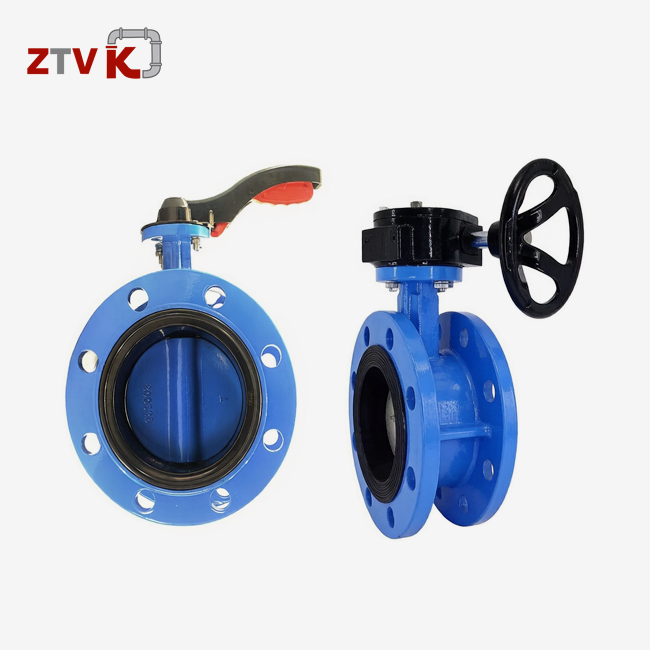
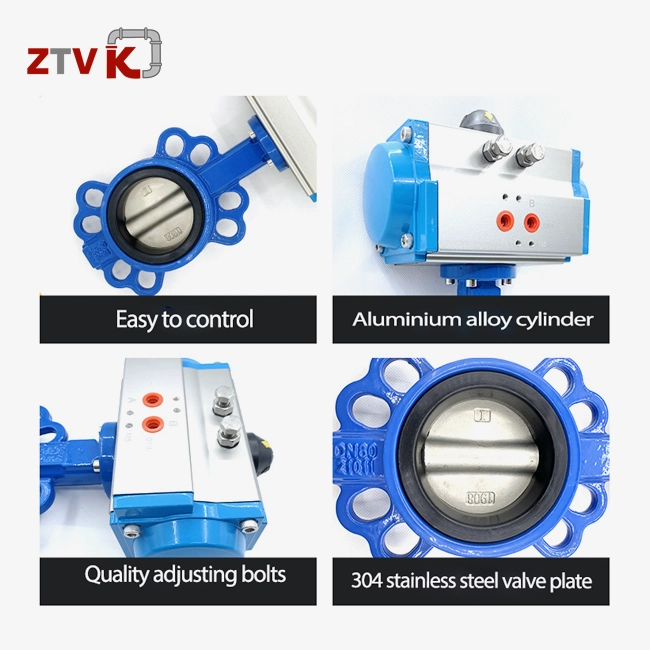
Because they are small and cheap, wafer-type connections are most often used for chilled water uses. These valves are perfect for mechanical rooms that are short on space because they use through-bolts to connect flanges. They come in sizes from DN40mm to DN1200mm and can be used for systems ranging from single building loops to district cooling networks. Standards for connections include ISO5211 compliance with pressure values of PN10/PN16, which makes sure that they work with international project requirements.
Actuation Methods for Different Applications
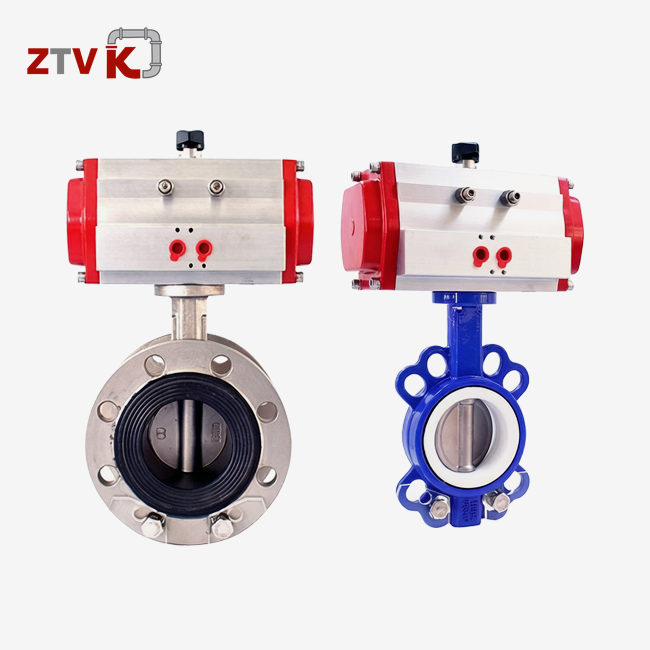
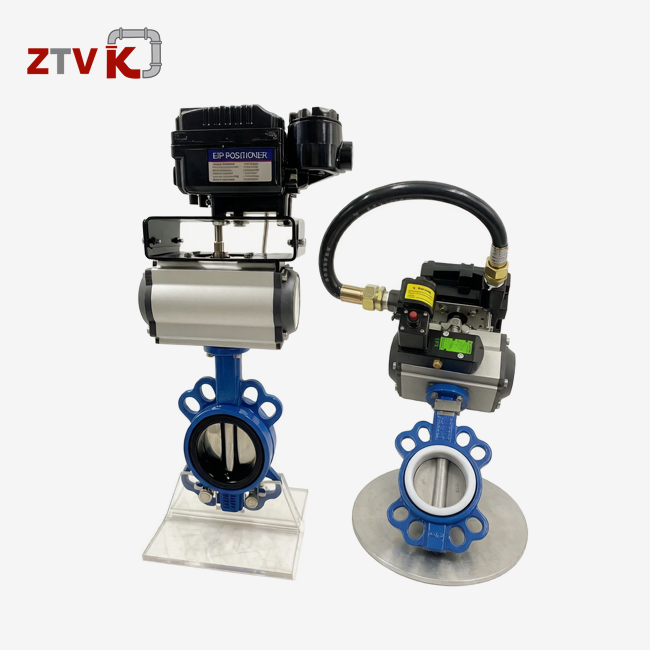
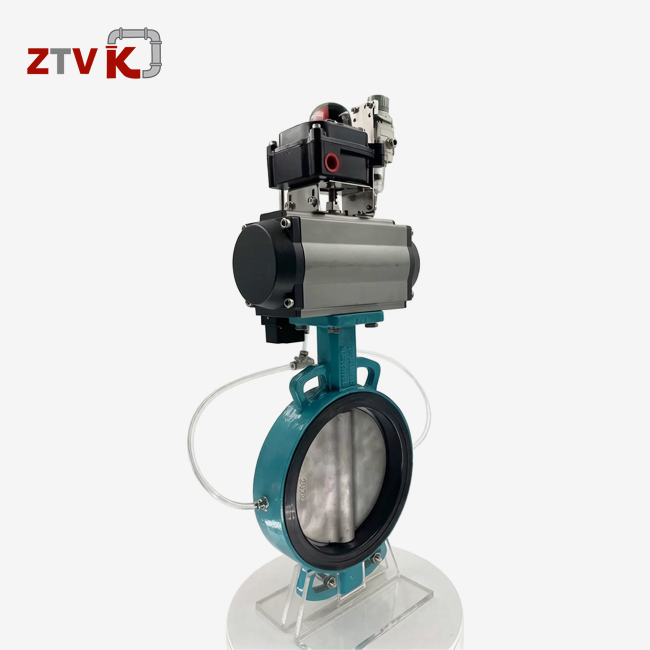
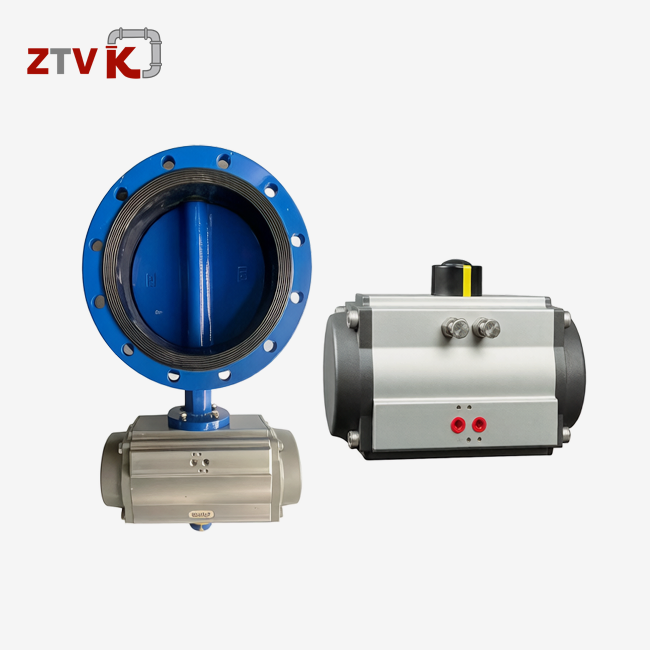
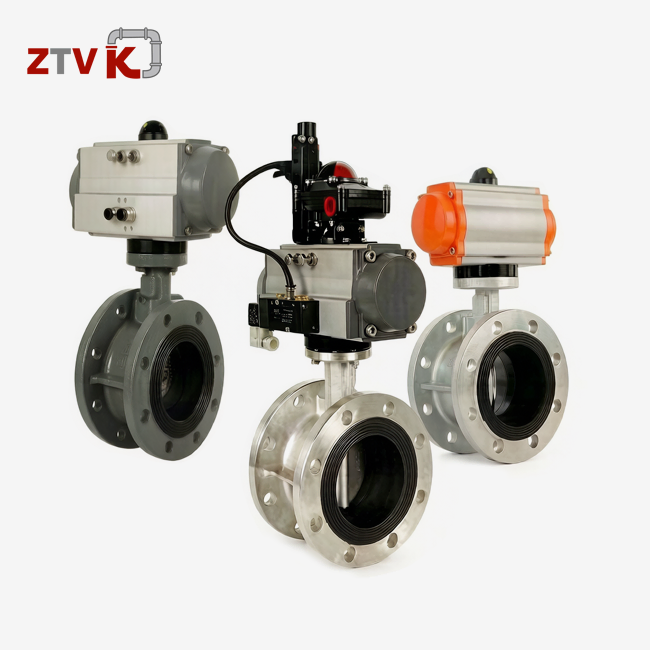
The choice between manual and automatic actuation is based on the needs of the system. For smaller valves that need to be easily reached, hand lever operation works best. For bigger valves, worm gear mechanisms offer mechanical advantages. More and more, pneumatic and electric actuators are being used with butterfly valves in cold water systems so that they can work with Building Management Systems (BMS). When modulating applications need exact positioning control, electric actuators are the way to go. Pneumatic actuators, on the other hand, provide fail-safe positioning when the power goes out.
Key Advantages of Butterfly Valves in Chilled Water System Applications
It's because they can handle multiple operating problems at once that butterfly valves are used in cooling systems. These benefits directly lead to lower installation costs, better energy economy, and easier maintenance procedures.
Space Efficiency and Installation Benefits
As building systems get more complicated, mechanical rooms have to deal with more and more space problems. This problem can be solved by butterfly valves, which are naturally small and take up a lot less room when installed than gate or globe valves. The wafer-type body style gets rid of the need for extra flanged connections, which cuts the length of the system by up to 40%. This saves a lot of space, which is very important for retrofitting situations where bigger valve assemblies can't fit in the current mechanical rooms.
Ductile iron (DI/QT450) bodies are made to be light, which makes them easier to handle during installation. They also stay structurally sound under system pressures up to PN16. The simple mounting process is liked by installation teams because it cuts down on labour costs and project timelines. Because the disc is centred, there is no need for extra support structures that are usually needed for heavy valve types.
Cost-Effectiveness and Economic Benefits
A lot of choices about what to buy are based on budget, and butterfly valves offer great value in a number of ways. When compared to similar ball or gate valves, they still have lower initial costs, especially when they are bigger, and the price difference gets bigger. Suppliers can keep prices down while maintaining high-quality standards thanks to the efficient manufacturing process for butterfly valves for chilled water system components.
Operating costs are cut because less energy is used, since there isn't much pressure drop across the valve. Studies show that using the right-sized butterfly valves instead of traditional gate valves for throttling can cut the amount of energy needed for pumps by 15 to 25 per cent. It is possible to achieve a bubble-tight shutdown (Class A leakage according to ISO 5208), which stops energy loss from internal bypass flow that lowers Delta-T efficiency in cooling systems.
Maintenance Simplicity and Longevity
Maintenance plans for cooling systems need to keep downtime to a minimum while still making sure they work reliably. Butterfly valves are better in this situation than multi-turn valves because they are simpler to build and have fewer moving parts. EPDM, NBR, PTFE, and VITON are some of the seat materials that are very good at resisting chemicals that are often added to treated water in cold water systems.
As part of routine repair, the seat and actuator parts are checked for damage. This is usually done when the system is shut down on time. The modular design lets you change or improve the actuators without touching the valve body. This extends the life of the system and makes it flexible enough to meet changing automation needs. Field experience shows that if properly kept, these parts can last for more than 50,000 cycles, which is a lot longer than other options in the same situation.
Butterfly Valves vs. Alternative Valve Solutions in Chilled Water Systems
In order to choose the right valve technology, you need to know how each choice works and what its limitations are. Each type of valve has its own benefits that depend on the system parameters and needs of the application.
Performance Comparison with Gate and Ball Valves
In the past, gate valves were the most common type of large-diameter valve because they had a full-bore design and little pressure drop when they were fully open. Their linear control mechanism, on the other hand, needs a lot of space to be installed and complicated actuator systems to be automated. Butterfly valves for installing chilled water systems show similar flow characteristics while getting rid of height limits that make it hard to plan out mechanical rooms.
When it comes to shut-off and quick quarter-turn movement, ball valves are great, but as they get bigger, their prices go up a lot. For reliable sealing, the spherical closure element needs to be precisely machined and made of expensive materials, which means they can't be used for uses above DN300. Butterfly valves have the same price across all of their sizes, and they shut off well enough for most chilled water uses.
Material Selection Impact on Performance
When deciding between ductile iron bodies and stainless steel alternatives, cost, resistance to corrosion, and mechanical qualities must all be taken into account. Ductile iron (DI/QT450) bodies are strong for their weight and don't cost much for normal chilled water settings. When used in business settings with the right internal linings and external coatings, they provide reliable service.
Disc materials have a big effect on how well they work over time and how well they react with chemicals in the butterfly valve for chilled water system. Stainless steel options (CF8/CF8M) are better at resisting corrosion in harsh chemicals used to clean water, while aluminium bronze is better at resisting wear in high-speed situations. The modular design lets the best materials be used in different service situations without having to redesign the whole valve assembly.
Actuation Technology Trade-offs
For isolation purposes where the operation doesn't need to happen often, manual actuation is still a possible option. Hand levers work best for smaller valves, while worm gear operators are better for bigger valves that need more power. Accessibility needs and safety concerns during emergency shutdowns are the two sides of the trade-off.
Electric actuators are most common in current installations because they can work with systems that automate buildings. They give accurate position feedback and programmable working parameters that are necessary for strategies that save energy. Pneumatic actuators are useful in dangerous areas and situations where fail-safe placement is needed, but they need their own air supply systems, which makes installation more difficult.
Practical Guidance for Selecting and Sizing Butterfly Valves in Chilled Water Systems
Choosing and choosing the right valves has a direct effect on how well the system works, how much energy it uses, and how often it needs to be maintained. A methodical technique lowers the chance of operational problems and guarantees the best long-term value.
Sizing Methodology and Flow Calculations
To correctly size a valve, you must first accurately determine the flow needs and system pressure parameters. When figuring out the Cv coefficient for a butterfly valve for a chilled water system, it's important to think about both the highest flow and the turndown needed for modulating service. When valves are too small, they cause too many pressure drops, which raises the cost of pumps. When valves are too big, they make control less accurate at low flow rates.
Different makers and disc designs have very different relationships between valve position and flow coefficient. In most cases, double-offset disc designs are better at controlling flow than circular designs, especially when throttling is needed. Engineers should ask suppliers for detailed CV curves to make sure they choose the right variable flow systems, which are popular in modern cooling applications.
Common Issues and Troubleshooting Strategies
Problems with how cold water systems work are often caused by choosing the wrong valves or installing them incorrectly. Cavitation harm happens when the pressure drop across a valve is higher than the vapour pressure of the chilled water. This can happen in systems with fast flow rates or not enough pressure downstream. This effect shows up as pitting on the disc and seat surfaces, which weakens the seals over time.
Mismatches in actuator sizes are another common problem, especially when adding automation equipment to old valves. The breaking-away torque needed to start disc movement is usually much higher than the running torque. This means that motors need to have enough safety factors. Changes in temperature in mechanical rooms can also affect how well an actuator works, so it's important to think about the conditions of the working environment when choosing one.
Installation Best Practices and Performance Optimisation
Using the right fitting methods has a big effect on how well valves work and how long they last. The disc shaft should be positioned horizontally on the valve whenever possible so that debris doesn't build up on the seat areas. Enough space must be kept around actuators so that regular maintenance can be done, and the right amount of insulation must be used to avoid condensation problems.
In bigger systems, where thermal expansion forces can bend valve bodies and make sealing less reliable, piping stress analysis is very important. Valve systems are less likely to break when support structures and expansion joints are placed correctly. Isolation valves should be installed both upstream and downstream to make repairs easier without draining the system. This is especially important for large district cooling networks.
Procurement Insights: Buying and Partnering for the Best Butterfly Valves
Comparing prices at first is only one part of a good procurement strategy. Other important parts include the supplier's skills, quality control, and the possibility of a long-term relationship. Understanding how the market works and the strengths and weaknesses of suppliers helps people make better decisions about important building projects.
Supplier Evaluation and Quality Assurance
Reliable suppliers show consistent quality by using strong production methods and thorough testing protocols. Getting ISO9001 certification is a good start, and getting more certifications like ISO14001 and OHSAS18001 shows that you care about safety and the environment. For each valve, suppliers should give detailed material certificates and evidence of pressure testing. This makes sure that the valves can be tracked and meet the project's requirements.
Different suppliers have very different manufacturing capabilities, which affects shipping times and customisation choices. Companies that have their own machining centres and CNC tools usually have better quality control and shorter lead times than companies that only do assembly. Being able to do coating and testing in-house cuts down on the need for outside companies and increases the reliability of delivery.
Lead Times and Inventory Management
Standard butterfly valves for chilled water system products (DN50–DN600) are usually kept in stock so that delivery can happen within 3–7 days from trusted sources. Larger sizes or non-standard configurations take 15 to 25 days to make, based on how complicated they are and how many orders are already in the queue. You can place an order quickly, but there are usually extra fees of 20% or more.
Locating shipping ports and factories close to each other has a big effect on arrival times. When it comes to shipping, suppliers who are close to important ports can offer better deals and better communication in times of emergency. Being able to offer FOB or CIF pricing makes buying things internationally easier and reduces the need for customs and logistics planning.
Customisation and Support Services
More and more, modern chilled water systems need custom solutions to meet unique installation or performance needs. When a seller is an OEM, they can give valves to customers with their own branding and packaging for distribution purposes. With ODM services, valve parts can be completely redesigned to fit specific operating conditions or needs for integration.
The level of technical support changes a lot between suppliers, and this has a direct effect on the success of the project. Errors in field installation are less likely to happen when there is a lot of documentation, such as CAD drawings, 3D models, and installation advice videos. Support after installation, such as help with fixing problems and guarantee coverage, adds value to the product after the initial purchase.
Conclusion
Butterfly valves are useful in chilled water systems because they save space, are cheap, and work reliably. Their small wafer-shaped form fits in mechanical rooms that are limited in space while providing accurate flow control that is necessary for cooling systems that use less energy. The different control options and material choices make it possible to customise for a wide range of uses, from cooling individual buildings to cooling whole districts. If these valves are chosen and put correctly, they offer great value because they use less energy, are easier to maintain, and last longer. Understanding the system's needs, choosing the right suppliers, and sticking to tried-and-true installation methods that improve long-term performance are all important parts of a good implementation.
FAQ
Q1: What factors should be considered when selecting butterfly valves for chilled water applications?
Key selection criteria include system pressure and temperature parameters, required flow rates, space constraints, and automation requirements. Material compatibility with water treatment chemicals, actuator type preferences, and compliance with local standards also influence selection decisions.
Q2: How do butterfly valves compare to gate valves in terms of energy efficiency?
Butterfly valves typically provide 15-25% energy savings compared to gate valves in throttling applications due to lower pressure drops and better flow characteristics. Their quarter-turn operation also reduces actuator energy consumption in automated systems.
Q3: What maintenance intervals are recommended for butterfly valves in chilled water systems?
Routine inspection every 6-12 months, depending on system conditions and usage patterns. Annual actuator lubrication and calibration for automated valves, with major overhauls scheduled every 5-7 years or after 50,000 operating cycles.
Q4: Can butterfly valves handle the thermal cycling common in chilled water systems?
Modern butterfly valves designed for chilled water service incorporate materials and sealing systems specifically engineered for thermal cycling between 4°C and 12°C. Proper material selection and installation techniques ensure reliable performance under these conditions.
Partner with ZTVK for Superior Chilled Water System Solutions
ZTVK's expertise in manufacturing high-performance butterfly valves for chilled water system applications spans over 15 years of engineering excellence in Tianjin's industrial zone. Our comprehensive product range includes wafer-type valves from DN40-DN1200mm with multiple actuation options, including hand lever, worm gear, pneumatic, and electric actuators. We maintain over 2000 standard units in stock for rapid 3-7 day delivery, while our flexible production capabilities accommodate custom requirements within 15-25 days.
As a trusted butterfly valve for chilled water system manufacturers, we provide complete OEM/ODM support backed by ISO9001 certification and comprehensive testing protocols. Our proximity to Tianjin Port ensures efficient global shipping, while our dedicated technical team offers pre-sales consultation and 18-month warranty coverage. Contact our specialists at ktec86961886@163.com to discuss your specific requirements and discover how ZTVK's advanced valve solutions can optimise your chilled water system performance.
References
1. ASHRAE Handbook - HVAC Systems and Equipment, Chapter 12: Hydronic Heating and Cooling System Design, American Society of Heating, Refrigerating and Air-Conditioning Engineers, 2020.
2. Miller, Robert H. "Flow Control Valve Selection for Chilled Water Systems: Engineering Best Practices," Journal of Building Services Engineering Research & Technology, Vol. 42, No. 3, 2021.
3. International Association of Plumbing and Mechanical Officials (IAPMO), "Standard for Butterfly Valves for Water Service," IAPMO Z1001-2019.
4. Thompson, Sarah K. and Anderson, Michael J. "Energy Efficiency Analysis of Valve Types in Large-Scale HVAC Applications," Energy and Buildings, Vol. 245, 2021.
5. Valve Manufacturers Association of America (VMA), "Guidelines for Butterfly Valve Selection in Commercial HVAC Systems," VMA Technical Bulletin TB-2020-03.
6. Chen, David L. "Corrosion Resistance and Material Selection for Chilled Water System Components," Corrosion Engineering, Science and Technology, Vol. 56, No. 4, 2021.
Send us your valve requirements and our team will provide professional solutions and fast quotations.