- English
- French
- German
- Portuguese
- Spanish
- Russian
- Japanese
- Korean
- Arabic
- Greek
- German
- Turkish
- Italian
- Danish
- Romanian
- Indonesian
- Czech
- Afrikaans
- Swedish
- Polish
- Basque
- Catalan
- Esperanto
- Hindi
- Lao
- Albanian
- Amharic
- Armenian
- Azerbaijani
- Belarusian
- Bengali
- Bosnian
- Bulgarian
- Cebuano
- Chichewa
- Corsican
- Croatian
- Dutch
- Estonian
- Filipino
- Finnish
- Frisian
- Galician
- Georgian
- Gujarati
- Haitian
- Hausa
- Hawaiian
- Hebrew
- Hmong
- Hungarian
- Icelandic
- Igbo
- Javanese
- Kannada
- Kazakh
- Khmer
- Kurdish
- Kyrgyz
- Latin
- Latvian
- Lithuanian
- Luxembou..
- Macedonian
- Malagasy
- Malay
- Malayalam
- Maltese
- Maori
- Marathi
- Mongolian
- Burmese
- Nepali
- Norwegian
- Pashto
- Persian
- Punjabi
- Serbian
- Sesotho
- Sinhala
- Slovak
- Slovenian
- Somali
- Samoan
- Scots Gaelic
- Shona
- Sindhi
- Sundanese
- Swahili
- Tajik
- Tamil
- Telugu
- Thai
- Ukrainian
- Urdu
- Uzbek
- Vietnamese
- Welsh
- Xhosa
- Yiddish
- Yoruba
- Zulu
Pneumatic-Operated Butterfly Valve: Structure, Benefits, and Applications
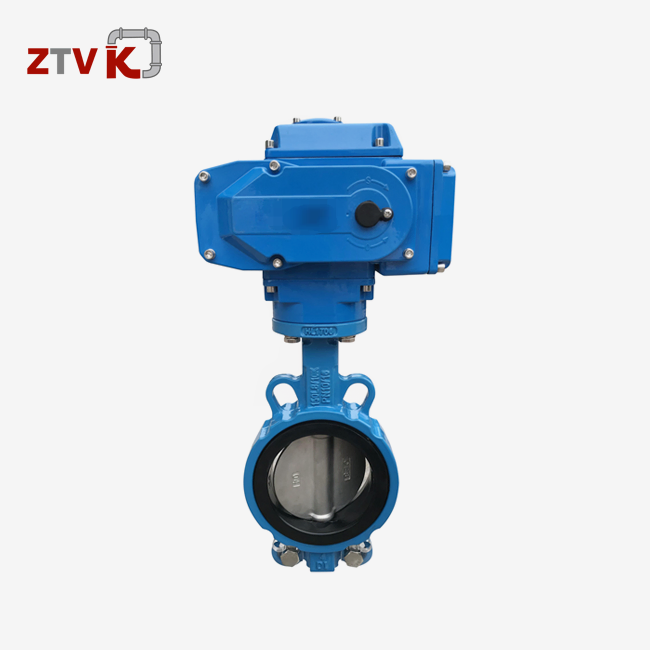
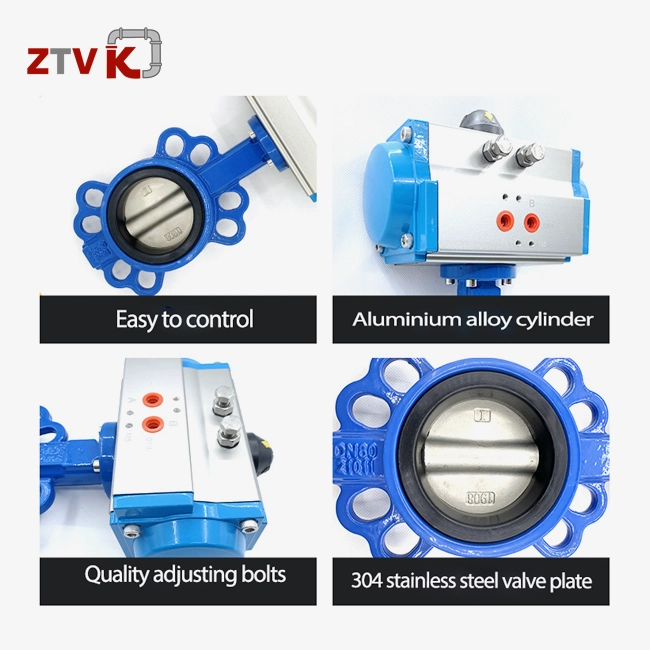
A pneumatic operated butterfly valve represents a quarter-turn flow control solution that combines a rotary disc mechanism with compressed air actuation. By converting pneumatic energy into mechanical torque through rack-and-pinion or scotch yoke designs, these valves enable automated modulation and isolation of fluid flow across pipelines. This technology addresses critical challenges in industrial operations: enhancing safety in hazardous areas by eliminating electrical spark risks, delivering rapid emergency shutdown capabilities within one second for fail-safe operations, and providing high-torque remote control for large-diameter pipelines integrated with DCS or PLC systems.

Understanding Pneumatic-Operated Butterfly Valves: Structure and Working Principle
Pneumatic-operated butterfly valves automatically control flow through an easy-to-assemble but strong structure. A valve body with a flow passage, a disc that rotates perpendicular to the flow path, a stem that sends actuator torque, and a pneumatic actuator that is driven by a source of compressed air are the main parts that work together perfectly.
Core Components and Materials
At ZTVK, the valve body is made of ASTM A536 65-45-12 ductile iron, WCB carbon steel, or CF8M stainless steel, depending on the needs for compatibility with media and resistance to corrosion. Our discs have ASTM A536 65-45-12 with a nylon coating to protect them from wear and tear, or CF8/CF8M grades for places where corrosion is a problem. EPDM, NBR, FKM, or PTFE are the seat materials that are chosen based on the temperature ranges and how well they work with chemicals. If you make stems out of SS420 or SS431 stainless steel, they will reliably transfer torque and resist corrosion for thousands of cycles.
Wafer Body Design Advantages
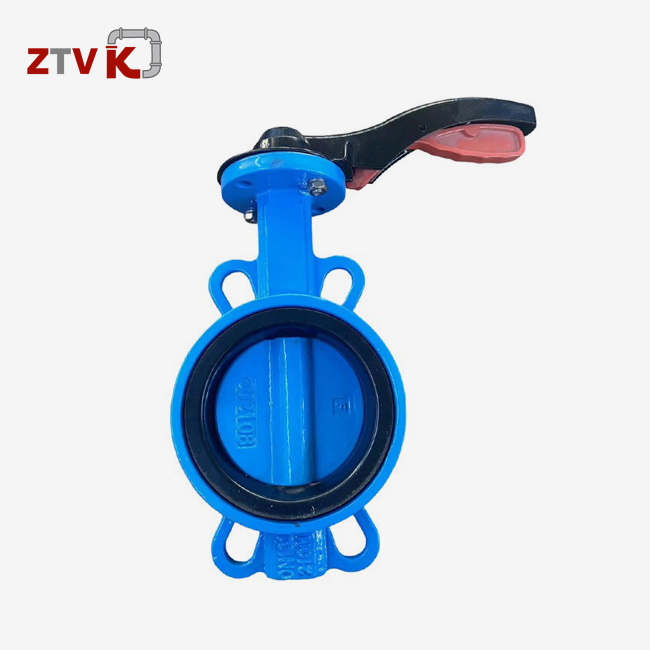
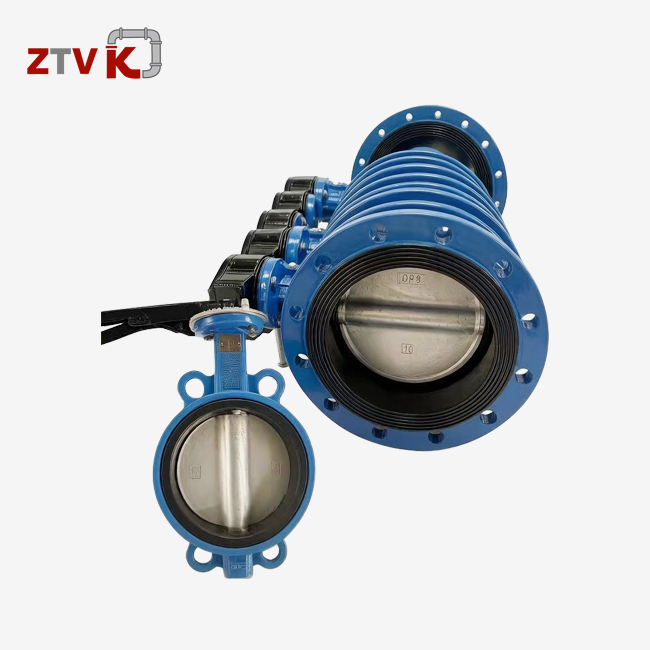
Our main focus is on wafer-style body building, which gives you more fitting options and lighter products than flanged options. Through-bolts let this design fit between pipeline flanges, which reduces the size of the system and the cost of the materials. Our wafer valves work with flange standards from DIN PN10/PN16, JIS 5K/10K, and ANSI Class 150LB. They can handle nominal sizes from 2″ to 80″ (DN50 mm to DN2000 mm). Because they are so flexible, they can be used for a wide range of pipeline requirements in foreign projects.
Actuator Variations: Single vs Double Acting
There are two different types of pneumatic valves. When the air flow stops, single-acting actuators use spring return mechanisms to return to a safe state, which could be fully open or fully closed. In emergency stop situations, this built-in fail-safe tool is very helpful. When paired with electro-pneumatic positioners, double-acting actuators use air pressure for both opening and closing motions. This gives them more torque and more precise modulating control. Which of these configurations you choose relies on your safety rules, the level of accuracy you need for the controls, and the consistency of the air source you have access to.
Understanding these structural elements helps procurement teams specify valves that match operational demands while avoiding costly overspecification or performance gaps.

Key Benefits and Applications of Pneumatic Butterfly Valves in B2B Procurement
When you use pneumatic actuation, you get real operating benefits that lead to lower lifetime costs and higher system reliability.
Rapid Response and High Cycle Life
Pneumatic systems for a pneumatic operated butterfly valve can move an entire stroke of an actuator in less than two seconds, while electric actuators need time for the motor to start up. This responsiveness is very important when there are problems with the process or emergencies. Our valves are designed to last more than 50,000 cycles, which is a lot longer than standard manual valves and means they don't need to be replaced as often. Because there isn't any complicated electronics, there aren't any regular places where motor windings and circuit boards break.
Safety in Hazardous Environments
Explosion-proof equipment is needed in chemical processing plants and petroleum plants that work with flammable substances. Electrical sources of ignition are not present in pneumatic valves, so they are naturally suitable for use in ATEX Zone 1 and Zone 2 places. This compliance makes safety standards easier and installation easier than with electric valve kits that need pricey housings that can't explode.
Versatile Industrial Applications
These valves are used in filter backwash lines and sludge handling systems at municipal water treatment plants where humid air can be hard on electric equipment. The EPDM seats we sell can stand up to chlorine and ozone, which are often used in cleaning processes. Contractors in the HVAC industry like the lightweight wafer design for chilled water systems and air handling units, which need small solutions because of limited installation space. Chemical makers who work with acids or solvents choose our PTFE-seated types because they are more resistant to chemicals. The rapid closure feature also makes it possible to do precise batch dosing.
Performance Comparison with Alternative Technologies
Ball valves seal better, but they take up more room and need more fitting force. Electric butterfly valves give feedback on placement, but they need a steady power source and cost around 40% more than gas units that do the same thing. Manual butterfly valves don't cost anything to run, but they don't work well for large diameter applications or ones that are far away. For most automated flow control situations, pneumatic-operated butterfly valves are the best choice because they balance performance, safety, and total cost of ownership.
These advantages explain why valve distributors consistently stock pneumatic-operated butterfly valves as their primary automated flow control solution for regional markets.
How to Choose the Right Pneumatic Butterfly Valve for Your Procurement Needs
Instead of using general size rules, choosing the right valve specification means matching technical factors to real-world working conditions.
Pressure and Temperature Considerations
Our valves can handle pressures from PN10 to PN16 (ANSI Class 150LB), which means they can be used in most water, HVAC, and general industry situations. The temperature range is mostly determined by the type of seat material used. EPDM seats can handle temperatures from -20°C to +120°C, NBR seats can handle temperatures from -10°C to +90°C for oil products, and PTFE seats can handle temperatures from -40°C to +200°C for extreme situations. Check your maximum working pressure and temperature at the same time. According to the ASME B16.34 derating charts, higher temperatures lower the maximum working pressure.
Material Selection Strategy
Corrosive media need CF8M stainless steel bodies and discs to keep them from rusting and breaking down, which would lower the sealing performance. WCB carbon steel with an epoxy covering can be used in municipal water systems because it protects against rust and saves money. For high-purity uses in food or drug processing, CF8M construction with PTFE seats is needed to keep things clean. For the Middle East's dusty conditions, we've made thicker stem protective covers, and for Southeast Asia's high humidity, we've made special epoxy resin coats.
Actuator Sizing and Control Integration
It's up to the actuator power to beat the forces of disc friction, packing drag, and differential pressure in a pneumatic operated butterfly valve. To keep things from stalling, our technical team figures out how much torque is needed by using the valve size, the pressure differential, and a safety factor of 1.25. Electro-pneumatic positioners make it easy for double-acting motors to work with 4-20mA control signals, which allows for modulating control that is accurate to within 1%. Single-acting spring return types work well in on/off situations where fail-safe placement is more important than exact throttling.
Supplier Reliability and Customization Capabilities
Check the supplier's skills that affect long-term buying success as well as the product specs. We keep more than 2,000 standard models (DN50–DN600) in our warehouse in Tianjin, which means that we can send them in 3–7 days for pressing needs. Our factory is only 50 km from Tianjin Port, and we have established partnerships with both COSCO Shipping and Maersk that make it easy to load containers and book sea freight. Distributors can build their own brand name with OEM branding services, and ODM capabilities let you change the insides of valves to fit specific working conditions. Our ISO9001, ISO14001, and OHSAS18001 certifications promise consistent quality management, and our adherence to ISO 5211 actuator fitting standards ensures that our products will work with all major actuator brands.

These selection criteria guide procurement decisions toward valves that deliver reliable performance rather than simply meeting minimum specifications on datasheets.
Installation, Maintenance, and Troubleshooting Best Practices
Valve service life and system uptime are directly affected by how well they are installed and maintained.
Installation Guidelines
Place wafer-style valves between the ends of two pipes so that the disc is facing away from the flow direction. To keep the body from warping, use the right grade of flange bolts, which are usually ASTM A193 B7 studs with A194 2H nuts, and tighten them in a star design. Install the valve so that the actuator is in a place that makes maintenance easy. Avoid putting the actuator in places where condensate could build up and freeze pneumatic lines. Connect air supply lines using the right-sized tubing—usually 1/4″ for DN50–DN150 valves and 3/8″ for bigger sizes—and put in a filter-regulator unit within three meters of the actuator to get rid of wetness and other things that can damage the seals inside.
Preventive Maintenance Schedule
Every three months, use a soapy water solution to check the pneumatic connections for air leaks. Even small leaks waste compressed air and lower actuator torque. Do bubble-tight shut-off tests at rated pressure once a year to check the condition of the seat. Instead of using calendar dates, lubricate stem bearings based on the number of cycles they go through—usually every 10,000 cycles or once a year, whichever comes first—using suitable grease that doesn't break down seal materials. The maintenance guides we give you have information about how to properly tighten and change seals for each size of valve.
Common Troubleshooting Scenarios
- Actuator fails to stroke fully: make sure the air supply pressure meets the minimum requirements (usually 5 to 7 bar for full torque output); check the tubing for kinks or blockages; and in single-acting units, make sure the spring packs aren't worn out.
- Valve passes fluid when closed: examine the seat for debris or chemical breakdown, make sure the actuator is rotating in the right direction, and make sure the disc position hasn't changed because of a loose stem connection.
- Excessive operating torque: make sure the pipeline isn't misaligned, which could damage the body; check that the media temperature hasn't gone above the hardening limits of the seat material; and check the stem packing adjustment, since over-tightening makes friction worse.
Engaging supplier technical support early prevents minor issues from escalating into system failures and extended downtime.
Procurement Insights: Pricing, Specifications, and Ordering Process
Understanding how prices are set and how purchases are made helps buyers make the best use of their budgets and transportation times.
Cost Drivers and Budget Planning
Valve prices mostly change based on size, material grade, and actuation type. Body parts made of carbon steel cost about 60% of similar parts made of stainless steel. Specialty materials like duplex steel cost 40% more than standard grades. Double-acting actuators make valves 30–50% more expensive than single-acting ones, but they do a better job of modulating. Buying in bulk usually gets you 12–18% off when you buy more than 50 units, and ordering a container load (150 or more pieces, depending on the size mix) lowers the cost of shipping each unit by combining shipments.
Specification Verification Process
Ask for detailed product datasheets that include pressure test reports that meet API 598 standards, body material certificates, and charts that show which seat materials are compatible with each other for a pneumatic operated butterfly valve. Our technical information includes dimensional drawings with ISO 5211 mounting pad specs. This way, you can make sure that the actuator will work with your buy before you make it. Nameplates for valves that are permanently stamped with heat numbers make it possible to track materials back to mill certificates, which meets the needs of quality audits in regulated industries. We offer 3D CAD models in STEP format that can be easily imported into pipe design tools. This way, there won't be any problems with measurements during installation.
Ordering and Delivery Logistics
Standard models can be shipped within 3–7 days from our plant in Beichen. Custom orders, on the other hand, take 15–25 days to make, based on how complicated they are. There are 20% expedite fees for rush orders, but shipping is sped up to 7–10 days for important projects. We can ship goods FOB Tianjin Xingang or CIF to any port in the world. To avoid customs delays, we package them in wooden crates that meet ISPM 15 phytosanitary standards. Our 18-month guarantee covers problems with the way the product was made and includes free new parts sent by fast courier. Videos with step-by-step instructions in multiple languages also help speed up the commissioning process.
Building relationships with manufacturers offering transparent pricing, flexible order quantities, and responsive support streamlines repeat procurement cycles and reduces total acquisition costs.
Conclusion
Pneumatic-operated butterfly valves that are controlled by compressed air automatically control the flow of fluids. They have a quick response time, a long working life, and safety features that are built in. Their wafer-style design lets them fit a range of flange standards, with nominal sizes from DN50 mm to DN2000 mm. They are also made of different materials, from carbon steel to stainless steel, to meet different temperature and corrosion needs. Choosing the right type of actuator—single-acting for fail-safe uses or double-acting for precise changing control—aligns the capabilities of the tools with the needs of the operation. When you put something together correctly by following the torque specs, do preventative maintenance based on cycle counts, and fix problems in a methodical way, you can make it last longer and have less unplanned downtime, which has a direct effect on the lifecycle costs for industrial operations.
Frequently Asked Questions
1. What distinguishes pneumatic from electric butterfly valve actuation?
Compressed air is used to make torque in pneumatic actuators, which have faster stroke speeds (less than two seconds), built-in safety in explosive environments, and easier fail-safe positioning through spring return mechanisms. Electric actuators have built-in position feedback and don't need the infrastructure that comes with compressed air. However, they are more expensive to buy at first, respond more slowly, and could spark in dangerous places. The decision is based on the services that are available, the level of accuracy needed for control, and the safety rating of the installation area.
2. How often should pneumatic butterfly valves undergo maintenance?
Visual reviews should be done every three months to check for pneumatic connections, air leaks, and the security of the actuator fitting. Do full maintenance once a year or every 10,000 working cycles, whichever comes first. This includes checking the state of the seals, the seat, and the stem. High-cycle use in automated processes may need to be serviced every six months to keep the sealings in good shape and stop premature wear.
3. Can valve specifications be customized for unique industrial applications?
Manufacturers that offer ODM services can change the shape of the disc, the material of the seat, the coating on the stem, and the way the body is treated to fit the properties of the media, the temperature range, or the installation requirements. For customisation, engineering drawings are usually needed to show how the product should work, what kind of media it should contain, and any special certification requirements. This can add 15 to 30 days to the normal delivery time for the product.
Partner with a Trusted Pneumatic-Operated Butterfly Valve Manufacturer
ZTVK has been making pneumatic operated butterfly valves for more than 15 years from our plant in Tianjin, which is conveniently located 50 km from Xingang Port. We keep more than 2,000 standard valves in stock so that they can be delivered in 3–7 days. For unique requirements, our custom ODM services can meet them in 15–25 days. Our actuator fixing standards are in line with ISO 5211, and our material certifications cover ASTM A536, WCB, and CF8M standards to make sure they work with projects around the world. Our OEM branding services and competitive bulk pricing come from how efficiently we make valves in-house, which is good for valve distributors. You can talk to our procurement specialists about your project needs, ask for technical datasheets, or set up factory audits by emailing ktec86961886@163.com. Experience reliable supply chain performance backed by ISO9001 quality systems and 18-month warranty coverage that protects your investment.
References
1. American Petroleum Institute, "API 609: Butterfly Valves - Double Flanged, Lug- and Wafer-Type," 8th Edition, 2017.
2. ASME B16.34, "Valves - Flanged, Threaded, and Welding End," American Society of Mechanical Engineers, 2020.
3. ISO 5211, "Industrial Valves - Part-Turn Actuator Attachments," International Organization for Standardization, 2018.
4. Zappe, R.W., "Valve Selection Handbook: Engineering Fundamentals for Selecting the Right Valve Design for Every Industrial Flow Application," 5th Edition, Gulf Professional Publishing, 2004.
5. Smith, P. and Zappe, R.W., "Valve Selection and Specification Guide for the Process Industries," Elsevier Science, 2002.
6. Skousen, Philip L., "Valve Handbook," 3rd Edition, McGraw-Hill Education, 2011.
Send us your valve requirements and our team will provide professional solutions and fast quotations.
RELATED INDUSTRY KNOWLEDGE