- English
- French
- German
- Portuguese
- Spanish
- Russian
- Japanese
- Korean
- Arabic
- Greek
- German
- Turkish
- Italian
- Danish
- Romanian
- Indonesian
- Czech
- Afrikaans
- Swedish
- Polish
- Basque
- Catalan
- Esperanto
- Hindi
- Lao
- Albanian
- Amharic
- Armenian
- Azerbaijani
- Belarusian
- Bengali
- Bosnian
- Bulgarian
- Cebuano
- Chichewa
- Corsican
- Croatian
- Dutch
- Estonian
- Filipino
- Finnish
- Frisian
- Galician
- Georgian
- Gujarati
- Haitian
- Hausa
- Hawaiian
- Hebrew
- Hmong
- Hungarian
- Icelandic
- Igbo
- Javanese
- Kannada
- Kazakh
- Khmer
- Kurdish
- Kyrgyz
- Latin
- Latvian
- Lithuanian
- Luxembou..
- Macedonian
- Malagasy
- Malay
- Malayalam
- Maltese
- Maori
- Marathi
- Mongolian
- Burmese
- Nepali
- Norwegian
- Pashto
- Persian
- Punjabi
- Serbian
- Sesotho
- Sinhala
- Slovak
- Slovenian
- Somali
- Samoan
- Scots Gaelic
- Shona
- Sindhi
- Sundanese
- Swahili
- Tajik
- Tamil
- Telugu
- Thai
- Ukrainian
- Urdu
- Uzbek
- Vietnamese
- Welsh
- Xhosa
- Yiddish
- Yoruba
- Zulu
Choosing the Right Butterfly Valve Type for Drip Irrigation in Cotton Fields
When managing drip irrigation systems for cotton fields, selecting the appropriate irrigation butterfly valve can dramatically improve water efficiency and reduce operational costs. These quarter-turn flow control devices are specifically designed to handle the unique demands of agricultural environments—managing variable pressures, resisting corrosion from fertigation chemicals, and ensuring uniform water distribution across extensive acreage. Unlike standard industrial valves, irrigation-grade models account for suspended organic matter and mineral content typical in raw water sources, making them indispensable for modern cotton farming operations focused on yield optimization and resource conservation.


Understanding Irrigation Butterfly Valves for Cotton Field Drip Irrigation
How Butterfly Valves Function in Agricultural Settings
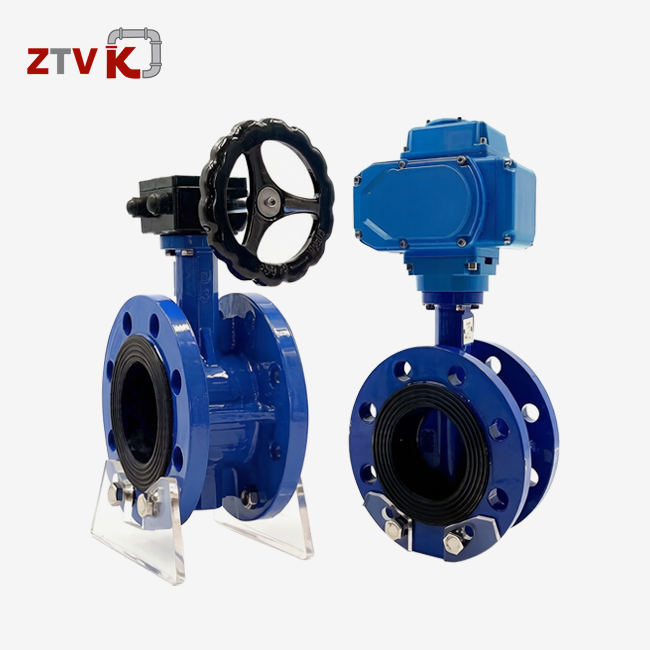
Irrigation butterfly valves work by having a disc in the middle of the valve that rotates and moves 90 degrees to fully open or stop the flow path. Because of this simple but effective design, they work especially well in agricultural settings where quick responses are important. Compared to gate valves, the disc design reduces pressure drop the most. This lets irrigation systems keep flow rates constant even across long side lines that are typical in cotton farming. When these valves are partially opened, they let water flow slowly, which helps growers fine-tune water delivery at different stages, from germination to boll development.
Manual Versus Automated Operation Options
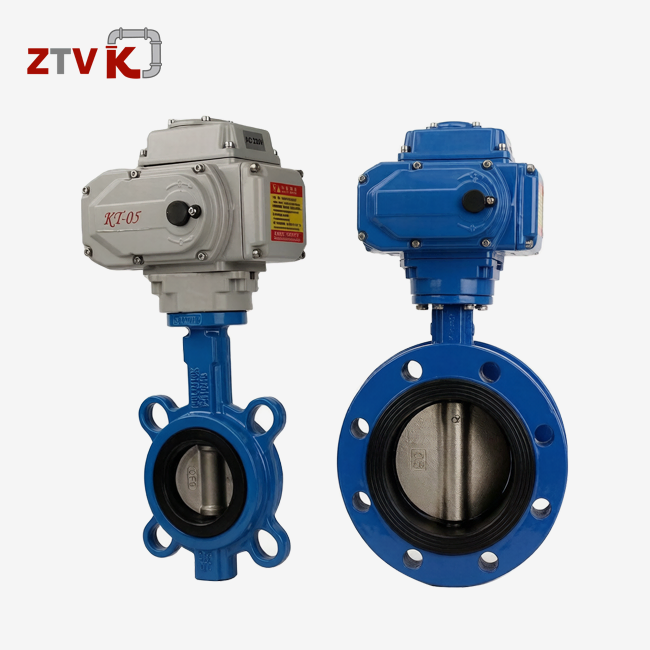
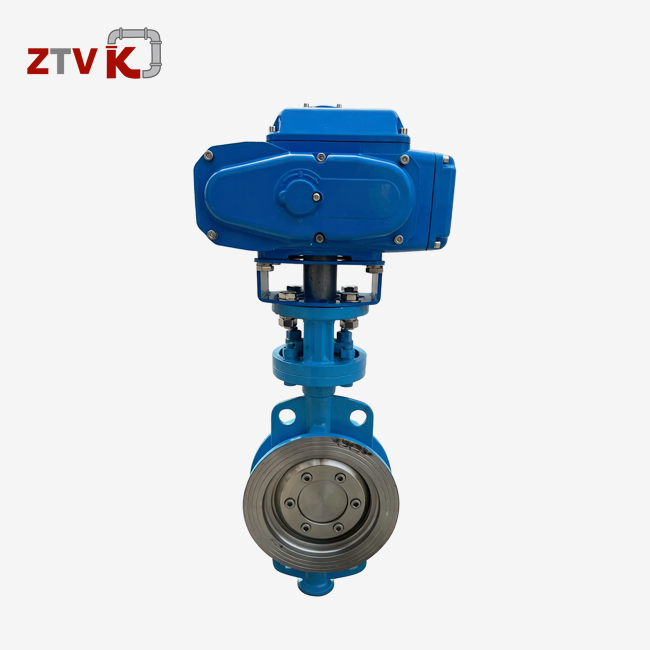
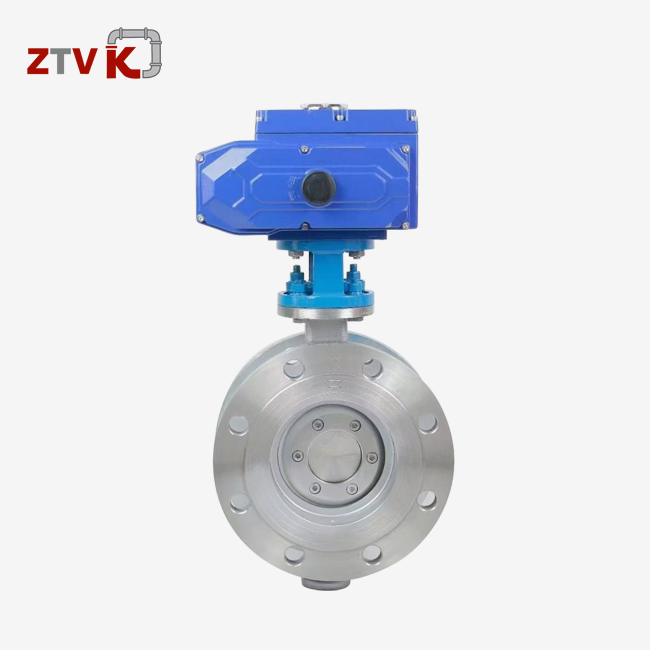
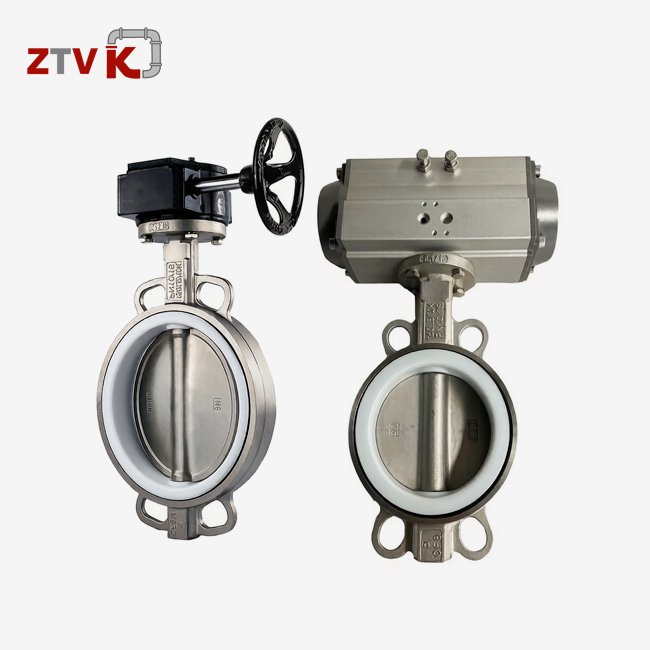
Cotton farmers can pick from different ways to move their machines based on the size of their fields and their automation goals. For smaller plots or secondary zone control, hand lever action is still popular because it is simple and doesn't require electricity. Worm gear actuators give bigger valves a mechanical edge, so valves up to DN600 can be operated by one person. Electric actuators work well with modern precision agriculture systems, while pneumatic actuators respond quickly for automated fertigation cycles. ZTVK makes valves that work with all of these types of actuators. They follow ISO5211 fixing standards, which make sure that actuators can be switched out without having to replace the whole valve system.

Material Selection Impact on Valve Performance
Farming's demanding environment needs cautious material selection. Permanent irrigation systems use ductile iron (DI/QT450) bodies that can withstand field equipment and burial. Water chemistry affects disc materials. CF8 stainless steel is appropriate for acidic well water and CF8M (316 stainless) for high chloride conditions in coastal cotton farms. Standard ductile iron works well in most scenarios. Aluminium bronze plates function well in sand-filled rough water. Differences in seat material affect longevity. EPDM works with irrigation water, NBR doesn't react with petroleum-based chemicals, PTFE can manage severe fertilisers, and Viton can withstand thermal plant control system temperatures.
Comparing Butterfly Valves to Alternative Valve Types
Gate valves let full-bore flow through, but they need a lot of room to be installed and can't be automated because they have to be turned more than once. Ball valves close bubble-tight, but they pose a big water hammer risk when they are closed quickly in cotton fields. Irrigation butterfly valves are the best of both worlds. Their small wafer-shaped design makes installation 30% to 40% cheaper than with flanged gate valves, and their quarter-turn action lets you close them slowly without causing hydraulic shock. The streamlined disc shape keeps high flow coefficients (Cv values), which is important for lowering pumping energy costs, which are a big issue when watering cotton farms that cover 100 acres.
Criteria for Choosing the Right Butterfly Valve Type for Cotton Fields
Assessing Farm Size and System Pressure Requirements
Small cotton farms with less than 50 acres usually use zone valves with DN40 to DN100 sizes and PN10 pressure ratings. For 50–300-acre medium farms, pump stations need DN150–DN400 valves with PN16 grades to handle variable-frequency drive pump output. Large commercial operations that cover more than 500 acres usually need DN600 to DN1200 main line valves that can handle flow rates of more than 2000 gallons per minute. If you do the pressure and flow estimates correctly, you can avoid either undersizing, which leads to too much speed and early seat wear, or oversizing, which makes control less accurate during low-flow drip cycles.
Valve Sizing Compatibility with Drip Line Networks
In farm mains, the best water flow is between 3 and 7 feet per second when the pipes are the right size. When valves are too small, they cause turbulence that hurts emitters further downstream, and when they are too big, they make throttling less precise. Cotton drip systems with 8- to 12-inch mains usually use DN200 to DN300 zone valves that fit the pipe width so that they don't block the flow. ZTVK helps with technical sizing by looking at things like peak evapotranspiration rates during cotton's critical flowering time, when the plant needs the most water, and the performance of the valves directly affects the yield.
Material Suitability for Water Chemistry and Fertigation
If the pH is less than 6.5, stainless steel discs and Viton seats should be used. If the pH is above 8.0 and there are calcium deposits in the water, PTFE seats that don't stick to minerals should be used. Fertigation adds another level of complexity; phosphoric acid-based fertilisers need CF8M discs, but ammonia-rich solutions work fine with regular ductile iron and EPDM combos. Many cotton farms switch between types of fertiliser depending on the season. Investing in flexible material setups is a good idea because it keeps operations running smoothly even when valves need to be replaced in the middle of the season.

Actuator Compatibility and Automation Integration
Soil moisture sensors and weather station data are being used more and more in modern cotton irrigation to set off exact watering events. This combination is made possible by electric motors that use 4-20mA control signals or Modbus communication. This lets irrigation butterfly valves change the flow rate based on what the crop needs at any given time. Pneumatic systems work with existing infrastructure for compressed air and can be used safely near fuel storage areas without the risk of explosion. ZTVK valves have standard top flanges that allow aftermarket actuator upgrades. This protects initial equipment investments as farms move toward full automation over several growing seasons.
Bulk Purchasing Strategies and Supplier Evaluation
Multiple cotton property purchasers should negotiate large savings for typical valve setups. Setting preferred material requirements for all agricultural sites simplifies inventories and reduces field technician training. Think about suppliers with ISO9001 quality control and testing records that can be verified. Lead time reliability is crucial. ZTVK has over 2,000 standard units in Tianjin depots for delivery in 3–7 days and to minimise expensive delays during planting and harvest seasons. Custom configurations arrive in 15–25 days, and expedited delivery is available for urgent replacements.
Maintenance Tips and Common Issues with Irrigation Butterfly Valves
Establishing Routine Inspection Schedules
Cotton field valves have to work nonstop for months during peak watering months and are exposed to UV light. The temperature can change from freezing in the winter to over 100°F in the summer. Check the shaft play every three months (too much wobble means the bearings are wearing out), the actuator mounting bolts for looseness caused by vibration, and the manual switches to make sure they work. Checks done before growing cotton in the spring keep failures from happening in the middle of the season, when replacing plants causes a lot of crop stress. Post-harvest care lets areas that often freeze clean things well before putting them away for the winter.
Preventing Common Failure Modes
Most seat leaks are caused by debris getting stuck between the disc and the seat. Putting upstream strainers in this area stops 80% of these problems. Mineral layers on the shaft or actuator connection can make it stick or be hard to operate. This can be avoided by lubricating them once a year with the right agricultural-grade greases. In wash-down environments, keeping the integrity of NEMA 4X enclosures is very important because water can get in through broken conduit seals and cause actuator malfunctions. ZTVK valves have thicker protective covers for the shafts that keep dust from building up on the bearings. This is especially useful in dry cotton-growing regions with a lot of dust.
Cost-Effective Repair Versus Replacement Decisions
Seat replacement makes economic sense for valves that are less than five years old and have small leaks. It costs about 15 to 20 percent of the price of a new valve. When body rust shows up, shaft wear goes beyond what is acceptable, or more than one part fails at the same time, it is time to replace the whole irrigation butterfly valve. Genuine OEM parts are the only way to be sure of a good fit. Aftermarket seats often use poorer elastomer compounds that break down quickly when exposed to fertiliser. ZTVK offers a wide range of parts and materials that have been certified, so you can make smart repair choices that will save you money over the projected 50,000 repeat lifetimes.
Comparison of Leading Irrigation Butterfly Valve Brands and Market Solutions
Evaluating Established Agricultural Valve Manufacturers
Agricultural irrigation is made by a number of different companies, each with their own specialities. Domestic U.S. brands have strong local support networks and can get parts quickly, but they often cost more because of the higher cost of labour in the U.S. European companies offer high-tech materials engineering and precise machining that works well for chemical uses but is sometimes too complicated for normal cotton watering. Asian companies like ZTVK are good at balancing high-quality building with low prices by using efficient production scale. This makes them appealing to buyers who are looking for the best value. New testing by a third party shows that quality-certified Asian valves meet or beat AWWA C504 performance standards. On big orders, they also save 25–35% on costs.
Brand-Specific Strengths for Cotton Irrigation
Brands with a long history, like Tyco, focus on fire safety by making strong valves that can safely shut off in an emergency. Raindrip mainly works with home and small business projects. They make lightweight polymer valves that work well for low-pressure surface drip but not so well for buried mainline installations. Nibco is still widely available through plumbing wholesalers, which is good for small purchases but might not give enough technical support for more complicated fertigation systems. ZTVK stands out because it allows for a lot of customisation. It supports OEM branding for distributors building a regional market presence and provides ODM services that change the shape of valves to meet specific operational needs, such as non-standard pressure ratings or custom connection interfaces.
Warranty Coverage and After-Sales Support Considerations
Warranty terms show that the company that made the product is confident in its longevity. Standard 12-month guarantees cover problems with the way the product was made, but they don't usually cover wear parts like seats. ZTVK expands its 18-month coverage to include failures that were not caused by people, showing its dedication to quality consistency. Total ownership costs are affected by after-sales support in a big way. Manufacturers who offer installation tutorial videos, debugging guides, and quick technical help avoid costly mistakes in the field.
Lead Times and International Logistics Factors
Most domestic providers ship from regional warehouses in days; however, they don't have huge sizes. When buying abroad, you must prepare beforehand. Tianjin inventory ships standard ZTVK configurations in 3–7 days, while special orders require 15–25 days. The factory is 50 km from Tianjin Xingang port, making exporting simpler. Established connections with significant firms help lower freight charges. ZTVK quotes FOB Tianjin and CIF ports, making pricing comparisons easy. Professional export packaging that follows ISPM15 requirements reduces customs delays, while moisture-proof wrapping and secured clamps protect irrigation butterfly valves throughout ocean transport. These are critical considerations for purchasing adequate inventory to span cotton cropping seasons.
How to Optimize Drip Irrigation Performance in Cotton Fields with the Right Butterfly Valve
Achieving Uniform Water Distribution Through Proper Sizing
For cotton drip systems to spread water evenly across the field, each source needs to be under constant pressure. When you calculate the pressure drop of a valve, you have to take into account how many zones are operating at the same time. Control valves that are too small cause too much head loss, which means that the farthest ends of drip lines don't get enough water, which lowers returns in those areas. The technical staff at ZTVK helps with hydraulic modelling, which takes into account things like the length of the mainline, changes in elevation, and times of high demand when multiple zones are running at the same time. Irrigation butterfly valves of the right size keep the difference in pressure between all outlets to within 10%, which is the minimum required for equal cotton plant growth.
Integrating Smart Controls for Precision Water Management
In modern cotton farms, soil moisture monitors, weather data, and variable-rate irrigation controls are all linked to butterfly valves. Accurate flow modulation is made possible by electric actuators with positioning feedback. This is very important during fertigation, when the concentration of nutrients depends on accurate water flow rates. IoT-enabled systems can check on the position of valves from afar and find problems, like sudden partial closing that means garbage is building up. The ISO5211 actuator mounting on ZTVK valves works with most agricultural control platforms because it can hold industry-standard automation parts. This adaptability lets businesses gradually automate, starting with simple timers and moving on to more complex decision support systems when the return on investment (ROI) justifies it.
Long-Term Value Assessment and Total Cost of Ownership
You must consider more than the purchase price to determine an irrigation butterfly valve's lifespan. High-quality butterfly valves constructed of non-rusting materials with robust seating endure 15 to 20 years for cotton irrigation, whereas inferior ones need to be changed every 5 to 7 years. Energy economics matters. Low-pressure valves reduce annual pumping expenses by 8–12% compared to restrictive versions. Wafer-style valves facilitate equipment removal for inspection without depressurising it, reducing personnel expenses. ZTVK's double-eccentric design reduces torque by 30%. This extends actuator life and reduces motorised unit power demand, saving money over decades.
Building Strategic Supplier Partnerships
Reliable valve suppliers become important partners in farming operations, offering technical advice during system expansions, prioritising delivery during key planting times, and making sure that parts are always available for old infrastructure. ZTVK has worked with global wholesalers for a long time, so they know how to meet a wide range of operating needs, from strict European standards to hot, humid conditions in Southeast Asia. Distributors can use the company's OEM/ODM services to make their own lines of branded products, and direct buyers can get engineering customisation that helps with site-specific problems like odd pipe schedules or integrating legacy equipment. Over 15 years of experience in cotton irrigation has helped ZTVK make products that are better for the long-term needs of agriculture.
Conclusion
Cotton field crop productivity, water economy, and expenses depend on drip irrigation butterfly valve selection. Materials that perform well with local water chemistry and fertigation procedures last longer and may be dispersed over wide regions with the correct sizes. Automation-ready designs and smart supplier collaborations advance precision agriculture by providing technical expertise and dependable delivery. High-quality manufacturing that meets international standards, agricultural application experience, and helpful customer service make ZTVK a trusted supplier of irrigation butterfly valves for small family farms to large commercial cotton businesses that want to improve their irrigation infrastructure.
Frequently Asked Questions
1. How do I correctly size butterfly valves for cotton drip irrigation systems?
The total length of the drip line, the distance between emitters, and the application rate must be used to figure out the valve's highest flow demand. Keep the speed of the water in the mains between 3 and 7 feet per second to stop runoff and make sure the flow can be controlled. Talk to suppliers like ZTVK who can help you figure out the right size by taking into account your field's size, shape, and water needs for your irrigation butterfly valves.
2. What maintenance routines reduce valve failures in outdoor cotton field installations?
Do inspections every three months to check for shaft play, actuator security, and smooth operation. Every year, grease any moving parts and check the strength of the seals. A lot of service life can be added by doing maintenance before planting and cleaning thoroughly after harvest. Putting in upstream filtration stops 80% of seat leakage problems that are caused by debris in irrigation butterfly valves.
3. Are metal butterfly valves necessary for large-scale commercial cotton irrigation?
Ductile iron valves last longer in underground installations, don't get damaged by farm equipment hitting them, and can handle the higher pressures that are common in big systems. Materials that don't rust, like CF8/CF8M stainless steel, are useful when working with sour well water or harsh fertilisers that are common in business operations that take care of hundreds of acres using an irrigation butterfly valve.
Partner with ZTVK for Reliable Agricultural Flow Control Solutions
With ductile iron sturdiness, precision-machined disc shape, and chemical-resistant seating that can withstand years of fertigation exposure, ZTVK makes irrigation butterfly valves that are perfect for cotton farming. Our factory in Tianjin is ISO9001-certified and makes valves from DN40 to DN1200 with PN10/PN16 grades. You can choose from hand lever, worm gear, pneumatic, or electric operation to suit your needs. We have over 2,000 basic units in stock and can deliver them quickly (3–7 days), and we can ship custom setups within 15–25 days. This means that we don't have to wait for orders to arrive during important planting seasons. Please email our technical team at ktec86961886@163.com to talk about your specific needs. We offer free size advice, CAD sketches, and cheap quotes for both one-off orders and partnerships with big distributors, and our 18-month warranty covers all of this.
References
1. American Water Works Association. AWWA Manual M49: Quarter-Turn Valves: Head Loss, Torque, and Cavitation Analysis. Denver: AWWA, 2017.
2. Irrigation Association. Agricultural Irrigation Equipment and Systems Design Standards. Fairfax: Irrigation Association Technical Committee, 2019.
3. Burt, C.M. and Styles, S.W. Drip and Micro Irrigation Design and Management for Trees, Vines, and Field Crops. San Luis Obispo: Irrigation Training and Research Center, 2018.
4. United States Bureau of Reclamation. Valve Selection Criteria for Water Systems. Technical Service Center Report. Denver: USBR, 2016.
5. Food and Agriculture Organization of the United Nations. Irrigation Water Management: Irrigation Methods - Training Manual No. 5. Rome: FAO Land and Water Development Division, 2018.
6. Cotton Incorporated. Irrigation Management for Cotton Production: Best Management Practices. Cary: Cotton Incorporated Agricultural Research, 2020.
Send us your valve requirements and our team will provide professional solutions and fast quotations.
RELATED INDUSTRY KNOWLEDGE