- English
- French
- German
- Portuguese
- Spanish
- Russian
- Japanese
- Korean
- Arabic
- Greek
- German
- Turkish
- Italian
- Danish
- Romanian
- Indonesian
- Czech
- Afrikaans
- Swedish
- Polish
- Basque
- Catalan
- Esperanto
- Hindi
- Lao
- Albanian
- Amharic
- Armenian
- Azerbaijani
- Belarusian
- Bengali
- Bosnian
- Bulgarian
- Cebuano
- Chichewa
- Corsican
- Croatian
- Dutch
- Estonian
- Filipino
- Finnish
- Frisian
- Galician
- Georgian
- Gujarati
- Haitian
- Hausa
- Hawaiian
- Hebrew
- Hmong
- Hungarian
- Icelandic
- Igbo
- Javanese
- Kannada
- Kazakh
- Khmer
- Kurdish
- Kyrgyz
- Latin
- Latvian
- Lithuanian
- Luxembou..
- Macedonian
- Malagasy
- Malay
- Malayalam
- Maltese
- Maori
- Marathi
- Mongolian
- Burmese
- Nepali
- Norwegian
- Pashto
- Persian
- Punjabi
- Serbian
- Sesotho
- Sinhala
- Slovak
- Slovenian
- Somali
- Samoan
- Scots Gaelic
- Shona
- Sindhi
- Sundanese
- Swahili
- Tajik
- Tamil
- Telugu
- Thai
- Ukrainian
- Urdu
- Uzbek
- Vietnamese
- Welsh
- Xhosa
- Yiddish
- Yoruba
- Zulu
How to Choose a Butterfly Valve Stainless Grade for Corrosive Media
Selecting the right stainless steel grade for a 3-inch stainless steel butterfly valve begins with understanding the specific corrosive media your system handles. Whether you're dealing with acidic chemicals, chloride-rich seawater, or alkaline solutions, matching the material composition to the chemical environment prevents premature failure and costly downtime. The most common grades—304 and 316—differ primarily in molybdenum content, which enhances resistance to pitting and crevice corrosion. For distributors and contractors prioritizing longevity and safety, this decision directly impacts operational reliability and lifecycle costs in demanding applications.


Introduction
Because they are small, have low pressure drop, and are easy to automate, butterfly valves are now essential in industry flow control systems. If your business deals with corrosive media, like weak acids in water treatment plants or concentrated chemical streams in petrochemical plants, picking the right grade of stainless steel is very important. This guide answers the questions that valve wholesalers, HVAC builders, and industrial equipment makers who sell or build with stainless steel butterfly valves in DN80 (3 inch) sizes have about choosing the right material. When buyers know how different metal compositions react to different corrosive surroundings, they can choose goods that will last for decades and require little to no unplanned upkeep.
Understanding the Challenge of Corrosive Media for Butterfly Valves
Corrosive conditions damage valve parts in a number of ways, and each one needs a specific type of material answer. Acids like sulfuric or phosphoric acid break down passive oxide layers on metal surfaces, which can cause pitting or uniform corrosion. Stress corrosion cracking can happen in some metal microstructures when alkaline substances like sodium hydroxide are used. Fluids that contain chlorine, which are common in seawater cooling systems and desalination plants, are very bad for austenitic stainless steels. They start small pits that quickly go through valve bodies and discs.
Conditions of temperature and pressure make these problems even worse. High temperatures speed up chemical reactions, and changing the pressure puts mechanical stresses on the system that make corrosion fatigue worse. For example, a city water contractor putting valves in a brackish water distribution network will need different materials than a chemical plant operator working with 10% hydrochloric acid at room temperature. When two materials don't work well together, it shows seats that leak, stems that won't move, and structural damage that requires emergency shutdowns.
Real-life events show how dangerous these risks are. When normal carbon steel butterfly valves were placed in high-chloride streams, they failed catastrophically within 18 months at a desalination plant in the Middle East. When the wrong 316-grade stainless valves were replaced, the service life was extended beyond eight years. This shows that choosing the right materials directly affects keeping operations going and staying within budget.
Core Criteria for Choosing Stainless Steel Grades for Butterfly Valves
Material Composition and Corrosion Resistance
Stainless steel types don't rust because they contain chromium, which, when exposed to oxygen, forms a protective passive layer. The 304 grade has about 18% chromium and 8% nickel, which makes it very resistant to corrosion from oxidizing acids and the air. This mix works well in places where water, weak acids, and alcohols are present, like in HVAC systems and food processing lines.
The 316 grade has about 2% to 3% molybdenum mixed in with the same amounts of chromium and nickel. This makes it much more resistant to chlorine attack and pitting corrosion. Because of this improvement, 316 is now the best material for use in marine settings, chemical processing, and any other place where there are salty or acidic chloride solutions. The price difference between 304 and 316 is usually between 15% and 25%. This is an investment that is worth making if you want to avoid having to replace the steel too soon in harsh media, such as when using a 3-inch stainless steel butterfly valve.
Pressure and Temperature Ratings
The performance requirements for the valves must match the working conditions of the system. ANSI rules say that normal butterfly valves in the DN80 size can handle pressures from PN0.6 to PN1.6 MPa, which is about 87 to 232 psi or 150 lb to 300 lb class ratings. Different types of seat materials can handle different temperatures. EPDM seats work effectively up to 120°C, while PTFE (Teflon) seats can handle temperatures up to 200°C, which makes them good for steam and high-temperature chemical uses.
The API 609 and ASME B16.34 standards set performance and size standards that make sure that products from different manufacturers can be used together and behave in the same way. Third-party certification papers should be used by procurement teams to make sure that suppliers are following these standards. This will avoid problems during installation in the field and make sure that the guarantee is honored.
Comparative Advantages Over Alternative Materials
Stainless steel valves are stronger and lighter than cast iron or ductile iron valves. They also don't need an internal layer that can wear off over time. PVC and CPVC alternatives are chemically strong, but they can't handle the high and low temperatures and mechanical pressures that are common in industrial systems. The higher original cost of building with stainless steel usually pays for itself in three to five years, thanks to less frequent upkeep and longer replacement times.
Analyzing 3-Inch Stainless Steel Butterfly Valve Types and Their Suitability
Wafer vs. Lug Design Considerations
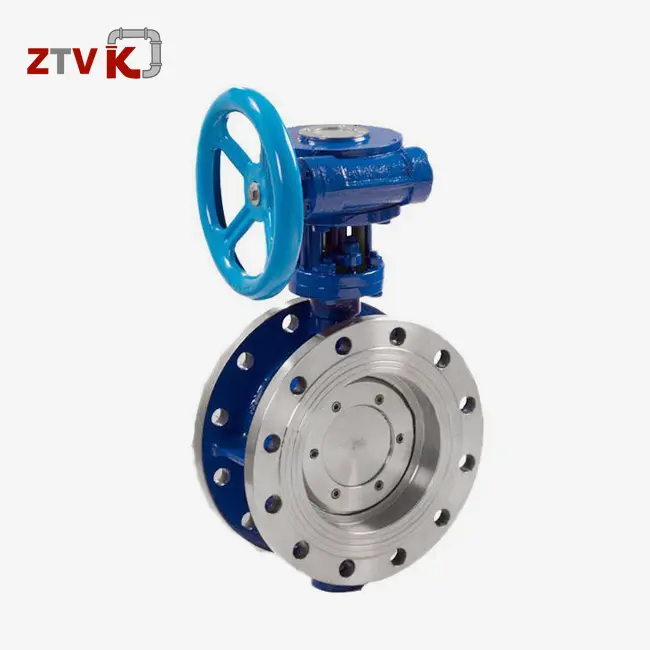
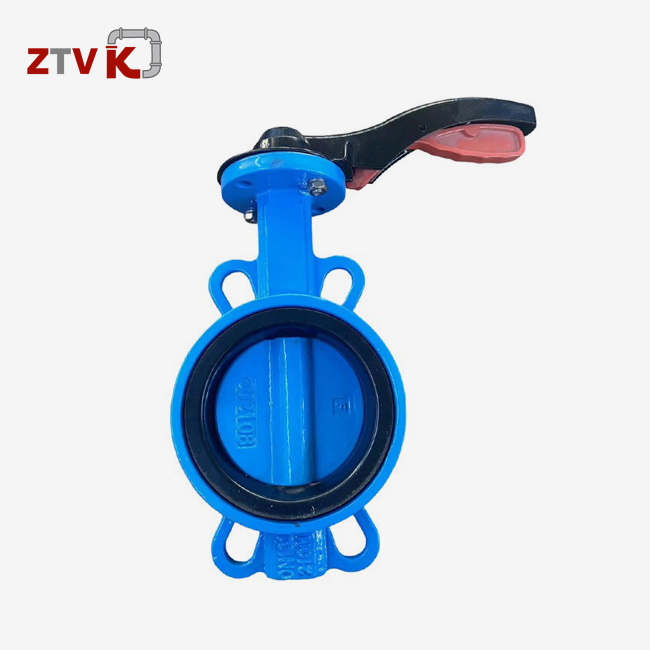
Wafer-style butterfly valves fit between pipe flanges and are held in place by through-bolts that squeeze the valve body between the two flanges that fit together. This small design cuts down on installation weight and cost, but the pipes upstream and downstream must stay connected during maintenance. This limitation may be important for distributors who work with clients who need to service valves often.
Lug-style valves have threaded pieces all around the body, which allows each lip to be attached to a different bolt. This design makes it possible to remove pipes further downstream without affecting the installation of the valve. This is a very important benefit in dead-end service or when servicing needs to be done in isolation. The extra material and machining make the designs 20–30% more expensive than wafer designs, but they are worth it in situations where servicing freedom is important.
Actuation Methods and Control Precision
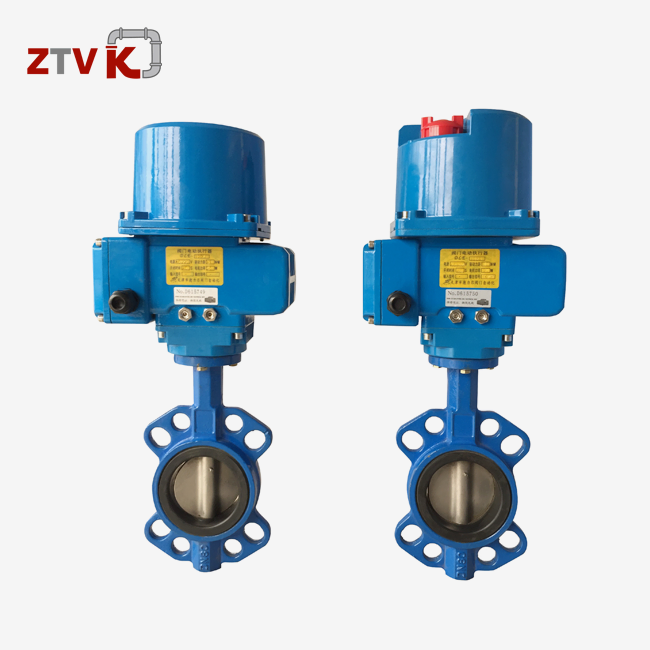
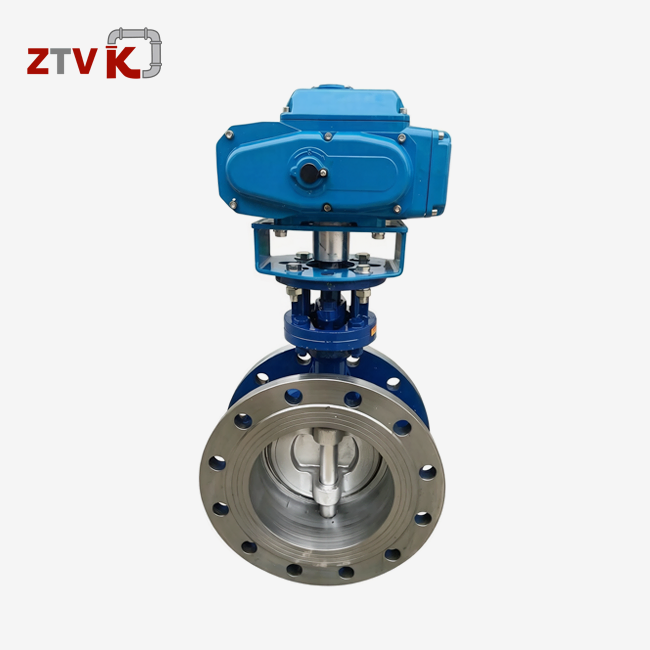
Manual action through a switch or gearbox works well in places where adjustments need to be made rarely, and there isn't much room for power outlets. Electric actuators allow for precise positioning and remote control, which are important for automated process control systems in water treatment plants and chemical plants. Electric versions usually add 40 to 60 percent to the base cost of a valve (Weight of stainless steel butterfly valve), but they save a lot of labour in setups that need to make throttling changes often.
Pneumatic control is a fail-safe because it uses spring-return systems that close or open valves automatically if the air supply goes out. Because of this built-in safety feature, pneumatic actuators (weights) are preferred in fire suppression systems and dangerous material handling situations where power outages could lead to dangerous situations.
Sealing Material Selection
Leak-tightness and service life are based on how well the seat material works with the process media. Ethylene-propylene-diene (EPDM) seats work great in water, mild acids, and alkaline solutions up to 120°C. Buna-N nitrile rubber is good at handling oils and fuel products. PTFE chairs are more expensive to make but can handle a wider range of temperatures and don't react with most poisons. Metal-seated valves can handle high temperatures that are too high for elastomers to handle, but they usually only achieve Class IV leakage rates instead of bubble-tight shutdown.
Maintenance and Lifecycle Management to Maximize Valve Performance
Proactive repair plans make valves last longer and stop them from breaking down without warning. External corrosion signs, actuator functions, and stem seal integrity should be recorded every three months during eye checks. Disassembly once a year lets you check the condition of the seats and grease the stem bearings, which is especially important for valves that deal with abrasive or polymerising media.
Monitoring for corrosion starts with making a baseline record of the condition of the valves during commissioning. Ultrasonic thickness readings taken on a regular basis can detect material loss before it polymerizes to the structure. The passive layer of stainless steel needs oxygen to stay intact—stagnant, oxygen-poor media can cause localized corrosion even if the material is otherwise suitable.
Seat degradation from fast flow, stem galling from not enough oil, and actuator mechanical wear are all common ways for things to break. Keeping extra parts on hand, e.g., localized parts and stem seals, cuts down on downtime during scheduled repair windows. A chemical plant in Southeast Asia cut its maintenance costs by 40% when it switched from reactive repairs to condition-based monitoring. This shows that strategic maintenance approaches improve the total cost of ownership.
Procurement Guide: Selecting and Buying Your 3-Inch Stainless Steel Butterfly Valve
Critical Specification Parameters
Request for Quotation papers should make it clear what kind of media they need, what temperature range they can work in, what pressure class they need, and what licenses they need. Material test reports that use spectrographic analysis to confirm the amount of chromium and molybdenum in a material give confidence that the grade won't be changed. Pressure test papers that follow API 598 standards show that the shell and seat are solid before they are shipped.
Drop-in replacement is possible as long as the dimensions are in line with API 609 face-to-face lengths. This is especially important for repair projects where changing the pipes would cost a lot of money. Existing pipe standards must be met by the flange drilling patterns. In North America, ANSI B16.5 patterns are most common, while in Europe and Asia, DIN or JIS patterns are more common.
Supplier Evaluation Factors
A lot of the top manufacturers keep a wide range of products from DN15 to DN1200, and they offer standard delivery for common sizes as well as custom fabrication for unique uses. Lead times separate common sellers from strategic partners. Standard 3-inch configurations can be delivered in 3–7 days if they are in stock, but custom seat materials or special pressure classes may take 15–25 days.
Quality management system standards, like ISO 9001, API 6D, and CE marking, show that 3-inch prod controls and tracking systems, including the weight of stainless steel butterfly valve, are in place. Buyers should ask for lists of past customers as references and check how well previous projects were completed. This is especially important for mission-critical or high-volume applications where the supplier's dependability directly affects project schedules.

Pricing Considerations and Value Analysis
The price of a stainless steel butterfly valve depends a lot on the grade chosen, the way of operation, and the amount of the order. Standard 304-body manual valves cost about $150 to $300 per unit when bought in bulk, while 316-grade electric-actuated valves can cost up to $1,200. Duplex stainless choices are more expensive, but they last longer in settings with a lot of rust, so they may be worth it in the long run, even though they cost more to buy.
Volume discounts are useful for orders of more than 50 units, and prices can go down gradually over the course of an annual contract. Distributors who work on more than one project should look into framework agreements that lock in prices while keeping call-off schedules flexible so they can fit with the needs of each project.
Conclusion
Picking the right type of stainless steel for butterfly valves that deal with acidic media requires a thorough analysis of chemical compatibility, mechanical performance needs, and the overall cost over the product's lifetime. Grade 304 is a cheap option for general water and light chemical uses, while 316's higher resistance to chloride makes it worth the extra cost in harsh chemical and marine settings. Proper specification, which includes pressure rates, seat materials, and actuation methods, along with source proof of certifications and production capabilities, ensures that choices about buying lead to reliable performance over long service lives. Total value is found by balancing the costs of initial investment and ongoing upkeep. This is why choosing the right materials is a strategic edge for businesses in this field.
FAQ
1. What stainless steel grade works best for highly acidic environments?
When it comes to acidic chloride solutions, grade 316 alloys with molybdenum content are better than standard 304 alloys. For acids that are more than 20% concentrated, you might want to think about duplex stainless steels or do corrosion rate testing that is specific to your process conditions to make sure they are compatible.
2. What stainless steel grade works best for highly acidic environments?
Temperature power varies more with the material of the seat than with the metal of the body. PTFE seats can handle temperatures up to 200°C and are resistant to chemicals. Metal-seated designs allow for higher operating temperatures up to 400°C, but they don't have as good a tight cutoff, so they're better for high-temperature separation than throttling service.
3. How frequently should I perform maintenance on stainless steel butterfly valves in corrosive service?
External inspections every three months and internal inspections once a year are enough to keep an eye on most toxic uses. Systems that deal with polymerizing chemicals or gritty slurries might need to be taken apart every six months to keep the seats from wearing out and the seals working properly.
Partner with ZTVK for Reliable Stainless Steel Butterfly Valve Solutions.
ZTVK is the 3-inch stainless steel butterfly valve supplier that industrial valve distributors and building companies around the world trust for flow control solutions that won't rust. Our factory in Tianjin keeps more than 2,000 standard units in stock, ranging from DN50 to DN600. This means that urgent project needs can be met in 3–7 days. We ensure consistent quality through strict material verification and API 598 pressure testing methods. We have ISO 9001, ISO 14001, and OHSAS 18001 certifications. Our engineering team helps OEMs customize by changing seat materials, personalizing special finishes, and integrating actuators that are made to fit your unique corrosive media needs. We make international operations easier by working with major shipping lines and being only 50 km from Tianjin Port. We offer cheap FOB and CIF prices and export packaging that meets ISPM 15 standards. Get in touch with our technical experts at ktec86961886@163.com to get personalized help choosing valves, CAD drawings, and quotes that fit your budget and performance needs.
References
1. American Petroleum Institute. API Standard 609: Butterfly Valves—Double Flanged, Lug- and Wafer-Type. 2018 Edition.
2. ASTM International. ASTM A351/A351M: Standard Specification for Castings, Austenitic, for Pressure-Containing Parts. West Conshohocken, PA, 2019.
3. Schweitzer, Philip A. Corrosion Resistance Tables: Metals, Nonmetals, Coatings, Mortars, Plastics, Elastomers and Linings, and Fabrics. Marcel Dekker, 2004.
4. Manufacturers' Standardization Society. MSS SP-67: Butterfly Valves. Vienna, VA, 2017.
5. ASME. ASME B16.34: Valves—Flanged, Threaded, and Welding End. American Society of Mechanical Engineers, 2020.
6. Revie, R. Winston, and Herbert H. Uhlig. Corrosion and Corrosion Control: An Introduction to Corrosion Science and Engineering. John Wiley & Sons, 2008.
Send us your valve requirements and our team will provide professional solutions and fast quotations.
RELATED INDUSTRY KNOWLEDGE