- English
- French
- German
- Portuguese
- Spanish
- Russian
- Japanese
- Korean
- Arabic
- Greek
- German
- Turkish
- Italian
- Danish
- Romanian
- Indonesian
- Czech
- Afrikaans
- Swedish
- Polish
- Basque
- Catalan
- Esperanto
- Hindi
- Lao
- Albanian
- Amharic
- Armenian
- Azerbaijani
- Belarusian
- Bengali
- Bosnian
- Bulgarian
- Cebuano
- Chichewa
- Corsican
- Croatian
- Dutch
- Estonian
- Filipino
- Finnish
- Frisian
- Galician
- Georgian
- Gujarati
- Haitian
- Hausa
- Hawaiian
- Hebrew
- Hmong
- Hungarian
- Icelandic
- Igbo
- Javanese
- Kannada
- Kazakh
- Khmer
- Kurdish
- Kyrgyz
- Latin
- Latvian
- Lithuanian
- Luxembou..
- Macedonian
- Malagasy
- Malay
- Malayalam
- Maltese
- Maori
- Marathi
- Mongolian
- Burmese
- Nepali
- Norwegian
- Pashto
- Persian
- Punjabi
- Serbian
- Sesotho
- Sinhala
- Slovak
- Slovenian
- Somali
- Samoan
- Scots Gaelic
- Shona
- Sindhi
- Sundanese
- Swahili
- Tajik
- Tamil
- Telugu
- Thai
- Ukrainian
- Urdu
- Uzbek
- Vietnamese
- Welsh
- Xhosa
- Yiddish
- Yoruba
- Zulu
Installation and maintenance methods for irrigation butterfly valves
Proper installation and maintenance of irrigation butterfly valves directly impact system efficiency, operational costs, and equipment longevity. These quarter-turn flow control devices serve as critical components in agricultural water management, designed to handle suspended solids, variable pressures, and chemical exposure from fertigation processes. Understanding the correct procedures ensures leak-free operation, minimizes downtime, and extends valve service life beyond 50,000 cycles. This guide addresses the technical considerations procurement managers and field engineers need when specifying, installing, and maintaining these essential components across irrigation networks.
Understanding Irrigation Butterfly Valves: Structure & Function
With an irrigation butterfly valve, you can change the flow of water by turning a round disc around a central shaft 90 degrees. The way it works is easy, but it does the job. The disc sits flat against the flow when it is closed. As soon as it's fully open, it lines up with the flow, making the flow great and reducing pressure drop very little. Because of how they are made, they work well with pipe systems that have a big width, which is popular in farming.
Core Components and Their Roles
Most valve bodies are made of ductile iron (DI/QT450). This keeps the structure strong and stops rust from coming from raw water sources. Based on the chemicals in the irrigation water and any additives used in fertigation systems, the disc material is picked. It can be iron that can be shaped, stainless steel CF8/CF8M, or aluminium bronze. The stem connects the disc to the actuator and needs to be strong enough not to break when it needs to be. The seal is made from the material on the seat. If you want to water plants, EPDM is good, NBR is good for uses that don't need to fight oil, PTFE is good for chemical compatibility, and VITON is good for high temperatures or hard chemical conditions.
Wafer-Type Connection Advantages
Wafer-type butterfly valves are held in place by long bolts that go through both pipe ends and squeeze the valve body together. This connection method makes the valves lighter than flanged valves, saves money on materials, and makes installation easier in the field where space is limited. The wafer design works well with a number of different connection standards, such as ISO5211 setups that work with PN10, PN16, 125LB, 150LB, and JIS pressure values from 5K to 16K.
Actuation Options for Different Applications
Smaller valves (DN40–DN200) should be used with manual hand switches in places where they don't need to be adjusted very often. Worm gear operators give bigger sizes (DN250–DN600) a mechanical edge, so one person can run them without any power. Pneumatic actuators make automated irrigation schedule systems easy to control from a distance and quick to respond, which is especially useful for center pivot setups. Electric actuators can be precisely placed and come with customizable soft-start and soft-close features that stop water hammer. They can also be connected to SCADA systems for large-scale farming operations.
Step-by-Step Installation Guide for Irrigation Butterfly Valves
Following the right steps during installation will keep the irrigation butterfly valve working at its best for as long as it is operating. When doing this process, you need to pay attention to alignment, torque requirements, and system-specific factors that are different from those used in most industrial settings.
Pre-Installation Preparation
Before you start installing the valve, make sure that its specs match those of the system. Compare the working pressure number (PN10 or PN16) to the highest system pressure, taking into account possible surge conditions. Check the valve for damage from shipping, paying special attention to the seat for any cuts or deformations. Remove any scale, rust, or other debris that could damage the seal from the pipe ends. Make sure that the designs for drilling into the flanges meet the connection standard for your area.
Positioning and Alignment
If you are installing the valve above ground, make sure the stem is facing horizontally so that sediment doesn't build up at the bearing pivot points. In this position, particles can move under the disc instead of sticking to the shaft, which lowers the working torque over time. If the actuator is underground, it should be placed so that it can be accessed for repair. Before you tighten the valve between the flanges, make sure that the disc can easily spin through its whole range.
The wafer's body slides between two plates that have seals on both sides. To stop differential swelling, use gasket materials that are compatible with the seat material. These are usually EPDM or NBR sheets. To make sure there is even tension, thread the flange bolts through both the flanges and the valve body. To keep the valve from cocking at an angle, hand-tighten all the bolts before applying torque.
Torque Application and Testing
Using a calibrated wrench, apply torque in several passes in the shape of a star to spread the clamping force evenly around the outside. For ductile iron flanges, the normal torque ranges from 50 to 80 Nm for smaller sizes to 200 to 300 Nm for DN600 and larger sizes. However, the exact numbers rely on the type of bolt and how much compression the gasket needs. Do not over-torque, as this can bend the valve body and lead to binding or uneven seat wear.
After installing the valve mechanically, run it through a few times to make sure it works smoothly. Check to see if the disc and pipe interior are interfering with each other. This is especially important for retrofit applications where internal scale buildup may have made the effective diameter smaller. First, do a hydraulic test at 1.5 times the working pressure to make sure the shell is solid. Then, do a seat test at 1.1 times the working pressure to make sure the valve closes without any bubbles.
Common Installation Challenges
When pipe parts aren't lined up correctly, they put stress on the valve body and can cause the gasket to fail early. Before putting the valve in, use alignment tools or laser guides to make sure the pipes meet straight. When joining metals that are not the same, like ductile iron valves to steel pipes, use dielectric isolation or protective coatings to stop galvanic corrosion at the flange interface. Put strainers upstream in systems that have a lot of sediment to make the seats last longer and keep the operating torque low.
Essential Maintenance Tips for Prolonged Valve Performance
By avoiding catastrophic failures and extending the time between replacements, regular repair programs lower the total cost of ownership by a large amount. When compared to clean water service, irrigation butterfly valves have their own problems that need special ways to be inspected and serviced.
Inspection Schedules and Procedures
During the irrigation season, do visual checks once a month to look for external leaks around the stem packing, corrosion on metal surfaces that are exposed, and the security of the actuator mounting. Record the amount of effort needed to cycle the valve to keep an eye on the working torque. A slow rise in this effort could mean that the seat is growing or the disc edge is building up. Every year, you should do a full shutdown inspection that includes taking off the actuators to check the condition of the stem, checking the bearings for wear, and looking at the seat for cuts, deformation, or chemical breakdown.
Different types of seat materials age in different ways. EPDM seats don't get damaged by ozone or weather, but they might get harder over time in high-temperature settings. NBR is very resistant to wear, but it breaks down quickly when it comes in contact with fertilizers that contain nitric or phosphoric acid. PTFE seats are better at resisting chemicals and have low friction, but they need more seating force and may cold-flow when they are constantly compressed. VITON seats can handle harsh chemicals and high temperatures, but they are much more expensive than elastomeric seats.
Cleaning and Lubrication
Avoid using petroleum-based solutions to clean valve surfaces because they can damage elastomeric parts. Instead, use water and light detergents. Use mild acidic cleaners that are safe for the body to get rid of calcium and mineral buildup. Rinse well afterward. Use a food-grade silicone oil on the stem threads and bearing surfaces to keep them from freezing up and reducing friction while they are stored out of season. Do not use too much oil because it attracts dust and organic matter that speeds up wear.
Troubleshooting Common Issues
Most of the time, seat interference, mineral growth on the disc edge, or bearing rust cause the working force to go up. Repeatedly cycling the valve under low pressure will break up any loose deposits. If the torque stays high, you can also remove the disc and clean it mechanically. Leaking around the stem from the outside means the packing is worn out. To keep the right compression, replace the stem seals with parts recommended by the maker. If there is internal leakage past the closed disc, it means that the seat is damaged or the disc is warped. Instead of trying to fix sealing surfaces on the job site, inspect and replace worn parts.
Comparing Irrigation Butterfly Valves with Other Valve Types: Choosing the Best Fit
In order to choose the right valve technology, you need to know how irrigation butterfly valves work, how much they cost, and how well they perform compared to other options that are often used in irrigation systems.
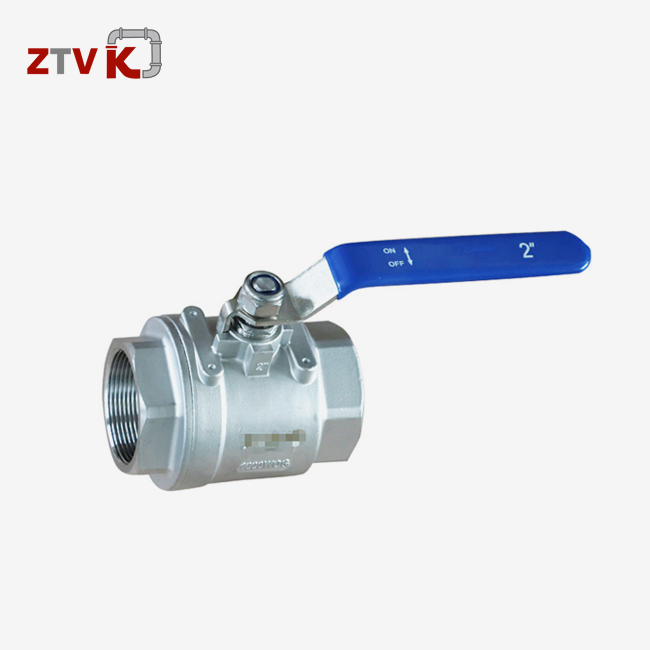
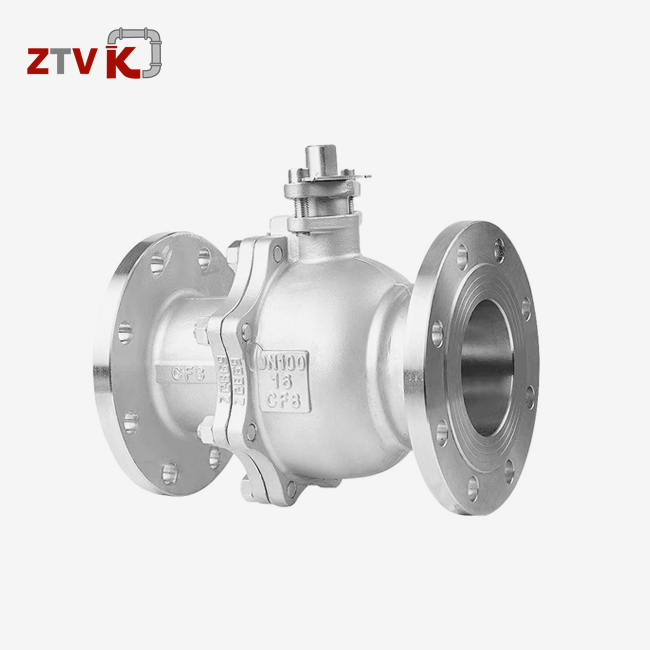
Although bubble-tight sealing and low working power are good things about ball valves, they are more expensive and cause more pressure drop when they are slowed down. Their spherical closure element works well for applications that need to completely shut off, like chemical injection lines, but it's not very good at controlling flow in the middle. When fully open, gate valves reduce pressure drop and work well with gritty slurries. However, they need much longer stroke lengths and weigh a lot more than butterfly valves of the same size. Globe valves are great at precisely controlling flow, but they cause a big drop in pressure and can't be used above DN200 because they are too big and heavy.
Butterfly valves strike a good mix between these factors, offering good sealing for most irrigation uses, great flow characteristics, a small installation size, and lower costs. Their quarter-turn operation lets them respond quickly, which is useful in emergencies or for automated scheduling systems. The smooth disc shape reduces turbulence and pressure drop, which lowers the cost of pumping energy during the irrigation season.
Material Selection Considerations
The strength-to-weight ratio of ductile iron bodies is very good, and they cost less than stainless steel while still being resistant to corrosion in most water sources. Stainless steel discs (CF8/CF8M) don't rust in acidic or salty environments like those near the coast or in systems that use ammonium-based fertilizers for fertigation. Aluminum bronze discs are strong and don't rust, so they can be used in high-pressure mainlines that serve center pivot systems. The choice weighs the original cost against the expected service life and replacement costs. Stainless steel parts are a good choice in harsh settings, even though they cost more at first.
Procuring Irrigation Butterfly Valves: Supplier and Brand Insights
Building ties with dependable manufacturers of the irrigation butterfly valve guarantees consistent quality, on-time shipping, and expert help for the entire lifecycle of the equipment. On the global market, there are both well-known names and new companies that offer different prices, levels of service, and performance.
Key Procurement Considerations
Check suppliers' quality management systems and look for ISO9001 certification as a basic sign of how well they control processes and keep records. Check that the pressure equipment meets the requirements of the relevant directives and industry standards, such as API, ANSI, or DIN, depending on the needs of your area. To make sure that the goods supplied meet your needs, ask for material certificates and hydrostatic test results. Check to see how many of the common sizes the seller has in stock. This will directly affect the lead times for urgent orders or replacements.
When standard products don't meet system needs, the ability to customize them becomes very important. With OEM support, distributors can put their own labels, packaging, and paperwork on made goods, which helps them stand out in competitive markets. With ODM services, you can choose from a wide range of different material combinations, connection types, and actuation packages that are perfect for your application or the tastes of your region.
Supply Chain and Logistics
Being close to major ports cuts down on shipping times and costs, which is especially helpful for buying in bulk. If a manufacturer is close to a shipping hub, they can quickly combine orders and offer flexible Incoterms like FOB, CIF, or DDP delivery. Check that the shipping standards meet foreign standards. For example, wooden crates that meet ISPM15 standards can help avoid delays in quarantine, and moisture barriers and impact protection can help keep valves in good shape while they're being shipped.
Lead times change a lot depending on how complicated the order is. Standard sizes from makers who keep stock on hand can be shipped within days, but custom designs need to be planned for production. When procurement managers know these dates, they can weigh the costs of keeping inventory against the chance that the project will be late, which is especially important for contractors who have to stick to strict schedules.
Conclusion
To install and maintain an irrigation butterfly valve correctly, you need to know the unique problems these parts face in farming settings. Installing things correctly keeps them from breaking down too soon, and regular care keeps them working well and extends their service life. When choosing materials, you need to think about how the water chemistry, the chemicals that are exposed from fertigation, and the weather can affect the parts that are exposed. Long-term worth is higher when valve systems are compared based on how they work in different situations rather than just how much they cost at first. Working with manufacturers that offer technical help, the ability to make changes, and dependable supply lines is the best way to make sure that a project is successful from the planning stages to decades of use in the field.
FAQ: Common Questions About Irrigation Butterfly Valves Installation and Maintenance
1. What causes operating torque to increase over time?
More torque is needed for the irrigation butterfly valve because the seat swells from chemical absorption, mineral deposits form on the disc edge, and bearings rust. Regular riding during the off-season keeps the seat from sticking, and cleaning it every so often gets rid of scale buildup. Chemical breakdown is slowed down by choosing materials that are compatible with the chemistry of the water.
2. Can standard water butterfly valves handle fertigation applications?
Standard valves with NBR seats break down quickly in farming acids or chemicals that oxidize things. To keep your system from breaking down too soon, make sure that the valves you choose have EPDM or VITON seats that are compatible with the fertilizers and pH levels in your system.
3. What installation orientation works best for sediment-laden water?
When the stem is placed horizontally, particles can pass under the disc instead of building up at the bearing pivots. This keeps the working torque low and extends the time between repair visits compared to installations with vertical stems.
Partnering with ZTVK for Your Irrigation Butterfly Valve Requirements
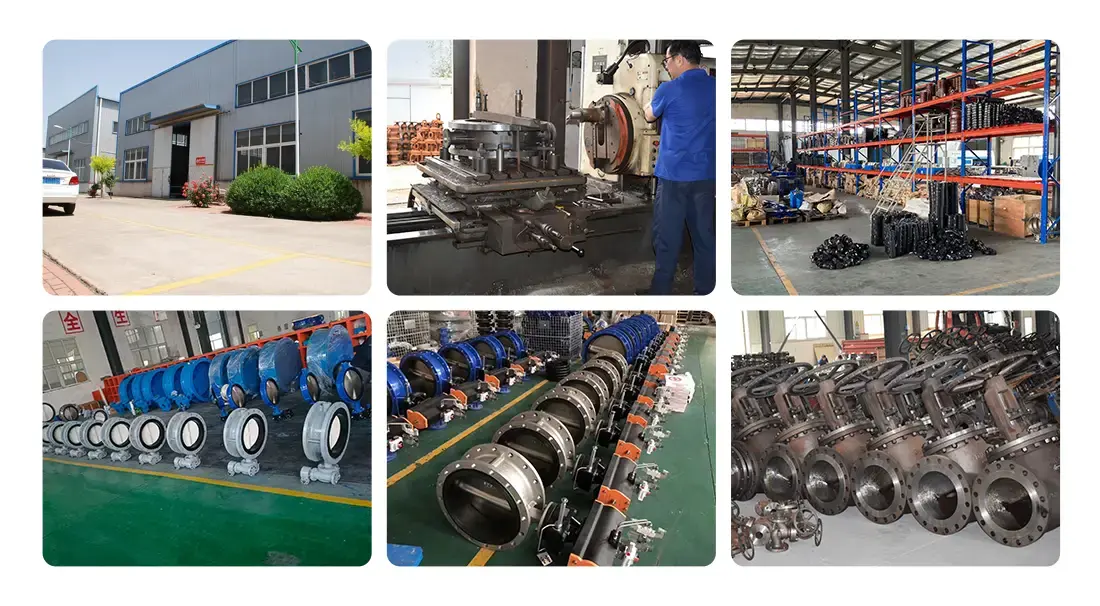
With more than 15 years of experience manufacturing the irrigation butterfly valve in Tianjin's Beichen Industrial Zone, ZTVK combines advanced production skills with quick customer service. Our facility has up-to-date CNC machining centers and testing tools that can help with both standard production and custom engineering projects. We keep more than 2,000 units in stock in common sizes DN50 through DN600, so shipping can happen 3–7 days after the order is confirmed. Non-standard configurations are made in 15 to 25 days, depending on how complicated they are. Rush order services are available for projects that need delivery faster.
We are only 50 kilometers from Tianjin Port and have established partnerships with major shipping lines that make international logistics run smoothly. Our goods are compliant with ISO9001, ISO14001, and OHSAS18001 standards, and we have compliance paperwork to back up customer quality needs. The wafer-type butterfly valves have bodies made of ductile iron (DI/QT450), discs made of ductile iron, CF8/CF8M stainless steel, or aluminum bronze, and seat materials such as EPDM, NBR, PTFE, and VITON. The pressure values range from PN10 to PN16. Sizes range from 1.5 inches to 48 inches (DN40 to DN1200), and they are all compatible with ISO5211 mounting standards for a number of different pressure classes.
ZTVK has the technical know-how and manufacturing flexibility to meet your needs, whether you're an irrigation butterfly valve distributor looking for a reliable bulk supply, an engineering contractor needing project-specific configurations, or an OEM client wanting custom parts. You can email our team at ktec86961886@163.com to talk about your needs, ask for technical documents, or set up workplace inspections.
References
1. American Water Works Association. (2017). Butterfly Valves: Torque, Head Loss, and Cavitation Analysis. AWWA Manual M49, Denver, CO.
2. Irrigation Association. (2019). Agricultural Irrigation Equipment Standards. Fairfax, VA: Irrigation Association Technical Publications.
3. Lyons, J. L., & Askland, C. K. (2020). Valve Selection and Specification Guide for Water Systems. New York: McGraw-Hill Professional Engineering.
4. British Standards Institution. (2018). Industrial Valves - Butterfly Valves. BS EN 593:2017, London, UK.
5. Zappe, R. W. (2021). Valve Selection Handbook: Engineering Fundamentals for Selecting the Right Valve Design for Every Industrial Flow Application (6th ed.). Houston: Gulf Professional Publishing.
6. International Organization for Standardization. (2018). Industrial Valves - Metallic Butterfly Valves for General Purposes. ISO 5752:2018, Geneva, Switzerland.
Send us your valve requirements and our team will provide professional solutions and fast quotations.
RELATED INDUSTRY KNOWLEDGE