- English
- French
- German
- Portuguese
- Spanish
- Russian
- Japanese
- Korean
- Arabic
- Greek
- German
- Turkish
- Italian
- Danish
- Romanian
- Indonesian
- Czech
- Afrikaans
- Swedish
- Polish
- Basque
- Catalan
- Esperanto
- Hindi
- Lao
- Albanian
- Amharic
- Armenian
- Azerbaijani
- Belarusian
- Bengali
- Bosnian
- Bulgarian
- Cebuano
- Chichewa
- Corsican
- Croatian
- Dutch
- Estonian
- Filipino
- Finnish
- Frisian
- Galician
- Georgian
- Gujarati
- Haitian
- Hausa
- Hawaiian
- Hebrew
- Hmong
- Hungarian
- Icelandic
- Igbo
- Javanese
- Kannada
- Kazakh
- Khmer
- Kurdish
- Kyrgyz
- Latin
- Latvian
- Lithuanian
- Luxembou..
- Macedonian
- Malagasy
- Malay
- Malayalam
- Maltese
- Maori
- Marathi
- Mongolian
- Burmese
- Nepali
- Norwegian
- Pashto
- Persian
- Punjabi
- Serbian
- Sesotho
- Sinhala
- Slovak
- Slovenian
- Somali
- Samoan
- Scots Gaelic
- Shona
- Sindhi
- Sundanese
- Swahili
- Tajik
- Tamil
- Telugu
- Thai
- Ukrainian
- Urdu
- Uzbek
- Vietnamese
- Welsh
- Xhosa
- Yiddish
- Yoruba
- Zulu
How to remove the shaft of an electric wafer butterfly valve?
Removing the shaft from an Electric Wafer Butterfly Valve is a systematic procedure involving careful disassembly of the actuator assembly, removal of retaining components like circlips or set screws, and extraction of the shaft from the valve body without damaging critical sealing surfaces or bearings. This task becomes necessary when you encounter shaft wear, seal leakage, or actuator malfunction, and mastering the process ensures minimal downtime while preserving the integrity of your flow control system across industrial applications.
Introduction
Industrial flow control systems rely on Electric Wafer Butterfly Valves to provide reliable operation in water treatment, HVAC infrastructure, chemical processing, and city engineering projects. These valves are small and easy to install. The valve shaft is the mechanical backbone that connects the disc to the actuator. It sends torque that changes the flow of fluid through your pipeline. When problems with shafts happen, like corrosion, mechanical wear, or being out of alignment, they need to be taken apart and maintained correctly to avoid expensive system breakdowns and unexpected shutdowns.
Equipment uptime and supply chain stability are always problems for procurement managers, repair engineers, valve distributors, and OEM clients. Knowing how to remove the shaft gives your team the tools they need to do good troubleshooting, accurately plan maintenance cycles, and make smart decisions when buying replacement parts. This guide shows you how to do things in a way that is consistent with international standards and addresses real-life issues that professionals in the US market face when they are in charge of supplies and service for butterfly valves.
Understanding the Electric Wafer Butterfly Valve Shaft
Role and Construction of the Valve Shaft
The shaft transfers force from the disc to the Electric Wafer Butterfly Valve actuator, which lets you precisely turn the disc from 0° to 90° to control flow rates. The shaft is made up of bearings, bushings, and sealing systems that make sure it moves smoothly and keeps the pressure integrity across PN10 and PN16 values, which are common in wafer-type connections that meet ISO5211 standards. Carbon steel, stainless steel types like CF8 and CF8M, or special alloys picked for their strength to corrosive media and mechanical stress are often used to make shafts.
Common Causes Requiring Shaft Removal
Over time, repeated cycling wears down the surfaces of shafts. This is especially true in high-frequency modulating applications where the actuator is always changing the position of the disc. Corrosive environments, like those used to treat wastewater or move chemicals, damage the integrity of shafts, causing pitting and structural weakness. If the actuator and valve body are not lined up correctly, they cause uneven loads, which speeds up bearing failure and shaft deformation. External leakage is caused by seal degradation around the shaft entry points. This means that the system needs to be inspected, and possibly the shaft needs to be replaced to make it reliable again.
Material Specifications in ZTVK Products
Our Electric Wafer Butterfly Valves at ZTVK have rods made of ductile iron (DI/QT450) for the body, and discs made of DI, CF8, CF8M, or aluminium bronze, based on the needs of the application. EPDM, NBR, PTFE, and Viton are some of the materials used to make seats, so they can be used in a wide range of situations. This variety of materials solves certain problems that customers were having with durability and chemical compatibility, which means that parts can last longer between repairs and costs are lower in harsh industrial settings.
Step-by-Step Guide to Removing the Shaft of an Electric Wafer Butterfly Valve
Preparation and Safety Protocols
Before any disassembly work is done, lockout-tagout methods must be used to cut off the power and release all pressure in the pipes. Use the right testing equipment to make sure the zero energy state is real. Also, make sure your workspace is clean, well-lit, and has all the tools you need, like socket sets, hex keys, soft hammers, bearing pullers, and clean rags. Keep the manufacturer's instructions close at hand, especially exploded-view plans that show the details of the shaft assembly for your valve size, such as DN40 or DN1200 versions from ZTVK that come with standard ISO5211 mounting.
Disassembling the Electric Actuator
Take the wiring harnesses off of the Electric Wafer Butterfly Valve actuator terminal box and make a note of where the wires are so that they can be put back together correctly. Be careful not to lose the adjustment keys or drive bushings as you remove the mounting bolts that hold the actuator to the valve's ISO5211 flange. To get to the upper shaft connection, lift the actuator unit up and away from the valve body. Some types of actuators grip the shaft with set screws or clamping collars. Carefully loosen these bolts and use penetrating oil if rust has caused them to seize up.
Extracting the Shaft Assembly
Check the top of the valve body for gear that holds the shaft bearing assembly in place, such as circlips, snap rings or threaded gland nuts. Use the right snap ring pliers or bolts to take these parts off, but be careful because the spring force could make parts fly off. Use a soft-faced hammer to gently tap the shaft up while holding the disc from below to keep it from falling into the pipeline once it is freed from the shaft. If you run into resistance, apply controlled heat to the bearing case to slightly expand the metal. This will make it easier to remove without hurting the sealing surfaces.
Handling Components During Removal
During disassembly, put all the parts that have been taken apart—bearings, O-rings, washers, and seals—on a clean surface to make putting it back together easier. Check each part for signs of damage like wear patterns, cutting, or chemical attack that could point to problems deeper in the system. Cover the holes in the valve body that are visible with clean covers to keep dust or other debris from getting in and affecting the seal's ability to work when the valve is put back together.

Post-Removal Inspection Best Practices
Use a dial indicator to measure shaft runout and look for twisting or wear that goes beyond what the maker allows. Check the bearing races for cracks, chips or too much play that would mean they need to be replaced. Check the seal grooves for worn-down surface finishes that stop the O-rings from seating properly. This phase of diagnosis tells you whether you can fix up existing parts or need to buy new ones from reputable suppliers that offer OEM-compatible specs.
Troubleshooting and Maintenance Tips Related to the Shaft
Identifying Shaft-Related Problems Early
Leaking from the outside around the shaft packing area means that the seal has failed or that the shaft surface has been damaged, making leak tracks. When the actuator needs more torque to work, it could be because of friction between the bearings or a misaligned shaft. When the Electric Wafer Butterfly Valve cycles, strange metallic noises usually mean that the bearings are worn out or that the shaft is in contact with the valve body because it has bent. By keeping an eye on these signs, you can take action before a catastrophic failure stops operations.
Regular Maintenance Strategies
Lubricate shaft bearings on a regular basis with greases that are allowed by the maker and work with your process media and temperature range. For high-cycle uses, check the shaft packing adjustments visually every three months and take the assembly apart once a year. Extreme temperature, abrasive particles in the fluid stream, and chemical contact are all environmental factors that affect how often you should do maintenance and should help you plan your preventive maintenance routine.
Repair Versus Replacement Decisions
A cost-benefit study should weigh the cost of replacing the shaft against the risks of system downtime and other damage. Small amounts of surface wear may be fixed by cleaning and replacing the seals, but major rust, bending, or changes in size or shape mean that the whole shaft needs to be replaced. Check the OEM guidelines—ZTVK offers full technical support, including installation guides, videos, and troubleshooting manuals—to find out how much wear is okay and make sure you're following the insurance terms, which cover damage caused by things other than people for 18 months.
Leveraging Supplier Technical Support
Building relationships with manufacturers that offer support after the sale greatly lowers the uncertainty of maintenance. The engineering team at ZTVK offers free help with choosing products, CAD drawings, and expert advice on how to solve specific operating problems. Access to original equipment manufacturer (OEM) extra parts guarantees accurate measurements and material compatibility, avoiding the quality problems that plague aftermarket parts and put system stability at risk.
Comparison: Electric Wafer Butterfly Valve Shaft Versus Other Valve Shaft Types
Structural Differences from Lug-Style Valves
Electric Wafer Butterfly Valve shafts are compressed by flange bolts that hold the valve body in place between pipe flanges. Lug-style designs, on the other hand, have threaded plugs that let the flange connect independently. This difference in structure changes how the stress is distributed along the shaft and how it is removed. For example, wafer valves need all of the flanges to be separated in order to get to the shaft, but lug valves only need some of them to be taken apart. Knowing about these differences in design helps repair teams plan the right changes to tools and procedures.
Electric Versus Pneumatic Actuation Considerations
Electric actuators have motor and reduction gear systems that are added on top of the valve shaft. These add weight and complexity, so they need to be carefully taken apart so that electronic parts or position feedback sensors are not damaged. Pneumatic versions usually have easier mechanical connections that don't need to be aligned perfectly. These valves need more careful shaft extraction methods to protect the actuator mounting interfaces and make sure the position display is accurate when the valve is put back together.
Material Selection Impact on Maintenance
CF8M-shaped stainless steel shafts are better at resisting corrosion than carbon steel options. This means they last longer in harsh chemical settings, but they need special tools to be removed without galling. Ductile iron shafts have good strength-to-weight ratios and can be used for big diameter uses (ZTVK makes sizes from 1.5" to 48" (DN40-DN1200)). However, they may need to be inspected more often in highly corrosive environments where protective coatings wear off.
Procurement Considerations When Replacing or Ordering Electric Wafer Butterfly Valve Shafts
OEM Versus Aftermarket Component Sourcing
Original equipment manufacturer parts guarantee accurate measurements, material certification, and compatibility with existing Electric Wafer Butterfly Valve assemblies. This makes installation easier and performance more certain. Aftermarket options might be cheaper, but they come with risks like tolerance gaps, bad metalworking, and not being able to be tracked. Valve distributors and trading companies that serve regional markets have to weigh the costs of buying valves against the level of dependability that their engineering contractor clients expect from projects that involve municipal water systems and HVAC infrastructure.
Evaluating Supplier Reliability and Certifications
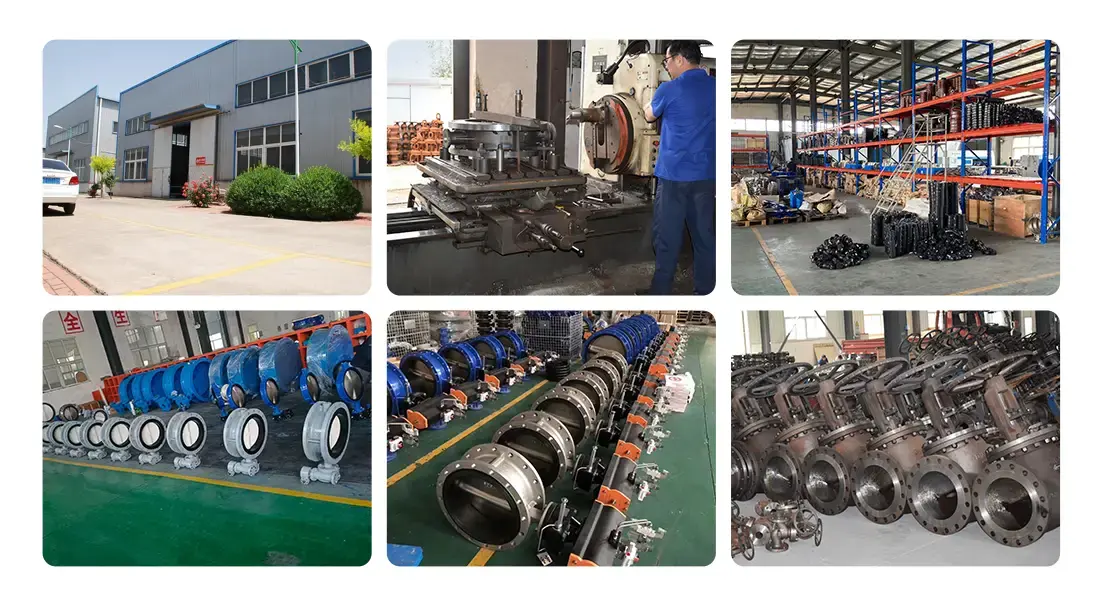
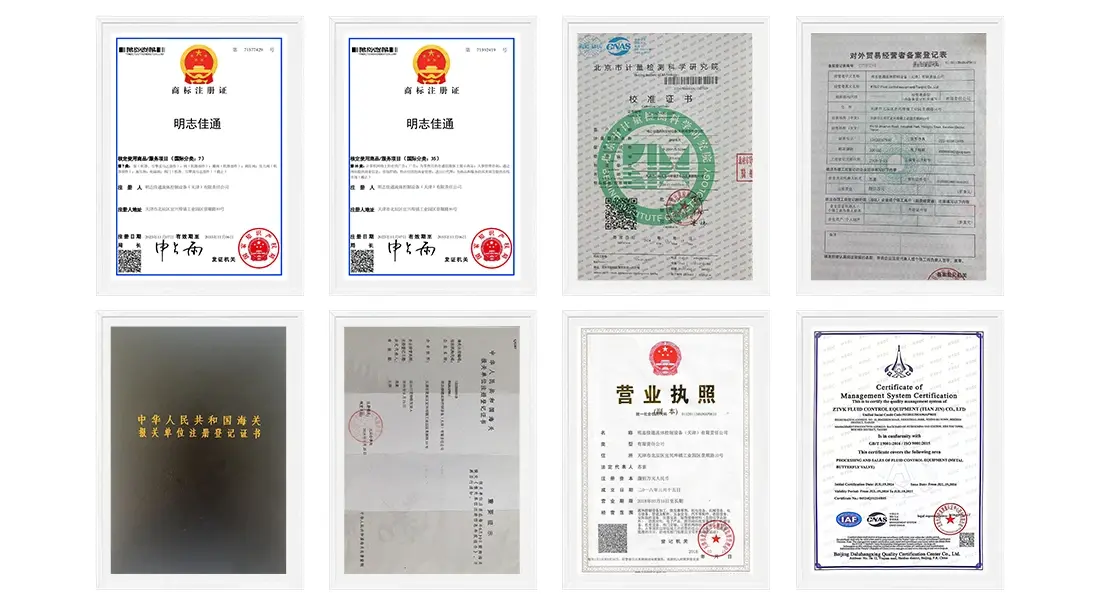
Manufacturers you can trust keep their ISO9001, ISO4001, and OHSAS18001 standards, which show that they follow strict rules for quality management and the environment. ZTVK's building in Tianjin Beichen District has up-to-date CNC lathes and a wide range of testing tools, such as chemical and pressure testing, to make sure that all of their goods meet API, ANSI, JIS, BS, DIN, and CE standards. By checking these credentials, procurement managers can avoid quality problems that delay projects and raise the total cost of ownership.
Lead Times and Inventory Availability
Standard shaft parts for common valve sizes should be easy to find and take little time to get. For example, ZTVK keeps over 2,000 units of DN50–DN600 standard models in stock and can deliver them 3–7 days after an order is placed. Customisations that aren't standard for specific uses take 15 to 25 days to make, but fast orders (for an extra 20% fee) can be delivered in 7 to 10 days. Knowing how much inventory a provider has and how flexible their production is lets you plan better for both regular maintenance and repairs that need to be done right away.
Professional Installation and After-Sales Support
Comprehensive supplier partnerships include more than just delivering parts. They also cover installation help, guarantee coverage, and technical support. ZTVK provides an 18-month warranty, how-to videos for installation, and access to local expert service partners who can provide on-site help when needed. These extra services make things easier for internal maintenance teams and protect against mistakes during installation that could damage expensive equipment or cause important infrastructure projects to be delayed.
Conclusion
Learning how to take off the shaft of an Electric Wafer Butterfly Valve protects your investment in flow control infrastructure and keeps industrial operations running smoothly. This guide has given you organised ways to take things apart, detailed information on how to find problems related to the shaft, and buying tips for finding good replacement parts. Valve distributors, contractors, and industrial operators can get the best performance and longer equipment life in demanding pipeline systems by following regular maintenance plans, using manufacturer technical support, and working with dependable suppliers that offer genuine OEM parts.
FAQ
1. How often should wafer butterfly valve shafts be inspected?
How often you inspect depends on the job cycle and working conditions. High-cycle modulating uses in corrosive settings need eye checks every three months and teardown checks once a year. Low-cycle on-off service in water systems that aren't too bad for them may make inspections every two to three years. Keep an eye on performance signs like higher operating torque or external leakage to know when to do unplanned checks, even when planned maintenance rounds are happening.
2. Can the shaft be removed without disconnecting the entire actuator assembly?
Most types of Electric Wafer Butterfly Valves need the whole actuator to be taken off in order to get to the hardware that holds the shaft in place and make room for pulling the shaft upwards. If you try to take parts apart partially, you could damage the electrical connections and mounting ports for the actuators. When you take out the whole actuator, you can easily check the coupling parts and position feedback devices that may need repair at the same time.
3. What signs indicate immediate shaft replacement necessity?
Visible scoring or corrosion pitting on the shaft that takes up more than 10% of the diameter compromises the structure's strength and the seal's ability to work, so the shaft needs to be replaced. Uneven disc seating and faster seal wear are caused by shaft runout that is more than the manufacturer's specifications, which is usually 0.002" per inch of length. Cracks found with dye penetrant or magnetic particle inspection pose catastrophic failure risks and need to be fixed right away before the valve can be put back into service.
Partner with ZTVK for Electric Wafer Butterfly Valve Expertise and Support
With more than 15 years of experience in specialised manufacturing in Tianjin's industrial hub, ZTVK is ready to help you with your maintenance and purchasing needs. We offer a wide range of Electric Wafer Butterfly Valve solutions, from DN40 to DN1200. These include bodies made of ductile iron, discs made of different materials, and seats made of EPDM or Viton, depending on your specific needs. Because our facility is only 50 km from Tianjin Port, we can move goods around the world quickly and cheaply on FOB and CIF terms through our relationships with COSCO and Maersk. Whether you need fast delivery from our collection of over 2,000 units, OEM customisation with your logo, or technical advice on how to change a shaft, our engineering team can help. They are backed by ISO certifications and full 18-month warranties. Talk to us at ktec86961886@163.com about your needs for an electric-actuated butterfly valve and find out how ZTVK's high-quality production, low prices, and dedicated after-sales service provide real value to valve distributors and industrial contractors across the United States.
References
1. American Water Works Association. AWWA Manual M49: Butterfly Valves: Torque, Head Loss, and Cavitation Analysis. Denver: AWWA Press, 2012.
2. Valve Manufacturers Association. Maintenance and Repair of Control Valves and Actuators for the Process Industries. Washington, DC: VMA Publications, 2018.
3. Skousen, Philip L. Valve Handbook: Third Edition. New York: McGraw-Hill Education, 2011.
4. British Standards Institution. BS EN 593: Industrial Valves—Metallic Butterfly Valves. London: BSI Standards, 2017.
5. American Petroleum Institute. API Standard 609: Butterfly Valves: Double Flanged, Lug- and Wafer-Type. Washington, DC: API Publishing, 2020.
6. Nesbitt, Brian. Handbook of Valves and Actuators: Valves Manual International. Oxford: Elsevier Science, 2007.
Send us your valve requirements and our team will provide professional solutions and fast quotations.
RELATED INDUSTRY KNOWLEDGE