- English
- French
- German
- Portuguese
- Spanish
- Russian
- Japanese
- Korean
- Arabic
- Greek
- German
- Turkish
- Italian
- Danish
- Romanian
- Indonesian
- Czech
- Afrikaans
- Swedish
- Polish
- Basque
- Catalan
- Esperanto
- Hindi
- Lao
- Albanian
- Amharic
- Armenian
- Azerbaijani
- Belarusian
- Bengali
- Bosnian
- Bulgarian
- Cebuano
- Chichewa
- Corsican
- Croatian
- Dutch
- Estonian
- Filipino
- Finnish
- Frisian
- Galician
- Georgian
- Gujarati
- Haitian
- Hausa
- Hawaiian
- Hebrew
- Hmong
- Hungarian
- Icelandic
- Igbo
- Javanese
- Kannada
- Kazakh
- Khmer
- Kurdish
- Kyrgyz
- Latin
- Latvian
- Lithuanian
- Luxembou..
- Macedonian
- Malagasy
- Malay
- Malayalam
- Maltese
- Maori
- Marathi
- Mongolian
- Burmese
- Nepali
- Norwegian
- Pashto
- Persian
- Punjabi
- Serbian
- Sesotho
- Sinhala
- Slovak
- Slovenian
- Somali
- Samoan
- Scots Gaelic
- Shona
- Sindhi
- Sundanese
- Swahili
- Tajik
- Tamil
- Telugu
- Thai
- Ukrainian
- Urdu
- Uzbek
- Vietnamese
- Welsh
- Xhosa
- Yiddish
- Yoruba
- Zulu
Best 2 Inch Brass Curb Stop Valve Features for Water Service Lines
The 2 inch brass curb stop valve stands out when looking for parts for water service line infrastructure because it is made of two strong pieces, operates with a manual switch, and can be used with installation sizes from 4 inches to 2 inches. Built to work in temperatures ranging from -29°C to 120°C, this valve is very reliable with gases and liquids that don't corrode. Lead-free brass alloys that meet NSF/ANSI 61 and 372 standards make sure that drinking water is delivered safely. Full-port designs don't limit flow, which is important for keeping pressure steady in industrial and public settings. Knowing about these features helps people who work in buying choose valves that meet the needs of durability, safety, and effectiveness.
Understanding 2 Inch Brass Curb Stop Valves: Key Features and Functionality
Curb stop valves are underground disconnect points between city water mains and big buildings. They let utility workers control the water flow from access points on the street, without having to dig or go into the building. The brass design is more resistant to corrosion than cast iron or regular bronze, especially in areas with harsh soils like marine or high-moisture areas. This choice of material directly handles the problem of valves failing too soon, which is a big problem for water distribution networks.
Material Advantages in Water Service Applications
Lead-free brass alloys like UNS C89833 are very resistant to dezincification, which happens when zinc leaks out of brass parts that are exposed to water that is acidic or chlorine. Because the metal is so stable, it can be used in underground applications for more than 50 years. The alloy meets the standards of the Safe Drinking Water Act and has enough mechanical strength for a working pressure of 300 PSIG. Burst test scores often reach 600 PSI. This compliance gets rid of legal risks for distributors that work with city companies and makes it easier for specifications to be approved.
Operational Mechanism and Design Benefits
The two-piece form of the valve body makes it easy to put together and check for quality during production. A PTFE-coated ball mechanism lowers the working torque, so techs can use a normal T-key to open and close the valve even after decades of not being used. This feature directly solves a major maintenance problem: valve stems that freeze or seize up and need to be expensively dug out and replaced. Double O-ring stem seals protect against groundwater seepage and interior leaks twice as well. This reduces worries about contamination and water loss, that make water companies' costs go up.
Temperature and Media Compatibility
The 2 inch brass curb stop valve can work in temperatures ranging from -29°C to 120°C, so it can handle freeze-thaw cycles in colder areas and high temperatures in return lines for hot water. The manual drive method is reliable even when there are problems with the electrical or compressed air systems. This makes servicing easier for sites that are far away. The valve can handle gases and liquids that don't corrode, so it can be used for more than just drinking water. It can also be used in fire control systems and industrial process water where chemical additives don't go beyond what's considered non-corrosive.
Comprehensive Installation and Maintenance Guide for 2 Inch Brass Curb Stop Valves
If you don't place a curb stop valve correctly, it could last for decades without any problems or become an upkeep headache that needs to be fixed over and over again. Checking the soil's state and depth needs (usually 3 to 5 feet below grade to protect against frost heave and surface loads) is the first step in getting a site ready to build on. To avoid mistakes in the field that slow down the end of a project, procurement managers should make sure that installation teams know the differences between link types.
Connection Types and Installation Techniques
Compression joints are most common in homes and light businesses because they are easy to put together and can handle small alignment issues. A metal compression nut and ferrule device make these links work. When the nut tightens against the valve body, it forms a mechanical seal. Using NPT (National Pipe Thread) standards for threaded links makes them less likely to pull out in situations where the ground is moving or there is earthquake activity. Pipe thread sealer or PTFE tape must be applied to male threads by installation teams, making sure that three to four full thread engagements are made to stop leaks without overtightening, which can crack the valve body.
The right amount of torque is very important. For example, compression nuts need to be hand-tightened and then turned one to one-and-a-half times with a wrench, while threaded joints need to be torqued according to the manufacturer's instructions. When you tighten something too much, you damage the sealing surfaces and create stress concentrations that speed up failure.
Maintenance Protocols for Extended Service Life
Regularly working valves keeps stem seizures from happening by keeping the oil spread out and breaking up mineral deposits. Every year, water companies test key isolation points by turning the valve through five full open-close cycles. Putting silicone-based grease on the stem threads that can be reached lowers the working force and keeps the threads from rusting. Visual checks should be part of inspection plans to look for leaks at packing glands, strange surface rust, or damage to the curb box that could let water in from the surface.
Problems that are often found and fixed include stiff operation, which can mean that minerals have built up or there isn't enough lubrication, and weeping at the packing gland, which means that the O-rings are worn out. Taking care of these issues early on keeps disasters from happening during emergency shutdowns. Distributors who offer troubleshooting tips and maintenance paperwork are very helpful for workers who are in charge of multiple installation sites.
Comparing 2 Inch Brass Curb Stop Valves with Other Valve Types: Making Informed Choices
The choice of material affects prices over time, how hard it is to put in, and compliance with regulations. Plastic (PVC and CPVC), stainless steel, and metal curb stops are the main competitors to brass ones. Each has its own benefits for different uses.
Material Performance Comparison
Plastic valves are cheaper to buy and won't rust, which makes them a good choice for projects with limited funds and good soil conditions. But because they aren't very strong mechanically, they can only be used in low-pressure systems, and UV degradation is a problem in shallow sites or where pipes are visible. Changing temperatures can lead to changes in size that could eventually weaken a seal. When it comes to structural strength, temperature tolerance, and long-term dimensional stability, brass valves are better than plastic ones.
Stainless steel valves are better at resisting rust in harsh settings, like saltwater or grounds that have been contaminated by industry. Because it works better than brass but costs about 40% more, stainless steel is only a good choice when soil tests show that the soil is very corrosive. Bronze valves are in the middle. They are more resistant to rust than regular brass, but they cost a bit more. However, lead-free brass varieties have closed this performance gap.
Pressure Rating Selection Criteria
Standard domestic service rarely goes above 80 PSI, but pressures may get close to 150 PSI in business buildings with fire suppression systems or multiple floors. If you choose the 2 inch brass curb stop valve that is rated for 300 PSIG working pressure, you have safety limits that can handle changes in pressure caused by pump cycles or water hammer. This standard lowers contractors' legal risks and increases the service life of valves by using parts well below their stress limits.
Connection Method Trade-offs
Compression connections make installation faster in small areas and make replacing valves easy without the need for special tools for threading. Because of these benefits, compression fittings are best for home improvement jobs where entry issues make it hard to use other tools. For new building where trenches make it easy to get to tools, threaded links offer a stronger mechanical attachment and better alignment control. Knowing about these trade-offs helps procurement professionals choose the right link types for each job.
Top Brands and Sourcing Strategies for 2 Inch Brass Curb Stop Valves
Reliability of manufacturing quality control and compliance paperwork is directly linked to the image of a brand. Some of the best makers, like Mueller, Ford, Watts, Nibco, and Apollo, keep a lot of certifications that cover AWWA standards, NSF drinking water licenses, and ISO quality management systems. These approvals give customers peace of mind that the goods they buy will meet their needs and work the same way in every batch.
Evaluating Manufacturer Capabilities
Established brands put money into developing new products all the time, making design changes that fix problems that utility workers have seen in the field. This focus on innovation can be seen in features like better stem seal designs, better corrosion-resistant coatings, and tool-friendly working nut setups. Supply chain risks are lower when products can be bought through a number of different outlets. However, distributors should check with producers to make sure they keep enough inventory on hand during times when building activity is high.
Wholesale Supplier Assessment
When you're looking at possible suppliers, you need to look at their minimum order quantities, normal wait times, and ability to handle rush orders. Medium-volume distributors can place orders as little as 50 to 100 units, while big city projects may be able to get lower prices after 500 units. Lead times are usually between 3 and 7 days for standard setups from stock, but can take up to 15 to 25 days for unique specs that include non-standard connection types or special materials.
Payment terms and guarantee coverage show how financially stable the company is and how committed they are to the quality of the product. Standard 18-month guarantees that cover production flaws are the minimum level of protection. However, top providers may offer longer warranties or faster repair programs that reduce the amount of time that vital infrastructure is down. Asking for mill test records that prove the alloy makeup and pressure test results lets you check the quality before accepting it.
International Sourcing Considerations
Global procurement from manufacturers near major shipping ports can reduce costs, but quality control and logistics planning are crucial. Suppliers within 50 kilometers of container ports can reduce domestic shipping costs and speed up exports. Shipping lines like COSCO and Maersk offer steady pricing and reliable travel times. However, procurement staff should consider port congestion and customs clearance timeframes while planning deliveries.
Packaging regulations that follow ISPM 15 prevent customs delays caused by handling timber containers. Waterproof wrapping and internal blocking safeguard valves during ocean shipping. This reduces damage claims and shipping costs. Clear communication about FOB vs. CIF price parameters clarifies cost responsibility and insurance coverage.
Why Choose the Best 2 Inch Brass Curb Stop Valve for Your Water Service Line?
When you buy high-quality curb stop valves, you get a clear return on your investment through fewer upkeep tasks, longer replacement cycles, and more reliable systems. A city water system that serves 50 big businesses might spend $15,000 a year on emergency valve replacements with economy-grade parts, but only $3,000 with specification-grade brass valves. That's a savings of $12,000 a year that quickly covers the higher costs of buying the higher-quality parts.
Real-World Performance Evidence
Case studies from irrigation districts show that lead-free brass curb stops can be used in agriculture for 30 years without leaking or having any other problems, even after being exposed to fertilizer leftovers and changing pressures during the seasons. After 20 years of use, 95% of high-quality brass valves still work in municipal building projects, but only 65% of mixed-material installations using cheaper options do. These differences in performance directly lead to lower labor costs for digging up and replacing things, as well as lower costs for water loss during failures.
When OEM equipment makers put curb stops on packed pump stations, they look for consistent sizes and threads that don't cause problems when putting them in the field. Warranty claims and service calls that hurt manufacturers' names and cut into their profits can be avoided if valves work reliably.
Future-Proofing Water Infrastructure
Specification compliance is becoming more and more important as rules change about lead levels, water quality tracking, and the strength of infrastructure. As regulatory agencies tighten regulations, valves made to the latest NSF/ANSI 372 standards will not become obsolete. Strategies for adapting to climate change that stress system reliability during extreme weather events put a lot of weight on parts such as the 2 inch brass curb stop valve that have been shown to work well with changes in temperature and pressure.
When procurement workers want to set their companies up for long-term success, they look for suppliers who are committed to following standards, being open about product testing, and providing engineering help when needed. These things set transaction-focused sellers apart from strategic partners who can help with large infrastructure development projects.
Conclusion
To choose the best brass curb stop valve, you have to weigh the initial cost against performance over time and safety needs. For water service lines that need to be reliable and last a long time, lead-free brass construction, the right pressure ratings, and proven manufacturing quality become must-haves. When procurement experts know about installation methods, upkeep schedules, and material trade-offs, they can choose parts that meet strict regulatory standards and lower the total cost of ownership. When distributors and contractors buy in bulk from manufacturers who offer detailed testing documentation, flexible order quantities, and quick technical support, they can give municipal and commercial customers better value as they deal with more complicated infrastructure problems.
FAQ
Q1: How do I determine the correct pressure rating for my water system?
Look at your system's highest working pressure as well as the pressures that are likely to change when the pump starts up or the valve closes. Most city water systems work between 60 and 100 PSI, but 150 PSI may be seen in high-rise buildings. Valve specifications that allow for a working pressure of 300 PSIG are enough to cover most situations. If your system has fire pumps or equipment that raises pressure and sudden changes in pressure may be higher than 200 PSI, you should talk to a hydraulic engineer.
Q2: What maintenance frequency is recommended for commercial installations?
Annual exercise rounds keep stem seizures from happening in valves that aren't used very often. Buildings with dedicated maintenance staff should turn isolation valves through five full cycles a year and lubricate any parts that can be reached with silicone. For valves in non-critical areas with steady water chemistry, the time between inspections can be extended to three years. However, it is still recommended to visually check every year for external rust or curb box damage. Keep track of all repair tasks so that you can compare performance over time and spot problems as they arise.
Q3: Can I replace existing plastic valves with brass alternatives?
Compatibility depends on the type of link and the size requirements. To do a straight replacement, you need to make sure that the current valve body length and connection diameters are the same, to within millimeters. Most of the time, compression-to-compression or threaded-to-threaded replacements work. However, adapter parts are needed for mixed connection types. Check to see if the pipes around the problem can handle any changes in size without putting extra stress on them. Talk to the technical support teams of valve makers to get specific advice on compatibility that fits your fitting needs.
Partner with ZTVK for Reliable Brass Curb Stop Valve Solutions
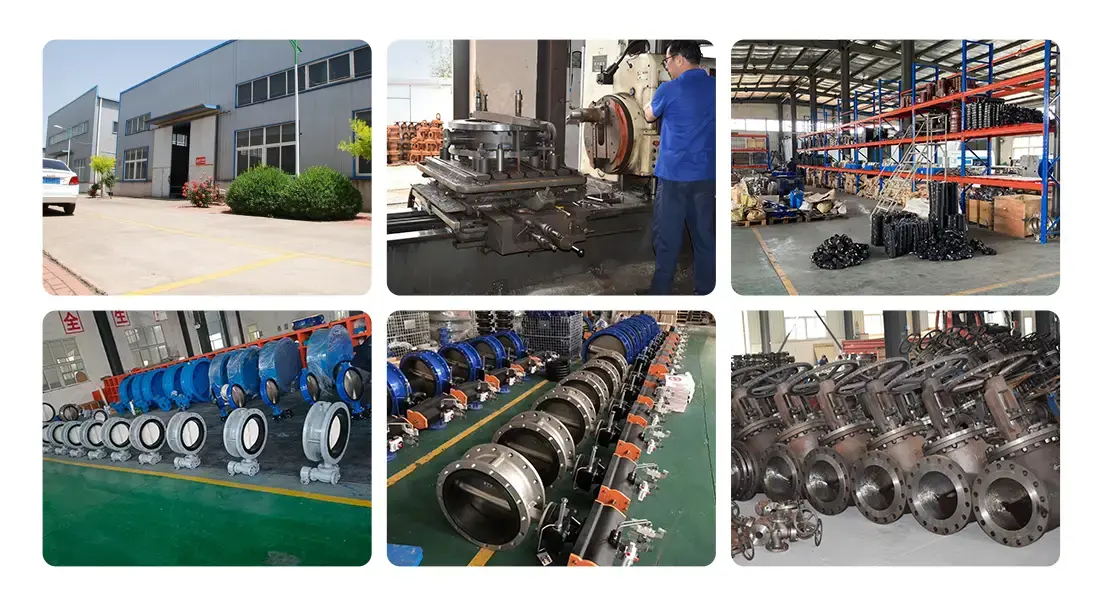
ZTVK offers full support to procurement workers looking for reliable providers of 2 inch brass curb stop valves. Our factory in Tianjin's Beichen District is ISO 9001-certified and has cutting-edge CNC machine centers and strict quality control procedures that make sure every valve meets AWWA and NSF standards. We keep more than 2,000 units in stock for common setups, which lets us deliver in 3 to 7 days and meet tight project deadlines. Custom OEM branding and package choices meet the needs of wholesalers who are trying to get a foothold in the regional market.
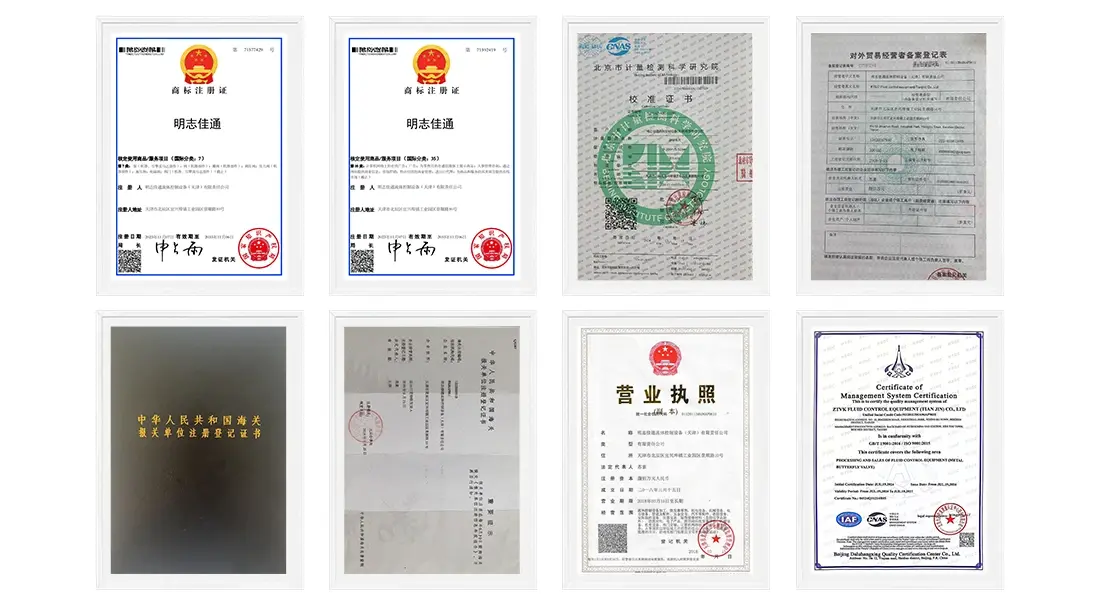
Our logistics edge comes from being only 50 kilometers from Tianjin Port. This cuts down on shipping wait times and lets us offer low FOB prices, which improves your profit margins. Our expert team helps you build your specifications by giving you CAD drawings, material certifications, and advice on how to use them. We have clear price systems and flexible minimum order amounts, so you can order as few as 50 units for a pilot project or as many as 500 units for a large-scale city infrastructure project. You can email our team at ktec86961886@163.com to talk about your unique needs and get full quotes for your next procurement project.
References
1. American Water Works Association. (2018). AWWA C800 Standard for Underground Service Line Valves and Fittings. Denver: AWWA Publications.
2. Mueller Co. (2020). Technical Manual for Brass Service Line Valves: Installation and Maintenance Guidelines. Chattanooga: Mueller Co. Technical Publishing.
3. NSF International. (2019). NSF/ANSI Standard 372: Drinking Water System Components – Lead Content. Ann Arbor: NSF International Standards.
4. Watts Water Technologies. (2021). Comparative Analysis of Valve Materials for Municipal Water Distribution. North Andover: Watts Technical Resources.
5. Johnson, R. M., & Peterson, L. K. (2017). Corrosion Resistance of Copper Alloys in Potable Water Systems. Journal of Water Supply Research and Technology, 66(4), 287-301.
6. Ford Meter Box Company. (2022). Best Practices for Curb Stop Valve Selection and Installation in Commercial Applications. Wabash: Ford Technical Documentation Services.
Send us your valve requirements and our team will provide professional solutions and fast quotations.
RELATED INDUSTRY KNOWLEDGE