- English
- French
- German
- Portuguese
- Spanish
- Russian
- Japanese
- Korean
- Arabic
- Greek
- German
- Turkish
- Italian
- Danish
- Romanian
- Indonesian
- Czech
- Afrikaans
- Swedish
- Polish
- Basque
- Catalan
- Esperanto
- Hindi
- Lao
- Albanian
- Amharic
- Armenian
- Azerbaijani
- Belarusian
- Bengali
- Bosnian
- Bulgarian
- Cebuano
- Chichewa
- Corsican
- Croatian
- Dutch
- Estonian
- Filipino
- Finnish
- Frisian
- Galician
- Georgian
- Gujarati
- Haitian
- Hausa
- Hawaiian
- Hebrew
- Hmong
- Hungarian
- Icelandic
- Igbo
- Javanese
- Kannada
- Kazakh
- Khmer
- Kurdish
- Kyrgyz
- Latin
- Latvian
- Lithuanian
- Luxembou..
- Macedonian
- Malagasy
- Malay
- Malayalam
- Maltese
- Maori
- Marathi
- Mongolian
- Burmese
- Nepali
- Norwegian
- Pashto
- Persian
- Punjabi
- Serbian
- Sesotho
- Sinhala
- Slovak
- Slovenian
- Somali
- Samoan
- Scots Gaelic
- Shona
- Sindhi
- Sundanese
- Swahili
- Tajik
- Tamil
- Telugu
- Thai
- Ukrainian
- Urdu
- Uzbek
- Vietnamese
- Welsh
- Xhosa
- Yiddish
- Yoruba
- Zulu
Understanding ISO 5211 Ball Valve: The Standard for Valve-Actuator Fit
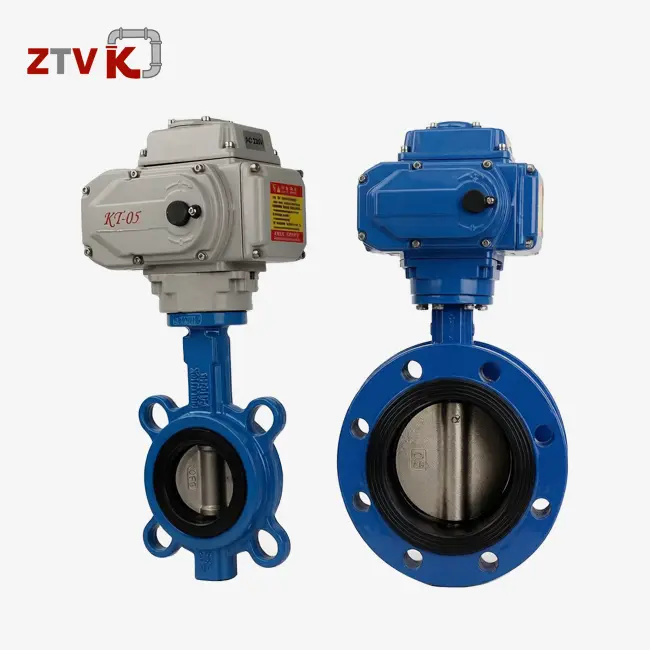
The ISO 5211 ball valve is a term that shows frequently in technical standards when looking for automated flow control options for industrial systems. With this name, you can find a quarter-turn rotational valve that has a normal top fixing flange that meets ISO 5211 international standards. Unlike most ball valves, which need special clamps and spacers to connect to an actuator, this design has a built-in mounting pad that has standard bolt patterns and drive sizes. Standardization gets rid of the guesswork about compatibility, cuts down on installation time, and makes sure that there is direct torque transfer between the actuator and the valve stem. These are all things that have a direct effect on the operating efficiency and maintenance costs for project workers and distributors of industrial valves.
What is ISO 5211 Ball Valve? A Comprehensive Overview
The ISO 5211 standard sets up a standard interface shape that can be used to attach pneumatic, electric, or hydraulic devices to quarter-turn valves. This international standard specifies exact flange sizes, bolt hole locations, and drive shaft shapes. This means that any actuator that meets the requirements can be safely attached to any valve body that meets the requirements without any changes.
Purpose and Industry Role
Standardization solves one of the biggest problems in industrial automation: the large number of different mounting designs makes the supply chain less efficient and makes it harder to switch out equipment. Before ISO 5211 was adopted, facility managers had to wait a long time to replace broken actuators because each maker had their own connection ports. The standard answers this problem by building a uniform language for integrating valves and actuators. This lets procurement teams get parts from different suppliers while keeping all of their installed base fully compatible.
Key Structural Features
A machined top flange with tapped bolt holes set up in a certain design makes up the fastening interface. The square- or double-D-shaped valve stem goes through this joint and connects directly with the actuator drive. This direct-mount design gets rid of the need for mounts, links, and couplers, which can cause mechanical play and wear. INOX-316 CF8M microfusion steel, which is what ZTVK uses to make these valves, gives them great strength and protection from rust. For effective sealing in temperatures ranging from -25°C to 180°C, the PTFE + 15% fiberglass-reinforced seating system is used. The PN-63 pressure grade makes it suitable for tough industrial uses.
Advantages for Procurement and Operations
The Instruction Manual of Ball Valve specifies that standardized mounting pads make it easier to keep track of goods because one actuator type can work with a range of valve sizes up to its power limit. Technicians no longer have to make special mounting kits, which cuts down on installation time by a large amount. The direct drive link makes positioning more accurate, which is very important for modulating control tasks that need to control flow accurately. When actuators separate, they don't touch the valve body or the connections to the pipes. This makes maintenance easier and cuts down on system downtime during service times.
ISO 5211 Ball Valve Dimensions and Technical Specifications
To make accurate specifications, you need to know the rules for actuator-valve coupling that are based on dimensions.
Standard Flange Size Chart
According to the ISO 5211 standard, fixing flanges are put into groups based on their sizes, which are shown by the letter "F." F03, F04, F05, F07, F10, F12, F14, and F16 are all common types. Each name tells you the number and size of fastening bolts, the pitch circle diameter (PCD) where the holes are, and the length and width of the drive shaft. An F05 flange is often found on valves with a diameter of 40 to 100 mm. It has a 70 mm PCD, four M8 fastening bolts, and room for a 14 mm or 17 mm square drive shaft. Larger valves might have dual-pattern flanges like F05/F07, which let you place different kinds of actuators while keeping things standard.
Pressure Ratings and Material Considerations
How much pressure something can handle relies on its body material, wall width, and connection type. The INOX-316 CF8M construction used by ZTVK has a standard pressure value of PN-63, which means it can handle systems working at normal temperatures up to 63 bar. When compared to regular sand casting, the microfusion casting method makes fine-grained metal shapes with better mechanical features. This choice of material is very good at stopping stress corrosion cracking caused by chloride, which is a typical way for coastal chemical processing plants and industrial facilities to fail. The PTFE seats, which are strengthened with 15% fiberglass, keep their sealing integrity even when the temperature changes, and they can also withstand chemical attacks from harsh media.
Actuator Mounting Interface Design
At the end of the valve stem is a perfectly machined drive profile that takes force from the actuator and turns it. Most drives are square, and the measurements are given for each hub size to make sure they fit properly without leaving too much space. The anti-rotation key or flat sides keep the load from slipping. Stem seals have moving O-rings or V-packing arrangements that keep the pressure stable while the seal is in use and let the stem rotate smoothly. Blow-out-proof stem designs keep the valve from ejecting by mistake when the system is under pressure. This meets safety standards for dangerous service uses.
Comparing ISO 5211 Ball Valves with Other Valve Types
Knowing the differences in performance helps buying teams choose the best option for each job.
ISO 5211 Compliance Versus Non-Standard Designs
Non-compliant ball valves may be cheaper to buy at first, but they have hidden costs that add up over time. Custom placement of actuators takes time from engineers, frames have to be made, and changes have to be made in the field, which adds to the installation work. When actuators break, the only makers that make replacements are limited, or more work needs to be done to make the new ones fit. Standardized installation gets rid of these problems. The money spent up front to make sure that ISO 5211 is followed pays off in shorter installation times, more choices for where to get actuators, and easier handling of spare parts.
Material Performance Comparison
Carbon steel bodies are strong and don't cost as much to make, so they can be used in non-corrosive environments like water, natural gas, compressed air, and so on. Stainless steel 316, which was used to make ZTVK, is very resistant to corrosion, which is important for chemical processing, coastal settings, and uses with chlorides or acidic condensates. The material's strength makes it last longer, which lowers the number of times valves need to be replaced and the overall cost of ownership. Even more strength and resistance to rust can be found in duplex stainless steels, but they come at higher material costs that must be supported by the needs of the application.
Automation Readiness
Manual ball valves need to be operated by hand and can't be controlled from a distance. Adding automation to hand valves that aren't standard requires a lot of work to change. When ISO 5211 ball valves leave the factory, they are already set up for automation. The mounting contact has already been machined, and the actuator only needs to be put in place during installation. This design works with phased automation plans, where valves are installed with manual levers at first and then powered actuators are added later without having to replace the valve body or stop the flow of the process.
How to Select and Install ISO 5211 Ball Valves: A B2B Procurement Guide?
When you do strategic buying, you have to look at both the technical needs and the supplier's skills.
Selection Criteria for Procurement Professionals
Start by writing down the working conditions, such as the system pressure, the range of temperatures, the fluid's properties, and the flow rate that is needed. The right pressure class, material grade, and valve size are based on these factors. The choice of actuator is based on the valve's specifications, and the needed working force is matched with the actuator's output capacity. Think about the control strategy. For example, for on-off service, you only need simple actuators, but for modulating control, you need accurate placement and feedback systems. The type of end connection affects how well the installation works. For example, flanged, threaded, and soldered connections are all good for different types of pipes and pressure levels.
Supplier Evaluation Factors
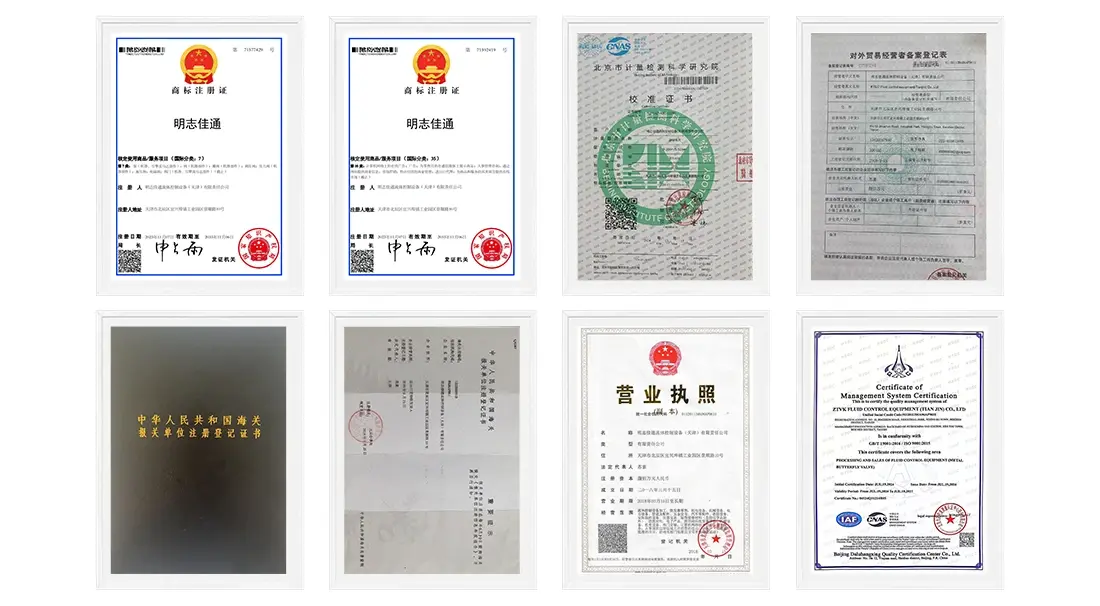
Reliable providers keep a lot of quality records, such as licenses for materials, records of hydrostatic tests, and reports on measurement inspections. ISO 14001 certification shows that a company cares about the environment, while ISO 9001 certification shows that they have built quality management processes. Along with OHSAS 18001 for managing health and safety at work, ZTVK has these qualifications. It's only 50 kilometers from the company's factories to Tianjin Port, which makes exporting easy with FOB Tianjin Xingang or CIF target port prices. Ocean freight capacity is reliable, and rates are reasonable, thanks to partnerships with big shipping lines like COSCO and Maersk.
Installation Best Practices
Before mounting the actuator, check the flange measurements to make sure the design is lined up. Thoroughly clean the mounting surfaces, getting rid of any protective coats, dirt, or rust that might get in the way of proper seating. Install the mounting bolts in a cross-pattern design, gradually tightening them to the required torque levels to make sure the holding force is equal. Connect the actuator drive to the valve stem and make sure that all the parts are fully engaged without pushing them together. Before putting pressure on the system, move the actuator all the way through its full travel range and make sure it works smoothly and shows the correct end position. Test all the pressure limits for leaks at the recommended pressure and carefully look over the stem seals and body joints.
Bulk Purchasing Considerations
Buying in bulk can help you save money and make sure you always have supplies. ZTVK keeps more than 2,000 common valve pieces in stock in sizes DN50 to DN600, so they can deliver within three to seven days of receiving an order. This stock supply helps keep projects on track and lowers the cost for wholesalers of keeping inventory. Lead times for non-standard setups range from 15 to 25 days, based on how complicated the customization is. For an extra 20%, rush order service speeds up delivery to seven to ten days, which is good safety in case the project runs late. OEM programs allow for private labeling, unique packaging, and changes to the design that are made to fit the needs of a certain market or purpose.
Leading ISO 5211 Ball Valve Brands and Supplier Insights
Knowing about the market environment helps with sourcing choices and choosing suppliers.
Industry-Recognized Manufacturers
Global names like Parker Hannifin, Emerson, and Swagelok have built their identities over many years of making high-quality products and coming up with new technologies. These businesses have huge catalogs of products that include a lot of different sizes, pressure levels, and materials. Their actuator sections make automated products that work well with their valve lines and are intended to fit in seamlessly. In big industrial areas, distribution networks make it easy to get parts and get professional help close to home.
Supplier Selection Criteria
Beyond the name of the brand, you should also look at the specific skills of the supplier that are important to your needs. Quality certificates show that you are committed to using regular methods when making things. The supplier should provide detailed documentation, such as the Instruction Manual of Ball Valve. Warranty policies show that you trust the product to last and give you options if it breaks down early. Customization options are important for OEM clients who want to add valves to their own equipment or for contractors who have to work with unusual installation restrictions. Reliability in lead times affects both project plans and the preparation for inventory. Technical support after the sale helps with application questions, performance problems, and choosing the right substitute parts.
ZTVK's Value Proposition
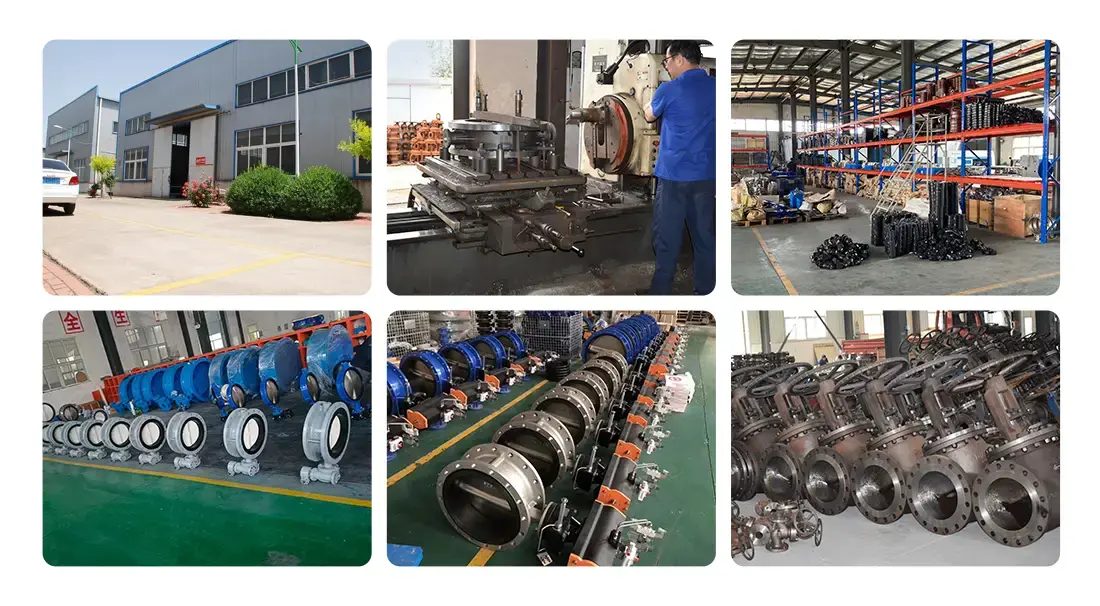
ZTVK is a company in Tianjin's Beichen District that has been making valves for more than 15 years and sells them all over the world. The company's product line focuses on the point where standardization and customization meet. It stays in line with ISO 5211 while providing different material choices, pressure levels, and connection setups that are suitable for different uses. Modern CNC machining centers, specialized large-diameter valve handling tools, and full testing facilities for material analysis, pressure verification, and performance proof are all part of the manufacturing process. The double eccentric design with oblique sealing lowers the running power by about 30% compared to standard designs, and it also makes the service life longer, going beyond 50,000 cycles. In the real world, this technical efficiency means that actuators don't need to be as big and don't need to be serviced as often. The company's 18-month guarantee is longer than the norm in the industry, and it comes with full installation instructions, repair guides, and access to expert service partners in key markets.
Conclusion
More than just a product standard, the ISO 5211 ball valve reflects a methodical approach to industrial automation that puts interoperability, stability, and lifetime cost management first. Standardized mounting interfaces get rid of the unknowns about compatibility that make purchases harder and cause projects to be delayed. Direct-mount actuator links work better because they send power more precisely and make the mechanical design simpler. When you choose the right material for the job, it will last in acidic, high-temperature, or high-pressure environments. Choosing ISO 5211-compliant parts from well-known makers lowers technical risk and makes long-term support easier for distributors, contractors, and OEM producers who work with global supply chains.
FAQ
Q1: How Do I Determine the Correct Flange Size for My Application?
The valve size and the needed actuator force are the main factors that affect the choice of flange size. Manufacturers offer torque charts that show how much force is needed to open and close certain valve sizes at the recommended pressure. Compare this need with the actuator's output power, and then make sure that the mounting flange on the actuator fits the valve's ISO 5211 name. As you might expect, bigger valves need bigger motors with bigger mounting rings.
Q2: Can Existing Manual Ball Valves Be Retrofitted with ISO 5211 Mounting?
To fix non-compliant valves, you have to machine new mounting pads and change the shape of the stems. This work usually costs more than buying new ISO 5211 valves that are made for the job. Most of the time, these kinds of changes aren't realistic because they affect the structure and the guarantee. Replacement ensures consistency, keeps safety certifications, and is usually cheaper when work costs are taken into account.
Q3: What Maintenance Do ISO 5211 Ball Valves Require?
Maintenance needs depend on the state of the service and how often it is used. Basic protective care includes checking the stem seals for leaks on a regular basis, making sure the mounting pin torque is correct, and making sure the actuator works smoothly. In high-cycle use, seals may need to be replaced more often. In many applications, the PTFE seating material in ZTVK valves lasts longer than rubber seats because it doesn't break down when exposed to chemicals.
Partner with ZTVK for Your Automated Valve Solutions
The success of your project and the speed of your operations are directly impacted by your choice of ISO 5211 ball valve provider. ZTVK offers high-quality products that are ISO-certified, helpful customer service, and reasonable prices that help distributors make money and stick to project budgets. Our engineering team can help you match the valve's specs to the needs of your application, and our production is flexible enough to handle both normal inventory sales and special OEM configurations. With ready stock that lets us deliver quickly and established export services through Tianjin Port, we keep supply chain delays to a minimum, which keeps project plans safe. Email our team at ktec86961886@163.com to talk about your unique needs and get accurate quotes.
References
1. International Organization for Standardization. "ISO 5211:2001 Industrial Valves – Part-Turn Actuator Attachments." Geneva: ISO Standards Publication, 2001.
2. Smith, Robert J. "Valve Selection and Specification Guide for Process Industries." Industrial Press, 2018.
3. American Society of Mechanical Engineers. "ASME B16.34: Valves – Flanged, Threaded, and Welding End." New York: ASME Standards, 2020.
4. Peterson, Michael K. "Actuator Integration in Industrial Flow Control Systems." Journal of Fluid Control Engineering, Volume 45, Issue 3, 2021.
5. Wilson, David A. "Materials Selection for Corrosive Service Applications." Chemical Engineering Technology Press, 2019.
6. Thompson, Jennifer L. "Standardization in Industrial Automation: Economic and Operational Benefits." International Journal of Manufacturing Systems, Volume 38, 2022.
Send us your valve requirements and our team will provide professional solutions and fast quotations.
RELATED INDUSTRY KNOWLEDGE