- English
- French
- German
- Portuguese
- Spanish
- Russian
- Japanese
- Korean
- Arabic
- Greek
- German
- Turkish
- Italian
- Danish
- Romanian
- Indonesian
- Czech
- Afrikaans
- Swedish
- Polish
- Basque
- Catalan
- Esperanto
- Hindi
- Lao
- Albanian
- Amharic
- Armenian
- Azerbaijani
- Belarusian
- Bengali
- Bosnian
- Bulgarian
- Cebuano
- Chichewa
- Corsican
- Croatian
- Dutch
- Estonian
- Filipino
- Finnish
- Frisian
- Galician
- Georgian
- Gujarati
- Haitian
- Hausa
- Hawaiian
- Hebrew
- Hmong
- Hungarian
- Icelandic
- Igbo
- Javanese
- Kannada
- Kazakh
- Khmer
- Kurdish
- Kyrgyz
- Latin
- Latvian
- Lithuanian
- Luxembou..
- Macedonian
- Malagasy
- Malay
- Malayalam
- Maltese
- Maori
- Marathi
- Mongolian
- Burmese
- Nepali
- Norwegian
- Pashto
- Persian
- Punjabi
- Serbian
- Sesotho
- Sinhala
- Slovak
- Slovenian
- Somali
- Samoan
- Scots Gaelic
- Shona
- Sindhi
- Sundanese
- Swahili
- Tajik
- Tamil
- Telugu
- Thai
- Ukrainian
- Urdu
- Uzbek
- Vietnamese
- Welsh
- Xhosa
- Yiddish
- Yoruba
- Zulu
Can a 3 inch stainless steel butterfly valve be used for sanitary applications?
When sourcing flow control components for hygiene-sensitive industries, one question surfaces repeatedly among procurement managers and engineering teams: Can a 3-inch stainless steel butterfly valve deliver the cleanliness, compliance, and reliability demanded by sanitary processes? The answer is nuanced. While these valves offer exceptional corrosion resistance and durability, their suitability hinges on specific design features, material grades, surface finishes, and seal configurations. This article examines the technical realities, compares alternatives, and provides actionable procurement guidance to help industrial buyers and distributors make confident, informed decisions that safeguard both product integrity and operational efficiency.


Introduction
Choosing the right valve is not just a technical task; it is a very important choice that has direct effects on product safety, regulatory compliance, and long-term operational costs. At every point of contact, there must be no chance of contamination in biotechnology, pharmaceuticals, and food processing. If you don't choose the right valve, it could hold germs, leak contaminants, or not clean properly, which could cause product recalls, fines from regulators, and damage to your image. Procurement workers need to know how stainless steel butterfly valves work in sanitary settings, what their strengths and weaknesses are, and what to ask sellers for in order to work in these high-stakes situations.
Understanding 3-Inch Stainless Steel Butterfly Valves in Sanitary Contexts
3-inch stainless steel butterfly valves work with a quarter-turn disc mechanism that turns perpendicular to the flow line. This makes them easy to install and requires little force to operate. When made for safe use, these valves are made of different materials and are built in different ways than their industrial-grade peers.
Material Grades and Corrosion Resistance
304 and 316 stainless steel are the ones most often found in clean butterfly valves. Grade 304 stainless steel has about 18% chromium and 8% nickel, which makes it very resistant to oxidation and mildly corrosive environments like water, dairy, and some beverage uses. Grade 316, which has 2% to 3% molybdenum in it, is better at resisting chlorides and acidic media, which is why it is the best choice for settings with pharmaceutical processes, seawater exposure, and chemical washdown. Adding molybdenum greatly lowers the chance of pitting and crevice rust, which increases the service life of valves in harsh sanitary circumstances.
Surface Finishes and Microbial Control
The surface finish is very important for keeping things clean. Standard industrial finishes may trap dust and bacteria, but polished finishes make it easier to clean and stop bacteria from sticking. Controlled electrochemical removal of surface material makes electropolished surfaces. These surfaces have a very smooth, passive oxide layer that makes them less likely to get contaminated and more resistant to chemicals. Electropolished 316L stainless steel is often used in places that need to follow FDA or 3-A rules because it has a low carbon content that stops carbide formation and keeps its rust resistance even after welding.
Seal Materials and Regulatory Compliance
Sealing materials need to be flexible, able to handle chemicals, and able to handle high temperatures. EPDM (ethylene propylene diene monomer) seals are very good at withstanding hot water, steam, and cleaning chemicals, so they are used a lot in water and steam uses. They reliably work in temperatures ranging from -40°C to 135°C, which means they can be used for both clean-in-place and sterilize-in-place cycles. Viton (fluoroelastomer) covers are more expensive but can withstand more chemicals. They can be used with oils, acids, and solvents. PTFE (polytetrafluoroethylene) seats can handle a wide range of chemicals and temperatures, but they might not be as good at tight shutdown as flexible seats. To keep things clean, it's important to choose the right seal material based on the process media, temperature cycles, and cleaning routines.
Are 3-Inch Stainless-Steel Butterfly Valves Suitable for Sanitary Applications?
3-inch stainless steel butterfly valves can be used in clean situations if they are designed correctly and not just because of the materials they are made of. When designed correctly, sanitary butterfly valves can solve many of the problems that come up in processes that need to be clean, but they do have some features that need to be carefully looked at.
Advantages in Hygienic Environments
Stainless steel butterfly valves, including 3-inch stainless steel butterfly valve options, are great for clean uses for many reasons. Their small, light design makes them easier to place and lessens the load on the structure, which is especially helpful in processing plants with a lot of pipes. The quarter-turn activation device cuts down on cycle time and wear, so the seal can be used more often without losing its integrity. Corrosion resistance ensures that the function stays the same in a wide range of process conditions, from cleaning agents that are very acidic to fruit drinks that are very acidic. Simple maintenance means less downtime because inspection and replacing seals can be done quickly without taking the machine apart a lot. When finished properly, the smooth internal shape of the valve body makes it easier for all the product to drain and reduces the number of dead zones where it could build up.
Limitations and Design Considerations
Even with these benefits, butterfly valves can be hard to use in clean situations. When the disc is fully open, it stays in the flow stream. This could cause an obstruction and turbulence that could harm sensitive processes or media with high viscosity. Seal integrity depends on disc-to-seat alignment being exact; any departure from concentricity can make shutdown less effective and leave cracks where bacteria can grow. If you don't use lug-style or safe clamp connections, process media may come into contact with bolting hardware on traditional wafer-style butterfly valves, which could cause contamination. Even though manual action is cheaper, the opening angle and closing pressure can change, which could make the process less repeatable. This problem can be solved with automated actuation with position feedback, but it costs more at first.
Matching Valve Design to Application Requirements
Some butterfly valves that are sold as "stainless steel" don't really meet hygiene standards. The people in charge of buying things have to make sure that the valves they're looking at have crevice-free disc-to-stem connections, FDA-approved seal materials, electropolished or Ra 0.8 μm (32 µin) surface finishes, and the ability to flow completely. For clean service, valves should have stem seals that are sealed to keep contaminants out and make steam sterilisation easier. Certifications like 3-A Sanitary Standards, EHEDG (European Hygienic Engineering and Design Group), or ASME BPE (Bioprocessing Equipment) show that hygienic design principles are valid.
Comparing 3-Inch Stainless-Steel Butterfly Valves with Other Valve Types for Sanitary Use
When you know how 3-inch stainless steel butterfly sterilization compares against other flow control options, you can make an informed choice based on your process needs, your budget, and your ability to do the necessary maintenance.
Ball Valves vs. Butterfly Valves
Sanitary ball valves allow full-bore flow with little pressure drop and great cutoff performance, making them perfect for situations where product flow needs to be unobstructed and tight separation is needed. The ball design gets rid of the disc barrier that comes with butterfly valves. This lowers the shear forces that could damage delicate goods. Ball valves are usually easier to clean because their internal shape is simple and they drain themselves. These benefits come at a higher price and with more weight, especially in bigger sizes. For pharmaceutical uses that need to be very pure or processes that use media that is full of particles, ball valves may be worth the extra cost. Butterfly valves, on the other hand, are less expensive, lighter, and can be opened and closed more quickly. This makes them ideal for situations where mild throttling is needed and room is limited.
Gate Valves and Diaphragm Valves
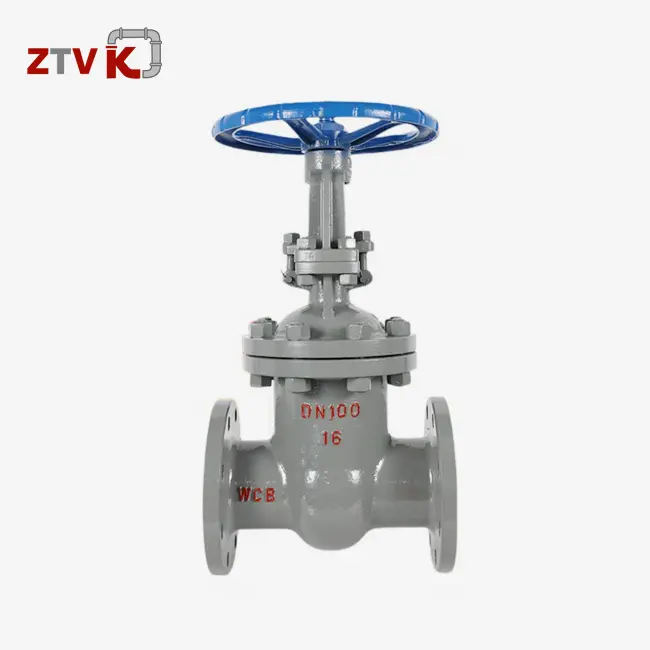
Even though gate valves allow full flow and little pressure drop, they have complicated internal shapes with many cracks and pockets that make them harder to clean and sterilize. Because the stems rise, they need to be installed higher and take longer to operate, which makes them less desirable for modern plumbing systems. By separating the process media with a movable diaphragm, diaphragm valves keep the metal from touching the product. This makes the valves very pure and easy to clean. When metal ion leaking needs to be stopped, like in ultrapure water systems or drug production, diaphragm valves work great. In exchange, they have lower pressure and temperature ratings, need to be serviced more often because the diaphragm wears out, and can't handle as much flow as butterfly valves of the same size.
Cast Iron vs. Stainless Steel Butterfly Valves
Cast iron butterfly valves are often used for city water and wastewater, but they are not at all ideal for sewage service. Cast iron has holes in it, so it rusts easily and can let contaminants into the process media. The rough surface of the material holds bacteria and makes it hard to clean. Even though cast iron valves are cheaper at first, they shouldn't be used in food, pharmaceutical, or biotech uses because they can get contaminated, need to be replaced often, and don't follow the rules. In clean places, a building mad are stainless steel and a weight of stainless steel butterfly valve is required.
Wafer- vs. Lug-Type Butterfly Valves
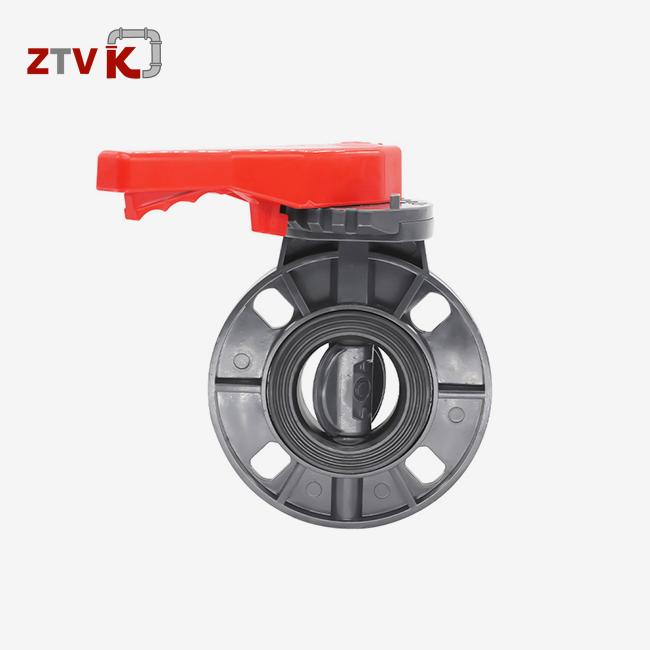
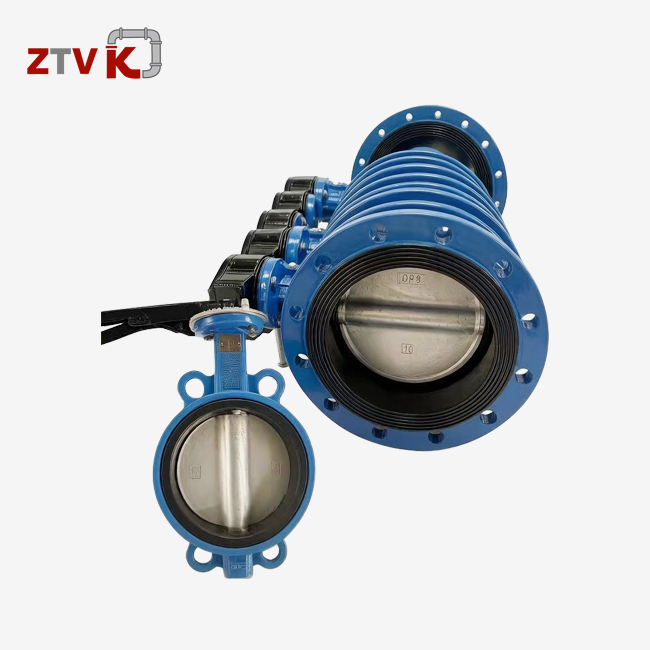
Through-bolts hold wafer-style butterfly valves in place between flanges, making a small, light assembly that can be used in low-pressure situations. Lug-style valves have threaded inserts in the valve body that let the flange be removed separately, and the valve be used in a dead-end situation. In clean settings, lug-style valves are easier to install and keep up because they let you service either the upstream or downstream pipes without having to move the whole valve system. Sanitary tri-clamp butterfly valves with quick-release clamps and gaskets are the easiest to take apart for cleaning and inspection. This makes them the best choice for pharmaceutical and bioprocessing environments that need to do a lot of CIP cycles and validation.
Maintenance and Best Practices for Sanitary Butterfly Valves
To keep things clean, 3-inch stainless steel butterfly valves need to be maintained in a strict way that stops contamination, finds wear before it breaks, and ensures the machine works the same way during cleaning and sterilization processes.
Routine Cleaning Protocols and Chemical Compatibility
To clean effectively, you must first know how seal materials and cleaning agents work together. EPDM seals can stand up to most alkaline and chlorine-based cleaners used in food processing, but Viton seals can't stand up to acidic and solvent-based cleaners used in pharmacy settings. PTFE seats can handle the most chemicals, but they need to be carefully torqued to keep them from cold flow and warping. In most CIP processes, water, an alkaline detergent (sodium hydroxide at a strength of 1% to 2%), an acid sanitizer (nitric or phosphoric acid), and finally a sterile water rinse are used in that order. To stop cleaning solution overflow and microbial growth, the design of the valve must allow full interior drainage. Automated CIP systems should check the flow velocity to make sure there is turbulent flow across all internal surfaces. Usually, speeds of at least 1.5 m/s (5 ft/s) are needed.
Inspection and Troubleshooting
Based on the severity of the process, the number of cycles, and the properties of the media, regular inspection times should be set. Checking seals visually for cracks, deformation, or discolouration shows that the material is breaking down or the chemicals aren't working well together. Seat leakage usually shows up as a buildup of product on the downstream side of the valve or drips that can be seen when the valve is closed. Checking the torque during actuation shows if the seal is worn or not aligned properly. If the torque requirements go up, it means that the seal is getting bigger or the disc is sticking. A check of the stem packing should make sure that no product has gotten in and that there is enough grease. To keep working properly, automated valves need to have their position feedback calibrated and their actuator torque settings checked on a regular basis. Testing the insides of valves with a microbial swab during planned shutdowns gives objective proof that the valves have been cleaned well and finds possible sources of contamination before the quality of the product is affected.
Pressure and Temperature Management
Butterfly valves have limits on pressure and temperature that must be followed to keep the seal intact and make sure the valve works safely. Operating pressures should stay within the ranges given by the manufacturer. For sanitary applications, these ranges usually run from PN6 (87 psi) to PN16 (232 psi), with lower pressures being used when temperatures rise. Going back and forth between room temperature and sterilization temperatures (up to 135°C for steam SIP) puts stress on seals and the space between the body and the disc. It is important that the valves are the right size to allow for thermal expansion, and the weight of stainless steel butterfly valve should also be considered during system design to ensure proper installation and operation. The seal materials should be chosen based on how stable they are at different temperatures. Pressure spikes that happen when the pump starts up or the valve closes, can damage the seats. To avoid this, the system should be designed so that peaks are stopped, and actuator speeds are controlled.
Conclusion
When ordered and described correctly, 3-inch stainless steel butterfly valves work well in sanitary settings because they are resistant to corrosion, small, and easy to use. To be successful, you need to choose the right material grades, surface finishes, and seal configurations that work with the process media, cleaning protocols, and government rules. Learning about the pros and cons of butterfly valves compared to other designs helps you make smart purchasing choices that balance cost, performance, and compliance. As long as the system is in use, strict maintenance procedures will keep it clean, and working with reliable suppliers will give you access to certified, customizable products and quick technical support.
FAQ
1. What seal material should be specified for a sanitary butterfly valve used in dairy processing?
In dairy uses, EPDM seals are usually used because they work well with hot water, milk fats, and alkaline CIP chemicals. Thermal cycling between freezer temperatures and steam sterilization up to 135°C doesn't affect EPDM's flexibility or ability to seal. Although they cost more, Viton seals can be asked for when preparing goods with a lot of fat or acid.
2. Can butterfly valves achieve the bubble-tight shutoff required for sanitary isolation?
Soft-seated butterfly valves with elastomeric seals that are properly kept usually reach Class VI shutoff according to FCI 70-2 standards. This means that there is no leaking that can be found when the valves are checked with air or nitrogen. This performance depends on using the right amount of torque during installation, making sure that the seal material is compatible with the process media, and checking the seal regularly to find wear before it causes a leak.
3. How does automation affect sanitary butterfly valve performance and maintenance?
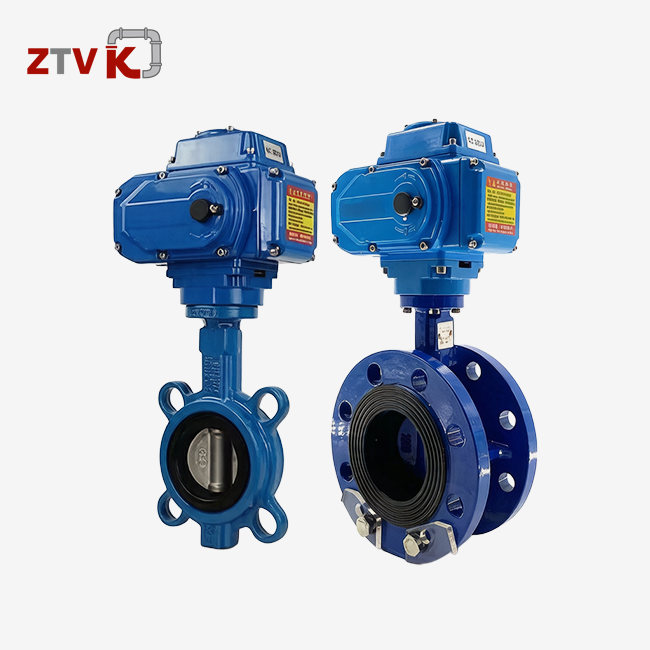
Automated movement using electric or gas motors makes sure that the position is always the same, the sealing pressure is always the same, and the system works with CIP scheduling and process control systems. Automation gets rid of human error and lets you work from afar, which lowers the risk of contamination that comes from touching things by hand. Some maintenance tasks, like calibrating the actuator and checking the position input, become slightly more difficult, but they are balanced out by more consistent results and less work.
Partner with ZTVK for Certified Sanitary Butterfly Valve Solutions.
ZTVK offers a wide range of services to help industrial valve distributors, city contractors, and equipment makers find a reliable 3-inch stainless steel butterfly valve provider. Our ISO 9001, ISO 14001, and OHSAS 18001 certified factory is in the Tianjin Beichen District. We make butterfly valves with sizes ranging from DN15 to DN1200 and pressure ratings of 150 lb to 300 lb. Our sanitary-grade valves have bodies and plates made of 304 stainless steel. For different process needs, we offer seal materials made of EPDM, Teflon, and fluorine rubber. Automation integration is possible with manual, electric, and pneumatic actuation configurations.

Because ZTVK is close to Tianjin Port, we can quickly handle exports, and our stock of standard models from DN50 to DN600 means that we can deliver right away. With 15–25-day production cycles, custom OEM and ODM services can handle branding, special seal materials, and changes that are needed for a certain application. Our global service network, expert documentation packages, and 18-month warranty give foreign buyers the peace of mind and help they need. Email our team at ktec86961886@163.com to talk about your sanitary valve needs, get quotes, or set up plant checks. Get flow control solutions that are reliable and legal, and protect the integrity of your products and keep your business running.
References
1. American Society of Mechanical Engineers. (2019). ASME BPE-2019: Bioprocessing Equipment Standard. New York: ASME Press.
2. 3-A Sanitary Standards, Inc. (2018). 3-A Sanitary Standards for Valves and Fittings Used in Dairy and Food Processing. McLean, VA: 3-A SSI.
3. European Hygienic Engineering and Design Group. (2020). EHEDG Guidelines for Hygienic Equipment Design: Valves and Flow Control Devices. Frankfurt: EHEDG Secretariat.
4. Fluid Controls Institute. (2017). FCI 70-2: Quality Control Standard for Control Valve Seat Leakage. Cleveland, OH: FCI Publications.
5. Smith, R. & Thompson, J. (2021). Materials Selection for Sanitary Processing Equipment: Corrosion Resistance and Regulatory Compliance. Journal of Food Engineering, 298, 45-62.
6. Williams, P. (2022). Valve Selection and Maintenance in Pharmaceutical Manufacturing: A Practical Guide. London: Pharmaceutical Press.
Send us your valve requirements and our team will provide professional solutions and fast quotations.
RELATED INDUSTRY KNOWLEDGE