- English
- French
- German
- Portuguese
- Spanish
- Russian
- Japanese
- Korean
- Arabic
- Greek
- German
- Turkish
- Italian
- Danish
- Romanian
- Indonesian
- Czech
- Afrikaans
- Swedish
- Polish
- Basque
- Catalan
- Esperanto
- Hindi
- Lao
- Albanian
- Amharic
- Armenian
- Azerbaijani
- Belarusian
- Bengali
- Bosnian
- Bulgarian
- Cebuano
- Chichewa
- Corsican
- Croatian
- Dutch
- Estonian
- Filipino
- Finnish
- Frisian
- Galician
- Georgian
- Gujarati
- Haitian
- Hausa
- Hawaiian
- Hebrew
- Hmong
- Hungarian
- Icelandic
- Igbo
- Javanese
- Kannada
- Kazakh
- Khmer
- Kurdish
- Kyrgyz
- Latin
- Latvian
- Lithuanian
- Luxembou..
- Macedonian
- Malagasy
- Malay
- Malayalam
- Maltese
- Maori
- Marathi
- Mongolian
- Burmese
- Nepali
- Norwegian
- Pashto
- Persian
- Punjabi
- Serbian
- Sesotho
- Sinhala
- Slovak
- Slovenian
- Somali
- Samoan
- Scots Gaelic
- Shona
- Sindhi
- Sundanese
- Swahili
- Tajik
- Tamil
- Telugu
- Thai
- Ukrainian
- Urdu
- Uzbek
- Vietnamese
- Welsh
- Xhosa
- Yiddish
- Yoruba
- Zulu
How does a solenoid operated butterfly valve Work?
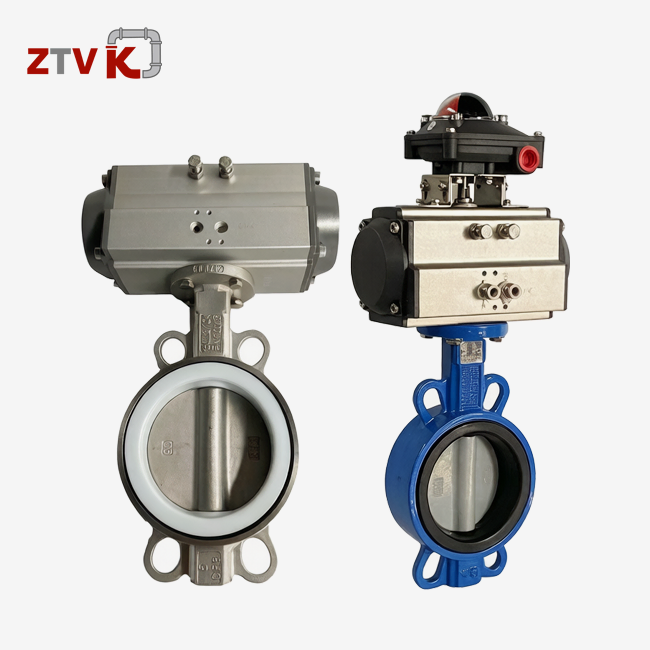
A solenoid operated butterfly valve has a gas actuator and a quarter-turn butterfly valve body. A solenoid pilot valve controls the valve from a distance. The solenoid coil opens or closes air openings and sends compressed air to the pneumatic actuator when an electrical signal turns it on. The air pressure turns the valve disc 90 degrees, which controls the flow of fluid through the pipe. The system lets the flow be controlled automatically, without any help from a person. This makes it perfect for industrial processes that need to respond quickly and be run from afar. Therefore, the solenoid is an important part of modern process automation because it turns electrical orders into valve movements.
Introduction
Flow control systems today need to be accurate, quick, and reliable for industrial use. Solenoid-operated butterfly valves have become reliable options for use in water treatment plants, HVAC systems, chemical processing plants, and city building projects. This guide was made to help purchasing managers, engineering workers, and industrial distributors make tough choices about which valves to buy. Knowing how these valves work lets you check if they will work with your systems, guess how often they will need to be serviced, and spot differences in quality between providers. Whether you're in charge of buying a lot of valves to sell or choosing parts for building projects that cost millions of dollars, this resource will help you improve your sourcing strategy and business results.
Understanding the Basics of Solenoid-Operated Butterfly Valves
What Makes Up a Solenoid-Operated Butterfly Valve System
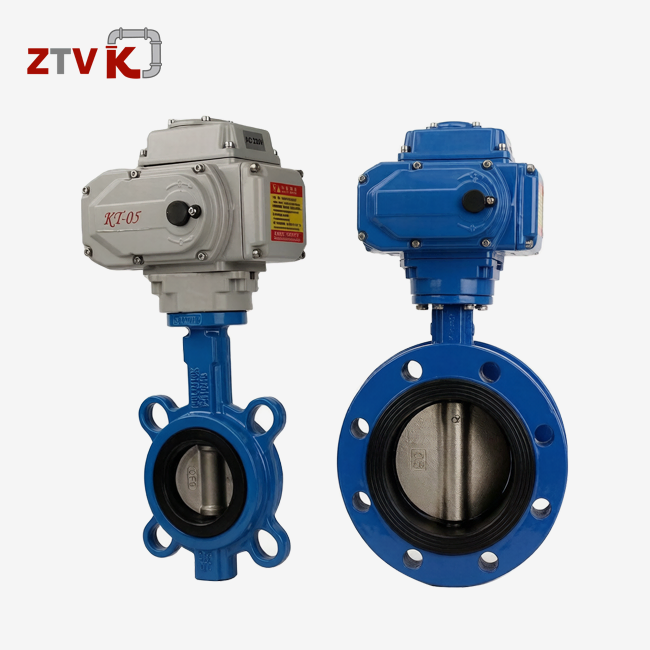
The butterfly valve body, the hydraulic actuator, and the solenoid pilot valve are the three parts that make up the whole system. The valve body has a disc that spins on a center tube. The disc turns perpendicular to the flow line, so it offers very little resistance when it is open, unlike gate valves that lift a barrier. Compressed air is turned into a spinning force by the pneumatic actuator. Actuators can be spring-return (single-acting) or double-acting, depending on the safety needs of your process. When electrical data from PLC systems or human control panels reaches the solenoid valve, it controls the flow of air to the actuator chambers.
How the Solenoid Trigger Mechanism Functions
The solenoid coil creates a magnetic field when your control system sends a voltage signal, which is usually 24VDC, 110VAC, or 220VAC. This field raises an internal pump, which lets air flow through the pilot valve. The air supply line in your building then sends compressed air into the actuator's chamber. In single-acting devices, air pressure makes a spring stretch while the disc turns to the open position. The spring returns the valve to its fail-safe closed state when the electrical signal stops. This stops backflow when the power goes out. Double-acting systems need air pressure to open and close. They give you exact position control, but they don't have a fail-safe feature built in without extra air tanks.
Key Design Parameters Affecting Performance
Several engineering factors affect how well a valve works. The body can be made of ductile iron (DI/QT450) for general water service or stainless steel types (CF8, CF8M) for media that are acidic or basic. For use in salt water, discs can be made of ductile iron, investment cast stainless steel, or aluminium bronze. The temperature range and chemical compatibility are set by the seat material (EPDM, NBR, PTFE, or Viton). Connection standards like ISO5211 make sure that all kinds of actuators can be mounted in the same way. PN10 and PN16 pressure levels are the same as those required for most pipelines in industry and municipal systems. From 1.5" to 48" (DN40-DN1200) in size, it can fit everything from test lines to main distribution ends.

Core Applications and Benefits in Industrial Settings
Water Treatment and Municipal Infrastructure
These valves are important for municipal water systems because they automate filter plants, control pumping stations, and separate delivery networks. When compared to flanged gate valves, the wafer-type joining method takes up less space and weighs less. When operations are automated, workers don't have to go to faraway valve pits to do their jobs. The fast reaction speed—often turning 90 degrees in less than five seconds—allows for emergency shut-offs when pipelines break or when pollution occurs. The malleable iron body can handle the water hammer forces that are common in pumping uses, and the EPDM seats don't get damaged by chlorinated water.
HVAC and Building Systems
These valves are used in chiller loops, cooling tower circuits, and heating distribution networks in commercial building HVAC systems. Integrating solenoid operated butterfly valve units with building control systems lets you change the flow based on the heat load, which lowers the amount of energy used. The small butterfly shape can fit in mechanical rooms that aren't very big, while traditional globe valves would need a lot of changes to the pipes. NBR seats work effectively in glycol mixes that are used to keep pipes from freezing, and the low-pressure-drop feature keeps the pump working efficiently throughout the system.
Chemical Processing and Industrial Manufacturing
In chemical plants, valves need to be able to handle strong media and reliably shut off. Acids, bases, and organic solutions can be used with CF8M stainless steel discs and PTFE seats at a wide range of temperatures. For batch process scheduling, the solenoid control interface works with Distributed Control Systems (DCS). Fail-safe spring-return valves close automatically when the process goes wrong, keeping dangerous materials in certain areas. Cross-contamination between process steps is avoided by the bubble-tight stop feature, which has been proven through seat leak testing in line with API 598 standards.
These real-world uses show why procurement managers put these valves at the top of their list. The ability to automate, save room, and work with a variety of materials all work together to solve multiple practical problems with a single component choice. Knowing about these application situations can help you match the valve's specs to the needs of your process.
Comparison and Selection Guide for Procurement Managers
Solenoid Butterfly Valves Versus Electric Actuated Alternatives
There are pros and cons to both solenoid-controlled gas actuation and straight electric actuation. Pneumatic systems have better fail-safe performance thanks to their spring-return processes and can move parts faster by nature. They work effectively in dangerous environments without the need for special motor housings. But they need infrastructure for compressed air and routine upkeep on the air source. Electric actuators don't need an air source and have built-in potentiometers that give accurate position input. They work well in situations where sliding control is needed instead of a simple on/off operation. Often, the decision depends on the infrastructure of your building. For example, sites with current compressed air systems tend to prefer pneumatic options, while remote sites without air compressors do better with self-contained electric actuation.
Material Selection Based on Operating Conditions
Ductile iron bodies work well in neutral pH water up to 120°C and don't cost much. The QT450 grade is very resistant to pressure, which is important for water hammer situations in public pipes. Stainless steel CF8 (equal to 304 stainless steel) can handle fluids that aren't too acidic and temperatures up to 200°C. CF8M (316 equivalent) adds molybdenum to make it resistant to chloride, which is important in coastal areas or chemical uses. Aluminium bronze plates don't wear away in ocean systems at high speeds. When choosing a seat material, you need to match the elastomer's qualities to the fluid's chemistry. For example, EPDM works well with water and steam, NBR works well with oil products, PTFE can handle harsh chemicals, and Viton can handle high temperatures. By choosing the right mix of materials during purchase, you can avoid early breakdowns and expensive repairs.
Sizing and Connection Standard Considerations
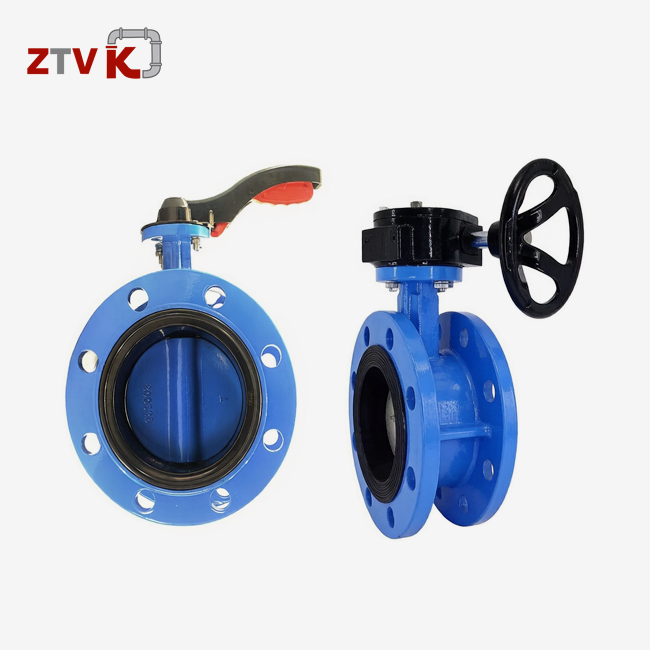
The right valve size matches the need to shut off with the pressure drop. When valves are too small, they cause too much speed, which leads to degradation and noise. Oversized valves cost more to buy and require more actuator force. Compared to flanged-end valves, the wafer-type link, which is placed between pipeline flanges, cuts down on installation length and weight. You can get valve bodies and actuators from different makers because ISO5211 actuator mounting designs make them compatible. International projects can be flexible because of connection standards like PN10/PN16 for metric systems and 125LB/150LB for ANSI flanges. JIS norms (5K/10K/16K) are used in Asian markets, mostly in Japan and Southeast Asia. Verifying these standards during vendor qualification stops field compatibility problems.
Maintenance, Troubleshooting, and Longevity Tips
Establishing Preventive Maintenance Schedules
Regular inspections keep things in good shape and prevent the dimensions of electromagnetic butterfly valve units from breaking down when they're least expected. We suggest that you look at the shaft seal and flange joints every three months to see if there are any external leaks. Every month, the air supply lines need to be drained to get rid of the condensation that corrodes the internal parts of the actuator. The voltage and current draw of the solenoid coil should be checked once a year. Readings that aren't within the stated limits mean that the coil is about to fail. When the disc stays still for long periods of time, cycling the valve once a month keeps the seat from sticking in usually static situations. Writing down these upkeep tasks creates failure trend data that helps you make the best use of your extra parts inventory.
Addressing Common Operational Issues
When the valve sticks, media often builds up on the disc or seat surface. Hardened deposits can be avoided by flushing the line before long shutdowns. Coil burnout usually means that the voltage isn't stable or that the temperature outside the coil is too high. These problems can be fixed by adding power surge suppressors and heat shields. Seat leaks can be caused by chemicals, too much riding, or damage from installation debris. Finding the root cause will tell you whether replacing the seats is enough or if working factors need to be changed. If an actuator moves slowly, it could be because of a loss of air supply pressure or wear on an internal seal. Checking the supply pressure at the actuator's entrance can help you figure out where the problem is.
Environmental and Installation Best Practices
How the mounting is done affects how well it works and how long it lasts. Putting the valve in with the shaft level keeps dirt from building up in the shaft bearings. There is enough space above the actuator to change the coil without taking apart the pipeline. Keeping the solenoid out of the weather with covers that are rated IP65 or higher stops water from getting in. In cold places, heat tracing on the actuator stops ice from forming, which blocks airflow. Vibration-damping plates lower wear stress in places with a lot of vibration, like pump discharge lines. These installation issues, which are often forgotten during the project's completion, have a big effect on the total cost of ownership.
How to Buy and Source Solenoid Operated Butterfly Valves
Evaluating Supplier Capabilities and Quality Systems
To find trusted valve suppliers, you need to look at their production and quality control methods. ISO9001 certification shows that you have a method for controlling quality, and ISO14001 certification shows that you care about the environment. When buyers depend on third-party labs, they don't have as much confidence in manufacturers who have their own testing facilities. These include hydrostatic pressure testing, seat leak verification, and positive material identification. Requesting access to the plant for audits or inspection reports from a third party boosts trust in the supplier's skills. Suppliers who keep a lot of stock, especially of standard sizes DN50 to DN600, can meet short-notice project deadlines with shipping windows of 3 to 7 days.
Negotiating Volume Pricing and Customization Options
Buying things in bulk can save you a lot of money. When distributors buy by the container load, they often get savings of 25 to 35 percent compared to single-unit prices. Setting up blanket purchase orders with planned releases keeps price breaks and stocking costs in balance. OEM branding services are useful for wholesalers who serve regional markets because they let you make unique nameplates, packaging, and paperwork that make your products stand out. With ODM, you can make changes that are specific to the application, like using different seal materials or making the stems longer for shielded pipes. Misunderstandings can be avoided by being clear about minimum order amounts, tooling costs, and shipping schedules during talks.
Understanding Lead Times and Logistics Considerations
Standard valve types are shipped within a week from the company that keeps the production supplies. Custom requirements take 15 to 25 days, based on how complicated they are. Lead times are longer for materials or connections that aren't common. For urgent projects, rush production services can cut delivery times to 7–10 days for an extra 20% fee. Being close to major ports cuts down on the time it takes to move goods within a country. For example, factories near Tianjin Port can have trucks arrive in an hour and load containers quickly. With factory-direct prices, there are no margins for distributors, which is especially helpful for big jobs. Knowing about these business factors can help you set deadlines for purchases and keep track of the project's cash flow.
Conclusion
Solenoid operated butterfly valves are a complex mix of mechanical ease and the ability to be automated. The butterfly valve design reduces pressure drop and fitting room, while the pneumatic actuation system responds quickly and cannot fail. The ability to choose the right materials is useful for a wide range of business uses, from chemical processing plants to local water systems. To do good procurement, you need to look at the quality systems of suppliers, make sure that specs match working conditions, and set up maintenance procedures that make the products last as long as possible. We hope that this guide makes the operating principles and selection criteria clearer so that you can make choices that improve the reliability and efficiency of the system.
Frequently Asked Questions
1. What distinguishes single-acting from double-acting pneumatic actuators?
Air pressure moves the valve in a single way with single-acting actuators. When the air pressure drops, a mechanical spring returns the valve to its fail-safe state. This setup works for programs that need to shut down automatically when the power goes out. Double-acting motors need air pressure to open and close. They give you more exact control, but they don't have a built-in fail-safe feature without extra air tanks or backup power systems.
2. Can these valves handle slurry or suspended solids?
Since butterfly valves are fully open, they let more fluid run through them than globe valves do. This is because they can handle light slurries and floating solids better. Abrasive particles, on the other hand, speed up seat wear. For rough services, choosing seats made of harder materials like PTFE or metal will make them last longer. In these tough situations, it's important to have regular inspections and seat replacements.
3. How do I prevent water hammer during valve closure?
The closing speed is controlled by changing the exhaust speed of the air actuator. Putting control valves on actuator exhaust ports limits the flow of air, which slows the spinning of the disc. On the other hand, you can get speed control from the factory by selecting bigger actuators with changeable damping systems. Gradual closing reduces pressure spikes, which protects equipment and pipes upstream.
Partner With ZTVK for Reliable Solenoid Operated Butterfly Valve Solutions
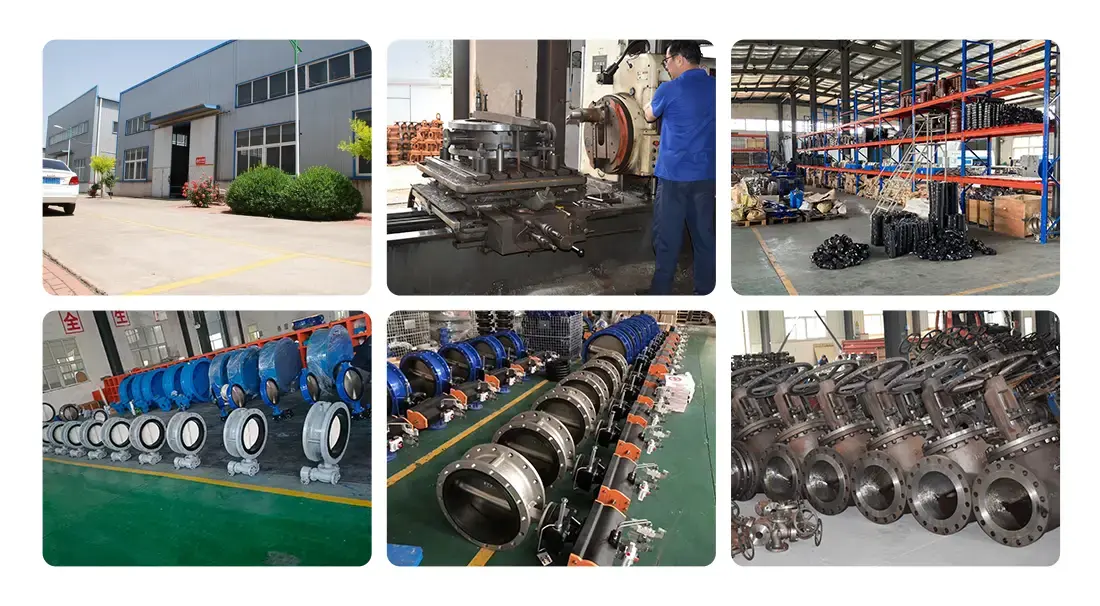
With over 15 years of specialised experience in valve production for international markets, ZTVK stands as your reliable solenoid operated butterfly valve maker based in Tianjin's Beichen District. Our ISO9001, ISO14001, and OHSAS18001 certifications show that we are dedicated to quality stability, which means that you don't have to worry about buying batches of products that aren't the same. We keep more than 2,000 standard units (DN50–DN600) in stock, so we can send them in 3–7 days for important projects and keep your schedules on track. Our plant is only 50 kilometres from Tianjin Port, which makes it easy to coordinate sea freight with FOB Xingang or CIF target port terms. We offer full OEM services, including unique labelling, packing, and technical changes that are made to fit the needs of your market. Our 18-month warranty and technical help through training videos and troubleshooting guides make it easier for you to handle service after the sale. You can email our buying experts at ktec86961886@163.com for detailed specs, cheap bulk prices, or custom valve designs that solve the problems you're having with your application. Let us show you how ZTVK's high-quality manufacturing and quick service can turn your valve buying from a problem to an opportunity to gain a competitive edge.
References
1. Smith, J.A. (2021). Industrial Valve Selection and Application Guide. McGraw-Hill Professional Engineering Series.
2. Peterson, R.L. & Chang, M. (2020). "Pneumatic Actuation Systems in Process Control." Journal of Industrial Automation and Control, Volume 45, Issue 3, pp. 287-304.
3. International Society of Automation (2022). ANSI/ISA-75.01.01 Control Valve Sizing Equations Standard. ISA Standards and Practices Department.
4. Bradley, T.M. (2019). Valve Maintenance and Repair Handbook for Process Industries. Elsevier Technical Publications.
5. American Petroleum Institute (2021). API 609: Butterfly Valves - Double Flanged, Lug and Wafer Type, 11th Edition. API Publishing Services.
6. Wu, H.C. & Nakamura, K. (2020). "Material Selection Criteria for Corrosive Service Butterfly Valves." Materials Performance in Chemical Processing Equipment, Volume 38, pp. 112-129.
Send us your valve requirements and our team will provide professional solutions and fast quotations.
RELATED INDUSTRY KNOWLEDGE