- English
- French
- German
- Portuguese
- Spanish
- Russian
- Japanese
- Korean
- Arabic
- Greek
- German
- Turkish
- Italian
- Danish
- Romanian
- Indonesian
- Czech
- Afrikaans
- Swedish
- Polish
- Basque
- Catalan
- Esperanto
- Hindi
- Lao
- Albanian
- Amharic
- Armenian
- Azerbaijani
- Belarusian
- Bengali
- Bosnian
- Bulgarian
- Cebuano
- Chichewa
- Corsican
- Croatian
- Dutch
- Estonian
- Filipino
- Finnish
- Frisian
- Galician
- Georgian
- Gujarati
- Haitian
- Hausa
- Hawaiian
- Hebrew
- Hmong
- Hungarian
- Icelandic
- Igbo
- Javanese
- Kannada
- Kazakh
- Khmer
- Kurdish
- Kyrgyz
- Latin
- Latvian
- Lithuanian
- Luxembou..
- Macedonian
- Malagasy
- Malay
- Malayalam
- Maltese
- Maori
- Marathi
- Mongolian
- Burmese
- Nepali
- Norwegian
- Pashto
- Persian
- Punjabi
- Serbian
- Sesotho
- Sinhala
- Slovak
- Slovenian
- Somali
- Samoan
- Scots Gaelic
- Shona
- Sindhi
- Sundanese
- Swahili
- Tajik
- Tamil
- Telugu
- Thai
- Ukrainian
- Urdu
- Uzbek
- Vietnamese
- Welsh
- Xhosa
- Yiddish
- Yoruba
- Zulu
Explore Electric Wafer Butterfly Valve: From Basics to Experts
Understanding electric wafer butterfly valves starts with recognizing their fundamental role in industrial automation. These compact, electrically actuated devices regulate fluid flow with exceptional precision, combining a disc mechanism with intelligent motor control to deliver responsive, reliable performance across diverse applications. Unlike traditional manual valves that require on-site human intervention, electric variants provide remote operation, programmable logic integration, and superior consistency—capabilities that significantly reduce operational labor costs while enhancing safety in hazardous or difficult-to-access environments.


Understanding Electric Wafer Butterfly Valves: Basics and Working Principles
What Defines a Wafer-Style Design
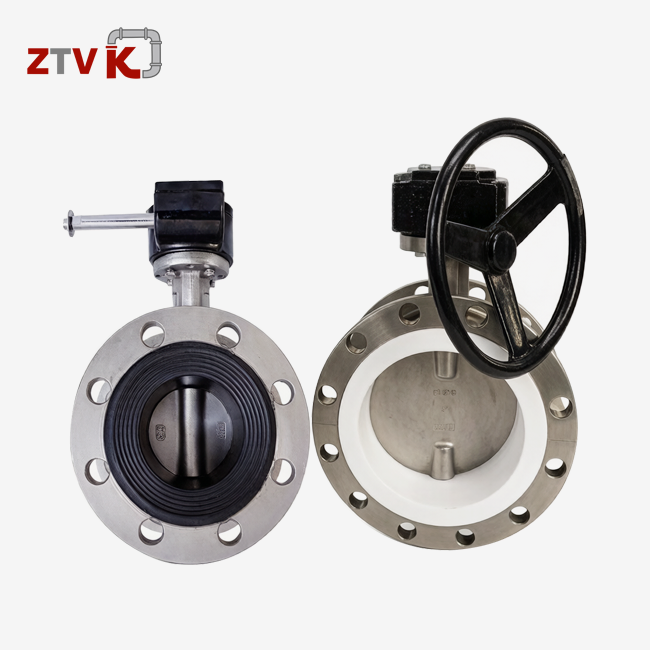
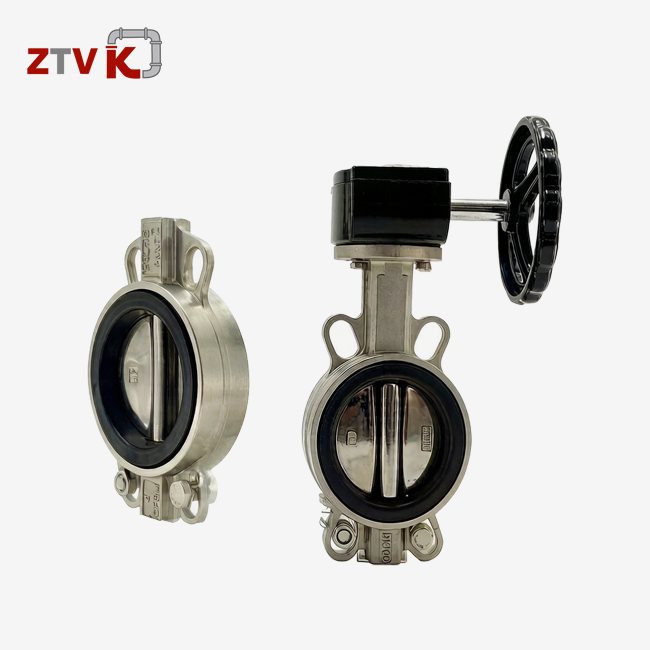
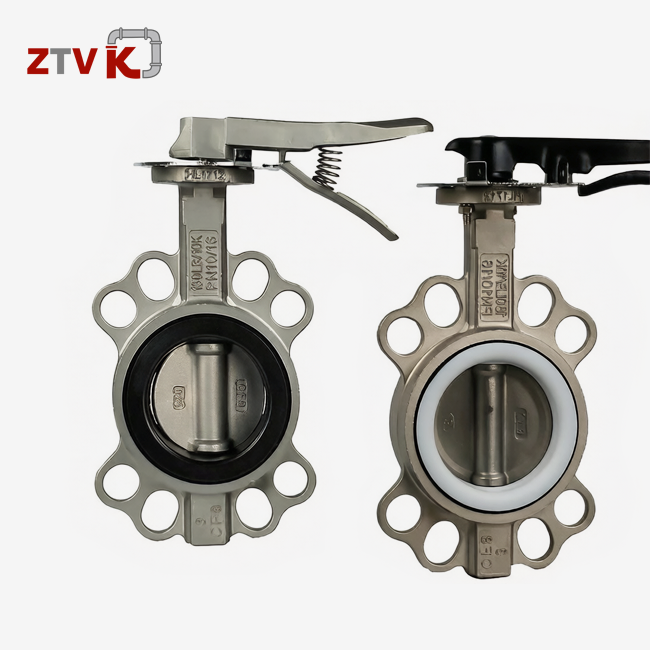
This kind of valve stands out because of its wafer structure, which makes good use of space. The valve body is held in place by long bolts or studs that go through mounting holes in both the valve body and the adjacent flanges. This design doesn't need heavy, protruding flange connections because the valve body is placed between two pipeline flanges. The cost of supplies, the weight of installation, and the general complexity of the system are all cut down by this simpler way. Most of the time, the body thickness is between DN40 and DN1200, and the measures taken close up are in line with ISO 5211 standards. This means it can be used with the pipes that are already in place without making any big changes.

How Electric Actuation Works
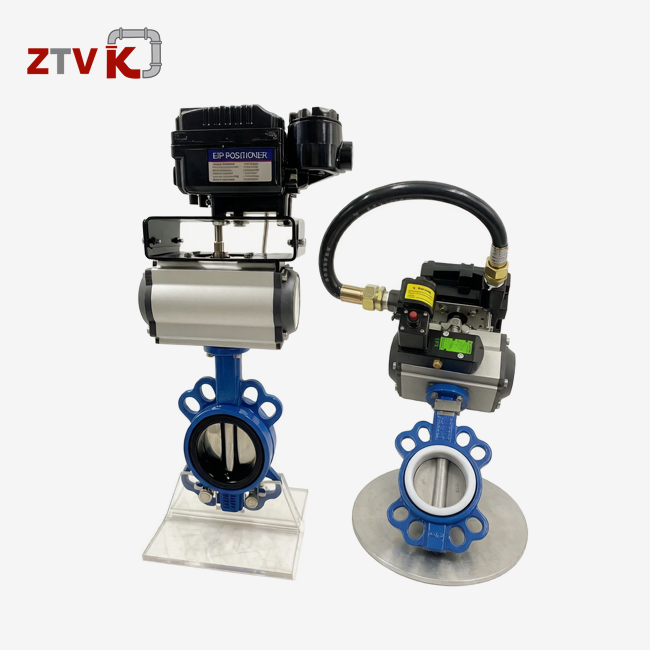
Electric Wafer Butterfly Valves use electric actuators that have motors and precise gear trains built in to turn electricity into circular motion. The motor is turned on by an electric signal. The motor moves a worm gear system that turns the disc from 0° to 90°. This opens up the valve all the way. When the disc is closed, it is in a straight line with the flow. When it is open, it is parallel to the flow. This turning happens around a central shaft. The cover for the actuator keeps the parts inside safe and meets IP67 or NEMA 4X standards for entry protection. In other words, it will last even in places that are wet, dusty, or chemically tough. Simple on-off switches can be used to separate two things, or modulating settings that work with basic inputs like 0-10V or 4-20mA can be used to precisely slow things down based on the needs of the process.
Material Specifications and Performance Standards
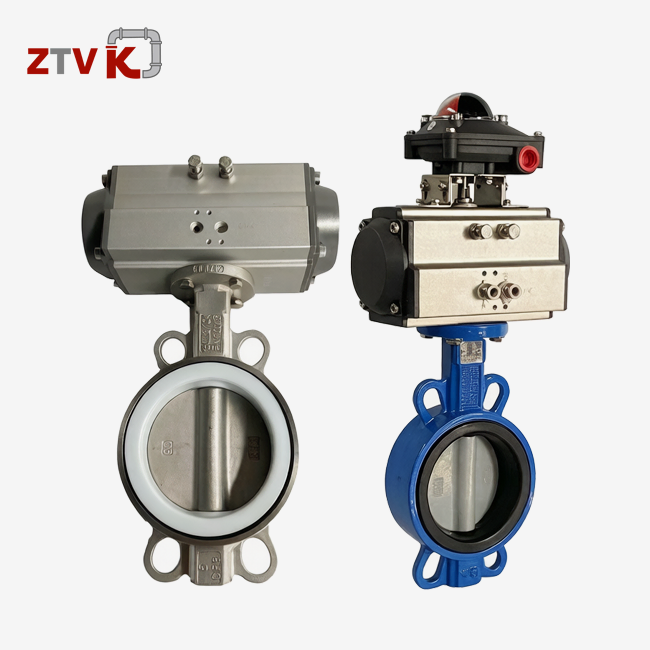
These valves are made by ZTVK with ductile iron bodies (DI/QT450) that keep their structure strong at PN10 and PN16 working pressures. Different types of discs are made for different uses. For example, ductile iron is used for regular water service, CF8 and CF8M stainless steel are used for acidic media, and aluminium bronze is used for seawater purposes. For standard water systems, EPDM is a good seat material. NBR is better for oils and fuels. PTFE is good for chemicals up to 180°C, and VITON is good for high temperatures and chemicals. These pairings make sure that the valve works with a wide range of fluids, keeps the valve closed tightly, and reduces the chance of leaking over its more than 50,000-cycle useful life.
Benefits and Applications of Electric Wafer Butterfly Valves
Electric Wafer Butterfly Valves have automation features that directly lead to measured changes in how things work. Facilities that use these devices say they save energy because they improve flow control, which stops pumps from over-pumping and lowers pressure drops. Maintenance costs go down because there are fewer moving parts than with multi-turn valves. Also, the self-locking gear system in actuators keeps them in place without using power all the time, so they can hold positions for longer amounts of time without using electricity.
Chemical processing plants use these valves to deal with strong acids and solvents. The seats are lined with PTFE, and the discs are made of stainless steel, which doesn't rust. Small chip designs help HVAC systems work better in small mechanical rooms. Modulating controls change the flow of cold water to match the cooling needs at any given time. They are used in filtration and transport networks by municipal water treatment facilities, which like how they can handle water that is full of sediment while still shutting off reliably during maintenance rounds. To meet hygiene standards without sacrificing automation efficiency, food and drink companies choose sanitary-grade versions with smooth surfaces and FDA-compliant elastomers.
Routine maintenance includes checking the integrity of the seat on a regular basis, making sure the actuator mounting bolts are tight, and making sure the electrical connections stay dry and safe. Common problems, like not fully closing, are usually caused by the seat not being aligned correctly or a foreign object getting stuck between the disc and the seat. These issues can be easily fixed by following the manufacturer's instructions for cleaning or adjusting the device. These simple service standards keep downtime to a minimum and greatly increase the useful life of assets.
Electric Wafer Butterfly Valve Comparison and Selection Guide
Comparing Valve Technologies
To choose the best flow control method, you need to know how Electric Wafer Butterfly Valves compare to other options. Pneumatic butterfly valves can be opened and closed more quickly, but they need a system for compressed air, which makes them more complicated and costs more in energy. Lug-type butterfly valves can remove their flanges independently, which is helpful for end-of-line service, but they are heavier and cost more. When ball valves are closed, there is no leakage, but the pressure drops more when they are only partially open, and they cost more when the diameter gets bigger. While manual wafer valves require less initial investment, they give up some of the benefits of automation and need to be installed in places where a user can easily reach them.
Decision Criteria for Industrial Buyers
The environment of the application determines the choice of material. For chemical service that is corrosive, you need CF8M stainless steel discs with PTFE or VITON seats. For neutral water systems, cast iron bodies and EPDM seats work well and are less expensive. Valve ratings must match operating pressures. For low-pressure HVAC, valve ratings are PN10, and for municipal water networks, they are PN16. Choosing the right size depends on the needed flow coefficients (Cv values) and the accepted velocity ranges. Valve sizes that are too big waste money, while valve sizes that are too small cause too much pressure loss and flow noise.
System design affects the choice of control method. Two-position on-off actuators that only use power when they're moving are used for simple isolation applications. For process control situations that need to precisely change the flow, you need oscillating motors with positioners that keep the disc angle accuracy within ±1°. For actuators to work with building automation systems or DCS platforms, they may need to be supplied with MODBUS, PROFIBUS, or BACnet communication protocols. This lets them be monitored and setpoints changed from afar, without having to go to the field.
Procurement Insights: Where and How to Buy Electric Wafer Butterfly Valves
Evaluating Supplier Credentials
Finding solid Electric Wafer Butterfly Valves starts with checking the manufacturer's credentials. ISO 9001 certification for quality management shows that production processes are uniform, and ISO 14001 certification for environmental compliance shows that industrial practices are responsible. Technical know-how is proven by product-specific certifications like API 598 for pressure testing and API 609 conformance for design standards. Electrical actuators should have UL or CE marks on them to show that they are safe. This is especially important for installations in industries that are regulated or places that have strict rules about importing.
ZTVK has ISO 9001, ISO 14001, and OHSAS 18001 certifications. They also have modern CNC machining machines and a lot of testing labs that can do things like full-pressure testing, material analysis, and chemical composition verification. This quality infrastructure makes sure that before it is shipped, every valve meets certain performance standards.
Pricing Structures and Lead Times
Through economies of scale, buying in bulk can save you a lot of money. Standard models in sizes DN50 to DN600 from well-known brands like ZTVK can be shipped within 3–7 days if they have more than 2,000 units in stock. This makes them perfect for urgent project needs or restocking distributors. Non-standard configurations that need custom materials, special actuation, or changed dimensions usually need 15 to 25 days to produce. However, if you want them faster, you can get them in 7 to 10 days for an extra 20%.
The price depends on the type of material, the size, and the complexity of the actuator. The least expensive choice is ductile iron bodies with EPDM seats and basic on-off actuators. On the other hand, stainless steel construction with clever modulating actuators costs more but has better performance and a longer service life. Transparent suppliers give buyers detailed quotes that break down the costs of the body, actuator, and any extra parts that are wanted. This lets buyers find the best specifications for their budgets.
Logistics and After-Sales Support
Delivery times and freight prices are affected by how close you are to big shipping hubs. Because ZTVK is only 50 km from Tianjin Port and has partnerships with both COSCO Shipping and Maersk, export logistics are easy. Professional packing using wooden boxes, moisture barriers, and set brackets that meet ISPM 15 standards keeps goods from getting damaged and causing customs delays at the ports of arrival. When suppliers offer FOB Tianjin Xingang or CIF destination port terms, it makes buying easier because it's clear who is responsible for costs and where the risk is transferred.
A full guarantee that lasts for 18 months protects buyers against problems with the way the product was made. Reliable providers will replace broken units for free if the damage is due to problems with the material or the way it was worked on and not to misuse or abuse. Technical support after the sale, such as installation films, debugging guides, and access to application engineers, helps solve problems quickly in the field, keeping production running as smoothly as possible. With OEM and ODM customisation services, valve specs can be perfectly aligned with each system's needs. This includes everything from branded nameplates to changed sealing configurations that are perfect for each process.

Troubleshooting and Optimizing Performance of Electric Wafer Butterfly Valves
Common Issues and Solutions
A lot of the time, an Electric Wafer Butterfly Valve will stick during operation because the seat material has worn down because it was exposed to temperatures above the design limits or chemicals that aren't compatible. This problem is usually fixed by replacing the seat with one made of a more durable rubber, like going from EPDM to VITON. Leakage through the closed valve could mean that the disc isn't lined up right because of foreign matter stuck in the seat groove. To fix the problem, flush the system and look for process contaminants. Electrical actuator failures are often caused by water getting in through broken pipe seals. Making sure the IP grade is correct and replacing any damaged gaskets will fix the problem.
When analogue signal ranges don't match between computers and motors, it's hard to integrate the control system. Making sure that a 4-20mA output matches up with the actuator's input calibration and that there are no ground loops by wiring correctly stops the positioning from acting erratically. Voltage changes in the power supply can make actuation not work fully. To improve reliability, electrical service should be stabilised, or actuators should have wider voltage tolerance ranges.
Preventive Maintenance Best Practices
The frequency of scheduled inspections should match the intensity of operations. Continuous-duty uses in gritty slurries should be checked every three months, while clean water systems that don't cycle very often may only need to be checked once a year. Inspection reports should keep track of the state of the seat, the safety of the actuator's mounting, the integrity of the shaft seal, and the strength of the electrical link. Keeping accurate service records lets you use trend analysis to figure out when parts need to be replaced before they break, which keeps you from having to schedule unplanned downtime.
One way to improve performance is to switch from basic motors to smart ones that can diagnose problems, keep an eye on torque profiles, and send digital maintenance messages when problems are found. By adding position feedback monitors, closed-loop control can be set up to account for changes in the process and wear on the parts, keeping the flow rate accurate as the parts age. Using condition monitoring systems that track vibration patterns and temperature patterns can find problems with motor windings and bearings before they break down completely. This greatly increases the asset's life and lowers its lifecycle costs.
Conclusion
Electric Wafer Butterfly Valves are a sophisticated mix of mechanical simplicity and electronic control precision. They control flow in a wide range of industries at a low cost. Their small wafer design, wide range of material choices, and adaptable actuation configurations meet a wide range of application needs, from distributing water in cities to processing chemicals. To choose the right specification, you have to balance technical factors against working conditions while paying close attention to control methods, material compatibility, and pressure ratings. Buying from qualified makers with tested quality systems, quick logistics, and full support services lowers the risks of buying and guarantees reliable performance over time. Proper upkeep and aggressive troubleshooting increase return on investment even more by increasing service life and lowering the number of unexpected breakdowns in important process applications.
FAQ
1. What distinguishes electric wafer butterfly valves from manual versions?
Electric models have motor-driven actuators that let Electric Wafer Butterfly Valves be controlled from a distance, have automated sequences, and connect to control systems. This gets rid of the need for manual handwheels and an operator to be present on-site. This automation cuts down on labour costs, speeds up reaction times, and improves safety by keeping people out of dangerous places while valves are being operated.
2. Can these valves handle corrosive chemicals effectively?
Chemical compatibility is based on the choice of material. Acidic, basic, and corrosive substances don't damage valves with CF8M stainless steel discs and PTFE or VITON seats very well. By looking at chemical resistance charts that are specific to the process media, concentration, and temperature, you can be sure that the right material specifications are being used for each job.
3. What are typical lead times for custom valve orders?
Standard setups can be shipped within 3–7 days from stock, but custom specs that need non-standard materials or different sizes usually take 15–25 days to make. With extra fees, expedited manufacturing options can cut this time down to 7–10 days, making it possible to meet tight project deadlines when needed.
4. How do wafer valves differ from lug-type designs?
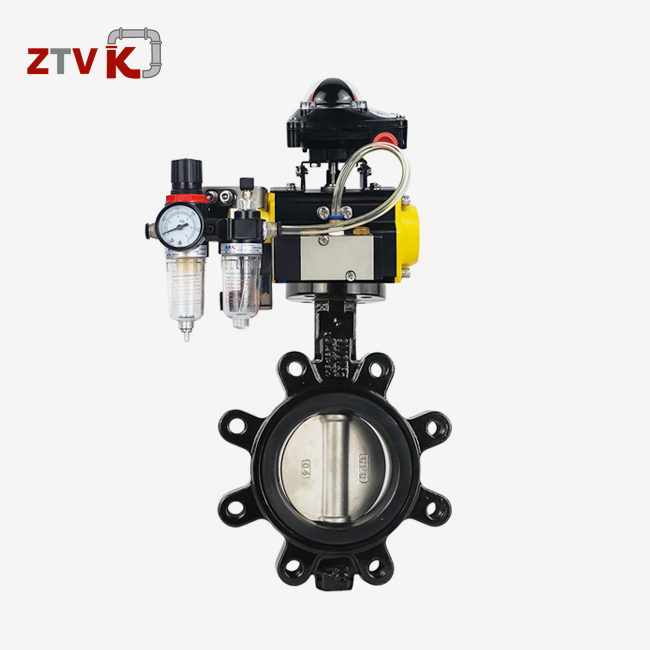
Wafer valves are attached to flanges with through-bolts and can't be used as end-of-line devices without downstream blind flanges. Lug-type valves, on the other hand, have threaded mounting holes that let the flange be removed separately and can be used as end-of-line devices. Because wafer versions are lighter and cost less, they are better for mid-line uses where they won't be removed often.
Partner with ZTVK for Reliable Electric Wafer Butterfly Valve Solutions
Industrial valve wholesalers, builders, and equipment makers looking for a reliable Electric Wafer Butterfly Valve provider will find that ZTVK has a wide range of services that can meet their needs. Our factory in Tianjin uses modern CNC machining, strict testing protocols, and ISO-certified quality management to make valves with bodies made of ductile iron and disc and seat materials that range from 1.5" to 48" (DN40 to DN1200). We keep over 2,000 standard units in stock and can customise non-standard items in 15 to 25 days. This means we can handle both pressing orders for replacements and detailed project requirements.
Our closeness to Tianjin Port makes international shipping quick and easy thanks to our established relationships with carriers. Our OEM/ODM services can handle branded packing, custom marking needs, and design changes that are specific to an application. The 18-month warranty program, professional support resources, and clear contact lines make sure that the project goes smoothly from the quote stage to the commissioning stage. Global distributors benefit from cheap bulk price structures that are backed by stable production capacity and quick responses to small orders. This is because the Chinese supply chain is more efficient. You can email our team at ktec86961886@163.com to talk about your specific application needs, ask for technical drawings, or get full quotes that are tailored to your buying goals.
References
1. American Petroleum Institute. (2018). Butterfly Valves: Double Flanged, Lug- and Wafer-Type. API Standard 609, 8th Edition.
2. International Organization for Standardization. (2017). Industrial Valves—Face-to-Face and Centre-to-Face Dimensions of Metal Valves for Use in Flanged Pipe Systems. ISO 5752:2017.
3. Smith, P. R., & Zappe, R. W. (2021). Valve Selection Handbook: Engineering Fundamentals for Selecting the Right Valve Design for Every Industrial Flow Application. Gulf Professional Publishing.
4. Emerson Automation Solutions. (2020). Electric Actuator Selection and Sizing Guide for Quarter-Turn Valves. Technical Manual, Control Valve Division.
5. British Standards Institution. (2019). Valves—Testing of Metallic Valves for Industrial Use. BS EN 12266-1:2019.
6. Lyons, J. L., & Askland, C. L. (2020). Industrial Flow Control: Butterfly Valve Applications in Process Industries. Proceedings of the International Valve Research Council Symposium, pp. 112-127.
Send us your valve requirements and our team will provide professional solutions and fast quotations.
RELATED INDUSTRY KNOWLEDGE