- English
- French
- German
- Portuguese
- Spanish
- Russian
- Japanese
- Korean
- Arabic
- Greek
- German
- Turkish
- Italian
- Danish
- Romanian
- Indonesian
- Czech
- Afrikaans
- Swedish
- Polish
- Basque
- Catalan
- Esperanto
- Hindi
- Lao
- Albanian
- Amharic
- Armenian
- Azerbaijani
- Belarusian
- Bengali
- Bosnian
- Bulgarian
- Cebuano
- Chichewa
- Corsican
- Croatian
- Dutch
- Estonian
- Filipino
- Finnish
- Frisian
- Galician
- Georgian
- Gujarati
- Haitian
- Hausa
- Hawaiian
- Hebrew
- Hmong
- Hungarian
- Icelandic
- Igbo
- Javanese
- Kannada
- Kazakh
- Khmer
- Kurdish
- Kyrgyz
- Latin
- Latvian
- Lithuanian
- Luxembou..
- Macedonian
- Malagasy
- Malay
- Malayalam
- Maltese
- Maori
- Marathi
- Mongolian
- Burmese
- Nepali
- Norwegian
- Pashto
- Persian
- Punjabi
- Serbian
- Sesotho
- Sinhala
- Slovak
- Slovenian
- Somali
- Samoan
- Scots Gaelic
- Shona
- Sindhi
- Sundanese
- Swahili
- Tajik
- Tamil
- Telugu
- Thai
- Ukrainian
- Urdu
- Uzbek
- Vietnamese
- Welsh
- Xhosa
- Yiddish
- Yoruba
- Zulu
Electric Wafer Butterfly Valve | Working Principles & Operation Guide
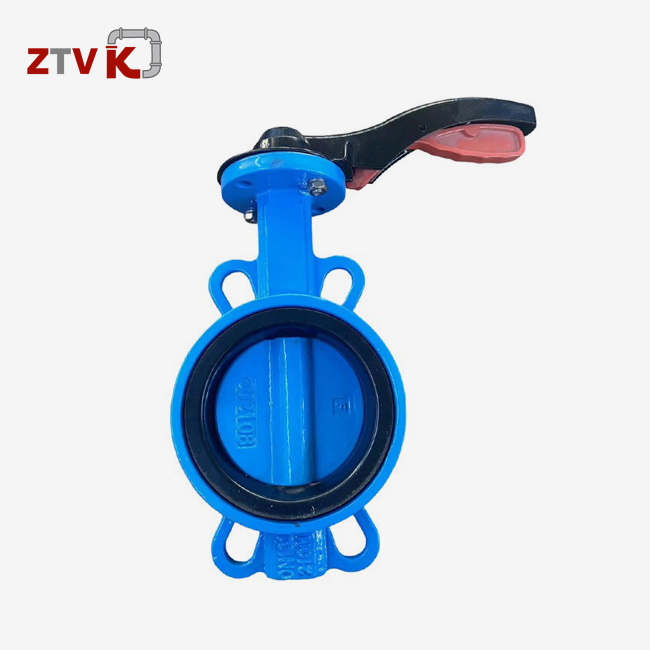
An Electric Wafer Butterfly Valve combines streamlined mechanical design with automated precision to manage fluid flow in industrial pipelines. This device features a thin disc rotating within a wafer-style body, controlled by an electric actuator that enables 90-degree motion from fully open to fully closed positions. The wafer configuration fits compactly between two flanges, eliminating the need for heavy mounting hardware while maintaining robust sealing performance. Engineers and procurement teams rely on this valve technology for applications demanding space efficiency, remote operation capability, and consistent flow regulation across water systems, HVAC installations, chemical processing lines, and energy infrastructure projects.

Understanding Electric Wafer Butterfly Valves
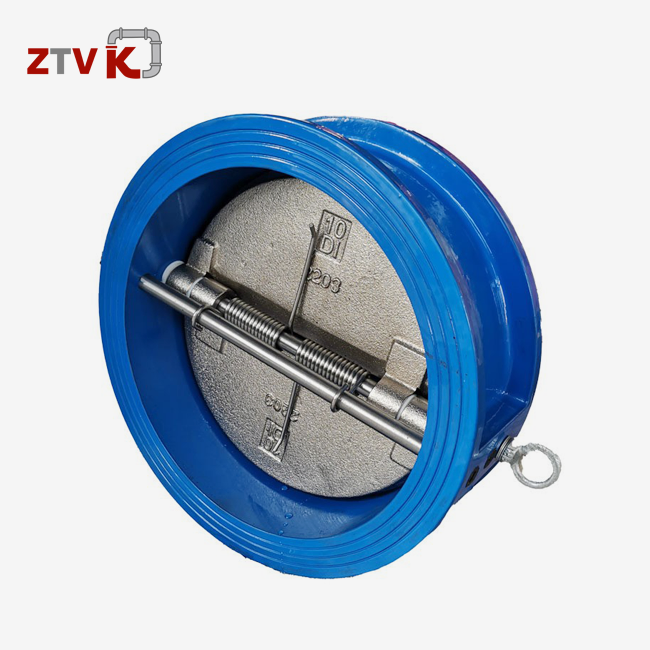
This flow control device's basic structure is made up of several important parts that work together without any problems. At its core, the valve body holds the disc in place and gives structural stability. In normal situations, the body of the Electric Wafer Butterfly Valve is made of ductile iron (DI/QT450), and it can handle pressure loads up to PN16 while being lighter than other gate valve options.
Core Components Explained
The disc that spins is the main part that controls the flow. When placed parallel to the flow of fluid, it allows the most flow with the least amount of pressure loss. By turning the disc 90 degrees, it is placed perpendicular to the flow, which creates an obstacle that stops the flow. ZTVK makes discs out of ductile iron, stainless steel grades CF8 and CF8M, and aluminium bronze for specific environments that are corrosive. The choice of material has a direct effect on how well it works with chemicals and how long it lasts.
Around the disc, elastomeric seats make seals that don't let leaks happen. When the temperature goes up to 120°C, EPDM can be used for general water service and HVAC tasks. NBR works well with fluids that are based on gasoline, while PTFE can handle harsh chemicals and temperatures up to 200°C. VITON is used in media that are very acidic, where regular elastomers break down quickly.
Electrical signals are turned into mechanical torque by the electric actuator. These motors have voltage ranges from 24VDC to 380VAC and are used to power worm gear systems that automatically lock. This mechanical advantage keeps reverse pressure from moving the discs back and forth, which keeps the process stable without using a lot of power all the time.
Wafer Design Advantages
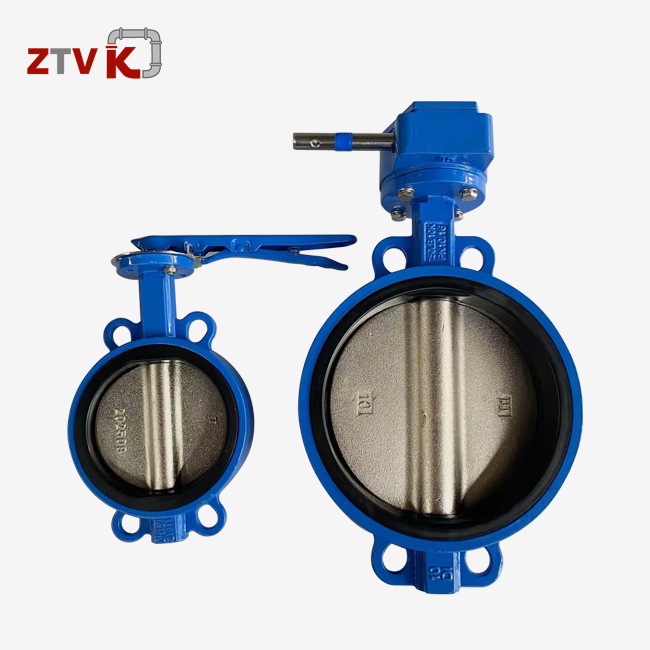
The wafer configuration doesn't need separate mounting holes like lug-style or flanged valves do; instead, it works on compression between neighbouring pipe flanges. Long through-bolts hold both sides together and hold the valve body firmly in place. When compared to flanged options, this installation method saves about 30% on material costs and cuts assembly time by a large amount.
The small face-to-face size is especially useful when there are a lot of pipes in a row. When there isn't enough room to install long gate valves, wafer butterfly valves take up almost no linear space while still controlling flow just as well. This size efficiency helps retrofit projects a lot when switching from manual valves to automatic control without having to make a lot of changes to the pipes.
Key Benefits and Applications
The automation features that electric actuation provides improve working performance in many fields. With remote control, people don't have to go to dangerous places, tight areas, or high places to access switches. When coders connect an Electric Wafer Butterfly Valve to SCADA systems, they can schedule it to work with pumps, sensors, and other process equipment to get the best performance.
Industry-Specific Advantages
These valves are used in filter trains, disinfection systems, and transportation networks at water treatment plants. It is possible to change flow rates based on readings from level monitors or pressure sensors. This cuts down on energy use while keeping service quality high. The ISO5211 mounting standard is appreciated by municipal builders who are building new infrastructure because it makes it easier for makers of actuators to work together and plan for long-term upkeep.

Controlling the cold water and heating loops precisely is important for business HVAC systems. When the building automation system tells electric butterfly valves what to do, they change the flow through cooling coils and heat exchangers to match the thermal loads. When the valve is fully open, there isn't much pressure drop, so the pump doesn't have to use as much energy. This can help you get LEED certification energy points.
Chemical processing works with toxic materials that need special mixtures of materials. Acids, solvents, and other harsh chemicals can't damage PTFE-seated valves with CF8M steel discs. Electric actuation keeps workers away from areas where leaks might happen and gives the repeatable positioning accuracy needed for batch recipe consistency.
Performance Comparison
Manual butterfly valves need to be accessed physically, and operators need to be trained, which adds unpredictability from person to process control. For pneumatic models, you need a system for compressed air, which might not be available in all facilities and adds to the cost of running the machine. Electric actuators give installers more options for where to put them and don't need any extra utilities besides the electricity that is already available in most industrial buildings.
When there are a lot of operation steps, the total cost of ownership estimate favours electric actuation. Even though the initial investment is higher than manual options, the payback periods for moderately active service are usually less than three years because the air compressors don't use as much energy, valve operation requires less work, and the systems are easily integrated with existing electrical control systems.
Installation and Maintenance Guide
Whether an Electric Wafer Butterfly Valve lasts as long as it's supposed to or breaks down before its time depends on how it was installed. The first step in installing something is to prepare the flanges so that the mating surfaces are clean, flat, and free of any welding spatter or corrosion products that could stop the compression from being even.
Installation Sequence
When placing the valve between flanges, it's important to pay attention to the flow direction marks that are cast into the valve body. Asymmetric disc designs and seat configurations make butterfly valves work best for certain flow directions, even though many of them can work in both directions. Galling can be avoided by putting in through-bolts without cross-threading, and torque wrenches make sure that the tension is even around the outside. With every package, ZTVK includes fitting torque specs that are designed to get the best sealing without putting too much stress on elastomeric seats.
When connecting the actuator's wires, follow the wiring diagrams provided by the manufacturer and the electrical codes in your area. Control signal wiring is kept separate from power conductors so that electromagnetic interference doesn't change how accurate the positioning is. Proper grounding keeps electrical problems at bay and increases the life of actuator electronics.
Maintenance Protocols
How often routine inspections are done depends on how bad the service is. For clean water applications, tests may only need to be done once a year, but for abrasive slurries, they need to be done every three months. Checklists for inspections include looking at the outside parts for rust, making sure the actuator is securely mounted, and trying the limit switches to make sure they show the correct position.
Actuator lubrication should be done according to the manufacturer's instructions. Worm gear assemblies usually need to be regreased every 10,000 operation cycles or once a year, whichever comes first. If you use the wrong consistency of oil or too much of it, it will attract dirt and speed up wear instead of stopping it.
Leaking past the seat is a common practical problem that means either the seat is damaged by abrasive particles or the flange is out of line because it was compressed unevenly. When an actuator fails to fully open or close, it's usually because of a mechanical problem, a miscalibrated limit switch, or not enough torque for the job.

Selection and Procurement Considerations
Misapplication that costs a lot of money can be avoided by matching an Electric Wafer Butterfly Valve's specs to working conditions. Pressure values must be higher than the highest pressure in the system, which includes possible surges. Higher pressures need better body materials and stronger disc designs, while PN10 and PN16 ratings work for most building services and light industrial processes.
Material Selection Criteria
What kinds of materials work with a medium depend on its properties. For cheap service in neutral pH water and air, ductile iron bodies work well. Chemicals that eat away at metal require construction in stainless steel or special coatings. Extreme temperatures affect the choice of seat material because standard EPDM breaks down below -10°C and above 120°C.
Choosing the right size strikes a mix between flow rate and control accuracy. When valves are too big, they tend to stay close to closed, which makes control less accurate. When valves are too small, they cause too much pressure drop and velocity loss. Flow coefficient (Cv) data found in technical catalogues makes it possible to accurately match valve width to flow rates.
Sourcing Strategies
When you buy directly from a manufacturer through a company like ZTVK, you skip the markups that distributors add on top of the price, and you can get engineering help and make changes. When you buy in bulk, you get better prices and more time to schedule your production. ZTVK keeps more than 2,000 standard units in stock in popular sizes DN50 through DN600, so for pressing needs, orders can be shipped within a week of being placed.
OEM branding services let wholesalers sell valves with their own names, which helps people in regional markets recognise the brand. Custom nameplates, packaging, and paperwork help with strategies for placing in the market. ODM can do more than just make cosmetic changes; they can also redesign the structure by changing the connection standards, pressure ratings, and material specifications to fit the needs of each specific application.
Warranty terms and help after the sale have a big effect on long-term happiness. ZTVK offers an 18-month guarantee against problems with the way the products were made, and if any parts break during regular use, they will be replaced for free. Technical service partnerships in key areas offer help with launching and fixing problems on-site.
Technical Specifications & Performance Optimization
A careful look at the specifications makes sure that the Electric Wafer Butterfly Valve works with the system design factors. Sizes range from 1.5 inches to 48 inches (DN40 to DN1200), so they can be used for everything from residential HVAC branches to city water mains. Connection standards that match the interface dimensions of ISO5211 make mounting actuators easier and allow for future upgrades to automation.
Critical Parameters
Working pressure rates of PN10 and PN16 mean that the highest pressure that can be used at room temperature is 10 bar and 16 bar, respectively. Material properties change at higher temperatures, which means that derating calculations are needed for high-temperature service. During quotation growth, ZTVK's engineering teams help with these figures.
The electrical needs and control skills of an actuator are spelled out in its specs. Voltage choices work with power standards from around the world, such as 120VAC in North America and 230VAC in Europe, as well as commercial three-phase supplies. On-off actuators only work when the door is open or closed, but modulating actuators can accept analogue control signals to place them proportionally anywhere within a 90-degree range.
It's up to the torque output to beat the friction between the disc and the seat as well as the hydrodynamic forces from the moving fluid. When actuators are too small, they stop working before they can fully close, which can cause leaks and problems with process control. ZTVK matches the torque ratings of the actuators to the sizes and pressure ratings of the valves. Safety factors are built in so that the valves can work reliably across the whole pressure range.
Optimization Techniques
Modulating control lets you use more powerful process features. By taking constant analogue signals that show the desired flow rates, valves keep things stable even if the pressure or demand changes upstream or downstream. This stops the hunting behaviour that happens with on-off control systems that constantly go over or under their setpoints.
The goal of energy efficiency optimisation is to keep the pressure drop as low as possible at the design flow conditions. Butterfly valves that are the right size lose less than 0.5 bar of pressure when they are fully open, which is a lot less than what slightly throttled globe valves that achieve the same flow rates lose. Less pressure drop directly leads to less energy being used for pumping and lower operating costs.
Monitoring the response time finds degradation before it leads to a total loss. Tracking the length of time an actuator moves from open to closed shows that friction is rising due to wear or contamination. Trending these measures helps with predictive maintenance planning, so parts can be replaced during planned downtimes instead of having to be fixed when they break down in the middle of production.
Conclusion
To choose the right Electric Wafer Butterfly Valve technology, you have to weigh the needs of the application against the capabilities of the product, taking into account everything from media connectivity to software integration. The small wafer body design, flexible material choices like ductile iron and stainless steel configurations, and standard electric actuation make these flow controllers cost-effective for a wide range of industrial flow control problems. Installing it correctly by following the manufacturer's instructions, doing regular maintenance at the recommended service intervals, and working with manufacturers who are responsive to your needs will all lead to efficient long-term performance. ZTVK meets the important needs of global wholesalers, engineering contractors, and industrial end-users looking for reliable automated valve solutions with ISO-certified production standards, a large inventory, and full technical support.
Frequently Asked Questions
1. Can wafer-style valves be used at pipeline endpoints?
Wafer valves are held in place by force between two lips. When installing at line-end locations, you need to add a blind flange downstream to keep the compression going. When you take out the pipes that are further downstream, the valve body can move, which can weaken the seal and lead to dangerous leaks. Applications that need service at the end of a line benefit from lug-style designs that can be bolted to a single base without needing support further downstream.
2. What distinguishes on-off from modulating electric actuators?
On-off actuators use discrete signals to move valves to fully open or fully closed positions. They only use power during the changes. Modulating types can handle constant analogue signals like 4-20mA current loops or 0-10VDC voltage, and they place the disc at specific angles in the middle to slow the flow. For modulating work, higher duty cycle motors that can handle frequent changes without overheating are needed. These motors are usually given S4 duty values by IEC standards.
3. How do material choices affect chemical compatibility?
EPDM chairs can handle water, weak acids, and alkaline solutions, but they break down when they come in contact with oil or strong acids. NBR doesn't react with oils or fuels, but it can be damaged by strong oxidisers. Due to its rigid structure, PTFE is chemically resistant to almost all industrial fluids. However, it costs more and leaks a little more than elastomeric alternatives. By matching the materials of the seat and disc to the process chemistry, failures and contamination risks can be avoided before they happen.
Partner with ZTVK for Reliable Electric Wafer Butterfly Valve Supply
ZTVK has the production capacity, technical know-how, and customer-focused service that distributors, contractors, and corporate procurement teams looking for a reliable Electric Wafer Butterfly Valve maker need. Our Tianjin plant keeps more than 2,000 units in common setups in stock, so urgent orders can be filled quickly—within seven days. Custom OEM programs help your brand grow by giving you custom nameplates and packaging. Quality methods that are ISO9001-certified make sure that performance is uniform and meets international standards. Our engineering team gives free advice on selection, CAD documentation, and suggestions based on specific applications. We make it easier to ship because we are only 50 kilometres from Tianjin Port and offer low FOB and CIF prices. You can email our technical sales representatives at ktec86961886@163.com to talk about your unique needs, get quotes, or set up plant capability assessments.
References
1. American Water Works Association (2017). Butterfly Valves: Torque, Head Loss, and Cavitation Analysis, Manual M49, Denver: AWWA Publications.
2. Skousen, Philip L. (2011). Valve Handbook, 3rd Edition, New York: McGraw-Hill Professional Engineering.
3. Zappe, R.W. (2004). Valve Selection Handbook: Engineering Fundamentals for Selecting the Right Valve Design for Every Industrial Flow Application, 5th Edition, Burlington: Gulf Professional Publishing.
4. International Organization for Standardization (2018). Industrial Valves - Metallic Butterfly Valves for General Purposes, ISO 5752:2018, Geneva: ISO Standards.
5. Emerson Process Management (2015). Butterfly Valve Technical Manual: Design, Selection and Maintenance Guidelines, Marshalltown: Fisher Controls International.
6. British Standards Institution (2016). Specification for Butterfly Valves, BS EN 593:2016, London: BSI Group.
Send us your valve requirements and our team will provide professional solutions and fast quotations.
RELATED INDUSTRY KNOWLEDGE