- English
- French
- German
- Portuguese
- Spanish
- Russian
- Japanese
- Korean
- Arabic
- Greek
- German
- Turkish
- Italian
- Danish
- Romanian
- Indonesian
- Czech
- Afrikaans
- Swedish
- Polish
- Basque
- Catalan
- Esperanto
- Hindi
- Lao
- Albanian
- Amharic
- Armenian
- Azerbaijani
- Belarusian
- Bengali
- Bosnian
- Bulgarian
- Cebuano
- Chichewa
- Corsican
- Croatian
- Dutch
- Estonian
- Filipino
- Finnish
- Frisian
- Galician
- Georgian
- Gujarati
- Haitian
- Hausa
- Hawaiian
- Hebrew
- Hmong
- Hungarian
- Icelandic
- Igbo
- Javanese
- Kannada
- Kazakh
- Khmer
- Kurdish
- Kyrgyz
- Latin
- Latvian
- Lithuanian
- Luxembou..
- Macedonian
- Malagasy
- Malay
- Malayalam
- Maltese
- Maori
- Marathi
- Mongolian
- Burmese
- Nepali
- Norwegian
- Pashto
- Persian
- Punjabi
- Serbian
- Sesotho
- Sinhala
- Slovak
- Slovenian
- Somali
- Samoan
- Scots Gaelic
- Shona
- Sindhi
- Sundanese
- Swahili
- Tajik
- Tamil
- Telugu
- Thai
- Ukrainian
- Urdu
- Uzbek
- Vietnamese
- Welsh
- Xhosa
- Yiddish
- Yoruba
- Zulu
3 inch wafer check valve: What It Is, How It Prevents Backflow & More
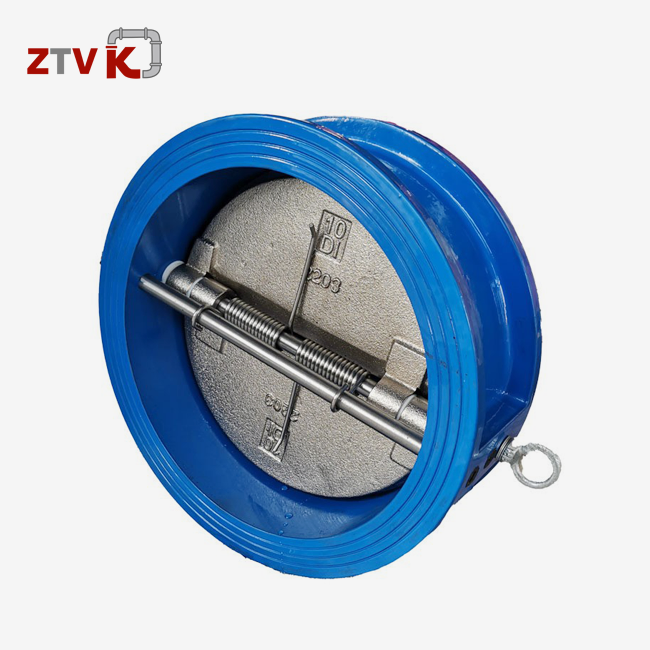
A 3 inch wafer check valve is a small, wafer-shaped device that doesn't allow flow to return in DN80 pipe systems. It fits between two standard flanges, usually ANSI Class 150 or 300, so the valve body doesn't need its own flanges. This design uses a disc or dual-plate device with a spring that stops automatically when downstream pressure is higher than upstream pressure. This keeps pumps, compressors, and other important equipment safe from damage caused by reverse flow. Compared to traditional flanged swing check valves, this one's slim shape takes up a lot less room and weight, making it perfect for situations where footprint and freight costs are important.
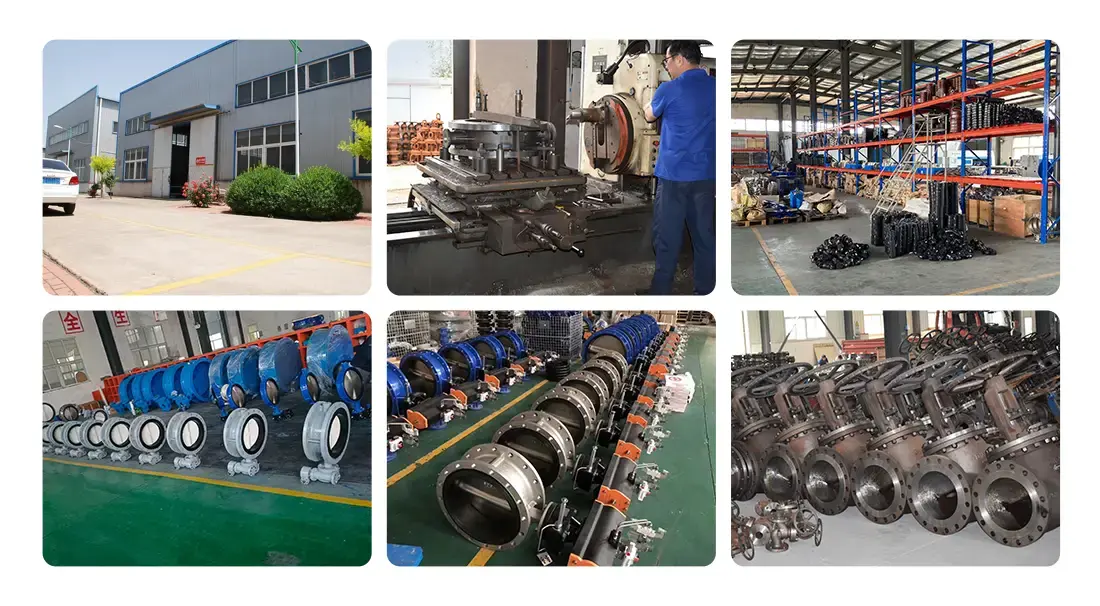
Understanding the 3 Inch Wafer Check Valve
This valve's main job is to let flow go in one direction while stopping flow in the opposite direction. When the fluid moves in the right direction, the disc pulls open against the force of the spring, letting the fluid pass with little pressure drop. As soon as the flow stops or turns around, the spring quickly closes the disc, stopping backflow before it can pick up speed. This device is very important for reducing water hammer, which is the hydraulic shock that happens when flow suddenly changes direction. Water hammer can break lines and damage equipment in petrochemical plants, water treatment plants, and HVAC systems.
Design Standards and Construction
3-inch wafer check valves meet the requirements of API 594 for face-to-face sizes and API 598 for pressure testing methods. The body material is usually between ASTM A216 WCB carbon steel for general use and ASTM A351 CF8M stainless steel 316 for places where corrosion is a problem. Soft seals like EPDM, NBR, or Viton can be used for bubble-tight shutdown at normal temperatures. For harsh working conditions above 400°C, metal-to-metal seats with Stellite overlays are available. Our Model D77X 3-inch wafer check valve at ZTVK is made from stainless steel 304 or 316, which makes it very resistant to rust in slightly acidic and alkaline media. The wafer-type link lets long bolts clamp between flanges, so you don't need extra seals or complicated installation hardware.
Key Advantages
This design for a valve solves a number of problems that purchase managers face every day. The small size gets rid of up to 80% of the weight that comes with similar swing check valves. This cuts down on the cost of shipping, installation labour, and the need for support structures. The short face-to-face measurement, which is in line with API 594, lets you fit more parts in mechanical rooms or remote platforms that are small and every inch counts. Gravity-dependent swing checks can only be used horizontally, but the dual-plate or spring-loaded axial flow design can be installed vertically. Over 50,000 cycles of use, rapid closing cuts down on slamming noise and increases service life, which lowers repair costs and unplanned downtime.
Comparing 3 Inch Wafer Check Valve with Other Types
To choose the right 3-inch wafer check valve, you need to know how the different types work in different situations. The following comparison shows the changes in structure, how they work, and how they are installed.
Wafer vs. Swing Check Valves
For swing check valves, the disc is flexible and swings open with the flow. It closes by gravity or backflow. They work well, but they are big, so they need longer face-to-face measurements and heavy flanges. 3 inch wafer check valves, on the other hand, pack the same features into a smaller shape, which makes them better when room and weight are limited. When the flow is steady and the line is straight, swing checks work well. But when the flow is fast and uneven, they don't work as well. 3-inch wafer check valve designs with springs are better at dealing with vertical positions and changing flow rates, so backflow is always stopped, no matter what angle the installation is at.
Material Variants: Stainless Steel vs. Brass
Material choice directly impacts function, cost, and life. 304 and 316 stainless steel are very good at resisting rust, so they can be used in chemical processing, marine settings, and public water systems where the fluid chemistry changes. Brass versions are cheaper and work well in clean air, water, and places with low rust, but they break down more quickly in chlorides or acidic environments. Carbon steel bodies, like WCB, are cheap for general industrial use, but they need coats to protect them in places that are wet or acidic. The D77X model from ZTVK is made of stainless steel 304/316, which is a good mix of longevity and cost for wholesalers who serve a wide range of regional markets.
Alternative Technologies: Piston, Ball, and Lift Check Valves
A piston check valve has a guided piston that slides along its axis to open and close. They offer exact control, but the media needs to be clean so they don't get jammed. Ball check valves have a rounded ball that fits into a cone-shaped hole. They have low cracking pressure but only come in a few sizes. Direct lift check valves have a disc that moves vertically. They work well for high-pressure steam lines but can chatter when the flow rate is low. Each technology has pros and cons when it comes to cracking pressure, leak tolerance, and upkeep requirements. Knowing these differences helps engineers match the type of valve to the flow characteristics of the system and the practical goals.
Installation, Maintenance, and Troubleshooting
Proper fitting and ongoing care have a direct effect on how long 3-inch wafer check valves last and how reliable the system is. Making mistakes during setup or not doing regular checks can cause failures to happen too soon, leaks, and expensive shutdowns.
Installation Best Practices
Step one is to make sure that the valve's size fits the pipeline's standard diameter (DN) and that the pressure number matches the system's requirements. If you place the 3-inch wafer check valve backwards, the flow will stop because the flow arrow on the body will not be pointing in the right direction. Make sure the sides of the flanges are clean, flat, and free of anything that could stop the gasket from closing properly. Put the right seal material between the valve and the plates. EPDM is good for water, while graphite or PTFE is better for higher temperatures. Tighten the flange bolts in a star design to spread the stress equally and keep the bolts from warping, which can lead to leaks. Tighten the bolts to the manufacturer's specs. If you tighten them too much, the valve body can crack, and if you tighten them too little, the flange can separate when the pressure changes.
Routine Maintenance and Inspection
3-inch wafer check valves are often called "maintenance-free" because they don't have any parts inside that can be fixed without taking the whole unit apart. However, exterior checks are still very important. Check for leaks around flange joints every six months, retighten bolts if the seal has relaxed, and listen for strange noises like chattering or banging that could mean the size or flow rate is wrong. If you see a rise in pressure downstream when flow stops upstream, it means the seat seal has probably failed, and the valve needs to be replaced. For types with springs, make sure that the cracking pressure stays within the range of 0.1 to 0.5 psi; any changes could mean that the springs are wearing out or that dirt is getting in the way.
Troubleshooting Common Issues
Backflow that happens even though the valve is closed is generally caused by damage to the seat from sharp particles, high temperatures, or materials that don't work well together. Check the seat, and if you see signs of wear, replace the valve. When flow velocity is too low to keep the disc fully open, it chatters, making a sound that sounds like it's opening and closing quickly. Some solutions are to make the pipes upstream smaller, speed up the flow, or choose a 3 inch wafer check valve with lower cracking pressure. Failure to properly tighten the bolts, broken gaskets, or misaligned flanges can all cause leakage. Tighten the bolts again, replace the gaskets, and make sure the flanges are straight. When a valve sticks and the disc won't open, it's usually because of corrosion or buildup of waste. Flush the system and repair the valve if the damage inside is bad.
Procurement Insights and Market Options
For buying to work well, there must be clear requirements, cost savings, and trust in the vendors. Knowing how to measure needs and find your way around the world of suppliers speeds up project timelines and keeps costs in check.
Sizing and Specification Essentials
Before you place your order, measure the inside width of your pipeline to make sure it is a 3-inch wafer check valve (DN80). Find the pressure class. At room temperature, Class 150 is up to 285 psi, and Class 300 is up to 740 psi. Choose a seat material based on the temperature it will be used at (soft seals for temperatures below 120°C, metal seats for steam and high-heat uses). Choose body and trim materials that won't rust, wear away, or react with chemicals by stating the type of fluid. To make sure that the flanges work together, write down the connection standards (ANSI, DIN, and JIS). By giving these details up front, you can cut down on wait times and avoid expensive rework.
Pricing Trends and Bulk Purchasing Advantages
Costs for stainless steel 3-inch wafer check valves vary from $80 to $250 per unit, based on the type of material, seat, and approval needs. The ones made of carbon steel cost less, around $50 to $150 per unit. If you buy 100 or more units, you can get a 15–25% discount on each one, and if you buy more than 500 units, you might get a 30% discount. Lead times also get shorter as the order size goes up. Standard models ship in 3–7 days, while special setups take 15–25 days. There is a 20% fee for rush orders, but shipping is sped up to 7–10 days. ZTVK keeps more than 2,000 standard units (DN50–DN600) in stock, which lets wholesalers with tight project deadlines get their orders quickly.
Trusted Suppliers and Industry Brands
Well-known brands like Apollo, Velan, Crane, and Swagelok control the market thanks to their reliable quality and wide range of approvals. Apollo's dual-plate 3-inch wafer check valve types made of stainless steel work great for HVAC and water treatment. Velan is an expert in making fire-safe high-pressure petroleum valves. Crane has carbon steel choices that are affordable for general industry, and Swagelok has monitoring valves that are precision-engineered for lab and process control. Check that the providers have ISO9001, API 6D, and CE certifications, ask for material traceability reports (MTRs), and make sure they have paperwork for hydrostatic tests according to API 598. ZTVK has ISO9001, ISO14001, and OHSAS18001 certifications, which make sure they follow international rules. They also offer OEM/ODM customisation and 18-month guarantees.

Making the Right Choice for Your Business
Matching the features of a 3-inch wafer check valve to the needs of an application means looking at practical factors, assessing the supplier's skills, and guessing what the future needs will be.
Application-Specific Selection Criteria
Material suitability is based on the type of fluid. 304 stainless steel is fine for clean water and HVAC cold loops. Chemical dosing lines that work with weak acids or bases need to be made of 316 stainless steel and have PTFE covers. Refineries need 3-inch wafer check valve bodies and seats that are fire-safe because they use high-pressure petroleum systems. The operating temperature affects the choice of seat. EPDM can handle temperatures up to 120°C, Viton up to 200°C, and Stellite covers can handle steam at 400°C or more. There must be a safety buffer between the pressure number and the highest system pressure. Class 150 is good for most city and HVAC systems, while Class 300 or higher is needed for petrochemical processes. The way the installation is done is important. Any design can work with horizontal lines, but vertical flow needs spring-loaded or dual-plate setups.
Comparing Top Market Solutions
Apollo's dual-plate 3-inch wafer check valves are made of stainless steel and have Inconel X-750 springs that allow them to close quickly when there is no flow. This lowers the risk of water hammer. Their small size makes them good for industrial areas that are limited in space. According to API 607, Velan's fire-safe models keep their structure during thermal events in industrial settings. The resin coats on Crane's ductile iron bodies keep them from rusting in damp places, which is why they are popular in water treatment plants in Southeast Asia. Precision-machined bodies from Swagelok have low cracking pressure and little leakage, making them perfect for lines in laboratories and equipment rooms where keeping things clean is very important. ZTVK's D77X model is made of stainless steel 304/316 and has a double eccentric design that lowers opening torque by 30%, increases cycle life to more than 50,000 operations, and works with both slightly acidic and alkaline media, so it can meet the needs of wholesalers and builders around the world.
Emerging Trends and Innovations
As material science progresses, metals that are more resistant to rust and lighter are being made for 3 inch wafer check valves. This lowers the cost of shipping and increases the service life of things. Using additive manufacturing, you can make parts with complex internal shapes that improve flow rates and lower noise. Smart valve technologies use sensors and an internet connection to give real-time information on flow rate, pressure, and disc position. This lets repairs be planned ahead of time and cuts down on unplanned downtime. Sustainability efforts increase the need for materials that can be recycled and designs that use less energy and reduce flow losses. ZTVK puts money into smart growth features like saving ports for electric and pneumatic actuators that let automation happen in the future without having to replace valve bodies. This helps customers make long-term improvements to their operations.
Conclusion
The 3-inch wafer check valve is still an important part of systems that treat water, heat and cool buildings, process petrochemicals, and build cities. Its small size, effective backflow prevention, and ability to be made of a variety of materials make it useful for a wide range of practical problems, such as managing corrosive media and limited space. Procurement managers and engineers can get valves that are safe, efficient, and that last a long time by learning the differences between valve types, following the right steps for installation and upkeep, and working with certified sources. As technology changes, new materials and smart features offer even better performance and durability. This type of valve will continue to meet the needs of current industrial applications.
FAQ
1. Can wafer check valves be installed in vertical pipelines?
In vertical applications, yes, spring-loaded or dual-plate 3-inch wafer check valves can be used because they close using spring force instead of gravity. Normal swing checks only work horizontally and depend on gravity. Always check the product specs to make sure that the valve position is compatible.
2. What distinguishes a wafer from a lug-style check valve?
Long bolts that go across the whole body of the 3-inch wafer check valve hold it in place between two flanges. This makes it a cheap choice for straight uses. Lug-style valves have threaded sections that let them bolt directly to a single flange. This is helpful for repair at the end of a line or when the downstream flange needs to be removed.
3. How do I choose seat material for steam service?
When it gets hot enough, soft seats like EPDM or NBR break. Metal-to-metal seats with Stellite hard-facing should be chosen so that they can handle high temperatures and wear. Allow that metal chairs allow only small amounts of leaking according to API 598 class IV or V standards. This is different from soft seals, which close bubble-tight.
4. What causes valve chattering, and how do I fix it?
When the 3-inch wafer check valve size is bigger than its actual flow rate, the disc repeatedly slams and partly opens. Some solutions are to make sure that the operating flow rate fully opens the disc or to choose a valve that has a lower cracking pressure that works with your flow conditions.
Partner with ZTVK for Reliable Wafer Check Valve Solutions
To find the right 3 inch wafer check valve maker, you need to find a partner who knows about quality, compliance, and getting things to you quickly. ZTVK is based in the Tianjin Beichen Industrial Zone, which is only 50 km from Tianjin Port. Through partnerships with COSCO and Maersk, it is able to offer fast global shipping. Our Model D77X 3-inch wafer check valve is made of stainless steel 304/316 and covers DN40-DN1000 standards. It works with weakly acidic and alkaline media in the chemical processing, HVAC, and water treatment industries. We keep more than 2,000 standard units in stock and can send them in 3–7 days. We also offer OEM/ODM services with production runs of 15–25 days. Our 18-month warranty and quick technical help, along with our ISO9001, ISO14001, and OHSAS18001 certifications, make sure that we meet all foreign standards. Whether you're a wholesaler looking for cheap bulk prices or a contractor needing supplies for a project right away, ZTVK can help. Our custom solutions are backed by proven engineering and smooth shipping. You can talk to us about your needs and get a full quote right away by emailing ktec86961886@163.com.
References
1. American Petroleum Institute. API 594: Check Valves – Flanged, Lug, Wafer, and Butt-welding. Washington, D.C.: API Publishing Services, 2017.
2. American Society of Mechanical Engineers. ASME B16.5: Pipe Flanges and Flanged Fittings. New York: ASME Press, 2020.
3. Zappe, R.W. Valve Selection Handbook: Engineering Fundamentals for Selecting the Right Valve Design for Every Industrial Flow Application. 5th ed. Burlington, MA: Gulf Professional Publishing, 2004.
4. Lyons, Jerry L., and William C. Askland. Standard Handbook of Petroleum and Natural Gas Engineering. 3rd ed. Houston: Gulf Publishing Company, 2015.
5. Skousen, Philip L. Valve Handbook. 3rd ed. New York: McGraw-Hill Education, 2011.
6. Smith, Peter, and R.W. Zappe. Piping and Pipeline Engineering: Design, Construction, Maintenance, Integrity, and Repair. Boca Raton, FL: CRC Press, 2009.
Send us your valve requirements and our team will provide professional solutions and fast quotations.
RELATED INDUSTRY KNOWLEDGE