- English
- French
- German
- Portuguese
- Spanish
- Russian
- Japanese
- Korean
- Arabic
- Greek
- German
- Turkish
- Italian
- Danish
- Romanian
- Indonesian
- Czech
- Afrikaans
- Swedish
- Polish
- Basque
- Catalan
- Esperanto
- Hindi
- Lao
- Albanian
- Amharic
- Armenian
- Azerbaijani
- Belarusian
- Bengali
- Bosnian
- Bulgarian
- Cebuano
- Chichewa
- Corsican
- Croatian
- Dutch
- Estonian
- Filipino
- Finnish
- Frisian
- Galician
- Georgian
- Gujarati
- Haitian
- Hausa
- Hawaiian
- Hebrew
- Hmong
- Hungarian
- Icelandic
- Igbo
- Javanese
- Kannada
- Kazakh
- Khmer
- Kurdish
- Kyrgyz
- Latin
- Latvian
- Lithuanian
- Luxembou..
- Macedonian
- Malagasy
- Malay
- Malayalam
- Maltese
- Maori
- Marathi
- Mongolian
- Burmese
- Nepali
- Norwegian
- Pashto
- Persian
- Punjabi
- Serbian
- Sesotho
- Sinhala
- Slovak
- Slovenian
- Somali
- Samoan
- Scots Gaelic
- Shona
- Sindhi
- Sundanese
- Swahili
- Tajik
- Tamil
- Telugu
- Thai
- Ukrainian
- Urdu
- Uzbek
- Vietnamese
- Welsh
- Xhosa
- Yiddish
- Yoruba
- Zulu
What Is a Carbon Steel Butterfly Valve Used For?
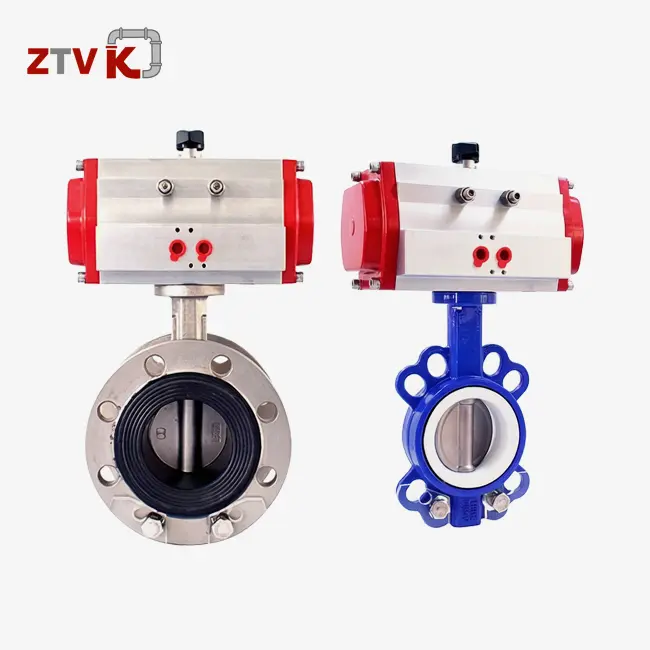
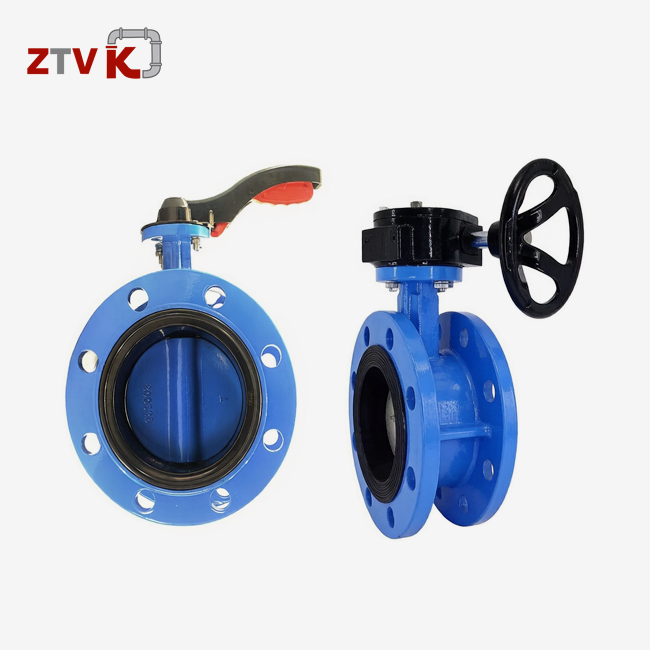
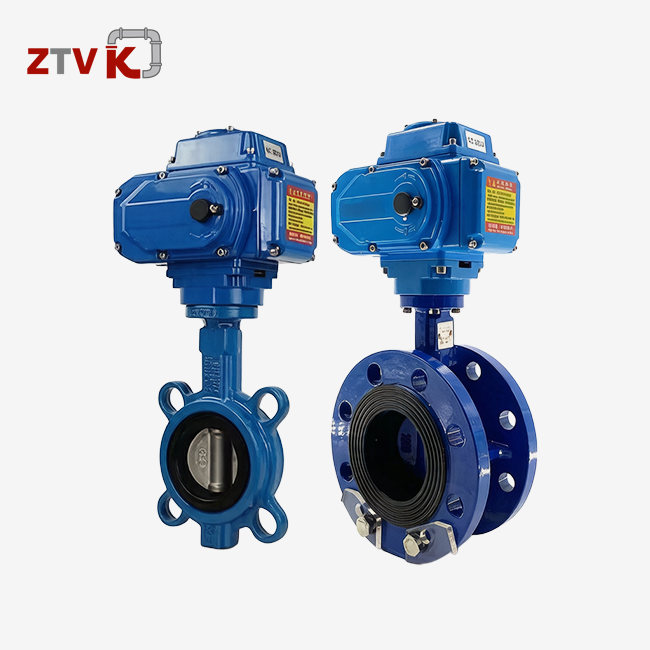
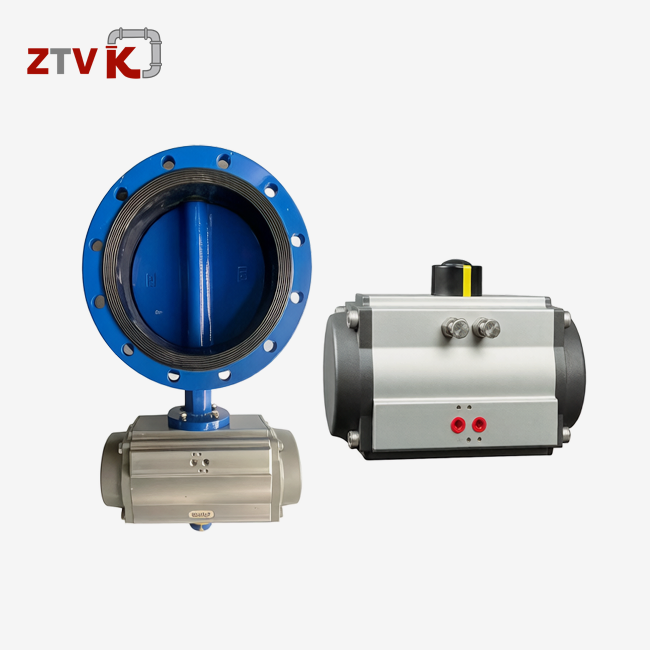
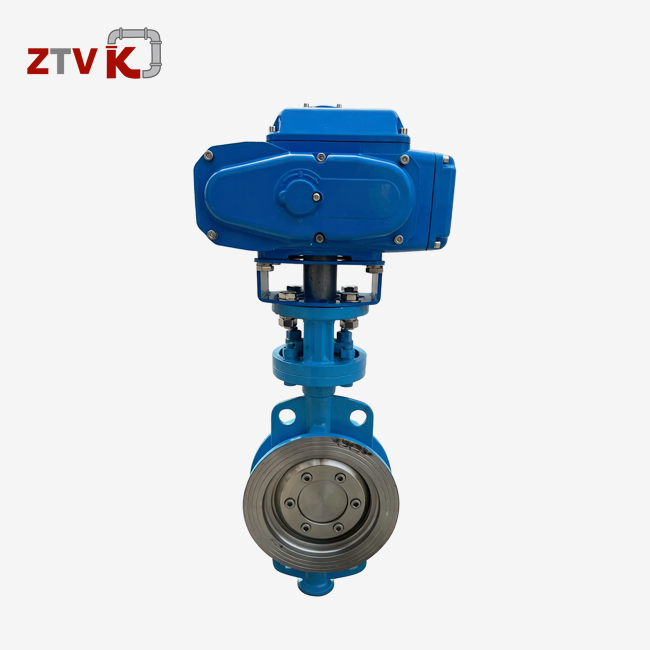
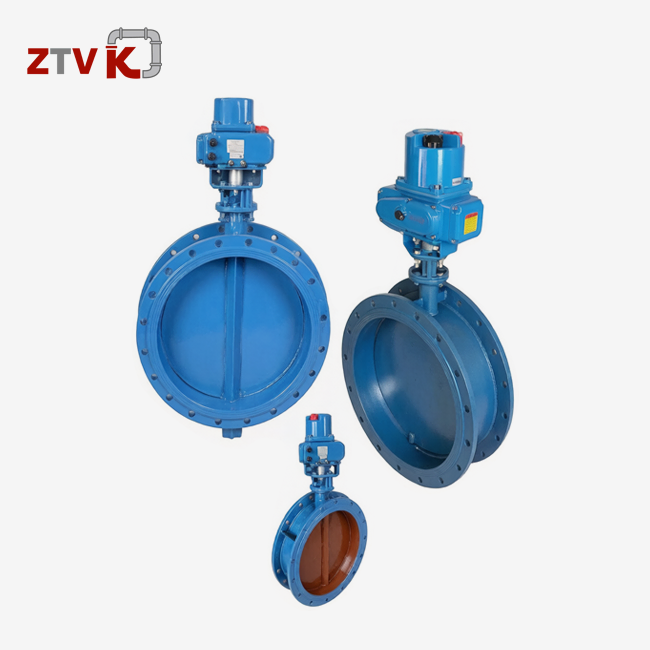
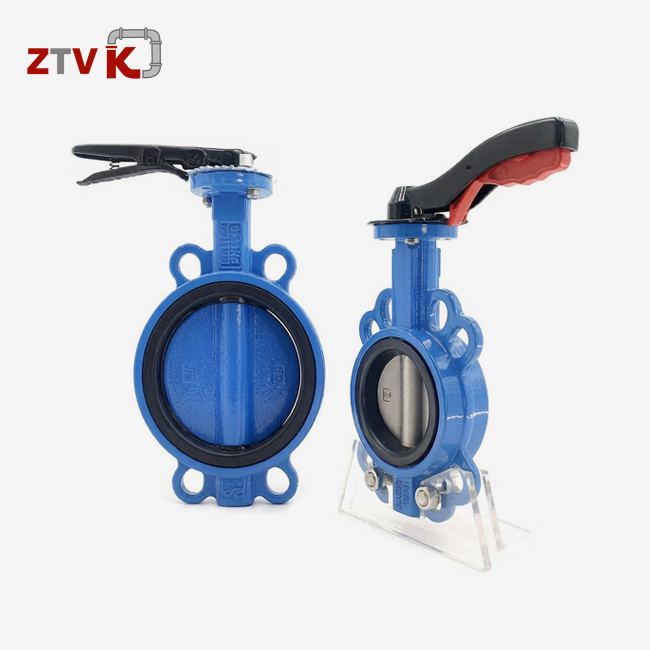
As a quarter-turn rotary flow control device, a carbon steel butterfly valve is used to control, separate, and handle the flow of fluid in industrial pipe systems. These valves work great with water, steam, air, oil, and many chemicals because they are made from strong cast or formed steel metals like ASTM A216 WCB. Their special disc shape can be rotated 90 degrees to open or stop the flow path. They work reliably in many areas, such as power plants, petrochemical plants, local water treatment plants, and HVAC installs. This type of valve is between cheaper cast iron options and more expensive stainless steel choices. It offers great durability at a price that's easy on the wallet for big purchases.
Understanding Carbon Steel Butterfly Valves and Their Key Functions
Core Structure and Working Mechanism
These valves have four crucial elements that function together. In the middle of the valve body, a circular metal plate called the disc spins opposite the flow. When a human lever or mechanical actuator turns the stem 90 degrees, the disc opens against the flow. Compared to multi-turn gate valves, quarter-turn valves respond faster, reducing system adjustment delays.
The valve body, commonly WCB steel, holds pressures between PN10 and PN16 (150LB to 300LB in ANSI values). The stem, precisely cut to prevent wobbling, connects the external actuator to the internal disc. The seat, which can be wrapped in elastomer or constructed of metal and metal, seals tightly when the valve turns off, preventing leakage even when the temperature varies.
Temperature and Pressure Parameters
These valves may be utilised in cold water to mild steam systems because our manufacturing standards allow for -15°C to 135°C. For flow-controlling applications, the pressure rates meet international requirements and work with diameters from DN50 to DN1200. Seasonal temperature changes in municipal drainage systems are typical of this spectrum. Factory hot condensate return pipes are covered.
Industrial Applications and Real-World Performance
Chemical processing plants employ these valves in transfer lines for acids, salts, and solvents. A Texas city contractor bought 200 units for a wastewater treatment facility expansion. They picked these valves because they can endure tough slurries for five years without seat wear.
HVAC builders admire how little space the wafer-style body takes up between flanges, which decreases system costs in entire mechanical rooms. The fail-safe closure mechanism is crucial for fire safety system integrators. Spring-return actuators seal the disc in emergencies, keeping harmful items in defined zones.
Power plant cooling water lines and wastewater cleaning systems employ these carbon steel butterfly valves. The ductile carbon steel structure can take hydraulic spikes better than iron, preventing catastrophic failures when the pump begins or the valve slams. One utility provider tracked 150 installed units for eight years and discovered that none needed to be replaced without a plan. Because the units are dependable over time, repair expenses and equipment downtime are reduced.
Benefits and Advantages of Carbon Steel Butterfly Valves for Industrial Use
Material Strength and Economic Value
WCB carbon steel has a tensile strength 40% greater than cast iron at over 485 MPa. Toughness is necessary when valves undergo water pounding or thermal expansion, which would destroy weaker materials. Stainless steel 316 alternatives cost 2.5 times more than carbon steel, which is suitable for non-acidic media and lowers project costs for wholesalers with tiny profit margins.
Some applications employ brass and PVC valves, but they can't tolerate large-scale pressure. A PVC device of the same size would shatter at over 10 pressure, whereas a DN300 carbon steel valve can handle 16 bar continuously. API 607 fire safety regulations allow steel to be utilised in industrial environments where polymer valves would melt.
Operational Efficiency Metrics
After 50,000 uses without bench wear, our quality control lab found the product works. The twin eccentric design reduces opening torque by 30% over circular disc versions. This reduces motor size and energy usage. The cost of a 200 Nm pneumatic actuator is $800, whereas a 300 Nm device that requires larger air engines is almost $1,400.
Maintenance takes longer because the oblique sealing method minimises disc-seat friction while spinning. Butterfly valves need routine inspections every 36 months, whereas gate valves need stem packing adjustments every 18 months. For valves that handle abrasive materials like mine tailings or wastewater with solids, seat evaluations should be done once a year, and visual checks for exterior rust every three months.
Practical Maintenance Guidelines
Lubricating stem bearings with high-temperature grease annually prevents galling in moist environments. Gasket compression remains good as elastomers age by tightening body nuts to the manufacturer's datasheet torque requirements (typically 60–80 Nm for DN100 units). EPDM seats with cracks or sets above 20% of their original thickness should be replaced. This generally develops after seven or 10 years of chemical or water service.
Choosing the Right Carbon Steel Butterfly Valve: Criteria and Considerations
Valve Configuration: Wafer vs. Lug Types
Pipeline layout determines valve type. Wafer-shaped body forms fit between flanges and are kept in place by through-bolts that compress upstream and downstream connections. This design works well for long-term installations with downstream supporting pipes. Not needing flanged ends saves money on valve materials. Each lip of lug-style valves may be fastened independently due to threaded plugs surrounding the body. By halting flow in one direction and withdrawing the pipe downstream for repair, this design allows dead-end servicing. Pump discharge pipes and tank inlets require this.
Sizing and Pressure Rating Alignment
Right size meets flow capacity and speed constraints. A DN200 carbon steel butterfly valve that transfers 180 cubic meters of fluid per hour keeps fluid speed below 3 m/s, preventing noise and damage. Lowering the size to DN150 would increase speed to 4.5 m/s, causing seat wear and shaking. Our engineers create Cv coefficient tables to match valve sizes to flow. So wholesalers can make the proper selections on their initial orders and prevent costly returns.
Pressure rates must account for system surges and stable head. A city water main with 8 bar pressure should have PN16 valves to accommodate 12 bar surges when the pump trips. PN10 is sufficient for HVAC cold water loops and low-pressure drainage systems, while 300LB ANSI covers most petrochemical usage below 150°C.
Customization and OEM Capabilities
In addition to cataloguing goods, we build valves from client models. To suit actuator mounts, a new equipment OEM changed stem heights. A 25mm expansion was added without rethinking the mechanism. ODM services can replace materials with duplex steel discs for salt water, or Inconel stems for high-sulfur gas streams. This addresses regional working conditions-specific rust issues.
Valve complexity determines lead times. Regular DN100 wafer valves with EPDM seats ship in five days, while a unique DN600 lug valve with metal seats and larger stems takes 18 days to cast, mill, and test under pressure. A 20% rush order charge can reduce custom valve manufacturing to ten days, helping with project delays or equipment breakdowns that need immediate replacement.
Procurement Insights: Buying Carbon Steel Butterfly Valves Efficiently
Sourcing Strategy and Supplier Qualification
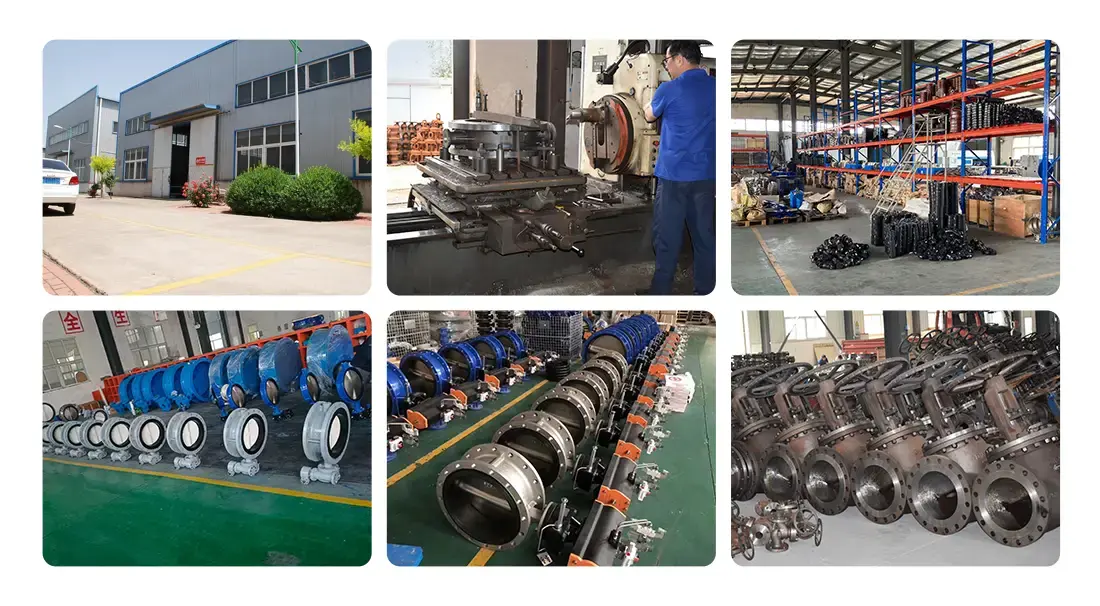
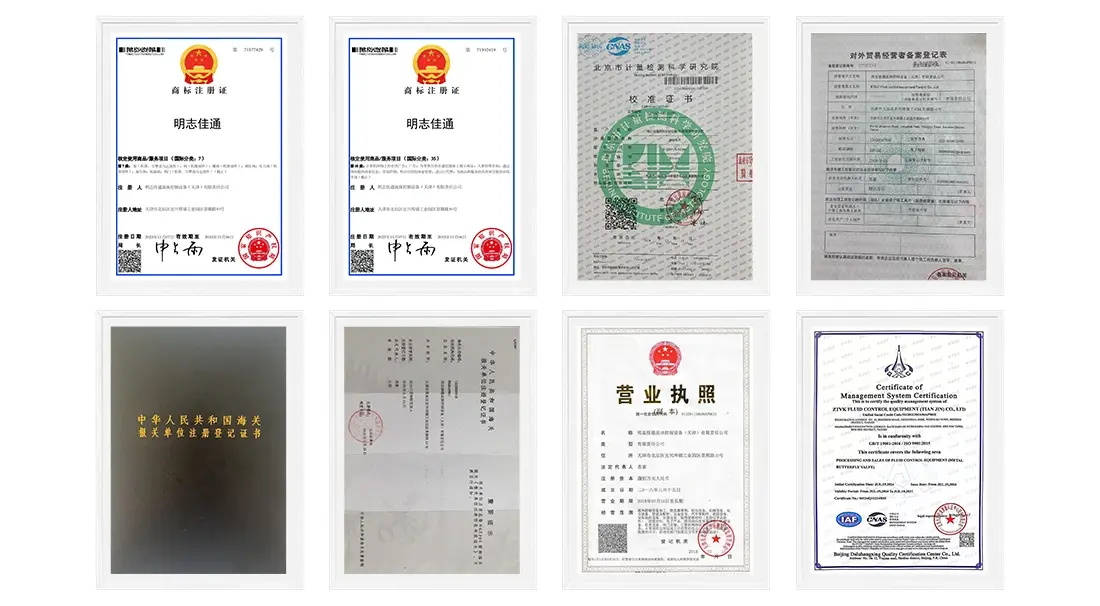
Manufacturers with ISO9001 accreditation and API compliance inspections have solid quality management systems. Factory reports from third parties demonstrate what can be created. Our Beichen District business in Tianjin makes around 2,000 standard valves each month using CNC machining machines and hydrostatic test equipment. Being close to Tianjin Port decreases travel time inside China by half, saving shipping expenses that distance producers pass on to purchasers as higher freight charges.
For supplier security, check the business's registration date and customer references. Southeast Asian and Middle Eastern distributors that respect quality have been our customers for over 15 years. Before placing a large purchase, get test certifications, material manufacturing papers, and sample units. Reliable vendors will happily give these, whereas unreliable sellers will disregard your demands.
Bulk Pricing and Volume Negotiations
Quantity splits usually occur at 50 units. One DN150 valve costs $320 FOB Tianjin, but 100 of them cost $265, a 17% discount that boosts the distributor's profit margins. Blanket purchase orders with quarterly releases lock in costs for 12 months, guarding against raw material price fluctuations and enabling project-specific delivery plans.
Customisation affects pricing differently from numbers. Standard valves cost $450 to $680 more with electric actuators, depending on power needs. Before several projects, vendors can negotiate actuator parameters and buy parts in bulk, saving the customer 8–12% in sourcing expenses.
Logistics and Delivery Management
Ocean freight from Tianjin to Los Angeles takes 18–22 days, but 28 days via Houston. Air freight travels in 5–7 days but costs 6–8 times more. This procedure is solely for emergency repairs, not shopping. Our ties with COSCO and Maersk ensure regular ship schedules, and the ISPM 15-compliant wooden box packing prevents pest-related customs delays.
CIF estimates include freight and insurance, making import planning easier for smaller sellers without freight forwarding agreements. FOB arrangements are used by larger trading organisations because they may employ carrier rates to reduce landing expenses. When you agree on Incoterms during the quote, there are no ambiguities concerning shipment damage liability. Shipping damage to a 420-kg DN800 valve without clear accountability leads to costly disputes.
Installation and Maintenance Best Practices for Optimal Valve Performance
Pre-Installation Inspection and Preparation
Open the valves carefully and check for shipping-related disc edge or stem thread damage. The nameplate should match the buy order in size, pressure number, and material certifications. Remove sealing surface coatings with manufacturer-recommended solvents. Residual oils can contaminate potable water or process chemicals.
Check flange side flatness using a straightedge. Warped flanges over 0.5 mm inhibit gasket compression, causing leaks regardless of valve quality. Wire brushes can remove rust, old gasket material, and weld spatter from fittings to prevent leaks. Valve stems should face the actuator for easier access. In mechanical rooms, overhead installations need 450 mm above the stem for manual operation or actuator placement.
Installation Sequence and Torque Specifications
Align wafer holes carefully. To avoid the disc edge sticking to the seal material, insert the valve between the flanges with the disc open. Finger-tighten bolts through the valve body and flanges. Then, tighten the bolts in a star pattern to 70 Nm for DN100 (adjust for gasket and flange type; see ASME B16.5). Over-torqueing breaks valve bodies and seals. Under-torque lets the joint separate when pressure varies.
Each lug-type ring is fastened separately. Attach the upstream flange fully before installing the downstream pipe. Turn the stem by hand 90 degrees to provide disc space. The actuator driving shaft must be square to the valve stem when fixed. Bushings can wear out fast and become trapped if misaligned by 2 degrees.
Routine Maintenance and Troubleshooting
Every three months, check for surface rust, actuator air leaks (listen for hissing at the pneumatic connections), and stem packing tightness (minor weeping is OK, but continuous leakage has to be corrected). The carbon steel butterfly valve's yearly maintenance includes 10 cycles and torque monitoring. Sudden torque increases need seat dirt or disc imbalance cleaning and reassembling.
Disc pressure differences typically cause hard closure. Escape lines surrounding large valves equalise pressure before closing, reducing actuator strain. When chemicals degrade elastomers more quickly than planned, seats leak. Changing from EPDR to Viton seats enhances hydrocarbon service life, but materials cost 35% more. QR-coded valve nameplates with repair videos. So, maintenance workers can readily repair typical issues without calling engineers.
Compliance with Safety and Environmental Standards
ANSI/AWWA C504 potable water valves must utilise NSF-approved elastomers without cancer-causing plasticisers. ISO 5211 actuator mounting connections allow actuator brands to work together. It prevents vendors from locking you onto one brand during upgrades. API 609 compliance tests equipment pressure-temperature ratings in front of witnesses. Petroleum facilities must do this because improperly rated equipment might expose them to liability.
Installation is affected by environmental legislation, including the EPA's secondary containment standards. Drip pans under filling boxes capture emissions from valves that handle harmful substances. ISO 14001-inspected facilities retain maintenance records showing seal changes before leaks. They worry about the environment, reducing penalties, and public complaints.
Conclusion
To choose and get lasting carbon steel butterfly valves, you need to know about their technical specs, the benefits of the material, and the supplier's abilities that match your company's buying goals. These valves are a great deal because they are built to last, can be used in a variety of situations, and are easy to maintain. They are perfect for setups in the energy sector, chemical processing, and water treatment. To make a good purchase, you need to look at things like pressure rates, temperature limits, and customization options. You should also work with certified makers who offer clear quality documentation and dependable logistics. Distributors and workers can make sure that equipment lasts as long as possible and costs as little as possible in harsh industrial settings by installing it correctly, inspecting it regularly, and following best practices that are in line with international standards.
FAQ
Q1: How does carbon steel compare to stainless steel for valve applications?
Compared to stainless steel 316, carbon steel is 60–70% cheaper and has enough rust protection for neutral pH water, oil, and gas service. When working with acidic media (pH < 4) or chloride amounts higher than 500 ppm, like in coastal desalination plants or some chemical processes, stainless steel is needed.
Q2: What industries benefit most from these valve types?
The main markets are municipal water companies, HVAC firms, and petrochemical plants. They are used in boiler feedwater and other non-product-contact uses in food processing plants. They are also used in cooling tower circuits and ash handling systems in power plants.
Q3: Can carbon steel butterfly valves handle high temperatures?
Our basic models work reliably up to 135°C, which is hot enough for most steam heating and hot water needs. For work at higher temperatures, better trim materials are needed. Elastomers are replaced with metal seats, and stems get hardened coats to stop galling above 200°C.
Q4: What lead times should buyers expect for customized orders?
Standard changes, like longer stems or different actuator mounts, take 8 to 12 days longer to make. Lead times can be 20 to 25 days if you need to make complex changes to the metal or do non-standard pressure testing. However, if you pay extra for faster handling, this time can be cut to 10 days.
Partner with ZTVK for Reliable Carbon Steel Butterfly Valve Solutions
Our factory in Tianjin is dedicated to providing reliable quality and quick service to industrial valve dealers, contractors, and equipment OEMs around the world. We can help you meet your buying timeline, whether you need urgent shipments or custom-engineered solutions. We have ISO9001 and ISO14001 certifications and over 2,000 standard units in stock. We've been perfecting our oblique sealing technology and double eccentric design for 15 years to make them last longer and cost less to maintain. They can be used over 50,000 times. Our research team makes sure that every valve design meets your exact system needs by providing CAD drawings, material certifications, and application support. We are only 50 kilometers from Tianjin Port and have long-term relationships with both COSCO and Maersk. We offer low FOB Xingang and CIF destination port prices that help you stand out in the market. Email our team at ktec86961886@163.com to talk about large orders, OEM branding, or to get specific quotes on DN50–DN1200 valves that are the right size for your next project. There you'll find specifications, test reports, and installation tips that will help you make confident buying choices for carbon steel butterfly valve supplier partnerships.
References
1. American Water Works Association (2017). AWWA Manual M49: Quarter-Turn Valves: Head Loss, Torque, and Cavitation Analysis. Denver: AWWA Publications.
2. Skousen, Philip L. (2011). Valve Handbook (3rd Edition). New York: McGraw-Hill Professional.
3. American Petroleum Institute (2018). API Standard 609: Butterfly Valves: Double-Flanged, Lug- and Wafer-Type (8th Edition). Washington: API Publishing Services.
4. Zappe, R.W. (2004). Valve Selection Handbook: Engineering Fundamentals for Selecting the Right Valve Design for Every Industrial Flow Application (5th Edition). Houston: Gulf Professional Publishing.
5. ASME International (2021). ASME B16.34: Valves—Flanged, Threaded, and Welding End. New York: American Society of Mechanical Engineers.
6. Smith, Peter & Zappe, R.W. (2003). Valve Selection and Specification Guide. Oxford: Butterworth-Heinemann Technical Publications.
Send us your valve requirements and our team will provide professional solutions and fast quotations.
RELATED INDUSTRY KNOWLEDGE