- English
- French
- German
- Portuguese
- Spanish
- Russian
- Japanese
- Korean
- Arabic
- Greek
- German
- Turkish
- Italian
- Danish
- Romanian
- Indonesian
- Czech
- Afrikaans
- Swedish
- Polish
- Basque
- Catalan
- Esperanto
- Hindi
- Lao
- Albanian
- Amharic
- Armenian
- Azerbaijani
- Belarusian
- Bengali
- Bosnian
- Bulgarian
- Cebuano
- Chichewa
- Corsican
- Croatian
- Dutch
- Estonian
- Filipino
- Finnish
- Frisian
- Galician
- Georgian
- Gujarati
- Haitian
- Hausa
- Hawaiian
- Hebrew
- Hmong
- Hungarian
- Icelandic
- Igbo
- Javanese
- Kannada
- Kazakh
- Khmer
- Kurdish
- Kyrgyz
- Latin
- Latvian
- Lithuanian
- Luxembou..
- Macedonian
- Malagasy
- Malay
- Malayalam
- Maltese
- Maori
- Marathi
- Mongolian
- Burmese
- Nepali
- Norwegian
- Pashto
- Persian
- Punjabi
- Serbian
- Sesotho
- Sinhala
- Slovak
- Slovenian
- Somali
- Samoan
- Scots Gaelic
- Shona
- Sindhi
- Sundanese
- Swahili
- Tajik
- Tamil
- Telugu
- Thai
- Ukrainian
- Urdu
- Uzbek
- Vietnamese
- Welsh
- Xhosa
- Yiddish
- Yoruba
- Zulu
What are motor actuated butterfly valve?
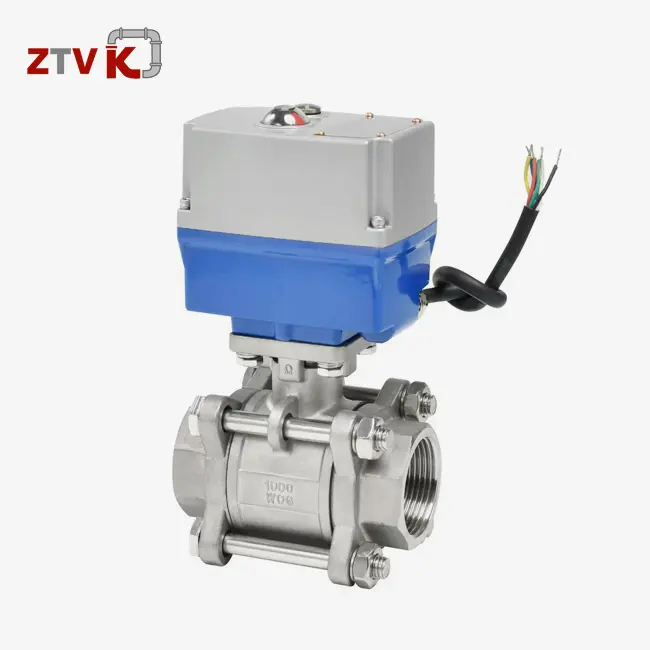
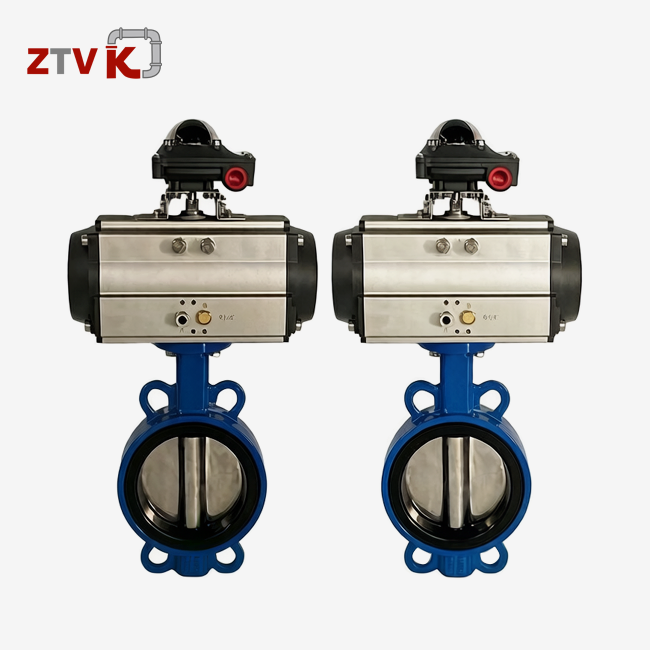
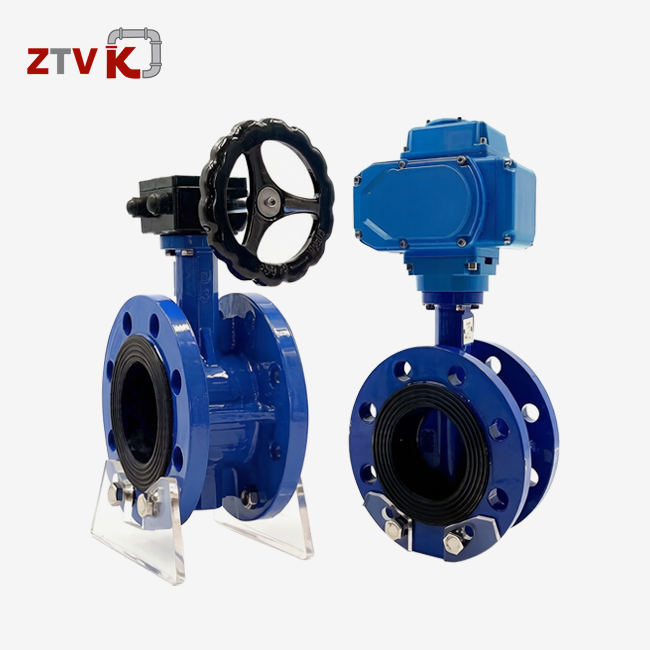
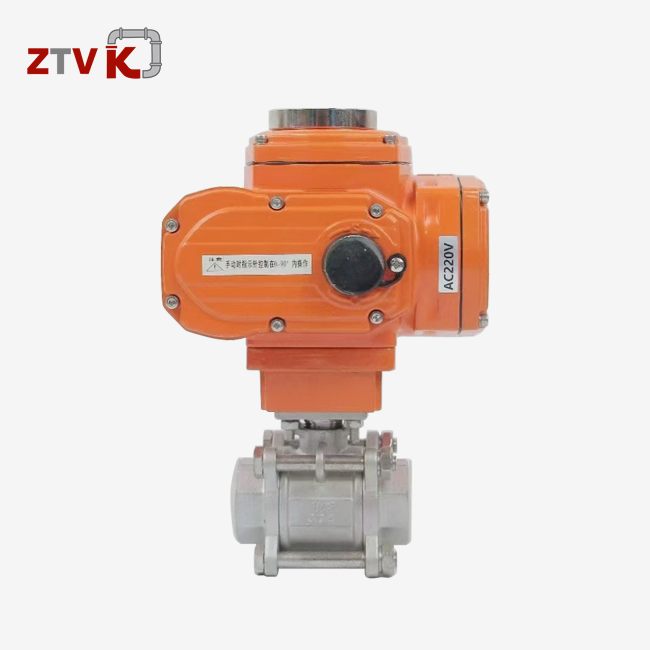
When discussing modern industrial automation, the motor-actuated butterfly valve stands at the forefront of reliable flow control technology. This device merges a traditional butterfly valve body with an electric actuator to enable remote, automated regulation of fluid flow. Unlike manual valves that demand physical presence and labor, or pneumatic systems requiring compressed air infrastructure, electric actuation converts electrical signals directly into rotary motion. The actuator rotates the valve disc precisely 90 degrees, transitioning smoothly between fully open and fully closed positions. This controlled motion prevents sudden pressure changes—often called water hammer—that can damage pipelines and connected equipment. Motor-actuated butterfly valves integrate seamlessly with PLC and SCADA control systems, allowing operators to monitor and adjust flow from centralized control rooms rather than sending technicians into hazardous or remote locations.


Understanding Motor Actuated Butterfly Valves
Core Components and Construction
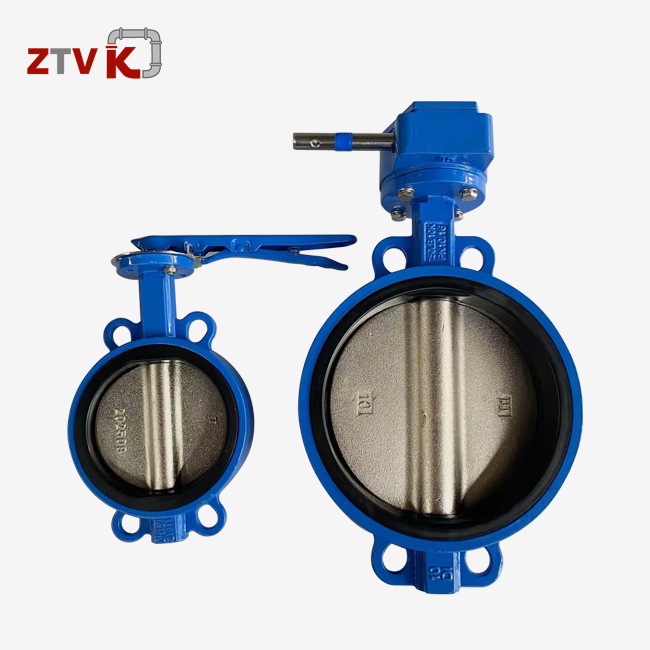
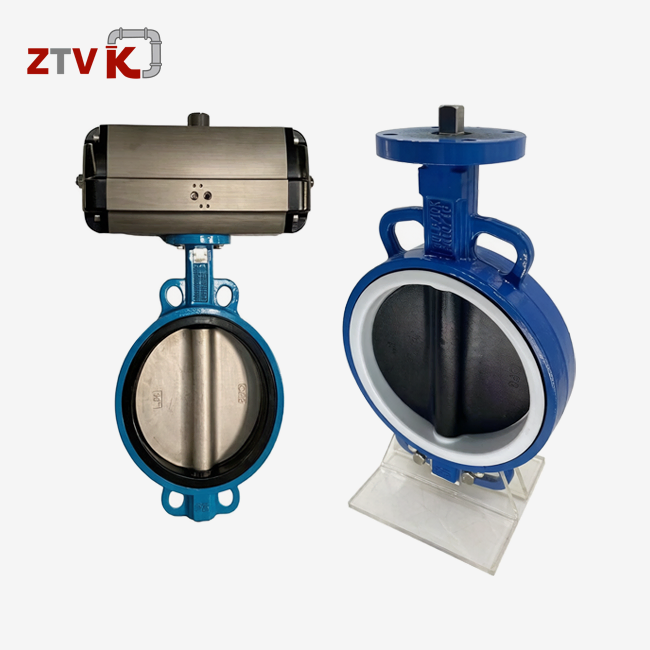
Understanding how these valves work shows why they always do their job. The valve body is usually shaped like a wafer and is inserted between pipe flanges to save installation space and weight compared to lug or flanged styles. High-quality frames are made from CF8 or CF8M stainless steel, which is very resistant to the corrosive media that are found in chemical processing or seawater use. Depending on the conditions of use, the disc (the spinning part that controls flow) can be made from malleable iron, different types of stainless steel, or aluminum bronze. EPDM is good for general water service, NBR is good for oil products, PTFE is good for chemical compatibility, and VITON is good for high-temperature uses. Connection standards like ISO5211, PN10/PN16, or ANSI 150LB make sure that the mounting interface for the actuator meets engineering standards around the world.

Working Principles of Electric Actuation
Electric actuators have a motor inside that turns a gearbox, turning high-speed rotation into high-torque output that can push the disc against the fluid pressure. The motor turns the output shaft that is attached to the valve stem when the control system sends a voltage signal. When the disc reaches the fully open or fully closed position, limit switches inside the actuator cut power automatically to stop it from moving too far. More advanced types can handle analogue inputs (4-20 mA or 0-10 V), which lets you control the flow by modulating where the disc stops at different angles. This feature is very useful in situations where keeping certain flow rates affects both the speed of the process and the quality of the final product, such as in HVAC chiller loops or chemical dose systems.
Types and Material Variations
Most butterfly valve applications use quarter-turn actuators because they rotate exactly 90 degrees, which is how the valve is designed mechanically. The sizes range from small 1.5-inch units for lab pipes to huge 48-inch (DN1200) assemblies for city water mains. Working pressures are usually between PN10 and PN16, which is good for most infrastructure and industry work. For example, carbon steel bodies work well in mildly acidic or highly pure environments, while CF8M stainless steel is better for environments that are more acidic or highly pure. In desalination plants, aluminum bronze discs don't rust when exposed to seawater, and PTFE seats keep polymers from building up in food and drug production lines.
Key Benefits and Industrial Applications
Advantages Driving Market Adoption
The main reason people choose electric movement is for automation. Taking people out of regular valve changes cuts down on labor costs and eliminates the chance of making mistakes. Modern motors can place discs to within ±1 degree of accuracy, which lets flow rates be fine-tuned. This level of precision is not possible with hand wheels. The motor only uses power when the valve moves, which is different from pneumatic systems that need constant air pressure from compressors that use a lot of power. When people don't have to climb ladders or go into small areas to work valves in elevated tanks or underground tubes, safety naturally improves.
These benefits have real value in a number of different areas. Large-diameter motor-actuated butterfly valves are used in aeration tanks at municipal water treatment plants. The valves open and close slowly so that hydraulic shock doesn't damage old infrastructure. These valves are used by HVAC engineers in district cooling systems. They work with building management platforms to make sure that the flow of chilled water is balanced based on real-time thermal loads. Chemical plants like using this technology in reactor feed lines because it gets rid of the risk of pollution caused by air exhaust and makes sure that the operation is reliable even when working with thick or rough slurries.
Real-World Application Scenarios
In oil and gas facilities, these valves control the flow of pipelines at wellheads and plants. It is very important that they can handle high temperatures and pressures. They are put in reverse osmosis skids by desalination plants, where precise flow control affects how well the membranes work and how much energy they use. Fail-safe valves in fire protection systems close immediately when the power goes out. This separates parts of sprinkler networks in case of an emergency. Even wastewater treatment plants use epoxy-coated motors that can handle the harmful hydrogen sulphide gases that are common in areas where sludge is processed.
Maintenance Strategies for Longevity
Structured maintenance protocols must be followed to extend the service life. Every three months, the limit switch settings should be checked to make sure they are still correct, and the actuator housing seals should keep water out. The valve stem needs to be checked for scoring or rust on a regular basis, as this could increase the working force beyond what the actuator can handle. In slurry services, seat areas need extra care because weathering can make shut-off less effective. Modern actuators have sealed gearboxes that are constantly lubricated. This means that they don't need to be greased, but they do need to have their bearings inspected after a certain number of processes, which is often more than 50,000.
Motor-Actuated Butterfly Valve vs. Alternatives: Making the Right Choice
Comparison with Manual and Pneumatic Options
Manual butterfly valves are cheaper up front, but they require more work over time and can't be automated. They work well in situations where changes don't happen very often, like when seasonal isolation is needed in irrigation systems for farms. Pneumatic control has shorter stroke times than electric motors, which makes it better for shutting down plants in an emergency. But pneumatic systems need infrastructure for compressed air and need to have their filters maintained regularly. They also have response delays when long air lines cause compressibility lag. Electric control gets rid of these problems because it can work successfully anywhere electricity is available.
Selection Criteria for Optimal Performance
The size of an actuator is based on how much torque it needs to work. Engineers figure out how much torque is needed to overcome the disc's differential pressure at its fastest speed. They then add a safety margin, usually 30%, to account for seal friction and future wear. Ratings for environmental factors are important. For example, IP65 enclosures protect against dust and water jets in outdoor installations, while IP68 versions can withstand being submerged for a short time in flood-prone pump stations. Products with certification marks like ISO9001, CE, and API 609 show that they meet quality and safety standards, which lowers the risk of buying them.
When businesses decide what to buy, the image of the brand is important. Suppliers who have been in business for a long time show that they are stable, and those who offer 18-month promises show that they are confident in the way they make their products. Professional makers can tell the difference between average providers by the quality of their documentation. Full technical datasheets, certified material test results, and traceable serial numbers all help with compliance checks and troubleshooting years after the product was installed. Motor-actuated butterfly valve products also benefit from this level of documentation and supplier reliability.
Procurement and Installation Guide for B2B Buyers
Evaluating Suppliers and Specifications
When buying valves for big projects, buyers should make sure that sellers have ISO certifications and can test valves hydrostatically to make sure they meet pressure rates. Lead times have a big effect on project plans. Manufacturers with a lot of stock can ship basic DN50–DN600 units within days, but custom designs could take weeks. With OEM services, dealer names can be added to valves, and connection types like wafer, lug, and flanged can be changed to fit different pipe systems. A lot of the time, bulk purchase agreements let you get tiered pricing, with discounts of up to 15-20% for orders over 100 units.
The level of technical support can be seen in how quickly and thoroughly they help you. Reliable suppliers offer CAD drawings that can be used with 3D modelling software. This lets engineers check that the parts will fit in with existing layouts before placing an order. Questions asked during pre-sales talks should be about things that are specific to the application, like cavitation risks, fire safety ratings, or meeting local standards like JIS 5K/10K for Japanese markets or ANSI 150LB for North American projects.
Installation Best Practices
Before taking off the protective coatings, the valve and actuator should be checked for damage from shipping. The piping needs to be perfectly lined up so that the valve body doesn't have to deal with bent stress, which could damage seals and raise the working torque. Voltage specs must be followed when making electrical connections. To keep the motor from burning out, make sure the rated voltage of the actuator fits the voltage of the power supply. To keep electromagnetic interference to a minimum, wiring should be done according to the manufacturer's terminal diagrams, with power and control data going through different wires. During commissioning, the valve is cycled through all of its full strokes while torque is measured and the limit switch's activation points are checked. Writing down these baseline parameters helps with future troubleshooting by showing when things aren't working normally.
Troubleshooting and Maintenance: Ensuring Continuous Performance
Common Issues and Solutions
A lot of the time, actuator failures are caused by electrical problems, like thermal overload switches that blow because of too much cycling or mechanical jamming. Most jamming problems can be fixed by checking the stem coupling for debris and making sure the disc can spin easily inside the body. Most sealing leaks are caused by worn-out seat materials. EPDM seats break down when they come into contact with petroleum products that are too strong for them, and PTFE seats can extend under high pressure if they don't have the right backup rings. When there are problems with electrical signals, valves may not move or respond properly. This can be caused by loose wire connections, broken cables, or problems with the controller's output.
Proactive Maintenance Checklist
For important process applications, routine repair should happen every six months. For less demanding services, it should happen once a year. Technicians must make sure the stability of the actuator housing by checking the state of the gasket and making sure the drainage plug works. Calibration of the limit switch makes sure that the actuator stops exactly where it should at the open and closed states. This keeps the disc from touching the body, which speeds up wear. Intelligent actuators have software tests that show patterns of gear train wear, estimates of how many cycles are left, and motor current draw trends that can be used to predict problems weeks before they happen.
Figuring out when to get professional help is important for keeping investments safe. Grinding, screaming, or clicking sounds during operation are signs of internal mechanical damage that needs to be taken apart by trained professionals. Sudden torque increases above the initial starting values are a sign of internal rust or deposit buildup that needs to be fixed right away. Damage caused by improper installation or usage beyond rated limits is usually not covered by warranties. This is why following the manufacturer's instructions is very important for a claim to be valid. Facilities that have to deal with unplanned downtime that costs thousands of dollars per hour can rest easy with service contracts that include yearly checks and priority repair action for motor-actuated butterfly valves.
Conclusion
Motor-actuated butterfly valves are a mature and reliable way to control flow automatically in a wide range of industries. Their accurate positioning, ability to be controlled from a distance, and ability to work with modern control systems meet the main needs of water infrastructure contractors, chemical processors, and HVAC engineers. The different types of materials—from stainless steel bodies to special seat compounds—mean that they can be used for a wide range of situations, from high-purity medicines to acidic seawater. Even though it costs more up front than manual options, the long-term benefits of lower labor costs, better safety, and integration with plant automation systems make it well worth the money. It's important to pay close attention to torque requirements, environmental conditions, and supplier reliability when choosing the right configuration. But the payoff is decades of reliable service with little maintenance needed.
FAQ
1. What distinguishes electric actuators from pneumatic models?
Electric actuators only need electricity to work, so they don't need compressed air systems or the equipment that goes with them. They offer more accurate placement for flow modulation and work directly with digital control networks. Pneumatic actuators respond faster, which makes them better for emergency shutdown situations. However, they need regular upkeep on the air generator and use energy all the time to keep the pressure up.
2. How long can I expect a motor-actuated butterfly valve to last?
Service life depends a lot on how it is used and how well it is maintained. When used with clean water and little spinning, valves can last for more than 20 years. But when they deal with harsh slurries or are used a lot, parts may need to be replaced every 5 to 10 years. Most of the time, the actuator gearing lasts longer than the valve seats, which are wear parts. Manufacturers make sure that their products are durable enough to last for 50,000 operating rounds or more, which is many decades of normal use in most situations.
3. Can these valves handle hazardous or explosive environments?
Specialized actuators have approvals that say they can't explode, like ATEX or IECEx. They have stronger housings that have spark or heat from getting inside them. These units are more expensive, but they meet the rules for oil refineries, chemical plants, and offshore platforms. Standard motors don't have this kind of safety feature, so they shouldn't be put in labeled dangerous areas until they've been properly tested.
Partner with ZTVK for Reliable Motor-Actuated Butterfly Valve Solutions.
ZTVK has been designing industrial valve systems for over 15 years to meet the specific needs of distributors and project workers around the world. Over 2,000 standard motor-actuated butterfly valves in sizes DN50 through DN600 are kept in stock at our Tianjin manufacturing plant, allowing for 3–7-day shipping times that keep your projects on track. Whether you need to comply with ISO5211, ANSI 150LB, or JIS 10K, as a reputable motor-actuated butterfly valve manufacturer, we can assist you with OEM branding, choosing the right seat material, and adapting the connection standard to meet your local market requirements.
Our production lines are only 50 kilometers from Tianjin Port, which makes international shipping easy. We also have partnerships with major goods carriers; our FOB and CIF prices are competitive. Our 18-month warranty is backed by quality certifications like ISO9001, ISO14001, and OHSAS18001, so you can be sure that every valve we sell is safe. Technical help continues after the sale with how-to videos for installation, troubleshooting guides, and the ability to talk to our tech team about specific applications. Get in touch with us at ktec86961886@163.com to talk about your butterfly valve needs and get a full quote that fits your project's budget and schedule.
References
1. American Water Works Association, "Butterfly Valves: Torque, Head Loss, and Cavitation Analysis," AWWA Manual M49, 2012.
2. International Society of Automation, "Control Valve Sizing Equations for Incompressible Fluids," ISA-75.01.01 Standard, 2012.
3. Emerson Automation Solutions, "Electric Actuator Selection and Sizing Guide for Quarter-Turn Valves," Technical Paper, 2018.
4. British Standards Institution, "Industrial Valves – Testing of Metallic Valves – Part 1: Pressure Tests, Test Procedures and Acceptance Criteria," BS EN 12266-1:2012.
5. American Petroleum Institute, "Butterfly Valves: Double Flanged, Lug- and Wafer-Type," API Standard 609, 11th Edition, 2017.
6. National Fire Protection Association, "Standard for the Installation of Sprinkler Systems," NFPA 13, Chapter 8: Valves and Testing, 2019 Edition.
Send us your valve requirements and our team will provide professional solutions and fast quotations.
RELATED INDUSTRY KNOWLEDGE