- English
- French
- German
- Portuguese
- Spanish
- Russian
- Japanese
- Korean
- Arabic
- Greek
- German
- Turkish
- Italian
- Danish
- Romanian
- Indonesian
- Czech
- Afrikaans
- Swedish
- Polish
- Basque
- Catalan
- Esperanto
- Hindi
- Lao
- Albanian
- Amharic
- Armenian
- Azerbaijani
- Belarusian
- Bengali
- Bosnian
- Bulgarian
- Cebuano
- Chichewa
- Corsican
- Croatian
- Dutch
- Estonian
- Filipino
- Finnish
- Frisian
- Galician
- Georgian
- Gujarati
- Haitian
- Hausa
- Hawaiian
- Hebrew
- Hmong
- Hungarian
- Icelandic
- Igbo
- Javanese
- Kannada
- Kazakh
- Khmer
- Kurdish
- Kyrgyz
- Latin
- Latvian
- Lithuanian
- Luxembou..
- Macedonian
- Malagasy
- Malay
- Malayalam
- Maltese
- Maori
- Marathi
- Mongolian
- Burmese
- Nepali
- Norwegian
- Pashto
- Persian
- Punjabi
- Serbian
- Sesotho
- Sinhala
- Slovak
- Slovenian
- Somali
- Samoan
- Scots Gaelic
- Shona
- Sindhi
- Sundanese
- Swahili
- Tajik
- Tamil
- Telugu
- Thai
- Ukrainian
- Urdu
- Uzbek
- Vietnamese
- Welsh
- Xhosa
- Yiddish
- Yoruba
- Zulu
Are bronze gate valves better than brass?
Choosing between bronze and brass is often the only choice when it comes to industrial gate valves. For distributors, builders, and commercial buyers, the answer is important because it affects how long the system lasts, how much it costs to maintain, and how safe it is to use. When it comes to corrosion resistance and structural longevity, a 4 bronze gate valve, which is mostly copper alloyed with tin, is hard for brass to beat in harsh settings. Bronze is the best material for marine, city water systems, and high-temperature uses where dependability can't be compromised because it stays strong even when temperatures change and doesn't dezincify.
Understanding Bronze and Brass Gate Valves
Due to metal manufacturing modifications, bronze and brass gate valves behave differently in real life than in a catalogue. Bronze valves must meet ASTM B62 or BS 1400 LG2 specifications of 85% copper, tin, lead, and zinc. This mixture is robust when pulled apart and saltwater-resistant. Brass valves, consisting of copper, zinc, and seldom tin, are cheaper to fabricate but less durable in severe or acidic environments.
Material Composition and Manufacturing Standards
Important variances exist in valve manufacturing rules. BS 1400 LG2 bronze gate valves can withstand PN20 pressures and -20°C to 180°C temperatures. Higher temperatures and controlled cooling are needed to make bronze. This makes grains harder, preventing cracking when heated. Brass valves are easy to cast and produce, but ammonia and other industrial chemicals can cause stress corrosion cracking. We've seen distributors pay a lot for refunds when brass valves broke too fast in water treatment plants due to dezincification, a breakdown process in which zinc departs the alloy and is replaced by porous copper.
Operational Characteristics and Design Features
Moving wedges control flow through gate valves, which separate. This technique is employed in bronze and brass, although the material impacts its long-term performance. Because bronze doesn't change shape when pressure varies, bronze valves maintain tighter tolerances over time. Good bronze gate valves, especially those with rising stems, make it easy for city workers to locate the valve, which is crucial for complex water distribution networks. Brass alternatives may stem lock after numerous heat cycles, especially in HVAC systems with daily temperature changes.
Comparative Analysis: Bronze vs Brass Gate Valves
You must consider several technical elements that affect purchasing decisions and operating expenses to understand how bronze and brass gate valves differ.
Corrosion Resistance and Environmental Durability
Gate valves made of bronze withstand corrosion better. Tin in bronze alloys forms an oxide layer that protects the metal underneath from electrical attack. Since saltwater swiftly breaks down brass through selective weathering, bronze is ideal for maritime applications. City chlorinated water systems resemble bronze buildings. We examined failure reports from water providers that switched from brass to bronze valves and found that premature valve repairs were reduced by 60% over five years.
Brass valves perform well in rooms with normal water pH or in indoor compressed air systems without rust. But even modest levels of pollutants can accelerate dezincification. A local HVAC worker shared how they replaced many brass gate valves in a hospital's heating system after only seven years due to corrosion caused by water chemistry changes, instead of the expected 20 years.
Pressure Ratings and Temperature Performance
Both materials can bear similar pressure in smaller diameters, but bronze is preferable for the structure as valve sizes increase. A 4 bronze gate valve rated for PN20 duty can handle 290 PSI at room temperature, more than brass can. Compared to brass's 35,000 PSI, bronze's 40,000 PSI is typical. Bronze valve walls are stronger and don't flex under pressure.
Temperature performance distinguishes these materials. Bronze valves run reliably from -20°C to 180°C, making them ideal for low-pressure steam and industrial hot water systems. Brass valves stiffen at high and low temperatures. They weaken over 120°C and break readily in cold weather. Manufacturers of valves for OEM machinery always pick bronze when dealing with fluctuating temperatures.
Mechanical Strength and Fatigue Resistance
We test valve materials by repeatedly opening and closing them. This is mechanical wear. Bronze's construction prevents cracks better than brass's, allowing maintenance to be delayed. Bronze gate valves may handle over 50,000 cycles before requiring seat refacing, per MSS SP-80. The average brass valve needs repair after 30,000 rotations. Distributors serving frequent valve operators need this distinction. The longer repair gaps lower total ownership cost, even though bronze costs more initially.
Procurement Considerations for Bronze and Brass Gate Valves
To make sensible purchases, compare present prices against long-term benefits and make sure the seller is reliable and the product is certified.
Cost Analysis and Total Ownership Value
When purchased, bronze gate valves cost 25–40% more than brass ones, but this usually pays off over time. Distributors selling to end customers should calculate the whole cost of ownership, including installation, upkeep, and downtime. An underground vault brass valve costs over $3,000 to dig up and repair. This exceeds the $200 price difference between brass and bronze valves. We recommend that buying teams evaluate applications by importance: bronze for hard-to-reach installations or those with high system downtime costs, and brass for easy-to-reach applications with low impact.
Volume pricing affects material choice, too. Bronze's raw materials are more expensive, hence bulk price declines are smaller than for brass. Wholesalers for regional marketing should negotiate consistent prices for recurrent orders with manufacturers. This strategy guards against copper market movements that might cause bronze valve prices to change 15–20% annually.
Supplier Certification and Quality Assurance
Check certifications to identify excellent valve providers that guarantee consistent, trackable products. ISO 9001 certification proves a company's quality control systems work. Drinking water valves must fulfil NSF/ANSI 61 lead content standards. As global regulations tighten, this is crucial. Wholesalers selling to EU markets need the CE mark to verify product safety.
To verify the cargo, procurement specialists should request material test results and pressure testing in addition to certifications. API 598 hydrostatic testing ensures valve body solidity and seat tightness. Fake valves stamped with fine bronze grades turned out to be brass after material investigation. Seawater applications could have failed catastrophically. Third-party testing prevents this deception.

Lead Times and Inventory Management
Casting bronze gate valves is more difficult than brass; hence, they take longer to create. Bigger or unusual valves may take 15 to 25 days to build, while standard sizes between DN50 and DN100 can ship in two weeks. Distributors should partner with makers who carry popular configurations to meet fast-paced assignments. Emergency shipment adds 20–30% to the price, which is only acceptable if project delays result in contractual fines.
Materials require distinct inventory systems. Because brass valves are inexpensive, more sizes can be maintained in store, but bronze inventory is usually a fast-selling item. Trading organisations can check prior order trends to identify which 4 bronze gate valve specs are most popular. They should then negotiate consignment agreements with manufacturers to keep goods ready for delivery.
When to Choose Bronze Gate Valves Over Brass – Decision Support Guide
To identify the optimum valve material, align scientific criteria to application needs through a systematic review.
Application-Specific Selection Criteria
Marine and coastal constructions constantly need bronze. The electrical qualities of saltwater are severe on brass, and splash zones will damage the framework within months. A shipbuilder said upgrading all hull valves to bronze eliminated guarantee claims, which used to cost 8% of navy projects. Bronze's rust resistance is needed for ocean or brackish water fire protection systems to work while inactive.
Bronze valves are important in city water and wastewater underground services and treatment plants with changing water chemistry. Bronze resists rust because of its patina, while brass degrades. Despite tight budgets, water companies that manage infrastructure with 50-year design lives frequently pick bronze because replacement expenses, including digging and stopping service, are substantially higher than the initial material premium.
Pressure and Temperature Thresholds
Where steam or hot water exceeds 120°C, a metal building is necessary. Commercial construction builders learned this lesson the hard way when hospital steriliser system brass valves broke during approval, closing the project for six weeks. Bronze is thermally stable, so it doesn't soften or bend like brass when heated longer.
Bronze is effective in high-pressure conditions due to its tensile strength. Bronze is more resistant to pressure spikes from water hammer or pump starting transients than copper, which can reach PN20 values in standard diameters. OEM equipment producers who install valves in pressure containers or hydraulic systems must use bronze to meet risk insurance regulations.
OEM Integration and Customisation Opportunities
Manufacturers who install valves in pre-assembled systems enjoy metal's consistency for long manufacturing runs. Bronze alloys like LG2 function better in engineered systems due to their consistency. Contrary to brass compositions, which vary by source and group. We've helped OEM clients make unique bronze valve bodies with their own port layouts and mounting interfaces, which is difficult with brass because its characteristics change.
Modification goes beyond shape. Makers can treat bronze surfaces for diverse chemical exposures since it handles electroplating and polishing better than brass. A chemical pump manufacturer employs nickel-plated bronze valves to prevent sulfuric acid fumes from entering. Brass surfaces cannot achieve this.
Maintenance Tips and Best Practices for Bronze Gate Valves
Bronze gate valves need proper maintenance and preventive care to last.
Routine Inspection and Preventive Maintenance
Bronze valves need less maintenance than brass valves, but checking them regularly prevents slight issues from worsening. An annual visual checkup should check for external rust, stem leaks, and a tight bonnet. Bronze gate valves have a rising stem, making them easier to test for full motion without disassembling. Valve manufacturers recommend using their entire range three times a year to prevent silt buildup and sticking.
Stem oil prevents thread galling and keeps things working smoothly. Bronze valves employ metal-compatible graphite-based lubricants. Steam corrosion was accelerated by using improper lubricants with petroleum distillates. Checking the manufacturer's specs ensures compatibility and maintains the warranty.
Addressing Common Operational Issues
Bronze gate valves can fail despite their durability. Sludge between the wedge and seats prevents full closure and leaks. This risk is avoided by cleansing systems before installing valves and upstream strainers. Seats can be refinished without removal when bronze valves leak. This is useful for underground or inaccessible settings.
Stem rust is rarer than metal valve rust, but it can occur in unclean settings. Chemicals handled through factory air should request valves with safe stem coatings or stainless steel stems. A refinery's maintenance manager said 316 stainless steel stems replaced bronze valves in cooling water systems, preventing stem failures. The bronze base body resisted corrosion nicely.
Storage and Handling Best Practices
When stored properly, the 4 bronze gate valve remains intact until installed. Before use, bronze valves should stay in their manufacturer's packaging. This prevents impact damage and contamination of machined surfaces. Valve condensation can cause rust; therefore, keep them in climate-controlled environments. During long-term storage, valves are opened and closed every six months to keep oil from moving.
How the service is installed affects its lifespan. Over-tightened threaded joints can crack valve bodies, especially larger ones. Following manufacturer torque recommendations and utilising bronze-compatible thread protectors helps prevent installation failures. End users should receive installation instructions from buying teams. Bad treatment warranty claims will decrease.
Conclusion
When it comes to corrosion protection, mechanical strength, and thermal performance, bronze gate valves are clearly better than brass options. This means that they will cost less over their entire lifetime in challenging situations. Brass valves are cheap and work well for most situations, but bronze valves are needed in marine areas, public water systems, and industry settings with harsh temperatures or corrosive materials. The 4 bronze gate valve is the best choice for medium-sized industrial and business installations because it has the right amount of flow capacity and structural stability. When choosing between materials, people who work in procurement should look at how the device will be used, how much pressure and temperature it will be exposed to, and how easy it will be to maintain. Bronze costs more up front, but it usually pays for itself through longer service intervals and lower failure risk, especially in important systems where downtime has big effects.
FAQ
Q1: What makes bronze more corrosion-resistant than brass?
Bronze has a lot of tin, which makes a stable protective metal layer. Brass, on the other hand, is mostly made up of copper and zinc. In acidic settings, zinc can be selectively leached, which leaves holes in the structure that make it less strong. Bronze's tin-rich makeup stops this breakdown, so it stays strong in salty, chlorinated water and slightly acidic situations where brass breaks down too quickly.
Q2: Can I use brass valves in saltwater applications?
If you put a brass valve in saltwater, it should never work. The electrolytic reaction between saltwater and brass quickly removes the zinc, leaving a copper structure that is weak and likely to break in a big way. Bronze used in marine applications must meet ASTM B62 or a similar standard that confirms it has the right amount of tin to prevent corrosion.
Q3: How do pressure ratings compare between bronze and brass gate valves?
In normal setups, both materials can reach PN20 (290 PSI) values, but bronze has better safety margins because it has a higher tensile strength. Bronze stays at rated pressures over a wider range of temperatures and is better at protecting against damage from pressure surges than brass. Bronze should be used in critical uses to make sure that they work reliably even in the worst circumstances.
What temperature limits apply to bronze versus brass gate valves?
Bronze gate valves are reliable from -20°C to 180°C, so they can be used for industrial hot water and low-pressure steam. Continuous temperatures of more than 120°C should not be reached by brass valves, because higher temperatures weaken the material and speed up creep deformation. For applications that involve heat cycles or high temperatures, bronze bearings are needed to keep the parts from breaking too soon.
Choose ZTVK for Reliable Bronze Gate Valve Supply
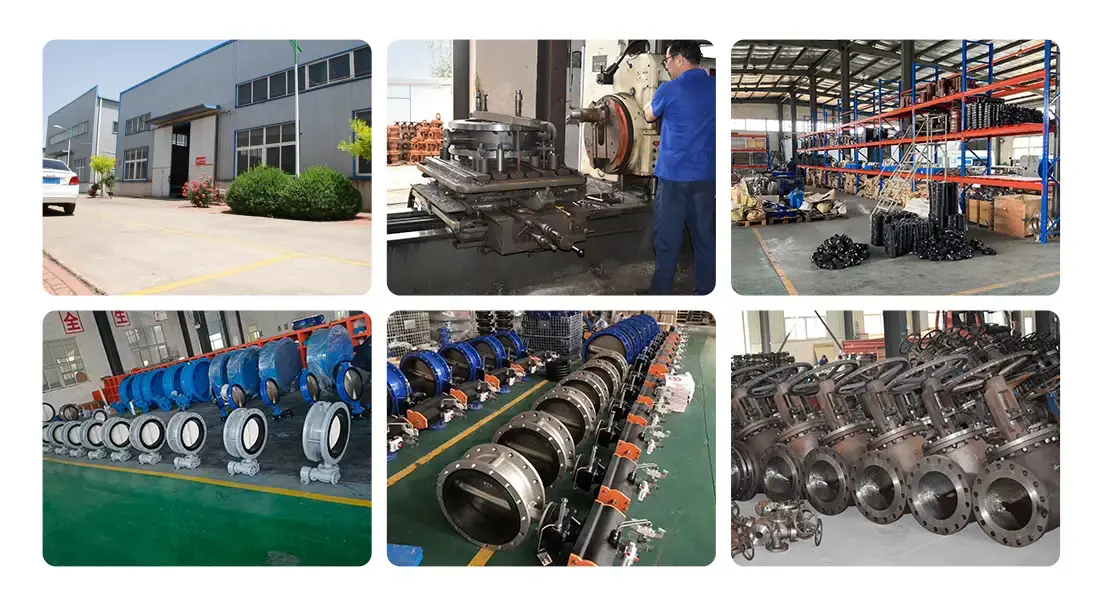
ZTVK is the only company you need to find a reliable 4 bronze gate valve provider. We have been making these valves for over 15 years and offer quick service that is suited to the needs of both B2B distributors and contractors. Our BS 1400 LG2 bronze gate valves with a PN20 rating and a temperature range of -20°C to 180°C have been used successfully in water supply, HVAC, and naval settings. As a manufacturer in Tianjin's Beichen District that is approved by ISO 9001, ISO 14001, and OHSAS 18001, we keep standard sizes DN50 to DN100 in stock for delivery in 3 to 7 days. We also offer OEM customisation with your logo and specs within 15 to 25 days. Being close to Tianjin Port makes it easy to load containers quickly and offers low FOB prices. We make sure that every valve we make meets foreign standards with spectrochemical analysis, API 598 hydrostatic testing, and dimensional checking done in-house. We offer 18-month warranties with expert support paperwork, so you can be sure of a stable supply of goods, whether you're a selling company or a contractor with tight project deadlines. Email our team at ktec86961886@163.com to talk about your needs and get a full quote with technical specs that are made just for your use.
References
1. ASTM International. (2021). ASTM B62-21: Standard Specification for Composition Bronze or Ounce Metal Castings. West Conshohocken, PA: ASTM International.
2. British Standards Institution. (2018). BS 1400-2:2018: Copper and Copper Alloys – Ingots and Castings. Specification for Conditions of Supply. London: BSI Standards Publication.
3. Manufacturers Standardization Society of the Valve and Fittings Industry. (2019). MSS SP-80: Bronze Gate, Globe, Angle, and Check Valves. Vienna, VA: MSS.
4. American Water Works Association. (2020). AWWA Manual M11: Steel Pipe – A Guide for Design and Installation (Fifth Edition). Denver, CO: AWWA.
5. Det Norske Veritas. (2022). DNV-RP-B401: Cathodic Protection Design – Recommended Practice for Marine Applications. Oslo: DNV GL.
6. National Association of Corrosion Engineers. (2020). NACE SP0308-2008: Inspection, Maintenance, and Failure Investigation of ASTs. Houston, TX: NACE International.
Send us your valve requirements and our team will provide professional solutions and fast quotations.
RELATED INDUSTRY KNOWLEDGE