- English
- French
- German
- Portuguese
- Spanish
- Russian
- Japanese
- Korean
- Arabic
- Greek
- German
- Turkish
- Italian
- Danish
- Romanian
- Indonesian
- Czech
- Afrikaans
- Swedish
- Polish
- Basque
- Catalan
- Esperanto
- Hindi
- Lao
- Albanian
- Amharic
- Armenian
- Azerbaijani
- Belarusian
- Bengali
- Bosnian
- Bulgarian
- Cebuano
- Chichewa
- Corsican
- Croatian
- Dutch
- Estonian
- Filipino
- Finnish
- Frisian
- Galician
- Georgian
- Gujarati
- Haitian
- Hausa
- Hawaiian
- Hebrew
- Hmong
- Hungarian
- Icelandic
- Igbo
- Javanese
- Kannada
- Kazakh
- Khmer
- Kurdish
- Kyrgyz
- Latin
- Latvian
- Lithuanian
- Luxembou..
- Macedonian
- Malagasy
- Malay
- Malayalam
- Maltese
- Maori
- Marathi
- Mongolian
- Burmese
- Nepali
- Norwegian
- Pashto
- Persian
- Punjabi
- Serbian
- Sesotho
- Sinhala
- Slovak
- Slovenian
- Somali
- Samoan
- Scots Gaelic
- Shona
- Sindhi
- Sundanese
- Swahili
- Tajik
- Tamil
- Telugu
- Thai
- Ukrainian
- Urdu
- Uzbek
- Vietnamese
- Welsh
- Xhosa
- Yiddish
- Yoruba
- Zulu
Stainless Steel Butterfly Valves: Uses, Applications, and Why They Are Preferred
Stainless steel butterfly valves represent a cornerstone of modern flow control technology, particularly the 3-inch stainless steel butterfly valve, which balances compact design with exceptional durability. These valves utilize a rotating disc mechanism to regulate media flow in pipelines, offering corrosion resistance, lightweight construction, and cost efficiency. Industries ranging from water treatment to petrochemical processing rely on these valves because they withstand aggressive chemicals, extreme temperatures, and demanding operational cycles while maintaining reliable shutoff capabilities essential for protecting downstream equipment.


Understanding Stainless Steel Butterfly Valves
Core Design and Material Specifications
Austenitic stainless steel types, mostly 304 and 316, are used to make stainless steel butterfly valves. The 304 type has about 18% chromium and 8% nickel, which makes it very resistant to rust and weathering in general. For tougher conditions with chlorides or marine uses, 316 stainless steel adds 2 to 3 percent molybdenum, which makes it much less likely to pit. Our factory in Tianjin's Beichen District makes valves with sizes from DN15 to DN1200 mm and pressure values from 150 lb to 300 lb (PN0.6 to 1.6 MPa), so they can meet a wide range of business needs.
The body and disc are made of 304 stainless steel, which makes them strong against chemical attack and keeps their shape when temperatures change. This type of material doesn't have the galvanic corrosion problems that other materials do, especially when working with ocean water, weak acids, alkaline liquids, or alcohols.
Working Principle and Operational Efficiency
Within the working mechanism, there is a disc on a stem that can turn 90 degrees to go from fully open to fully closed. This quarter-turn action needs much less power than gate or globe valves, which lowers the size of the actuator needed and the total cost of automation. Our double eccentric oblique seal design cuts the opening torque by 30% and makes the seal last longer than 50,000 cycles.
The materials used for the seats are very important for how well they fit. EPDM works well with water and glycol, while PTFE is better for acids that break down things. Fluorine rubbers can handle temperatures above 200°C, and silicone rubber meets the cleanliness standards for pharmaceuticals. Because of this, procurement teams can perfectly match seat specs to working conditions.
Advantages Driving Industry Adoption
The main benefit is that the materials are compatible. Cast-iron valves break down in acidic environments, but stainless steel has passivation layers that fix small surface damage on their own. The small face-to-face dimensions mean that less room is needed for installation. This is especially helpful on offshore bases or during retrofitting when making changes to the pipeline would be expensive.
For normal setups, flow coefficient values are usually between 200 and 260 Cv. This makes sure that there isn't much pressure drop across the 3-inch stainless steel butterfly valve. This feature keeps the energy efficiency of pumps in distribution networks. The design makes it easier to handle during installation and lowers the load on the pipes' supports, which is something that HVAC workers who are in charge of building system setups often worry about.
Applications and Industries Benefiting from Stainless Steel Butterfly Valves
Water Treatment and Municipal Infrastructure
Contractors who work on municipal water systems are always under pressure to keep services reliable while also keeping an eye on repair budgets. Stainless steel butterfly valves work great in these situations because they don't get biofouling and don't leach lead as brass parts do. The EPDM seat material stops bubbles from forming in drinkable water lines, and the body is resistant to rust, so it can handle chlorinated water without breaking down.
Fire safety systems need valves that can keep working even after years of being left alone. Our valves go through strict shell testing at 1.5 times the rated pressure according to API 598 standards. This makes sure that the casting is solid and gets rid of any porosity issues. This quality assurance fixes the problem of mistakes that come up out of the blue during important emergency situations.
Chemical and Petrochemical Processing
Chemical processing plants that use hydrochloric acid, sulfuric acid, or organic solvents need materials that can stand up to harsh media without getting into the process streams. The 3-inch stainless steel butterfly valve with PTFE seating keeps the dimensions stable even when the temperature changes. It does this by protecting against chemical damage. These valves are used in cooling water lines at refineries because carbon-steel valves would quickly rust in seawater.
Because they can work in temperatures ranging from -20°C to 232°C (depending on the seat material), these valves can be used in both low- and high-temperature situations. For uses with steam or thermal oil, metal-seated versions of these range even more, and they meet FCI 70-2 Class IV leaking standards that are right for harsh circumstances.
Food, Beverage, and Pharmaceutical Manufacturing
For sanitary uses, you need materials that don't let germs grow and can stand up to harsh cleaning methods. The polished 304 stainless steel we use is safe and meets FDA and 3A standards. The surface finishes keep the product from building up in clean-in-place (CIP) systems. The valve can be sterilized with steam at 135°C and washed with caustic liquids without breaking down or losing its seal.
Dairy processors, breweries, and drug companies like the non-toxic properties of the material that eliminate the risk of contamination. The ability to close in both directions makes installation more flexible and simplifies pipeline design while keeping process integrity. This solves the problem of engineering compatibility that system designers often bring up during purchase talks.
HVAC and Building Systems
The valve's light weight and low torque make it useful for HVAC engineering firms that work with chilled water, heating loops, and air handling systems. The small size makes it easy to fit in small machinery rooms, and the stainless steel build keeps rust out of closed-loop systems. Using electric or gas devices for automated control integration makes it possible to precisely control the temperature, which is an important part of managing building comfort.
Butterfly valves are better for energy economy than globe valves because their streamlined flow lines reduce pressure losses. This feature lowers the amount of horsepower needed for the pump and the cost of running the system over its lifetime, which is in line with what infrastructure contractors want in the long term. The weight of stainless steel butterfly valve is also an important factor to consider.
Installation and Maintenance Best Practices for Stainless Steel Butterfly Valves
Installation Guidelines and Configuration Options
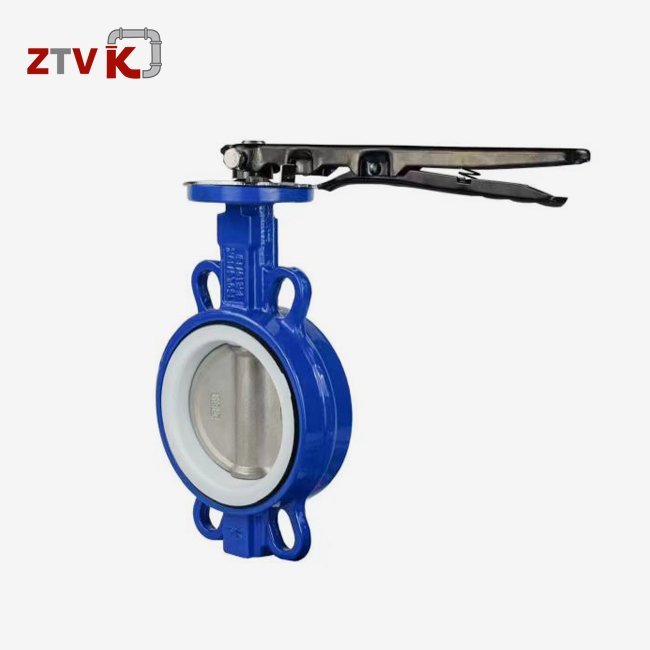
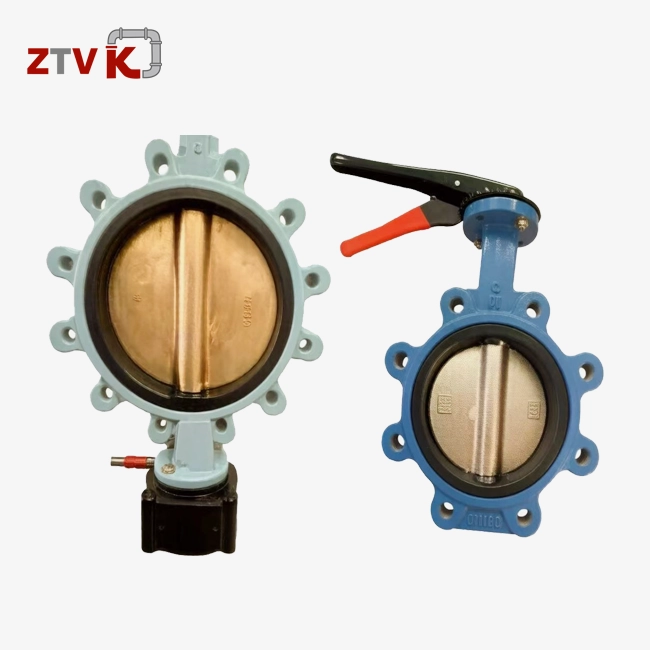
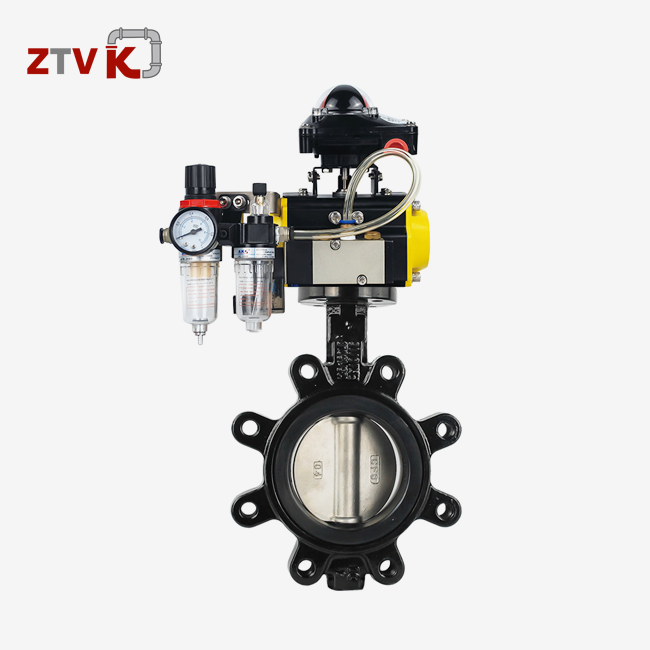
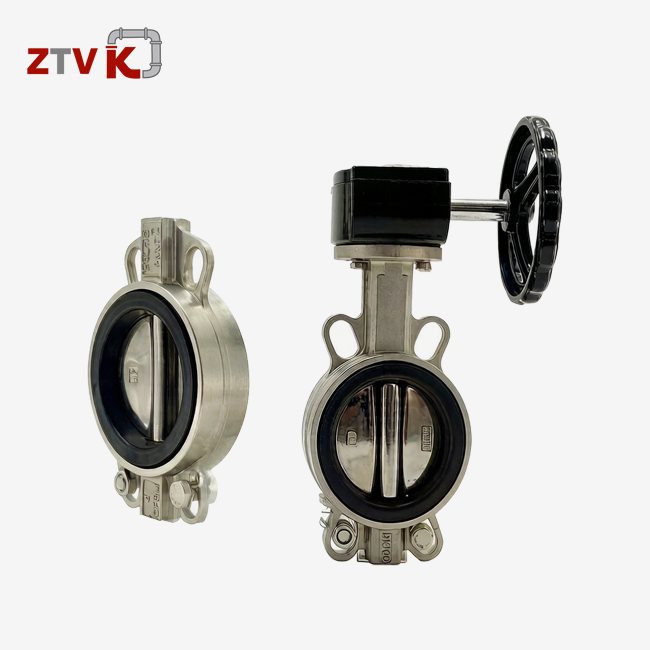
For proper fitting, you must first understand the different types of valve configurations. Wafer-style valves are attached to flanges with long bolts that squeeze the valve body together. This makes a connection that takes up little room and is perfect for a new building. Lug-style valves have threaded inserts that let the flange be removed separately. This makes repair easier because the pipeline parts don't have to be shut down completely. This adaptability solves the software compatibility issues that support teams that are in charge of running systems have brought up.
Before installing, make sure that the diameters of the pipeline bores match the valve specifications to keep the discs from interfering. When the disc is fully open, it sticks out into the flow path. To avoid mechanical shutdown, Schedule 80 pipe or lined systems need to check the spacing. As long as the flanges are lined up according to ASME B16.5 standards, the gasket will not be crushed, and the seal will not fail early.
Specifications for installation torque are very important. When you overtighten flange bolts, the valve body gets distorted, which makes it impossible to operate. Our technical documents give exact torque values based on the size of the flange and the material of the gasket. This makes sure that the right amount of tension is applied without damaging the structure. We provide installation instruction films that show the right way to tighten bolts and place actuators.
Maintenance Strategies and Troubleshooting
Preventive repair makes valves last longer and cuts down on unplanned downtime. Visual checks every six months find external rust, loose actuator fittings, or stem packing leaks early on, before they get worse. When you service an actuator, you have to lubricate the gears and check the calibration of the limit switches. This is especially important for automated control valves that are built into SCADA systems.
As part of the screening process, the seat is checked for chemical attack, cutting, or compression set. Every three to five years, EPDM seats that are exposed to ozone or UV rays need to be replaced. PTFE seats that deal with gritty slurries may need to be serviced more often. Our 18-month warranty covers damage that wasn't caused by people, so buying teams can be sure that the product will work well in the long run.
One common problem that needs to be fixed is operating torque that is too high. This is usually caused by media solidifying around the disc or stem corrosion from using the wrong material. Our technical support team helps industrial clients figure out what's wrong by using detailed troubleshooting guides and can also get help to the site through area partners. This meets the maintenance support needs that long-term clients have identified.
Comparing Stainless Steel Butterfly Valves with Other Valve Types
Material Considerations: Stainless Steel versus Carbon Steel
The choice of material has a big effect on how long a valve lasts and how much it costs to own. Carbon steel valves are cheaper to buy at first, but they need protective coatings that wear off in corrosive environments. Stainless steel construction doesn't need to be coated and is naturally resistant to rust, so even though it costs more up front, it saves money over time.
When used in saltwater, carbon steel quickly pits and corrodes, needing to be replaced within months. Marine contractors and desalination plants pay more for stainless steel 316 because it stays structurally sound for decades under the same conditions. This durability addresses the worries that petrochemical operators who are in charge of important infrastructure have about the risk of equipment failure.
Operational Efficiency: Butterfly Valves versus Ball and Gate Valves
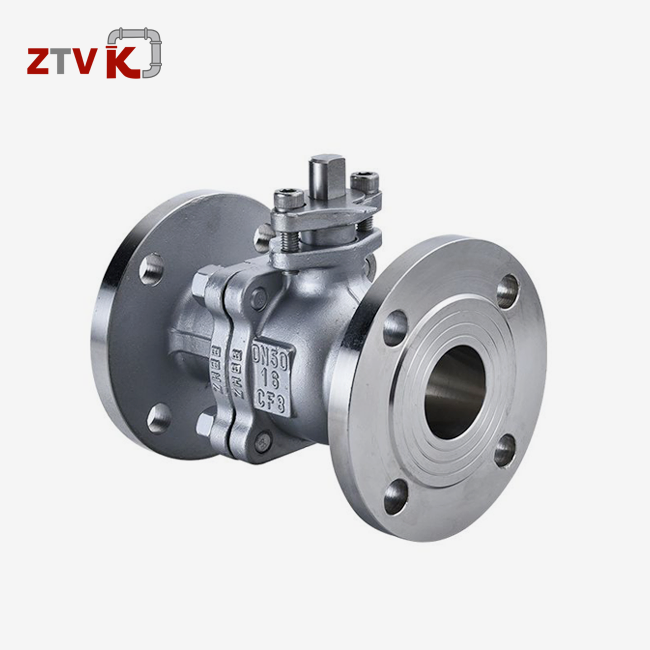
Ball valves are great at shutting off flow and limiting it, but they take up more fitting room and cost a lot more than butterfly valves of the same size. Gate valves allow full-bore flow paths, but they are hard to install and take a long time to work because they need to be turned many times. Butterfly valves are a good compromise between these factors because they are small, can be turned quickly, and have flow rates that are good enough for most uses. The weight of stainless steel butterfly valve is also an important factor to consider when selecting the right valve for different applications.
Butterfly valves have Cv values that are about 80–90% of full-bore ball valves, but they cost 40–50% less in bigger sizes. This economic advantage makes sense for EPC contractors who are in charge of project budgets and have to buy a lot of valves. The lighter weight makes rigging and installation easier, which saves money on labor costs during the building process.
Configuration Choices: Wafer versus Lug Type Construction
Wafer-type valves have small face-to-face dimensions, which means they use less material and take up less room when they're installed. They work well in situations where equipment further down the line stays connected all the time and maintenance is done by isolating the system. Lug-type designs let you remove the flange on its own, which makes it easier to service the pump or calibrate the instruments without having to depressurise the pipeline.
The threaded inserts in the lug configuration make installation more flexible, which is something that maintenance teams that run operational facilities really like. Costs are 15-20% higher than wafer types, though, because of the extra material and machining. Professionals in procurement weigh these factors against practical needs. For example, lug types are better for important services that need to be accessed often, while wafer types are better for installations that need to be cost-effective.
Conclusion
The corrosion resistance, small size, and operating efficiency of stainless steel butterfly valves make them very useful in a wide range of industry settings. These benefits can be seen in the 3-inch stainless steel butterfly valve, which is a good size for many process and transportation systems. Choosing a material grade between 304 and 316 lets you precisely match the needs of the environment, and the different types of seat material meet the needs for chemical and temperature compatibility. Different operational needs can be met by the wafer and lug configurations, which allow for flexible installation. The quarter-turn actuation makes automation integration easier. A supplier's qualifications, which include certifications, manufacturing skills, and service promises that guarantee long-term dependability, are very important for a successful purchase.
FAQ
1. What pressure ratings are available for stainless steel butterfly valves?
Standard pressure classes go from 150 lb to 300 lb, which are the same as 0.6 MPa to 1.6 MPa working pressures. Higher ratings can be used for specific tasks, and valves must be checked hydrostatically at 1.5 times their rated pressure according to API 598 guidelines to make sure they are structurally sound. Check the technical details to make sure that the design pressure for your system is within the acceptable range.
2. How do I select between wafer and lug type configurations?
With through-bolts that squeeze the valve between the flanges, wafer types are best for permanent setups that need to save room and money. Lug types have threaded pieces that let you remove the flange separately. This makes them perfect for places where you need to do repairs often without shutting down the system. When choosing a configuration, you should think about your business needs and how you like to handle upkeep.
3. Can these valves handle both manual and automated operation?
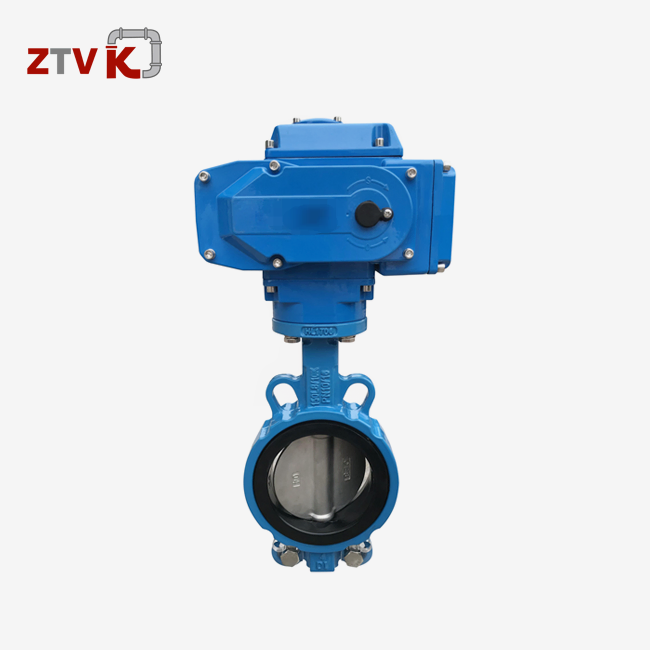
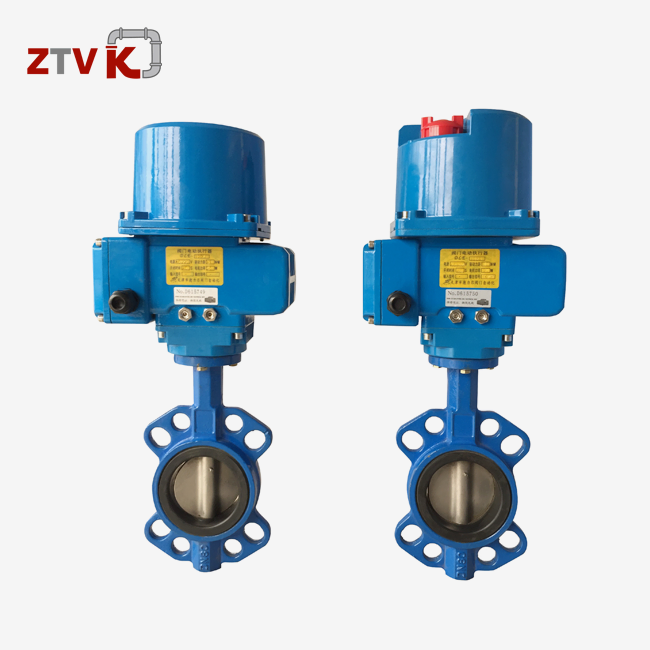
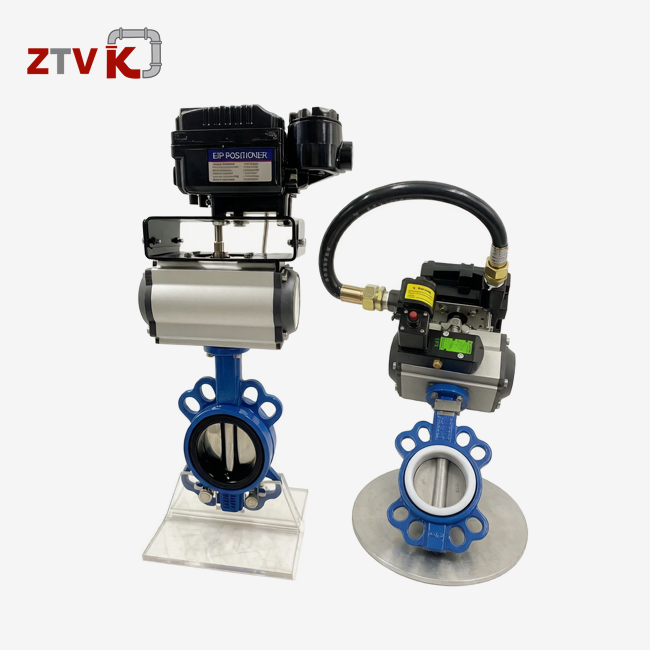
Of course. Lever handles or gearboxes are used for manual operation, depending on the size and pressure of the valve. Electric actuators can be controlled from a distance and work with building management systems. Pneumatic actuators, on the other hand, can respond quickly in safety stop situations. The design of the valve body lets the actuator be mounted without any changes, so it can be used for practical updates as automation needs change.
Partner with ZTVK for Reliable Stainless Steel Butterfly Valve Solutions.
Industrial valve distributors and engineering contractors looking for a reliable 3-inch stainless steel butterfly valve manufacturer will find that our facility in Tianjin is the best place to meet their needs. Our large inventory lets us quickly fill standard configurations within one week, and our flexible production capacity can handle custom specs with wait times of 15 to 25 days. We offer affordable pricing through vertically integrated production, along with OEM branding and packaging customization that helps you keep your market identity.
Our location only 50 km from Tianjin Port makes international shipping easier, and our partnerships with major carriers make sure that we can reliably deliver to destinations around the world. Concerns about consistency in foreign supply chains can be eased by ensuring quality through ISO certifications and thorough testing methods. You can email our team at ktec86961886@163.com to talk about your specific valve needs, ask for technical information, or get quotes for your project. We offer engineering support, such as CAD models and material certifications that make it easier for specifications to be approved. This helps you finish projects on time and up to the high standards your clients expect.

References
1. American Petroleum Institute. (2018). Butterfly Valves: Double Flanged, Lug- and Wafer-Type (API Standard 609, 6th ed.). Washington, DC: API Publishing Services.
2. ASME International. (2020). Valves — Flanged, Threaded, and Welding End (ASME B16.34-2020). New York, NY: American Society of Mechanical Engineers.
3. Manufacturers Standardization Society. (2017). Quality Standard for Steel Castings for Valves, Flanges, Fittings, and Other Piping Components — Visual Method (MSS SP-55-2017). Vienna, VA: MSS.
4. Fluid Controls Institute. (2015). FCI 70-2: Seat Closure Test for Control Valves (Standard 70-2-2015). Cleveland, OH: Fluid Controls Institute.
5. Gupta, S. K., & Patel, R. N. (2019). Industrial Valve Selection and Maintenance Handbook. Oxford, UK: Butterworth-Heinemann Technical Publishers.
6. Chen, L., & Morrison, T. J. (2021). Corrosion resistance evaluation of austenitic stainless steels in industrial process environments. Journal of Materials Engineering and Performance, 30(4), 2847-2863.
Send us your valve requirements and our team will provide professional solutions and fast quotations.
RELATED INDUSTRY KNOWLEDGE