- English
- French
- German
- Portuguese
- Spanish
- Russian
- Japanese
- Korean
- Arabic
- Greek
- German
- Turkish
- Italian
- Danish
- Romanian
- Indonesian
- Czech
- Afrikaans
- Swedish
- Polish
- Basque
- Catalan
- Esperanto
- Hindi
- Lao
- Albanian
- Amharic
- Armenian
- Azerbaijani
- Belarusian
- Bengali
- Bosnian
- Bulgarian
- Cebuano
- Chichewa
- Corsican
- Croatian
- Dutch
- Estonian
- Filipino
- Finnish
- Frisian
- Galician
- Georgian
- Gujarati
- Haitian
- Hausa
- Hawaiian
- Hebrew
- Hmong
- Hungarian
- Icelandic
- Igbo
- Javanese
- Kannada
- Kazakh
- Khmer
- Kurdish
- Kyrgyz
- Latin
- Latvian
- Lithuanian
- Luxembou..
- Macedonian
- Malagasy
- Malay
- Malayalam
- Maltese
- Maori
- Marathi
- Mongolian
- Burmese
- Nepali
- Norwegian
- Pashto
- Persian
- Punjabi
- Serbian
- Sesotho
- Sinhala
- Slovak
- Slovenian
- Somali
- Samoan
- Scots Gaelic
- Shona
- Sindhi
- Sundanese
- Swahili
- Tajik
- Tamil
- Telugu
- Thai
- Ukrainian
- Urdu
- Uzbek
- Vietnamese
- Welsh
- Xhosa
- Yiddish
- Yoruba
- Zulu
What Is a Full Flow Ball Valve and When Should You Use It?
Operating performance typically depends on which valve type improves flow efficiency when developing pipeline systems or sourcing industrial valves. As a quarter-turn isolation device, a full flow ball valve, also known as a full-bore or full-port ball valve, matches the pipeline's inner diameter. No bottlenecks, pressure drops, or pipeline inspection tools are blocked by this bore design. These valves offer smooth fluid movement, operational reliability, and long-term cost benefits through lower energy consumption and little maintenance in petrochemical facilities and municipal water systems.
Understanding Full Flow Ball Valves: Definition and Functionality
Unrestricted flow path geometry defines a full flow ball valve. Full port valves maintain pipe width throughout the valve body, unlike reduced bore versions that limit the channel to save material. This design solves key operating issues by lowering pressure loss (Delta P), turbulence that drives internal erosion, and flow coefficient (Cv) for efficient fluid transfer.
Internal Construction and Material Standards
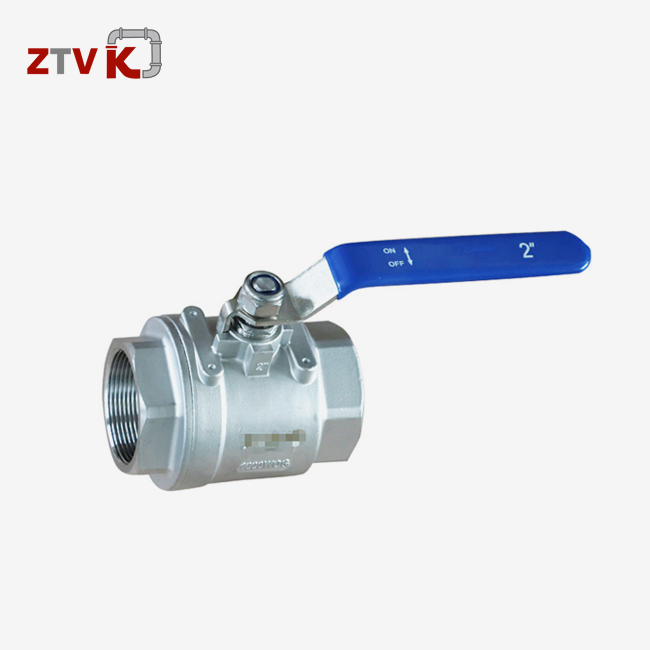
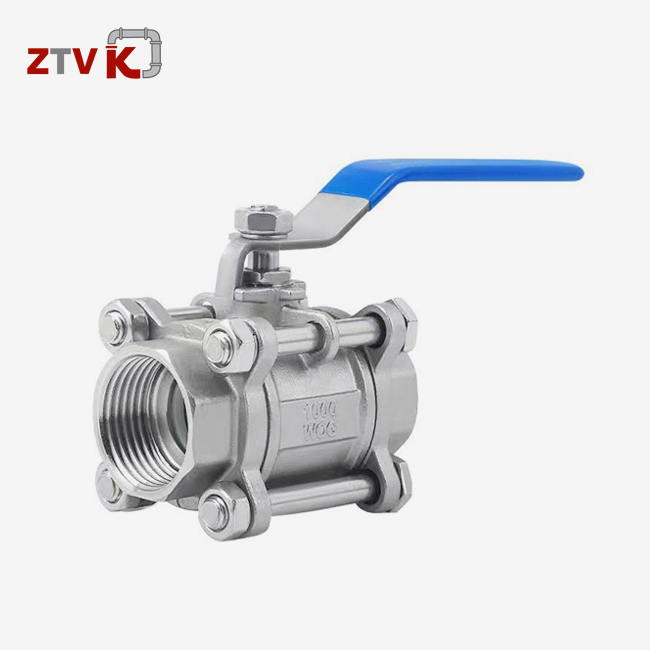
High-performance full flow ball valves use precision-engineered components that meet international requirements. The valve body is usually ASTM A351 CF8M, which resists chemical corrosion. The 316 stainless steel rotating ball is highly durable under pressure. Sealing components have PTFE seats and gaskets for leak-tight cutoff with aggressive media. Manually operate the 316 stainless steel stem assembly with a 201 stainless steel handle. The gland and packing mechanism ensure long-term sealing. Supporting hardware comprises ASTM A193 B8 bolts, A194 8 nuts, and temperature- and chemical-compatible NBR or VITON O-rings.
Quarter-Turn Operation Mechanism
The valve works by rotating the spherical ball 90 degrees. When the bore matches the pipeline, fluid flows freely. A bubble-tight cutoff is achieved by rotating the handle perpendicular to the flow direction to seat the solid ball against PTFE seals. Full flow ball valves are ideal for emergency isolation and frequent operation due to their quick actuation. Valves with proper maintenance can last over 50,000 cycles in ordinary service conditions due to their mechanical simplicity.
Pressure and Temperature Ratings
Full-flow ball valves can handle pressures from PN16 (Class 150) for common industrial use to Class 2500 for high-pressure petroleum. Materials and seal composition determine temperature limitations; however, conventional setups can handle -20°F to 400°F. For cryogenic or high-temperature usage, special alloys and seals increase this range. Flow performance data for these valves under varying operating conditions is available in the Ball valve flow coefficient table. These valves meet petrochemical, power-generating, and pipeline transportation safety and performance standards by complying with API 6D, ASME B16.34, and ISO 17292.
Comparing Full Flow Ball Valves with Other Valve Types
Understanding valve performance disparities helps procurement professionals balance initial investment, lifecycle costs, and operating needs.
Full Flow Versus Reduced Bore Ball Valves
The ball opening in reduced-bore ball valves is usually one size smaller than the pipe diameter. This decreases material costs and operational torque but restricts flow, increasing pressure drop and energy consumption. For automated installations, full-bore designs avoid these inefficiencies but require larger actuators. In high-flow or long pipeline runs, decreased bore valves can raise pumping costs by 15-30% annually compared to full flow alternatives due to pressure loss.
Performance Against Gate Valves
Fully open gate valves allow free flow channels, making them suited for on-off service. Gate valves slow emergency response times due to the many handle rotations. Their rising stem shape requires more space, making installation in tight spaces difficult. In applications with temperature swings, full flow ball valves operate faster, are smaller, and withstand thermal cycling, which causes gate valve wedge seizure.
Advantages Over Butterfly Valves
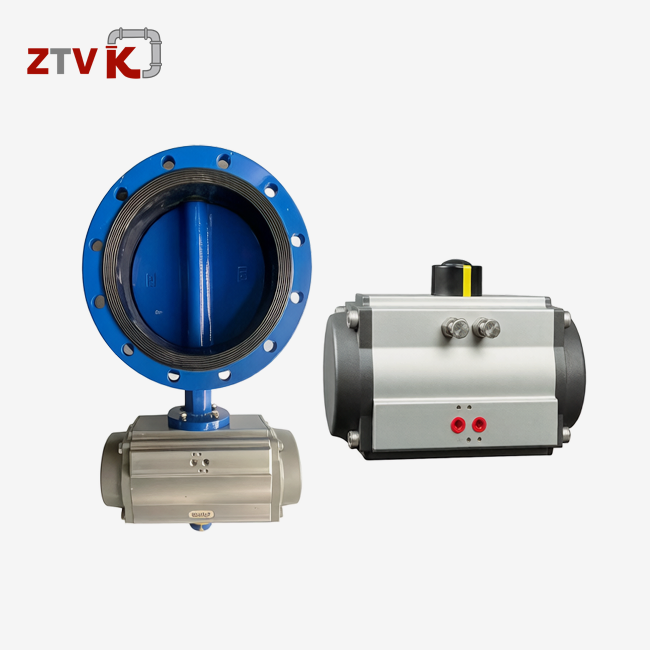
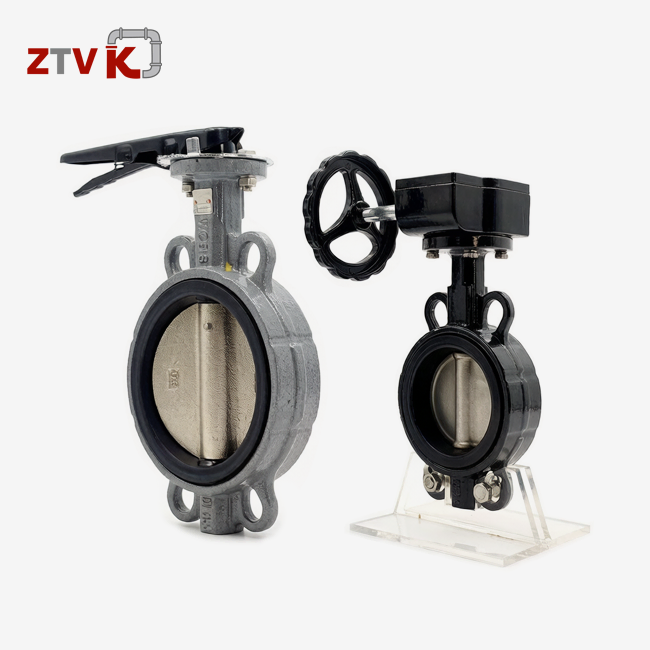
Butterfly valves manage large-diameter pipes economically, yet the disc remains in the flow stream, preventing complete unfettered flow. This causes a permanent pressure drop and turbulence. Full-flow ball valves work without restriction, making them ideal for pigging or handling viscous fluids that collect around butterfly disc edges. Ball valves seal well, especially in bi-directional pressure applications like process systems.
The valve type used depends on application priorities. Pressure conservation, pigging, and reliable sealing warrant full flow ball valves' greater initial cost through decreased operational costs and extended service intervals.
Benefits and Applications of Full Flow Ball Valves in B2B Procurement
When choosing valves, procurement professionals must consider project needs and operational costs. Full flow ball valves improve performance in various ways.
Enhanced Flow Capacity and Energy Efficiency
In the unrestricted hole, fluid velocity matches the upstream and downstream pipe portions. This minimizes velocity acceleration and deceleration cycles in decreased bore valves, minimizing turbulent friction losses. This efficiency saves energy in multi-mile pipelines. By reducing pumping energy by 8–12% compared to reduced-bore alternatives in high-flow applications, a properly specified full flow ball valve can quickly pay for itself in decreased utility costs.
Superior Pressure Handling and Durability
Pressure and corrosive media often test valve integrity in industrial applications. Petrochemical processing acids, chlorides, and sulfur compounds do not damage ASTM A351 CF8M valves with 316 stainless steel internals. The sturdy structure resists pressure spikes and water hammer events that harm lighter-duty valves. PTFE seating materials seal over a wide temperature range and resist process chemical degradation, prolonging service life and reducing unscheduled maintenance.
Critical Applications in Industrial Sectors
Pipeline Transportation: Oil and gas transmission lines need valves for pipeline inspection gauges (pigs) to clean and detect defects. Only full-bore designs allow these devices without bypass or removal pipes. These applications require API 6D-certified main line isolation valves for critical petroleum service.
Full flow designs reduce material accumulation and blockage in chemical processing plants handling viscous polymers, resins, or slurry mixtures. The smooth flow path reduces maintenance through self-cleaning. Chemical compatibility is crucial because stainless steel and PTFE valves withstand harsh chemicals.
Municipal Water Systems: City distribution networks need reliable shutdown for maintenance and emergencies. Operators responding to line breaks or contamination need full flow ball valves for fast closing with minimal effort. Municipal budgets save on lifecycle expenditures due to their aqueous corrosion resistance and uninterrupted service life.
HVAC and Fire Protection: Large commercial buildings need carefully controlled water flow for climate management and fire suppression. Full flow ball valves eliminate pressure loss, letting engineers design smaller, energy-efficient circulation pumps. Fire protection readiness requires reliable sealing to prevent water waste and maintain system pressure.
Due to these broad applications, distributors serving multiple industries have a lot of full flow ball valves. The adaptability across industries and standardized dimensions, and connection types, provide effective stock management and fast order fulfillment.
Installation and Maintenance Guide for Full Flow Ball Valves
Valves work best and last longer with proper installation and maintenance. This document gives engineers and maintenance workers useful advice.
Pre-Installation Preparation
Before valve installation, clean the pipeline of welding slag, pipe scale, and construction debris that could harm seating surfaces. Make sure the valve bore size fits the pipe schedule for full flow. Validate the valve body's pressure and temperature specifications against system design. Before installation, check seating surfaces and stem threads for shipping damage and replace damaged parts.
Installation Procedures
Depending on actuator type and maintenance clearance, position the valve stem vertically or horizontally for easy access. When welding flanged connections, leave end caps in place and avoid long weld periods to protect internal components from heat. Avoid valve internal contamination by using process fluid-compatible thread sealant for threaded connections. Before pressurizing the system, cycle the valve several times to ensure smooth actuation and seating.
Routine Maintenance Practices
Under regular use, full flow ball valves require little maintenance. Visually monitor the stem packing gland and body joints quarterly for external leakage. Monthly full-range valve operation in continuous service applications prevents seat stickiness and ensures smooth actuation. Packing gland adjustment is performed annually if small stem leakage occurs. The gland nut is tightened incrementally while monitoring operating torque. Disassemble the valve every 24-36 months, depending on service severity, and replace PTFE seals and O-rings as preventive maintenance, even if no wear is visible. This proactive strategy prevents key operational breakdowns.
ISO 9001 quality management systems and OSHA safety requirements ensure maintenance activities support operational reliability and worker safety. Maintenance records help optimize replacement schedules and uncover chronic difficulties, suggesting incompatible service conditions.
How to Select and Procure the Right Full Flow Ball Valve for Your Business?
Technical parameters, supplier capabilities, and total cost of ownership must be considered while selecting valves. This systematic strategy helps procurement teams make confident operational decisions.
Technical Specification Assessment
Start by recording system data, including operating pressure (normal and maximum expected), temperature range, flow rate, and fluid properties like viscosity, corrosiveness, and suspended solids. With enough safety margin, compare these settings to valve pressure class ratings (Class 150, 300, 600, etc.). Choose stainless steel for corrosive service, carbon steel for non-corrosive petroleum products, or specialty alloys for harsh situations. Installation requirements and pressure class determine flanged, threaded, or welded connection type.
Supplier Evaluation Criteria
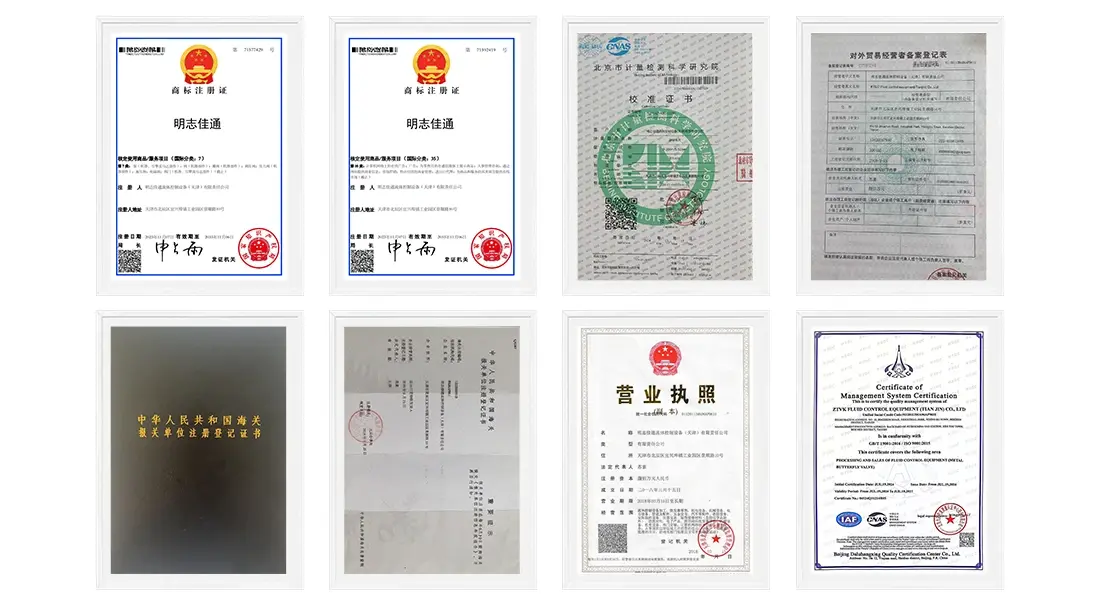
Reliable valve performance starts with quality manufacturing. Check supplier ISO 9001, ISO 14001, and OHSAS 18001 certifications. Check for API 6D pipeline service certifications and ASME B16.34 pressure-temperature ratings. Examine CNC machining centers, pressure testing labs, and material analysis equipment for quality assurance. Request documentation of quality control techniques like API 598 hydrostatic shell testing at 1.5 times rated pressure and high-pressure gas seat leak-tight shutdown testing.
Geographic and Logistical Considerations
Manufacturing location greatly affects delivery times and landed prices. International procurement benefits from suppliers near major ports. Manufacturers near 50 km of shipping terminals can load containers faster and schedule departures more flexibly. Competitive freight prices and accurate vessel scheduling are possible through long-term ties with COSCO and Maersk. Avoid customs delays by verifying that the packaging fulfills ISPM 15 timber material specifications. Get FOB and CIF quotes to compare supplier costs.
Customization and OEM Services
Standard catalog products are useful, but complex industrial systems demand customized solutions. Assess supplier's engineering ability to change valve designs for unique operating circumstances, such as Ball valve opening degree and flow rate. OEM services allow distributors to get valves with their own branding, nameplates, and packaging, promoting regional brand development. ODM can redesign valve internals, connection methods, and actuation systems for custom applications. Before placing significant purchases or long-term supply agreements, get samples or visit factories to verify production.
Inventory and Delivery Performance
Supply chain reliability affects project timelines and operations. Suppliers with 2000+ completed goods units for standard sizes can meet urgent needs quickly. Confirm regular product lead times (3-7 days for stock goods) and customized configuration lead times (15-25 days depending on complexity). Explain rush order costs (usually 20% for 7-10 day delivery). Recurring clients often get priority during peak demand.
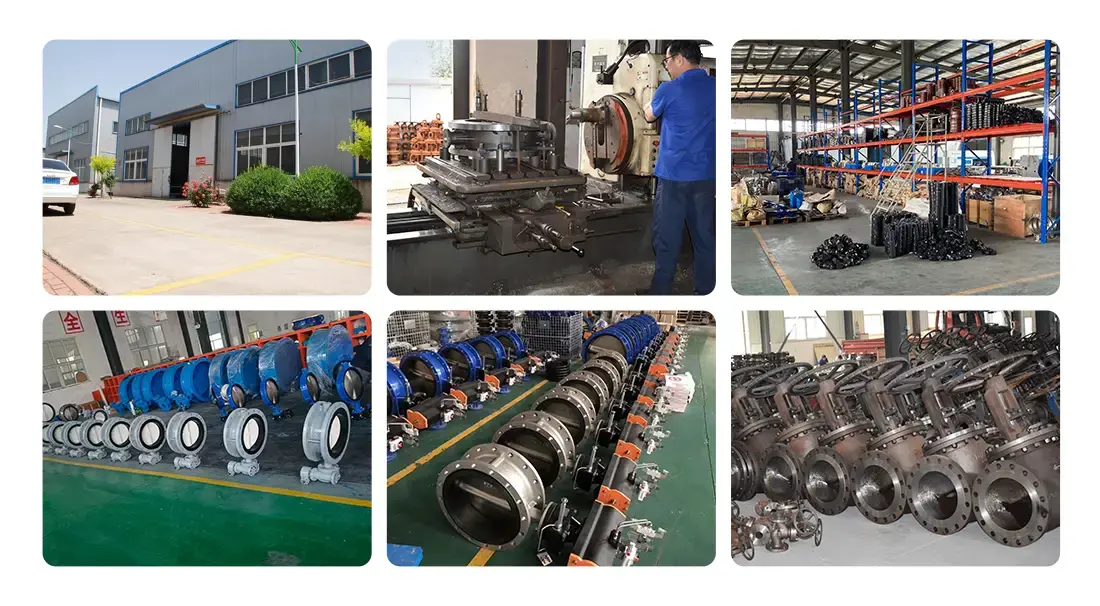
At our Tianjin manufacturing site, ZTVK stocks full flow ball valves in DN50-DN600 sizes for fast order fulfillment. Our proximity to Tianjin Port—50 kilometers and one hour by ground transportation—enables smooth international shipping coordination. Every order includes material traceability, pressure test certificates, and dimensional inspection reports to ensure product compliance.
Conclusion
Full flow ball valves are crucial in industrial fluid handling systems where operational efficiency, dependability, and long-term cost management drive purchases. Their unrestricted bore design avoids pressure losses, accommodates pipeline maintenance equipment, and handles rigorous petrochemical, municipal, and factory service conditions. Initial expenditures surpass decreased bore options, but energy savings, increased service life, and low maintenance give a positive total cost of ownership. Successful procurement needs rigorous material, pressure rating, and certification specifications suited to application objectives, combined with providers exhibiting manufacturing expertise, quality assurance, and reliable delivery. Distributors, contractors, and OEM manufacturers prioritizing system performance and operational continuity use these valves.
FAQ
Q1: What distinguishes full flow ball valves from full port designs?
These terms describe the same valve configuration—an internal ball bore diameter matching the pipeline interior. Both designations indicate unrestricted flow paths without the constriction found in reduced-bore or standard-port valves. The terminology varies by region and industry preference, but technical specifications and performance characteristics remain identical.
Q2: Can full flow ball valves handle high-pressure chemical environments?
Yes, when constructed from appropriate materials. Valves manufactured with ASTM A351 CF8M bodies, 316 stainless steel balls and stems, and PTFE sealing components resist most industrial chemicals while handling pressures up to Class 2500. Always verify material compatibility with specific process fluids and operating conditions, particularly regarding temperature limits of sealing materials.
Q3: How often do full flow ball valves require maintenance?
Under normal operating conditions, quarterly visual inspections and monthly operation cycles suffice. Annual packing adjustment addresses minor stem leakage, while complete internal inspection and seal replacement every 24-36 months prevent unexpected failures. Service frequency increases for severe conditions, including high cycling rates, abrasive fluids, or extreme temperatures.
Partner with ZTVK for Reliable Full Flow Ball Valve Supply
Our Tianjin manufacturing facility combines advanced production technology with rigorous quality control, delivering full flow ball valves that meet demanding industrial specifications. With ISO 9001, ISO 14001, and OHSAS 18001 certifications, we ensure every valve undergoes comprehensive testing, including hydrostatic pressure verification and dimensional inspection before shipment. We maintain substantial inventory for DN50-DN600 standard configurations, enabling 3-7 day delivery for stock items, while our dedicated production lines support custom OEM and ODM requirements with 15-25 day lead times. Our proximity to Tianjin Port facilitates efficient international logistics, and we provide complete FOB or CIF quotations through established carrier partnerships. Whether you need bulk orders with competitive pricing or specialized valve configurations tailored to unique operating conditions, our engineering team stands ready to support your procurement objectives. Contact our specialists at ktec86961886@163.com to discuss your requirements and receive detailed quotations from an experienced full flow ball valve manufacturer.
References
1. American Petroleum Institute. "API Standard 6D: Pipeline Valves – Specification for Pipeline and Piping Valves." Washington, DC: API Publishing Services, 2021.
2. ASME International. "ASME B16.34: Valves – Flanged, Threaded, and Welding End." New York: The American Society of Mechanical Engineers, 2020.
3. International Organization for Standardization. "ISO 17292: Metal Ball Valves for Petroleum, Petrochemical and Allied Industries." Geneva: ISO Central Secretariat, 2015.
4. Zappe, R.W. "Valve Selection Handbook: Engineering Fundamentals for Selecting the Right Valve Design for Every Industrial Flow Application." 5th Edition. Houston: Gulf Professional Publishing, 2004.
5. Smith, Philip L. "The Fundamentals of Piping Design: Drafting and Design Methods for Process Applications." Volume 2. Houston: Gulf Publishing Company, 2007.
6. Lyons, Jerry L. and Askland, C. "Standard Handbook of Petroleum and Natural Gas Engineering." 3rd Edition. Burlington: Gulf Professional Publishing, 2015.
Send us your valve requirements and our team will provide professional solutions and fast quotations.
RELATED INDUSTRY KNOWLEDGE