- English
- French
- German
- Portuguese
- Spanish
- Russian
- Japanese
- Korean
- Arabic
- Greek
- German
- Turkish
- Italian
- Danish
- Romanian
- Indonesian
- Czech
- Afrikaans
- Swedish
- Polish
- Basque
- Catalan
- Esperanto
- Hindi
- Lao
- Albanian
- Amharic
- Armenian
- Azerbaijani
- Belarusian
- Bengali
- Bosnian
- Bulgarian
- Cebuano
- Chichewa
- Corsican
- Croatian
- Dutch
- Estonian
- Filipino
- Finnish
- Frisian
- Galician
- Georgian
- Gujarati
- Haitian
- Hausa
- Hawaiian
- Hebrew
- Hmong
- Hungarian
- Icelandic
- Igbo
- Javanese
- Kannada
- Kazakh
- Khmer
- Kurdish
- Kyrgyz
- Latin
- Latvian
- Lithuanian
- Luxembou..
- Macedonian
- Malagasy
- Malay
- Malayalam
- Maltese
- Maori
- Marathi
- Mongolian
- Burmese
- Nepali
- Norwegian
- Pashto
- Persian
- Punjabi
- Serbian
- Sesotho
- Sinhala
- Slovak
- Slovenian
- Somali
- Samoan
- Scots Gaelic
- Shona
- Sindhi
- Sundanese
- Swahili
- Tajik
- Tamil
- Telugu
- Thai
- Ukrainian
- Urdu
- Uzbek
- Vietnamese
- Welsh
- Xhosa
- Yiddish
- Yoruba
- Zulu
Why Choose a 304 Stainless Steel Valve for Process Systems?
When engineers and procurement managers evaluate flow control components, material selection often determines long-term system reliability. A 304 stainless steel valve strikes a practical balance between corrosion resistance, mechanical durability, and cost efficiency that few alternative materials can match. Built from an austenitic alloy containing approximately 18% chromium and 8% nickel, it forms a self-repairing passive oxide layer that resists oxidation across a broad range of process media. Whether you manage water treatment infrastructure, chemical pipelines, or HVAC systems, understanding why this alloy performs consistently helps you avoid costly replacements and unplanned downtime.
Understanding 304 Stainless Steel Valves: Specifications and Material Properties
Core Metallurgical Composition
Due to the fact that it is composed of 18/8 chromium and nickel, 304 stainless steel has a density of around 7.9 grams per cubic centimeter and a tensile strength of at least 515 megapascals. It melts between 1,400 and 1,450 degrees Celsius, and even at very low temperatures, it maintains its strength and usefulness. These characteristics have a direct impact on the stability of the dimensions and the integrity of the pressure whenever there is a change in the operating cycles or cycles.
Standard Dimensions and Pressure Ratings
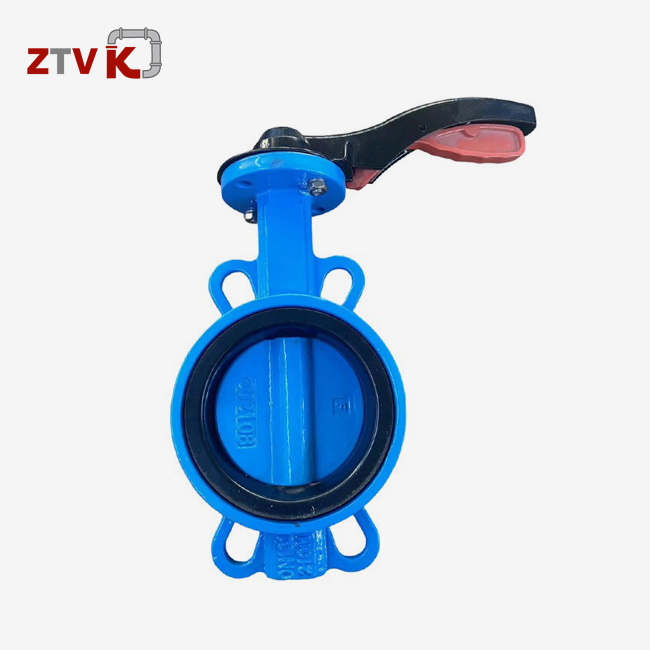
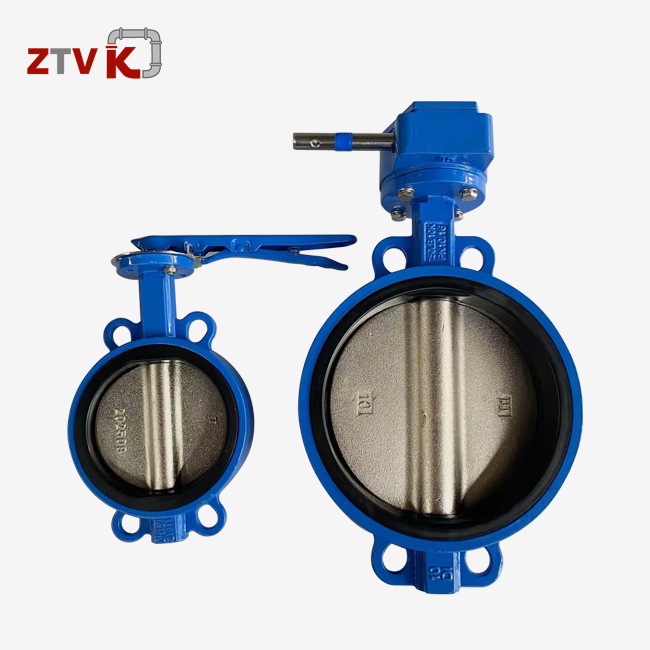
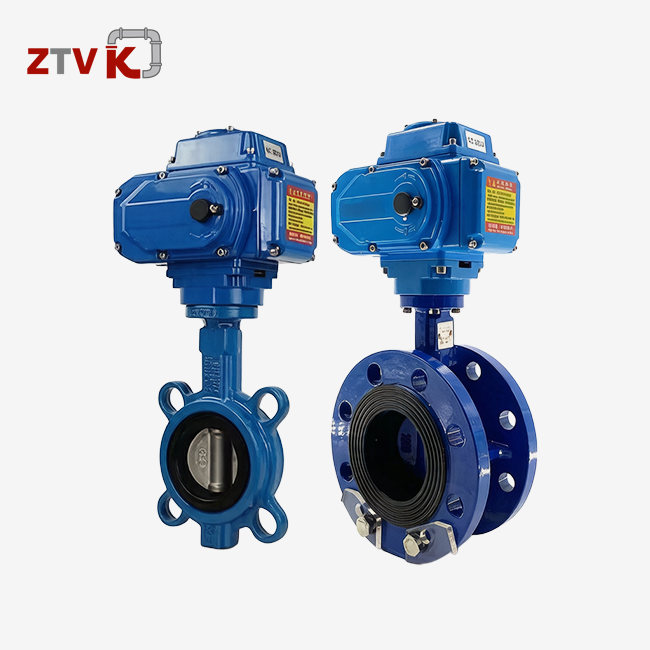
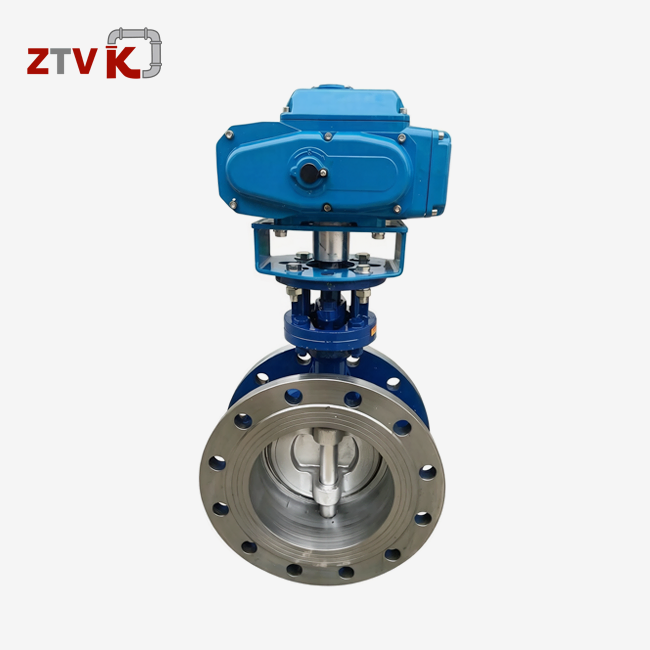
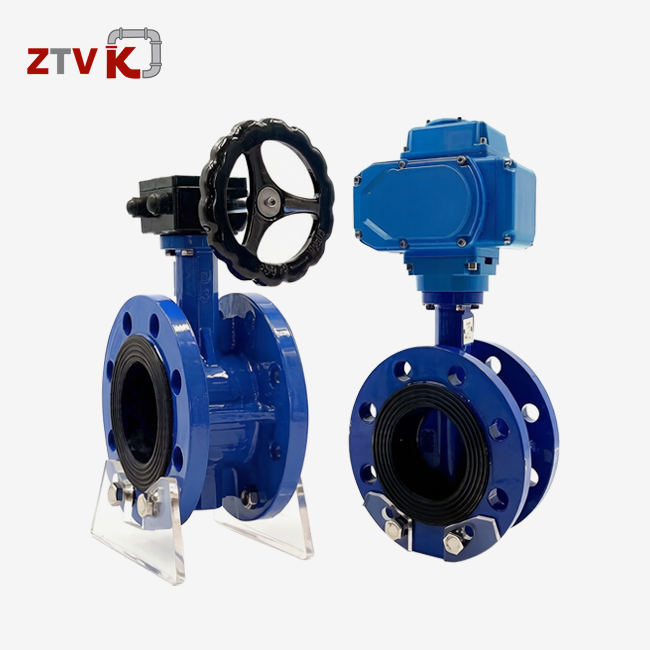
304 stainless steel valve material is used to construct the body of the J41W-16P globe valve manufactured by ZTVK. This valve is capable of managing nominal diameters ranging from DN15 to DN600 and has a nominal pressure rating of PN16. When it comes to water, steam, and oil, the valve performs well. Sewage treatment facilities, oil pipelines, chemical factories, and other establishments that are dedicated to protecting the environment all make use of it. Being able to identify a single grade of material for the whole project's bill of materials is made simple by the wide variety of sizes that are available.
Comparing 304, 304L, and 316 Grades
A significant number of purchasing teams are interested in learning the distinctions that exist between these three categories in the real world. As a result of having a lower carbon content, Grade 304L reduces the amount of carbide that is produced during the welding process, making it an excellent choice for heavy fabrication work. The addition of around 2% molybdenum to Grade 316 makes it much more resistant to cracking brought on by salt concentrations that are more than 200 parts per million. 304 provides the same level of corrosion protection at a lower cost than other grades of steel in environments where chloride exposure is moderate and welding is used frequently. It is for this reason that it ought to serve as the baseline for all process-related systems.
Advantages of 304 Stainless Steel Valves in Industrial Process Systems
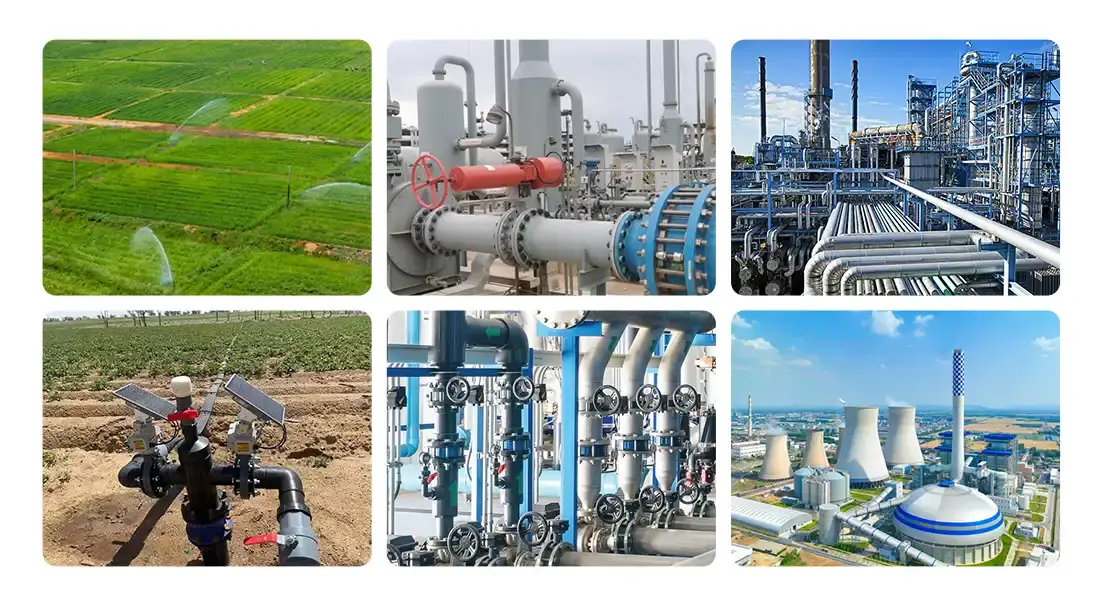
Purchasing engineers keep coming back to 304 stainless steel valves because the properties of the material solve a number of common operational problems at the same time. These are the main performance benefits of 304 that make it the best choice in many fields:
- Passive corrosion resistance: The chromium oxide layer on the surface grows back on its own after being scratched or cut. This keeps the inside of the valve safe from oxidizing media, weak acids, and airborne moisture without the need for extra coats.
- Extended service life under thermal cycling: the material works reliably from -29°C to 232°C (with PTFE seats), so seats don't have to be replaced as often in situations where steam or high-temperature fluids are present.
- Hygienic surface compatibility: Its smooth, non-porous surface meets FDA food safety standards for certain grades, which is why it is the standard choice for utility lines in food and drink, CIP washdown circuits, and pharmaceutical process streams.
- Lead-free composition: 304 stainless steel, unlike brass, does not contain lead in its makeup. This means that heavy metals will not leach into drinkable water or sensitive process lines.
All of these benefits lower the total cost of ownership. A valve that doesn't rust and keeps its closing integrity over tens of thousands of cycles means that it needs to be replaced less often in emergencies. This is very important when projects last for years or when getting to the pipeline is hard.
Comparing 304 Stainless Steel Valves with Other Valve Materials
It is seldom the case that corrosion charts are the sole method for selecting a material. It is necessary to take into consideration the mechanical strength, compatibility with installation, lead time for procurement, and long-term maintenance exposure all at the same time. An examination of the 304 stainless steel valve in comparison to other materials that are often used is shown in the following table:
- Comparing carbon steel (WCB) to other types of steel: Carbon steel has a greater tensile strength and performs well in high-pressure circumstances; nevertheless, it corrodes rapidly in settings that are either chemically hostile or moist. Due to the fact that 304 stainless steel does not need any protective coatings, it does not require any maintenance measures to prevent rust.
- Brass valves are inexpensive for low-pressure plumbing, but they contain lead and lose their zinc when the water is acidic. Brass valves are ideal for use in low-pressure plumbing. The durability of 304 stainless steel is superior to that of brass in industrial utility services, and it is also advantageous in potable water systems since it eliminates regulatory issues.
- 316 stainless steel is superior to 304 stainless steel in environments that include a significant amount of salt, such as saltwater or chlorine process streams. 316 stainless steel is used in these environments. 304 is still more affordable, however, when the circumstances are not as severe, and the greater price of 316 is not beneficial when the chloride levels remain below 200 parts per million.
- PVC is more expensive initially, but it may be damaged if it is subjected to temperatures or pressures that are higher than 10 bar over an extended period of time. In temperature ranges where PVC would fracture or bend, valves made of 304 stainless steel with a PN16 grade perform very well.
When supply chain managers are aware of these distinctions, they are better equipped to make decisions that are not only logical but also significant, striking a balance between the requirement for success and the constraints of the budget.
Practical Considerations for Procurement and Supply Chain Management
Sourcing from Certified Manufacturers
Quality fakes are still a real risk when buying valves. Suppliers have been known to use 201 stainless steel instead of 304 stainless steel valve, which lowers the chromium content to below 18% and the nickel content to below 8%. Positive Material Identification (PMI) spectrographic test results should be sent with every shipment as a normal record. Combining hydrostatic shell testing at 1.5 times the rated pressure according to API 598 with air seat closure tests ensures the casting is solid before the valves are put into service.
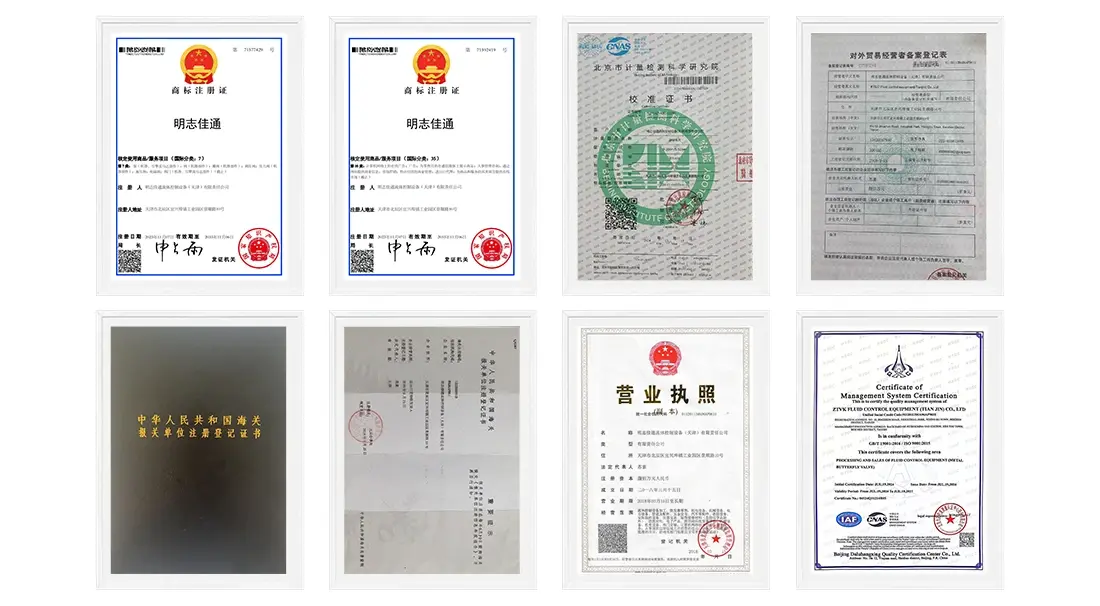
The company ZTVK is certified in ISO9001, ISO14001, and OHSAS18001, and they also help with factory audits by outside groups. There is no confusion in the seller qualification process because all test results and certification papers can be scanned and checked.
OEM Partnerships and Lead Time Planning
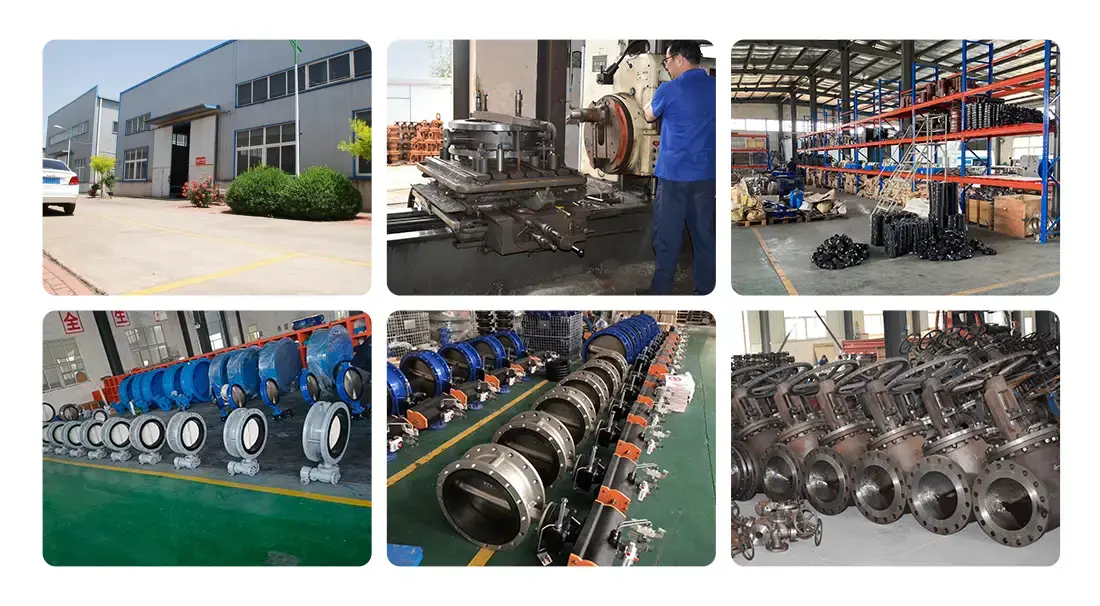
When they sell to local markets, distributors and trading companies can get help with OEM branding. ZTVK usually has more than 2,000 DN50–DN600 types in stock, and they can be delivered 3–7 days after an order is confirmed. It takes 15–25 days to make versions that aren't common. For a small extra fee, rush orders can be sent within 7–10 days. Since the plant is only 50 km from Tianjin Port and has long-term partnerships with both COSCO Shipping and Maersk, buyers from other countries can get quotes for both FOB Tianjin Xingang and CIF target ports, which makes planning freight easier.
Maintenance and Longevity Tips for 304 Stainless Steel Valves
Routine Inspection Practices
Visual checks done every six months find early signs of crevice rust around gasket surfaces and stem packing wear before they get worse and cause leaks. Cleaning the outside of valves with a weak neutral soap and then cleaning them with clean water keeps chloride from building up on uncovered surfaces, which is especially important near the coast or in wet places.
Addressing STEM Leakage
Over time, the thermal cycle makes the gland packing contract in an uneven way. When there is only a small leak in the stem, tightening the packing nut under the actuator handwheel re-seats the packing material and stops the leak without having to take the valve off. This useful repair task keeps the valve working and keeps it from having to be taken out of service for no reason.
Protective epoxy resin coatings help stop rust in places with a lot of humidity, which is something ZTVK thinks about when designing sites in Southeast Asia. The rough dust conditions that are typical in the Middle East are taken care of by thickened stem protection covers. Talking to the manufacturer's technical team before choosing 304 stainless steel valves for odd working conditions can help avoid problems with compatibility that show up after the valves have been installed.
Conclusion
A 304 stainless steel valve controls flow in systems that treat water, make chemicals, heat and air conditioning, oil and gas, and protect the environment in a safe and cost-effective way. Because its metallurgical properties are well understood, it meets international standards, and it's easy to find, it's usually the best choice for most general-purpose process applications. The J41W-16P is a tried-and-true solution that can be checked when chloride exposure stays within safe limits and working conditions are within the PN16 service guidelines. When you match the right valve specification with a certified, responsive manufacturer, you lower the risk of buying something and improve the asset's long-term performance.
FAQ
1. What is the difference between 304 and 316 stainless steel valves?
About 2% of 316 stainless steel is molybdenum, which makes it much more resistant to pitting caused by salt. 316 is the right choice for seawater or process lines with more than 200 parts per million of chlorine. 304 stainless steel valve costs less and works just as well in most general utility, water treatment, and chemical applications where chloride exposure is moderate.
2. Can a 304 stainless steel valve handle steam service?
Yes. The J41W-16P can handle steam within its rated temperature range if it has the right metal or PTFE seats. Seats made of PTFE work reliably up to about 232°C. For long-term high-temperature steam above that point, setups that are seated in metal are better.
3. How do I verify that a supplied valve is genuinely 304 stainless steel?
Ask for PMI (Positive Material Identification) test results that show the amount of chromium is more than 18% and the amount of nickel is more than 8%. Reliable manufacturers, such as ZTVK, offer test results that can be tracked and are happy for a third party to check their products.
4. What pressure rating does the J41W-16P carry?
The J41W-16P has a nominal pressure rating of PN16 and can be used with water, steam, oil, sewage, and chemicals. It can handle nominal diameters from DN15 to DN600.
Partner with ZTVK — Your Trusted 304 Stainless Steel Valve Supplier
ZTVK's factory in Tianjin makes industrial-grade 304 stainless steel valves. The factory has ISO-certified quality control, fast shipping around the world, and real OEM support. Our J41W-16P globe valve is DN15–DN600 at PN16 and comes with a guarantee that lasts for 18 months. To get a price, CAD drawings, or bulk rates, email our engineering team at ktec86961886@163.com right now.
References
1. ASM International. (2020). Properties and Selection: Irons, Steels, and High-Performance Alloys. ASM Handbook, Vol. 1.
2. Outokumpu. (2022). Corrosion Handbook: Stainless Steel Grades and Their Performance in Industrial Applications.
3. Valve Manufacturers Association of America. (2021). Valve Primer: Industrial Valve Selection and Maintenance Guide.
4. API. (2021). API 598: Valve Inspection and Testing. American Petroleum Institute.
5. International Trade Administration. (2023). Industrial Machinery and Equipment: Global Supply Chain and Procurement Best Practices. U.S. Department of Commerce.
6. ASTM International. (2021). ASTM A351/A351M: Specification for Castings, Austenitic, for Pressure-Containing Parts.
Send us your valve requirements and our team will provide professional solutions and fast quotations.
RELATED INDUSTRY KNOWLEDGE