- English
- French
- German
- Portuguese
- Spanish
- Russian
- Japanese
- Korean
- Arabic
- Greek
- German
- Turkish
- Italian
- Danish
- Romanian
- Indonesian
- Czech
- Afrikaans
- Swedish
- Polish
- Basque
- Catalan
- Esperanto
- Hindi
- Lao
- Albanian
- Amharic
- Armenian
- Azerbaijani
- Belarusian
- Bengali
- Bosnian
- Bulgarian
- Cebuano
- Chichewa
- Corsican
- Croatian
- Dutch
- Estonian
- Filipino
- Finnish
- Frisian
- Galician
- Georgian
- Gujarati
- Haitian
- Hausa
- Hawaiian
- Hebrew
- Hmong
- Hungarian
- Icelandic
- Igbo
- Javanese
- Kannada
- Kazakh
- Khmer
- Kurdish
- Kyrgyz
- Latin
- Latvian
- Lithuanian
- Luxembou..
- Macedonian
- Malagasy
- Malay
- Malayalam
- Maltese
- Maori
- Marathi
- Mongolian
- Burmese
- Nepali
- Norwegian
- Pashto
- Persian
- Punjabi
- Serbian
- Sesotho
- Sinhala
- Slovak
- Slovenian
- Somali
- Samoan
- Scots Gaelic
- Shona
- Sindhi
- Sundanese
- Swahili
- Tajik
- Tamil
- Telugu
- Thai
- Ukrainian
- Urdu
- Uzbek
- Vietnamese
- Welsh
- Xhosa
- Yiddish
- Yoruba
- Zulu
How to deal with the noise from the check valve
To deal with check valve noise, you need to figure out what's causing it and choose the right solution. Water hammer, turbulent flow, and valve slamming during flow reversal are the main causes of noise in most industrial and business pipe systems. A 2 inch silent check valve with spring-loaded disc technology can solve these problems because it closes before backflow happens, getting rid of the loud impact sounds that are a problem with older swing check designs. These valves stabilise the pressure right away and make equipment last longer in HVAC, petrochemical, and city water supply uses.
Understanding Noise Issues in 2 Inch Check Valves
Most of the time, noise from a check valve isn't just an annoyance; it's a sign of greater operating problems that could damage the system. When we work with distributors and builders, we see the same problems over and over again: pump discharge lines that clang, pipes that wear out from vibrations, and HVAC systems in cities that don't follow the rules. Procurement experts can avoid costly downtime and early equipment repair by figuring out what causes these problems.
Primary Sources of Valve Noise
For loudness, water hammer is the worst. A fast-moving fluid stream pauses suddenly, generating a pressure spike rearward into the pipe. Swing check valves close by gravity; thus, the disc doesn't close until the flow reverses. This delay generates a shockwave with sporadic pressures above 1000 psi that cracks pipe joints and damages pump seals.
Sound energy increases with river turbulence. Fluid flow within a valve is turbulent due to sudden direction and speed changes. Turbulence within a valve generates a low-frequency rumbling audible through metal pipes. Ductile iron bodies with a PN 16 rating for medium-pressure application may readily transmit these motions unless the valve design includes damping.
Recognizing Installation-Related Noise
Even small design flaws are made worse by installation mistakes. When you mount a check valve horizontally when it was designed for vertical flow, the disc closing dynamics change, which lets it chatter against the seat. When pipe sizes aren't right, velocity mismatches happen, which force the valve to work outside of its ideal flow coefficient range. Over time, silt builds up on the disc seat and stops it from closing all the way. This lets backflow keep shaking the disc during times of low flow.
The choice of material has a big impact on how well something sounds. Even though stainless steel doesn't rust, it does pass high-frequency noise more easily than elastomer-cushioned designs. We've seen that durable seat inserts help flanged connections in sizes DN65 to DN500. These inserts take in the energy of the closing impact and lower the noise that travels to nearby pipes.
Comparing Silent Check Valve Technology for Noise Reduction
Not every check valve is good at controlling noise. Depending on the type of valve you choose, your system will either hum quietly or send every change in pressure through the house. By looking at different design ideas side by side, we can see why spring-loaded 2 inch silent check valves work better in noise-sensitive areas than other types.
Design Advantages of Spring-Loaded Mechanisms
Check valves that are silent use a center-guided spring to actively stop the disc when the forward flow speed gets close to zero. This proactive closing stops backflow from happening at all, so there is no actual effect to make noise. It is important to carefully determine the spring constant. If it is too weak, the valve acts like a normal swing check, and if it is too strong, the pump loses too much head, which makes it less efficient. Our mechanical data show that designs that depend on gravity take 70% longer to close than designs that use properly tensioned springs.
On the other hand, swing check valves rely on the force of the flow going the opposite way to turn the disc back onto its seat. This design is naturally reactive, so it ensures a time of backflow and a strong slam. Ball check valves respond faster, but as the sphere bounces inside the cylinder, they cause noise. Dual-plate wafer checks make better use of the room, but they still make some noise when the flow changes quickly.
Material Influence on Acoustic Performance
Ductile iron valve bodies are strong enough for PN 16 uses, which need a working pressure of about 232 psi, but they are still affordable for large-diameter installs from DN65 to DN500. The ductile iron design soaks up impact energy that would otherwise be sent through hard metal-to-metal contact when paired with EPDM or Buna-N resilient seats. When the disc is closed, the rubber seat slightly contracts, which cushions it and reduces high-frequency noise.
Internals made of stainless steel don't rust when exposed to hot vapour and chemical process streams. The trade-off is in the sound quality: steel parts make sounds that are sharper and more penetrating unless they are paired with soft-sealing parts. Bronze alloys are in the middle. They have some corrosion protection and naturally dampen vibrations, but the higher cost of the material makes it hard for wholesalers to offer cheap bulk price.

Step-by-Step Guide to Installing 2 Inch Silent Check Valves to Minimize Noise
If you place a 2-inch silent check valve correctly, it will live up to its name and not make a lot of noise. When procurement managers give their workers clear installation instructions, they do a better job on the job and get fewer guarantee claims.
Pre-Installation System Assessment
First, find out what the real flow rates and pressures are at the installation site. List the pump's specs, the estimated head pressure, and the normal flow rate. Compare these settings to the valve's public performance chart. If you force a DN50 silent check valve that works best for 15–30 GPM to handle 60 GPM, it will make noise and turbulence because it has the same flange bolt design as the existing swing check.
Check the direction of the pipe before you buy. Gravity helps the spring close in vertical setups with upward flow, which makes the spring stresses lower and lowers head loss. For horizontal installation, the springs need to be stronger to support the weight of the disc. This slightly increases the pressure drop but keeps the process quiet. For downward vertical flow, the spring design needs to be very strong, and not all quiet check models may be able to handle it.
Installation Best Practices for Noise Control
Place the valve so that the flow direction lines up with the arrow that was cast into the body. Even though it seems clear, nearly 20% of the field noise issues we look into are caused by installations that are in the wrong order. Make sure that the pipes ahead have at least five diameters of straight runs to keep the flow patterns stable before the valve opening. The disc gets excited by turbulent input flow, which causes flutter and buzz, no matter how good the valve is.
A lot of workers don't realise how important flange bolting pressure is. When you over-tighten, the seals get compressed unevenly, which bends the valve body and throws off the alignment of internal parts. Under-tightening lets tiny movements happen between the flange faces, which makes metallic ticking sounds that are magnified by the pipe's vibration. Follow the torque guidelines in ASME B16.5 for your gasket material and flange class. For DN50 ductile iron flanges with normal spiral-wound gaskets, the range is usually 50 to 75 ft-lbs.
Post-Installation Testing and Adjustment
Once the system is under pressure, pay close attention as the pump starts and stops. The whole process should be done in silence. A single sharp click when the pump stops working means that it closed properly, but it could also mean that the spring needs to be fine-tuned if that's possible. If there is constant clicking or buzzing, it means there is something wrong, like dirt on the seat, not enough spring tension, or too fast a flow rate.
Turn off the pump and watch the pressure downstream to do a pressure drop test. For resilient-seated types, the valve should hold with no loss. For metal seats, the leakage rate should be within the limits set by API 598. As high-speed fluid exits through gaps in the seal, whistling sounds are often a sign of a leak.
Maintenance Tips to Keep Your 2 Inch Silent Check Valve Operating Quietly
Doing these things regularly will help your 2 inch silent check valve work quietly. Even the most well-designed valve needs to be checked every so often to keep running smoothly and quietly. Setting up a predictive repair plan based on noise tracking helps keep things from breaking down at crucial times for production.
Routine Inspection Protocols
Visual checks should be done on valves every three months for clean water service and every month for abrasive slurries or high-cycle uses. Take off the valve cover and check the spring for rust, sagging, or broken coils. Check the free height against the original specs. If the spring has been compressed too far, it means it is overworked and will soon break. Check the guide shaft for wear or scoring. If there is too much space between the disc and the shaft, the disc will wobble and make metallic scraping sounds.
Check the valve seat for wear, holes, or debris that is stuck in it. Resilient seats should keep the touch areas even and not crack or break down chemically. We suggest changing elastomeric seats every 24 to 36 months in hot water situations above 180°F, where they age faster, no matter how good they look.
Cleaning and Lubrication Guidelines
To get rid of the growth of grit, flush the valve body with clean water. Do not use strong chemical cleaners that can damage elastomers or leave behind residues that make it hard for the seat to close. Check the shape of the disc bullet-head. Any nicks or deformations that affect the smooth flow make the turbulence sounds louder. By lightly cleaning surfaces with a fine-grit abrasive cloth, you can make them smooth again without changing the limits for size.
Use food-grade silicone grease that is compatible with your process fluid to grease the guide shaft. Lubricants made from petroleum make EPDM seats grow and pollute systems that carry drinkable water. Use little oil; too much grease pulls particles that speed up wear. The non-metallic guide tube should be able to slide without getting stuck or having too much play.
Troubleshooting Common Noise Problems
If you hear clicking during flow, the disc is partly closing due to pressure imbalance or spring slowness. Check for pressure drops below the valve's minimum cracking pressure upstream. The spring check pressure is normally 0.5–2 psi. Bubbles hit valve surfaces when downstream pressure dips near the vapour pressure. This is intermittent ringing.
Low-frequency vibrations that persist indicate that the valve cannot withstand the flow rate. Calculate the speed using the flow rate and pipe width. In water service, speeds above 10 feet per second may induce DN50–DN100 line vibration. Upsizing to the next standard diameter reduces velocity and noise, but the pump curve must be considered.
Selecting the Right 2 Inch Silent Check Valve for Your Business Needs
Picking a provider and standard that fits with your business needs is what makes the difference between a successful purchase and costly rework. There are many valves on the market, but only those that have been carefully tested for technical quality and accuracy in production will last in the long run.
Evaluating Technical Specifications
Give more weight to flow coefficient (Cv) data that fits the hydraulic calculations for your system. At full flow, a 2 inch silent check valve of the right size shouldn't lose more than 2 to 3 psi of head pressure. Make sure the valves can handle the pressure class. PN 16 valves can handle most industrial HVAC and local water uses, but petrochemical workers need higher grades. Make sure the temperature range works for your process. For example, normal EPDM seats can only handle 230°F of heat, but Viton seats can handle up to 400°F.
When you're providing regulated businesses, material certification is very important. Make sure that the valve bodies have mill test records (MTRs) that prove they are made of ASTM A536 ductile iron. Traceability keeps casts that aren't up to par from getting into your store. The materials used to make springs should meet the ASTM A313 standards for corrosion protection and fatigue life of more than 50,000 cycles.
Supplier Capabilities and Support
How much you make affects how well your crucial project goes. A comprehensive collection allows suppliers to send common DN65-DN500 combinations within days, which is crucial when a valve breaks and production stops. Customization flexibility enables you to satisfy link demands or swap materials quickly.
Quality assurance protects your customers' goodwill. Hydrostatic testing at 1.5 times working pressure verifies body stability. API 598 seat leakage testing reveals no leaks before shipping. Spring force tests verify that each valve closes at the proper flow rate. These credentials should be on every valve, not just some.
Find 18-month warranties that cover product manufacturing issues. It takes longer to install and test. This ensures coverage throughout the first several months, when hidden issues arise. Field questions may be addressed by technical support without consulting costs. Troubleshooting tips and installation videos reduce training contractor costs and improve first-time installation success.
Bulk Procurement Strategies
When buyers in bulk negotiate annual contracts, they can save 15 to 25 percent on costs compared to buying on the spot. Lock in stable prices that protect your profit margin from changes in raw materials. Set up blanket buy orders with planned releases that match your project flow. This will keep your supply going while lowering the cost of keeping inventory on hand.
If you sell valves under your own business name, ask for OEM branding and unique packaging. Many makers allow private labelling without having to meet minimum order numbers that are hard for smaller distributors. Check that the ISPM 15 wood packing standards are being followed to avoid expensive delays and quarantine fees at customs when shipping goods internationally.
Conclusion
Getting rid of check valve noise takes careful valve selection, careful installation, and regular upkeep. Traditional designs make noise from water hammer and turbulence, but spring-loaded 2-inch silent check valves with ductile iron bodies, robust seats, and improved closing mechanisms get rid of these problems. When procurement professionals choose valves based on strict technical factors like pressure class, material certifications, and hydraulic performance, they protect the stability of the system and keep the total cost of ownership low. When you work with makers who show they can provide quality assurance, quick inventory response, and expert support, your projects will go smoothly from the specification stage through decades of quiet operation.
Frequently Asked Questions (FAQ)
1. How do silent check valves reduce noise compared to traditional designs?
2-inch silent check valves use discs that are filled with springs and close as soon as the forward flow speed stops. This stops backflow from ever starting. The disc is slammed shut by reverse flow motion in traditional swing checks. This creates water hammer shockwaves and contact noise. The spring system stops the disc and seat from hitting each other, which would make loud clanging noises. Also, the center-guided disc movement stops the disc from moving side to side, which would cause metal to scrape.
2. What maintenance extends valve lifespan and preserves quiet operation?
By checking the spring tightness, seat state, and guide shaft wear every three months, problems can be found early. By flushing out the silt, waste is kept from getting in the way of the disc closing. When used with hot water, replacing the durable seats every 24 to 36 months stops the wear and tear that leads to leaks and noise. When the guide parts are properly oiled, the disc can move smoothly without getting stuck. Watching for quick changes in noise lets you fix problems before they get worse and cause catastrophic failures.
3. Does installation orientation affect noise levels?
The best placements are vertical ones with upward flow, which let gravity help close the springs and require smaller springs that reduce head loss. For horizontal installation, the springs need to be stronger to support the weight of the disc. This slightly increases the pressure drop but keeps the process quiet. When there is downward vertical flow, the spring force must be at its highest level. This may be too much for some valve designs, leading to noise and partial closing if they aren't rated for that orientation.
Partner with ZTVK for Reliable Silent Check Valve Solutions
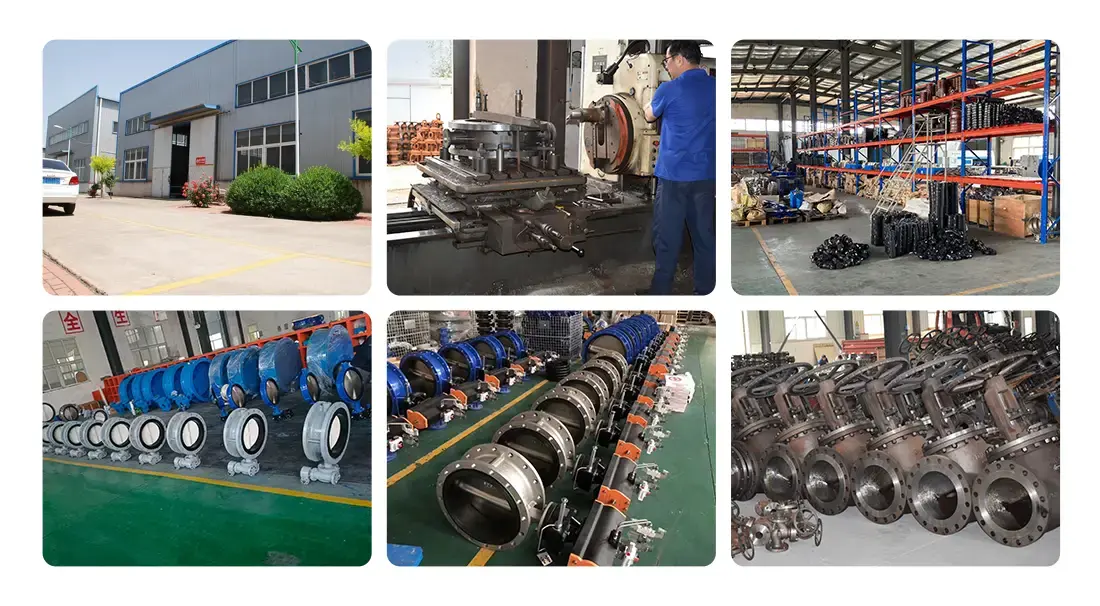
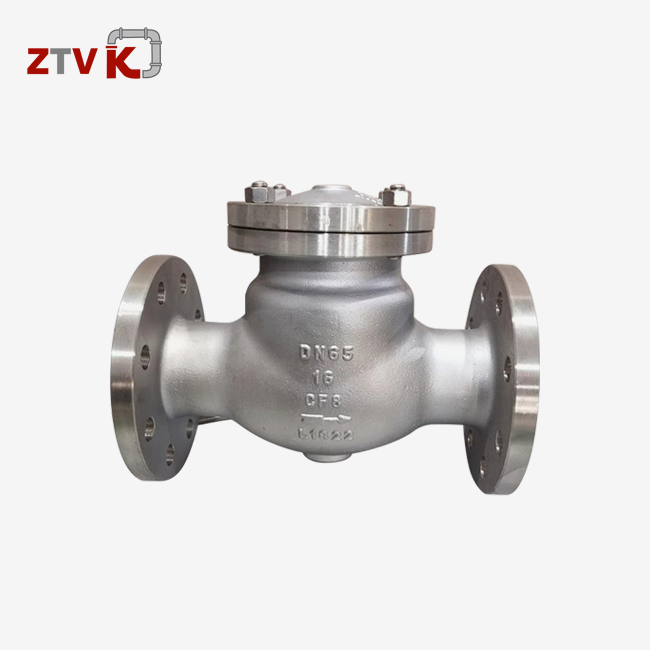
Precision-engineered silent check valves made by ZTVK are made to get rid of noise in tough industrial settings. Our DN65-DN500 flanged ductile iron valves rated PN 16 are built to last and use modern spring-loaded disc technology to make sure there is no water hammer and provide years of service without any repairs. We are based in Tianjin's Beichen District and have ISO 9001 certification. We keep more than 2000 units in stock so that common setups can be delivered quickly in 3–7 days.

Our service stands out because we offer custom OEM branding, faster production processes, and full technology support. Procurement managers like that our minimum orders are open, our prices are clear, and we protect your investment with an 18-month guarantee. Because we are close to Tianjin Port, we can send goods around the world quickly and easily through established partnerships with big carriers. Our team can help you choose the right 2 inch silent check valve provider, provide CAD documentation, and help with installation, whether you need a large quantity for sale or custom solutions for a particular project.
Contact our engineering team at ktec86961886@163.com to discuss your application requirements, request performance data, or arrange valve samples. We combine the speed of Chinese production with international quality standards to make sure that your piping systems work efficiently and quietly.
References
1. American Water Works Association. (2020). Manual of Water Supply Practices M11: Steel Pipe—A Guide for Design and Installation. Denver: AWWA Publications.
2. Sanks, R.L., et al. (2018). Pumping Station Design (4th ed.). Oxford: Butterworth-Heinemann Engineering.
3. Tullis, J.P. (2019). Hydraulics of Pipelines: Pumps, Valves, Cavitation, Transients. Hoboken: John Wiley & Sons.
4. Mohitpour, M., Golshan, H., & Murray, A. (2017). Pipeline Design and Construction: A Practical Approach (3rd ed.). New York: ASME Press.
5. Skousen, P.L. (2021). Valve Handbook (4th ed.). New York: McGraw-Hill Professional.
6. Karassik, I.J., et al. (2019). Pump Handbook (5th ed.). New York: McGraw-Hill Education.
Send us your valve requirements and our team will provide professional solutions and fast quotations.
RELATED INDUSTRY KNOWLEDGE