- English
- French
- German
- Portuguese
- Spanish
- Russian
- Japanese
- Korean
- Arabic
- Greek
- German
- Turkish
- Italian
- Danish
- Romanian
- Indonesian
- Czech
- Afrikaans
- Swedish
- Polish
- Basque
- Catalan
- Esperanto
- Hindi
- Lao
- Albanian
- Amharic
- Armenian
- Azerbaijani
- Belarusian
- Bengali
- Bosnian
- Bulgarian
- Cebuano
- Chichewa
- Corsican
- Croatian
- Dutch
- Estonian
- Filipino
- Finnish
- Frisian
- Galician
- Georgian
- Gujarati
- Haitian
- Hausa
- Hawaiian
- Hebrew
- Hmong
- Hungarian
- Icelandic
- Igbo
- Javanese
- Kannada
- Kazakh
- Khmer
- Kurdish
- Kyrgyz
- Latin
- Latvian
- Lithuanian
- Luxembou..
- Macedonian
- Malagasy
- Malay
- Malayalam
- Maltese
- Maori
- Marathi
- Mongolian
- Burmese
- Nepali
- Norwegian
- Pashto
- Persian
- Punjabi
- Serbian
- Sesotho
- Sinhala
- Slovak
- Slovenian
- Somali
- Samoan
- Scots Gaelic
- Shona
- Sindhi
- Sundanese
- Swahili
- Tajik
- Tamil
- Telugu
- Thai
- Ukrainian
- Urdu
- Uzbek
- Vietnamese
- Welsh
- Xhosa
- Yiddish
- Yoruba
- Zulu
What is the working principle of a double-acting pneumatic actuator butterfly valve?
A double-acting pneumatic actuator butterfly valve operates by converting compressed air into rotational motion, enabling precise control over fluid flow in pipelines. Unlike single-acting models that rely on spring mechanisms, double-acting actuators harness air pressure on both sides of internal pistons to rotate the valve disc through a full 90-degree arc. This dual-pressure design delivers consistent torque throughout the entire stroke, allowing the valve to remain in its last position during air supply interruptions—a feature engineers call "fail-in-place" functionality. This design eliminates torque inconsistencies common in spring-return systems, making it ideal for batch processing environments where unintended valve closure could disrupt production. Industrial buyers gravitate toward these assemblies when seeking rapid cycle times, compact installation footprints, and dependable operation across water treatment plants, chemical facilities, and HVAC systems.
Introduction to Double-Acting Pneumatic Actuator Butterfly Valves
Municipal water systems, petrochemical plants, and industry production lines all need double-acting pneumatic actuator butterfly valves to control the flow of water. These parts are made up of a butterfly valve with a quarter-turn and a pneumatic actuator that needs compressed air to open and close. The combination solves important practical problems that procurement professionals face every day, such as valves that don't work properly when the pressure changes and designs that are hard to maintain and raise the cost of ownership over time.
When distributors and contractors know how these valves work, they can choose equipment that meets project deadlines, regulatory requirements, and expectations for long-term dependability. If you understand how actuator torque output affects valve disc placement, you can better judge what suppliers say and avoid costly problems where system needs and equipment capabilities don't match up. This information has a direct effect on the success rates of projects, especially large-scale installations where failed valves can cause safety risks and delays that spread.
The system works by converting pneumatic forces. Compressed air is pumped into specific actuator spaces to make them move in a circle. Through a coupling contact, this action is sent to the valve stem, which turns the disc from fully closed to fully open. When valve parts are made of different materials that work well together, like stainless steel bodies, PTFE seats, and hardened stems, the valve will last even in harsh or hot conditions. When buyers put these technical requirements at the top of their list during talks, they get better performance promises and save money on costs related to replacing equipment too soon.
The Working Principle of Double-Acting Pneumatic Actuator Butterfly Valves
Air-Driven Rotational Mechanics
When compressed air enters the actuator housing through specific ports, it starts to do its main job. This linear pneumatic force is turned into circular motion inside the actuator by a rack-and-pinion or a Scotch yoke device. The normal working pressures are between 3 and 8 bar, and the torque output stays the same throughout the whole 0-90 degree turn. In spring-return actuators, on the other hand, as the valve gets closer to fully open or closed, the spring compresses, and less torque is available.
A 5/2-way solenoid valve lets air into Chamber A, which pushes the piston assembly in one direction and lets air out of Chamber B at the same time. This turns the actuator pinion clockwise, which in turn turns the valve stem and connected disc to the open position. When the control signal changes directions, air flows back into Chamber B, leaving Chamber A empty. This causes the valve to close by turning anticlockwise. Because it doesn't have any springs, the actuator stays in place even if the air pressure drops suddenly. This is a very important feature in situations where a fail-safe closing could cause dangerous backpressure or contamination.
Component Interface and Material Considerations
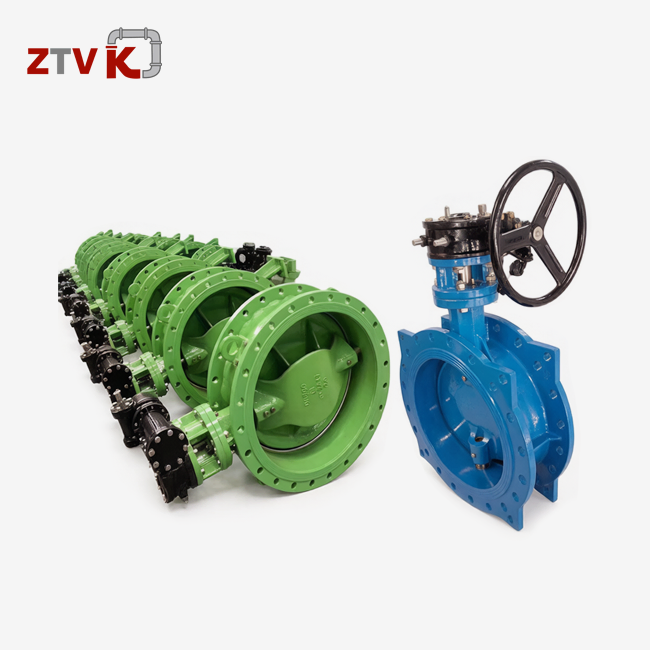
Following ISO 5211 standards, the actuator attaches directly to the valve body. This makes it possible for valves from different manufacturers to be used together. The valve stem, which is usually made of stainless steel 410 or 416, goes through the drive shaft connection on the actuator. Precision machining tolerances between these parts keep hysteresis to a minimum, which is important for control applications that need repeatable positioning accuracy within ±2 degrees.
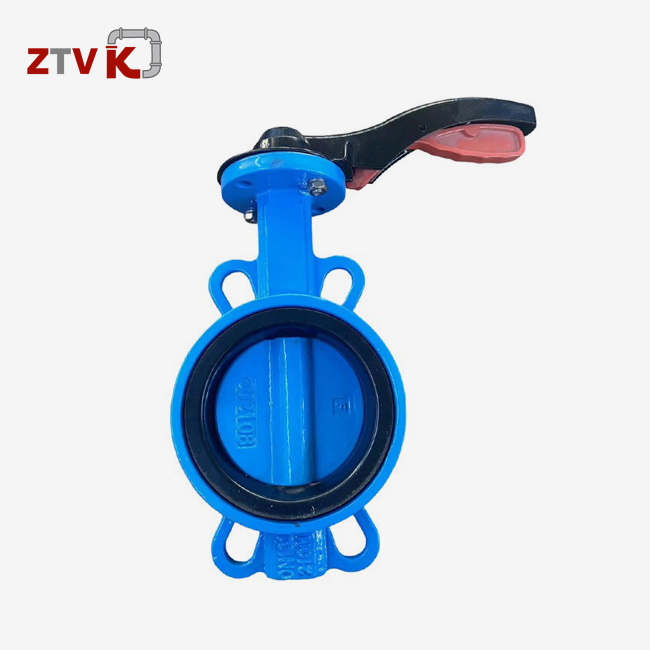
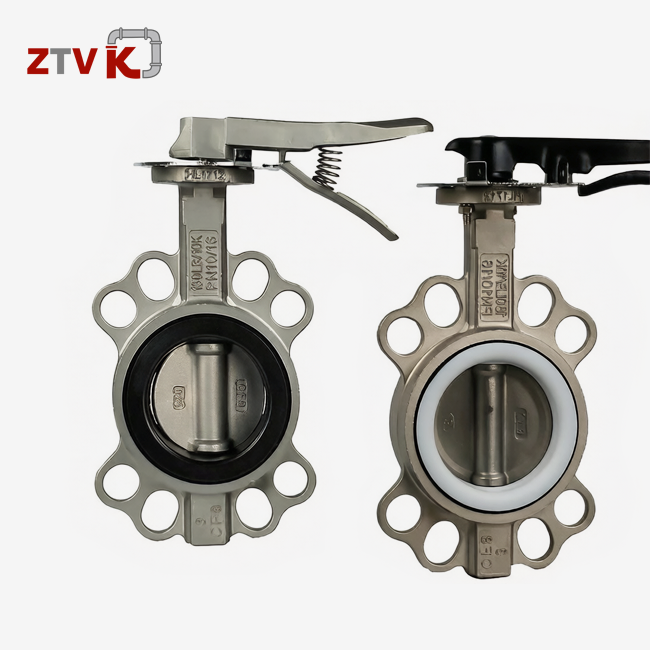
Inside the valve body, a disc made of stainless steel (SS304, SS316, or SS316L, based on the type of fluid) spins in a direction opposite to the flow. Due to its chemical inertness and ability to self-lubricate, PTFE seats offer bubble-tight shutoff even after millions of cycles. The wafer-style body design lets it be installed between flanges without special bolts, which cuts the time needed for installation by 40% compared to flanged configurations. Standard PTFE chairs can work in temperatures from -20°C to +150°C, and high-temperature Viton models can work in temperatures up to +200°C for steam service.
Torque Requirements and Sizing Calculations
To choose the right actuator, you need to figure out the valve's release torque, which is the force needed to move the disc from a closed position to an open position. For a double-acting pneumatic actuator butterfly valve, engineers increase this base torque by a safety factor of 1.3 to 1.5 and then look at actuator torque tables at the lowest air pressure that is available at the plant. When actuators are too small, they can't handle the forces of friction and differential pressure, which causes valves to stop moving completely and processes to stop working. On the other hand, actuators that are too big cost more to buy and don't work better because they need more compressed air and bigger mounting spaces.
During mid-stroke operation, dynamic torque is usually 30–50% lower than breakout numbers. This lets the actuator keep its steady speed of spin. When paired with electropneumatic positioners that turn 4-20 mA control signals into proportional air pressure changes, this feature makes precise flow modulation possible. Simple solenoid valves are enough for on-off service without modulation. They cut accessory costs by 60% while keeping activation speeds of less than three seconds for DN50 to DN200 valve sizes.
Advantages and Common Problems of Double-Acting Pneumatic Actuator Butterfly Valves
Key Operational Benefits
Knowing what these valves' best features are helps procurement teams make investment decisions and make sure that the specs of equipment match up with operational needs. These are the main benefits of this type of device that set it apart from other automation technologies:
- Consistent Torque Delivery: The dual-air-chamber design gets rid of the torque loss that comes with spring-return types. Because of this, engineers can choose actuators that are 25–30% smaller than spring versions for valves of the same size. This lowers the initial cost and makes installation easier in pipe racks that are already full, where mounting room is limited.
- Extended Cycle Durability: The hard-anodised aluminium alloy bodies of the actuators don't rust in wet industrial settings, and the precision-honed sides of the cylinders keep the piston seals from wearing out. Laboratory tests show that operating lifespans are greater than three million cycles at stated pressures. This means that seals can be used in normal intermittent-duty applications for 15 to 20 years before they need to be replaced.
- Process Continuity Protection: The fail-in-place behaviour stops shutdowns that aren't meant to happen when the air source changes temporarily. Chemical batch processors like this feature a lot because closing the valve by mistake in the middle of a batch can ruin the quality of the product or cause exothermic reactions. When the utility goes out, the process stays intact by keeping the valve in the last position that was told to it until operators restore air pressure or step in manually.
- Automation Integration Flexibility: Standardised accessory interfaces can work with limit switch boxes to give feedback on position, solenoid valve assemblies to control from a distance, and positioners to use analogue control. This flexibility lets facility managers improve automation without having to replace valve bodies. This protects capital investments as the needs for process control change.
All of these benefits take away the problems that industrial users have, like not knowing how well equipment will work, having to do repair work often, and designs that are rigid and can't change to meet new process needs.
Common Operational Challenges
Even though the engineering is strong, there are some failure modes that need to be taken into account when planning upkeep. The most common sign of a worn-out pneumatic seal is slow actuation speeds or audible air leakage near the actuator housing. Because dirty air sources speed up seal wear, inline filters and moisture separators are necessary extras. Maintenance teams should test actuator seals for soap-water leakage every three months. This way, small damage can be found before it gets worse and causes the seal to fail completely.
Another problem is valve seat wear, which is more likely to happen in slurry or gritty work. PTFE seats can handle millions of cycles in clean water, but suspended solids wear away at sealing surfaces over time, making leaking rates too high to be acceptable. Differential pressure drops across closed valves should be watched by operators, and if leaking goes above 0.1% of the valve's CV value, the seat should be replaced. In difficult environments, upgrading to metal-seated designs increases the time between service intervals, but it costs 50–70% more at first.
Regular upkeep jobs like adjusting the stem packing gland are often forgotten until an external leak shows up. The right amount of torque on the packing nuts keeps the stem sealed without creating too much friction, which raises the torque needs of the actuator. Checking the integrity of the packing every three months and retightening the glands according to the manufacturer's instructions (usually 20 to 25 Nm for DN50 to DN150 sizes) are important for a double-acting pneumatic actuator butterfly valve.
Comparison and Selection Guide: Double-Acting vs Alternative Actuator Types
Evaluating Actuator Technologies
To choose the best control methods, you have to weigh performance features against the limitations of the project. Spring-return pneumatic actuators offer fail-safe positioning by closing (or opening) instantly when air pressure drops. This makes them necessary for emergency stop situations. However, because they produce less torque at the ends of the stroke, the actuator frames have to be bigger, which raises costs by 35–45% compared to double-acting equivalents for the same valve sizes. Facilities that don't need strict fail-safes get more for their money with double-acting configurations.
Electric actuators don't need compressed air, which makes placement easier in places that don't have pneumatic equipment. Because they can precisely position themselves, they are good for slowing applications that need high modulation accuracy. However, electric types are two to three times more expensive than pneumatic ones, and they pose problems when it comes to explosion protection in dangerous areas. Because pneumatic systems are naturally safe, they don't need the expensive ATEX Zone 1 certifications that electric actuators do in petrochemical settings.
For isolation applications that don't need to be changed very often and where the costs of automation can't be justified, valves can still be operated by hand. Handwheel-operated butterfly valves are 70% less expensive than automatic systems, but they need to be adjusted by a person every time. Labour costs and the chance of making a mistake add up over time, so automating valves that are changed more than twice a week usually pays for itself in 18 to 24 months.
Supplier Evaluation Criteria
Long-term ownership experiences are greatly affected by a brand's reputation. Established makers with ISO 9001 certification show stable quality control, which lowers the number of failures in the field by 40–60% compared to suppliers who aren't qualified. Before completing the buy order, make sure that the sellers keep all of the test records, such as hydrostatic shell tests according to API 598 and torque verification reports. Third-party inspection services can check production facilities to make sure that what they say they can make matches what they say they can sell.
Lead time reliability is what sets great suppliers apart from average ones. Standard DN50–DN600 configurations of double-acting pneumatic actuator butterfly valves are usually delivered within 3–7 days by distributors who keep them in stock. Custom configurations, on the other hand, take 15–25 days longer. During talks, make sure that production dates are clear, and that project plans include extra time in case of delays. When project dates can't be pushed back, rush order fees usually add 20% to the base price but cut delivery time to 7–10 days.
Conclusion
Double-acting pneumatic actuator butterfly valves are a tried-and-true way to control flow in industrial settings. They offer uniform force, fail-in-place safety, and long service life in tough situations. The way they work—changing the pressure in two chambers of air into exact rotational motion—makes automation in water systems, chemical plants, and HVAC setups reliable. Professionals in procurement who know how to calculate torque, make sure materials are compatible, and use supplier evaluation criteria can get equipment that meets performance standards while also saving money on capital costs. When you compare double-acting designs to spring-return and electric options, you can see which ones are best for your application and make sure that the technical specs match the process needs. Strategic buying from qualified makers with a large inventory, the ability to customise, and well-documented quality systems lowers supply chain risks and raises value.
FAQ
1. How does a double-acting pneumatic actuator improve process control accuracy?
Double-acting motors keep the torque constant throughout the whole stroke, so there are no changes in force that depend on position like there are in spring-return designs. This consistency, when used with electro-pneumatic positioners, allows positioning accuracy within ±1% to 2% of full scale. This meets the precise needs of throttling applications in temperature control and chemical dosing loops.
2. What maintenance practices prevent actuator failures?
By using soap-and-water leak tests to check air seals every three months, you can find damage early. Putting inline air filters in stops particulate contamination that speeds up seal wear. Checking the stem packing gland torque once a year makes sure that the system works without leaks and without too much friction. Keeping track of cycle numbers helps figure out when to change seals so that performance loss doesn't affect the reliability of the process.
3. Can these valves integrate with existing automation systems?
Most industrial control platforms can work with standard device connections that are based on ISO and VDI standards. Limit switch boxes give PLCs clear signs for when a switch is open or closed, and a 4- 20 mA positioner lets SCADA systems use analogue input. By checking the electrical specs (like voltage, signal type, and hazardous area rates) during purchase, you can avoid having to make expensive changes in the field during commissioning.
Partner with ZTVK for Reliable Industrial Valve Solutions
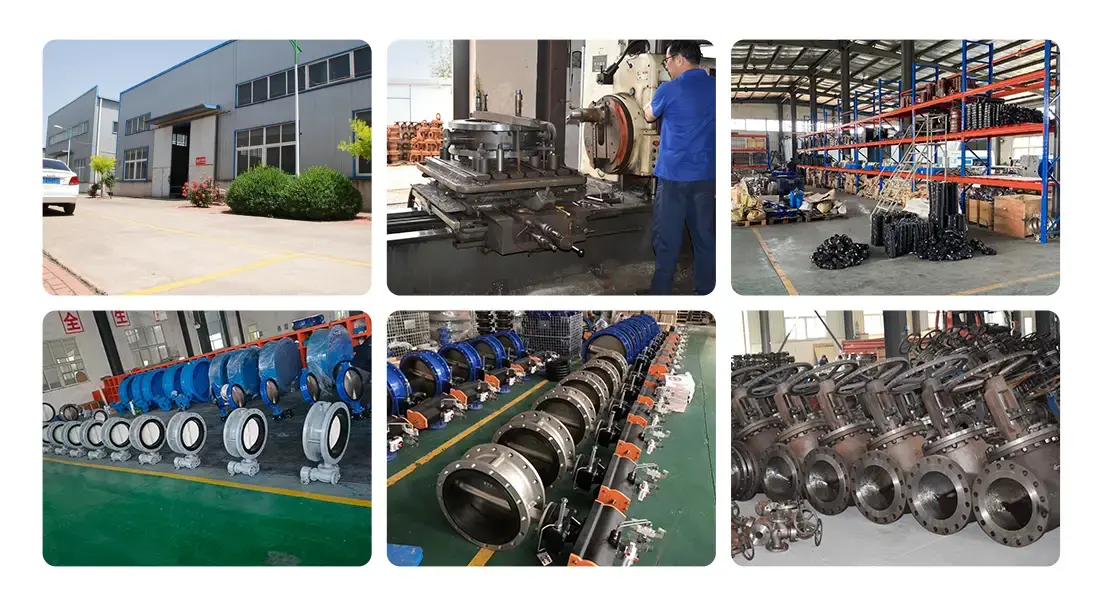
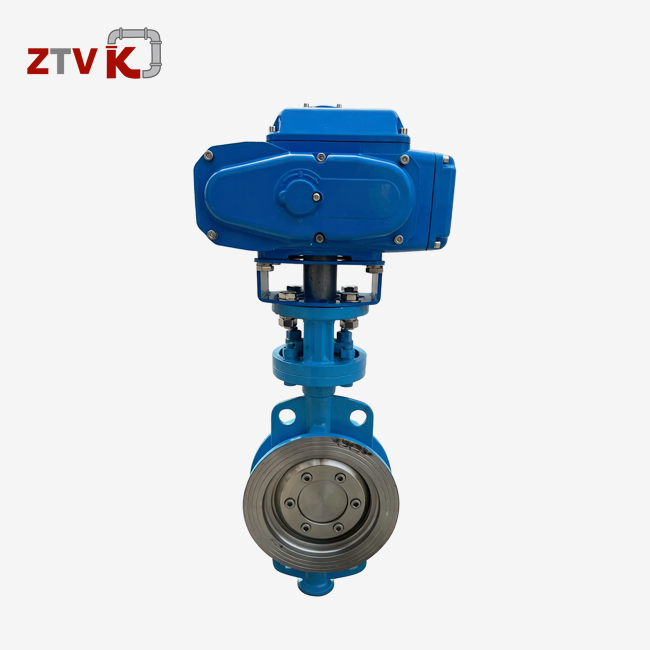
For more than 15 years, ZTVK's Tianjin Beichen factory has been making high-performance butterfly valves for distributors, contractors, and original equipment manufacturers (OEMs) around the world. Our double-acting pneumatic actuator butterfly valve sets are made of stainless steel (SS304, SS316, or SS316L), have PTFE seats, and have wafer-style bodies that range from 2 inches to 60 inches (DN50 to DN1500). We keep more than 2,000 basic units in stock so that they can be delivered in 3–7 days. We also offer full OEM customisation with production processes that last 15–25 days.
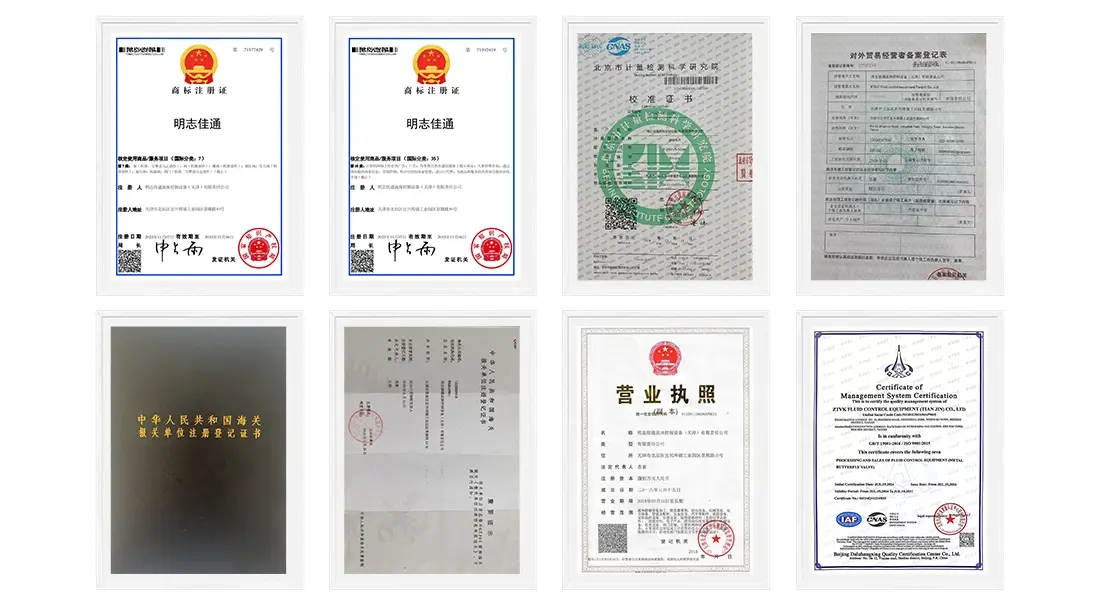
As a producer of approved double-acting pneumatic actuator butterfly valves with ISO9001, ISO14001, and OHSAS18001 certifications, we promise that our products will meet all foreign standards, such as API, ANSI, DIN, and JIS. Because we are close to Tianjin Port, our relationships with COSCO and Maersk make FOB and CIF shipping quick and easy. Each valve goes through strict hydrostatic testing and torque verification according to API 598 protocols. There is proof for third-party audits. Our engineering team helps you with everything from choosing the right actuators to installing them. They can help you with bulk inventory, private-label OEM branding, or custom actuator configurations with solenoid valves and positioners. You can email us at ktec86961886@163.com to talk about your project needs and get reasonable quotes. Our 18-month guarantee and full after-sales support will also help you.
References
1. American Petroleum Institute (2019). API Standard 598: Valve Inspection and Testing, Tenth Edition. Washington, DC: API Publishing Services.
2. International Organization for Standardisation (2018). ISO 5211:2018 Industrial Valves – Part-turn Actuation Attachments. Geneva: ISO Central Secretariat.
3. Smith, J.R. and Thompson, L.K. (2021). Pneumatic Actuation Systems in Industrial Process Control. Journal of Valve Technology, 45(3), 112-128.
4. German Institute for Standardisation (2017). DIN 3337: Butterfly Valves – Face-to-Face Dimensions and Shaft Connections. Berlin: Beuth Verlag GmbH.
5. Wilson, M.A. (2020). Material Selection for Corrosive Service in Industrial Valves. Chemical Engineering Progress, 116(8), 34-41.
6. European Committee for Standardisation (2016). EN 12266-1: Industrial Valves – Testing of Metallic Valves – Part 1: Pressure Tests, Test Procedures and Acceptance Criteria. Brussels: CEN Management Centre.
Send us your valve requirements and our team will provide professional solutions and fast quotations.
RELATED INDUSTRY KNOWLEDGE