- English
- French
- German
- Portuguese
- Spanish
- Russian
- Japanese
- Korean
- Arabic
- Greek
- German
- Turkish
- Italian
- Danish
- Romanian
- Indonesian
- Czech
- Afrikaans
- Swedish
- Polish
- Basque
- Catalan
- Esperanto
- Hindi
- Lao
- Albanian
- Amharic
- Armenian
- Azerbaijani
- Belarusian
- Bengali
- Bosnian
- Bulgarian
- Cebuano
- Chichewa
- Corsican
- Croatian
- Dutch
- Estonian
- Filipino
- Finnish
- Frisian
- Galician
- Georgian
- Gujarati
- Haitian
- Hausa
- Hawaiian
- Hebrew
- Hmong
- Hungarian
- Icelandic
- Igbo
- Javanese
- Kannada
- Kazakh
- Khmer
- Kurdish
- Kyrgyz
- Latin
- Latvian
- Lithuanian
- Luxembou..
- Macedonian
- Malagasy
- Malay
- Malayalam
- Maltese
- Maori
- Marathi
- Mongolian
- Burmese
- Nepali
- Norwegian
- Pashto
- Persian
- Punjabi
- Serbian
- Sesotho
- Sinhala
- Slovak
- Slovenian
- Somali
- Samoan
- Scots Gaelic
- Shona
- Sindhi
- Sundanese
- Swahili
- Tajik
- Tamil
- Telugu
- Thai
- Ukrainian
- Urdu
- Uzbek
- Vietnamese
- Welsh
- Xhosa
- Yiddish
- Yoruba
- Zulu
How to calculate the torque for a motor-actuated butterfly valve?
Calculating torque for a motor-actuated butterfly valve involves determining the rotational force needed to operate the disc against fluid pressure and mechanical resistance. The basic formula is T = K × D² × ΔP, where T represents torque (in Nm), K is a constant based on valve design (typically 0.1 to 0.2 for concentric designs), D is the disc diameter (in metres), and ΔP is the differential pressure (in bar). This calculation must account for safety factors—usually 1.25 to 1.5—to ensure the actuator provides adequate force during startup and seating. Understanding these calculations prevents actuator undersizing, which leads to valve failure, and oversizing, which wastes capital and increases energy consumption.
Understanding the Torque in Motor-Actuated Butterfly Valves
Why Torque Matters in Automated Valve Systems?
Torque is the amount of turning force an electric actuator needs to make in order to turn the valve disc from fully closed to fully open. If buying teams don't do correct torque calculations, they might choose actuators that don't have enough power or use too much energy. In wafer-type motor-actuated butterfly valves with diameters from DN40 to DN1200, the torque needs to keep going up as the diameter goes up. A 6-inch valve might need 150 Nm, but a 48-inch unit running at PN16 might need 8,000 Nm or more. This difference happens because the disc's surface area interacts with fluid pressure and the friction between the stem and seat.
The Role of Electric Actuators in Torque Delivery
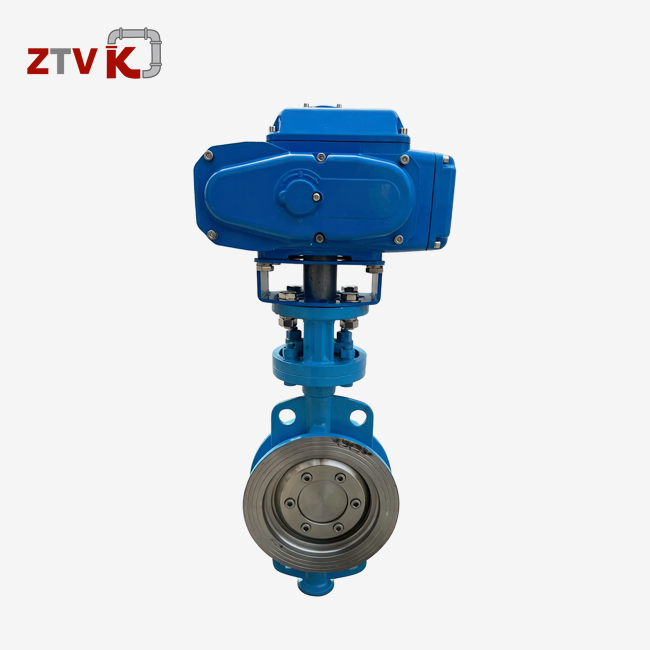
Through internal gear trains, electric actuators turn electrical energy into mechanical rotation. Electric models offer constant power even when the voltage or temperature changes, unlike pneumatic systems that depend on having access to compressed air. Modern actuators made for industrial butterfly valves have limit switches that stop spinning exactly at 0° and 90°, thermal overload safety to keep the motor from burning out, and IP65–IP68 casings that can handle harsh environments. When used with CF8 or CF8M bodies made of stainless steel, which are common materials in ZTVK's products, these actuators will last for more than 50,000 operation cycles.
Common Misconceptions About Torque Requirements
Many engineers make the mistake of thinking that torque stays the same as the valve turns. There are, in fact, three different types of torque: escape torque, which is the initial force to overcome static friction; running torque, which is the force while the disc is rotating; and sitting torque, which is the final force to seal the disc against the seat. Most of the time, 30 to 50 per cent more breakaway torque than moving torque is needed because of static friction in rubber seats like EPDM or VITON. If you don't take these differences into account when choosing an actuator, the field will fail, especially when working with fluids that are thick or when there are high differential pressures.
Step-by-Step Method to Calculate Torque for Motor-Actuated Butterfly Valves
Identifying Key Calculation Parameters
Getting practical data is the first step in figuring out the power correctly. You need to know the normal valve diameter (DN), the highest differential pressure (ΔP) while the motor-actuated butterfly valve is in use, the fluid's density and viscosity, and the offset design of the valve. When compared to concentric designs, double-eccentric ones, like the ones in ZTVK's ISO5211-compliant valves, have 30% less force because the disc cams away from the seat before turning, which lowers friction. Choosing the right material also affects the figures. For example, when aluminium bronze discs are used with PTFE chairs, they cause less friction than ductile iron discs.
Applying Industry-Standard Formulas
The formula for torque that most people agree on is the following:
T_breakaway = K × D² × ΔP × SF
The safety factor is shown by SF. The K value for wafer-type valves with ISO5211 flanges is between 0.08 and 0.18 for triple-offset designs and concentric designs. Here's how to figure out the force for a DN300 valve at PN16:
- D = 0.3 m
- ΔP = 16 bar
- K = 0.12 (doubling the centre)
- SF = 1.3
To find the breakaway torque, multiply 0.12 by (0.3)² times 16 by 1.3. This gives you 2.25 Nm plus 225 Nm for safety. This answer helps choose the actuator, and the motor that is chosen must have an output torque of at least 225 Nm. About 70% of this number, or 158 Nm, would be running power.
Incorporating Safety Factors and Actuator Efficiency
Because of gear train losses and bearing friction, actuators don't send the full amount of force they're allowed for to the valve stem. 85 to 90 per cent of the mechanical efficiency of good electric motors is reached. When looking for valves, ask the manufacturer for torque curves that show the possible torque over a full 90° turn. During the pre-sales process, ZTVK gives these technical papers along with CAD drawings and 3D models so that engineers can make sure they are compatible before buying.
Comparing Motor-Actuated Butterfly Valves: Torque Requirements and Efficiency
Motorised vs. Manual Operation
Manual butterfly valves need to be pushed or pulled with handwheels or gearboxes, which makes them impractical for sizes larger than DN600 because they require too much torque for a person to handle. Electric actuation gets rid of this problem and lets you control it from afar by integrating a PLC. Motor-actuated butterfly valves react to BMS signals within seconds, changing flow without the need for staff to be present in HVAC district cooling systems that serve sites with multiple buildings. This technology cuts down on the cost of labour and speeds up reaction times when demand changes.
Material Selection Impact on Torque
Materials used for the valve body and disc have a big effect on operational torque in a motor-actuated butterfly valve. When you pair stainless steel CF8M bodies with PTFE seats, there is less friction than when you pair cast iron bodies with NBR seats. This means that the actuator needs 15–25% less power. ZTVK offers different types of material compatibility, such as duplex steel for corrosive environments and aluminium bronze discs for seawater uses. These discs let you optimise force based on the properties of the fluid. CF8M construction with Viton seats would be good for a chemical processing plant that deals with chlorinated water because they balance corrosion resistance with good friction coefficients.
Torque Efficiency Across Valve Sizes
Smaller valves (DN40–DN150) usually have small motors that draw 24VDC power, which can be used with battery backup systems. Larger valves (DN300–DN1200) need three-phase AC motors that can produce up to 10,000 Nm of force. There isn't a straight line between torque and diameter; twice the diameter makes four times as much force needed. This exponential scaling makes it clear how important it is to do accurate calculations during the design process. When planning their inventory, distributors that serve the Middle East must take these scaling factors into account.
Practical Applications and Maintenance Tips to Optimise Torque Performance
Industry-Specific Torque Considerations
Municipal water treatment plants use valves that work with changing pressures when tank levels change. ΔP could be anywhere from 2 bar at high flow to 10 bar when demand is low for a motor-actuated butterfly valve that controls influent flow. By choosing actuators based on their highest torque, stopping during high-pressure events can be avoided. When HVAC workers put valves in cold water loops, they need to take thermal cycling into account. When temperatures change over and over, the materials in the seats harden, which makes the breakaway force go up over time.
Preventive Maintenance for Torque Stability
The torque characteristics set during startup are kept up by regular upkeep. Every three months, the actuator limit switch should be checked to make sure it is working correctly. Misaligned switches make the disc move incompletely, which creates leakage routes. Using high-temperature grease to lubricate the stem-to-body contact makes the seat last longer and keeps the friction coefficients stable. Even though actuator gear trains are usually sealed for life, they do need to be refilled with grease every year in high-cycle applications that do more than 10,000 operations per year.
Real-World Performance Optimisation
After recalibrating the actuator torque settings on 200 butterfly valves, an industrial park in Southeast Asia cut its energy costs by 18%. The original specs used standard torque values, which led to motors that were too big and used too much power. The facility got its money back within 14 months by measuring force at the spot and making sure that the actuators were the right size. This case shows that precise torque management has a financial effect that goes beyond just making things more reliable.
Procurement Insights: Sourcing Motor-Actuated Butterfly Valves with Torque Specifications
Interpreting Technical Datasheets
Valve datasheets should make it clear what the torque numbers are at the highest differential pressure. When specs say "recommended actuator size" but not the power data that goes with it, be wary. This lacks clarity and makes proof harder. Ask for torque curves that show values for breaking away, running, and seating across the whole range of pressures for the motor-actuated butterfly valve. ZTVK gives buyers a lot of technical information, like material test reports and pressure test certifications that meet API 598 standards, so they can check claims on their own.
Custom Torque Calculation Services
As part of their expert help, reputable makers provide torque calculations that are unique to each application. When you call providers, you should give them all the operating details, such as the type of fluid, the temperature range, the flow rate, and the frequency of cycling. Within 48 hours, ZTVK's engineering team provides free selection advice and custom torque studies, which help procurement professionals avoid making mistakes that cost a lot of money. This service is especially helpful for non-standard tasks like moving slurry or cryogenic fluids, where standard formulas aren't accurate enough.
Balancing Cost and Performance
Buying in bulk can save you money, but checking the power is still very important no matter what size order you have. ZTVK has more than 2,000 standard DN50–DN600 valves in stock and can ship them within 3–7 days. Custom torque-optimised designs, on the other hand, take 15–25 days. Rush orders cost 20% more, but they arrive in 7–10 days, which is helpful when project deadlines are tight. The plant is only 50 km from Tianjin Port, which makes it easy to quickly load containers and book ocean freight through relationships with COSCO and Maersk.
Conclusion
To figure out torque for motorised butterfly valves, you need to know how valve geometry, differential pressure, material friction, and actuator efficiency all work together. The basic formula T = K × D² × ΔP × SF can be used as a starting point, but to get accurate results in the real world, you need to think about things like offset designs, seat materials, and practical uncertainty. Compared to manual or pneumatic options, electric actuation is more precise and easier to integrate, especially in large-diameter situations. If you specify the torque correctly, you can avoid both undersizing the actuator—which leads to operating problems—and oversizing it, which raises costs unnecessarily. To be successful at procurement, you need to work with makers who offer clear technical data, help with custom calculations, and quality control systems that have been tried and tested and meet international standards.
FAQ
1. What causes torque variations during valve operation?
As the valve turns, the friction between the disc and seat changes, which causes the torque to change. When static friction is overcome, the breakaway torque is at its highest. As the disc splits from the seat, the moving torque drops to its lowest level. As the disc pushes down on the rubber seal, the seating torque goes up again. Dynamic torque loads are also made by fluid movement around the disc in the middle places. When the temperature changes, the flexibility of the seat changes. For example, cold NBR chairs have 25% more friction than warm ones.
2. How do I verify if my actuator has sufficient torque?
The actuator's maximum output torque can be found on its nameplate. This should be compared to the estimated valve requirements, which should include safety factors. To account for wear and age, multiply the estimated force by 1.3. During commissioning, keep an eye on the current draw from the actuator. Readings above 90% of the rated current mean that there are only marginal torque reserves. Smart actuators that can do diagnostics record torque patterns, which can then be compared to standard data to see if performance is dropping over time.
3. Can I retrofit a larger actuator onto an existing valve?
Yes, as long as the valve has ISO5211 mounting flanges with bolt patterns that work with the system. Make sure that the existing stem's diameter can fit the coupling of the new actuator. When motors are too big, the structure may need to be strengthened to support the extra weight. ZTVK's modular designs let you update the actuator without having to replace the valve body. This makes the asset last longer and adds automation possibilities.
Partner with ZTVK for precision-engineered motor-actuated butterfly valve solutions.
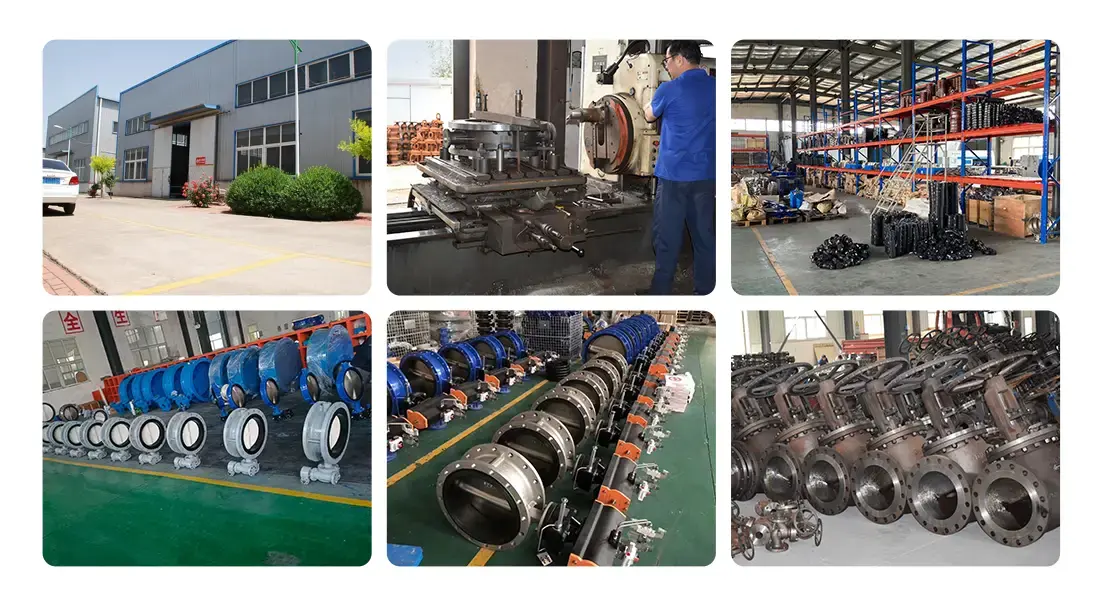
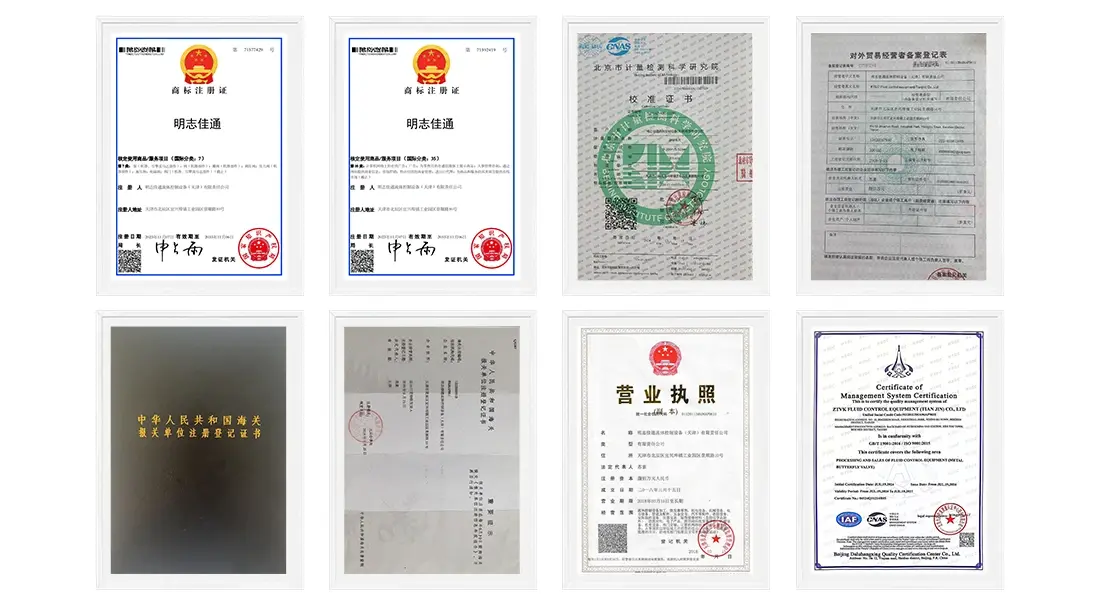
A manufacturing partner who comprehends torque dynamics and provides engineered solutions is necessary when choosing a motor-actuated butterfly valve supplier, in addition to competitive pricing. ZTVK's Tianjin factory has quality systems that are ISO9001-certified, as well as advanced CNC machining centres and special designs called "double-eccentrics" that cut down on operating torque by 30%. Our PTFE or VITON seats on our stainless steel CF8/CF8M valves are used in a wide range of industries, from treating local water to handling petrochemicals. They come with 18-month warranties and full torque calculation services.
We can meet both urgent needs and special projects because we keep over 2,000 standard units in stock and can make anything else within 15 to 25 days. Before you buy, our engineering team gives you free CAD models, torque curves, and application-specific advice to make sure the actuator will work with your system. We are only 50 km from Tianjin Port and have established partnerships with major shipping lines that allow us to offer FOB and CIF terms and packaging that meets ISPM 15 standards.
Whether you're a valve dealer looking for reliable OEM manufacturing or an EPC contractor needing large project supply, ZTVK has the technical depth and supply chain responsiveness that your projects need. Contact our team at ktec86961886@163.com to discuss your torque needs.
References
1. American Water Works Association (AWWA). Manual M49: Butterfly Valves: Torque, Head Loss, and Cavitation Analysis. Denver: AWWA, 2012.
2. Lyons, Jerry L. and Askland, Carl L. Valve Selection Handbook: Engineering Fundamentals for Selecting the Right Valve Design for Every Industrial Flow Application. 5th ed. Houston: Gulf Publishing Company, 2008.
3. Skousen, Philip L. Valve Handbook. 3rd ed. New York: McGraw-Hill Professional, 2011.
4. International Society of Automation (ISA). ANSI/ISA-75.25.01-2000: Test Procedure for Control Valve Actuators. Research Triangle Park: ISA, 2000.
5. Nesbitt, Brian. Handbook of Valves and Actuators: Valves Manual International. Oxford: Butterworth-Heinemann, 2007.
6. Zappe, R.W. Valve Selection Handbook: The Definitive Industry Standard. 5th ed. Houston: Gulf Professional Publishing, 2004.
Send us your valve requirements and our team will provide professional solutions and fast quotations.
RELATED INDUSTRY KNOWLEDGE