- English
- French
- German
- Portuguese
- Spanish
- Russian
- Japanese
- Korean
- Arabic
- Greek
- German
- Turkish
- Italian
- Danish
- Romanian
- Indonesian
- Czech
- Afrikaans
- Swedish
- Polish
- Basque
- Catalan
- Esperanto
- Hindi
- Lao
- Albanian
- Amharic
- Armenian
- Azerbaijani
- Belarusian
- Bengali
- Bosnian
- Bulgarian
- Cebuano
- Chichewa
- Corsican
- Croatian
- Dutch
- Estonian
- Filipino
- Finnish
- Frisian
- Galician
- Georgian
- Gujarati
- Haitian
- Hausa
- Hawaiian
- Hebrew
- Hmong
- Hungarian
- Icelandic
- Igbo
- Javanese
- Kannada
- Kazakh
- Khmer
- Kurdish
- Kyrgyz
- Latin
- Latvian
- Lithuanian
- Luxembou..
- Macedonian
- Malagasy
- Malay
- Malayalam
- Maltese
- Maori
- Marathi
- Mongolian
- Burmese
- Nepali
- Norwegian
- Pashto
- Persian
- Punjabi
- Serbian
- Sesotho
- Sinhala
- Slovak
- Slovenian
- Somali
- Samoan
- Scots Gaelic
- Shona
- Sindhi
- Sundanese
- Swahili
- Tajik
- Tamil
- Telugu
- Thai
- Ukrainian
- Urdu
- Uzbek
- Vietnamese
- Welsh
- Xhosa
- Yiddish
- Yoruba
- Zulu
What are the connection types of a Stainless steel flanged butterfly valve?
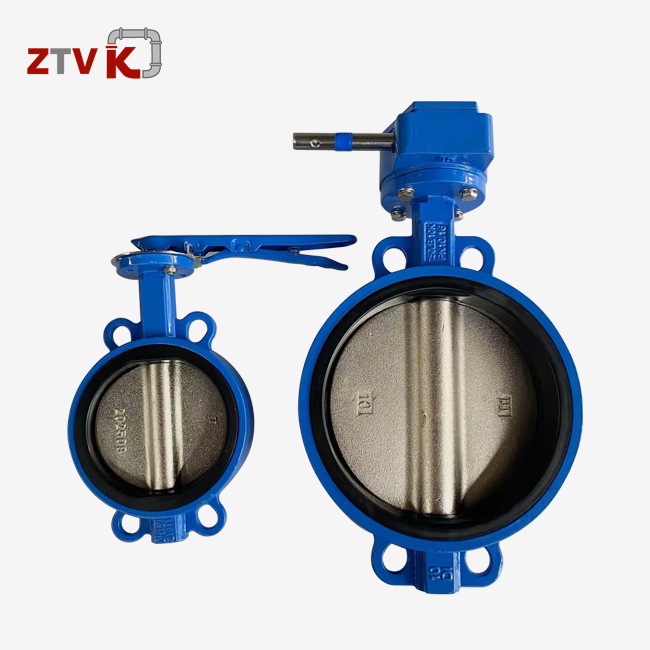
When evaluating industrial valve solutions, understanding the connection types of a stainless steel flanged butterfly valve is essential for achieving reliable pipeline integration and operational efficiency. A stainless steel flanged butterfly valve primarily utilizes a double-flanged connection design, where the valve body features two integrated flanges—one at the inlet and one at the outlet—that bolt directly to matching pipeline flanges. This configuration ensures structural rigidity, superior sealing performance, and ease of maintenance in high-pressure or corrosive environments. Beyond the standard flanged type, alternative connection methods like wafer and lug styles exist, though they differ significantly in mechanical stability and application scope.
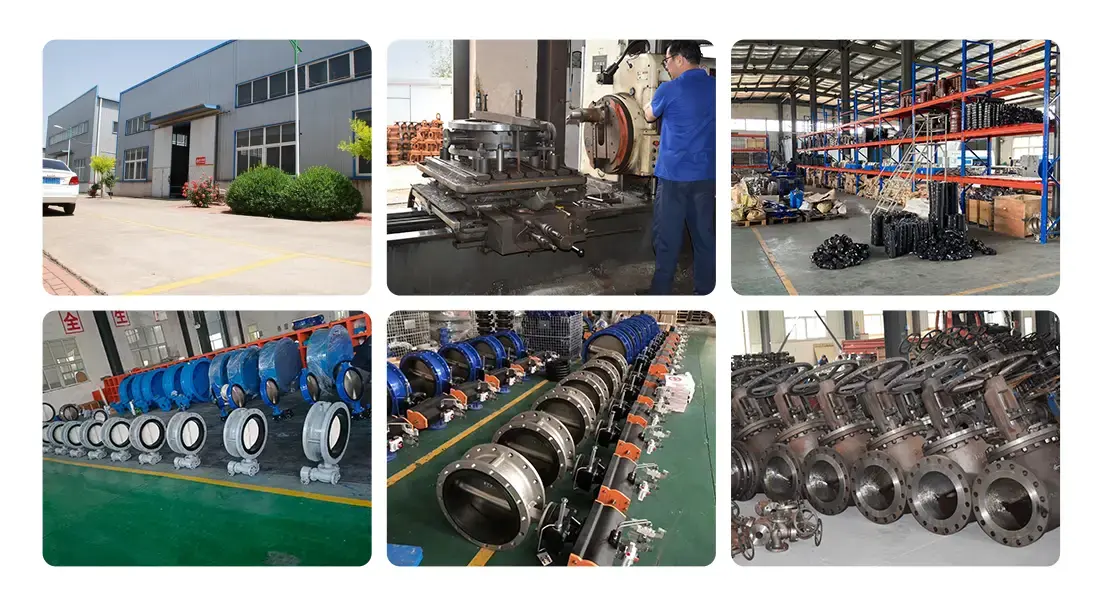
Understanding Stainless Steel Flanged Butterfly Valves and Their Connection Types
At ZTVK, we know that picking the right valve connection method has a direct effect on how long it takes to install, how well it works with other systems, and how much it costs to maintain over time. A stainless steel flanged butterfly valve controls the flow of fluid by rotating a disc around a center shaft every quarter of a turn. These valves are made of stainless steel, usually ASTM A351 CF8 (SS304) or CF8M (SS316), which is very resistant to corrosion. This makes them perfect for use in water treatment, petrochemical processes, and HVAC systems.
Why Connection Types Matter
The connection method affects a number of important factors and determines how the valve fits into existing pipelines. When line loads are high and the diameter is large, mechanical stability is very important. A double-flanged design spreads stress evenly across the valve body, which keeps it from deforming in a way that could weaken the seal.
Different types of connections have very different levels of difficulty when it comes to installation. Following international standards like ISO 5211, ANSI B16.5, DIN, and JIS is important for making sure that pipelines work together. At ZTVK, our valves are compatible with PN10/PN16, 125LB/150LB, and JIS5K/JIS10K/JIS16K pressure levels. This makes sure that they work well with building projects around the world. With flanged connections, it's much easier to do maintenance because the downstream pipes can be taken out without disturbing the installation of the upstream valve. This is a feature that contractors like for system upgrades or emergency repairs.
Primary Connection Configurations
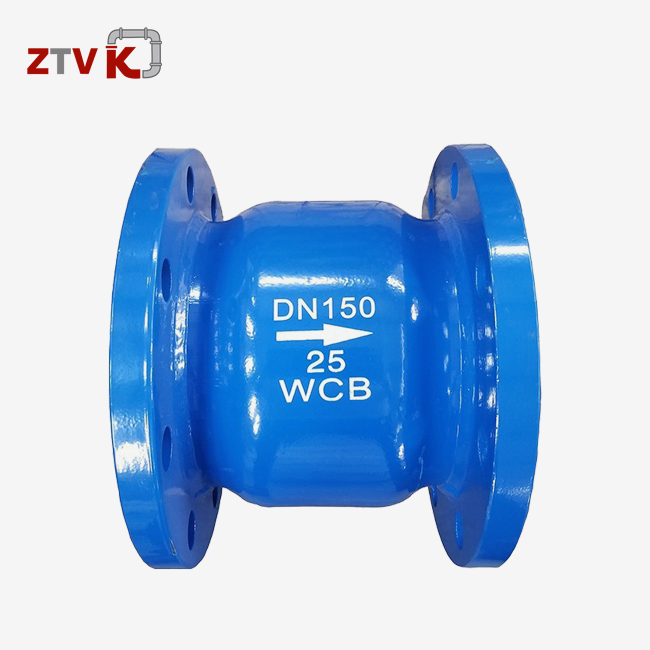
Knowing about the three main types of connections helps procurement teams choose the right stainless steel flanged butterfly valve for their needs. The flanged connection has two built-in flanges that connect straight to pipeline flanges. This gives the connection its maximum mechanical strength and ensures that there are no leaks. This design works well for situations where maintenance needs to be done often or where "dead-end" service is needed so that sections further downstream can be shut off.
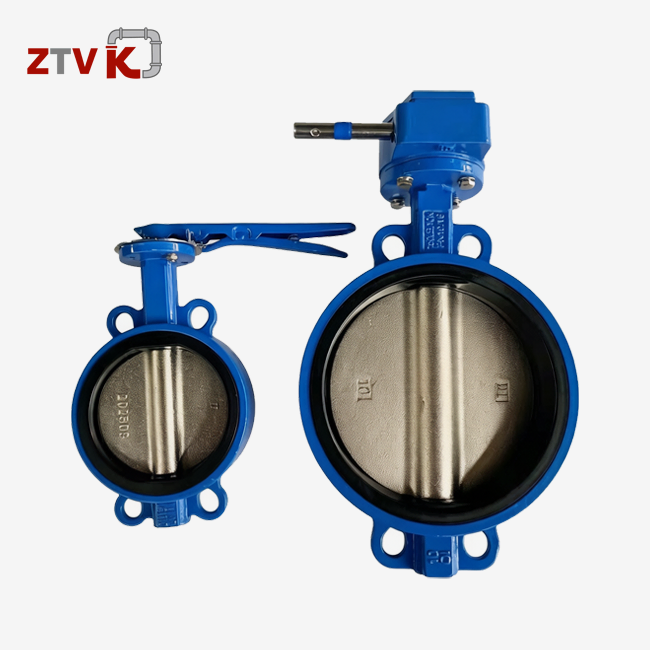
In wafer-style connections, the valve body sits between two pipeline flanges without its own mounting flanges. It is held in place by long through-bolts. This choice is lighter, which saves money on materials but makes it harder to service because the whole piece of pipe has to be taken apart to get to the valve. Lug-style connections have threaded inserts in the valve body that let each pipeline flange be bolted separately. This split method lets you remove pipes further downstream while keeping upstream pressure contained. However, it doesn't have the solid support of full flanged designs.
Detailed Analysis of Stainless Steel Flanged Butterfly Valve Connection Types
Because it has so many technical benefits, the flanged connection is still the best choice for business-to-business industry uses. Our ZTVK stainless steel flanged butterfly valves have precision-machined flange faces that meet ASME B16.5 and EN 1092 dimensional standards. This means that they can be used with existing pipeline infrastructure in markets across North America, Europe, and Asia-Pacific.
Flanged Connection Design Characteristics
Our stainless steel flanged butterfly valves have either a raised-face or a flat-face flange shape, based on what the customer wants and what is common in the area. Standardised drilling templates are used to make the bolt hole pattern. For example, a 4-inch (DN100) Class 150 valve has eight bolt holes spaced out on a 7.5-inch bolt circle diameter. This standardisation makes buying easier and cuts down on mistakes made during installation.
When choosing materials for rail building, you need to think about both mechanical loads and corrosion. For flange forgings in chloride-rich places like desalination plants, we use ASTM A182 F316L stainless steel instead of normal carbon steel, which would quickly crack and rust. The double-flanged design makes it very rigid, which is important for large-diameter valves (DN600 to DN2000), where the weight of the disc and the forces of water create a lot of torque while they're working.
How well the valve flange and pipeline flange seal depends on which gasket is used and how much power is applied to the bolts. For high-temperature uses above 200°C, we suggest spiral-wound gaskets with graphite filler. For water and chemical uses below 150°C, PTFE envelope gaskets work best. Our expert team gives you torque guides that are tailored to specific bolt sizes and pressure classes. This keeps you from under-tightening (which damages gaskets) or over-tightening (which causes leaks).
Compliance with International Flange Standards
Regional standards must be followed for global building projects, and ZTVK valves meet many of these standards, making foreign purchasing easier. Our mounting pads are compliant with ISO 5211 and allow direct connection of actuators for automatic systems. They can support both pneumatic and electric actuators without the need for custom adapter plates. The valves' face-to-face sizes are in line with ISO 5752 Series 14 for short-pattern configurations and Series 20 for long-pattern configurations. This means they can be dropped in and work with existing pipe plans.
The names of pressure classes are based on both American (ANSI Class 150/300) and European (PN10/PN16/PN25) systems. A Class 150 valve with a rating of 285 psi at room temperature is about the same as a PN16 valve with a rating of 232 psi, but engineers should check the temperature derating factors for higher service conditions. These standards are clearly cross-referenced in our product paperwork so that there is no specification misunderstanding during the bidding process.
Selecting the Right Connection Type for Your Application
Several technical and practical factors must be taken into account when matching the stainless steel flanged butterfly valve connection type to the operating needs. We work closely with EPC contractors and municipal engineering firms to make sure that the valves we choose are the best ones for each project.
Industry-Specific Recommendations
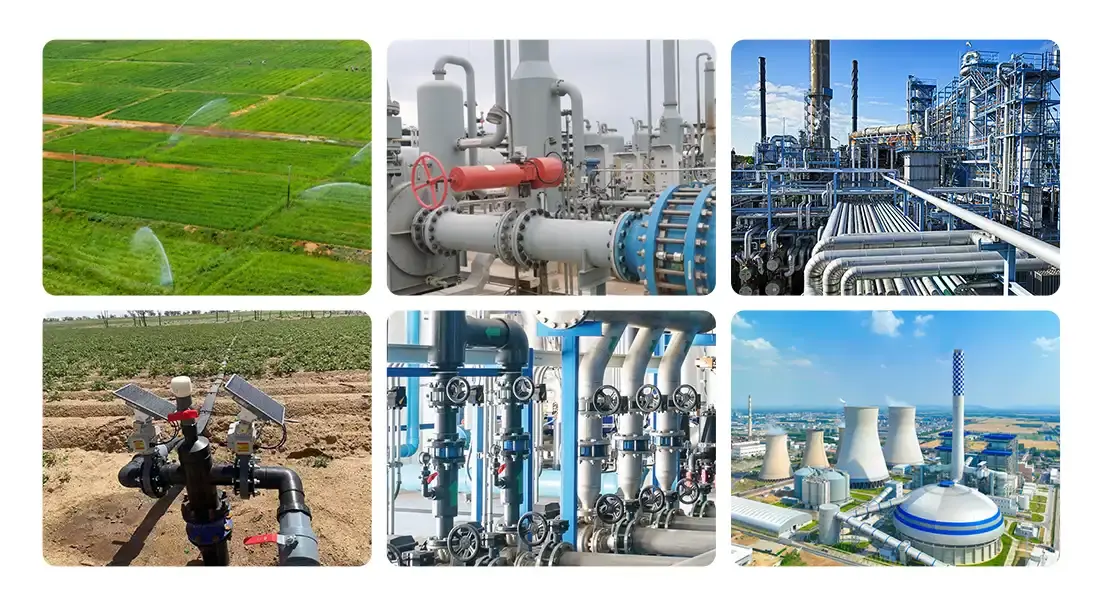
Stainless steel flanged butterfly valves in sizes DN150 to DN600 are useful for water treatment and city systems because they allow for easier repair access than wafer designs. For fire main separation, fire protection systems often choose flanged valves with UL/FM certification because the link is stronger and can handle water hammer events better than lighter options.
CF8M stainless steel bodies with PTFE or RTFE seat materials are needed in petrochemical plants that work with harsh chemicals like sulphuric acid or caustic solutions. The flanged link makes it safe to take parts apart during plant turnarounds so that the seal can be replaced without having to solder or cut, which could introduce contamination. For chilled water and condenser water lines in commercial buildings, PN16 flanged valves are usually used. The standard flange pattern makes installation by contractors easier and makes building changes easier in the future.
Critical Selection Criteria
Before placing an order, procurement managers should double-check a number of details. The pressure class must be greater than the system's running pressure by an appropriate safety margin. If you are working close to a class border, we suggest choosing the next higher rating. For temperature compatibility, the seat material needs to be matched to the fluid temperature. EPDM can handle temperatures up to 120°C, VITON up to 200°C, and metal seats can handle temperatures of 400°C or more in steam service.
The flow features are different for concentric and eccentric disc shapes, which changes the pressure drop and the ability to slow down. When compared to concentric valves, our double-eccentric design lowers the opening torque by 30%. This lets actuators be smaller and uses less energy. When choosing a size, you should think about both the standard width and the valve's Cv coefficient to make sure that the flow is enough without going too fast, which speeds up erosion.
Maintenance and Installation Best Practices for Flanged Butterfly Valves
Using the right installation methods will make stainless steel flanged butterfly valves last longer and keep expensive system failures from happening. For contractors who don't know much about butterfly valve systems, our team offers full installation manuals and video lessons.
Step-by-Step Installation Guidelines
Before installing the stainless steel flanged butterfly valve, check it for damage from shipping and make sure the disc can turn all the way around 90 degrees without any problems. Thoroughly clean the valve flange faces and the pipeline flange faces, getting rid of any rust, scale, or old gasket material that might make the closing less effective. Put the valve between the ends of the pipeline so that the disc is open. This will keep the gasket material from getting caught on the disc edge.
Carefully place the gaskets on the flange faces, making sure they are centred and that the inner diameter is not compressed so that it sticks out into the flow path. Install the bolts in a star design instead of going around the perimeter one by one, and tighten each one by hand before adding the final force. Tighten bolts with a calibrated torque wrench in three stages: 30%, 60%, and then 100% of the specified torque. Go back to each bolt location to account for the elastic interaction between the fasteners.
The recommended torque numbers vary on the type and size of the bolt. For example, Class 150 uses about 75 ft-lbs for 5/8-inch diameter Grade B7 studs with heavy hex nuts, and 150 ft-lbs for 3/4-inch bolts. Always check the manufacturer's instructions because the type of lubricant and the state of the threads have a big impact on the power that is needed. After putting pressure on the system, check the bolt torque again after 24 hours of use, since gasket tension can lower preload.
Routine Maintenance Procedures
Set up an inspection plan based on the level of service—quarterly checks for constant use, yearly checks for less frequent use. Check the packing gland for stem leakage. If you find any, tighten the packing nuts. Because our valves' packing can be changed, they can be repaired without taking them off the line, which cuts down on downtime.
Every six months, use a lithium-based grease that is safe for the working temperature range to grease the gearbox parts. To keep wetness from getting into pneumatic valves and causing corrosion, the air filter element needs to be cleaned once a month and replaced once a year. Electric actuators benefit from having their limit switches checked every six months to make sure that the fully open and closed states match the real disc movement.
Comparing Stainless Steel Flanged Butterfly Valves with Other Valve Types
Knowing the relative benefits of different valves helps buyers explain their choice to budget committees and project stakeholders. Many times, we help our customers figure out these technical trade-offs.
Flanged Butterfly Valves vs. Ball Valves
Stainless steel flanged butterfly valves are lighter and have less pressure drop than ball valves. Ball valves also have a tighter shutoff and bubble-tight sealing even after thousands of cycles. The flanged butterfly valve works great in situations with a big diameter (DN400+), where a ball valve would be too heavy and expensive. A DN600 stainless steel flanged butterfly valve weighs about 200 kg, while a similar ball valve weighs 800 kg. This means that less structural support is needed and less work is needed to install it.
Flow features are very different. Butterfly valves create turbulence when they are partly open, which makes them less good for accurate throttling even though they are easier to turn a quarter of the way. Ball valves keep flow curves predictable, but big sizes need actuators with multiple turns, which slows down the response time when automatic control is used. We suggest using butterfly valves for isolating services and controlling large amounts of flow. Ball valves should only be used for situations that need a zero-leakage shutoff or precise control.
Stainless Steel vs. Cast Iron Construction
It is 40–50% cheaper to buy cast iron butterfly valves than stainless steel ones, but they break down quickly in acidic or salty conditions. The inactive chromium oxide layer in stainless steel stops rust even without protective coatings. This means that you don't have to worry about damaging the coatings during installation. The CF8M material we use at ZTVK has 2 to 3 percent molybdenum in it, which makes it better at resisting corrosion and pitting in areas where oxygen levels drop.
As the temperature range grows, stainless steel can handle liquids that are -196°C and steam that is 400°C when the right seat materials are used. Below -20°C, cast iron breaks easily, and above 300°C, it starts to scale, which makes it harder to use in different ways. Even though stainless steel costs more up front, it saves money in the long run because it doesn't need to be replaced as often and doesn't need to be serviced as often. In municipal water systems, our customers usually get 15+ years of service life, while only 5–7 years for cast iron.
Conclusion
When choosing the right connection type for a stainless steel flanged butterfly valve, you have to balance technical performance with how easy it is to get the valve. The double-flanged connection is the best for large-diameter pipelines, high-pressure applications, and systems that need to be taken apart often because it provides the best structural stability, ease of upkeep, and ability to control pressure. When business buyers know the differences between flanged, wafer, and lug configurations, they can choose valves that meet international standards such as ISO 5211, ANSI B16.5, and JIS while also being easy to install and reliable in the long term.
FAQ
1. When should I choose a stainless steel flanged butterfly valve over a wafer or lug type?
When the line load is high, mechanical rigidity keeps the valve body from distorting, so flanged connections are best for systems with a width of 400 mm or more. For dead-end service, where pipes further downstream can be taken out for repair, flanged designs are needed because wafer valves can't keep the pressure up without both pipeline flanges. The strengthened flange structure keeps it from coming loose over time, which is helpful in places with a lot of shaking, like pump discharge lines.
2. Can a stainless steel flanged butterfly valve handle slurry or abrasive media?
In rough work, standard soft-seated concentric valves wear out too quickly. If you choose a double or triple offset design with metal seats, like the CF8M body with Stellite-hardfaced disc and seat ring, it will work well in mining slurries or process streams that are high in catalysts. The eccentric geometry keeps the disc from rubbing against anything as it moves, which can extend the seal's life from months to years in harsh conditions.
3. What is the difference between CF8 and CF8M stainless steel?
CF8 is the same as cast SS304, which has 18% chromium and 8% nickel and can be used in general oxidising conditions like city water. It is the same as SS316, but it has 2 to 3 percent more molybdenum added to it. This makes it much more resistant to salt pitting and crevice corrosion in seaside or chemical plant settings. The small price increase for CF8M leads to a big increase in reliability in harsh media.
Partner with ZTVK for Reliable Stainless Steel Flanged Butterfly Valve Solutions
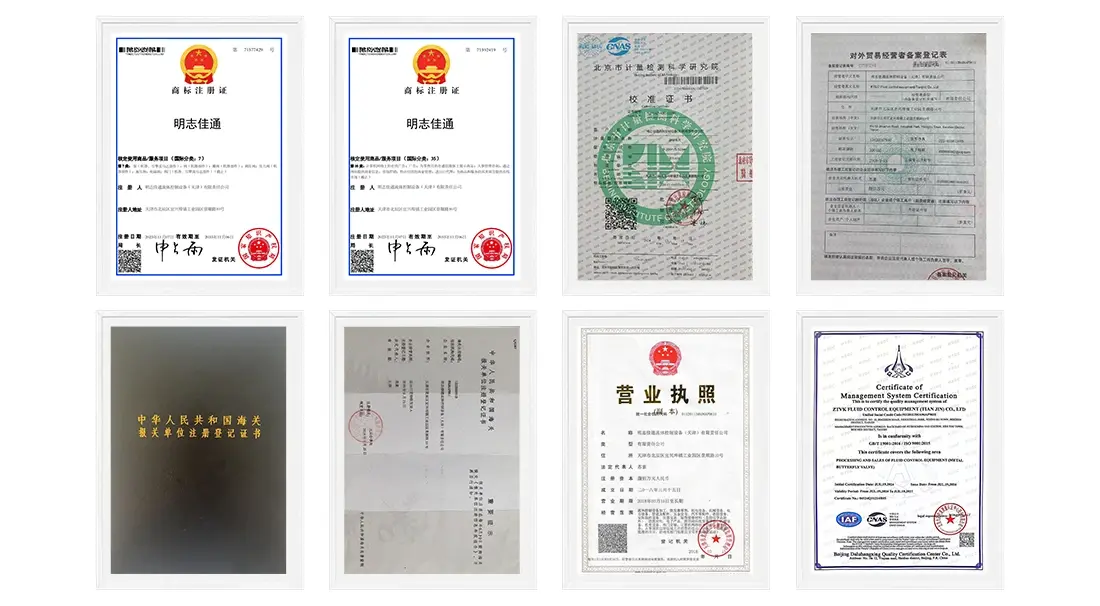
ZTVK has been making high-quality stainless steel flanged butterfly valves in Tianjin's Beichen District for more than 15 years and is a reliable supplier. Our ISO9001, ISO14001, and OHSAS18001 certifications show that we have strict quality control measures in place. We also keep over 2,000 units in stock, so we can quickly send normal DN50–DN600 valves within 3–7 days. We offer full OEM/ODM customisation, which includes different seat materials (EPDM, NBR, PTFE, VITON), different ways to operate (hand lever, worm gear, air, electric), and pressure levels from PN10 to PN16 that meet international standards.
Our facility is only 50 km from Tianjin Port, which makes FOB and CIF shipping easy thanks to our partnerships with COSCO and Maersk. Non-standard combinations can be made within 15–25 days, and urgent project deadlines can be met with rush delivery. Technical support includes free CAD drawings, help with choosing, and a warranty that covers failures that were not caused by people for 18 months. Email our engineering team at ktec86961886@163.com to talk about your specific needs and get a quote that takes into account your chosen pressure class, flange standard, and material. Let ZTVK's experience making butterfly valves improve the dependability and operational efficiency of your project.
References
1. American Society of Mechanical Engineers. (2020). ASME B16.5: Pipe Flanges and Flanged Fittings – NPS 1/2 Through NPS 24 Metric/Inch Standard. New York: ASME Press.
2. American Petroleum Institute. (2018). API 609: Butterfly Valves – Double Flanged, Lug- and Wafer-Type. Washington, DC: API Publishing Services.
3. International Organization for Standardization. (2019). ISO 5752: Metal Valves for Use in Flanged Pipe Systems – Face-to-Face and Centre-to-Face Dimensions. Geneva: ISO Publications.
4. British Standards Institution. (2017). BS EN 1092-1: Flanges and Their Joints – Circular Flanges for Pipes, Valves, Fittings and Accessories, PN Designated. London: BSI Group.
5. Japanese Industrial Standards Committee. (2016). JIS B 2220: Steel Pipe Flanges. Tokyo: Japanese Standards Association.
6. Smith, P.R. & Zappe, R.W. (2021). Valve Selection Handbook: Engineering Fundamentals for Selecting the Right Valve Design for Every Industrial Flow Application (6th ed.). Oxford: Elsevier Science.
Send us your valve requirements and our team will provide professional solutions and fast quotations.
RELATED INDUSTRY KNOWLEDGE