- English
- French
- German
- Portuguese
- Spanish
- Russian
- Japanese
- Korean
- Arabic
- Greek
- German
- Turkish
- Italian
- Danish
- Romanian
- Indonesian
- Czech
- Afrikaans
- Swedish
- Polish
- Basque
- Catalan
- Esperanto
- Hindi
- Lao
- Albanian
- Amharic
- Armenian
- Azerbaijani
- Belarusian
- Bengali
- Bosnian
- Bulgarian
- Cebuano
- Chichewa
- Corsican
- Croatian
- Dutch
- Estonian
- Filipino
- Finnish
- Frisian
- Galician
- Georgian
- Gujarati
- Haitian
- Hausa
- Hawaiian
- Hebrew
- Hmong
- Hungarian
- Icelandic
- Igbo
- Javanese
- Kannada
- Kazakh
- Khmer
- Kurdish
- Kyrgyz
- Latin
- Latvian
- Lithuanian
- Luxembou..
- Macedonian
- Malagasy
- Malay
- Malayalam
- Maltese
- Maori
- Marathi
- Mongolian
- Burmese
- Nepali
- Norwegian
- Pashto
- Persian
- Punjabi
- Serbian
- Sesotho
- Sinhala
- Slovak
- Slovenian
- Somali
- Samoan
- Scots Gaelic
- Shona
- Sindhi
- Sundanese
- Swahili
- Tajik
- Tamil
- Telugu
- Thai
- Ukrainian
- Urdu
- Uzbek
- Vietnamese
- Welsh
- Xhosa
- Yiddish
- Yoruba
- Zulu
Why Use a Stainless Steel Stop Valve?
Stainless steel stop valves deliver unmatched corrosion resistance, mechanical strength, and operational reliability across diverse industrial environments. These valves excel in controlling water, steam, and oil products within sewage treatment, petrochemical processing, and environmental protection systems. Their robust construction ensures leak-free performance under demanding conditions, reducing maintenance costs and extending service life. Choosing a stainless steel stop valve means prioritizing system integrity, safety compliance, and long-term operational efficiency for your critical infrastructure projects.
Introduction
For industrial flow control systems to work, their parts need to be able to withstand high pressure, harsh temperatures, and acidic environments. Stainless steel stop valves are important parts of infrastructure that are made to precisely start, stop, and control the flow of fluids. These valves protect operating safety and system efficiency in local water systems, chemical plants, and energy facilities. They are valued for their high resistance to corrosion, high mechanical strength, and ability to meet international standards.
With a focus on their technical benefits and strategic procurement factors, this guide provides procurement managers, engineers, and dealers with in-depth information about stainless steel stop valves. Professionals can make choices that meet project deadlines, price limits, and quality standards by knowing the properties of the material, how it can be used, and what suppliers can do. Reading about real-life uses and performance standards will give readers the confidence to choose and buy valves that provide measured value throughout their operating lifecycle.
What Is a Stainless Steel Stop Valve and How Does It Work?
As a linear motion valve, a stainless steel stop valve controls the flow of fluid through a moving disk element that is pressed against a fixed seat. These valves are made from austenitic stainless steel types like 304, 316, or 316L. They solve important problems in the industry, like corrosion that contaminates fluids, crevice corrosion in lines that aren't moving, and erosion damage from high-velocity steam uses. The chromium content, which is usually higher than 10.5%, creates an inactive oxide layer that stops oxidation and keeps the surface intact, even in harsh chemical conditions.
Operating Principles and Actuation Methods
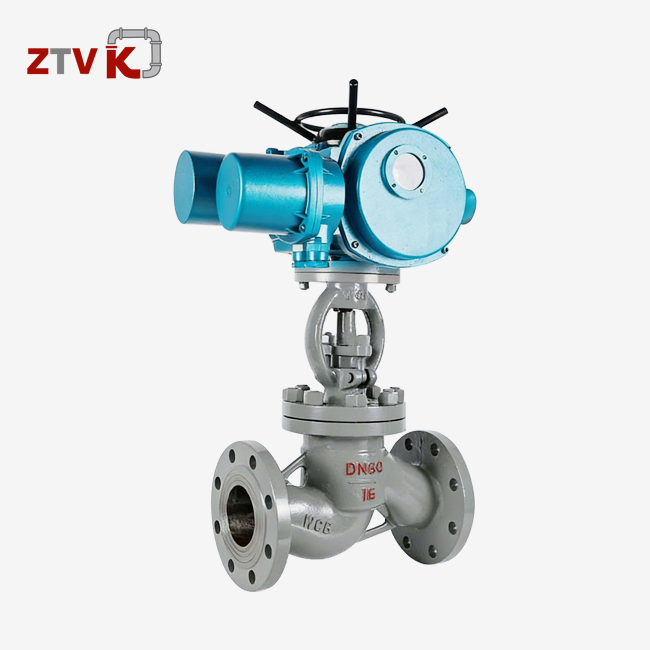
The valve works by moving the stem, which raises or lowers the disk so that it is not in the flow path. For manual operation, handwheels are linked to threaded stems, which gives operators exact control in places that are easy to reach. Electric or gas actuators are used in automated actuation to allow for remote control, interaction with control systems, and quick responses to changes in the process. Rising stem designs, also known as OS&Y (outside screw and yoke), make it easier to see where things are and keep threaded parts out of acidic media, which means they don't need to be serviced as often and operations are more clear.
Material Properties and Temperature Range
Depending on the material used for the seat, stainless steel stop valves can survive temperatures as low as -196°C and as high as 600°C. Metal-to-metal chairs can handle high-temperature steam service, while PTFE seats can handle normal temperature ranges. Stainless steel's high tensile strength and cold toughness keep structures strong even when temperatures and pressures change, which keeps important process lines from failing in terrible ways.
Industry Applications and Real-World Examples
These stainless steel stop valves are used by municipal water treatment plants to separate pumps, filters, and distribution lines from chloride, which would damage carbon steel valves. For water for injection systems, pharmaceutical companies use electropolished 316L valves with surface finishes below 0.4 micrometers Ra. This meets FDA guidelines and keeps germs from growing. Offshore sites use different types of duplex stainless steel in their fire control systems. This keeps the ability to respond to emergencies even when the steel is exposed to saltwater and cracks due to stress corrosion.
Advantages of Stainless Steel Stop Valves Over Other Materials
Choice of material has a direct effect on how well valves work, how much they cost to maintain, and how reliable the system is over many years of use. It is clear that stainless steel is better than brass, bronze, and carbon steel when it comes to resistance to rust, mechanical qualities, and total cost of ownership.
Superior Corrosion Resistance and Chemical Compatibility
When brass valves are subject to dezincification in drinkable water systems with a lot of chlorine, they break down quickly. This can cause the valves to become structurally weak and fail without warning. Coatings and cathodic protection systems that are expensive and make upkeep harder for carbon steel valves are needed. Pitting corrosion, crevice corrosion, and stress corrosion cracks can't happen to stainless steel on their own; they need extra defense. The molybdenum in 316-grade stainless steel makes it more resistant to chlorides and acids. This makes these valves essential for chemical processing, marine settings, and wastewater treatment, all places where harsh chemicals and acids would destroy other materials in months.
Enhanced Pressure Ratings and Sealing Performance
Stainless steel stop valves manufactured in accordance with API 602 and ASME B16.34 standards can withstand pressures ranging from PN16 to PN420, making them suitable for a wide range of uses, including low-pressure HVAC systems and high-pressure steam distribution networks. The high yield strength of the material lets wall parts be thinner without lowering safety standards. This cuts down on weight and building costs. Stellite hard-faced seats don't get worn down or galled by fluids that contain particles, and they can keep their tight stop over 50,000 cycles, compared to the 10,000 cycles that bronze-seated seats usually last. This longer service life means that building owners will have to replace things less often and pay less over their entire lifetime.
Comparative Analysis with Alternative Valve Types
When fully open, gate valves have a smaller pressure drop, but they can't be used to slow down flow without damaging the seat from wire-drawing erosion. Ball valves can turn quickly in quarter turns, but they can't change the flow as precisely as stop valve disk placement can. Globe-style stop valves are better at throttling and have known flow coefficients, which makes it possible to accurately control processes that need changing flow rates. The S-shaped flow path through stop valves causes bigger pressure drops than straight-through designs. This makes them perfect for stations that lower pressure and keep downstream equipment from breaking.
How to Choose the Best Stainless Steel Stop Valve for Your Needs?
To get the best performance and value, procurement choices need to carefully look at technical specs, application factors, and suppliers' abilities. When choosing valves, it's important to think about things like pressure levels, size fit, material grades, certification needs, and delivery dates and budgets.
Critical Technical Selection Criteria
The pressure number must be higher than the highest working pressure of the system, with safety margins set by the relevant rules. The J41W-16P model number refers to a globe-shaped stainless steel stop valve that can handle PN16 pressure (about 232 psi) and is ideal for use in city water systems, heating networks, and moderate-pressure industrial settings. Nominal diameters range from DN15 to DN600, which means they can fit pipes from half-inch domestic services to 24-inch industrial mains. Flow factors are increased proportionally to keep speeds within acceptable ranges.
Matching Valve Features to Application Demands
The material grade decision is based on how well it works with media. Systems that deal with sewage, chemicals, and protecting the environment usually need bodies made of 304 or 316 stainless steel because they handle water, steam, and oil products. Acids, brines, or coastal settings that are very corrosive need 316L with less carbon to keep the metal from becoming too sensitive during welding or duplex grades that combine austenitic and ferritic structures to make them stronger and more resistant to rust. The operating temperature determines the seat material. PTFE seats can handle temperatures up to 200°C; strengthened PTFE seats can handle temperatures up to 260°C, and metal seats need to be above 400°C for superheated steam service.
Cost-Performance Analysis and Total Ownership Considerations
When installation work, upkeep intervals, and replacement frequency over a 20-year service horizon are taken into account, the initial purchase price only makes up 15 to 20 percent of the total lifetime costs. Prices for stainless steel valves are about 40% higher than those for brass valves, but they don't fail on the finish, require 60% less upkeep, and last three to five times longer than carbon steel valves. When purchasing managers look at the total cost of ownership, they always find that stainless steel is a better choice for acidic or high-cycle uses, even though it costs more up front.
Supplier Reliability and Certification Verification
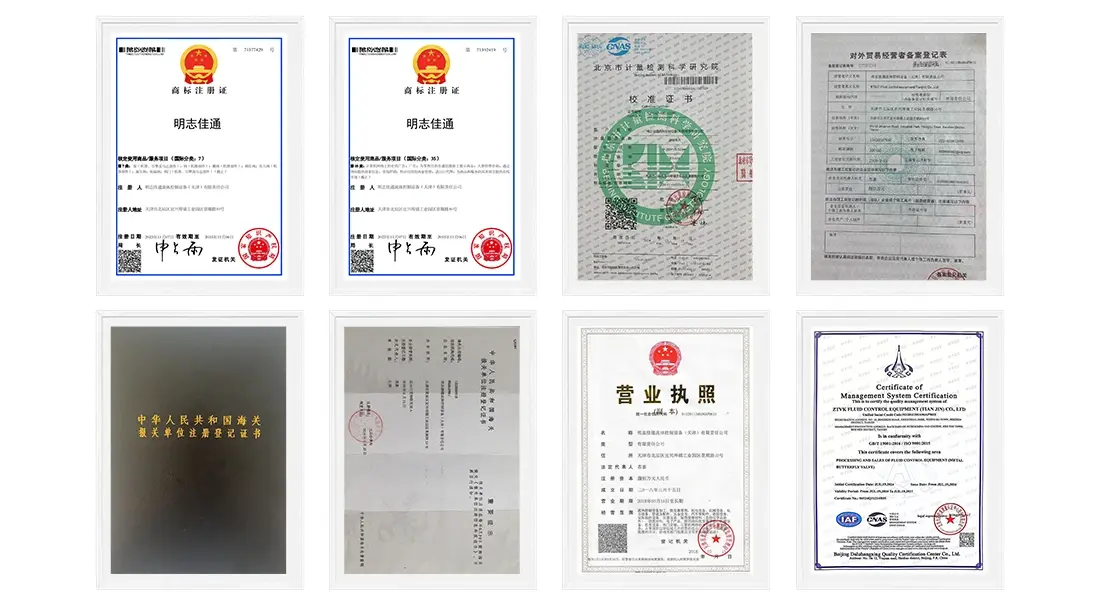
Manufacturers with a good reputation use ISO 9001 quality management systems, give material test results that can be linked to heat numbers, and back up their products with 18-month or longer warranties. Documentation of pressure tests, reports on measurement inspections, and approval to ASME, API, or EN standards all give customers peace of mind that valves meet certain performance standards. Buyers should make sure that the source can do factory audits, ask for sample inspection methods, and make sure that there is expert support available to help with installation and fixing problems.
Installation and Maintenance Best Practices
The best valve performance, longest service life, and least amount of unexpected downtime can all be achieved with the right installation and preventative maintenance methods. As long as you follow the manufacturer's instructions and best practices in the industry, the valve will work reliably for as long as it was designed to.
Pre-Installation Checks and Installation Procedures
Check the valves for harm caused by shipping when they arrive, make sure the model numbers match the ones on the buy orders, and make sure the pressure ratings meet the needs of the system. Before fitting, flush the pipes well to get rid of welding dust, scale, and other things that could damage the seats or stop the disk from moving. Install valves that have arrows on the body that point in the same direction as the flow. These arrows are usually set up so that the flow goes under the disk, which lowers the stress on the stem packing and the working torque. Support the pipes separately to keep stress from spreading to the valve bodies and make sure there is enough room for future repair activities like turning the handwheel or taking off the actuator.
Routine Inspection and Preventive Maintenance
Visual checks of the stainless steel stop valve should be done every six months to make sure the packing glands are tight, that there are no external leaks around the joints, and that the handwheel can turn smoothly without locking or using too much force. Live-loaded packing designs with Belleville spring washers keep the seal's integrity even when temperatures and pressures change. This means that the packing doesn't need to be replaced for thousands of working cycles. As part of the yearly maintenance, the stem threads are oiled, the seats are checked for scoring or wear, and the disk-to-seat alignment is confirmed by testing for leaks at the rating pressure.
Troubleshooting Common Operational Issues
External leakage around packing glands typically responds to gland bolt tightening in quarter-turn steps until the leakage stops. This keeps the packing from being over-compressed, which speeds up the wear process. If there is an internal leak, it means that the seat is damaged from debris hitting it, cavitation erosion, or heat distortion. This means that the valve needs to be taken apart so that the seat can be inspected and, if necessary, replaced. If the stem is binding because of rust products or not enough oil, it means that the threads are not properly engaged. This can be fixed by cleaning, lubricating, and checking that the stem threads are properly engaged.
Conclusion
In both industry and public infrastructure, stainless steel stop valves are an essential investment in system reliability, operating safety, and long-term cost control. Their natural ability to fight corrosion, be strong, and work in a variety of situations gives them clear benefits over other materials and valve designs. When procurement workers know about technical selection criteria, upkeep needs, and sourcing strategies, they can help their companies get the most out of these important flow control parts. Working with certified makers who offer full support, clear paperwork, and quick logistics is the best way to make sure that projects are completed successfully and that operations continue to run smoothly.
FAQ
1. Why specify SS 316 instead of SS 304 for critical applications?
Compared to SS 304, SS 316 has 2 to 3 percent molybdenum, which makes it much more resistant to pitting and crevice rust caused by salt. 316-grade material is required in marine settings, chemical processing plants that work with acids, and wastewater treatment plants that have high salt concentrations. This is so the valve doesn't fail early and keeps its structural integrity for the full design life.
2. What maintenance intervals apply to stainless steel stop valves?
Stainless steel stop valves: when should they be maintained? With Belleville spring washers and live-loaded packing designs, repair times are pushed back to thousands of working cycles under normal conditions. Every six months, visual checks make sure that the outside seals properly and that the machine runs smoothly. Once a year, more thorough checks include lubrication checks and a study of the interior seat. Packing replacement usually happens every three to five years, based on how often it is used and the conditions in which it is kept. This is a lot longer than the usual yearly work that needs to be done on conventional packing.
3. Can these valves handle corrosive fluids safely?
When the right material types and particular media properties are combined, stainless steel stop valves perform admirably in acidic service. Grade 316L can stand up to most acids, alkaline solutions, and fluids that contain chloride that are used in chemical processing and wastewater treatment. Specialty metals, such as duplex and super duplex grades, work well in harsh settings where standard austenitic grades don't work well enough. They make sure that the equipment can be used safely and reliably without major corrosion failures.
Partner with ZTVK for Reliable Stainless Steel Stop Valve Solutions
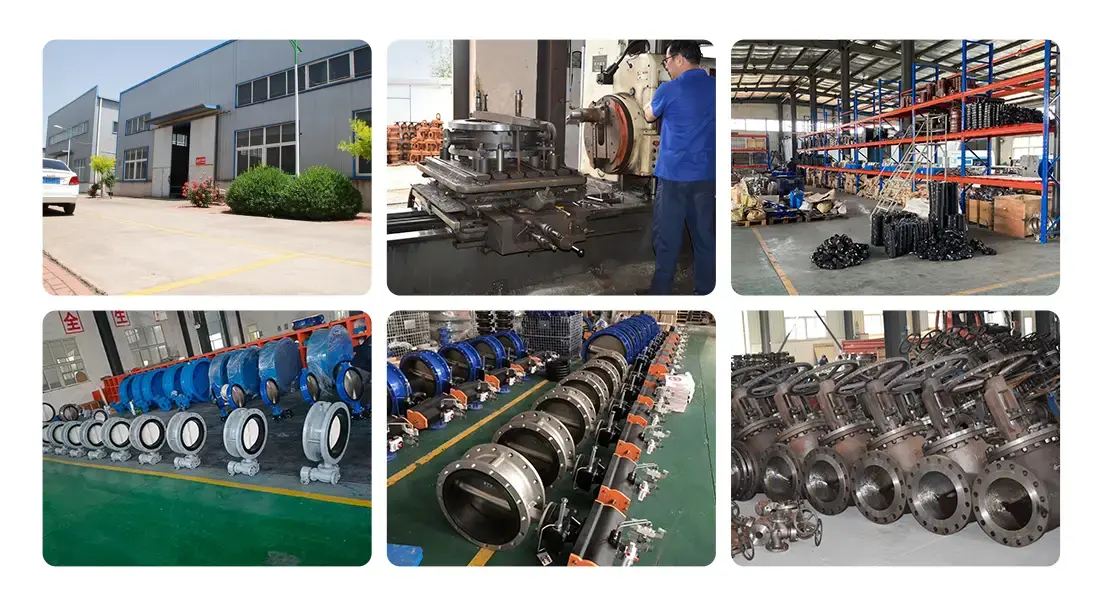
ZTVK has been skilled in making industrial valves for more than 15 years. Our Tianjin production sites have ISO-certified quality systems and quick logistics. Our range of stainless steel stop valves, including the J41W-16P type with a rating of PN16 for DN15 to DN600 uses, is used for water treatment, petroleum, and environmental protection projects all over the world. They are reliable and have low prices.
As an experienced maker of stainless steel stop valves, we keep more than 2,000 standard units in stock for quick delivery in three to seven days. Custom OEM and ODM solutions can be made to fit special needs in fifteen to twenty-five days. Our position only 50 kilometers from Tianjin Port makes it easier to ship goods overseas, and our relationships with major shipping lines make FOB and CIF prices clear. Technical support includes CAD models, material certifications that can be linked to heat numbers, and an 18-month guarantee with fast engineering help.
You can email our team at ktec86961886@163.com or go to ztvk-valve.com to talk about the needs of your project, get detailed quotes, and see full product specs. ZTVK gives your operations the quality, dependability, and supply chain efficiency they need, whether they need to buy standard goods or make unique flow control solutions.
References
1. American Society of Mechanical Engineers. ASME B16.34: Valves—Flanged, Threaded, and Welding End. New York: ASME Press, 2021.
2. American Petroleum Institute. API Standard 602: Compact Steel Gate Valves—Flanged, Threaded, Welding, and Extended-Body Ends. Washington: API Publishing, 2020.
3. Zappe, R.W. Valve Selection Handbook: Engineering Fundamentals for Selecting the Right Valve Design for Every Industrial Flow Application. 5th ed. Oxford: Gulf Professional Publishing, 2019.
4. Smith, Peter and Zappe, R.W. Valve Selection and Specification Guide. Oxford: Butterworth-Heinemann, 2018.
5. Sotoodeh, Karan. Industrial Valves: Calculations for Design, Manufacturing, Operation, and Safety Assessments. Hoboken: Wiley-Blackwell, 2020.
6. European Committee for Standardization. EN 12266-1: Industrial Valves—Testing of Metallic Valves—Part 1: Pressure Tests, Test Procedures and Acceptance Criteria. Brussels: CEN Standards, 2022.
Send us your valve requirements and our team will provide professional solutions and fast quotations.
RELATED INDUSTRY KNOWLEDGE