- English
- French
- German
- Portuguese
- Spanish
- Russian
- Japanese
- Korean
- Arabic
- Greek
- German
- Turkish
- Italian
- Danish
- Romanian
- Indonesian
- Czech
- Afrikaans
- Swedish
- Polish
- Basque
- Catalan
- Esperanto
- Hindi
- Lao
- Albanian
- Amharic
- Armenian
- Azerbaijani
- Belarusian
- Bengali
- Bosnian
- Bulgarian
- Cebuano
- Chichewa
- Corsican
- Croatian
- Dutch
- Estonian
- Filipino
- Finnish
- Frisian
- Galician
- Georgian
- Gujarati
- Haitian
- Hausa
- Hawaiian
- Hebrew
- Hmong
- Hungarian
- Icelandic
- Igbo
- Javanese
- Kannada
- Kazakh
- Khmer
- Kurdish
- Kyrgyz
- Latin
- Latvian
- Lithuanian
- Luxembou..
- Macedonian
- Malagasy
- Malay
- Malayalam
- Maltese
- Maori
- Marathi
- Mongolian
- Burmese
- Nepali
- Norwegian
- Pashto
- Persian
- Punjabi
- Serbian
- Sesotho
- Sinhala
- Slovak
- Slovenian
- Somali
- Samoan
- Scots Gaelic
- Shona
- Sindhi
- Sundanese
- Swahili
- Tajik
- Tamil
- Telugu
- Thai
- Ukrainian
- Urdu
- Uzbek
- Vietnamese
- Welsh
- Xhosa
- Yiddish
- Yoruba
- Zulu
Top Benefits of a 4 Inch Brass Gate Valve for Water Systems
Selecting the correct isolation valve affects system dependability and operating costs in industrial water distribution, commercial HVAC networks, and municipal infrastructure projects. The 4 inch brass gate valve is a reliable workhorse in these applications because of its flow efficiency, material durability, and long-term economic value. This size of brass gate valve shuts off large water pipes like high-rise building risers and irrigation manifold systems. Its full-port design reduces pressure loss, and brass resists corrosion better than cast iron. This paper explains why procurement professionals—whether they're sourcing for a water treatment facility, HVAC contractor, or valve distribution network—should invest in brass gate valves for water system applications.
Understanding 4 Inch Brass Gate Valves: Specifications and Working Principles
What Defines a 4 Inch Brass Gate Valve?
The stem of a 4-inch brass gate valve may be rotated many times to raise or lower a wedge-shaped disc out of the flow channel. The gate goes back into the valve cap when completely open, creating a pipe-sized opening. This design eliminates movement and pressure loss, making it ideal for maintaining head pressure in medium to large water systems. "4" refers to the normal pipe size (DN100). Gate valves prevent hydraulic stress in vast pipe networks, unlike quarter-turn ball valves, which shut fast and create water hammer. Brass, generally HPb 57-3 or lead-free NSF/ANSI 61, doesn't dezincify, which breaks objects in chlorine-rich water.
Technical Specifications That Matter
Valve longevity depends on material composition. ZTVK's brass gate valves are built of HPb 57-3 brass, which is more flexible than cast iron. It can withstand assembly pressure and temperature variations without breaking. An operating pressure of 16 bar (232 psi) is suitable for most industrial and public water systems, and a temperature range of -10°C to +120°C (14°F to 248°F) is suitable for heating and chilled water loops.
Female x Female threading satisfies ISO228 requirements (DIN 259 and BS2779), making connection types suitable for pipe systems worldwide. PTFE packing seals the stem, stainless steel nuts keep the machine operating smoothly, and a steel handle is meant to be handled by hand without much strain.

How Gate Valves Regulate Water Flow
The main idea behind how it works is linear motion instead of rotational closure. It makes a metal-to-metal seal when you turn the handwheel anticlockwise. The threaded stem moves the gate down into the seat. This wedge action can cut through small amounts of sediment buildup, which is very helpful in raw water situations where particles in the water would block rotating ball valves.
The two-way design lets flow go in either direction without affecting efficiency. Gate valves, on the other hand, can only be turned on or off. Leaving the gate partly open to try to slow the flow leads to wire drawing, because the fast water wears away the brass wedge and seat, creating lasting leaks. Understanding this operating limitation keeps things from breaking down too soon and causes problems with upkeep.
Top Benefits of Using 4 Inch Brass Gate Valves in Water Systems
Choosing the right valve material and design can save you money on installation costs, operating efficiency, and costs over the life of the valve. When it comes to managing water systems, procurement managers and building engineers have a lot of problems that 4 inch brass gate valves in the 4-inch range can solve.
Exceptional Corrosion Resistance for Extended Service Life
Brass doesn't rust or biofoul, making it ideal for potable and wastewater handling. Carbon steel valves require coatings that wear off, whereas brass stays intact in shifting pH levels and chlorinated water. In well-kept systems, these materials may endure over 20 years since they don't rust, unlike plastic choices that break down when exposed to UV radiation or mechanical stress.
It doesn't react with dezincification, a sort of selective corrosion that washes zinc off brass under hard weather. Quality valves employ dezincification-resistant (DZR) brass to prevent the "Swiss cheese" effect that weakens structures. This material technology directly reduces replacements and emergency repairs.
Full-Port Design Minimizes Pressure Drop
Maintaining hydraulic performance is very important for big HVAC systems or city mains. The full-bore design of brass gate valves makes sure that the inside diameter matches the diameter of the pipe that is connected, creating a straight-through flow path. This design gets rid of the pressure drops that come with globe valves, which make the water flow in a winding path that needs more energy to pump.
For systems that move thousands of gallons per hour, even a 5 psi drop in pressure at one valve can add up over multiple isolation points, which can mean that pumps need to be upgraded or the system can't handle as much. Brass gate valves keep the energy used to pressurise the system, which lowers operating costs over the life of the valve.
Superior Mechanical Strength Under Stress
Brass is more flexible than cast iron and plastic. Installers commonly twist threaded joints. Under this force, readily damaged materials break, yet brass bends a bit and returns to its former shape without damage. This characteristic also prevents pump discharge line vibrations and water hammer occurrences caused by rapid flow variations.
Valve bodies may also bear external mechanical loads. Buried valves survive soil compaction and frost heave. Brass is sturdy and flexible; therefore, it doesn't shatter like hard cast iron valves under identical situations.
Simplified Maintenance and Repair Protocols
Gate valves have parts inside that can be reached, making maintenance easier without taking the valve out of the stream. Most stem packing leaks can be fixed by tightening the gland nut or switching out the PTFE packing while the line is still under pressure (after the right depressurisation steps have been taken). This is very different from sealed ball valves, which need to be replaced completely when the internal cover fails.
The simple motor design means that repair workers don't need as much training. Gate valves don't have any electronics or complicated moving parts like pressure-regulating valves or automated actuators do. This makes it easier to find replacement parts when something goes wrong, and it also cuts down on the cost of keeping spare parts on hand.

Cost-Effective Lifecycle Economics
The initial buying price is only a small part of the total cost of owning. Brass gate valves require a modest initial investment—more than plastic but less than exotic alloys—but they last longer and require less upkeep. When you figure out the lifecycle cost per year of service, brass often does better than both budget and high-end options.
Durability, repairability, and resistance to rust all work together to cut down on replacements and emergency calls. These factors are especially helpful in systems where getting to the valves requires scaffolding, going into a confined space, or shutting down production for hours that cost a lot of money.
Comparing 4 Inch Brass Gate Valves with Alternative Options
When making a purchase choice, it helps to be able to objectively compare different technologies. Understanding the trade-offs between materials and operational differences helps stakeholders understand why a certain 4 inch brass gate valve should be chosen and ensures that the system works at its best.
Brass vs. Stainless Steel Gate Valves
Stainless steel resists corrosion better in acidic or hot situations, which are rare in water systems. Brass is corrosion-resistant and cheaper for potable water, HVAC, and drainage. Most stainless steel valves cost 60–80% more than brass valves of the same size. Unless using severe chemicals or temperatures exceeding 150°C, this price difference is seldom needed.
Metal-to-metal support works effectively with particle-containing water in both materials. Limited funding and unfavourable business circumstances can influence the choice. Brass is preferable if the water pH is typical for the city.
Gate Valves vs. Ball Valves in Large Diameter Applications
The ball valve shuts completely when the handle is turned 90 degrees. This makes it ideal for rapid shutoffs. Rapid flow pauses generate water hammer, high-pressure waves that shatter joints and damage equipment, when operating with big diameters. Gate valves may spin many times, slowing flow. This securely releases kinetic energy.
Ball valves need more power as they widen. A 4-inch ball valve closes with a lot of human or actuator force. Gate valves may be manipulated manually because they disperse the closing force across multiple handle turns. Water hammer is eliminated with the full-port gate design, which flows as well as ball valves.
Brass vs. Plastic Valves for Water Systems
PVC and CPVC valves are resistant to chemicals and easy to install because they are light. On the other hand, plastic valves aren't strong enough for underground uses or high-pressure services. Plastic valves can only be used in cold water systems because they can't handle higher temperatures. They can't be used in HVAC heating lines or to distribute hot water.
UV light breaks down plastics, so it's not possible to put things above ground outside without safe shelters. Brass valves can be left out in the sun for a long time, which makes designing valve pits easier and lowers the cost of installation. The metal design also makes it hard to mess with, which is important in places where people can get to them.
Installation, Maintenance, and Common Issues of 4 Inch Brass Gate Valves
Correct installation methods and regular maintenance schedules improve valve performance and stop common failure modes. These useful rules deal with problems that building managers and installation teams actually face. For any 4-inch brass gate valve, following these best practices is essential for reliability.
Installation Best Practices to Prevent Early Failure
Installing threaded brass valves requires caution. Male threads just need pipe thread sealant or PTFE tape. Avoid female valve threads to avoid clogging the flow route. One wrench should be used on the valve's hex flat nearest to the pipe being tightened and the other on the pipe fitting. This approach eliminates bending forces that misalign the gate's interior seating, producing binding or leakage.
Avoid excessive pressure to avoid thread damage and valve body cracking. Avoid force while closing 4-inch NPT connectors. Instead, distort the thread and compress the sealer. The valve should be sustained independently from pipe loads. Unsupported weight warps the body and misaligns internal components over time.
Routine Maintenance to Extend Service Life
Gate valves should be checked and adjusted every three months, even if they are used as emergency shutoffs. This cycling keeps the packing glands tight and stops stem seizures caused by scale buildup. Back the valve off one-half turn from the fully open position to fully open it. By doing this, the gate doesn't get stuck in the upper bonnet, where heat expansion could hold it there.
During regular rounds, check the packing glands for stem leaks. A gland nut that is tightened one-eighth to one-quarter turn can often fix small leaks around the stem. If the leak keeps happening, change the PTFE packing. This is a simple process that doesn't require taking the pipeline apart or using any tools.
Troubleshooting Common Operational Problems
Mineral scale growth is usually the cause of valve seizure after long periods of inactivity. Putting penetrating oil around the stem and letting it soak for a while can often free gates that are stuck. If mechanical persuasion is needed, push on the handwheel instead of the stem to keep the threads from getting damaged.
If there is leakage past the closed gate, it means that the seat has been damaged by poor use or particle scoring. Seat damage usually means that the valve needs to be replaced, but stem leaks can be fixed. This type of failure shows how important it is to never use gate valves for slowing, since high-speed flow wears down the seating surfaces.
Procurement Guide: Where and How to Buy 4 Inch Brass Gate Valves for Your Business
When making strategic buying choices, you have to think about quality assurance, delivery reliability, and the total cost of ownership. This framework helps people who work in procurement evaluate suppliers and plan purchases of the 4 inch brass gate valve in a way that keeps projects on schedule and within budget.
Supplier Selection Criteria for Quality Assurance
Certifications show that a product meets quality standards and production standards. Look for ISO 9001 quality management approval. This makes sure that the production process and documents are always the same. Materials that come into contact with drinkable water must be certified by NSF/ANSI 61, which confirms that the amount of lead in them is within the legal limits.
Warranty policies show how confident the company is in the longevity of the product. Standard warranties last for 18 months and cover problems with the product's construction. However, they do not cover problems caused by poor fitting or use. Suppliers that give longer warranties or performance promises show that they have better quality control.
Evaluating Lead Times and Inventory Availability
Delivery times for valves often affect project schedules, so it's important for suppliers to keep a deep inventory. When manufacturers keep popular sizes like 4 inches in stock, they can ship regular configurations within 3 to 7 days, which keeps projects from being held up. Custom specifications that call for non-standard materials or sizes usually add 15 to 25 days to the lead time, which should be taken into account when planning when to buy something.
How close you are to shipping ports affects how fast and cheaply you can send goods. Suppliers who are close to major ports like Tianjin can quickly combine shipments and give accurate FOB or CIF quotes. Understanding the logistics of shipping helps procurement managers get the best timing for orders and cut down on the costs of fast freight.
OEM and Customization Options for Specialized Applications
With factory-direct connections, you can make changes to a product that you can't do with off-the-shelf valves. OEM deals let distributors choose the branding, packaging, and even changes to the performance, like better seals for certain water chemistry conditions. This adaptability helps businesses stand out in the market and keep customers coming back.
Technical help services set capable providers apart from generic ones. Having access to technical advice, CAD drawings, and application help helps procurement teams choose the right valves the first time, which saves them a lot of money and time by avoiding mistakes and return orders. When suppliers offer these services that add value, they stop being transactional sellers and become strategic partners.
Conclusion
The 4-inch brass gate valve is a practical choice for water systems that need to reliably separate lines with little pressure drop and long-lasting sturdiness. The full-port design keeps hydraulic efficiency high in high-volume situations, and the brass construction strikes a good balance between resistance to corrosion and mechanical strength at a reasonable price. If you install and maintain these valves correctly, they will last longer than twenty years. This makes them a cost-effective choice over their whole working life. Material trade-offs are useful knowledge for procurement professionals, who know that brass offers the best performance for standard water system parameters without the high cost of exotic alloys. When you have strategic relationships with suppliers that offer a wide range of products, the ability to customise them, and technical support, buying valves stops being a commodity and becomes a competitive advantage.
FAQ: Common Questions About 4 Inch Brass Gate Valves
1. What pressure rating should I specify for municipal water applications?
Most city water systems normally work between 40 and 100 psi, but sometimes they can go up to 150 psi. For these uses, specifying 4-inch brass gate valves with a 16 bar (232 psi) rating is a good safety margin. This grade allows for pressure jumps caused by pump starts and water hammer events without the risk of valve failure. Systems that are known to have high-pressure changes may need Class 300 valves, but for most installs, normal 200 WOG ratings are enough.
2. Can hot and cold water go through brass gate valves?
Both cold water systems and low-pressure steam condensate returns can work in the temperature range of -10°C to +120°C (14°F to 248°F). Because of this, brass gate valves can be used in HVAC systems that do more than one thing and in business buildings that need a lot of different water services. For use in temperatures above 120°C, high-temperature bronze or stainless steel valves are needed, but most building systems can work with brass valves.
3. How do maintenance requirements compare between brass and stainless steel valves?
Maintenance for both materials is pretty much the same: they need to be used on a regular basis to keep them from seizing up, and their packing needs to be adjusted to stop stem leaks. It is easier to make changes to brass valves in the field, and replacement parts are less expensive. Stainless steel valves don't gall when the stem is being used, which could make the packing last longer in high-cycle situations. For water systems that work normally, maintenance costs stay the same. This means that the choice of material should be based on how toxic the environment is, not on changes in maintenance costs.
Partner with ZTVK for Your Brass Gate Valve Procurement Needs
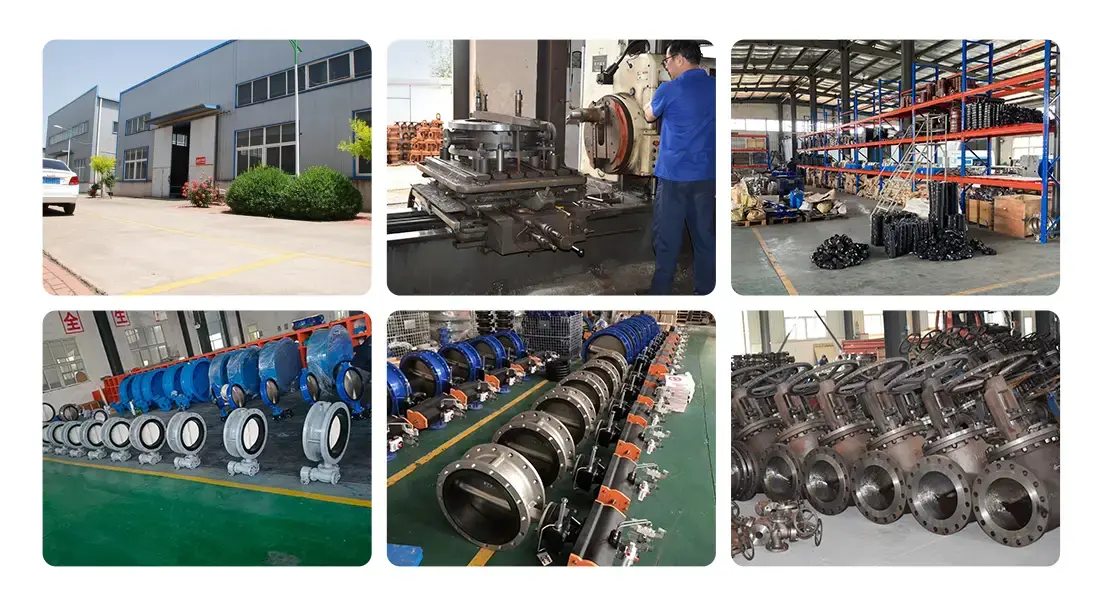
ZTVK has been making industrial valves in Tianjin for more than 15 years. Our plant is close to major shipping lines and has a number of quality certifications, such as ISO 9001, ISO 14001, and OHSAS 18001. Our 4 inch brass gate valve supplier inventory has more than 2,000 standard units that are ready to ship right away. This lets us quickly deploy projects in markets around the world. We know how hard it is for distributors and contractors when quality isn't always constant and wait times are long. Our in-house production lets us add OEM branding, make materials to your exact specifications, and speed up production when project deadlines require it. Get in touch with our purchasing experts at ktec86961886@163.com to talk about your water system needs and get detailed quotes that are based on your quantity and delivery needs.
References
1. American Water Works Association. (2017). Manual of Water Supply Practices M49: Butterfly Valves: Torque, Head Loss, and Cavitation Analysis. Denver: AWWA Publishing.
2. Lyons, J. L., & Askland, C. K. (2016). Piping Systems Manual. New York: McGraw-Hill Education.
3. Smith, P. R., & Zappe, R. W. (2004). Valve Selection Handbook: Engineering Fundamentals for Selecting the Right Valve Design for Every Industrial Flow Application (5th ed.). Houston: Gulf Professional Publishing.
4. Hydraulic Institute & American National Standards Institute. (2015). ANSI/HI 2.1-2.2: Rotodynamic Vertical Pumps of Radial, Mixed, and Axial Flow Types for Nomenclature and Definitions. Parsippany: Hydraulic Institute.
5. National Sanitation Foundation International. (2018). NSF/ANSI 61: Drinking Water System Components – Health Effects. Ann Arbor: NSF International.
6. British Standards Institution. (2014). BS EN 1074-2: Water Supply – Valves for Water Supply Systems – Specification and Requirements for Performance Tests for Gate Valves. London: BSI Group.
Send us your valve requirements and our team will provide professional solutions and fast quotations.
RELATED INDUSTRY KNOWLEDGE